Most people assume their cat is simply indifferent. You come home upset, they yawn. You cry on the couch, they walk away. But here’s the thing – what looks like indifference might actually be a very calculated, emotionally aware response. Cats have spent thousands of years living alongside humans, and quietly, almost invisibly, they have developed tools to read us in ways that genuinely surprise scientists.
The research on feline emotional intelligence has exploded in recent years, and the picture emerging is nothing short of remarkable. Your cat may not express emotion the way a golden retriever does, but that doesn’t mean they are unaware. They are watching, listening, and even smelling your feelings. Be surprised by what science is quietly uncovering about your mysterious, perceptive companion.
The Science Behind Cats Reading Human Emotions
For a long time, scientists focused most of their attention on dogs when studying animal emotional intelligence. Cats were left behind, assumed to be too independent and self-serving to care about human feelings. That assumption is now being seriously challenged. Recent research suggests that cats may be more attuned to human emotions than previously thought, and studies show that cats react to their owners’ visual and vocal signals, adjusting their behavior based on human emotions.
A 2020 study entitled “Emotion Recognition in Cats,” published in the journal Animals, demonstrated that cats are able to recognize both their own species’ and human emotions through auditory and visual observations. Think of it like this: your cat isn’t just a passive observer in your home. They are quietly running emotional calculations, the same way you might unconsciously read the mood of a room the moment you walk in. The findings demonstrate that as cats became domesticated, they developed cognitive and social skills in understanding human emotions to behave accordingly in response to their human’s cues in communication and expressing those emotions.
How Your Cat Sniffs Out Your Feelings
Here’s something that might blow your mind. Your cat doesn’t just watch your face or hear your voice to assess how you’re feeling. They can literally smell your emotional state. A recent study shows cats can detect human emotions through scent, especially fear, suggesting our feline friends might understand us more than we realize. This is not metaphor or folklore. It is biology.
In one study, cats were presented with human odors collected in different emotional contexts including fear, happiness, physical stress, and neutral states, and researchers found that “fear” odors elicited higher stress levels in cats, suggesting that cats perceived the valence of the information conveyed by fear olfactory signals and regulated their behavior accordingly. Even more fascinating, cats used their right nostril more when displaying severe stress behaviors while smelling fear and physical stress odors, and since the right nostril connects to the right hemisphere of the brain, which is responsible for processing arousal and intense emotions, this suggests those odors trigger a higher emotional response in cats.
Your Voice Is a Mood Map They Can Read
You might think your cat ignores everything you say. Honestly, it looks that way sometimes. But your voice is actually one of the richest sources of emotional data your cat taps into daily. Your tone of voice can convey a lot of information to your cat, even if they don’t understand the exact words you’re saying, as cats often pick up on the emotional cues in your voice, such as happiness, frustration, or sadness.
A small study found that cats may change their behavior when they hear their owner’s voice talking in a tone directed to them, but not when hearing the voice of a stranger or their owner’s voice directed at another person. In other words, your cat knows the difference between when you are talking to them and when you are not. Cats are much more bonded and in touch with their humans than we typically give them credit for, and they actively seek our voices and crave that connection.
Facial Expressions Your Cat Is Quietly Cataloguing
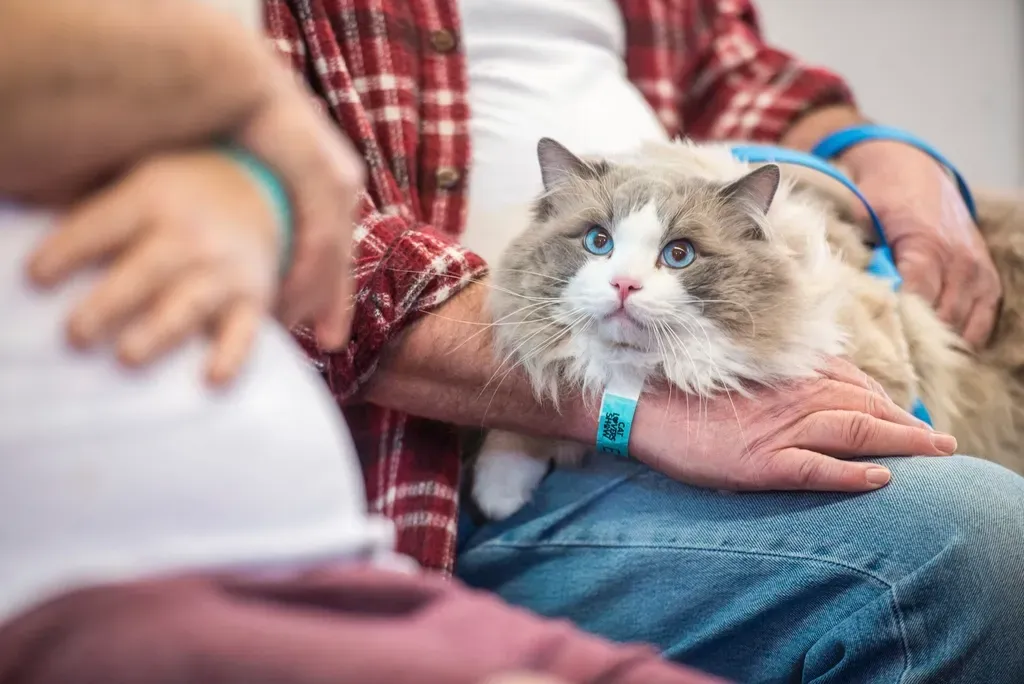
Your smile matters more to your cat than you might expect. A study involving 12 cats and their owners showed that felines behave differently based on whether their owners are smiling or frowning, and while similar behaviors had previously been documented in domestic dogs, researchers observed that cats exhibited more frequent positive behaviors such as purring, rubbing, and spending more time with their owners when their owner was smiling. That is a meaningful behavioral shift driven purely by reading your face.
Cats can read human emotions by recognizing facial expressions like smiling and frowning, and over time, cats learn to associate positive things with happy facial expressions while negative or less rewarding things are associated with negative expressions. It is almost like training on both sides. You train them with patterns, and they train themselves to recognize your emotional signatures. Studies suggest they can recognize happy and angry faces and adjust their behavior accordingly, like choosing to cuddle when you’re down or avoiding eye contact when you’re mad.
Cats and Sadness: The Quiet Comfort You May Have Missed
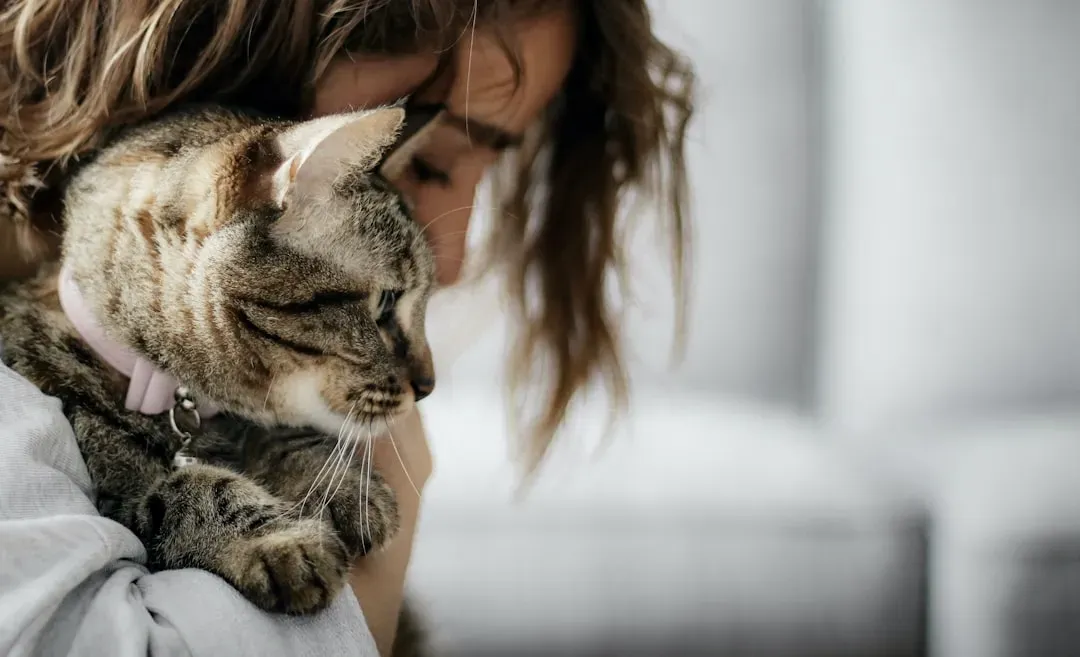
If you have ever had a terrible day and found your cat inexplicably glued to your side, you were not imagining it. It appears that cats can sense human moods as well as depression, and cats are observant and intuitive, which allows them to understand emotional cues from humans. They pick up on the quieter signals – a slower walk, a softer voice, a body that moves differently when you are carrying pain.
It has been found that cats are sensitive to human moods, and in particular, they engage more frequently in social interactions with depressed humans and approach more frequently owners feeling extroverted or agitated. So when you are grieving or withdrawing, your cat may push closer rather than back off. In particular, cats may come into closer proximity when their owners are depressed, and some even purr and rub themselves more once they sense their human is feeling down, though it also depends on the individual cat’s personality.
Social Referencing: When Your Cat Looks to You for Guidance
Here is a concept that researchers have confirmed in cats and it is genuinely fascinating. It is called “social referencing,” and it means your cat looks to you for emotional direction when they encounter something uncertain. Think about a child looking at a parent’s face before deciding whether to be afraid of something new. Cats do this too. A study by Animal Cognition showed that cats look at their owners for signals, and in the study, they invited cat and owner pairs for a social experiment, bringing them into a room that contained fans with streamers tied on them, introducing an element of anxiety and uncertainty.
If a cat is initially scared of an object but eventually calms and even approaches it, the cat can probably tune into your emotional cues and adjust its behavior accordingly. Your emotional state is essentially a compass your cat uses to navigate the world. What many owners interpret as emotional comfort may be a complex response to multiple sensory cues, including visual signs of distress, changes in voice tone, and stress-related odors, all of which alert cats to their human’s emotional state.
The Healing Power of the Purr and Its Emotional Intelligence
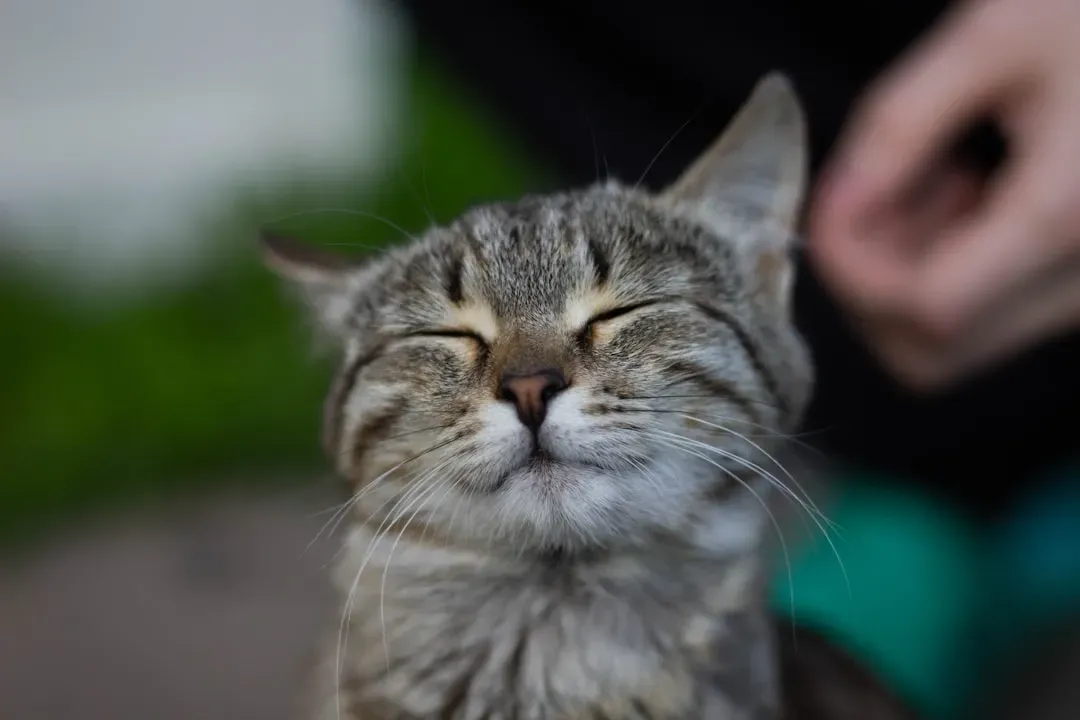
Let’s be real – the purr is one of life’s most underrated gifts. But it is also a two-way emotional communication tool. Your cat does not just purr when it is content. Cats purr for various reasons, including to express comfort, self-soothe, and even to request attention from their owners, and some studies suggest that cats use purring as a way to influence their human companions, particularly in situations where they need food or comfort.
A cat purrs within a range of 20 to 140 Hz, which is known to be medically therapeutic for illnesses in humans, and a cat’s purr can not only lower stress but also help labored breathing, lower blood pressure, help heal infections, and even support bone healing. The remarkable thing is that this often happens precisely when you need it most, because your cat senses your distress and responds with their own form of biological comfort delivery. When a person interacts with a purring cat, their body releases serotonin, a neurotransmitter associated with mood regulation, and this physiological response can help lower cortisol levels, the primary hormone associated with stress.
How Cats Mirror and Absorb Your Emotional States
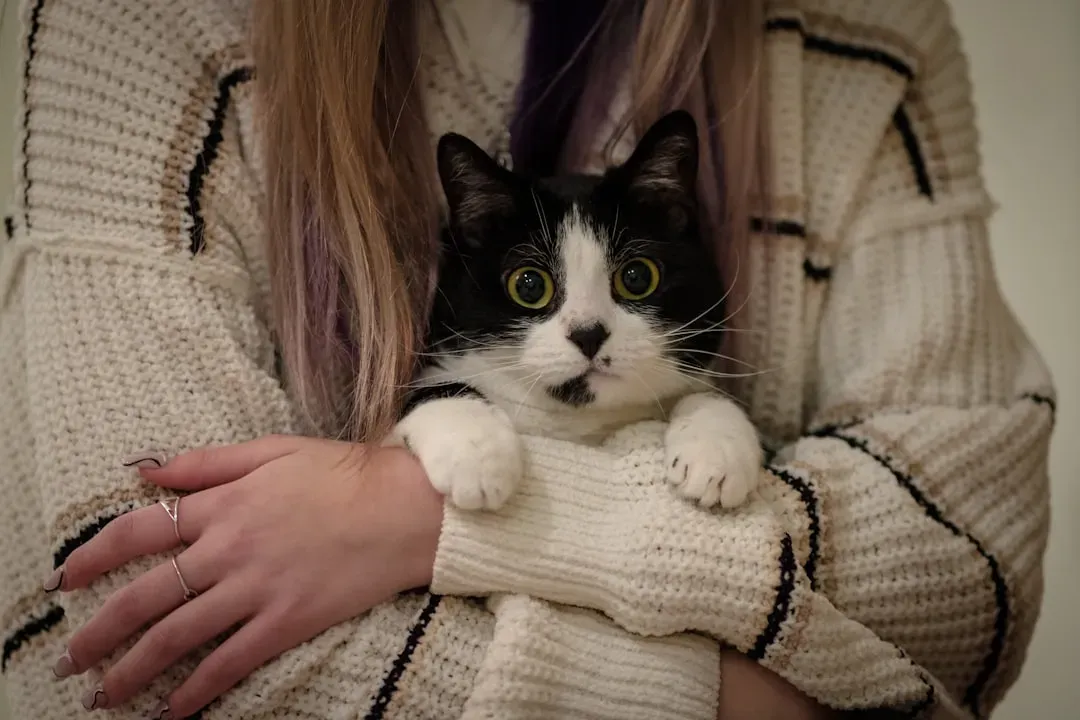
Your mood does not just affect how your cat behaves. It can actually shape how your cat feels. A study published in the journal Animal Cognition in 2020 found evidence that cats can “catch” emotions from their owners, and when owners were made to appear anxious or calm during experimental conditions, their cats displayed corresponding behaviors, with cats showing more stress-related behaviors such as increased vigilance, hiding, and seeking proximity during the anxiety condition, suggesting cats may not only recognize human emotional states but also synchronize their own emotional responses accordingly.
The emotional connection between cats and their owners is a two-way street, as your emotions can significantly affect your cat, and changes in a cat’s environment or routine, often influenced by the owner’s emotional state, can impact the cat’s well-being. It is a bit like emotional weather – you set the climate in the household, and your cat is the first to feel the temperature change. This mirror effect is particularly pronounced in cats with strong bonds to their owners, and while not as extensively documented as in dogs, this emotional contagion suggests cats have evolved sophisticated social-cognitive mechanisms that allow them to tune into human emotional wavelengths.
What This Means for Your Relationship With Your Cat
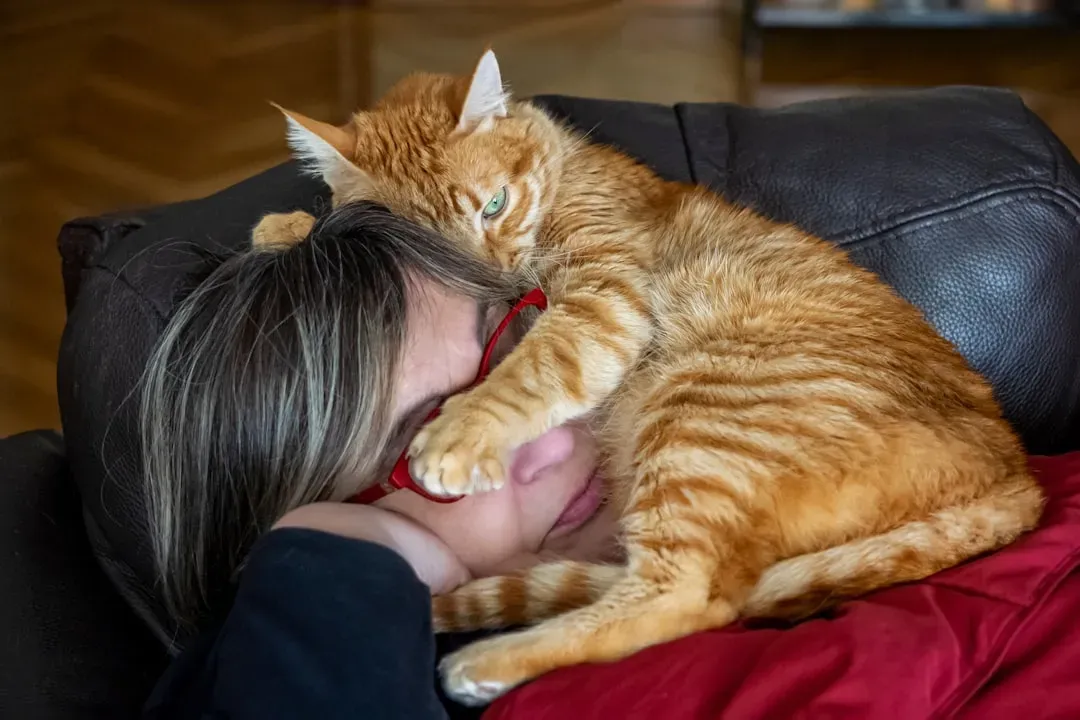
Understanding that your cat reads your moods is more than just an interesting fact. It actually changes how you should think about your relationship with them. Over time, the bond between you and your cat will strengthen, and they can start to pick up on your emotional cues, allowing them to provide you with extra comfort during times of anxiety. The longer you live together, the more fluent your cat becomes in reading you specifically – not just humans in general.
In many studies, cats show a clear preference for calm, gentle voices, approaching their owners more readily and displaying affectionate behavior, and when exposed to angry or loud tones, even if the words are neutral, cats often withdraw or become anxious, suggesting that cats are not only listening to what you say, but to how you say it. So the next time you raise your voice in frustration, notice what your cat does. Their reaction is probably more informed than you give them credit for. Scientific research confirms that cats can detect changes in their owners’ emotional states through various cues, including facial expressions, voice tone, and physiological changes.
Conclusion: Your Cat Has Been Listening All Along
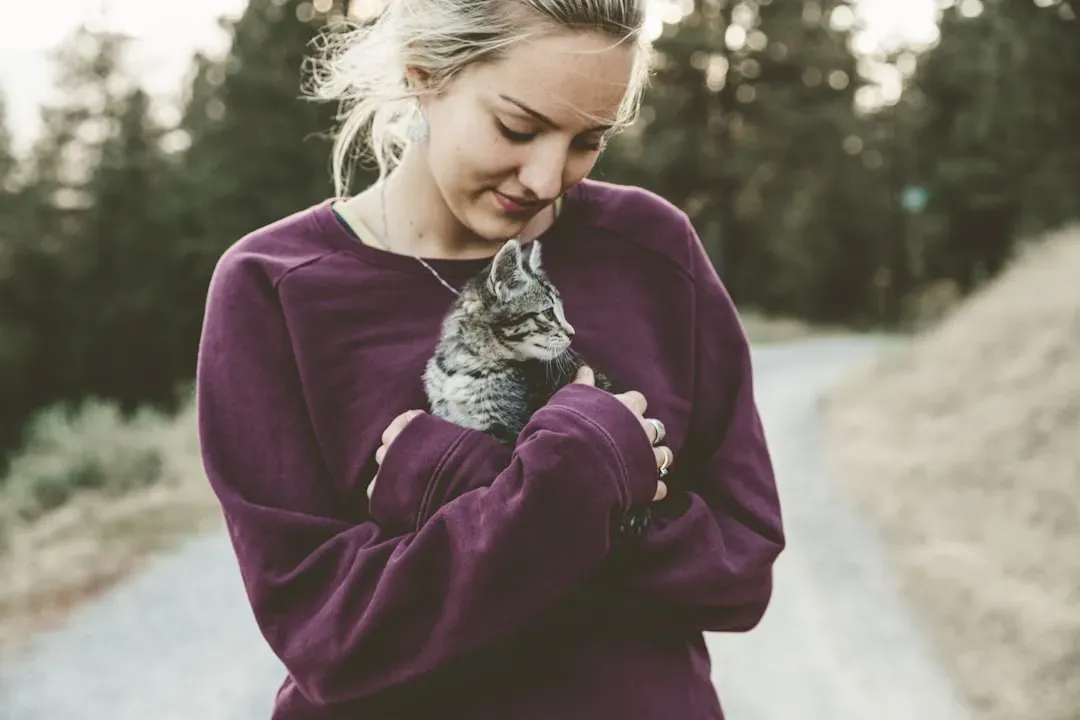
The image of the cold, indifferent cat is one of the great myths of the animal world. Science keeps chipping away at it, piece by piece. From reading your facial expressions and interpreting the tone in your voice, to detecting stress hormones in your sweat and mirroring your anxiety back at you – your cat is doing far more emotional processing than their blank-faced stare suggests.
I think the most beautiful part of all this research is that it reframes the entire human-cat relationship. You are not caring for an aloof creature that tolerates your presence. You are living with a companion who has quietly learned to read you, track your moods, and respond in their own understated way. That is profound. That is loyalty dressed up in fur and mystery.
The next time your cat curls up beside you on your worst day, remember – they noticed. They chose to stay. What does that tell you about your relationship? Tell us your most surprising moment of feeling truly understood by your cat in the comments below.