Ever found yourself wondering if your cat even knows you exist? You’re not alone. There’s something strangely captivating yet maddening about living with a creature that seems to operate on an entirely different emotional wavelength.
They sit across the room staring at you with those half-lidded eyes. They ignore you when you call. They act like you’re nothing more than a convenient source of food and warmth. Yet somehow, despite all this apparent indifference, we’re convinced our cats love us. Here’s the thing: we’re absolutely right.
The Evolutionary Origins of Feline Independence
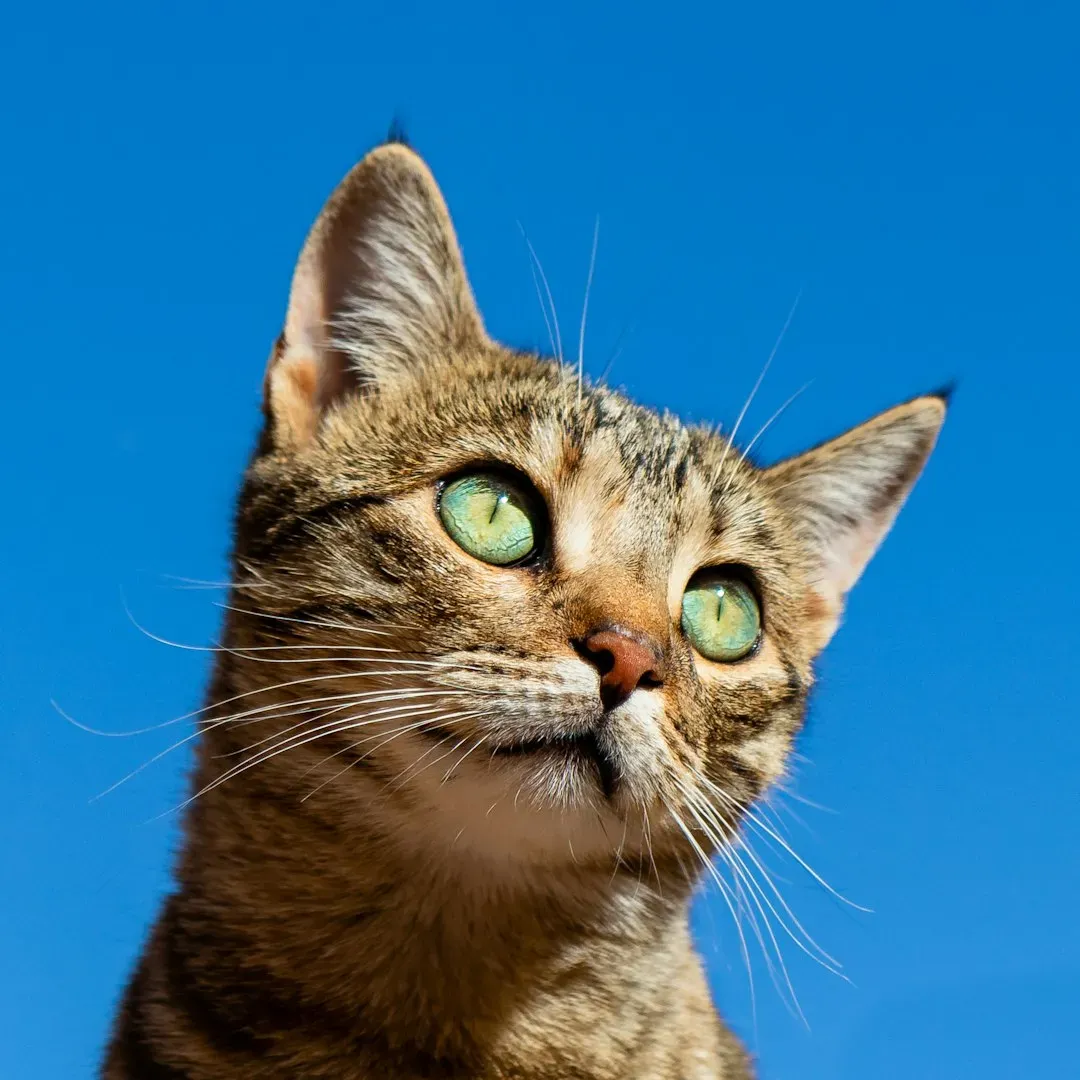
What you may interpret as a cat being aloof is actually your exquisitely designed companion being ready for anything. Just because your cat may not jump to immediate attention when you call his name, doesn’t mean he’s aloof – he’s focused. Think about it for a moment. Cats are also prey so being aware of what’s going on in their environment is critical. That watchful distance isn’t coldness.
It’s survival instinct doing what it does best. Unlike dogs, which are pack animals and have a more straightforward social structure, cats are more independent creatures that form complex social hierarchies. This means that trust and affection are earned rather than given freely. Your cat hasn’t been domesticated to serve you the way dogs have. They chose to stick around humans thousands of years ago because it made sense, not because they needed us to tell them what to do.
The Slow Blink: Your Cat’s Secret Love Language
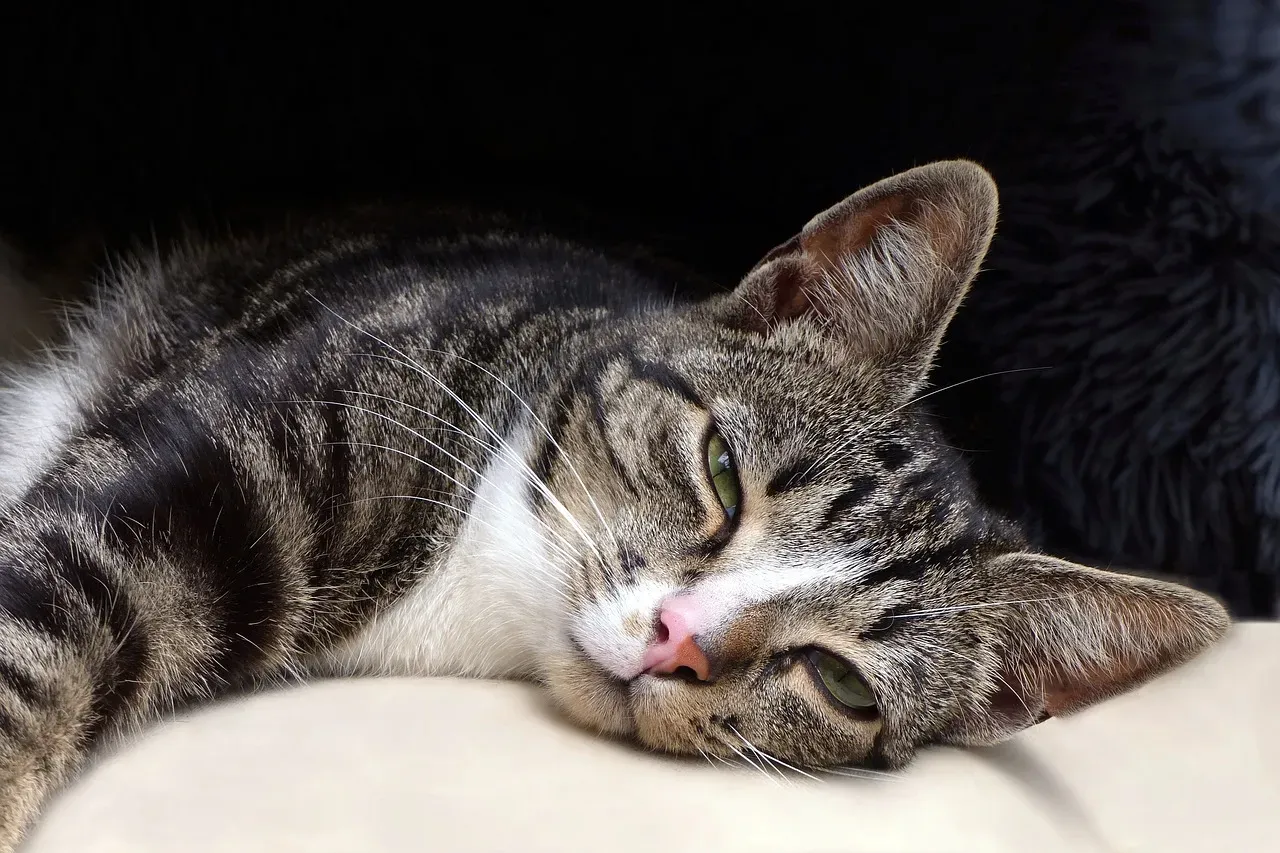
Slow blinking is a gesture of trust and affection that cats use to communicate with each other. When a cat slow blinks at you, it’s a sign that they feel comfortable and safe around you. It might look like sleepiness or boredom to the untrained eye, yet it’s actually one of the most profound expressions of love in the feline world.
Remember that in the wild, cats are both predators and prey. Anytime the animal’s eyes are closed, it can’t spot potential threats nearby. It’s at risk. Vulnerable. When you’re present, and your cat makes himself vulnerable by closing his eyes – even for a half-second – you have officially made it inside your pet’s circle of trust.
Research has shown that slow blinking is not just an anecdotal behavior observed by cat owners but a scientifically supported form of communication. A study conducted by the University of Sussex found that cats are more likely to slow blink at their owners when their owners slow blink at them. Furthermore, cats were more likely to approach an experimenter who had slowly blinked at them. Try it yourself next time your cat gazes at you from across the room. The results might surprise you.
Head Bunting and Scent Marking: The Ultimate Compliment
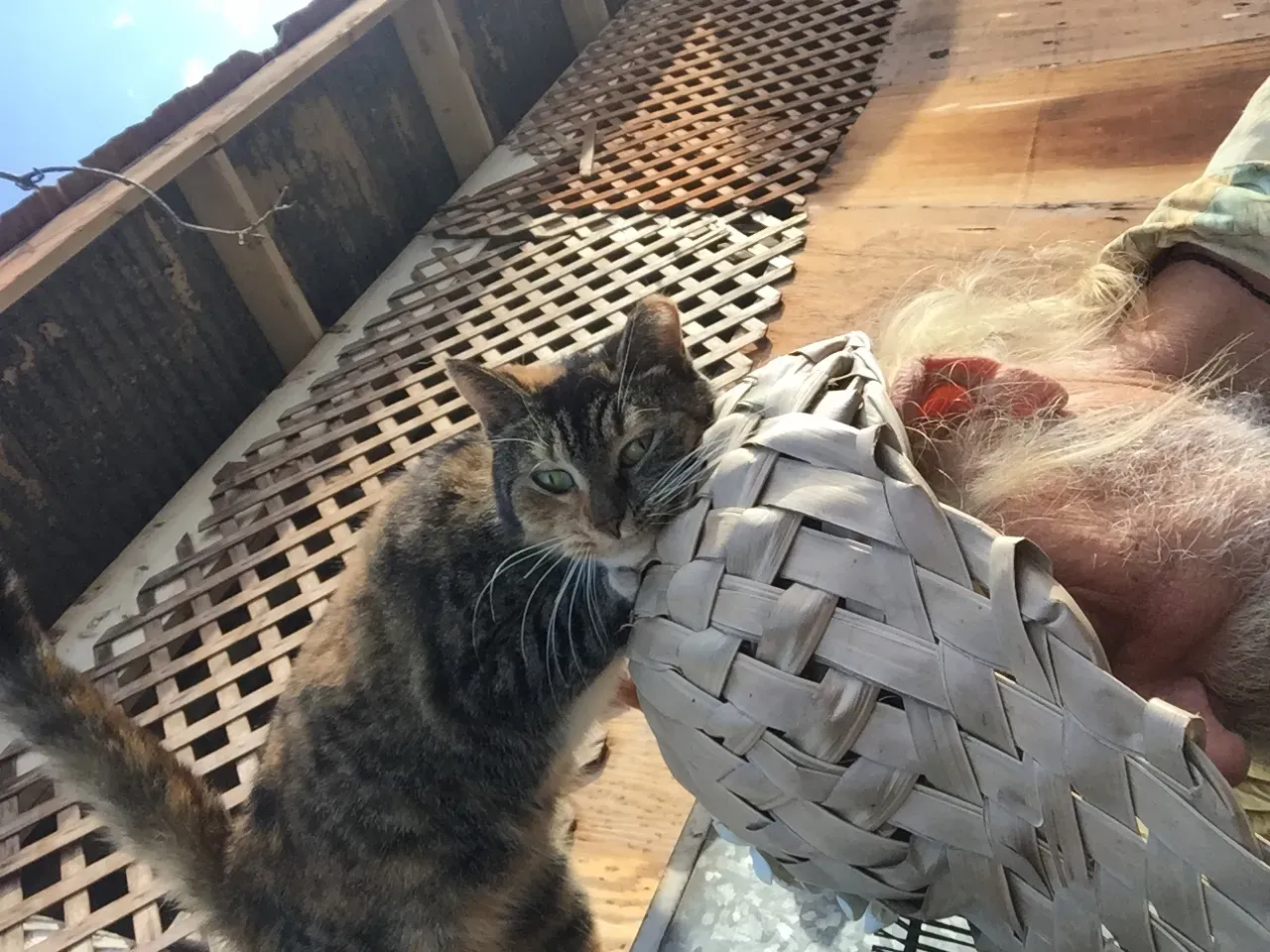
When your cat rams their head into your leg or face, they’re doing far more than saying hello. Cats have scent glands above their eyes and below their ears that release pheromones. When they gently rub their little head against you, they’re marking you as part of their family, essentially saying “I want you to smell like me because we’re family.” Not so distant now, are they?
Like other animals, cats rub on items to leave their scent. When your cat rubs against your arms or legs or presses against your face he or she is leaving their scent on you. This behavior, also called bunting, is a way to let other animals know that you belong to them. It is a form of affection they show to those they trust the most. It’s possessive, sure, but in the sweetest possible way. They’re claiming you as theirs in a world full of potential threats and competitors.
The Art of Making Biscuits
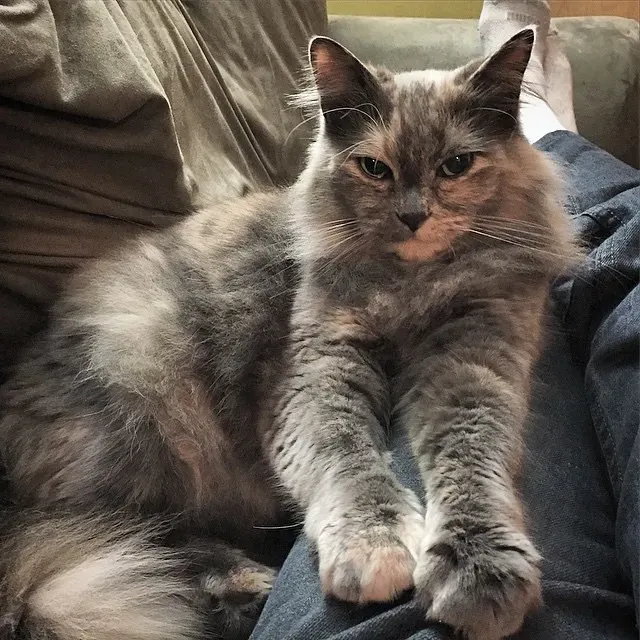
The rhythmic kneading cats do on blankets, pillows, or their humans is a behavior that mimics what they did while nursing as kittens. “It’s just a leftover instinctual thing that they do when they feel super happy and super connected. So if your cat makes biscuits when they’re near you, that is a sign of love and connection.”
Let’s be real, having tiny claws repeatedly puncturing your thigh isn’t always comfortable. Yet this throwback to kittenhood reveals something touching. Felines learn the act of kneading from their mothers as kittens. If your kitty gives you a massage with their paws, they are showing you affection in the same way they would do with their mum. You’ve somehow become their safe place, their comfort zone, the person who makes them feel like a content kitten again.
Following You Around: Your Fluffy Little Shadow
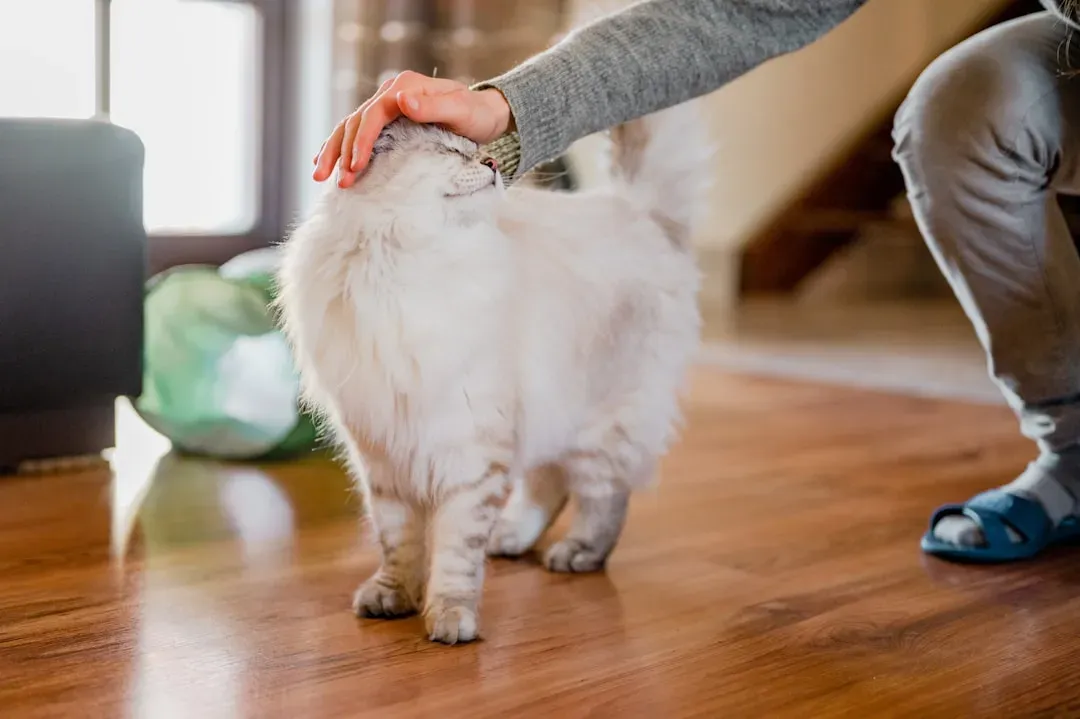
Some cats don’t really enjoy physical contact but that doesn’t mean they don’t want your companionship. If your cat follows you from room to room (and it’s not feeding time) they want to be close to you. Kind of like your own fluffy little shadow. As lovely as this expression of love is, it does also mean that you can forget about ever going to the bathroom alone again.
Cats often follow those they love and trust around the home. It is similar to the greeting at your front door, where they follow behind you and keep you in sight at all times. They may also weave around your legs. Your cat isn’t being clingy or needy. They simply prefer your company to being alone. Honestly, for a supposedly aloof creature, that’s pretty significant.
Purring: More Than Just a Motor Sound
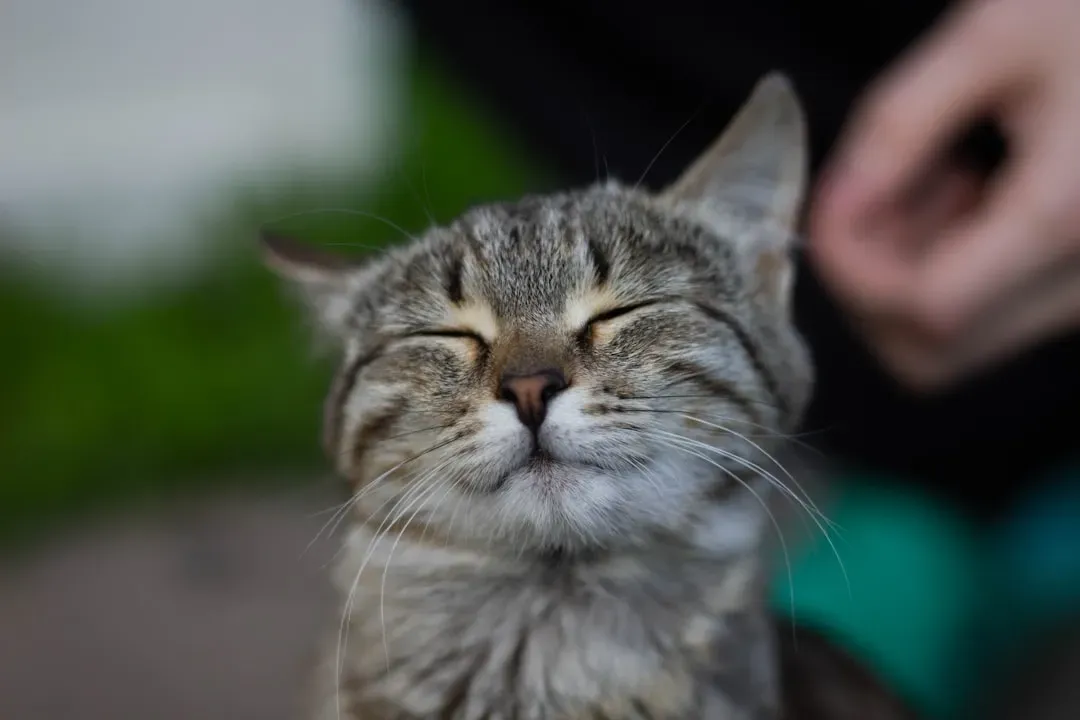
Most people assume purring always means happiness, which is mostly accurate but a bit oversimplified. “Purring doesn’t always mean affection. Cats purr for many reasons, including happiness or contentment, but also for pain or sickness. But if your cat’s just hanging out at home and they’re near you, and suddenly you hear the motor go on, that’s a pretty good sign that they love you.”
Besides the cat simply being content, purring serves as a healing mechanism. Really. Studies suggest that the vibrations emitted during purring can promote healing in bones and tissues. A cat cuddling up and purring when you’re sad or sick provides comfort beyond words. They’re not just expressing contentment. They might actually be trying to heal you with their vibrations. It’s hard to say for sure, but the possibility is beautiful.
Dead Animal Gifts: The Most Misunderstood Gesture
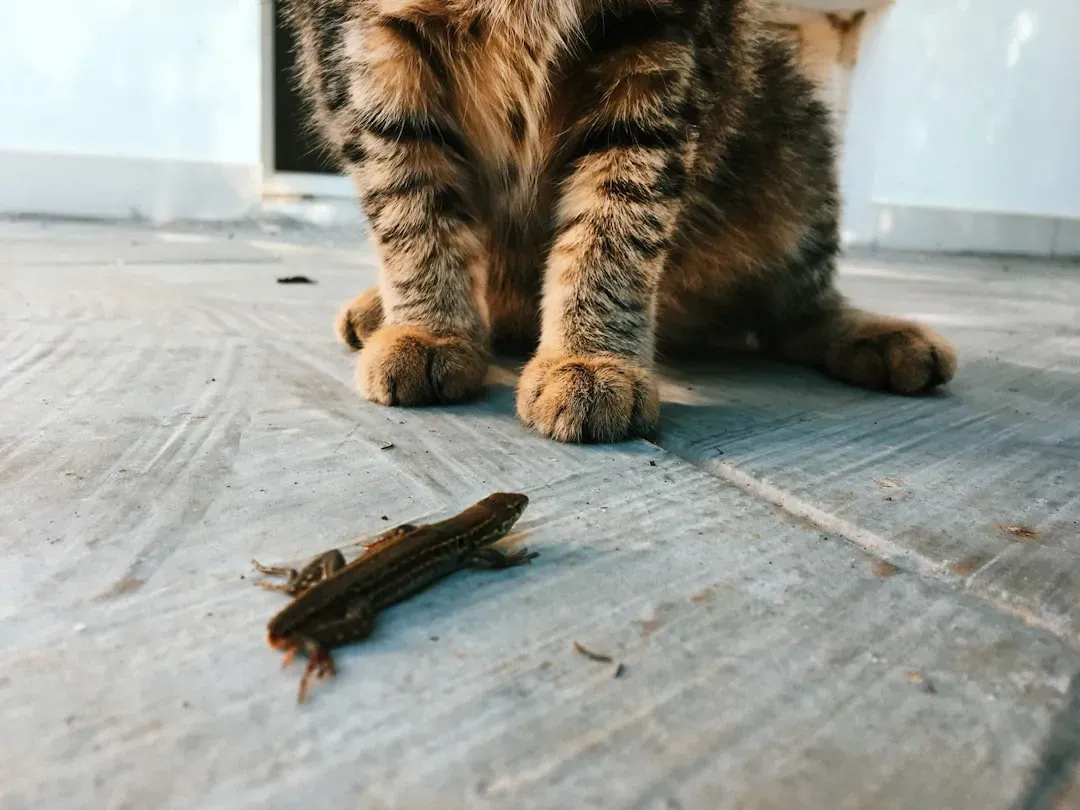
Nothing screams “my cat hates me” quite like stepping on a dead mouse at three in the morning. Except here’s the plot twist: that disgusting gift is actually a profound declaration of love. When your cat brings you dead animals, it might be because they think you’re a terrible hunter and want to help you practice. While that might sound a bit insulting on the surface, it’s one of many ways cats show you their love. “Being a bad hunter is a survival threat. So your cat’s letting you know they want to help you survive.”
Cats are hunters by nature and an outdoor cat will often bring their human dead rodents (or pieces of dead rodents) as tokens of affection. Indoor cats, on the other hand, might bring toys, pieces of string, or whatever else they find around the house. Accept your cat’s gift in the spirit in which it was intended and give them a little treat, cuddle, or stroke to show your gratitude. They’re teaching you essential life skills, from their perspective. Your inability to hunt is deeply concerning to them.
Choosing to Sleep Near You
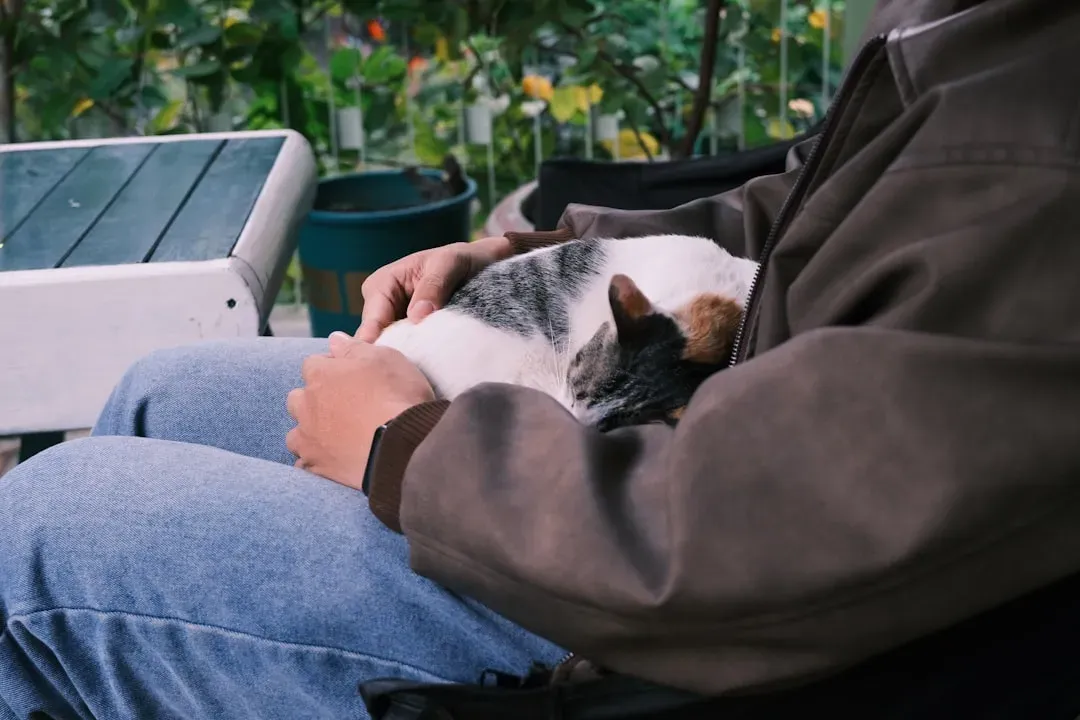
Cats can sleep anywhere from 10 to 15 hours each day. They are most vulnerable while sleeping and choose places that are safe and secure. There is no better compliment to you than a cat who chooses to fall asleep on you. This means they are completely comfortable with you and trust they are in safe and loving hands.
Cats have certain ground rules when it comes to choosing resting spots. The most important? Making sure it’s safe. So, when your cat chooses to sleep with you, around you, or on you, you should know this is a sign they trust and love you. You’re like a big security blanket for kitty. Your cat could sleep literally anywhere else in the entire house. Yet they choose the spot right next to you, or on your chest, or draped across your legs. That’s no accident.
The Belly Display: Ultimate Vulnerability
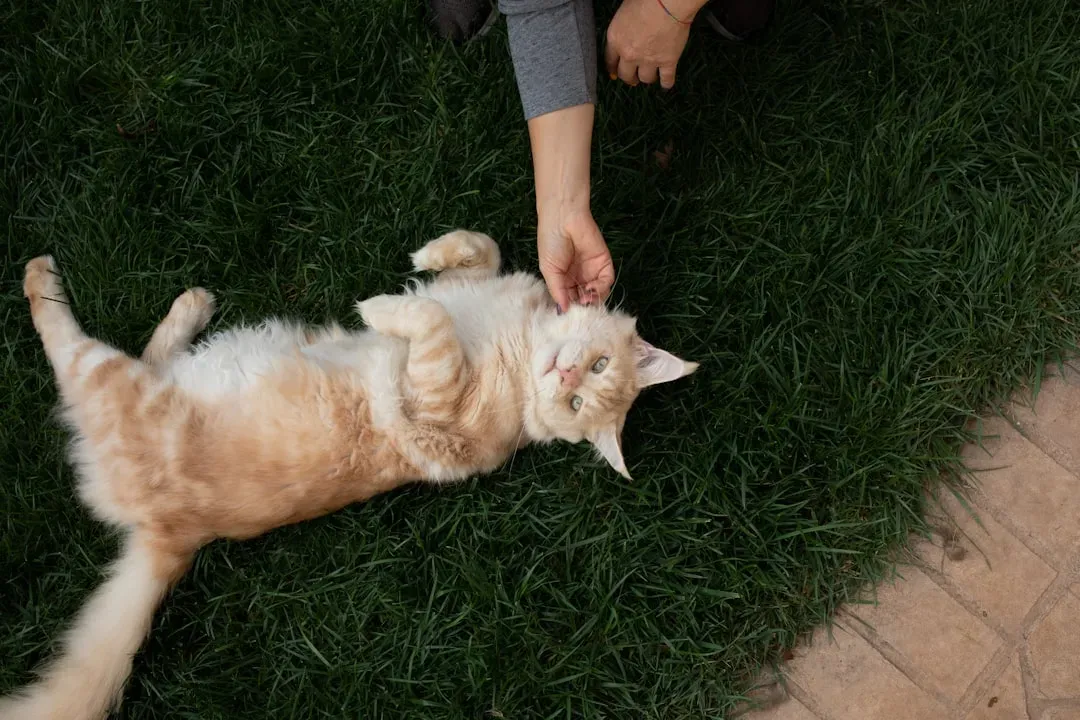
If a cat exposes their belly in your presence, wow, what a treat. This indicates that they are very comfortable in your presence, as this is their most relaxed state. Now, here’s where things get tricky. Just because they’re showing you their belly doesn’t necessarily mean they want you to touch it. Some cats do, many don’t.
When a cat shows their belly, it’s a display of complete trust and comfort. As the belly is one of the most vulnerable areas on a cat’s body, exposing it to you means they feel safe and secure in your presence. This behavior is reserved for those they love and trust the most. It’s about trust, not an invitation for belly rubs. They’re telling you they feel completely safe with you, which is arguably more meaningful than any cuddle session.
Understanding Their Version of Love
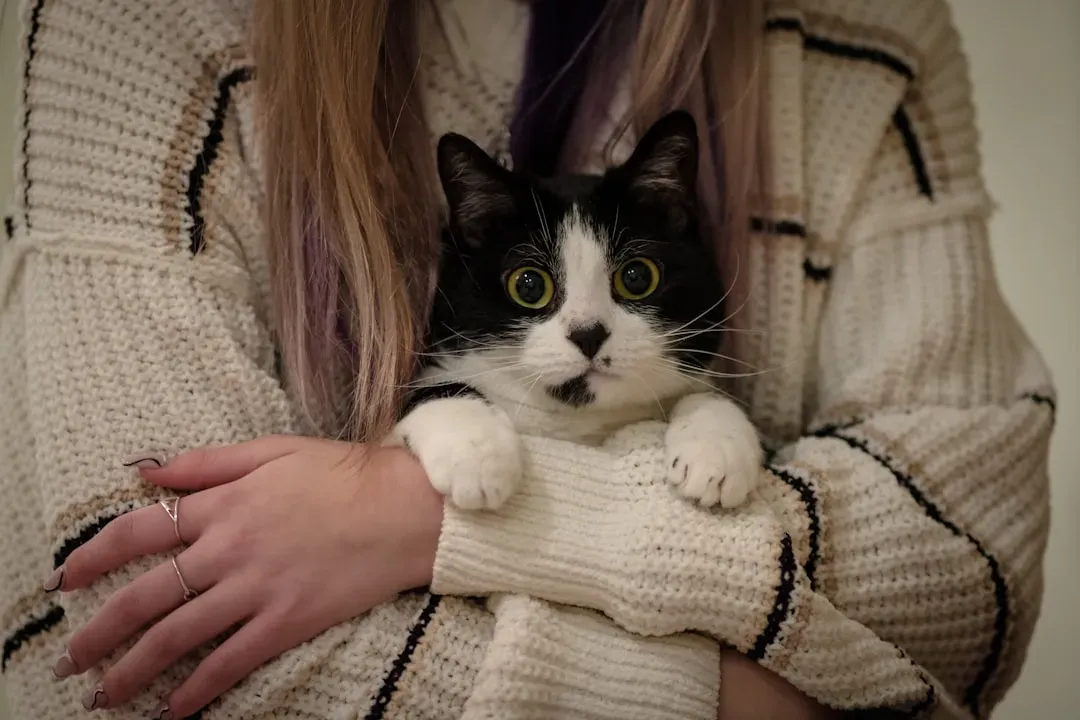
Cats are social beings that actively seek human connection. They form strong bonds with their parents, seeking interaction and companionship. The stereotype of the cold, unfeeling cat is not just inaccurate – it’s wildly unfair. Cats aren’t aloof – they’re complex creatures capable of deep love and connection in their own eccentric ways.
Cats are much more subtle in showing their love, though that doesn’t mean that the shared bond between cats and humans is any less than with dogs. It just means that you’ll need to work harder to understand your cat’s love language and boundaries to build trust. Your cat isn’t broken because they don’t greet you at the door like a golden retriever. They’re just speaking a different language, one that requires patience and observation to understand. Once you learn it, though, the conversation becomes incredibly rewarding.
The next time your cat sits across the room staring at you with apparent disinterest, remember what’s really happening. They’re choosing to be in the same space as you. They’re keeping you in their line of sight. They’re comfortable enough to let their guard down in your presence. That’s not aloofness. That’s love in its most authentic feline form. What do you think about your cat’s mysterious ways now? Did any of these behaviors surprise you?