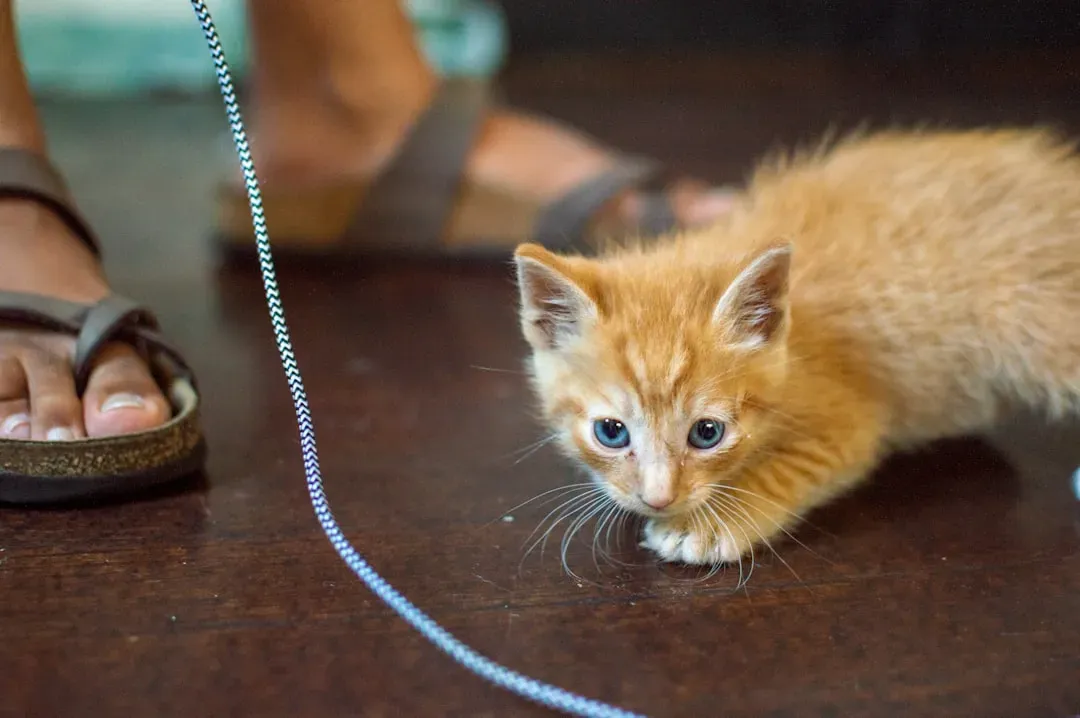
You are sitting perfectly still on the sofa, minding your own business, when it happens again. A small, furry missile launches itself from beneath the coffee table and clamps onto your unsuspecting toes. You yelp. Your cat looks deeply satisfied. Sound familiar? There is something both infuriating and strangely endearing about a cat that treats your feet like the world’s most exciting toy.
Here is the thing, though. That ambush is not a random act of chaos or a tiny declaration of war. There is a lot going on beneath the surface of that dramatic pounce, and understanding it might completely change how you see your cat’s behavior. Let’s dive in.
The Wild Predator Living in Your Living Room
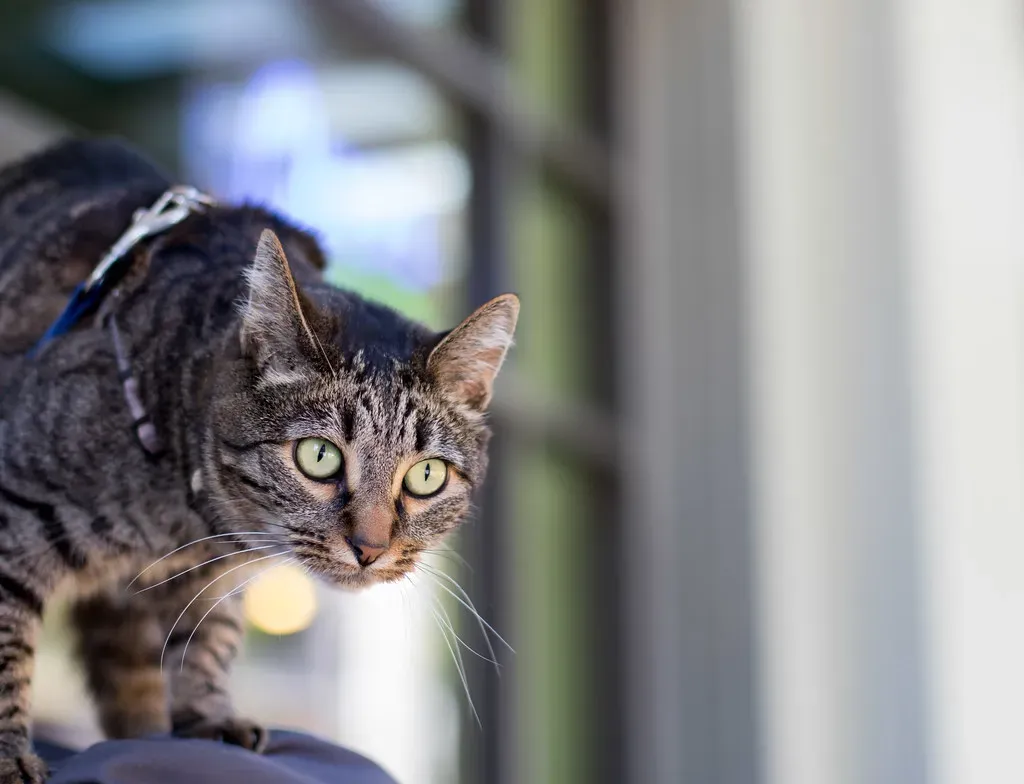
Your cat may sleep sixteen hours a day and beg for belly rubs, but underneath all that softness lives a fierce little predator. Cats are creatures of instinct, and their behaviors often have roots in their wild ancestry. Biting is a normal part of feline behavior, but when your cat bites at your feet, it is important to understand what they are trying to communicate.
There is one big reason why cats bite and attack your feet and ankles when you walk, and that is down to their natural instincts. Chasing is an innate behavior for cats, and as predators, it is second nature for them to pounce on a moving object or a moving human. Think of it like a golden retriever that still chases every ball even after a thousand throws. The urge just does not switch off.
Your cat may enjoy all the comforts of domestic life, but a little bit of lion is inside every feline, no matter how pampered they may be. You would be surprised at how many of your cat’s odd behaviors can be traced back to their wild relatives. That midnight ambush on your feet? Pure, unfiltered jungle instinct, happening right on your living room rug.
Why Your Feet Specifically? The Prey-Size Theory
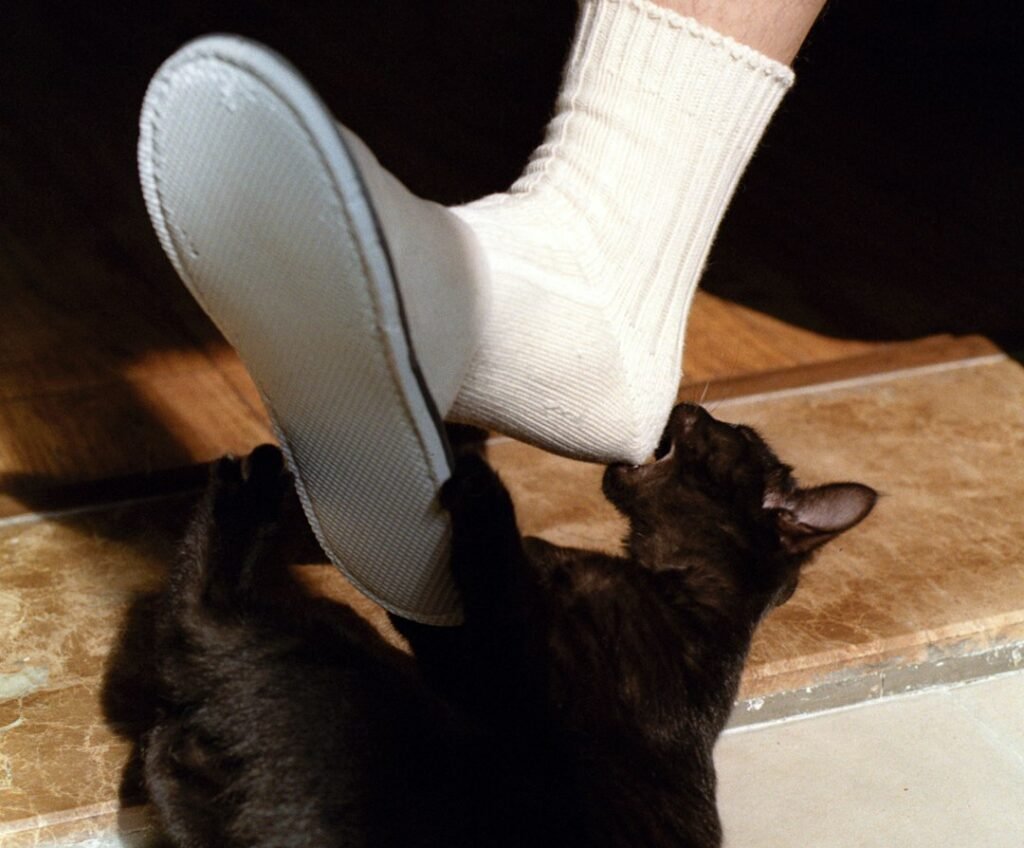
Human feet happen to be the perfect shape and size for a cat’s preferred prey. As cats hunt alone, their prey is small in size, as this is all they are capable of catching on their own. Your foot, in other words, sits in the exact sweet spot between “too big to bother” and “not interesting enough.” Congratulations, you are the ideal-sized prey animal.
Cats are hardwired to respond to auditory and visual stimulation that mimics the sudden movements and scuttling sounds of rodents in the undergrowth. Feet are the perfect size to mimic small mammal prey and are particularly attractive when you wear fluffy socks or fuzzy slippers that resemble fur. Yes, those adorable novelty slippers you love so much? You are practically wearing a costume designed to invite an attack.
Your feet move frequently and are at the cat’s eye level. It is even more exciting when they move under the blanket. You can usually tell it is play by the exaggerated movements cats make during the attack. Watch how your cat crouches, wiggles its hindquarters, and launches. That is a textbook hunting sequence, performed with enthusiasm that rivals any nature documentary.
It Is Actually a Compliment: The Trust and Affection Connection

Cats have many ways of showing affection, including nipping at your feet. Believe it or not, biting is one of the perhaps most confusing ways cats express their love for their favorite humans. It may be a comfort to hear that a gentle nip or bite has the same sentiment as a cuddle. Honestly, I think this is one of the most underappreciated facts about cat behavior. That chomped toe is basically a hug.
Cats learn this behavior from their mothers when they are tiny. The mother will often gently bite her babies whilst grooming them. These little love bites the mother gives her babies teach them some valuable lessons about social interactions. So when your cat nips your ankle, they are essentially treating you the way a mother cat treats her beloved kittens. It is a deeply rooted social gesture.
When cats pounce on feet, it is often a playful gesture rather than a display of hostility. It is common for kittens and young cats to stalk, ambush and swat, bunny-kick and bite each other during rough play, so your cat may be attacking your feet in an attempt to initiate play with you. They are not attacking you. They are inviting you to play. The way they know how.
Boredom and the Attention-Seeking Ankle Ambush
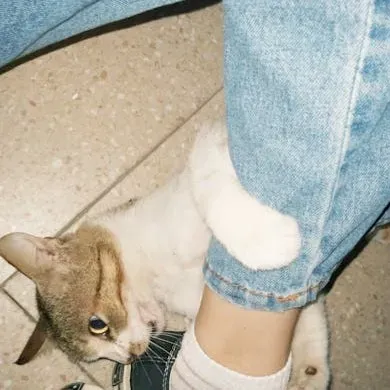
If your cat is bored and has not had enough opportunities to play, particularly with you, they might be attacking your feet out of boredom. A bored cat is likely to find ways of expending excess energy, which might include going after your feet. Boredom in cats is very real, and it does not make them mopey the way it does humans. It makes them creative and slightly destructive.
Some cats have also learned that if they bite their human’s toes or socks, suddenly there is action in the room. So the cat attacks their owner’s feet to initiate a game. They have learned that biting or pouncing gets a reaction fast. Whether it is a gasp, a yell, or a chase, that response is what they are after. To them, it is totally worth the ambush. You have accidentally trained your cat to attack you, and they think you both enjoy it equally.
The Morning Mischief: Why Crepuscular Nature Matters

Cats are crepuscular, meaning they are biologically most active at dawn and dusk. While you are in your deepest sleep, your cat is hitting their peak energy levels. So those particularly vicious 5 AM toe attacks are not personal. Your cat is simply running at full power while you are still in the middle of a dream. The timing is terrible, but the biology is impeccable.
The morning foot bite is usually a combination of three things: high energy, because they have slept all day and night and are ready to go; hunger, because their stomach is empty; and boredom, because they have been awake for an hour and want you to wake up too. That is a genuinely hard combination to argue with. Your cat is hungry, wired, and lonely, and your feet are right there. You practically invited it.
If your cat suddenly pounces on your feet while you are in bed, it just means they are hunting and playing. The movement of your feet beneath the blankets triggers their instinct to stalk and attack. Even the tiniest wiggle under a duvet is enough to flip that predator switch wide open. Your cat is not irrational. The blanket literally makes your feet look like prey burrowing underground.
When Stress or Pain Is Behind the Attack
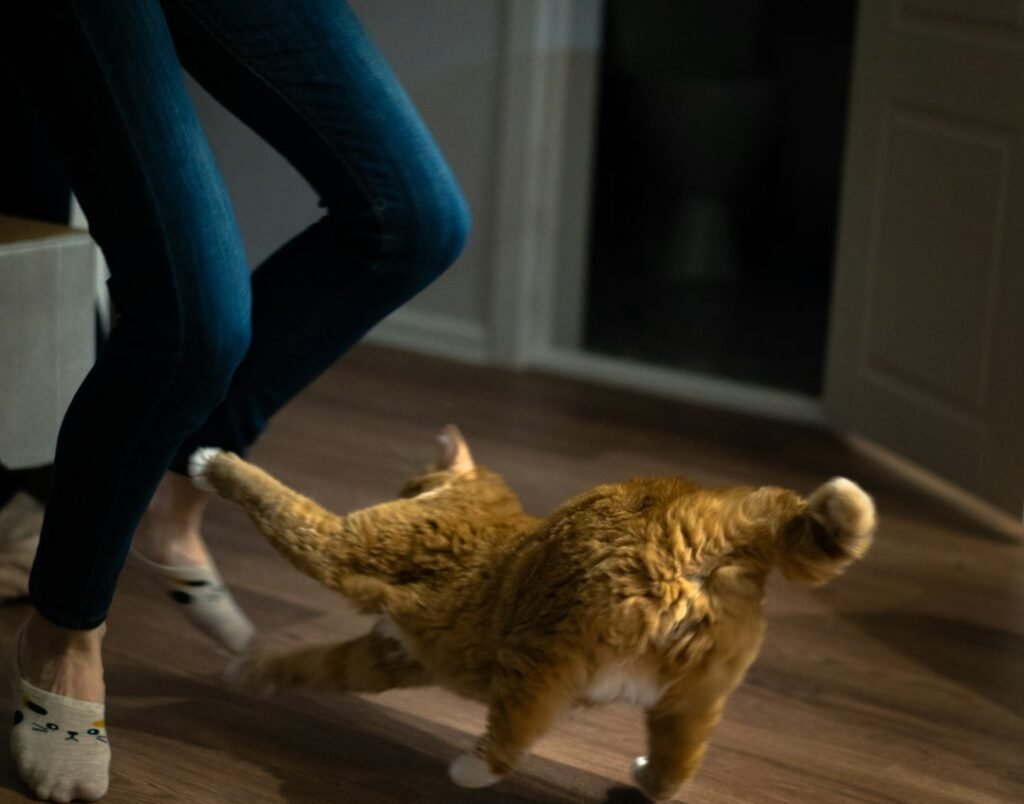
When cats are feeling anxious or fearful, they often resort to instinctual behaviors to communicate their discomfort and protect themselves. Your feet are often the closest body part to them, making them obvious targets. Humans move unpredictably, and a stressed cat may perceive sudden movement as a potential threat and react defensively. It is worth paying attention to context here. Not every foot attack is a joyful invitation.
If your furry friend suddenly starts attacking your feet, it could be a warning sign that they are in pain. Diseases like osteoarthritis, dental disease, and hyperthyroidism may cause a usually calm and friendly cat to display aggressive behavior towards their caregiver in an attempt to avoid being touched or moved. So if a cat that rarely bothers your feet suddenly becomes aggressive, it is worth a trip to the vet rather than just assuming they are being dramatic.
Sometimes, cats attack feet because they feel upset, uneasy, or stressed. Changes in your cat’s environment, like a new pet, loud guests, or moving furniture, can cause agitation. When cats feel off, they often show it in weird ways, like foot pouncing. Consider your cat’s recent world before assuming it is pure play. Even small disruptions register as major events for a highly sensitive animal like a cat.
How to Redirect the Energy Without Losing the Bond

Use toys to burn off that wild energy before it turns into a foot ambush. A few minutes of focused play can shift your cat’s attention from your ankles to something they should be hunting. Think of interactive playtime the way you think about exercise before a stressful day. It burns the energy that would otherwise land directly on your unsuspecting toes.
Interactive play sessions with wand toys should mimic the movements of different prey to stimulate your cat’s natural hunting instincts. Erratic stop-start movements across the floor or underneath a sheet of crinkly paper mimic rodent prey, while swooping aerial movements mimic a bird or insect in flight. The key is variety. Cats get bored with predictable movement just as quickly as they get bored without play entirely.
To show your cat that you do not like this game, stand still, turn your back to them, and slowly walk away. If you stop reacting when your cat bites your feet, they will soon learn to stop. This is how kittens learn how to behave from one another. If they do something to their littermates and the sibling does not like it, they will move away, and the kitten will learn that biting means the end of the game. Consistency is everything. Your calm, repetitive response will eventually speak louder than any scolding.
Conclusion
Your cat’s foot attacks are many things at once. They are ancient instinct, a playful invitation, a declaration of comfort, and sometimes a cry for more attention or stimulation. Very rarely are they a sign of genuine aggression, and even more rarely are they anything resembling personal dislike. A cat that ambushes your feet is a cat that sees you as part of their world, interesting enough to interact with, and safe enough to pounce on.
The best thing you can do is meet them halfway. Schedule daily play sessions, invest in toys that appeal to their prey drive, and watch for changes in behavior that might signal something deeper. Understanding your cat does not require a degree in animal science. It just requires a little patience, a decent wand toy, and perhaps a pair of thick socks until you both figure this out.
So the next time your cat launches a surprise attack on your toes at 6 AM, try not to take it personally. They are not plotting against you. They are just wild at heart and completely, inexplicably fond of you. What would you have guessed?