You’ve probably been there. You’ve just set a glass on the coffee table, turned your back for three seconds, and heard that slow, deliberate tap-tap-tap followed by a crash. Or maybe your cat walks directly onto the one surface you’ve told them a hundred times is off-limits – staring you dead in the eyes while they do it. It’s maddening. It’s hilarious. It’s also, believe it or not, one of the most fascinating expressions of feline intelligence you’ll ever witness.
Here’s the thing: what looks like defiance is actually something far more nuanced. Your cat isn’t being rude. They’re running an experiment – and you’re the subject. The science and psychology behind why cats push limits reveal a creature that is deeply curious, emotionally intelligent, and quietly trying to figure out if you can be trusted. Let’s dive in.
The Science Behind Why Cats Test Limits

On the most fundamental level, what you see as your cat breaking rules is actually about learning. Cats are deeply dependent on cause-and-effect thinking. They’re not being stubborn by repeating a behavior – they are gathering data. Think of it like a tiny, furry scientist running the same experiment over and over to confirm the results.
In cats, problem-solving, learning, and emotional management are all wrapped up in what behaviorists call boundary testing. These actions are signs of intelligence, curiosity, and adaptability – not disobedience. So the next time your cat pushes your pen off the desk and watches it fall, know that you are witnessing a mind at work, not a troublemaker at play.
Your Reaction Is Literally the Point

Those deliberate little rule-breaks aren’t accidents – your cat is quietly studying what happens next. Any experienced cat parent knows this: when you think the rules are perfectly clear, your cat does something calculated and deliberate. It’s almost theatrical the way they glance at you mid-mischief, isn’t it?
Most cats love attention from their owners, and when they push something off a table, they often get exactly what they were seeking: attention from the people in their environment. Whether you laugh, scold, or scramble to catch the falling object – that response is data your cat is storing for future use. Honestly, they have you more figured out than you might realize.
Boredom and Emotional Needs Drive More Testing Than You Think

Stress, boredom, and emotional disturbance are major factors that influence the frequency of boundary-testing behavior in cats. Low stimulation and unfulfilled emotional needs encourage cats to push limits far more often. Think of a bored child in a classroom with nothing to do – they’re going to find their own entertainment, rules or not.
Cats kept indoors without sufficient mental stimulation typically find their own entertainment, and boundary testing turns into a form of stimulation in itself. Similarly, shifts like moving homes, introducing new pets, or changes in your daily schedule can cause a noticeable rise in testing behaviors. If your cat suddenly seems more determined to challenge you, consider what might have changed in their world recently.
How Your Cat Views You Through the Lens of Trust
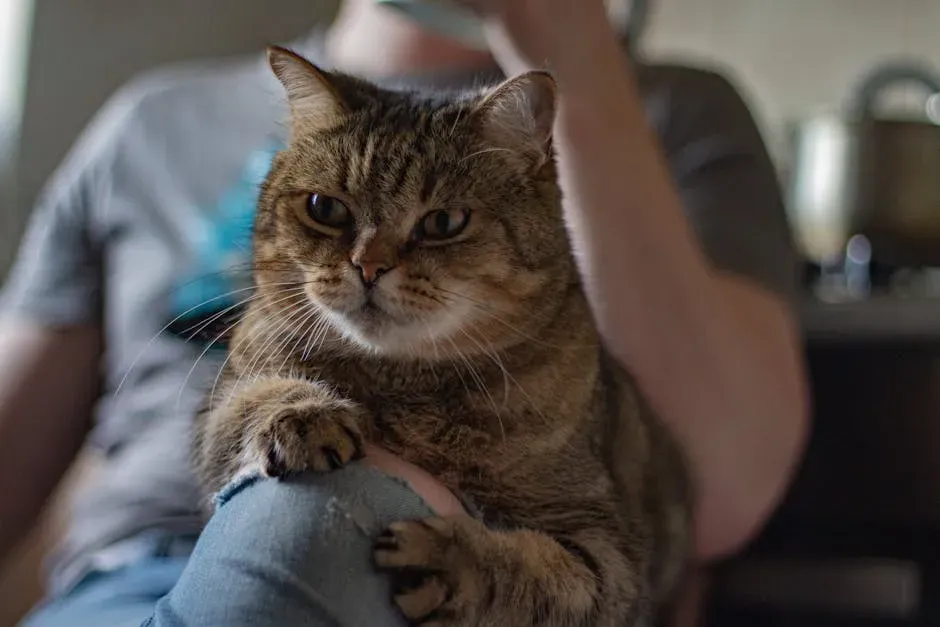
Studies now show that many cats form secure attachments to their owners, similar to dogs and human infants. They use their humans as a source of security and comfort – they’re not being needy; they’re treating you as their safe base in an unpredictable world. That’s actually a beautiful thing when you stop and think about it.
At their core, cats are both predators and prey. Despite their confidence, domestic cats retain ancient survival instincts that drive them to seek safe zones – familiar spaces and trusted companions. When your cat follows you or stays near you, it may be because you represent security. Your scent, voice, and presence act as a reassuring anchor in their world. Every test they run on you is part of building that mental map of safety.
Consistency Is the Currency of Cat Trust

A consistent daily routine can provide your cat with a sense of security and predictability, which helps build trust with you. If your cat knows how you’ll respond to something, why wouldn’t they trust you? The more consistent you are, the better. It’s the same reason we trust people who show up the same way every single day, rather than those who are unpredictable.
The environment a cat lives in is incredibly important to their sense of safety. Minimizing sudden changes in your environment or your own behavior helps reduce stress and anxiety for your cat. Your cat tests boundaries partly to check whether the world around them – including you – is still as predictable and safe as it was yesterday. Passing that test, day after day, is what trust is built on.
The Role of Punishment in Damaging the Bond

Punishment and deterrents can damage trust and create fear – and they don’t work as well as you’d think they would. Instead, focusing on positive reinforcement of desired behaviors is far more effective and won’t break your cat’s trust. This is one of the most common mistakes well-meaning cat owners make. The instinct to correct bad behavior with a sharp no or a spray bottle feels logical – but to a cat, it’s a relationship breaker.
Even if your cat seems to tolerate or even seek out your attention after being punished with a spray bottle, it doesn’t mean the punishment is harmless. Spray bottles can create a negative association with you and can lead to fear, anxiety, or aggression. You might stop the behavior in that moment, but you’re quietly chipping away at something much more valuable: the trust your cat is trying to build with you.
Reading the Body Language Behind the Behavior

Cats can’t literally say yes or no to something – rather than spoken language, they ask for and signal consent through body language and behavior alone. This is why learning to read what your cat’s posture, tail position, and eye contact are telling you is less of a hobby and more of a necessity for a healthy relationship.
There are many ways a cat can show trust, and the more vulnerable they appear when displaying a behavior, the more they trust you. Cats have no need for forced socialization – if they don’t like or trust you, they will simply walk away. When a cat is curious enough to stay around you, even if they don’t allow you to touch them, that is curiosity and trust in action. It’s subtle. But once you start seeing it, you can’t unsee it.
Socialization History Shapes How Hard Your Cat Tests You

For a cat well-socialized to humans as a kitten, it takes many negative experiences to become wary of people, and very few positive experiences with a new owner to become friendly and trusting. A cat poorly socialized to people as a kitten requires a great deal of positive experience to accept a new person, but very little negative experience to confirm its wariness and fear. In other words, the hand that shaped your cat in those early weeks still has an invisible grip on how they behave today.
If a cat is exposed to stress or anxiety in its early life, it may develop defensive behaviors that make it less likely to seek out human interaction. On the other hand, cats raised in a stable and nurturing environment are more likely to develop trust and affection toward their owners. Socialization plays a crucial role in shaping a cat’s behavior, and kittens that are handled regularly from an early age tend to be more confident and outgoing as adults. Understanding where your cat came from helps you extend them the right kind of patience.
How to Respond When Your Cat Pushes Your Limits
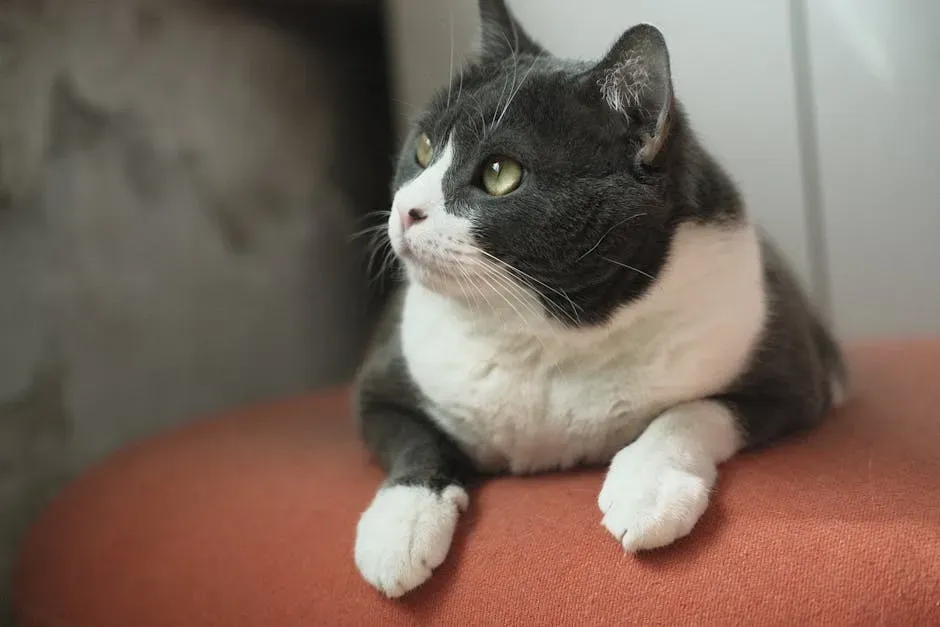
Setting boundaries is essential if you want to establish a good relationship with your cat. Ideally, you teach them as early as possible what they can and can’t do – but don’t expect perfection from the start, because they can’t read your mind. If they’re not allowed on your bed or the kitchen counter, remove them calmly each time and redirect them to their own space. With consistency, they’ll get the message and respect your wishes.
Part of being a good pet parent is ensuring your cat has the autonomy and space to say no, even to something as simple as being petted. It sets the precedent for authentic trust and will strengthen the bond between you two. The goal isn’t to win a battle of wills with your cat. It’s to create a relationship so rooted in consistency and respect that boundary-testing gradually becomes less necessary – because your cat already knows the answer.
Conclusion: Trust Is the Whole Game
It’s easy to look at a cat knocking things off the shelf and see pure chaos. It’s equally easy to get frustrated when they ignore a rule you’ve set for the hundredth time. However, the deeper you look at feline behavior, the clearer it becomes: your cat is doing something remarkably sophisticated. They’re running trust experiments. Every reaction you give, every moment of calm consistency or sudden frustration, feeds into their internal model of you as a safe or unsafe presence.
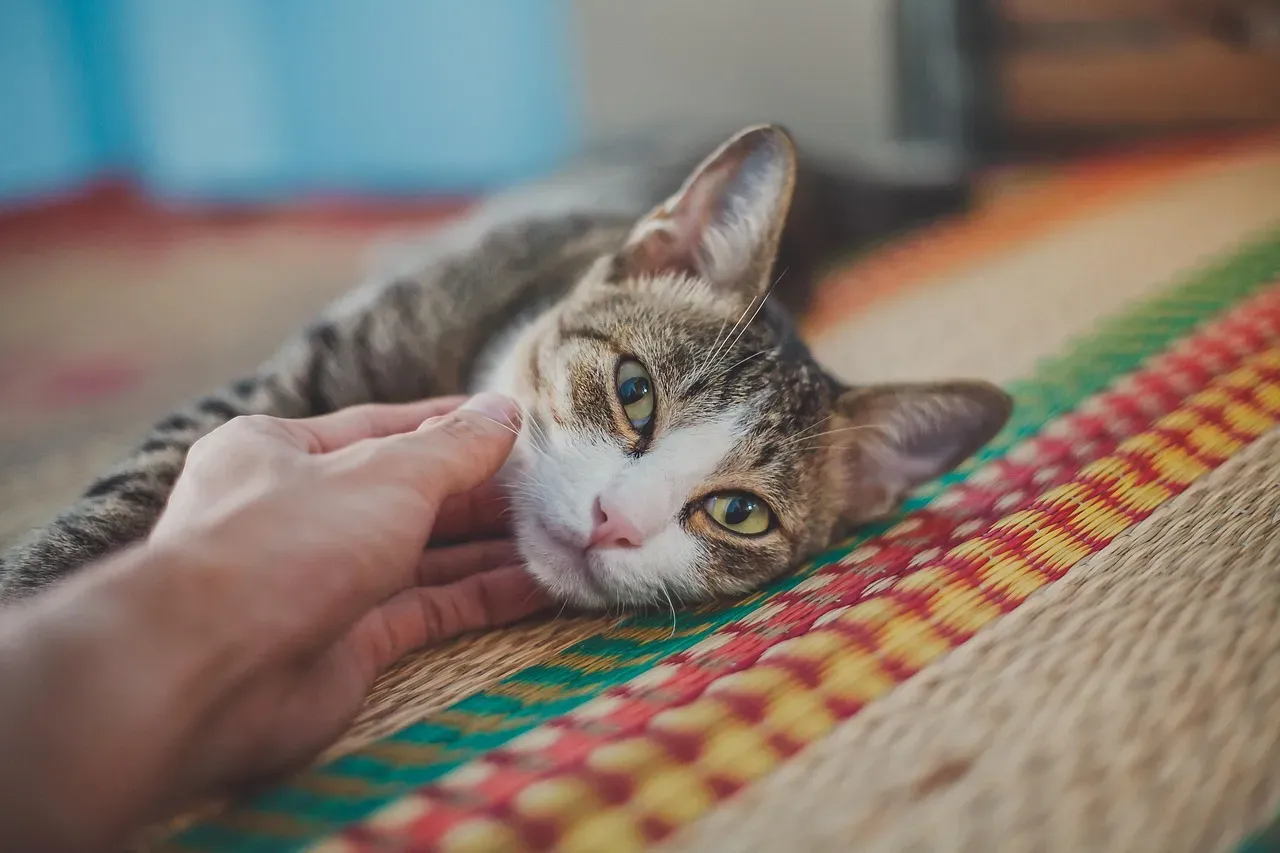
Trust isn’t something you can rush with a cat. It’s built slowly, through consistent, respectful interactions. Treat every boundary-push as a question your cat is asking – and let your calm, consistent response be the answer they need to hear. When they finally decide you’re trustworthy, the way they show it is unmistakable: a slow blink, a head pressed into your hand, a belly shown without an invitation.
So the next time your cat shoves your phone off the nightstand at 2 a.m. and locks eyes with you, ask yourself: what are they really trying to find out? Chances are, they’re not being difficult. They’re deciding whether to trust you completely. What kind of answer are you giving them?