Have you ever wondered why some people seem to thrive with their feline companions while others struggle to connect? It turns out, your cat’s breed might hold the answer. Let’s be real, we’ve all heard the phrase “like attracts like,” and when it comes to cats, this might be truer than you think.
Research into feline behavior is revealing something fascinating: the personality traits of different cat breeds may actually align with specific human lifestyles and temperaments. Just as you wouldn’t pair an introvert with an overly demanding social butterfly, matching your personality with the right cat breed could be the secret ingredient to a harmonious home. So let’s explore which feline friend might be your perfect match.
The Science Behind Feline Personalities
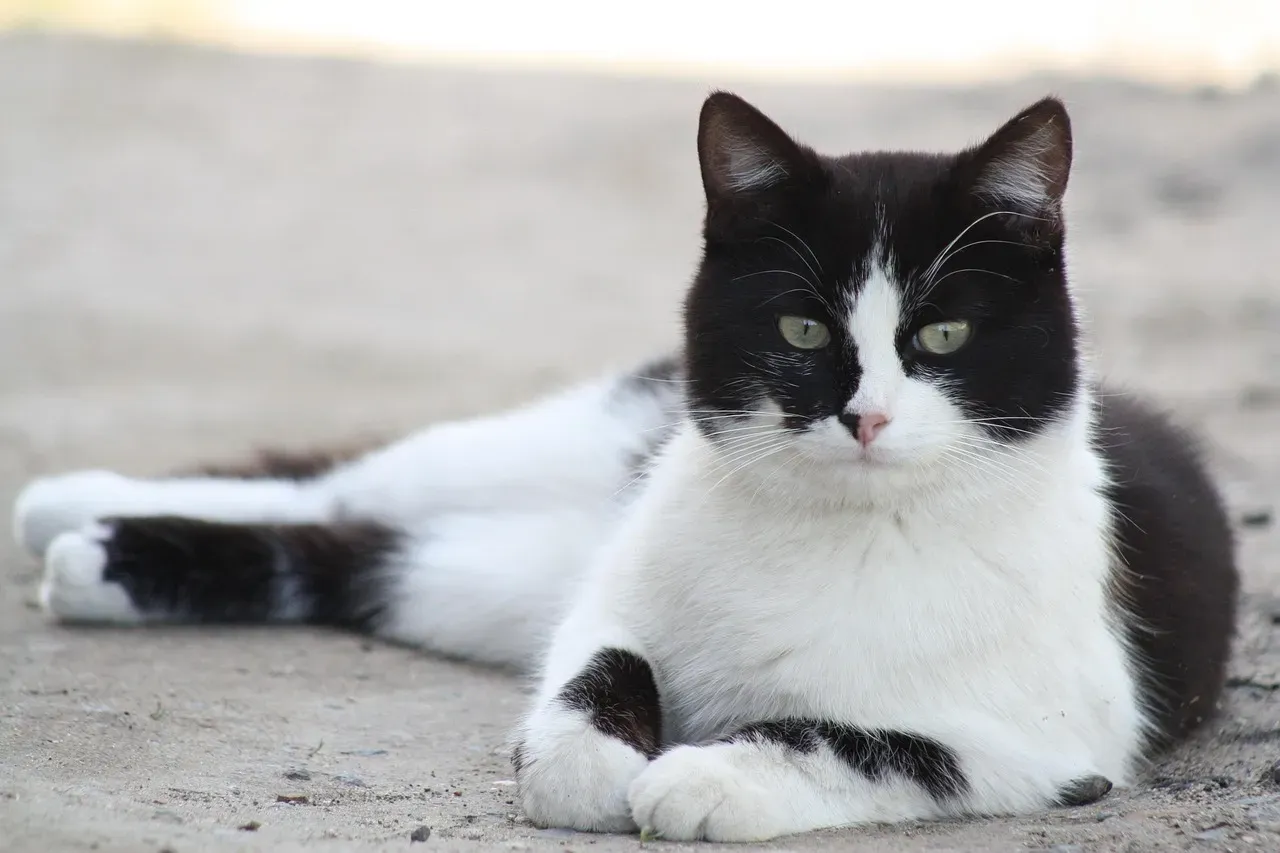
Research has shown that breeds differ significantly in behavioral traits, suggesting a genetic background for personality in cats. A study of over 4,300 cats identified seven distinct personality and behavior traits: fearfulness, activity/playfulness, aggression toward humans, sociability toward humans, sociability toward cats, excessive grooming, and litterbox issues. This is not just anecdotal evidence from cat lovers – it’s actual science.
Studies have estimated the heritability of these behaviors to range from 0.13 to 0.42, indicating that 13% to 42% of the variance in cats’ behaviors can be attributed to additive genetic variations. Think of it like inheriting your grandmother’s stubbornness or your father’s sense of humor. Your cat’s breed comes with its own genetic blueprint for behavior. Still, early experiences as kittens also influence their character, especially positive exposure to humans and other pets.
The Active Adventurer Meets High-Energy Breeds
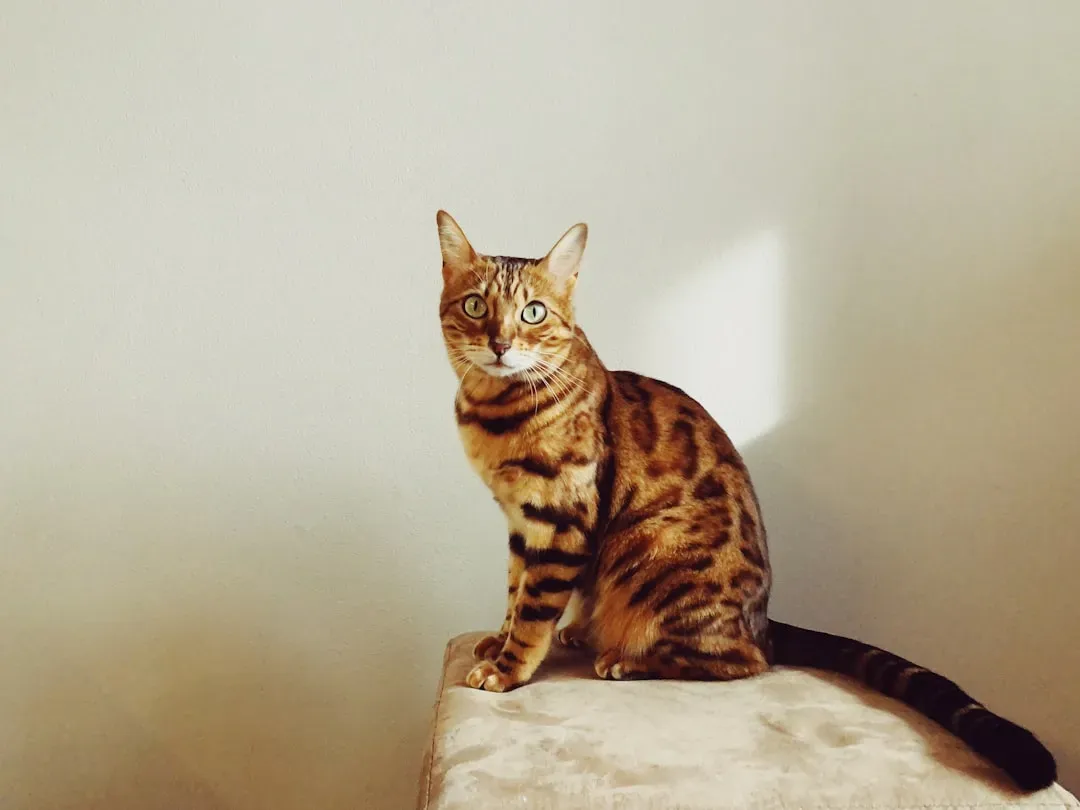
If you’re someone who can’t sit still, who thrives on excitement and needs constant stimulation, certain cat breeds will feel like kindred spirits. Bengals are curious, energetic, and athletic cats that require plenty of stimulation both mentally and physically. These aren’t your typical lap warmers – they’re explorers who need action.
Abyssinians are busy, active, purposeful, and affectionate cats with lots of energy, and they’re intelligent and talkative. They’re intelligent cats that love games and will even play fetch, making gentle trilling sounds when they chat. Imagine coming home to a cat that wants to play fetch rather than ignore you from across the room. For the energetic human, these breeds won’t just tolerate your lifestyle – they’ll demand it.
The Homebody and Their Laid-Back Companions
Not everyone wants a whirlwind of fur racing through their apartment at three in the morning. If your ideal evening involves binge-watching shows in your pajamas, you need a feline who shares your appreciation for the simple pleasure of doing nothing. Persians are typically quiet and rather aloof, dislike loud noises, and enjoy lounging regally; less active than other breeds, their shorter legs make them less inclined to jump and climb.
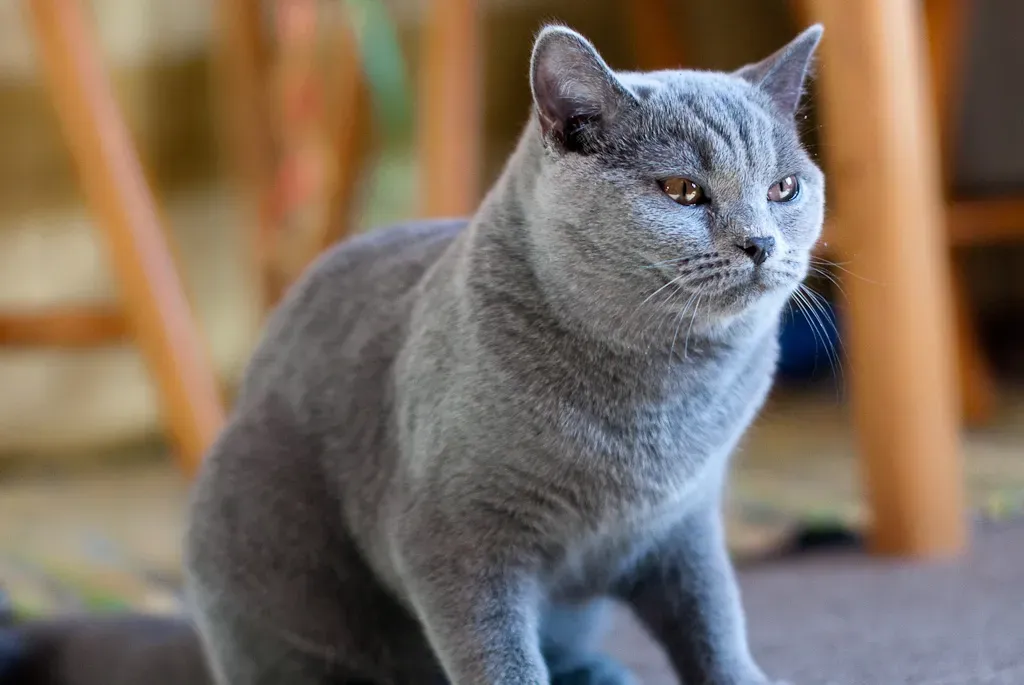
British Shorthairs are curious cats that like to relax and enjoy company, happily chilling on the couch next to you. They won’t guilt trip you for choosing Netflix over a hiking trip. These breeds understand the art of relaxation. They’re the perfect companions for people who value peace, quiet, and the occasional cuddle session without demanding constant entertainment.
Social Butterflies and Their Chatty Counterparts
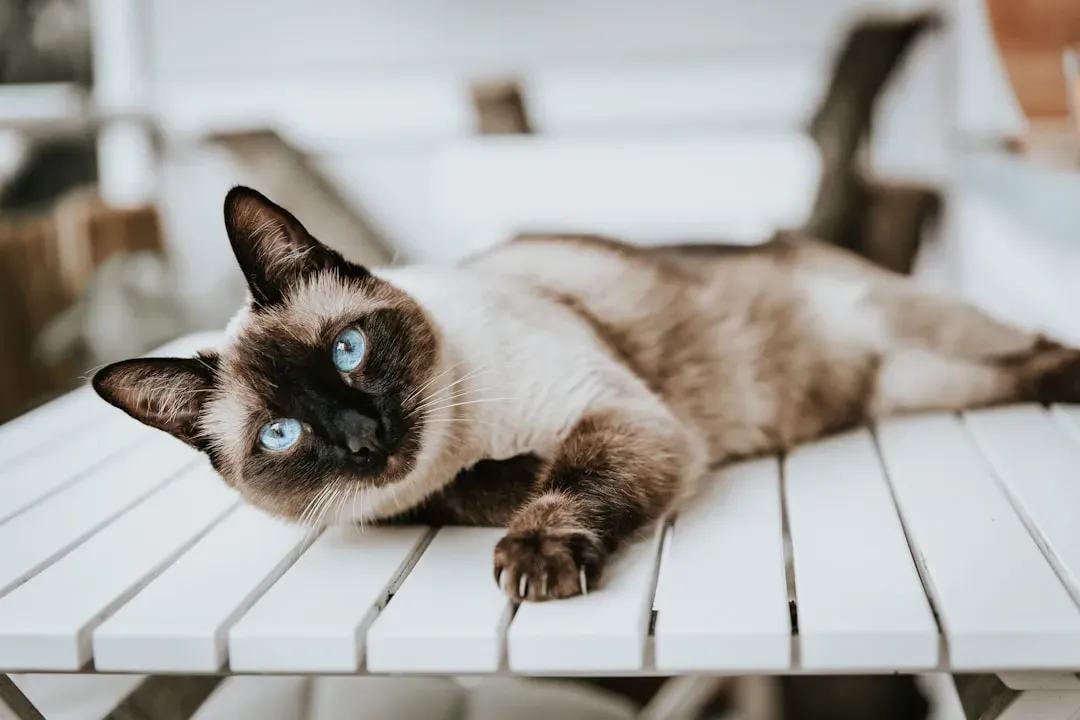
Do you love hosting dinner parties, thrive on conversation, and generally need people around you to feel alive? Then you’ll want a cat who shares your extroverted nature. Siamese cats are determined, vocal, active, and affectionate, but they don’t like being left alone. They’re basically the conversationalists of the cat world.
Maine Coon cats are gentle pets and keen hunters with an appetite to match their size; calm and very friendly, they make good companions whose curiosity makes them follow you everywhere, and they’re super affectionate. They have a very social personality, love to chat with people and other animals, and might perform funny stunts to become the center of attention. If you entertain often and want a cat that mingles with guests rather than hides under the bed, these breeds are your best bet.
The Independent Soul and Self-Sufficient Felines
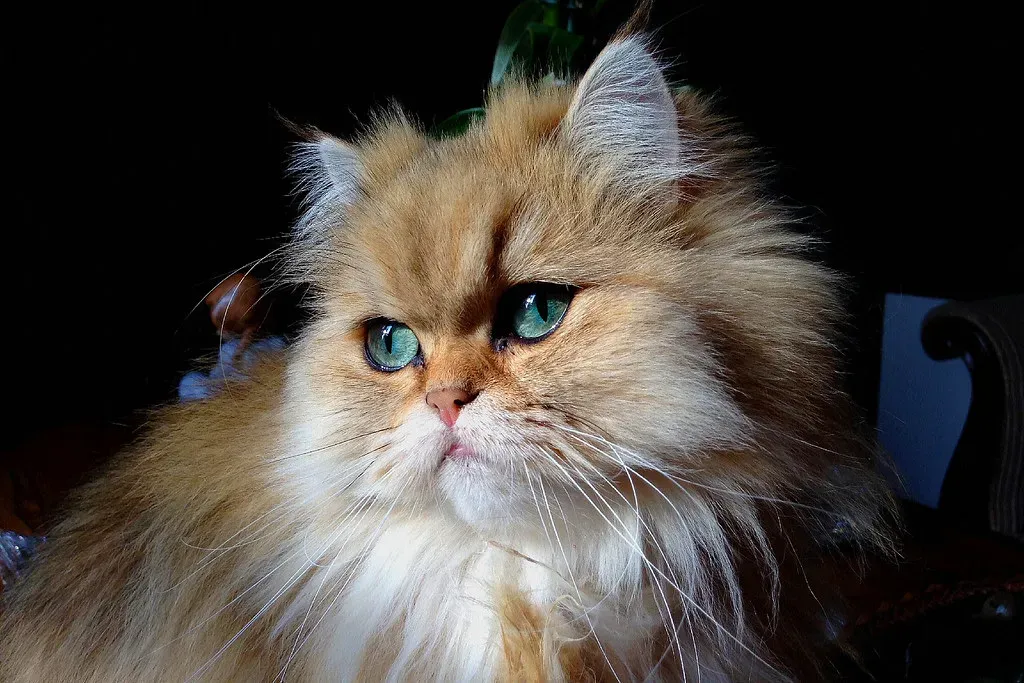
Maybe you travel frequently for work, value your personal space, or simply appreciate a companion who doesn’t need constant reassurance. Some people just aren’t built for clingy relationships – feline or otherwise. In fearfulness studies, Russian Blues scored among the highest, while Abyssinians scored among the lowest; in aggression toward humans, Abyssinians and American Curls scored among the lowest.
Persian cats are gentle, docile, and quiet, don’t insist on a lot of attention, and are content sitting on your lap or observing from across the room; they can be discerning about who receives their affection. These breeds respect boundaries. They understand that sometimes you need your space, and honestly, they need theirs too. It’s a relationship built on mutual respect rather than constant neediness.
The Creative Thinker and Intelligent Breeds
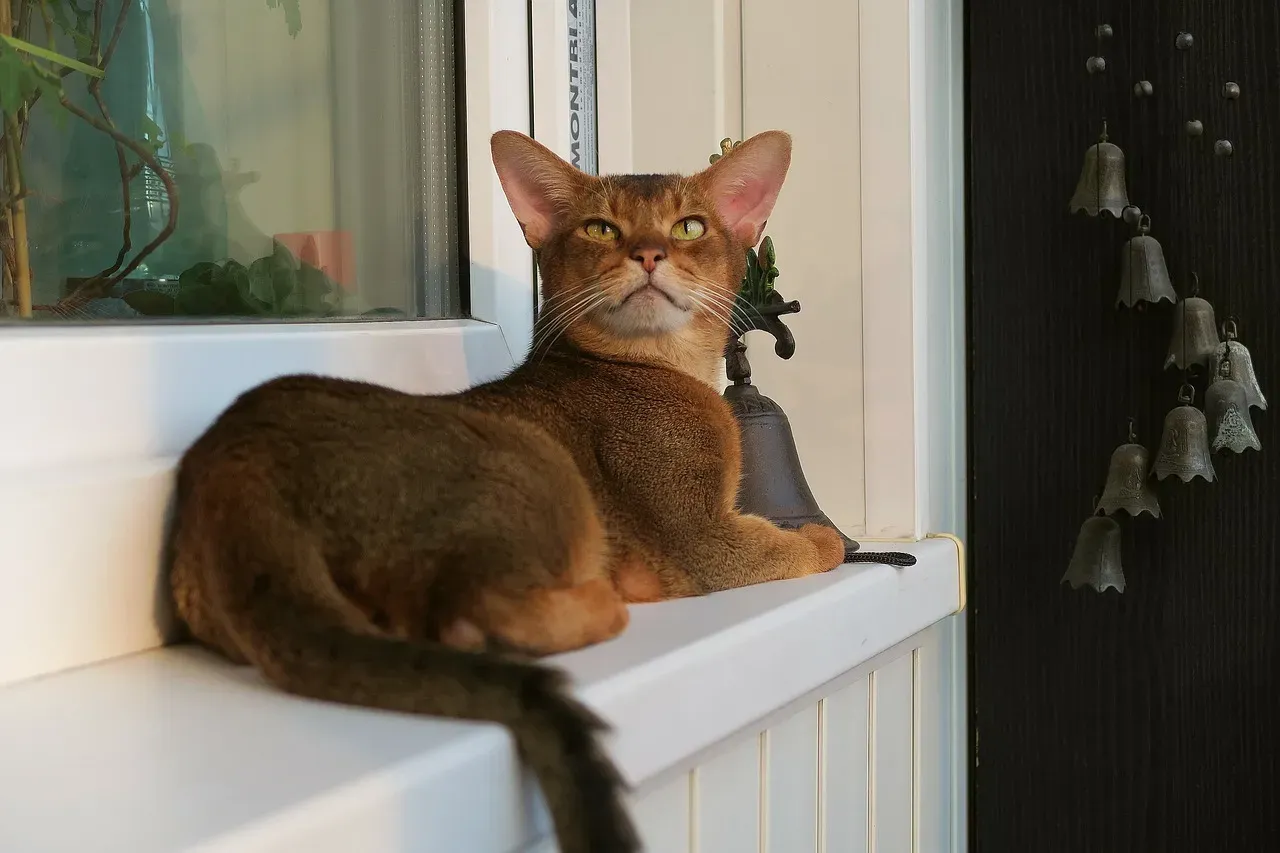
If you’re the type who enjoys puzzles, loves learning new things, and appreciates wit in all its forms, you need a cat who can keep up mentally. The curiosity and intelligence of Abyssinians make them highly trainable; some can even be taught tricks or to walk on a leash, and training and playing games are perfect ways to direct their affectionate energy. These cats won’t just tolerate your brainy hobbies – they’ll want to participate.
Balinese cats are known for their intelligence and inquisitive nature, making loving companions that will sit quietly with you and often enjoy being petted. Think of them as the scholars of the feline world. They observe, they learn, they adapt. For someone who values intelligence and problem-solving, these breeds offer the kind of mental companionship that goes beyond simple affection.
The Nurturer and Affection-Seeking Cats
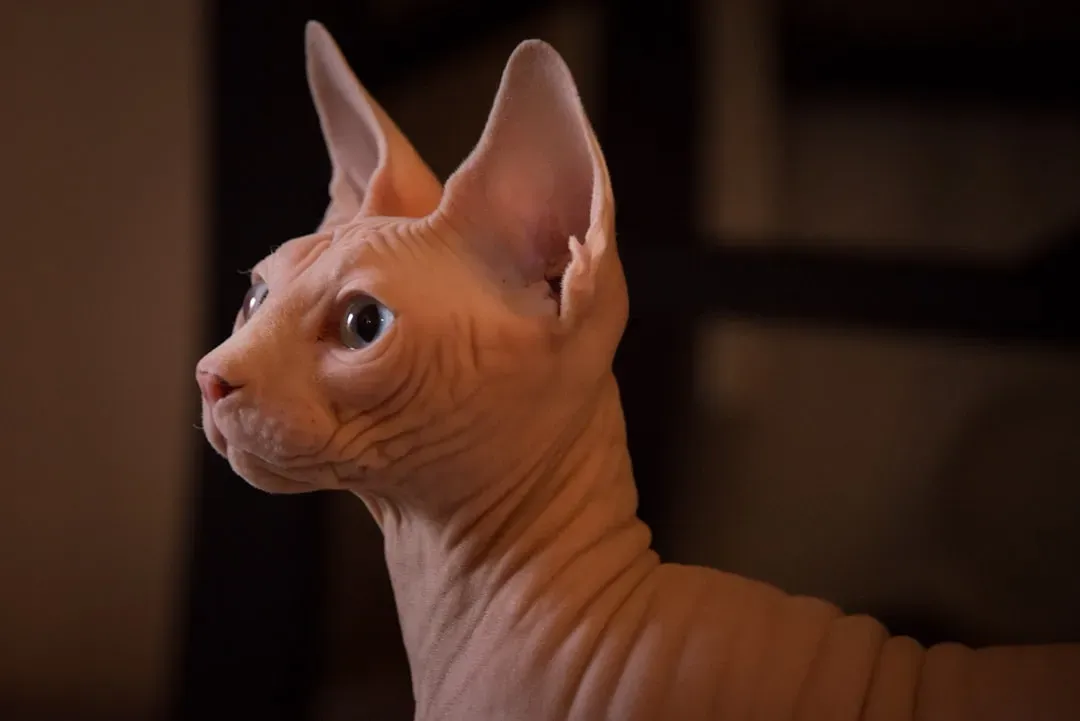
Some people have an endless well of love to give and genuinely enjoy being needed. If you’re a natural caretaker who lights up when someone depends on you, certain breeds will absolutely thrive under your care. Sphynx cats are playful, exuberant, and friendly, and were rated the most affectionate of all cat breeds in a recent study; they’re often used as therapy cats because of their loving, social nature.
Bombay cats are playful and affectionate, making them great lap cats. These breeds crave your attention and affection. They want to be involved in everything you do. For nurturers who feel fulfilled by giving love and receiving it in equal measure, these cats offer exactly that kind of relationship. They’re not just pets – they’re emotional partners.
The Free Spirit and Adventure-Ready Breeds
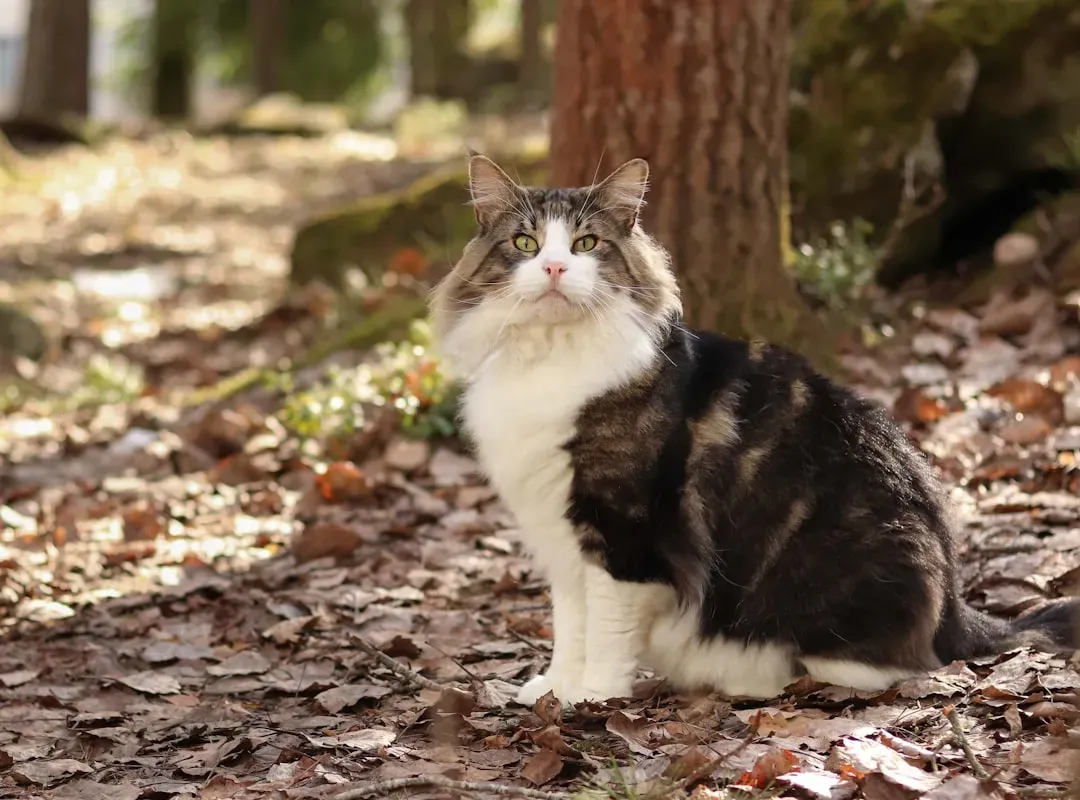
Do you spontaneously book weekend trips, rearrange your furniture on a whim, and generally resist routine? Some cats actually adapt well to this kind of lifestyle. Norwegian Forest Cats are an active breed that loves hunting and climbing. They’re natural explorers who don’t get rattled easily by change.
Bengal cats have fur marked with spots and rosettes like their Asian leopard cat ancestors; they’re talkative, friendly, need lots of exercise, and might even enjoy going for hikes outdoors. These breeds don’t just tolerate your unpredictable lifestyle – they embrace it. They’re the perfect companions for free spirits who refuse to be tied down by convention. Just make sure they get their outdoor time or serious indoor enrichment.
The Empath and Gentle-Natured Felines
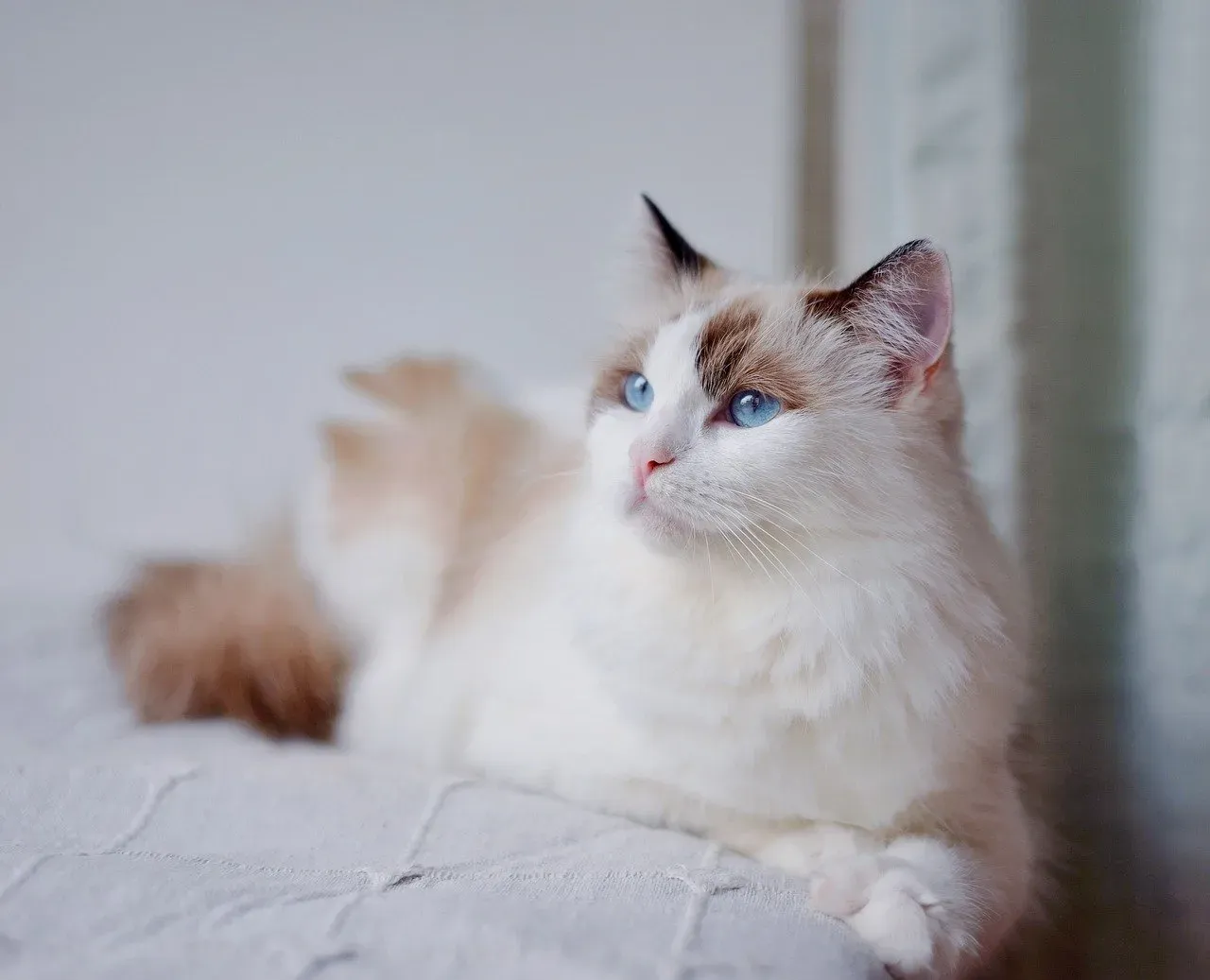
If you’re highly sensitive to the emotions of others, pick up on subtle energy shifts, and need a calm environment to function, you’ll want a cat that matches your gentle nature. Ragdoll cats are large, affectionate, very docile and sweet-tempered; extremely devoted, they will follow you around the house much like a puppy would. They’re not going to overwhelm you with hyperactivity or demands.
Burmese cats become attached to their family very quickly and are very outgoing; Chartreux are gentle, playful yet quiet cats. For empaths who need peaceful coexistence rather than chaos, these breeds offer the kind of gentle companionship that soothes rather than stresses. They understand when you need quiet, and they respect your emotional bandwidth.
Understanding the Feline Five Personality Framework
Research identified five main personality traits in cats: neuroticism, extraversion, dominance, agreeableness, and impulsiveness. This framework helps explain why some cats are bold and curious while others prefer hiding spots. Extraverted cats are energized by being around others and are curious and alert, often requiring lots of stimulation.
Agreeable cats are easy to get along with, often described as friendly and gentle, making excellent cuddlers; they may not rush to greet someone immediately like an extroverted cat, but they will eventually come around and provide their warmest welcome. Impulsive cats are described as reckless and erratic, though most of the time it’s all in the game of fun. Understanding where your potential cat falls on these dimensions can help you predict compatibility before bringing them home.
Making the Perfect Match: Beyond Breed Alone
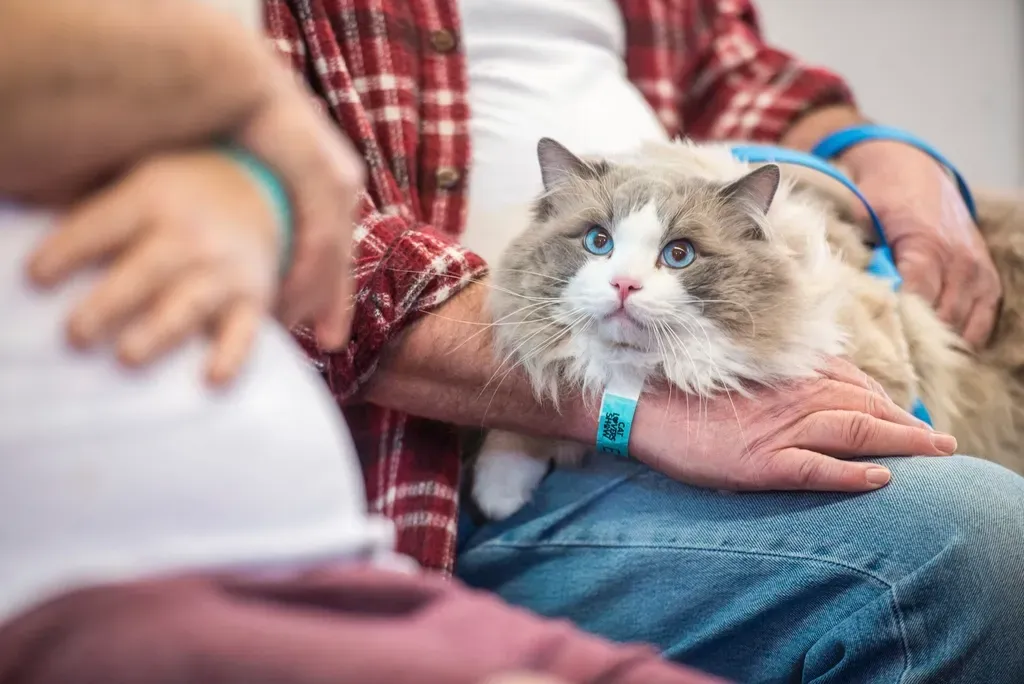
Understanding a cat’s personality is important when choosing a cat to suit your current lifestyle; failure to provide your cat with what they need can lead to unwanted behavior, neglect, and emotional distress for both feline and human, such as a cat that scores high in neuroticism becoming stressed by living with too many other pets. It’s not just about picking a cute face – it’s about creating a sustainable, happy living situation.
A recent study found a correlation between owners’ personalities and those of their cats; owners who scored high on dominance were more likely to have dominant, impulsive, extraverted, and neurotic cats, while similarity of specific owner-cat personality traits predicted owner satisfaction. The takeaway? Your cat might actually reflect who you are. Or perhaps we’re drawn to cats that mirror our own traits. Either way, taking time to understand both your personality and your potential cat’s temperament isn’t just helpful – it’s essential for long-term happiness.
Conclusion: The Art of Feline-Human Compatibility
Choosing a cat based on breed personality isn’t about reducing these incredible creatures to simple stereotypes. It’s about recognizing that compatibility matters. Just as you wouldn’t force yourself into a living situation that doesn’t suit your nature, your cat deserves the same consideration. The research is clear: breed differences in behavior are real, inherited, and significant.
Whether you’re an energetic adventurer who needs a Bengal to keep pace, or a quiet homebody who’d thrive with a Persian purring on your lap, understanding these feline personalities can transform your relationship. Remember that individual cats still have their own quirks and personalities within their breed tendencies. The goal isn’t perfection – it’s finding that sweet spot where your lifestyle and your cat’s nature align. What kind of feline companion do you think would match your personality? Maybe it’s time to find out.