Have you ever watched your cat sprawled out on the couch with their paws stretched in every direction and wondered what’s going on in their little feline mind? Here’s the thing: the way your cat positions themselves, where they choose to rest, and how they interact with their surroundings tells you almost everything you need to know about their emotional state. Your feline friend isn’t just lounging around – they’re communicating volumes about their mental wellbeing through these comfort displays.
Honestly, most of us don’t realize just how connected physical comfort is to a cat’s happiness. When your cat feels genuinely comfortable in their environment, they’re not just physically at ease – they’re emotionally content, mentally stable, and far more likely to thrive. So let’s dive in and explore how these comfort signals can help you understand your cat’s true happiness levels.
The Science Behind Comfort and Feline Wellbeing
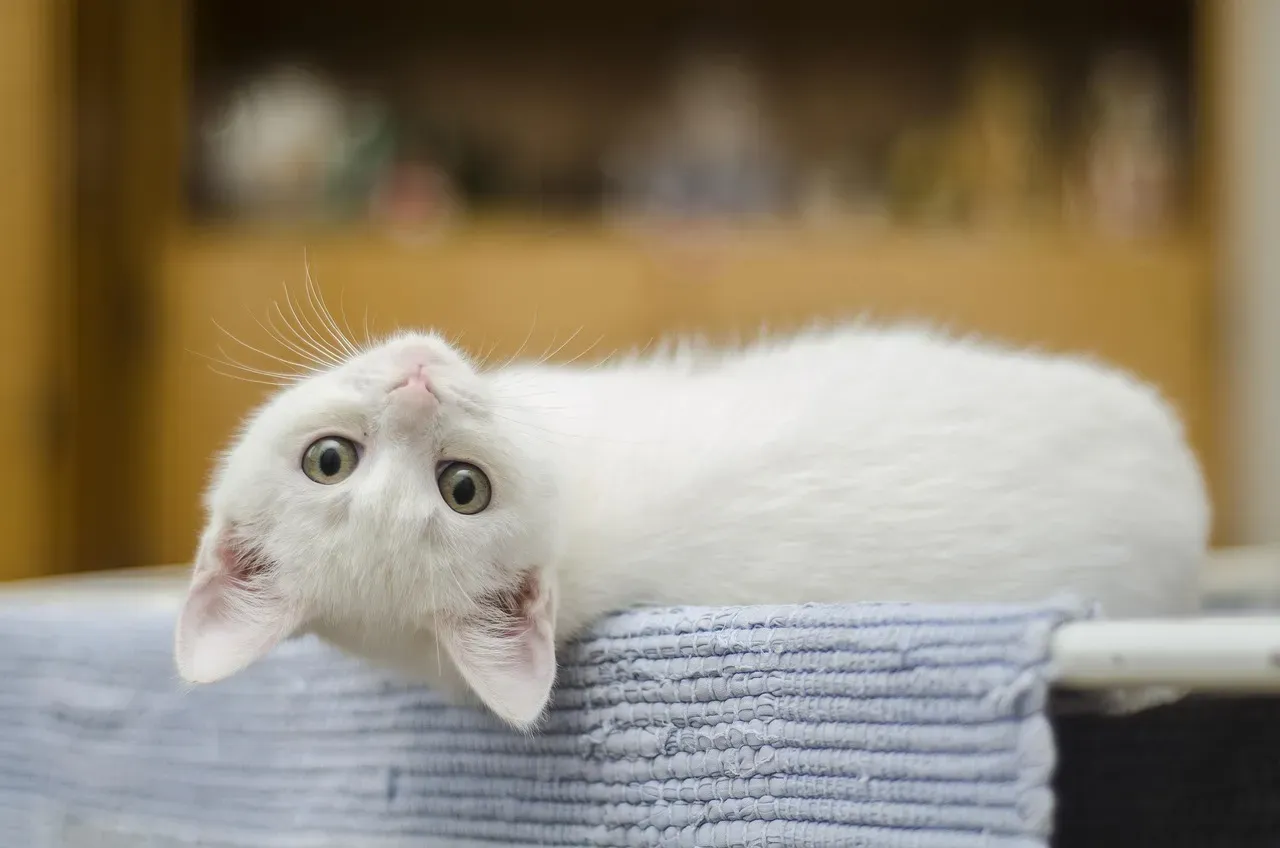
There’s a strong connection between observed behavior and both physical and emotional health in cats, with medical and behavioral health going hand in hand. Research shows that when your cat displays relaxed, comfortable behaviors, they’re signaling that their stress response system isn’t activated. Think of it this way: a cat that feels threatened or anxious will never fully relax because their survival instincts keep them on high alert.
Veterinarians are increasingly focused on understanding the relationship between stress, physical health, and emotional health in feline patients. What this means for you is pretty straightforward – if your cat isn’t comfortable, they’re likely experiencing some level of stress that could eventually manifest as physical health problems. While it’s normal for cats to feel stressed occasionally, too much stress can lead to long-term problems with their mental and physical health.
Body Posture Reveals Inner Peace
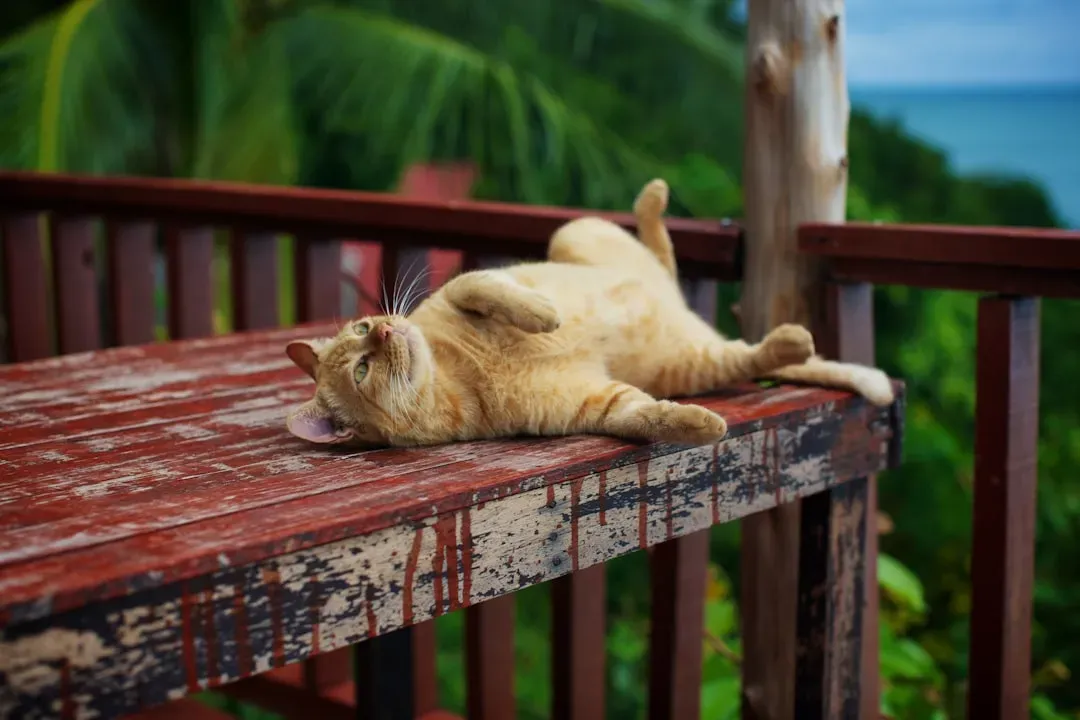
Content cats display relaxed body language with loose limbs and a comfortable stance, and when they stretch out fully or lounge with their belly exposed, it’s a strong indication they feel safe and happy. Let’s be real – a cat showing you their belly is basically saying “I trust you completely.” It’s the ultimate vulnerability display.
Happy cats might stand with a relaxed posture or lie down and stretch out comfortably, with their tail held upright and the tip curved like a question mark. I’ve noticed that some cats take this even further, sprawling across furniture like they own the place – which, let’s face it, they probably think they do. When relaxed, a confident cat stretches out on his side or lies on his back exposing his belly in a calm but alert state and accepts being approached. The key here is that openness in posture directly correlates with emotional security.
Safe Spaces and Resting Choices
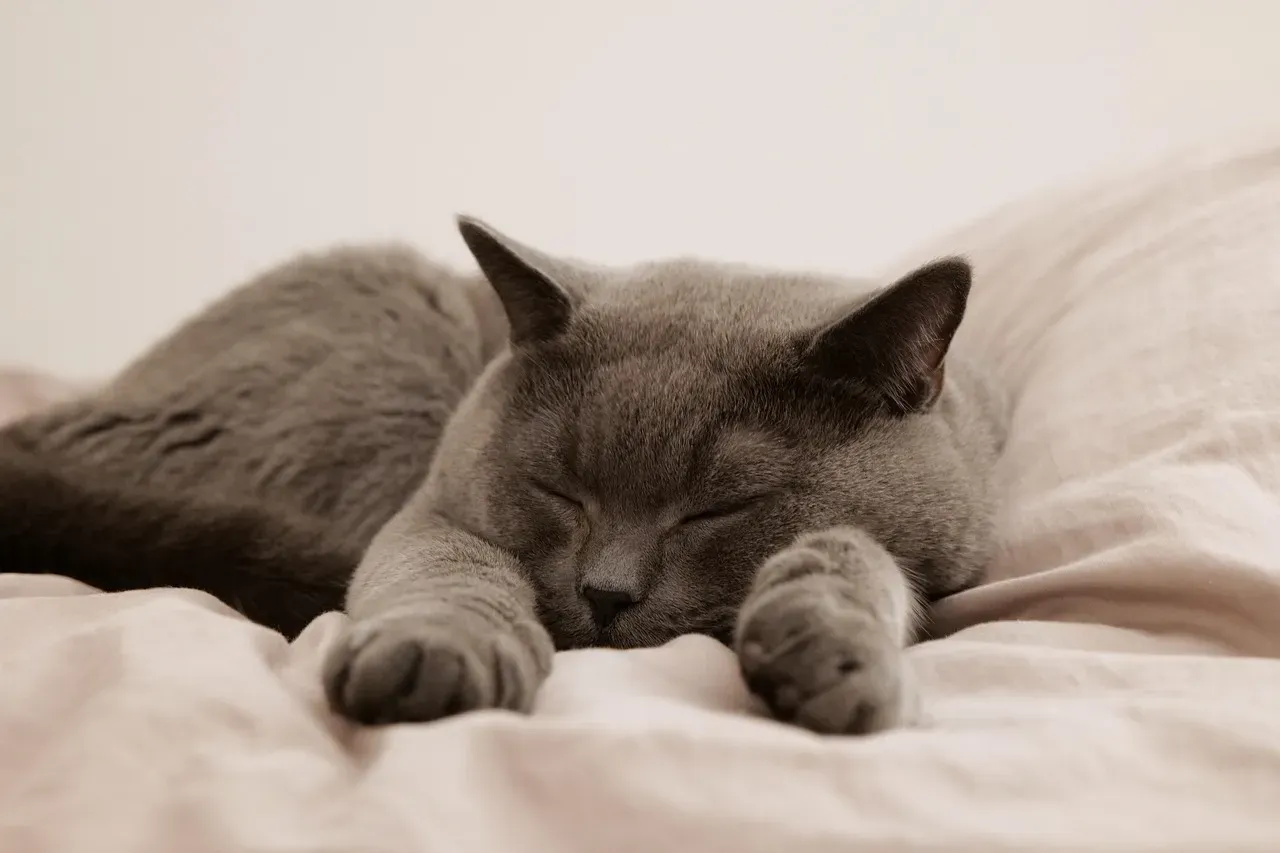
Where your cat chooses to sleep says more about their comfort level than you might think. Happy cats often want to sleep with someone – on your lap, with a fellow pet, or in your bed. This isn’t just about warmth or convenience; it’s about feeling secure enough to enter a vulnerable state near others.
Relaxed cats lounge around on their back or side like they haven’t got a single care in the world, often stretching and splaying out on window sills. When you see your cat sleeping in open, exposed areas rather than hiding under furniture, that’s a major comfort indicator. Cats that feel threatened or uncomfortable will seek enclosed spaces where they can monitor their surroundings and have escape routes readily available. The cat sleeping belly-up in the middle of your living room? That’s a happy, comfortable feline who feels completely at home.
Grooming Habits Reflect Emotional State
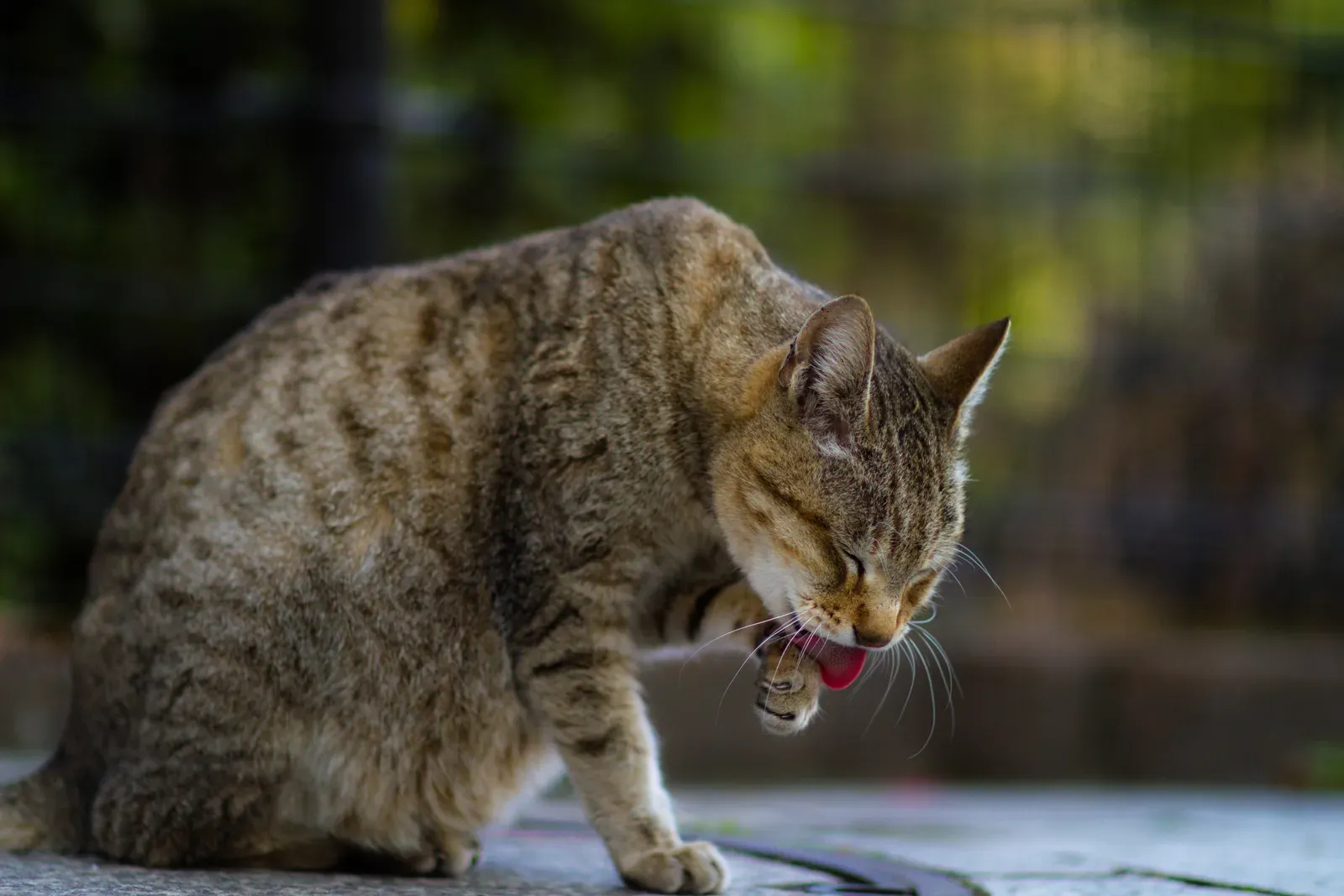
A cat who regularly grooms is likely in good spirits. Grooming isn’t just about hygiene – it’s deeply connected to your cat’s mental state. Consistent appetite and routine self-grooming are reliable signs of a secure and stress-free environment, demonstrating both physical health and psychological stability.
Here’s something interesting: a cat who will come out into the middle of the room, throw up a leg, and begin grooming feels comfortable and at ease. There’s a big difference between a cat who grooms themselves privately versus one who does it right in front of you. If your cat is keeping themselves well-groomed round the clock, that’s a good sign, and it’s an even better sign if they’re comfortable grooming themselves in front of you since it shows they’re relaxed and confident. On the flip side, excessive grooming can indicate stress, while neglected grooming often signals depression or illness.
The Comfort-Trust Connection
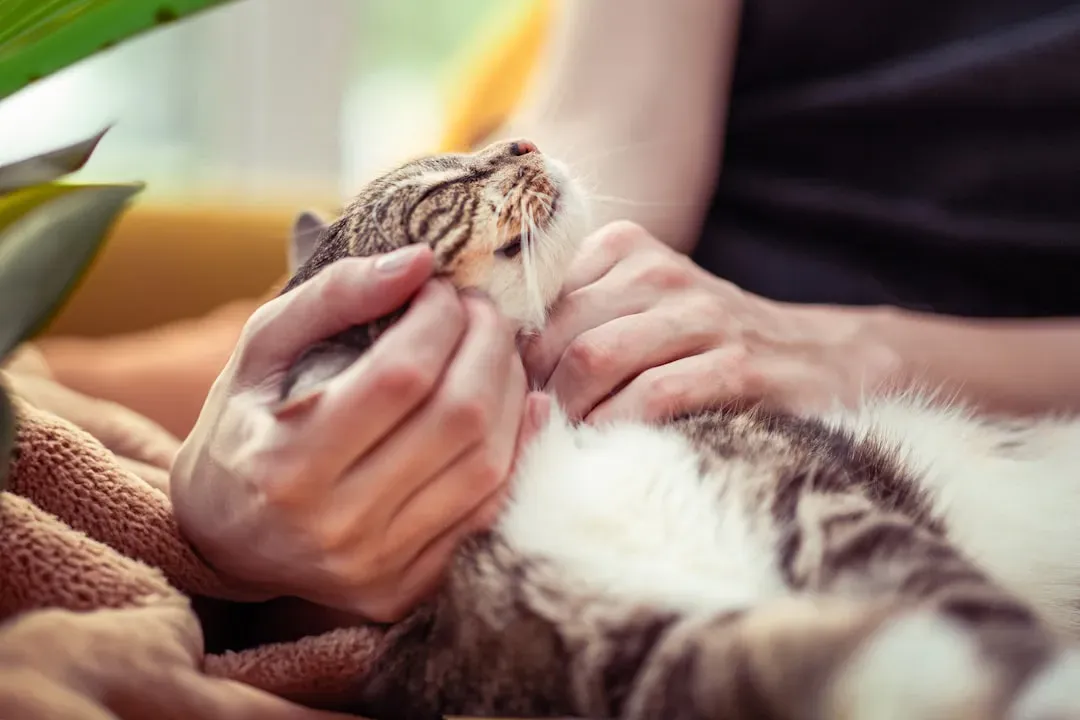
Affectionate gestures such as head-butting, nuzzling, and co-sleeping illustrate strong social bonds, with cats rubbing their heads against you to transfer scent markers that integrate you into their social group. When your cat head-bumps you or rubs against your legs, they’re not just being cute – they’re marking you as part of their safe territory.
Slow blinks are a cat’s way of communicating their happiness with your bond and can be a sign of friendliness and an indicator of positive emotions. I think this is one of the most heartwarming things about cats. That slow blink isn’t just a random eye movement – it’s essentially a cat kiss, a deliberate signal that they feel comfortable and safe with you. Slow blinking, often called a “cat kiss,” reflects trust and relaxation, and many cats will return the gesture if you slow blink at them first.
Kneading Behavior as a Comfort Barometer
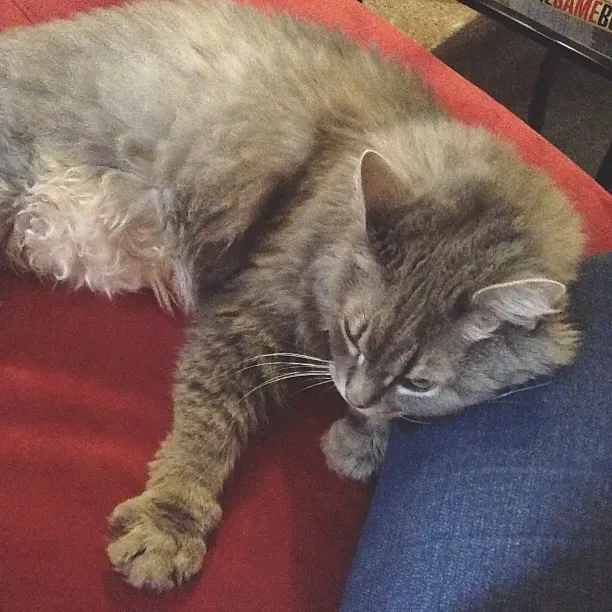
Kneading is a behavior that originates from kittenhood when cats would knead their mother’s belly while nursing, and when adult cats knead, it typically indicates comfort, contentment, and feeling secure in their environment. That adorable “making biscuits” behavior is basically your cat reverting to their most comfortable, safest memories.
Cats may knead blankets, clothing or even your skin in a behavior associated with nursing that brings comfort and releases endorphins in the cat’s brain that make it feel safe and content. The rhythmic pushing motion with alternating paws is literally a self-soothing mechanism. When your cat kneads on you specifically, they’re essentially saying you make them feel as safe as their mother did. A good sign of a happy cat is kneading their paws into their bed, blanket, or your stomach, often accompanied by purring as another signal of contentment.
Eating and Elimination Comfort
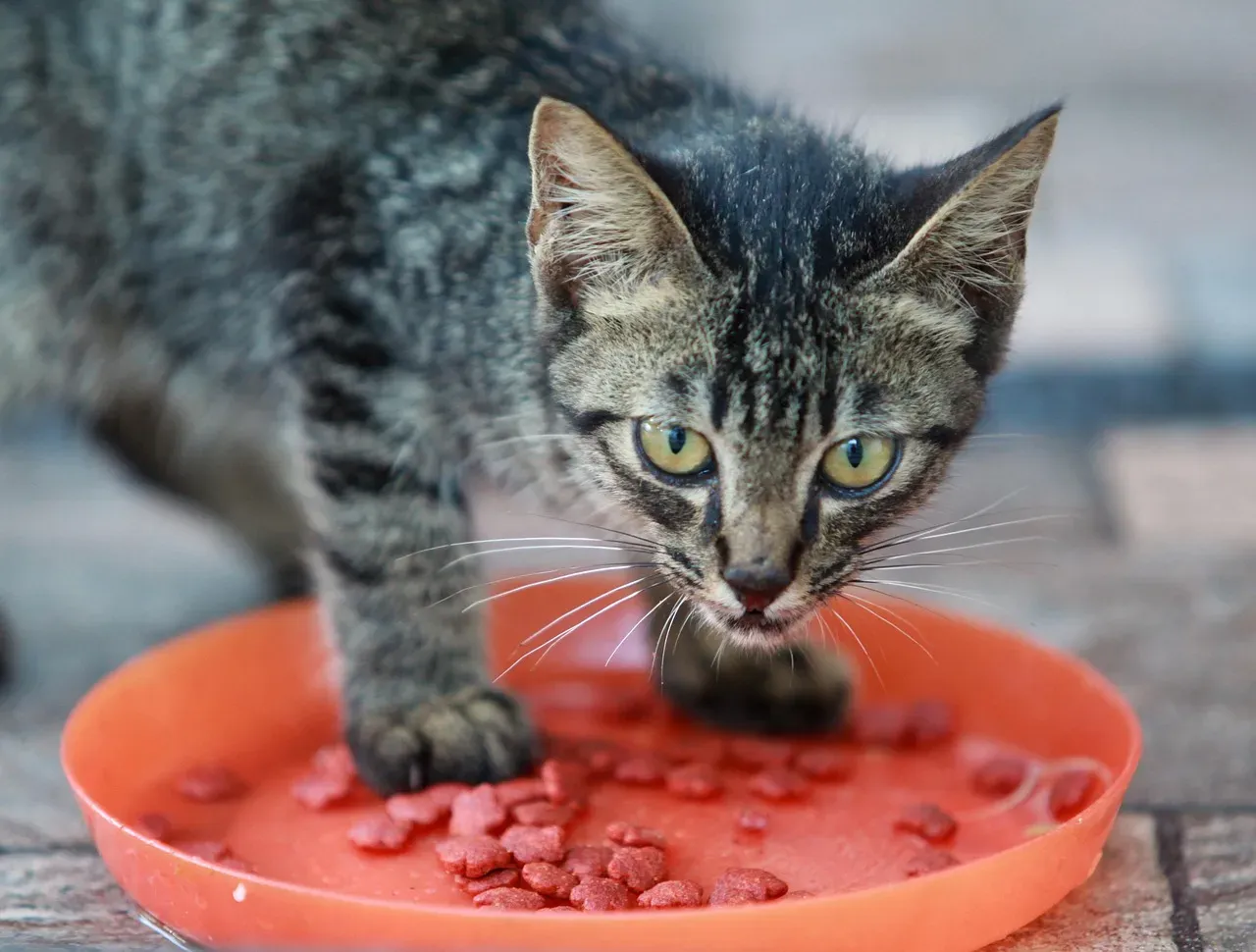
Happy and content cats have good appetites and enjoy their food, with many happy cats relishing their treats and having routines with their parents around mealtime. It sounds simple, but a cat who eats confidently in open spaces rather than rushing food to a hiding spot is displaying significant comfort levels.
The location and use of the litter box also matters more than most people realize. A happy cat will use their litter box and is usually more forgiving if its maintenance isn’t quite up to snuff. Cats who feel stressed or uncomfortable in their environment often develop elimination issues. They might avoid the litter box entirely or eliminate in unusual places as a way to mark territory when they feel insecure. When your cat consistently uses their litter box without issues, it’s actually a solid indicator they feel comfortable in their home environment.
Playfulness and Comfort Correlation
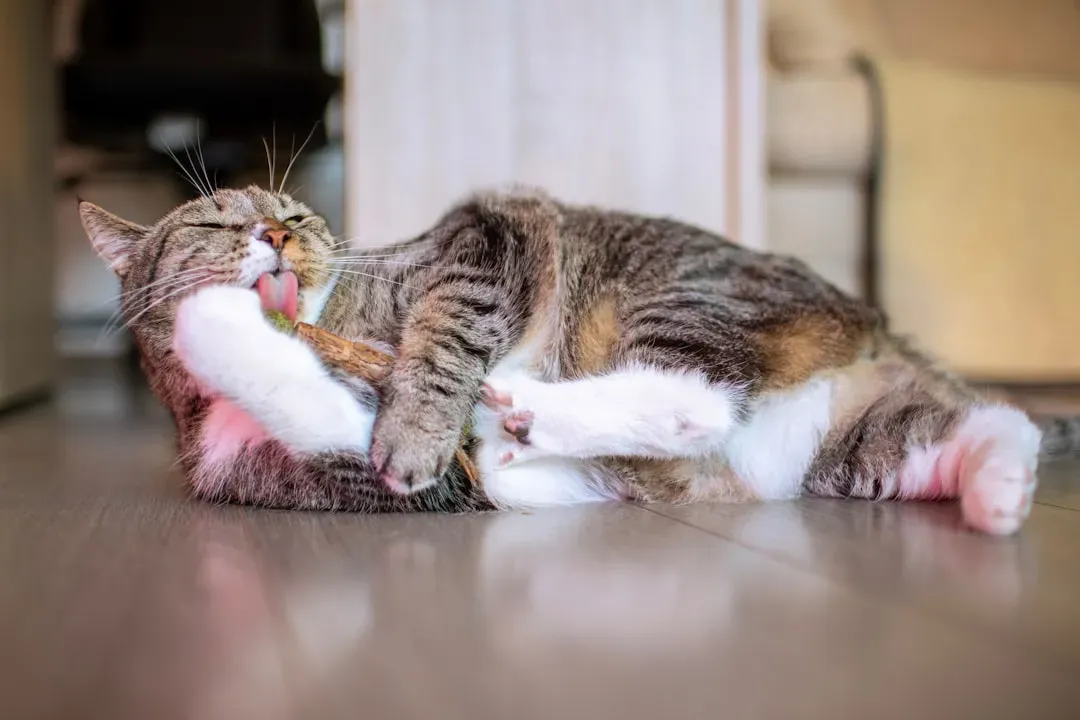
A sign of a happy cat is a playful spirit, whether chasing a toy or just jumping and running around. Comfortable cats have the mental and emotional bandwidth to engage in play. When a cat is stressed, anxious, or uncomfortable, play typically disappears from their behavioral repertoire.
Playfulness is a sign of a cat’s emotional wellbeing, and cats that feel safe and secure in their environment are more likely to exhibit playful behaviors. Think about it – you wouldn’t feel like playing games if you were constantly worried about threats in your environment. The same logic applies to cats. A cat who initiates play, chases toys with enthusiasm, and engages in those hilarious midnight zoomies is a cat who feels comfortable enough to let their guard down. A playful cat that engages in interactive play and exhibits curiosity is likely a happy cat enjoying their environment.
Vocal Comfort Communications
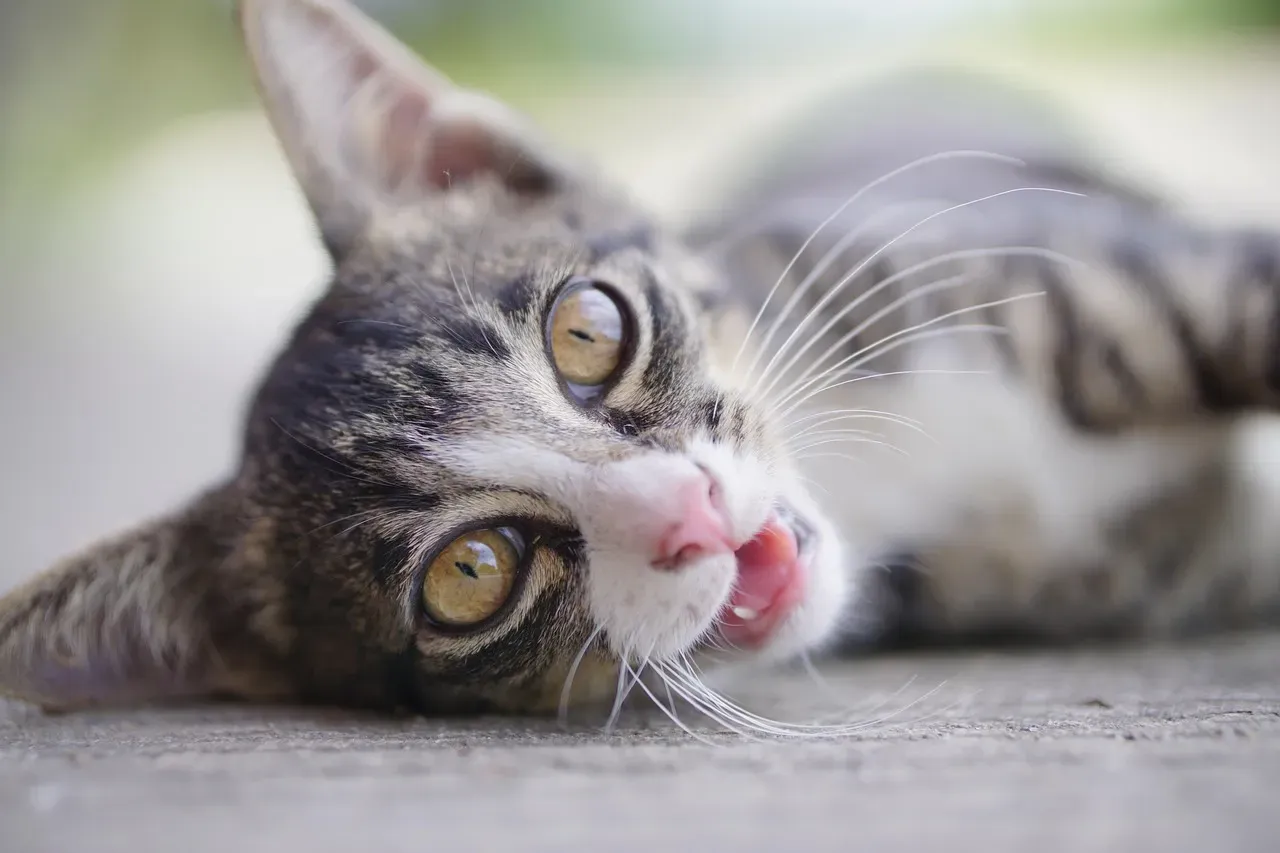
Your cat’s vocal cues can say a lot about their emotional state, with a content cat often having a soft, melodic meow. Comfortable cats tend to vocalize in friendly, conversational ways – those little chirps and trills when you walk in the room or that gentle meow when they want attention.
When you hear a cat’s trilling chirrup sound, you’ll know your cat is happy, as a chirrup is often an invitation to follow your cat somewhere or to ask for affection or play. Honestly, these little sounds are some of the most endearing aspects of cat communication. Stressed or uncomfortable cats either go silent or produce distressed vocalizations like yowling or excessive meowing. Purring is a low-frequency vocalization that couples gentle vibration with relaxation, and when your cat purrs while kneading or cuddling, this self-soothing mechanism blends with affection, releasing endorphins that promote emotional wellbeing.
Understanding When Comfort Levels Drop
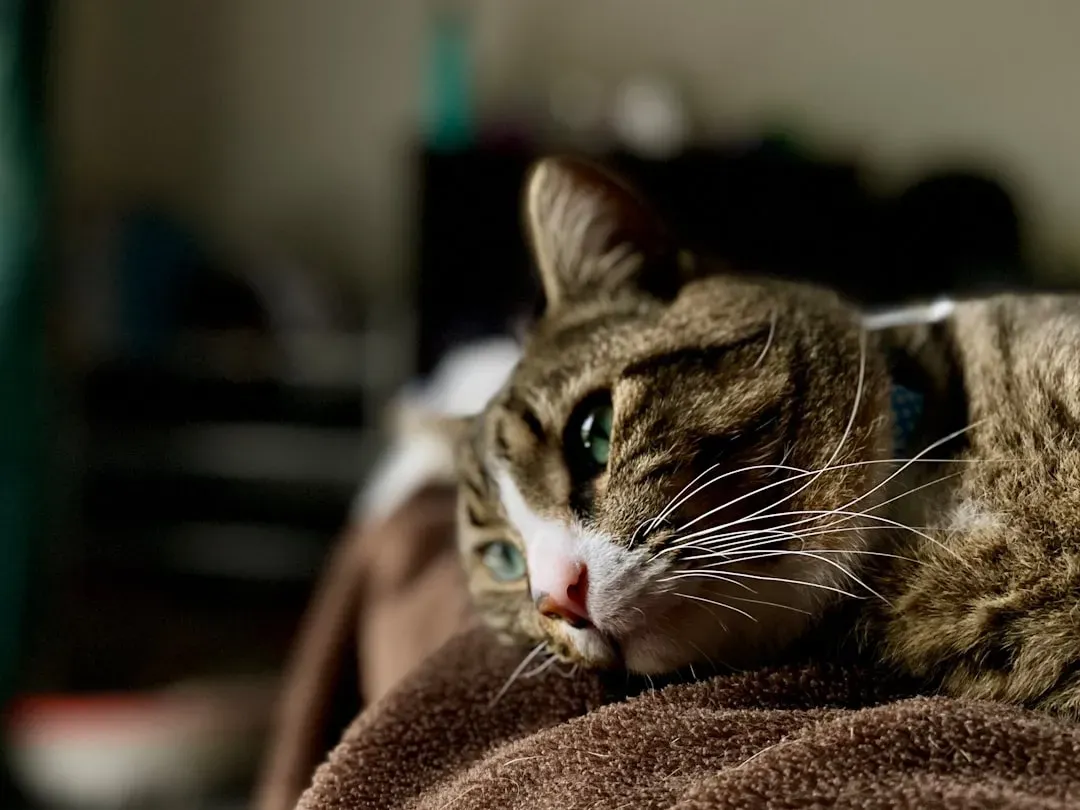
Domestic cats do not express changes in physiological and emotional states in ways that are easily recognized, making it difficult to diagnose medical and behavioral illnesses. This is why paying attention to baseline comfort behaviors is so important – you’ll notice when something shifts.
Behavioral changes are often the first indicators that your cat is stressed, and recognizing these signs can help you take the necessary steps to alleviate their anxiety. When previously comfortable cats start hiding, stop grooming, lose their appetite, or abandon their favorite sleeping spots, these are red flags. Distress can prevent cats from engaging in maintenance behaviors such as eating, drinking, sleeping, and elimination, and the net result is that patient care and animal welfare are compromised. The good news is that catching these changes early allows you to address the underlying causes before they develop into more serious health or behavioral issues.
Conclusion: Reading the Comfort Code
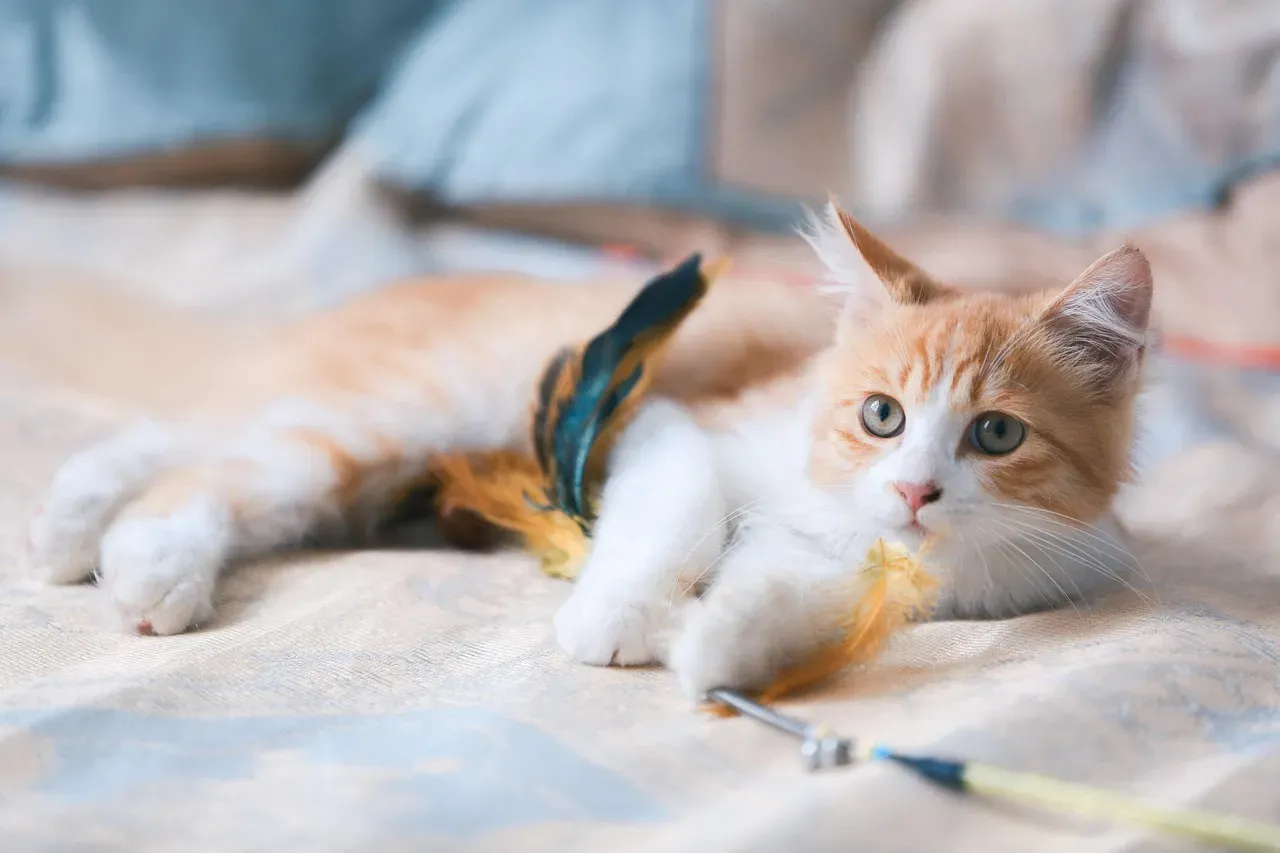
Your cat’s comfort levels genuinely do . Every stretched-out nap, every slow blink, every head-bonk, and every biscuit-making session is your cat telling you they feel safe, secure, and content. By learning to read these comfort signals, you’re not just understanding your cat better – you’re gaining insight into their emotional wellbeing and quality of life.
The beautiful thing about cats is that they’re constantly communicating with us through their behavior. We just need to pay attention. When you notice your cat displaying those relaxed, comfortable postures and behaviors, take a moment to appreciate that you’ve created an environment where they can truly thrive.
What comfort signals does your cat display most often? Have you noticed changes in their relaxation behaviors that made you aware something was wrong? Understanding these subtle cues can make all the difference in your relationship with your feline companion.