You watch your cat stalk an invisible enemy across the living room floor, wedge itself into a shoebox half its size, and then spend ten minutes sniffing your grocery bags like a detective at a crime scene. It looks absurd. Honestly, it’s a little hilarious. Yet there’s a sophisticated intelligence operating behind every single one of those moves.
What most people dismiss as random quirky behavior is actually a deeply encoded survival program running constantly beneath the surface. Your cat is not bored, not acting weird, and definitely not doing it for your amusement. It’s doing what its ancestors did to stay alive. Let’s dive in.
The Ancient Blueprint Behind Every Curious Move
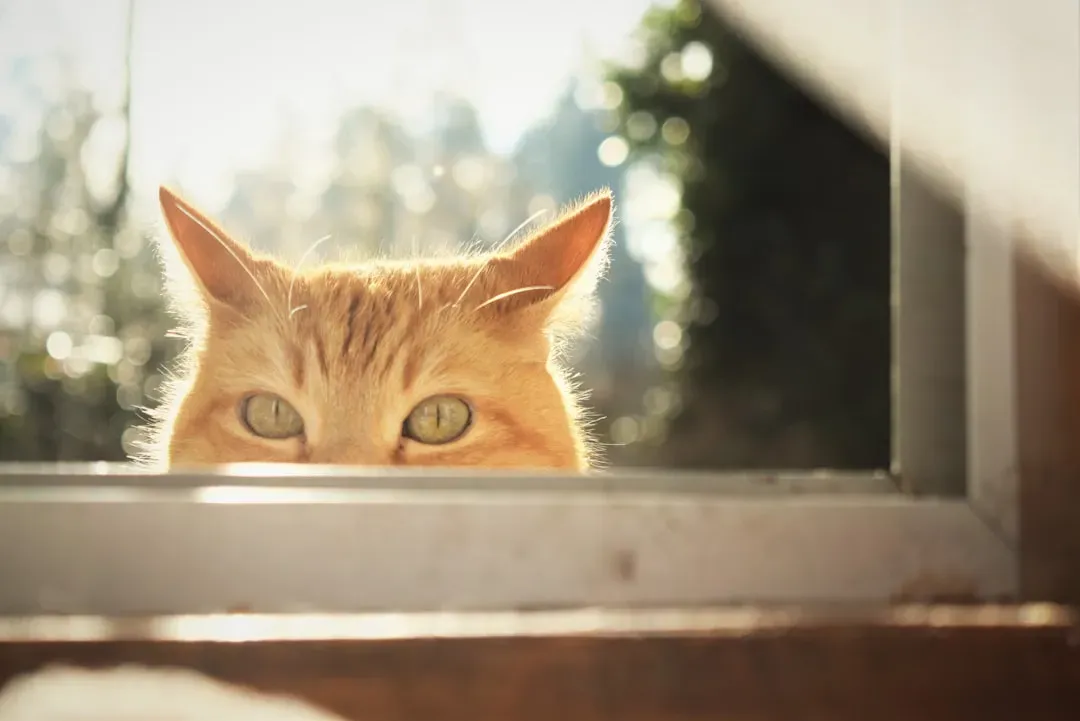
Curiosity in cats goes far beyond a simple personality quirk. It’s a vital survival skill shaped over millennia, with wild predecessors depending on sharp observation and exploration to hunt, evade danger, and find shelter. Think of it like an operating system that never fully uninstalls, no matter how many generations of house cats pass by.
Your cat’s wild ancestors relied on keen observation and exploration to survive, traits that remain deeply embedded in your domestic cat’s DNA. This inherent drive to investigate surroundings helped ancient felines locate prey, avoid predators, and identify safe spaces for rest and shelter. Modern house cats maintain these instincts, even in the comfort of your home. So the next time your cat stops dead in its tracks to stare at a wall, know it’s not losing its mind. It’s running a program millions of years in the making.
Your Cat Is Both Hunter and Hunted at the Same Time
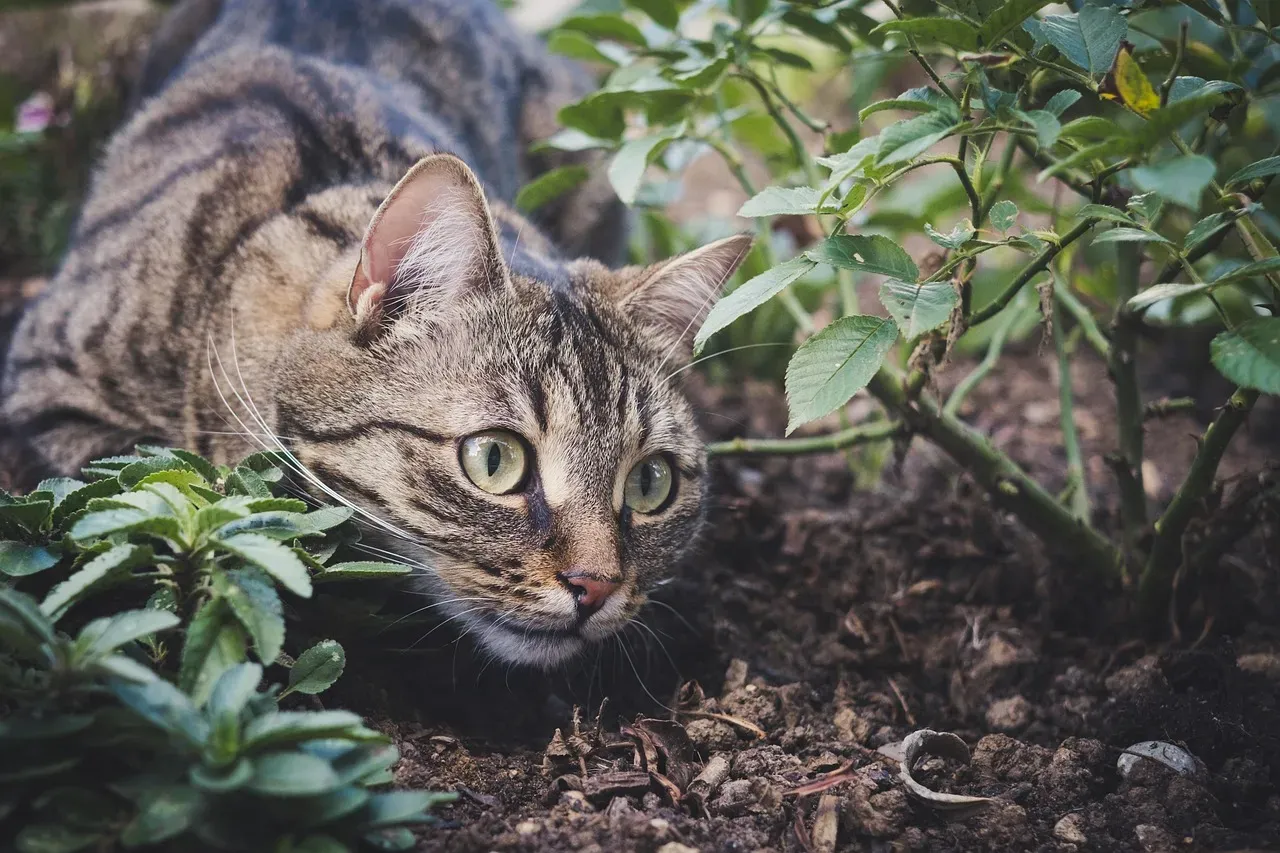
Cats are mesopredators. This means they are both predators and prey in the animal kingdom. That dual identity is what makes their curiosity so relentless and so layered. It’s not enough for them to just hunt. They must also constantly scan for threats to themselves. That’s an exhausting cognitive load to carry, and yet your cat does it effortlessly every waking hour.
For cats, curiosity is more than a cute trait. It’s a survival strategy. Every scent, sound, or flicker of movement could mean the difference between catching prey or avoiding a predator. Missing even the tiniest clue could be costly. When you see your cat freeze and stare at something you cannot see, it’s not being dramatic. It’s being a precision survival instrument.
The Supercharged Senses That Fuel the Investigation
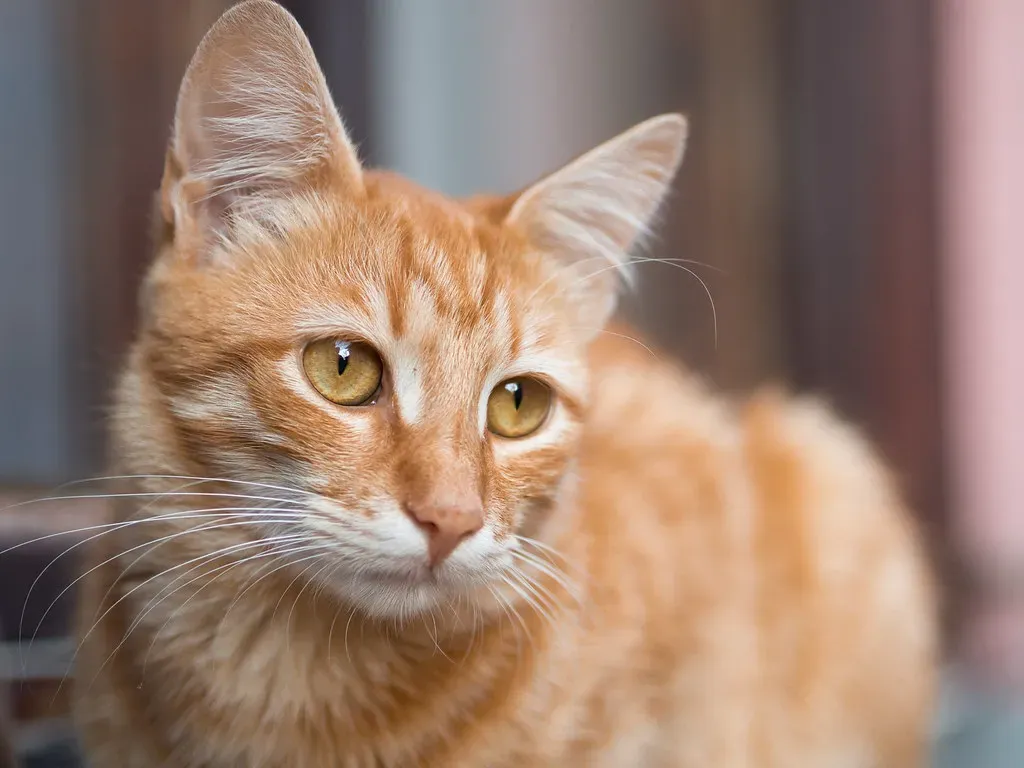
Cats possess an extraordinary array of sensory tools that fuel their curious nature. With eyes containing six to eight times more light-sensitive rods than human eyes, cats can detect the slightest movements, even in near darkness. This superior vision naturally draws them to investigate any unusual motion in their environment. Imagine seeing the world with motion-detection radar built into your eyes. That is essentially what your cat experiences every single day.
Cats can hear frequencies up to 64 kHz, compared to humans’ 20 kHz, making them incredibly sensitive to subtle sounds that might escape our notice. This exceptional hearing often triggers their investigative behavior. On top of that, cats depend heavily on their remarkable sense of smell, which plays a huge role in their exploration. Their noses contain around 200 million scent receptors, compared to a human’s 5 million. You’re essentially living with a furry surveillance system that makes your home security setup look laughably basic.
Whiskers: Nature’s Tiniest GPS System
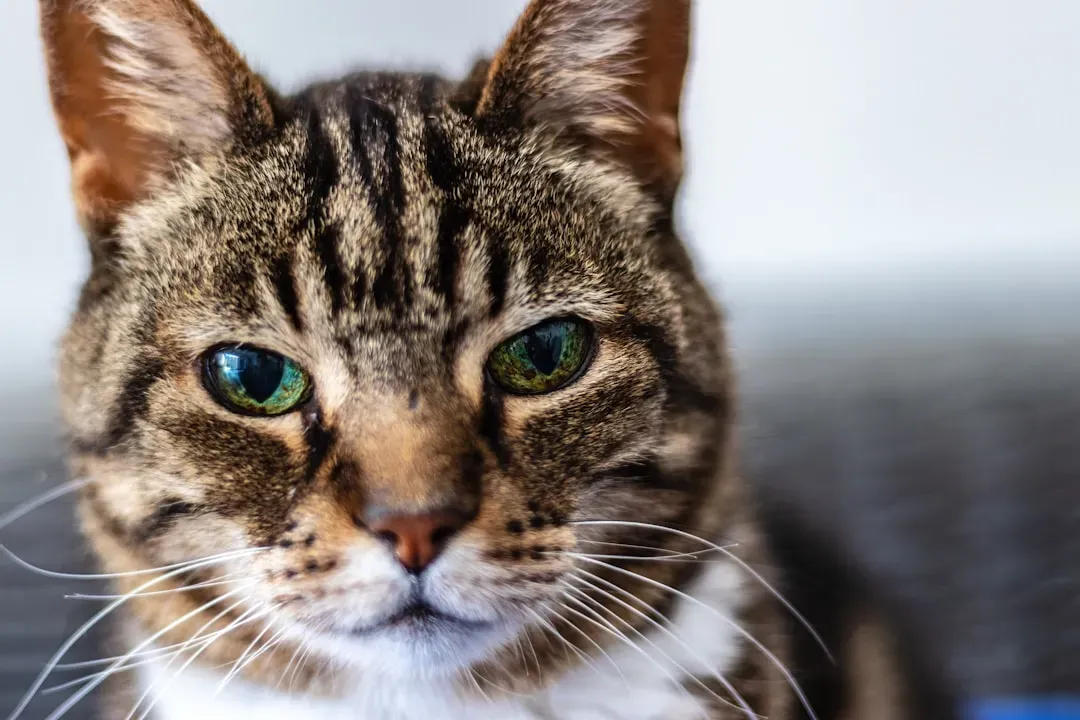
Cat whiskers, scientifically known as vibrissae, are specialized tactile hairs that serve as finely tuned sensory equipment, helping cats navigate their environment with remarkable precision. Understanding how cat whiskers work reveals the incredible evolutionary adaptations that make your feline such a skilled hunter and agile creature, whether stalking prey in the wild or simply finding their food bowl in the dark. It’s less like facial hair and more like a living sensor array.
Whiskers serve as radar sensors that can detect the size, shape, and speed of nearby objects through subtle changes in air currents. This ability is particularly valuable when hunting, as whiskers can sense the movements of prey through the air vortices created by small animals as they move. Here’s something that surprises most people: the size of a cat’s whiskers isn’t random. They’re usually about the same width as the cat’s body. Their size helps cats judge whether they can fit through tight spaces, and if the whiskers touch both sides of a space, it tells the cat they may get stuck. Nature really did think of everything.
Territory Is Not Just Ownership, It’s Security Intelligence
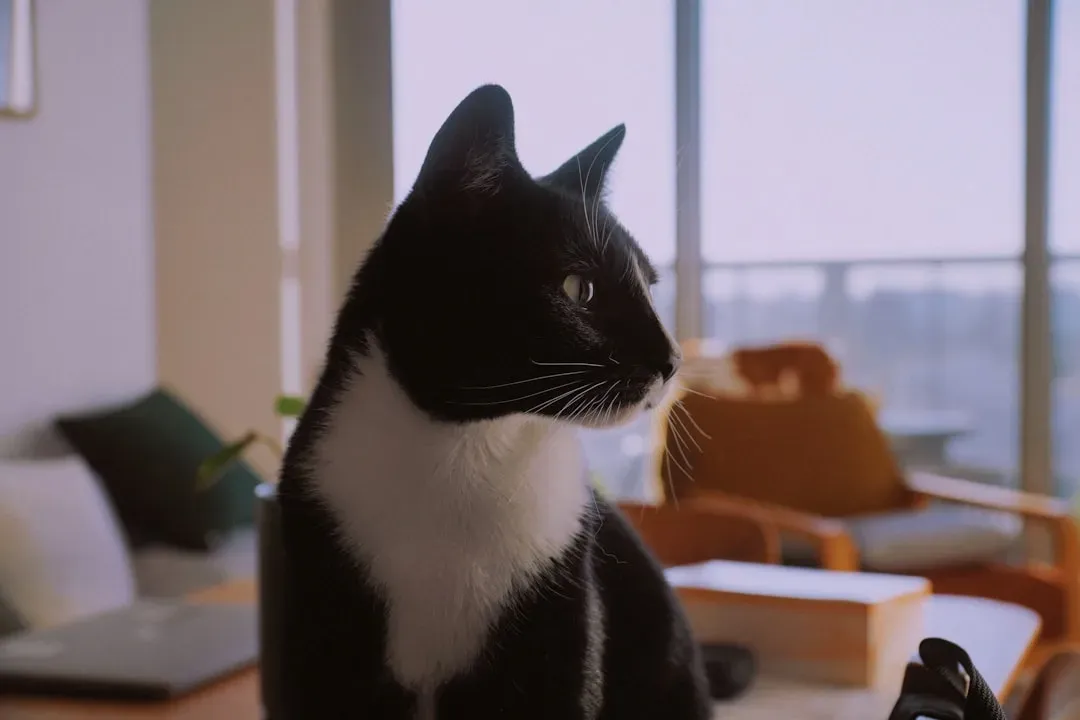
Cats are very territorial, just like their big cat ancestors. They’re naturally suspicious of anything unfamiliar that enters their domain. Even though you’re the one who pays the mortgage, your cat considers your house their domain, their jungle. That new delivery box you left in the hallway? Your cat needs to inspect it because in its world, anything new and unverified is a potential threat until proven otherwise.
Experts believe that cats developed marking behaviors to minimize contact with other cats, thus enhancing their odds of survival. Cat marking is a natural instinctual behavior where cats deposit pheromones on surfaces through scratching, rubbing, spraying, or urination. These scent markings serve as a form of communication for cats to convey essential information about themselves to other felines in the area. When your cat rubs its face on your leg, it isn’t just showing affection. It is filing a territorial claim with you as exhibit A.
The Kitten Phase: When Curiosity Is at Its Most Intense
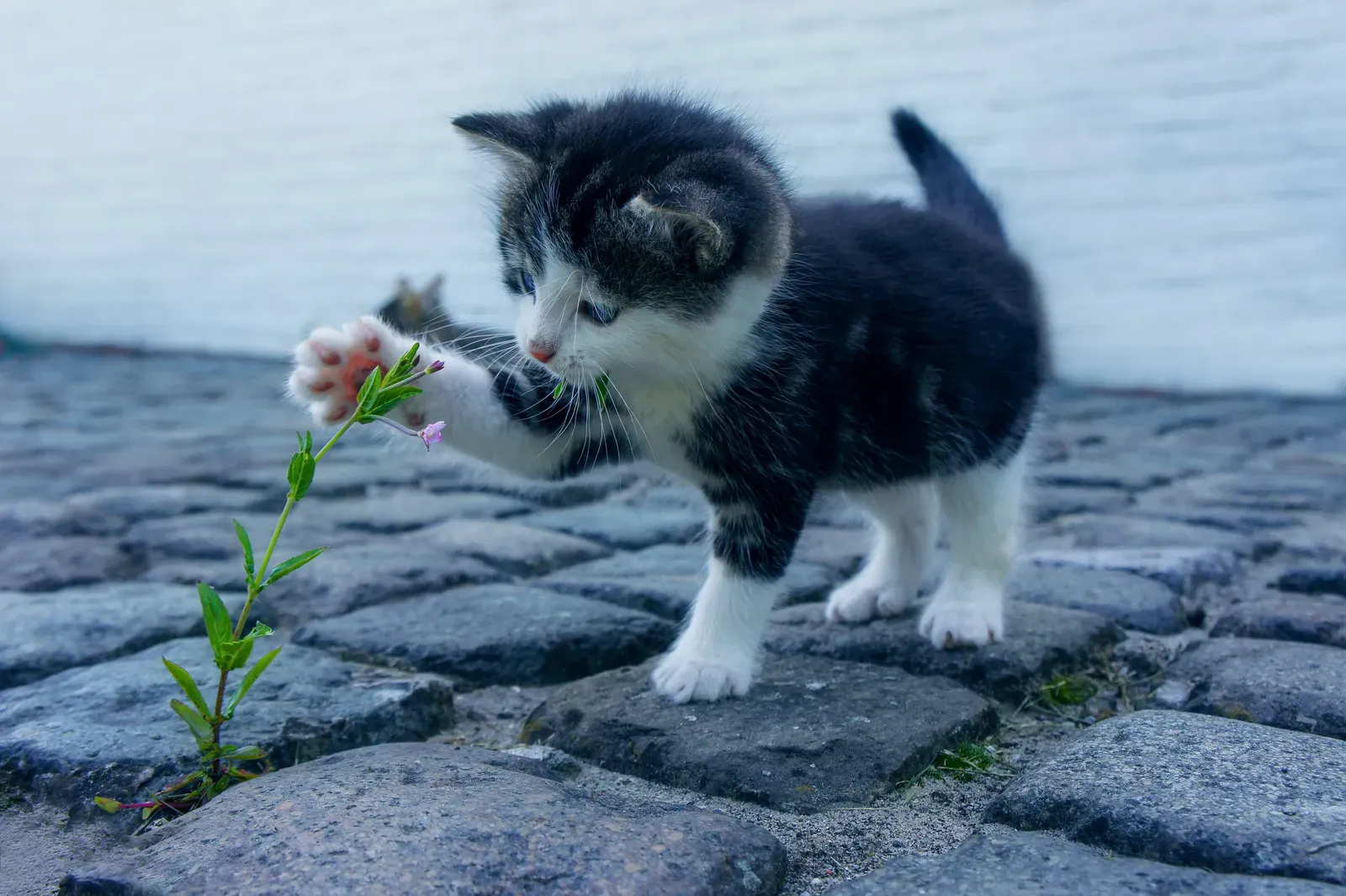
Kittens are naturally curious, even more so than adult cats, because curiosity plays a vital role in their early development. During their critical learning window between 2 and 9 weeks of age, a kitten’s brain is rapidly forming connections that help them understand the world. Every new sight, sound, and scent teaches them what’s safe, what’s fun, and what might be dangerous. It’s the equivalent of a tiny survival bootcamp, conducted entirely through play and sniffing.
Kittens are naturally curious and adventurous, often getting into anything within reach. Research indicates that kittens are not only twice as likely to explore compared to adult cats but also spend around half again as much time engaging with new objects. As cats mature into adulthood, their curiosity remains an integral part of their behavior, although it becomes more refined and less frenetic. Adult cats continue to explore their territories and remain vigilant to changes in their environment, which can signal the presence of threats or opportunities. The fire never goes out. It just burns a little steadier.
Play Isn’t Playtime, It’s Combat Training

Play-driven curiosity isn’t just entertainment. It helps cats stay mentally sharp, physically active, and emotionally balanced. Play mimics hunting behavior, allowing cats to practice stalking, pouncing, and chasing, all of which are deeply ingrained survival instincts. That dangling string you’re waving around isn’t a toy to your cat. It’s a prey simulation running on biological software older than civilization.
Cats who rely on hunting to survive have learned that playing with prey and disorienting it before killing it reduces the chance of injury. The prey and hunting behavior is instinctual, so it is seen in even domestic cats, who have the privilege of fresh food in their bowl daily. Even well-fed cats may practice hunting by pouncing on insects, batting at loose strings, or ambushing your feet under a blanket. Your feet are not safe. They never were.
High Places and Hidden Spots: Strategy, Not Preference
Cats may sometimes perch themselves high up on a piece of furniture, giving them a nice vantage point to see everything in the room. Way up high like that, your cat is mimicking the hunting instincts of its ancestors, looking for prey. It looks relaxed. It looks like a cat simply enjoying the view. In reality, it is running tactical reconnaissance from an elevated position, exactly as its wild cousins do in trees and rocky outcrops.
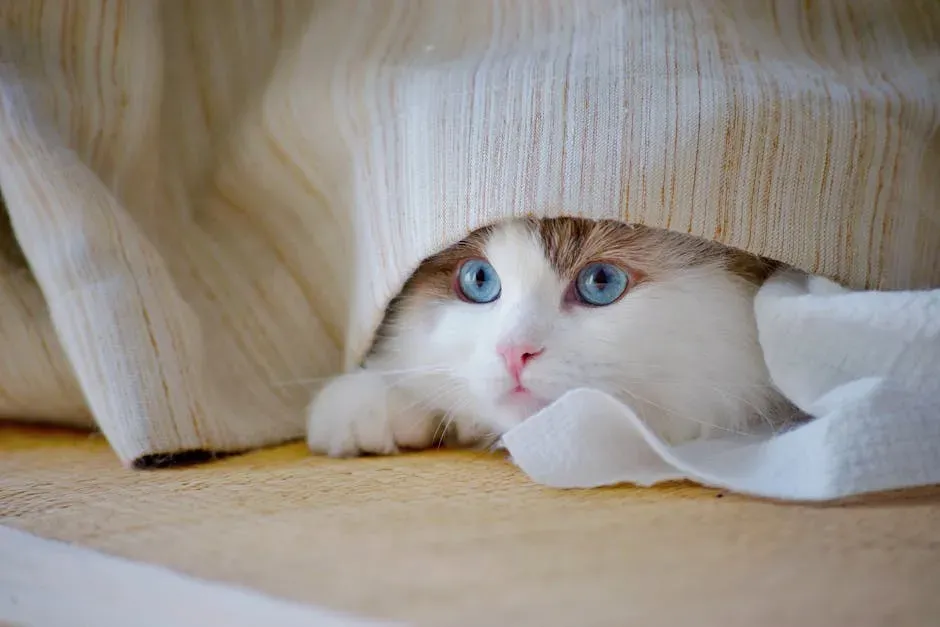
While it is enjoyable to watch your cat snuggle into a small space for a nap, there is some ancestral instinct that makes them attracted to boxes and small spaces. Cats in the wild like to seek shelter where they feel safe and protected from predators. When a cat can squeeze into a small space, it knows that all sides are covered, and it can remain hidden. That same logic follows for your pet cat, and the smaller the area, the safer it will feel. The “if I fit, I sit” meme is genuinely ancient survival logic.
Curiosity About You: Your Cat Is Studying Its Ally

Sometimes you may catch your cat sitting nearby, simply staring at you. It’s all part of the curiosity thing. Your cat finds it interesting to watch you, maybe even a little entertaining. To your cat, you represent comfort, knowing it can count on you for those daily meals. You’re also a source of safety, companionship, and yes, affection. You are not just a human to your cat. You are the most important feature of its entire territory.
The cognitive abilities of cats can thrive when their curiosity is nurtured. Mental stimulation is not a luxury but a necessity, closely tied to a cat’s psychological state. Vet insights suggest that interactive play and exploration can prevent cognitive decline and reduce stress-related behaviors. So those long staring sessions and curious follow-you-around moments aren’t clingy behavior. Your cat is actively maintaining its most valuable social bond, and investing in the relationship that literally sustains its world.
Conclusion
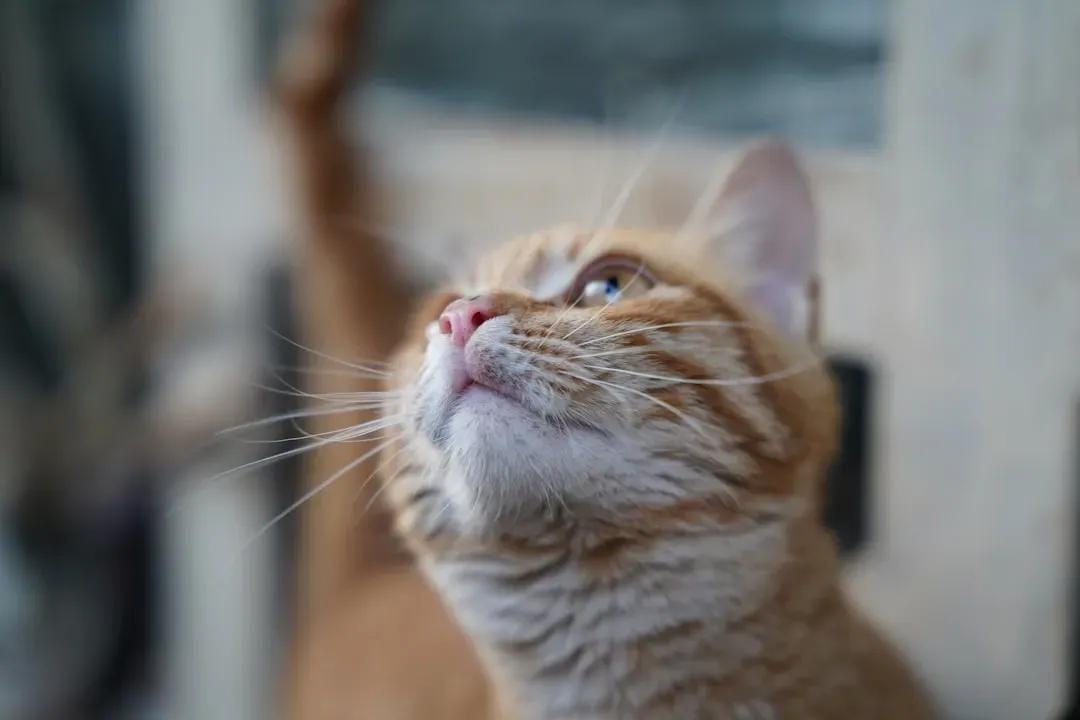
Here’s the thing that most cat owners never fully appreciate: every single behavior that looks random, strange, or mildly inconvenient is actually purposeful. Your cat is not wasting time. It is managing its environment, honing its skills, reinforcing its security, and gathering intelligence with every move. Curiosity didn’t kill the cat. It built one of nature’s most elegantly designed survival machines.
The next time your cat squeezes into a box, stares intensely at a shadow, or spends five minutes sniffing your shoes, remember that you are watching millions of years of evolutionary brilliance in real time. Honor that by enriching its environment, engaging in play, and respecting what those strange little habits are actually saying. Your cat isn’t random at all. It’s running one of the most impressive survival programs on the planet, and it just happens to live in your living room.
What’s the most surprising survival behavior you’ve spotted in your own cat? Share it in the comments below!