Have you ever watched your cat stretch, yawn, groom, stalk, and curl into a perfect ball – all within the span of about twenty minutes – and wondered what on earth is going on inside that furry little head? Honestly, most of us just laugh it off, give them a scratch behind the ear, and move on with our day. But here’s the thing: what looks random is anything but.
Your cat’s daily life is a masterpiece of instinctual programming, shaped by millions of years of evolution and refined down to a surprisingly precise daily rhythm. Every nap, every scratch, every slow blink has a purpose rooted deep in feline biology. The more you understand it, the more fascinating your cat becomes. Let’s dive in.
The Master Sleeper: Why Your Cat Naps Like It’s a Full-Time Job
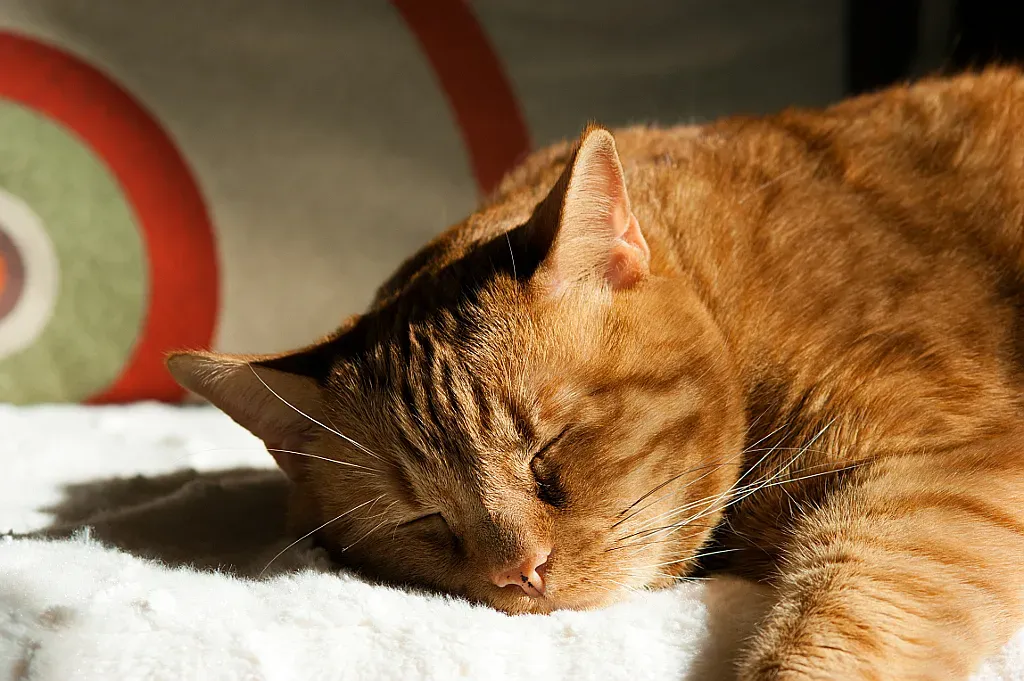
If you ever felt a little envious watching your cat melt into a sunbeam for the third time in a single morning, you’re not alone. On average, cats sleep between 13 and 16 hours in a 24-hour day, which is roughly twice the amount their human owners require. That’s not laziness. That’s biology in action.
Sleeping is not just a leisurely activity for cats; it serves a vital purpose in conserving energy for survival. In the wild, cats needed to be well-rested in order to execute stealthy attacks on both predators and prey alike, and by spending extended periods snoozing, they ensure they have enough stored energy to react swiftly when faced with potential threats or opportunities for a meal. Your pampered house cat? Still running that same ancient software, just on a comfier couch.
Cats go through four stages in their sleep cycle: NREM, REM, light sleep, and deep sleep. Unlike humans, who have longer periods of REM sleep, cats spend a significant portion of their sleep cycle in light sleep. This lighter sleep stage allows them to remain alert to their surroundings, making them ready to react to potential threats or opportunities, such as a quick pounce on a passing toy. Think of it less as “sleeping” and more as “tactical recharging.”
Crepuscular, Not Nocturnal: The Truth About Your Cat’s Internal Clock
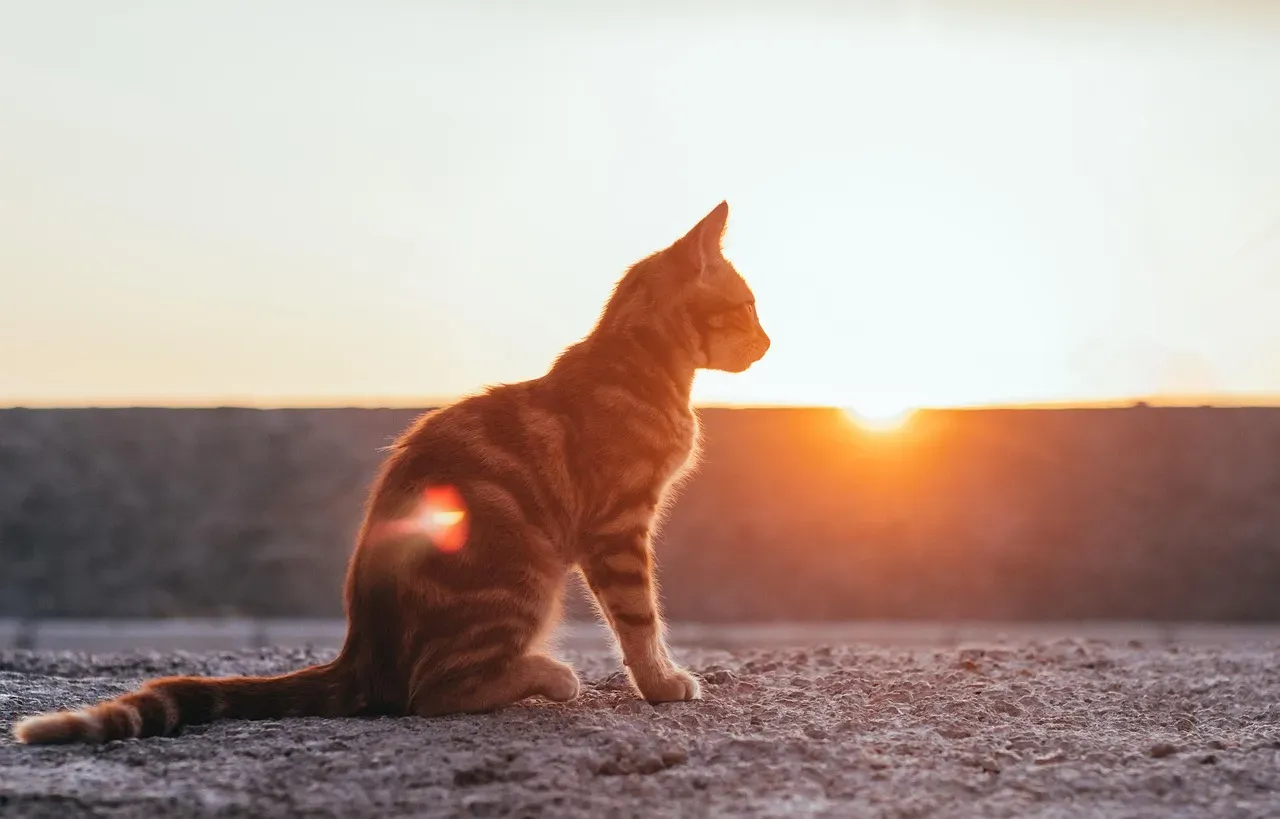
There’s a wildly popular misconception that cats are nocturnal creatures. I get it – they knock things off your nightstand at 3 a.m. and zoom down the hallway at midnight like the floor is lava. But the science tells a different story.
Contrary to popular belief, cats aren’t nocturnal; they are crepuscular, meaning they’re most active around dawn and dusk. This sleeping pattern is due to their hunting instinct, which evolved so that they would be awake when their prey is at its most active. A cat’s eyes are also more adapted to night vision, allowing them to observe movement more clearly in low light. It’s a hunting advantage that’s been baked into their biology for eons.
You might notice your cat running up and down the hallway or jumping onto your bed early in the morning or late in the evening just as you’re getting ready for bed. While this isn’t the most convenient time for most humans, cats are just following their natural instincts to be awake when their wild ancestors were. So yes, the 5 a.m. wake-up call is technically prehistoric in origin. Congratulations.
The Grooming Ritual: Far More Than Just Staying Clean
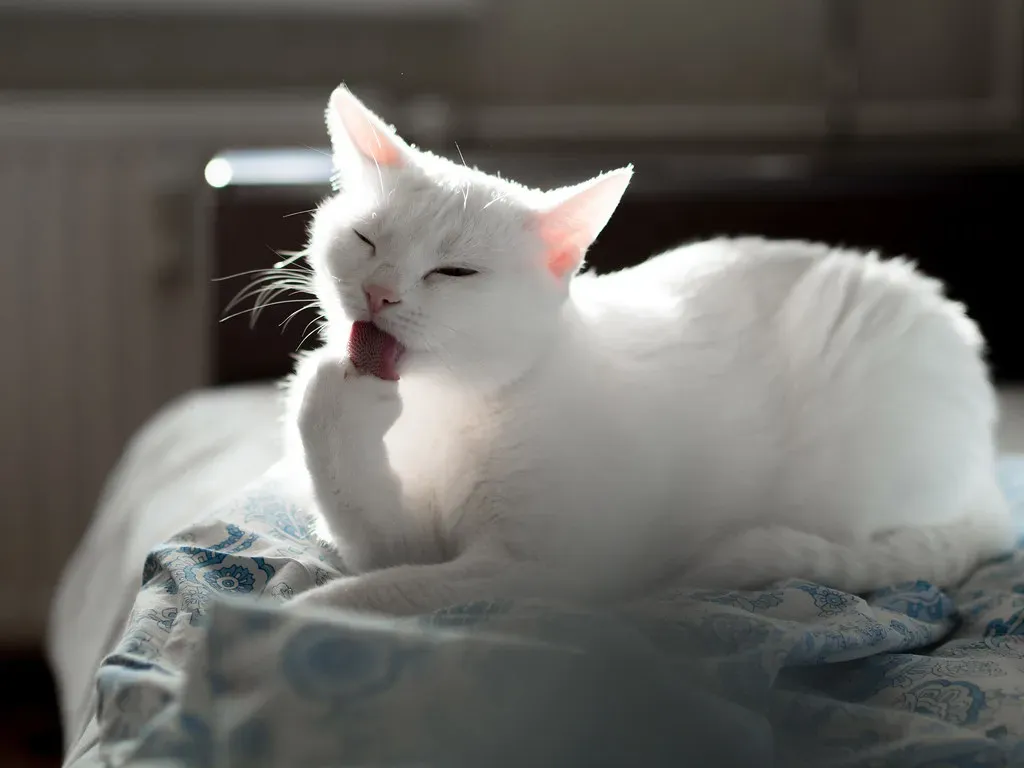
Watch your cat groom for long enough and you start to think they are genuinely obsessed. Paw, face, lick, repeat. But this seemingly endless routine is doing a remarkable amount of work behind the scenes. Cats spend 30 to 50 percent of their day in grooming activities, which makes it one of the single biggest daily investments of their time and energy.
Aside from its primary hygienic function, grooming is also a method of thermoregulation. Cats do not sweat over much of their body surface, with sweat glands clustered in a few specific areas like the paws. Evaporation of saliva deposited on the fur by licking keeps cats cool in hot weather. They’re essentially running a built-in air conditioning system with their tongue. Honestly, that’s impressive.
Grooming also removes scents, particularly the scents of food, from your cat. In the wild, this has the important purpose of preventing predators from smelling and then following the cat. It’s a key safety measure, and your cat’s instinct to groom himself could save his life if he didn’t have you to protect him. Every time your cat takes a post-meal bath, you’re witnessing a survival strategy in real time.
Play Is Hunting: The Predator Behind the Toy Mouse
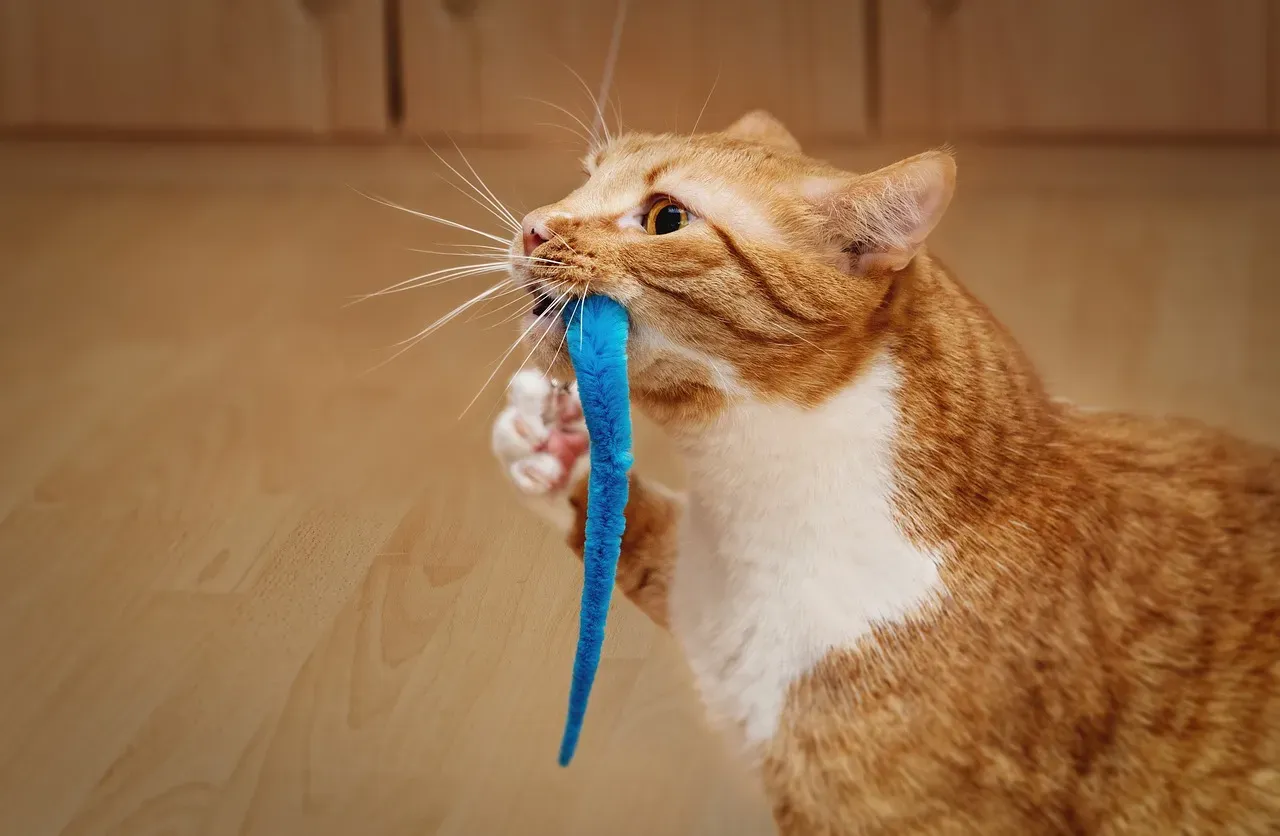
You’ve seen it a hundred times. Your cat crouches low, pupils wide, tail flicking slowly, locked in on that little feather wand like it owes them money. It’s hilarious to watch. It’s also deadly serious – at least from your cat’s perspective.
If you watch a cat play at home, they will often mimic hunting behaviors. A cat will wait, ambush its toy, then roll around with it, and bite at it. Your pet cat is mimicking a hunt, and this behavior is taught to young kittens in the wild. Every pounce on a stuffed mouse is a rehearsal of the real thing, even if your cat has never set a paw outdoors.
Even well-fed house cats maintain their hunting instincts through play and exploration. They typically engage in one to three concentrated play sessions daily, mimicking the hunt-rest-hunt cycle of their wild counterparts. These sessions often include stalking, chasing, and pouncing behaviors. So if you’re skipping playtime, I’d strongly reconsider. Your cat needs this the way you need your morning run.
Territorial Marking: Your Home Is Their Kingdom
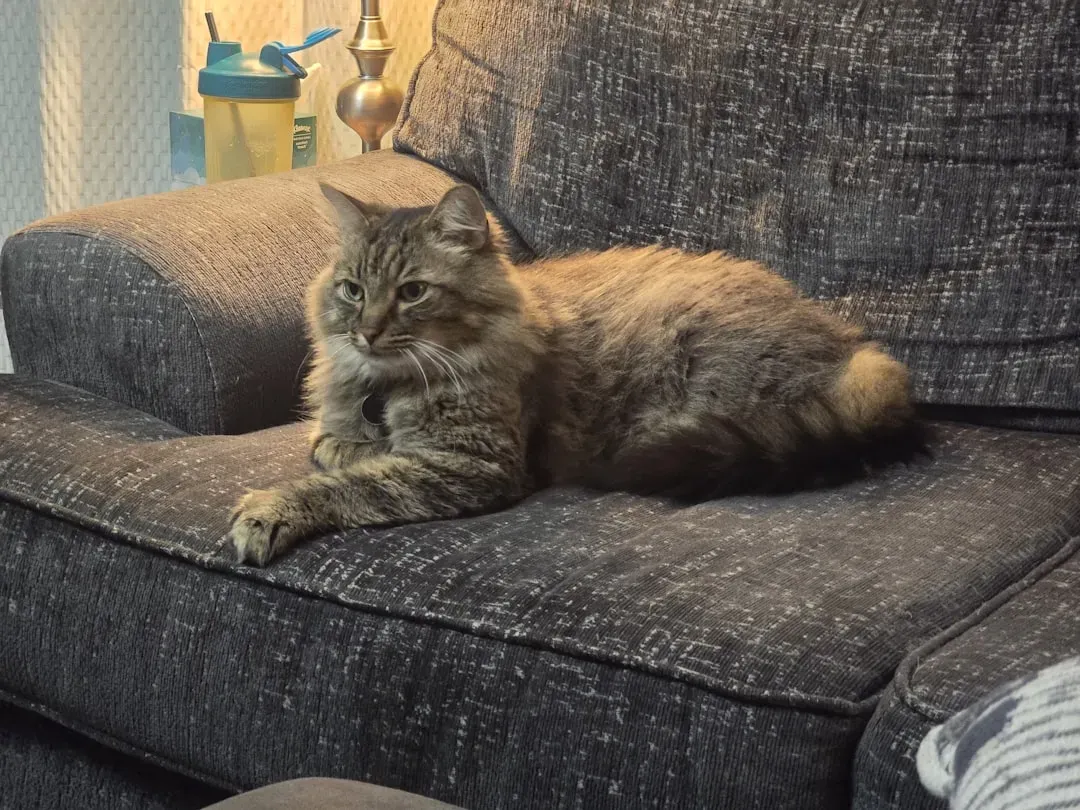
Here’s something that might reframe your relationship with your cat: when your cat rubs their cheek on the corner of your couch, they aren’t being affectionate with the furniture. They are, quite literally, filing property claims. Cats have scent glands on their face, body, and paws that release pheromones. They also send signals through their urine and feces to mark their territory and communicate with other cats.
When a cat scratches a surface, the glands in their feet release pheromones and, in addition, the claw marks serve as long-lasting visual communication. Territorial marks can signal ownership and also advertise sexual receptivity and availability. It’s a dual message system, almost like leaving both a sticky note and a voicemail at the same time.
When your cat transfers their pheromones onto your legs or clothes, not only will other cats be aware that you’re off-limits, but the scent will make your cat feel safe and reassured. So the next time your cat weaves between your legs, know that they just added you to their list of treasured possessions. Sweet, in a slightly possessive way.
Scratching: The Claw Maintenance Ritual That Doubles as a Message Board
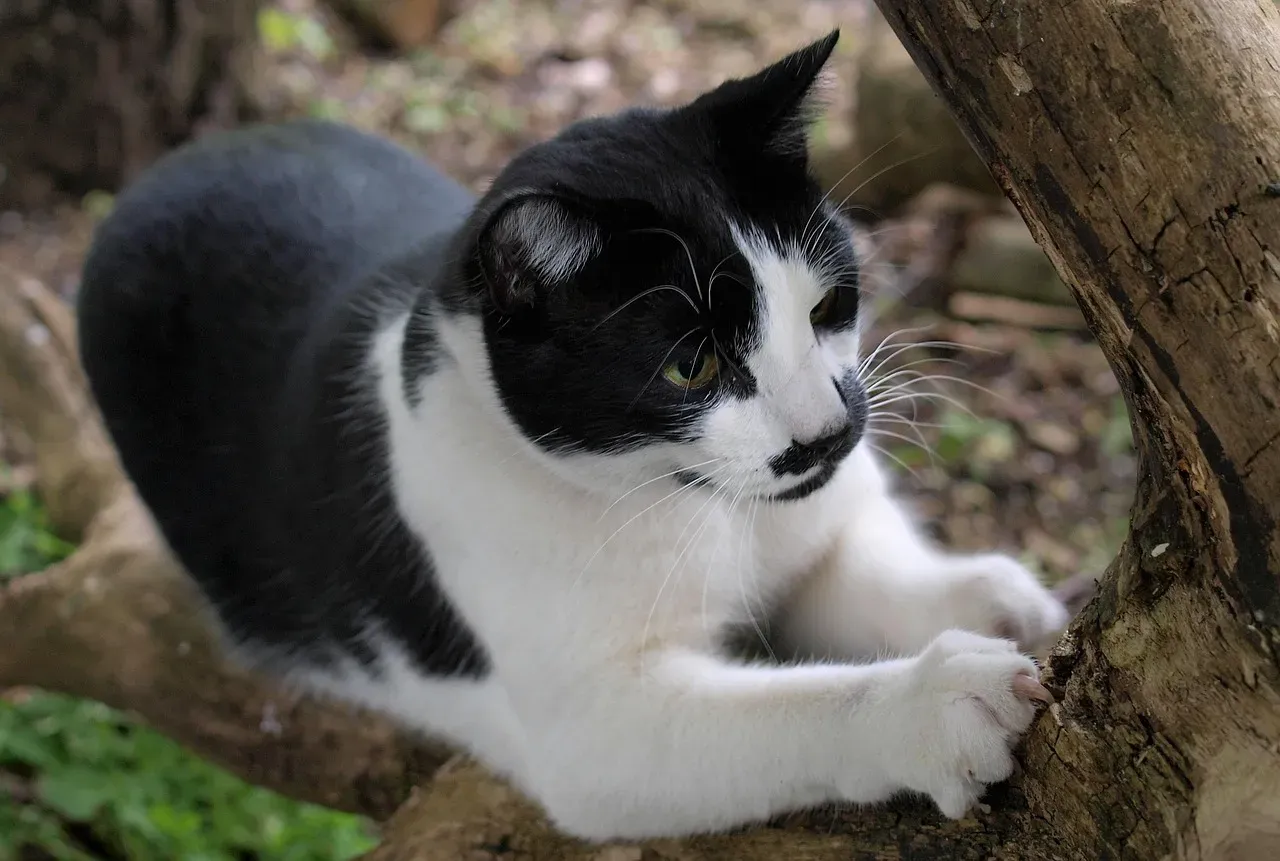
Every cat owner has a scratching story. Maybe it’s the corner of your favorite armchair. Maybe it’s the very expensive sofa you specifically bought in a scratch-resistant fabric, only to discover your cat is not impressed by marketing claims. The scratching impulse is ancient, instinctual, and non-negotiable.
Scratching helps cats maintain the health of their claws by removing the outer sheath and keeping them sharp. Additionally, scratching allows cats to stretch their muscles and maintain their flexibility. It also serves as a way for them to mark their territory, as they leave both visual and scent marks through the glands in their paws. Three functions in one motion. Cats are, if nothing else, efficient.
A lot of people think cats scratch to file their nails down, but it does the opposite. Scratching sheds the dull layer of a cat’s claws and exposes a fresh, sharp claw. It is also an exercise method and a way to mark their territory by putting their scent on whatever they are scratching. They like the material of scratching posts because in the wild, they use the trunk of a tree to scratch their nails on. Which explains why your cat ignores the $40 scratching post and goes straight for the antique table leg.
The Kneading Ritual: An Ancestral Memory in Motion
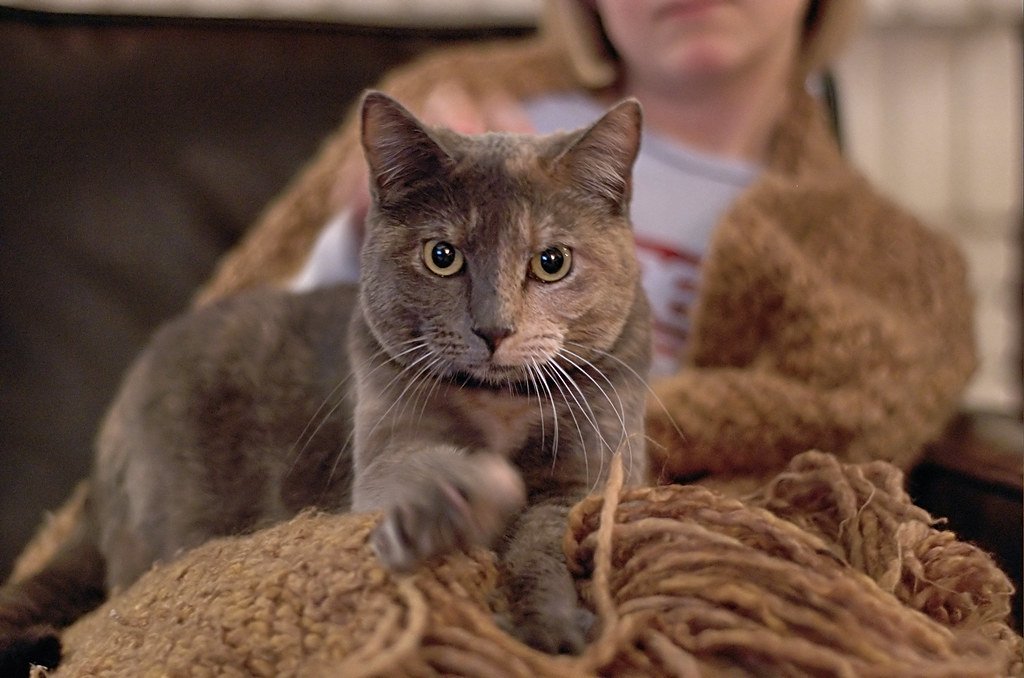
There’s something deeply soothing about watching a cat knead. That slow, rhythmic pressing of their paws into a soft blanket, often paired with a low, rumbling purr. It looks like pure contentment. It is. It’s also something much older than your living room couch.
Kneading stems from when cats are kittens and knead their mother’s stomach to induce the flow of milk. Going back to wild cats, they would knead down tall grass in order to make a soft bed for sleeping or giving birth. Domestic cats will almost always knead on soft surfaces like blankets and they sometimes will purr while they are doing it. It’s essentially a behavior from the very first days of life, preserved into adulthood.
Because most of the preferred domestic traits are neotenous, or juvenile traits that persist in the adult, kneading may be a relic juvenile behavior retained in adult domestic cats. It may also stimulate the cat and make it feel good, in the same manner as a human stretching. Kneading is often a precursor to sleeping. It’s your cat’s version of fluffing the pillow before bed – just with more claw involvement.
Allogrooming and Social Bonding: How Cats Say “I Trust You”
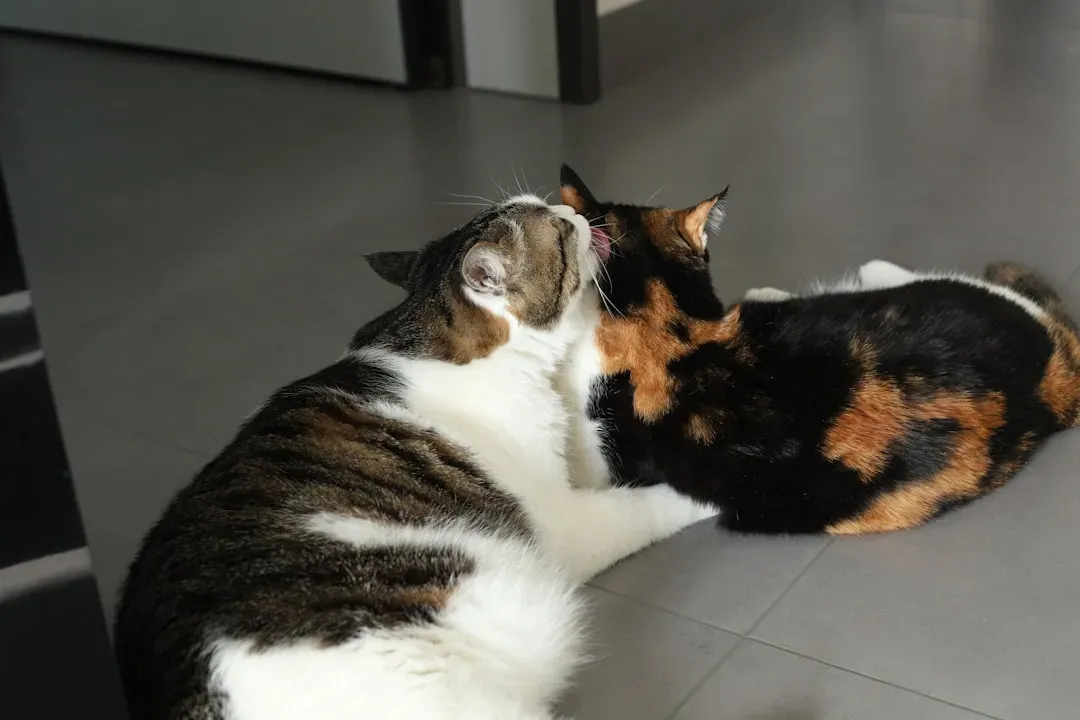
If you have more than one cat and have watched them lick each other’s heads with what appears to be genuine devotion, you’ve witnessed something that’s both biologically meaningful and oddly heartwarming. It’s not random. It’s called allogrooming, and it carries significant weight in feline social life.
Cats groom each other, also known as allogrooming, not just for cleanliness, but also to bond, show affection, relieve stress, share scent, and establish social hierarchy. It’s a whole social conversation happening without a single sound. Think of it like a handshake, a hug, and a peace treaty all rolled into one very thorough head-licking session.
Allogrooming, particularly of the head and neck area, may be used in some cats as a way to avoid altercation and redirect any potential aggressive behavior. Still, allogrooming mostly occurs between cats that are either related or close to each other, primarily used to enhance their social bonds before everything else. It’s hard to say for sure, but it might just be one of the most sophisticated conflict-resolution tools in the animal kingdom.
Window Watching and Environmental Monitoring: The Art of Doing Nothing
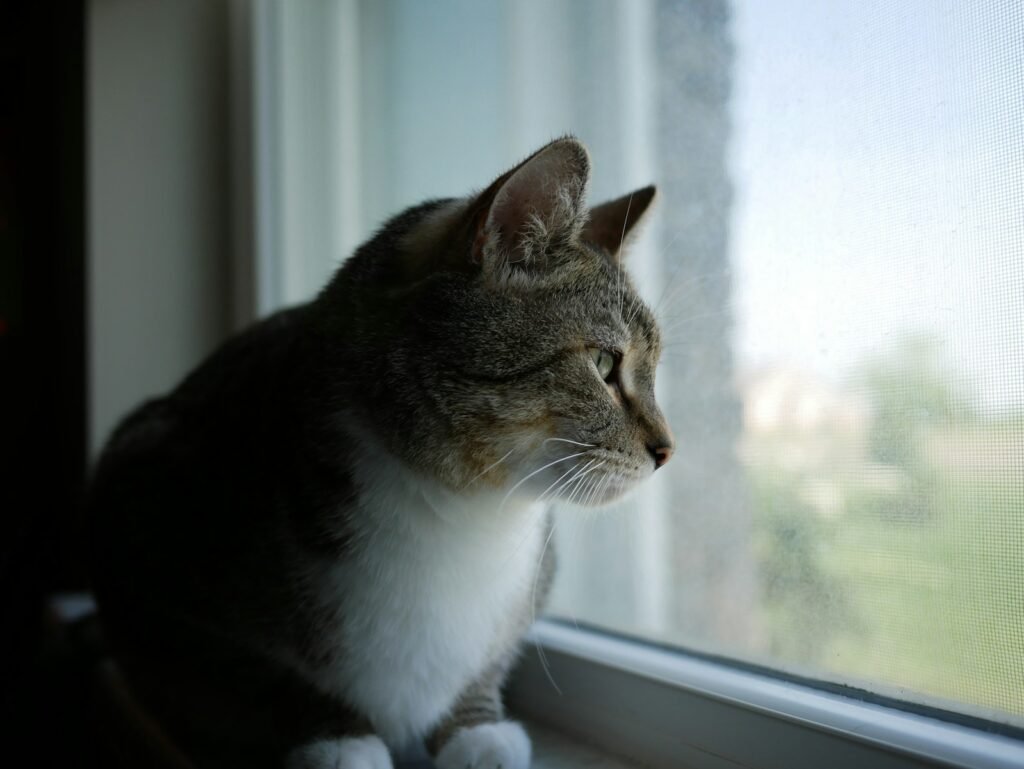
Your cat is sitting at the window. Motionless. Just… staring outside with the intensity of a detective who has cracked a case but isn’t ready to reveal the suspect yet. You offer them a toy. They ignore you. They’re busy. And honestly? They’re working harder than you might think.
Between active periods, cats engage in what might look like doing nothing but is actually important environmental monitoring. They often choose elevated positions or sunny spots to observe their surroundings, staying alert to changes in their environment while appearing to rest. It’s surveillance. Methodical, instinctual, necessary surveillance.
Cats enjoy climbing and perching high above to survey their surroundings. Imagine a mountain lion perched on a cliff or a bobcat resting on a tree branch. Your small “wild cat” loves cat trees, shelves, and window perches that allow them to climb and observe their surroundings from a high vantage point. That little cat tree in the corner of your living room? It isn’t furniture. It’s a strategic command post.
The Litter Box Instinct: Privacy and Survival Woven Together
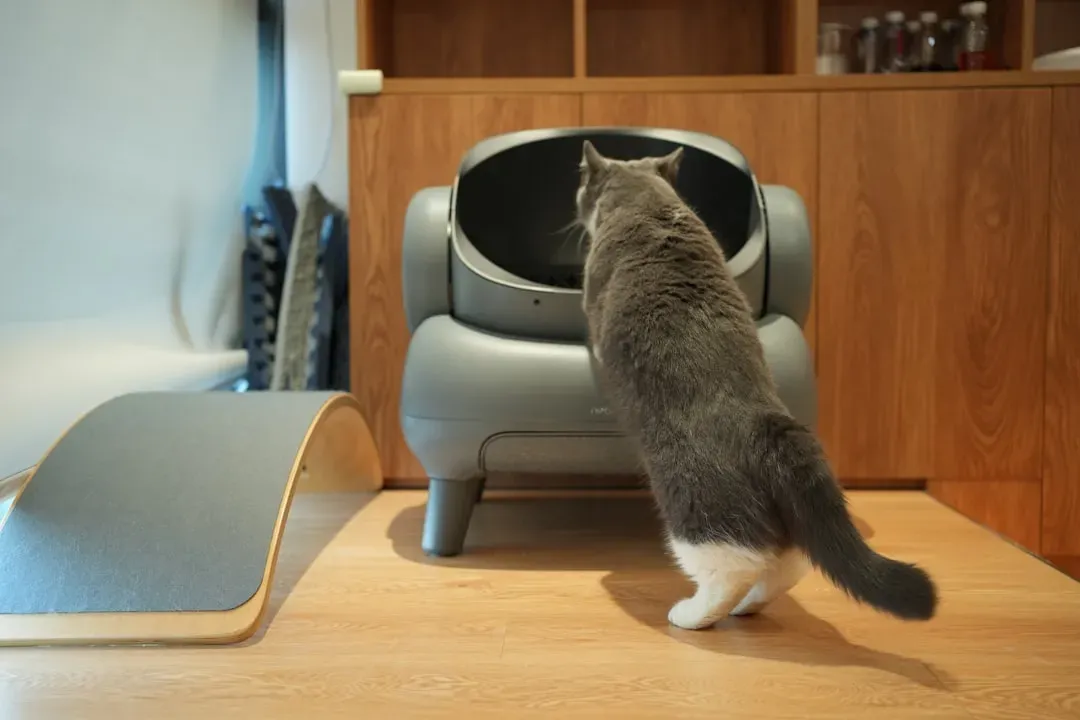
Here’s a fascinating one that most cat owners take completely for granted. Your cat almost certainly uses a litter box without any formal training. You didn’t teach them. You didn’t have to. This is one of those jaw-dropping moments where instinct does all the heavy lifting.
Cats don’t really need to be potty trained because they will instinctively use their litter box. Not only will they use it, they also cover up their droppings with the litter. This is because wild cats had to cover their tracks to avoid being found by predators. They leaned towards soft dirt or sand to use the bathroom because it was easier to cover, which is why they instinctively use litter. That covering behavior is pure survival instinct, still fully intact thousands of years into domestication.
Establishing daily meals, sleep routines, trips outside on the leash, and the like will help your cat behave the best way possible at the right times as they begin to understand what’s to come. So if you’re looking to resolve any potty problems, biting, or other undesirable kitty crazies, offering routines and schedules for your cat is the most effective way to create lasting behavioral change. In other words, your cat thrives on structure – even if they pretend to be too cool to care about yours.
Conclusion: Every Quirk Has a Backstory Millions of Years in the Making
Your cat is not random. Every nap, every scratch, every suspicious stare at the corner of the room where absolutely nothing is happening – it’s all part of a beautifully complex, deeply ancient script written long before your cat ever curled up on your couch.
Cats aren’t mysterious by accident – their behavior is rooted in thousands of years of evolution, shaped by both survival instincts and the unique bond they’ve developed with humans. When you understand this, you stop seeing weird behavior and start seeing survival poetry.
The next time your cat does something that baffles you completely, instead of wondering what’s wrong with them, ask yourself: what ancient problem is this behavior solving? The answer is almost always fascinating. Did you ever imagine that your cat’s daily routine contained this many layers? What would you have guessed?