Have you ever noticed how your cat gravitates toward the same old throw blanket, day after day, with the kind of single-minded devotion usually reserved for a beloved person? It seems almost comical – a twelve-pound feline with an unmistakable attachment to a piece of fabric. Yet, this behavior runs far deeper than a cute quirk.
There is real science, genuine instinct, and fascinating feline psychology woven into every fiber of that blanket. Your cat is not just choosing somewhere soft to nap. You are witnessing something deeply rooted in biology, emotion, and survival. So buckle up – because what your cat’s favorite blanket reveals about them might genuinely surprise you. Let’s dive in.
The Instinctual Roots of Blanket Love Go All the Way Back to Kittenhood
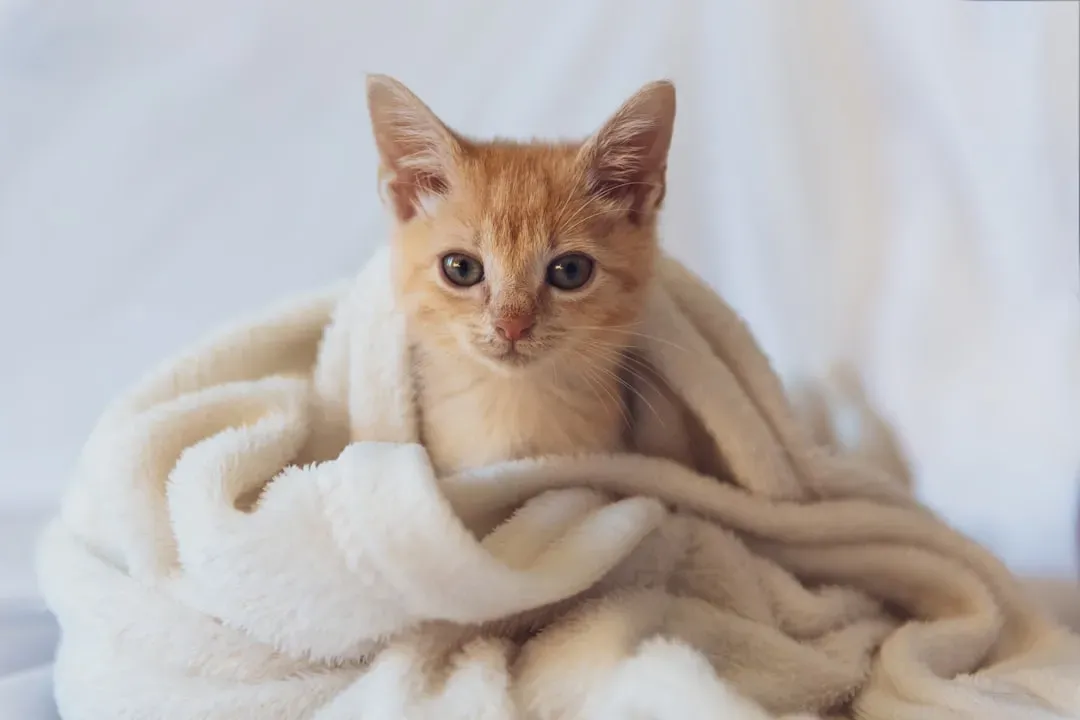
Here’s the thing – your cat did not just develop a random fondness for blankets as an adult. Blankets possibly offer the same kind of feeling that cats would get when spending time snuggled up next to their mothers as babies. Think about that for a moment. Every time your cat curls into that blanket, something in their nervous system is echoing the warmth and safety of the earliest days of their life.
Many cats’ affection for blankets can be traced back to their earliest days. The soft texture and warmth remind them of snuggling with their mother and littermates, creating a powerful emotional association that persists into adulthood. It’s honestly a little heartbreaking in the best way – your cat is essentially holding onto something that feels like home, like the original home they were born into.
Warmth Is More Than a Luxury for Your Cat – It’s a Physical Need
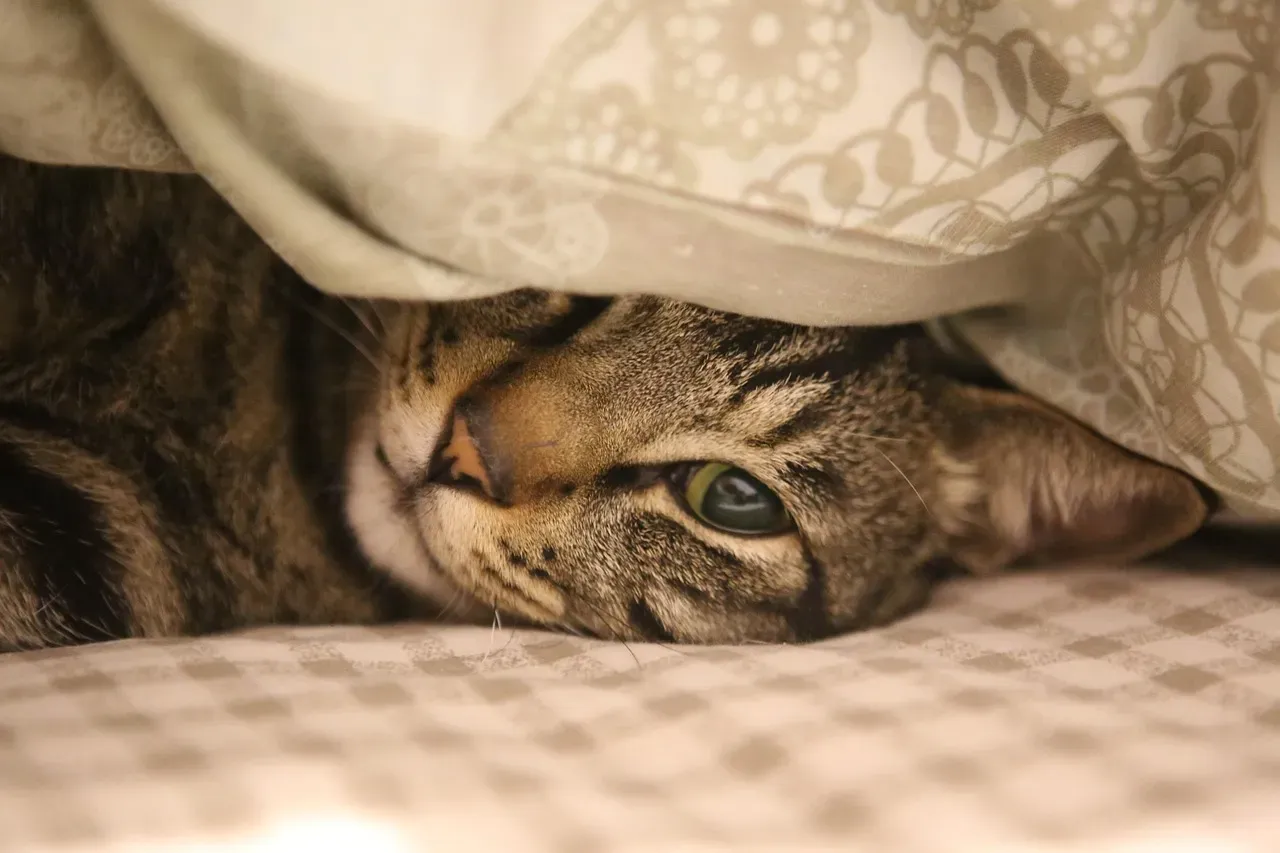
Cats naturally seek out warm spaces, and blankets provide the perfect temperature regulation solution. With a normal body temperature ranging between 101 and 102.5 degrees Fahrenheit, cats need to maintain this warmth for optimal health. Blankets serve as excellent insulators, helping cats conserve energy while keeping cozy. It’s a bit like how you pull on a sweater the moment you feel a chill – your cat is doing the exact same thing, just with considerably more style.
Another possible reason that cats like blankets so much is the extra warmth that they receive. You may notice that your cat utilizes blankets most often when the air is chilly. Those blankets are keeping them comfortable and warm. Honestly, if you have ever watched your cat dramatically search out the one sunlit corner of a blanket in winter, you already understand this on a gut level.
Scent Is the Secret Language Your Cat Uses to Feel Safe
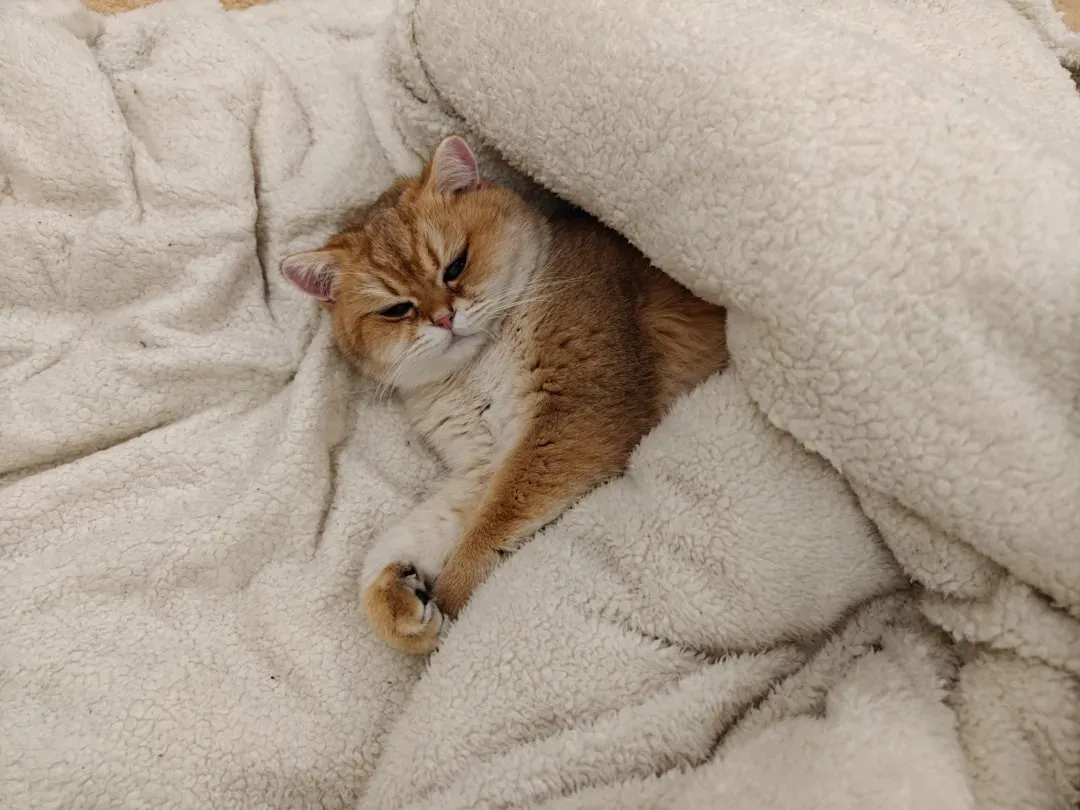
Cats rely heavily on their sense of smell to identify safe spaces. Blankets absorb the scents of their environment, including the familiar aroma of their owner, which provides emotional comfort. Your scent on that blanket is not just pleasant background information for your cat – it is a powerful emotional signal. It tells them: you are here, this is safe, and everything is okay.
The impact of scent on your cat’s behavior is undeniable. The olfactory senses in cats play a crucial role in their communication, social interactions, and overall well-being. Think of scent as your cat’s version of GPS. When the blanket smells right, your cat knows exactly where they are in the world – and, more importantly, they know they are home.
Your Cat Kneads That Blanket and the Reason Is Deeply Emotional
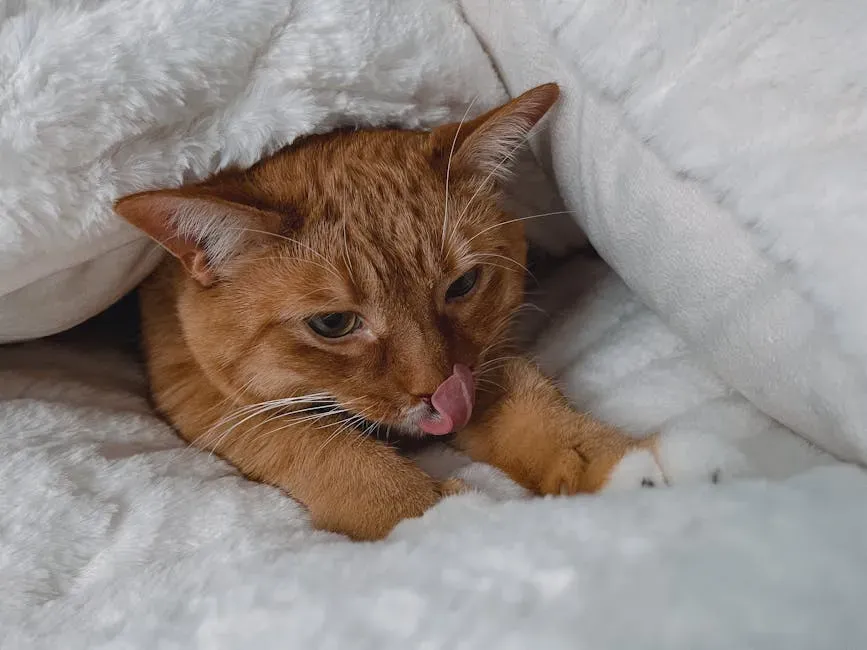
Kneading, often referred to as “making biscuits,” is one of the behaviors domestic cats are best known for. It’s an instinctual behavior where the cat alternates pushing paws into a soft surface, such as a blanket, several times in a row, similar to how a person would knead dough. And while it looks adorable, the reasons behind it are surprisingly profound. Your cat is not just fidgeting – they are processing deeply held emotions through motion.
The action of kneading in cats causes the release of the pain-relieving, feel-good chemical dopamine in the brain. As such, increased or excessive kneading can be a sign that your cat is uncomfortable or anxious, and their kneading could be an attempt to soothe themselves. It is essentially your cat’s version of stress-squeezing a comfort toy. A favorite blanket gives them the ideal surface to do exactly that.
Blankets Tap Into Your Cat’s Wild, Primal Nesting Instinct
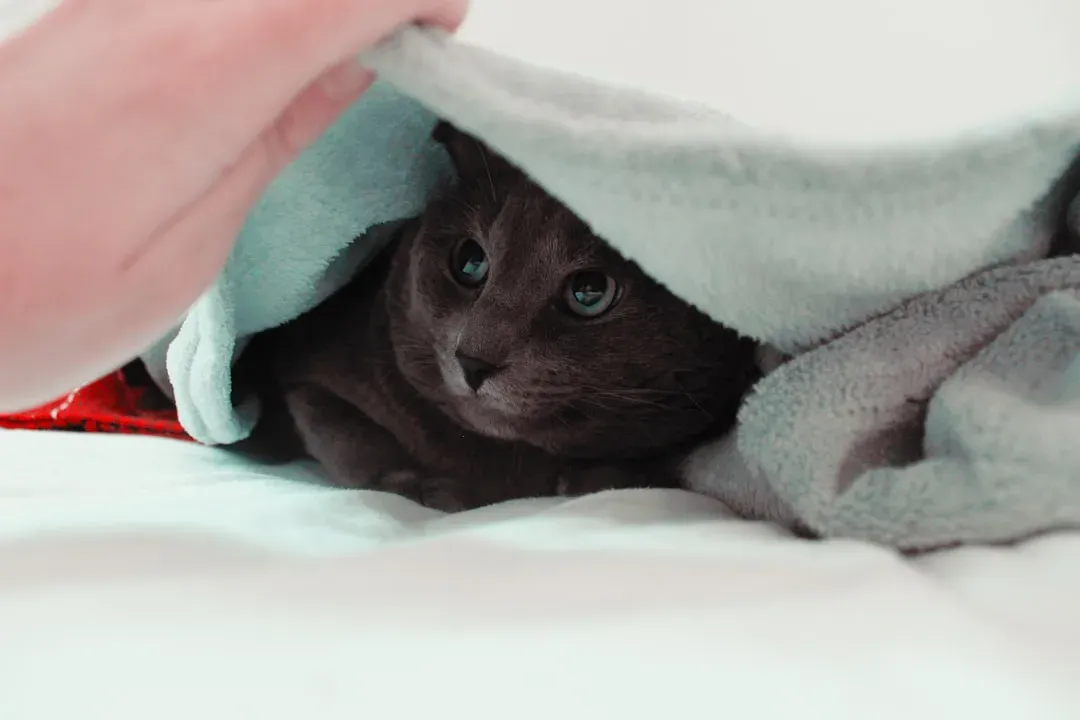
In the wild, cats seek out enclosed, warm spaces to rest and sleep. Blankets mimic the feeling of a den or burrow, offering a sense of security and protection from potential threats. Even though your living room is about as far from the wild savanna as you can get, your cat’s brain has not entirely let go of those ancient instincts. The blanket becomes a miniature den – their personal protected territory in the middle of your home.
Before lying down, many cats will knead a surface repeatedly in a behavior that is thought to be a holdover from their wild ancestors, who would pat down grass or leaves to create a comfortable sleeping nest. Domestic cats retain this instinct and will often knead blankets, pillows, and soft bedding before curling up to sleep. So the next time you watch your cat spend three full minutes rearranging a blanket before sitting down, remember: they are following an instinct millions of years in the making.
Territory Marking Turns That Blanket Into Your Cat’s Personal Property
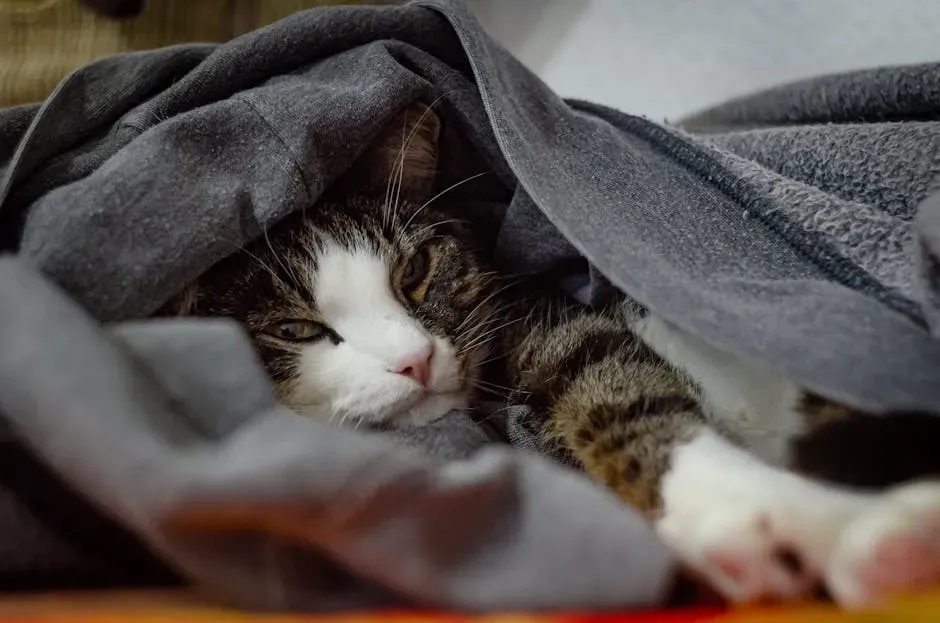
One of the reasons why cats love to knead on blankets is to mark their territory. There are scent glands that release pheromones when they push their paws into the blanket to warn other cats to stay away. Kneading is a type of territorial behavior that your cat engages in to subtly mark their territory with their unique scent. By claiming a space as their own, they’re creating a safe and familiar environment. Let’s be real – your cat is not sharing. Not now, not ever.
Cats often rub their faces or bodies against blankets to leave behind pheromones from their scent glands. This marking behavior reinforces their sense of ownership and creates a comforting, familiar environment. So when your cat rubs their cheek against that blanket with sleepy, satisfied eyes, you are watching them essentially sign their name to their favorite piece of real estate in the household.
Blankets Serve as Your Cat’s Best Anxiety Management Tool
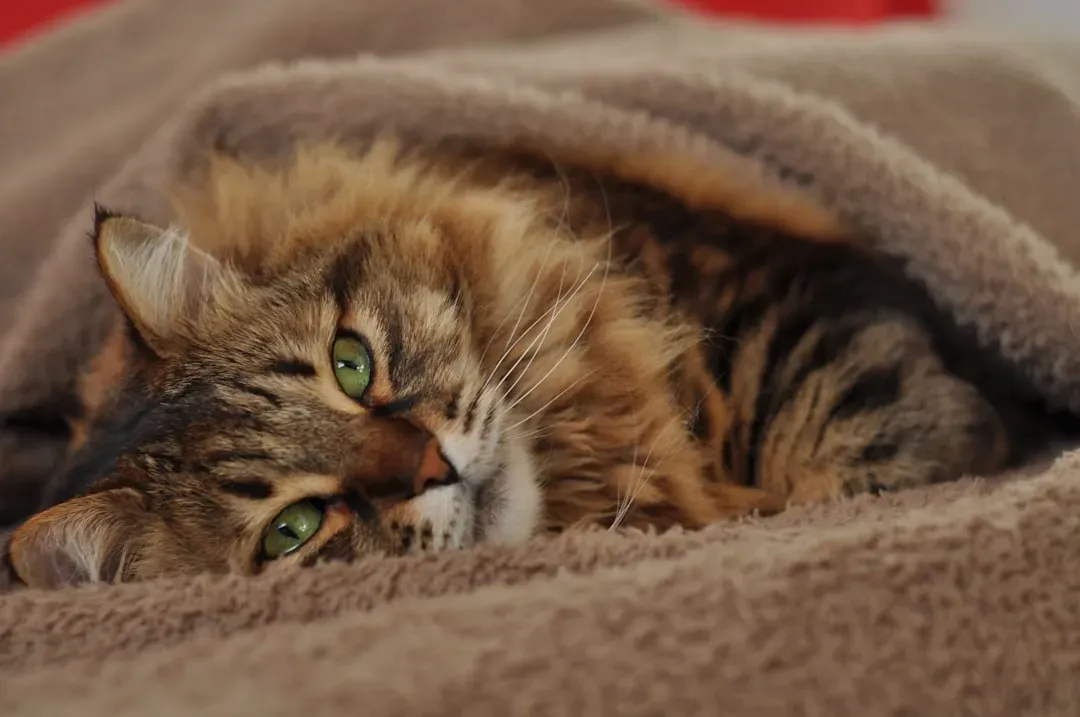
Blankets can serve as powerful anxiety-reducing tools for cats. The pressure and warmth of being wrapped or covered by a blanket can have a calming effect similar to swaddling in humans. This is particularly beneficial during stressful situations like thunderstorms, fireworks, or visits to the veterinarian. It’s hard to say for sure how much of this is conscious on your cat’s part, but the behavior is consistent and widely observed across all kinds of cats and environments.
Blankets can also provide cats with a sense of safety and security. For example, when cats are taken to a vet or an unfamiliar place, they may become anxious. This is why many veterinary professionals and cat behaviorists suggest placing a familiar blanket in your cat’s carrier when traveling – it brings a piece of home into an otherwise overwhelming experience. Imagine walking into a stressful situation while holding your favorite, most familiar object. That’s exactly what you’re doing for your cat.
Fabric Type and Texture Matter More Than You’d Think
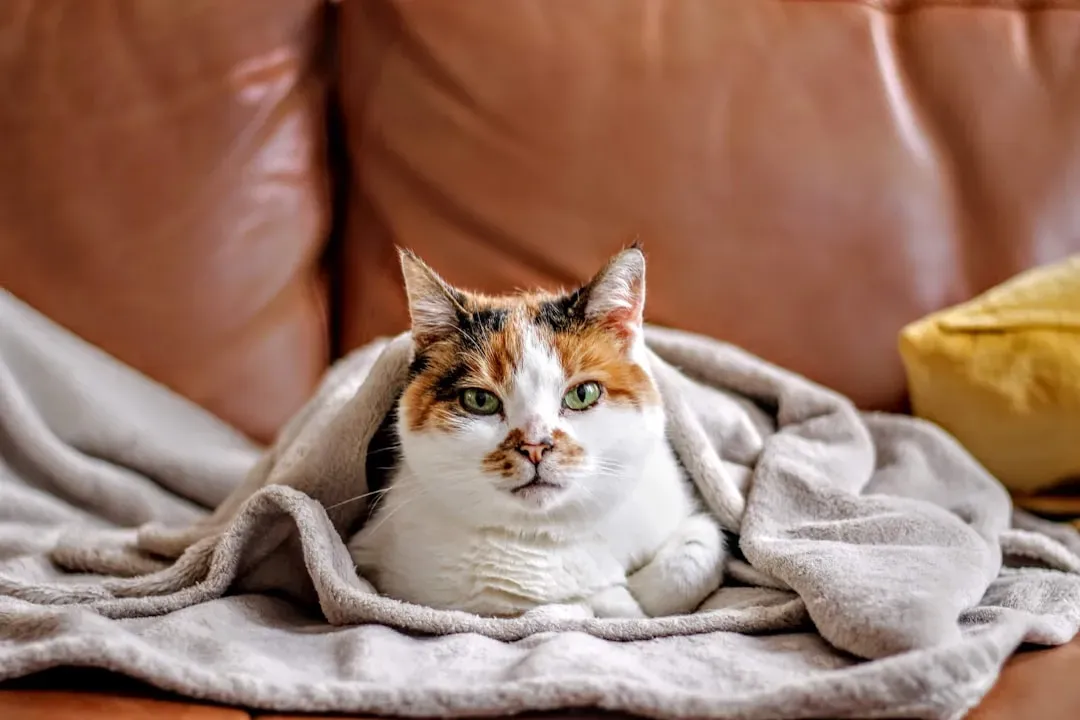
Cats are highly sensitive to touch, and they prefer materials that feel soft and soothing. Fleece, velvet, and plush fabrics are often favorites due to their gentle texture against their fur. It’s not random that your cat ignores one blanket in favor of another – they are making a deliberate sensory choice, and the texture of the fabric plays a huge role in that decision.
The type of material a blanket is made from can significantly influence a cat’s level of comfort. A fleece blanket, for instance, is often a favorite among feline friends because of its soft texture and excellent warmth retention. Cats like blankets that mimic the softness of their mother’s fur, and fleece does an exceptional job at this, providing a soothing tactile experience. Meanwhile, knitted blankets with natural holes in them may be a turnoff because your cat’s nails can get stuck in them. Some blankets might have a rougher texture than your cat would prefer, so they might be avoided in favor of other blankets. Your cat is essentially a texture connoisseur.
How You Can Use the Blanket to Deepen Your Bond With Your Cat
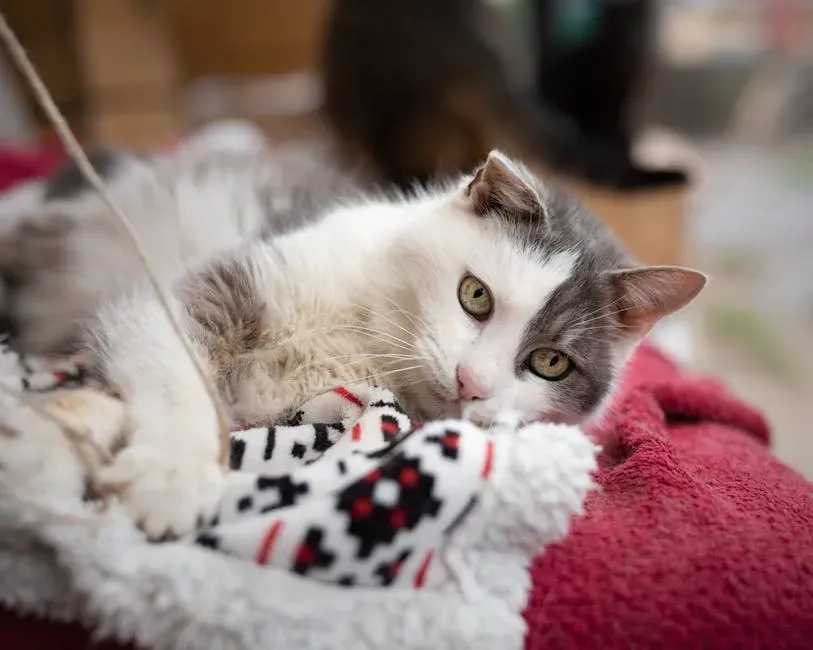
Spending time with your cat on their blanket can be a great way to bond. Whether you’re enjoying kneading, playing, or simply relaxing together, a shared blanket can be a place where you and your cat spend quality time and strengthen your relationship. It sounds simple, but sharing that space matters to your cat in ways that go beyond the obvious. You are entering their safe zone, their territory – and that is an act of trust on both sides.
Consider providing your cat with their own blanket. This not only ensures that your cat has a designated spot for spending quality time, but it also helps in maintaining cleanliness around the house. A cat’s blanket can be a special part of their daily routine, offering comfort and warmth whenever they need it. Think of it as giving your cat their own cozy headquarters – a place that is 100 percent theirs, where they always feel secure and at ease.
Conclusion: That Worn-Out Blanket Is More Than Just Fabric
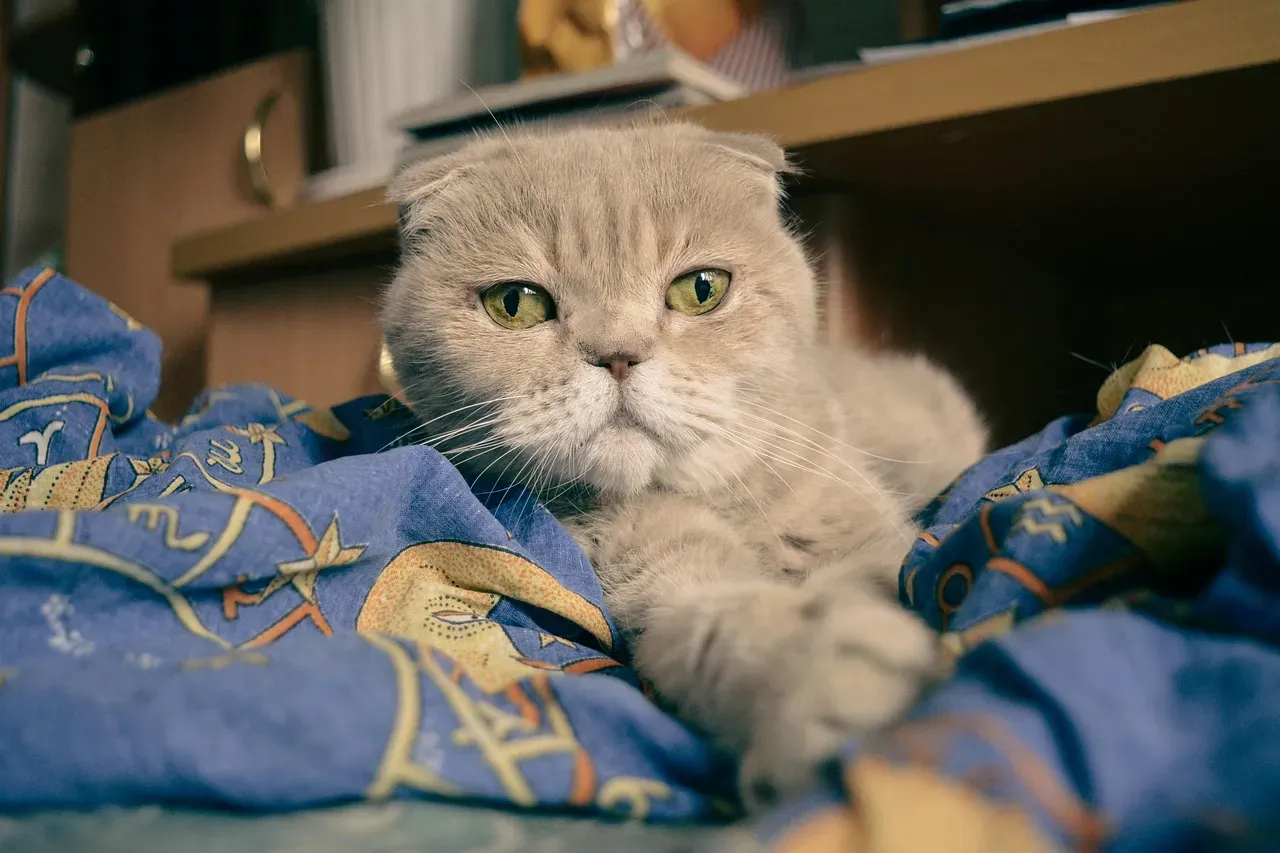
When you step back and look at the whole picture, it’s genuinely remarkable. A simple piece of fabric becomes a thermal regulator, a scent archive, a nesting ground, a territorial marker, and an anxiety shield – all in one. Your cat is not being quirky or overly attached. They are responding to some of the deepest instincts in their nature.
So the next time you think about tossing that tatty old throw in the bin, perhaps reconsider. That blanket is doing serious emotional heavy lifting for your cat. It carries your scent, their scent, and every nap and kneading session they have ever enjoyed. It is, in many ways, a record of your life together.
Understanding this does not just make you a better-informed cat owner – it makes you a more connected one. Because when you know why your cat loves that blanket, you understand something real and tender about who they are. What do you think – did any of this change how you see your cat’s cozy habits? Drop your thoughts in the comments.