You’ve probably watched your cat settle into that worn blanket a thousand times. Maybe it’s frayed at the edges or covered in fur. Perhaps you’ve tried to replace it with something newer, softer, or cleaner, only to watch your feline friend ignore the upgrade completely. Here’s the thing: that blanket means so much more to your cat than you might realize.
While we humans often think about blankets in terms of warmth and coziness, your cat experiences them on an entirely different sensory level. That favorite blanket has become a personalized comfort zone, layered with familiar scents and pheromones that tell your cat one simple message: you’re safe here. Let’s dive into the fascinating world of feline blanket behavior and discover what’s really going on beneath all that kneading and purring.
The Secret Language of Scent Glands
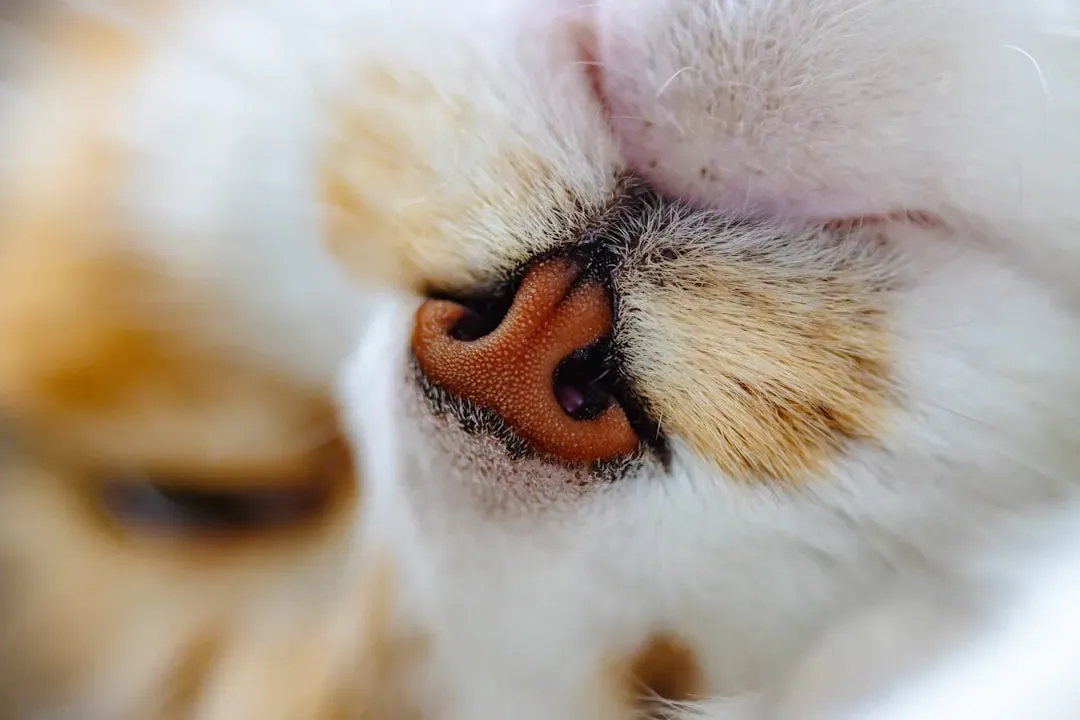
Your cat isn’t just lounging on that blanket randomly. Cats have scent glands between the pads on their feet that leave behind both a visual mark and a scent mark every single time they knead or walk across fabric. Think of it as invisible graffiti that only other cats can read.
These scent markers create what behaviorists call a “scent profile” that’s uniquely your cat’s. Cats use their scent glands to create familiar environments that help them feel secure, marking items and people as safe and familiar. It’s hard to say for sure, but imagine walking into a room that smells exactly like home after a long trip. That’s what your cat experiences with their scent-marked blanket.
Why Kneading Is More Than Just Cute
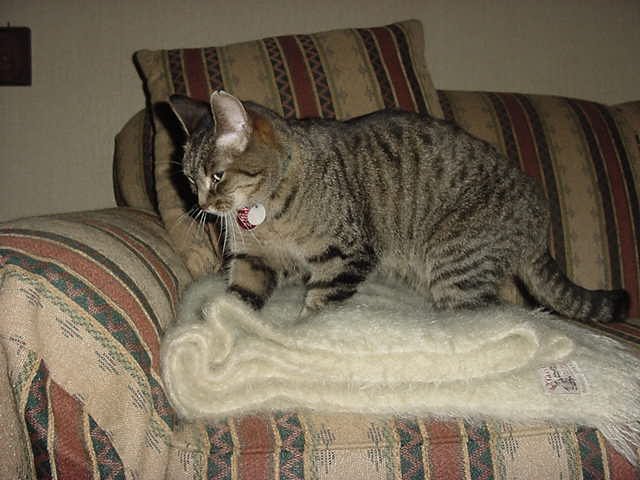
Cats have scent glands between their toes that release pheromones during kneading, which means when your cat “makes biscuits” they’re simultaneously marking their territory and creating a personal, secure space. You might think it’s adorable, and honestly it is, but your cat is doing some serious territorial work here.
This rhythmic pushing motion harks back to kittenhood. Kittens use a kneading action to stimulate milk production from their mother, and because nursing encourages a sense of contentment in young kittens, many cats continue to knead into adulthood to create a similar sense of calm and relaxation. That blanket becomes a surrogate for all those early feelings of safety and nourishment.
The Pheromone Map Your Cat Creates
Let’s be real, your cat is basically building an invisible chemical map all over their favorite blanket. Scent glands work by producing and releasing pheromones, which are chemical substances that help cats communicate and convey messages about their identity, emotional state, and reproductive status. Your cat’s nose can detect these messages with stunning clarity.
Cats have about 200 million scent receptors in their nose compared to our mere 5 million, allowing them to detect and interpret an incredible range of odours. When your cat buries their face in that blanket, they’re reading an entire history of when they’ve been there before, how they felt, and confirming that this spot still belongs to them.
That Blanket Smells Like Safety
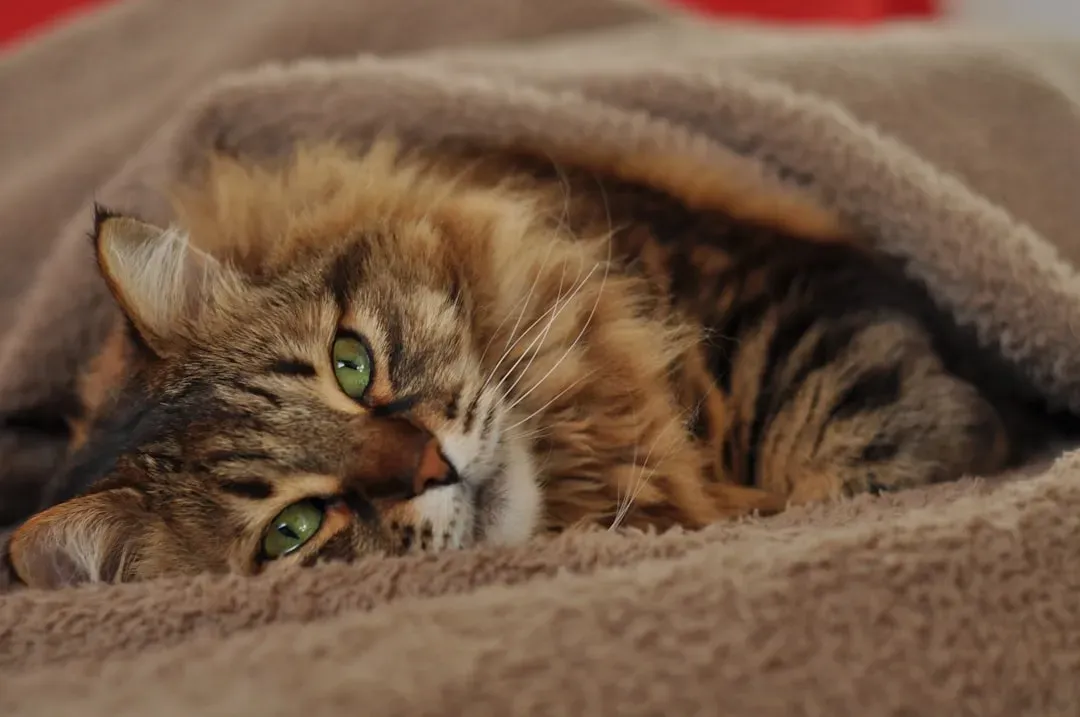
Cats rely heavily on their sense of smell to identify safe spaces, and blankets absorb the scents of their environment, including the familiar aroma of their owner, which provides emotional comfort. Your scent mingles with theirs, creating a shared territory that reinforces your bond.
Interestingly, research shows something unexpected. Overall, cats are comforted by their owner’s presence but did not appear to get much reassurance from something that smells like their owner during a brief stressful situation. Still, in the familiar setting of home, that scent combination seems to work differently, offering ongoing comfort rather than crisis intervention.
The Nursing Memory That Never Fades
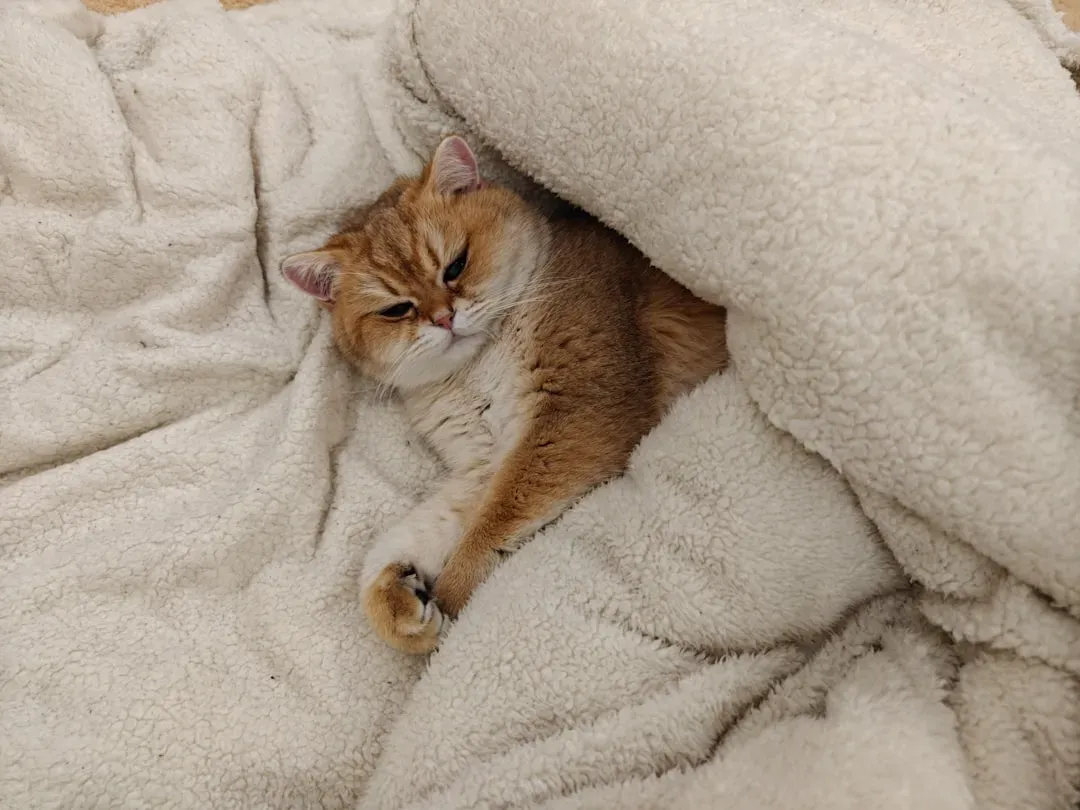
There’s something almost hypnotic about watching a cat knead a soft blanket. Kneading and biting onto a soft surface is a relaxing and soothing behavior for cats, reminding them of comfort, safety, and warmth even though they no longer need milk. It’s like comfort food for their soul.
Cats knead blankets and other soft objects to create a sense of relaxation and relieve stress, as kneading soft objects may remind a cat of nursing. Some cats even enter what looks like a trance state, purring loudly with half-closed eyes. That’s your cat at peak contentment, reliving those earliest moments of security.
Territory Claiming in Slow Motion
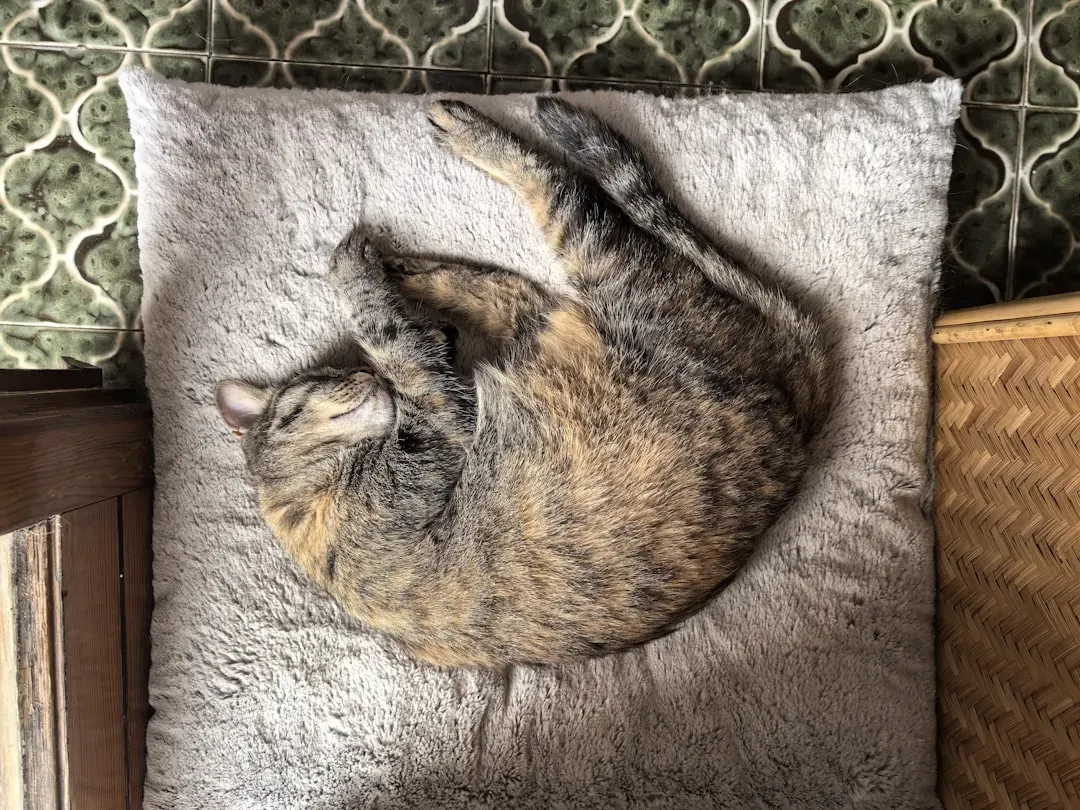
Kneading is a type of territorial behavior that cats engage in to subtly mark their territory with their unique scent, and by claiming a space like a blanket as their own, they’re creating a safe and familiar environment. Your cat isn’t being possessive in a negative way; they’re just making sure everyone knows this is their safe zone.
Cats are known for their territorial nature, marking their domain with a distinct scent from glands in their paws, and when a cat kneads a blanket they leave behind a unique fragrance, silently announcing their territory. Every squeeze of those paws is another layer of “this is mine” being deposited into the fabric.
The Emotional Bliss Zone
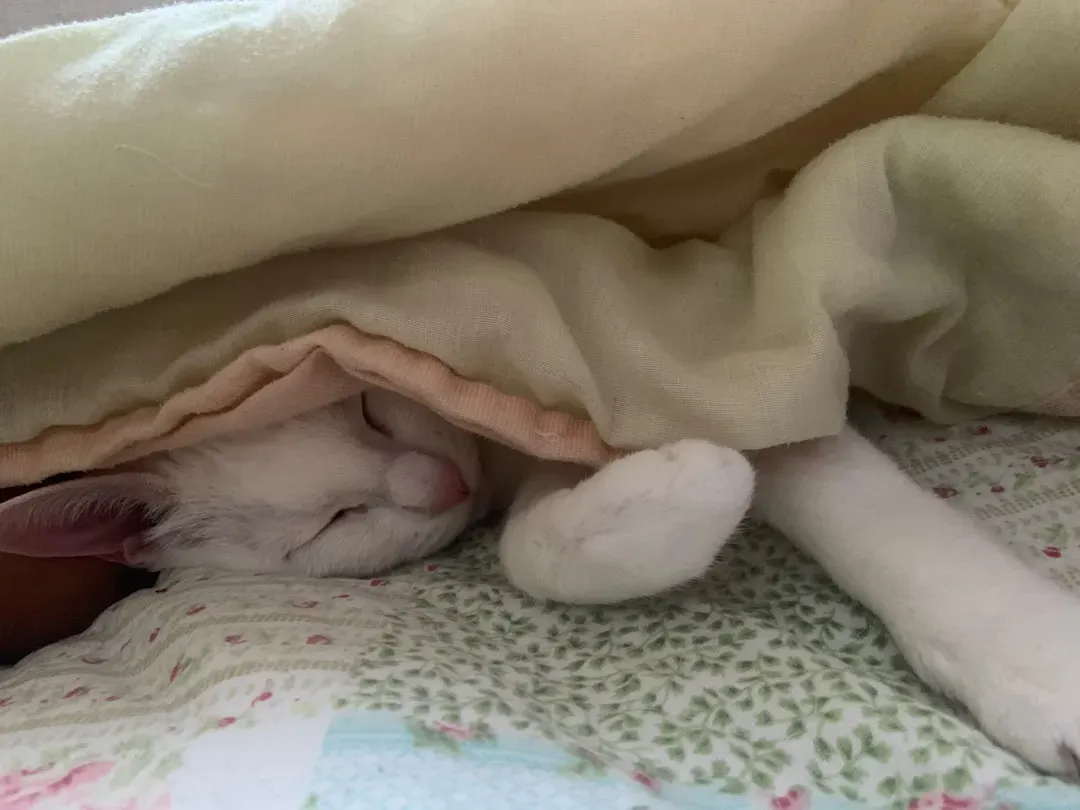
It’s usually accompanied by purring in an almost trance-like state, signaling that your cat has entered a state of emotional bliss. You’ve seen it: the glazed eyes, the rhythmic motion, the complete relaxation. That blanket has become a portal to pure feline happiness.
I think this is one of the most beautiful aspects of cat behavior. A cat that settles in for a kneading session on a soft blanket is not only relishing in the sensation but also communicating a deep sense of trust and safety. When your cat does this near you or on your lap, they’re basically saying you’re part of their safe space too.
Why Texture Matters So Much
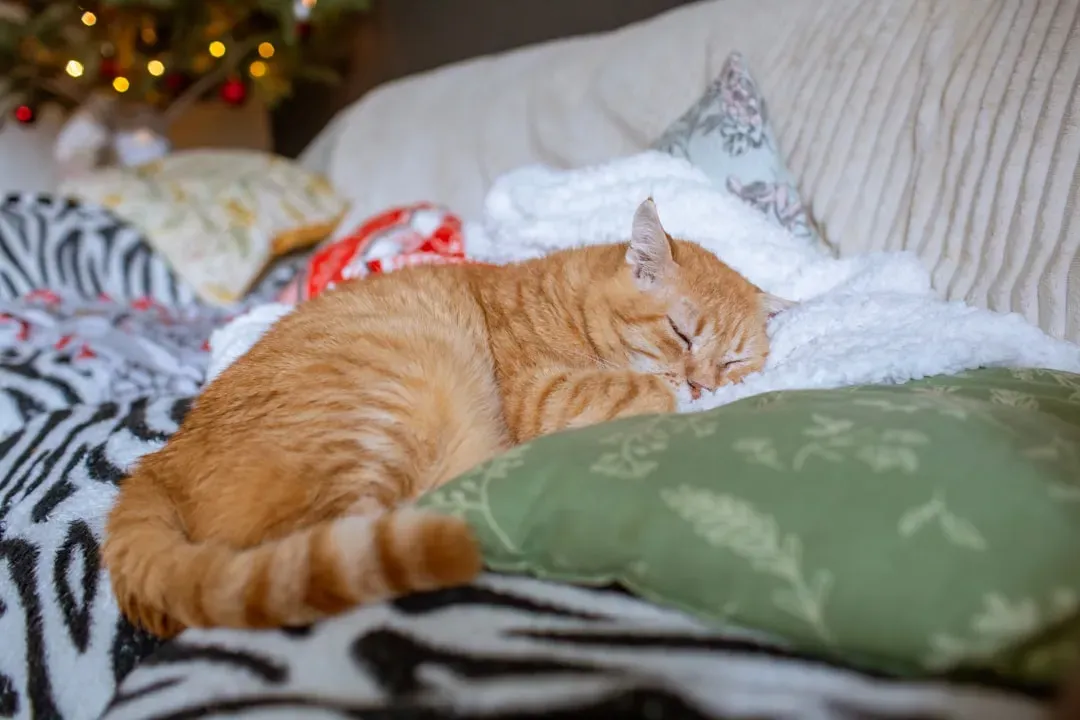
Their soft, yielding texture provides ideal sensory feedback that reminds cats of natural environments like tall grass or their mother’s fur. That’s why your cat might prefer certain blankets over others, even if they look identical to you. The feel matters as much as the scent.
Cats are highly sensitive to touch and prefer materials that feel soft and soothing, with fleece, velvet, and plush fabrics often being favorites due to their gentle texture. If you’ve ever wondered why your expensive new blanket gets ignored while the ratty old one remains the favorite, now you know. It’s not about aesthetics; it’s about sensory perfection.
The Self-Soothing Mechanism
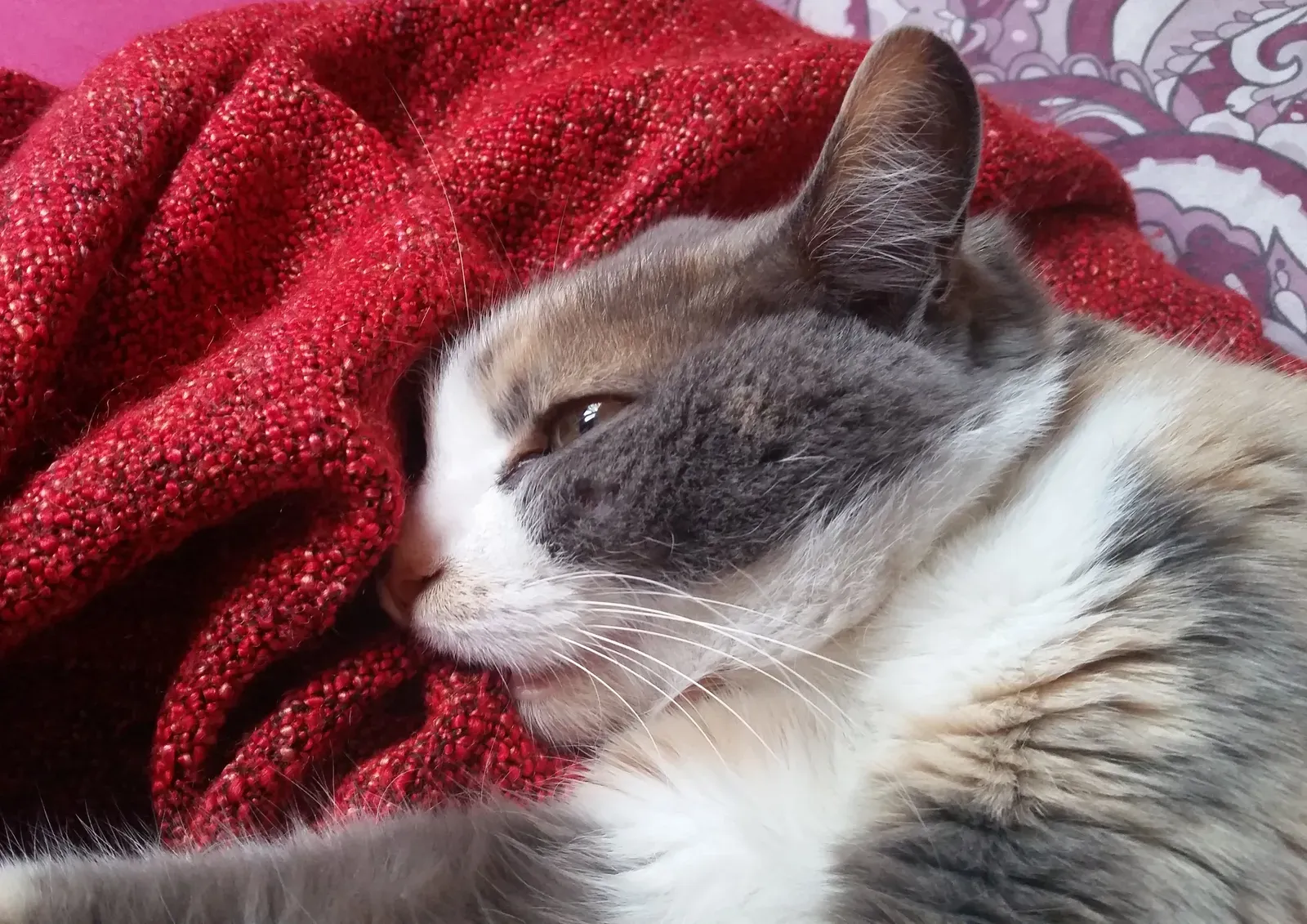
For many cats, kneading serves as a self-soothing mechanism, helping them manage stress and create a sense of security. Think of it like a fidget spinner or stress ball, but one that also deposits comforting scents and connects to deep emotional memories.
Some cats increase their blanket time during stressful periods. Blanket-humping can be a form of self-soothing for cats when they are feeling overwhelmed, providing them with a sense of comfort and security. Your cat’s relationship with their blanket can actually tell you a lot about their emotional state and overall wellbeing.
Building a Communal Scent Library
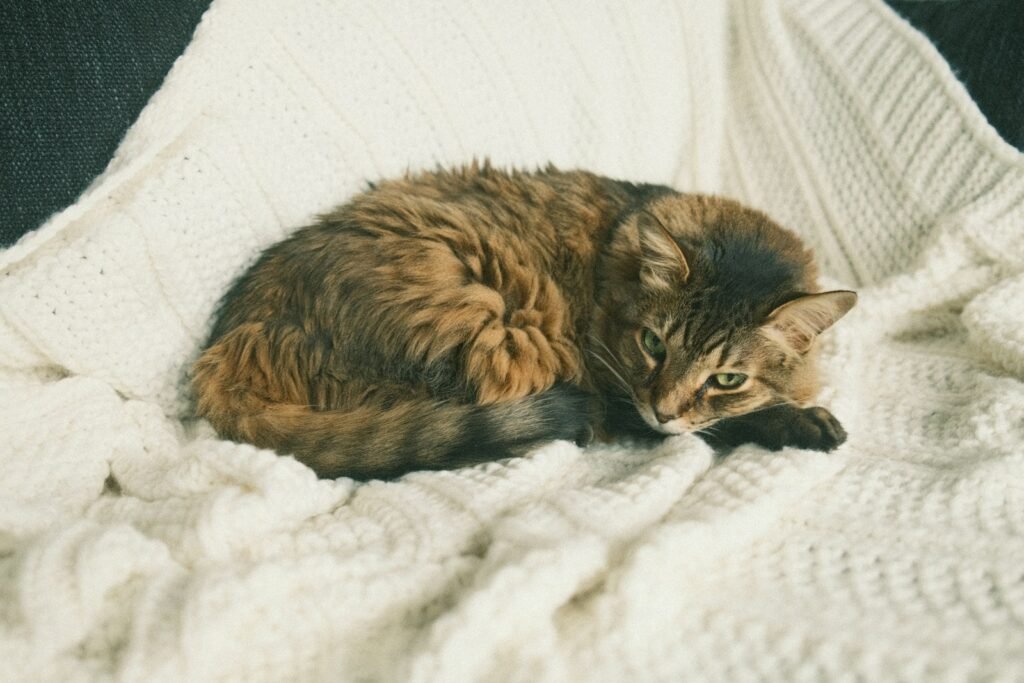
Cats that live together often develop a communal scent, which helps them recognise and bond with each other, and this is why cats that are close companions will frequently rub against one another. In multi-cat households, shared blankets become part of this communal scent profile.
Your cat isn’t just marking the blanket with their own scent. They’re also absorbing yours and potentially other pets’ scents too. They’re mingling their scent with yours, which helps strengthen your bond. That blanket becomes a shared language, a place where all the family scents combine into something familiar and reassuring.
Conclusion: A Blanket Full of Stories
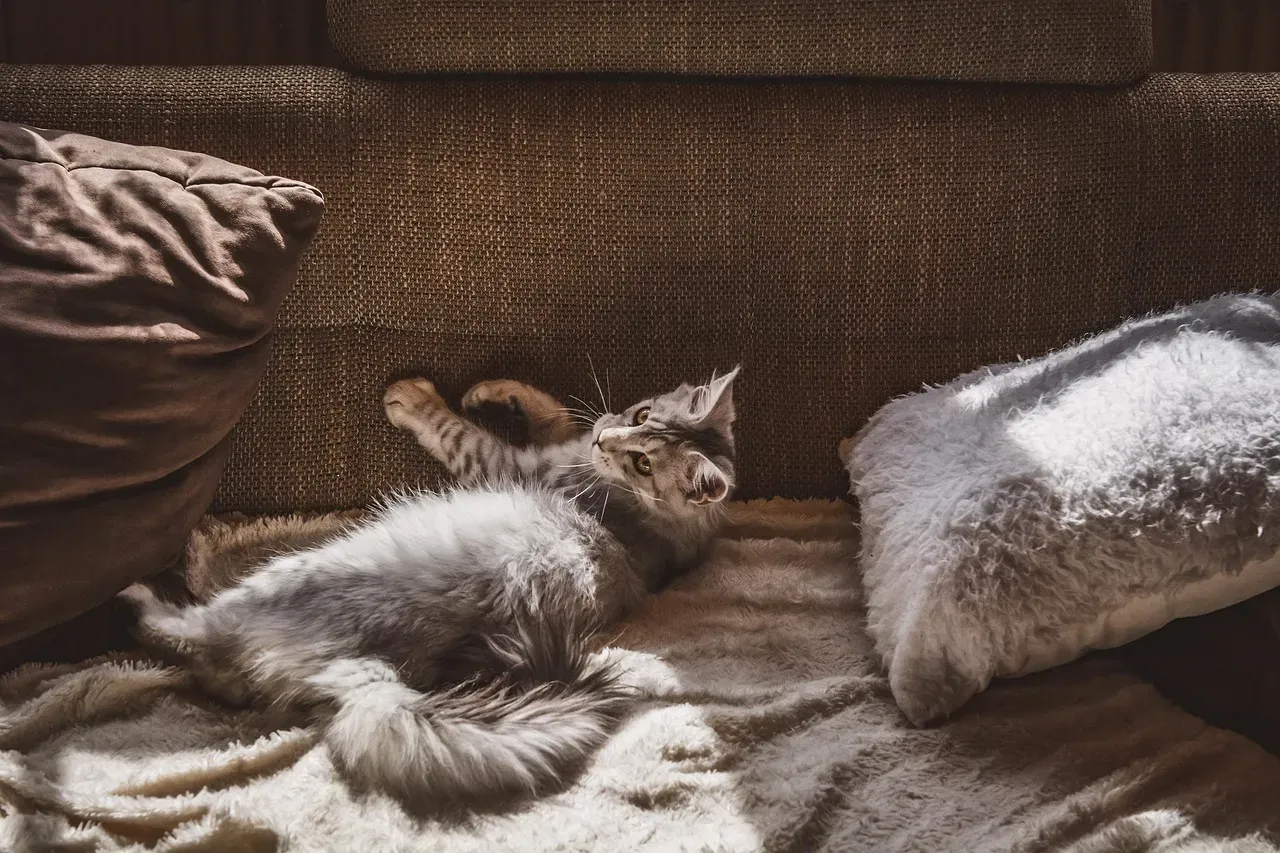
That tattered, fur-covered blanket your cat refuses to abandon isn’t just fabric anymore. It’s a scent map, a security blanket in the truest sense, and a living record of countless moments of contentment. Every knead has deposited pheromones, every nap has added layers of familiar scent, and every purr has reinforced the message that this spot is safe.
Understanding what that blanket really means to your cat changes how we see these simple household items. They’re not just keeping your cat warm; they’re providing emotional security through a complex chemical language we humans can barely perceive. Next time you see your cat making biscuits on their favorite blanket, remember you’re witnessing something profound: a creature creating their own portable safe haven, one paw press at a time.
So what do you think? Does your cat have a favorite blanket they can’t live without? Share your stories in the comments below.