Think your cat is indifferent to you. Think again. Cats have spent thousands of years carefully observing human behavior, and somewhere along the way, they started quietly approving of certain things you do. Not all things, of course. But more than you’d expect from a creature that acts like your presence is merely tolerable.
The fascinating truth is that your everyday quirks, the mundane little routines you barely even think about, are often the very things your cat finds most comforting and appealing. Cats have a reputation for being aloof and independent, but research into how domestic cats respond to their caregivers suggests that their socio-cognitive abilities and the depth of their human attachments have been greatly underestimated. So let’s peel back the curtain on what your feline companion secretly adores about you. You might be surprised by how much is going on behind those half-closed eyes.
Keeping a Predictable Daily Routine
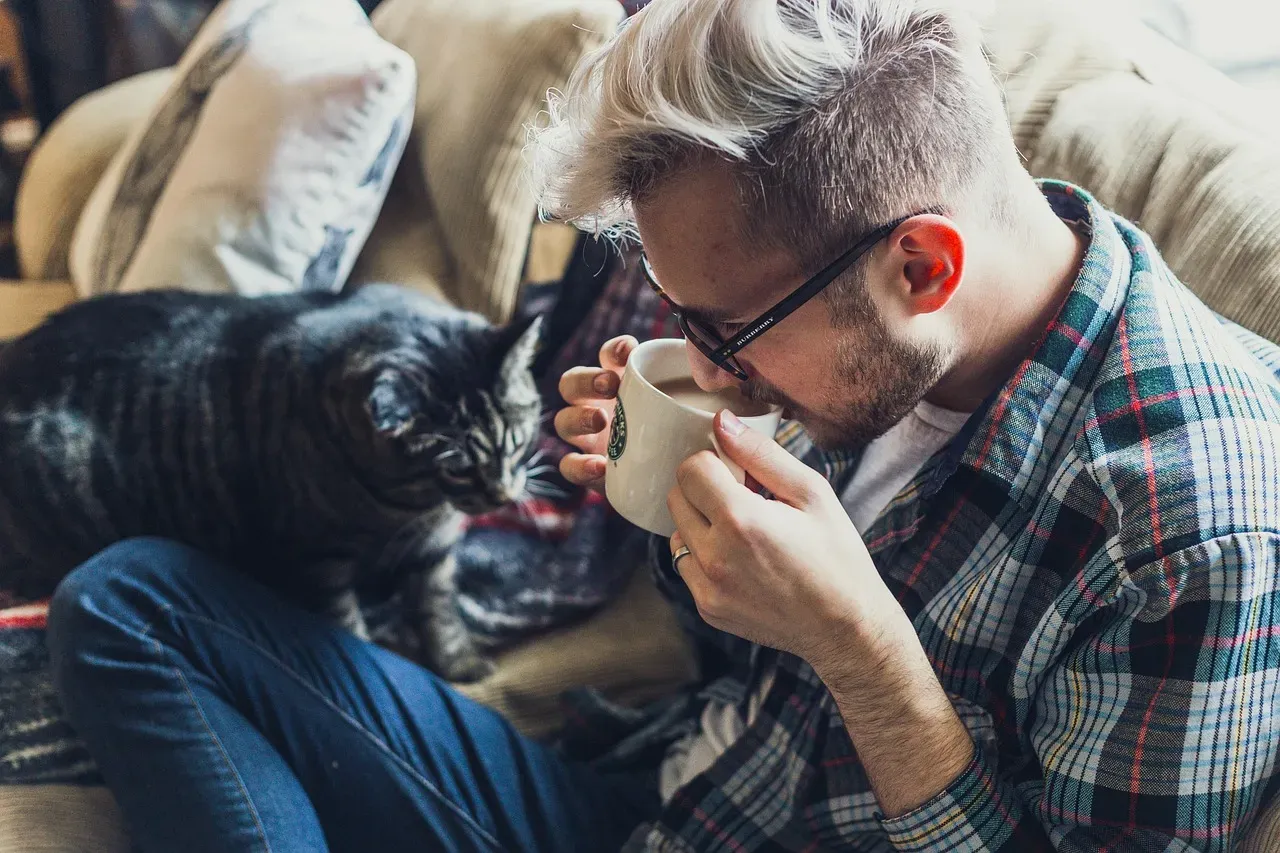
Here’s the thing – your cat isn’t just tolerating your creature habits. Your 7 AM alarm, your evening dinner ritual, your Saturday morning coffee on the couch. All of it is quietly adored. Cats are creatures of habit. Literally. Keeping a regular schedule is one of the simplest ways to help you bond with your cat and become their favorite person.
Think of your cat as a tiny, furry creature of clockwork. When your schedule is predictable, their world feels safe and controllable. Cats like having the same eating times, clean litter, and play times. Disrupt that routine, and you might find them standing on your face at 6 AM asking where breakfast went.
Talking to Them Throughout the Day
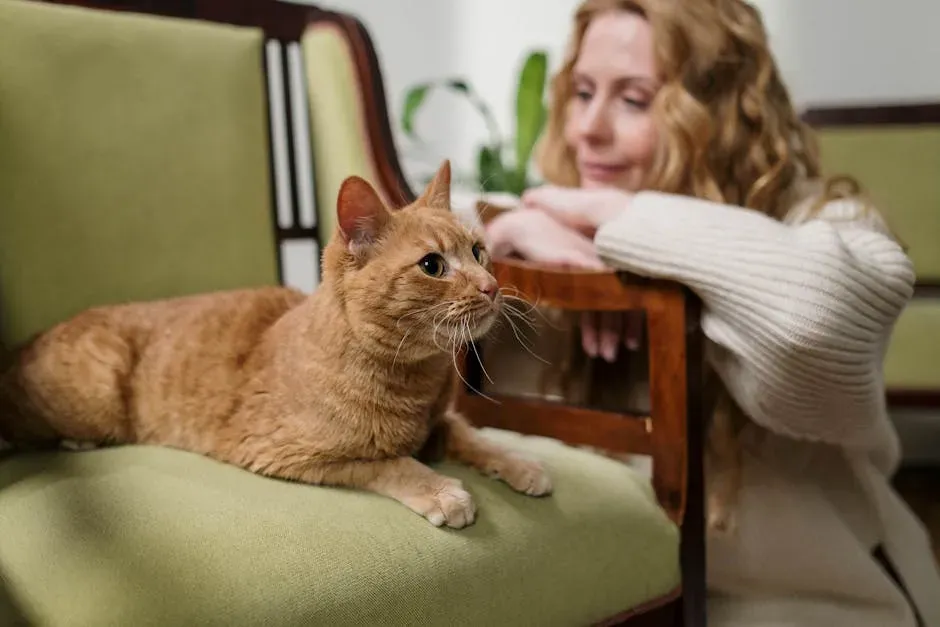
You already do this, don’t you? Narrating your day to your cat, explaining why you’re frustrated, telling them about your lunch. I think most cat owners secretly do this more than they admit. You can bond with your cat by talking to them throughout the day, even if they don’t understand what you’re saying.
Your voice is genuinely reassuring to your cat. It is an acoustic signal they associate with safety. The visual and acoustic behavioral elements used to communicate and interact with other cats can be perceived by people and are also employed by cats when interacting with them. Basically, your voice is speaking a language your cat understands, even when your words are pure nonsense.
Sitting Still Long Enough for Them to Choose You
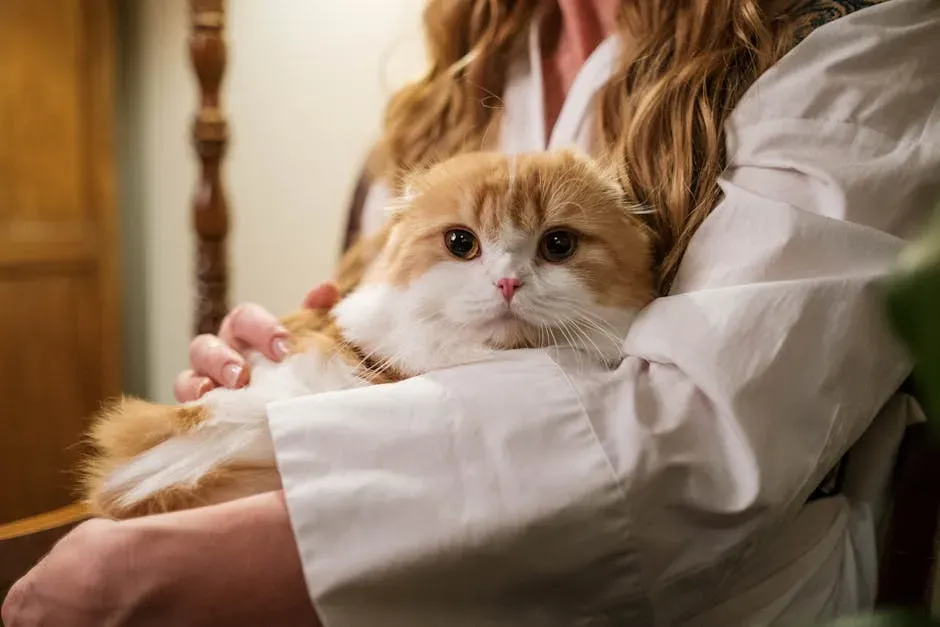
Cats are not big fans of being chased down for cuddles. That’s not how they work. The moment you sit down and stop demanding affection, that’s when you become irresistible. Cats prefer to feel in control. Allowing your cat to come to you and initiate interactions, and not forcibly touching or petting them in places they dislike, is something they truly appreciate.
It’s almost like a game of reverse psychology where the cat wins every time. The initiation of social interactions between cats and humans has been shown to influence both the duration of the interaction bout and total interaction time in the relationship. In other words, when you let them make the first move, they stick around longer. It’s their world; you’re just lucky to live in it.
Making Eye Contact the Right Way
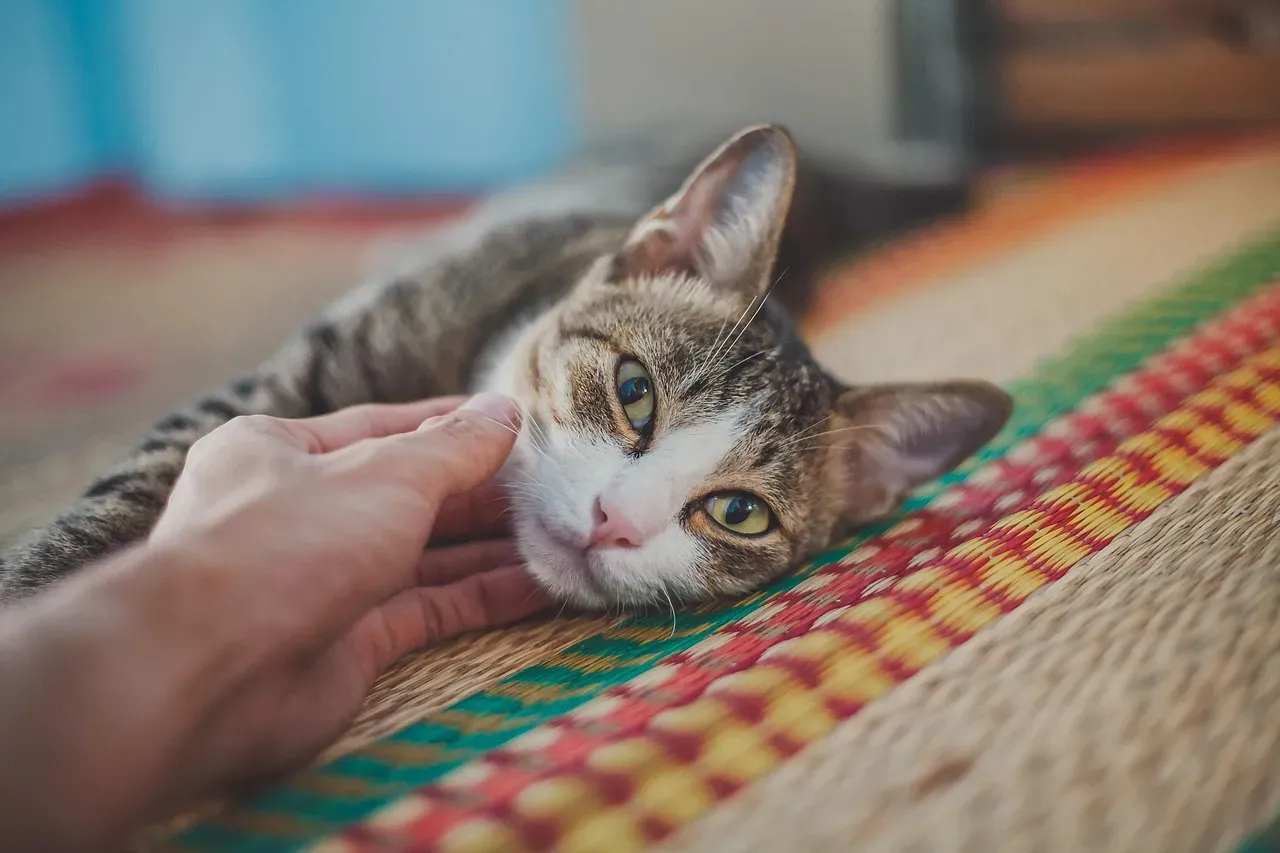
There’s a right and wrong way to look at your cat, and honestly, most people don’t know the difference. A hard, unblinking stare reads as a threat to your feline. However, soft, slow eye contact is practically a love letter. One communication style cats love is eye contact. In a cat’s world, slow blinking communicates safety and is non-threatening, while staring is a challenging gesture. Acknowledging their presence, like saying hello and making appropriate cat-friendly eye contact, lets your cat know you see and appreciate them.
The slow blink in particular is something researchers have taken seriously. The cat’s closing of the eyes in a relaxed situation, sometimes called the “slow blink,” has received attention recently, and when previously unfamiliar persons initiate such blinking, cats tend to approach them more often. So the next time your cat gazes at you and blinks slowly, blink back. You’re literally having a conversation.
Being Calm and Having a Gentle Presence
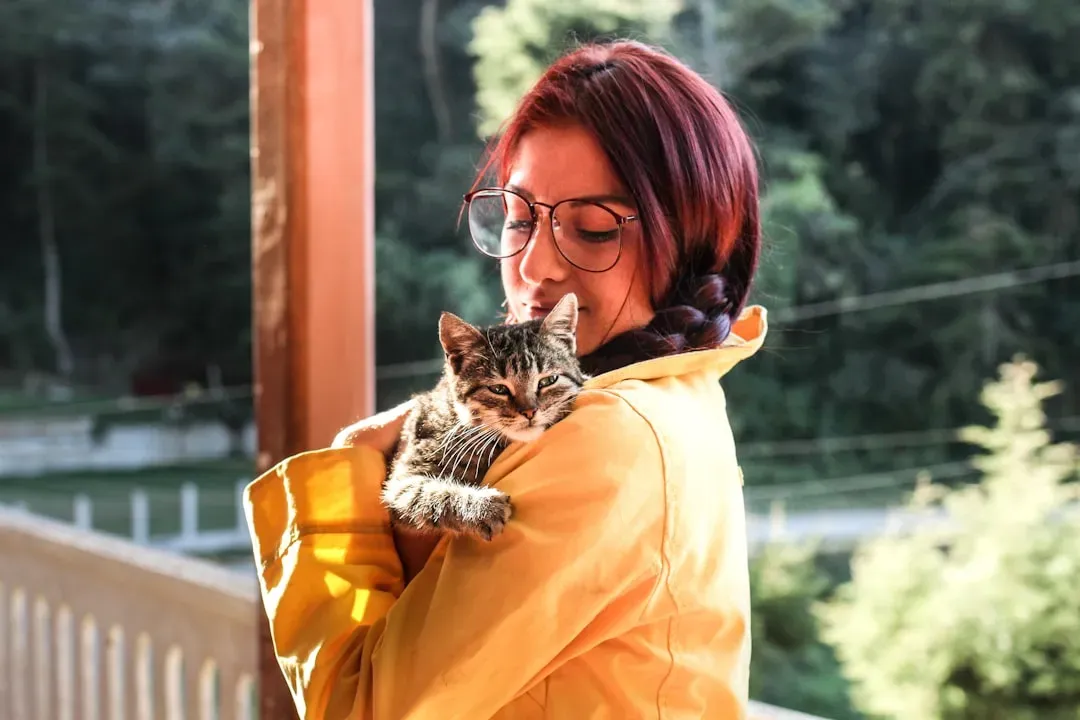
Let’s be real – your cat is always reading you. Every mood shift, every change in your energy, your cat picks it up before you’ve even processed it yourself. If you’re energetic, they might start playing more. This is because cats are highly sensitive to our emotional states and often mirror them.
Cats prefer when you have a calming presence, consistent patterns, and predictable movements and exhibit cat-friendly, welcoming body language. Think of it like this. You are either a warm, sunny windowsill or a startling vacuum cleaner in your cat’s eyes. The slower and softer you move around the house, the more magnetic you become to them.
Giving Them the Perfect Scratch in the Right Spots
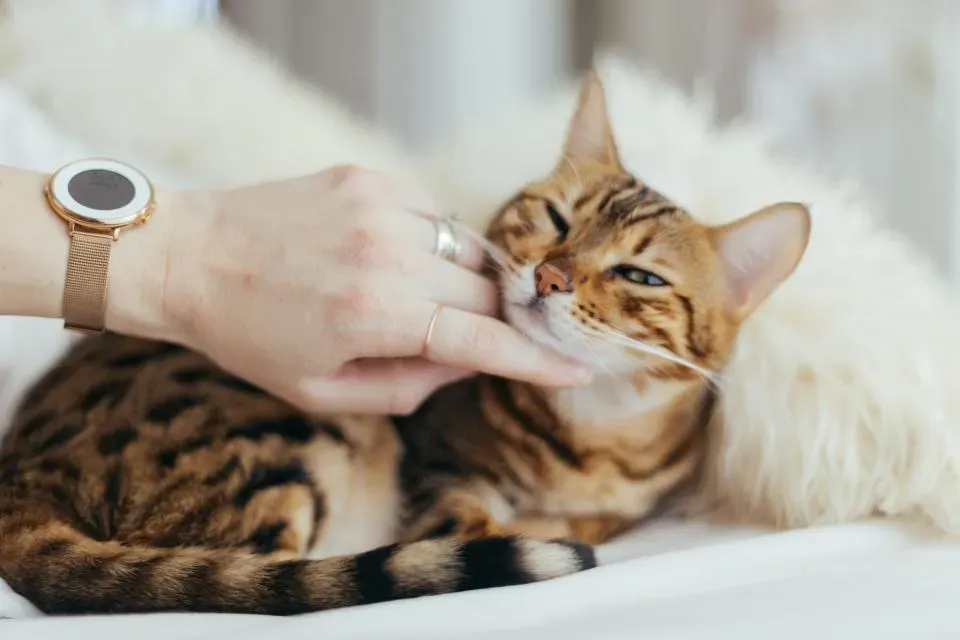
Not all scratches are created equal. Your cat has very specific opinions about where they like to be touched, and figuring out those preferences is basically a love language. If your cat enjoys physical touch, mindfully petting or scratching them in their favorite areas, such as around their ears, chin, and cheeks, deepens the bond. Keeping petting sessions short and being aware of your cat’s body language, like if they lean into your hand, helps you know if they want more or have had enough.
Research has found that cats prefer certain places on their bodies, particularly the head region, for being stroked, and they modify their postures to promote access to those preferred regions, and even lead their keepers to preferred places in the home for petting episodes. Basically, your cat will literally escort you to the couch just to get that chin scratch. Honestly, that’s adorable.
Playing With Them Regularly and Enthusiastically
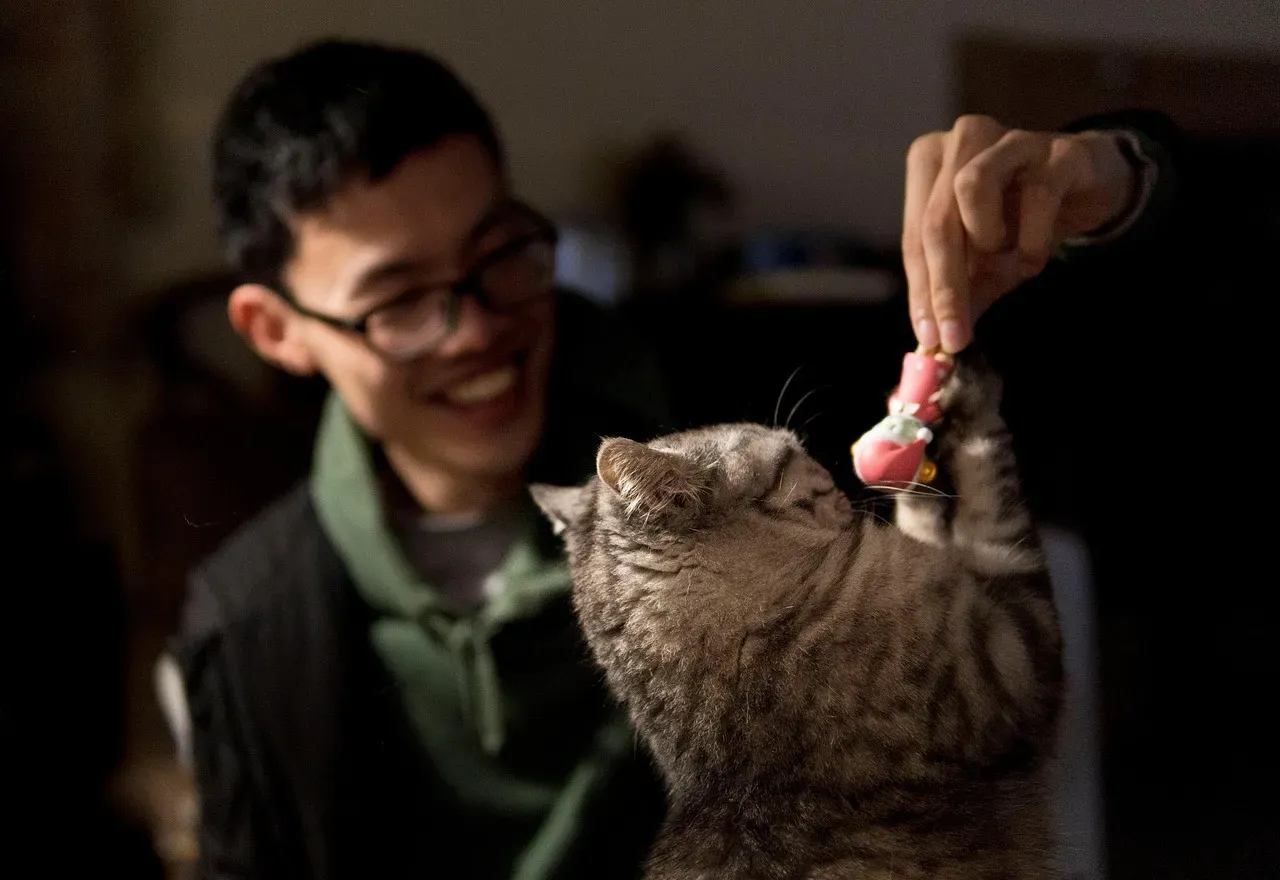
Playtime is not just entertainment for your cat. It satisfies something deep and ancient in their DNA. When you grab that feather wand or drag a piece of string across the floor, you are tapping into primal hunting instincts. Playing and enrichment gives cats an outlet for their natural behaviors, such as hunting, climbing, scratching, and foraging. Allowing cats to satisfy these primal needs only deepens their love for you.
Cats may have the reputation for being independent, but they need companionship from people. In fact, cat studies reveal that they will choose human companionship over food and toys. So that twenty minutes you spend chasing your cat around the living room with a toy? It means more to them than the fancy bowl of food you left out. Priorities, apparently.
Simply Being Present Without Demanding Attention
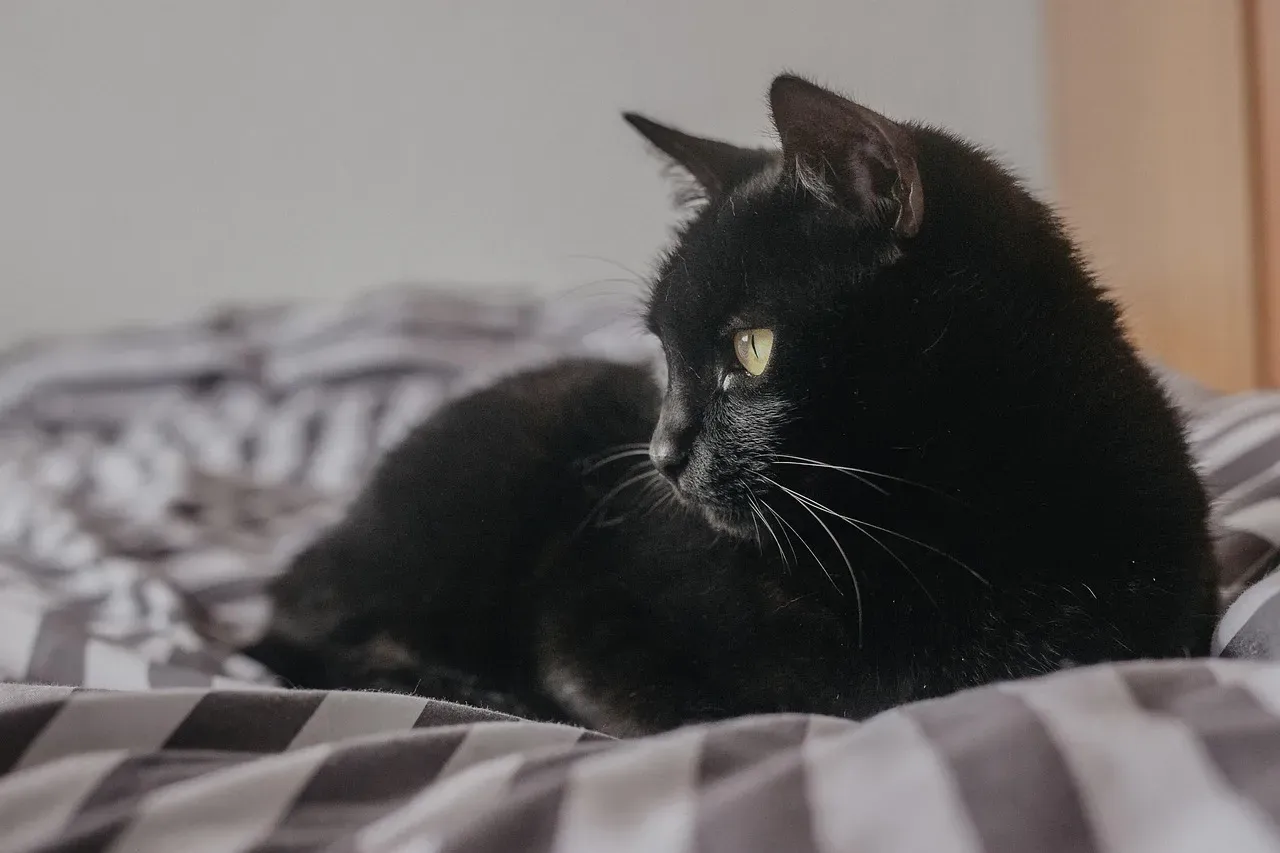
There is something genuinely lovely about a human who sits in a room and lets a cat be a cat. No hovering, no chasing, no forcing cuddles. Just existing together. Cats sleep near their humans because they feel safe. Sleeping is when they are most vulnerable. It’s also warm, since humans are essentially giant radiators, and this is their version of a hug, with territory sharing meaning that by sleeping next to you, they are marking you as part of their trusted space.
Cats are vulnerable when they sleep, so choosing to sleep on or near you is a sign of ultimate trust and comfort. It means they feel safe and secure in your presence and consider you their protector and confidant. So when your cat curls up next to you while you’re watching TV and doing absolutely nothing special, that is not coincidence. That is deliberate, heartfelt trust expressed in the most feline way possible.
Responding to Their Mirroring Behaviors
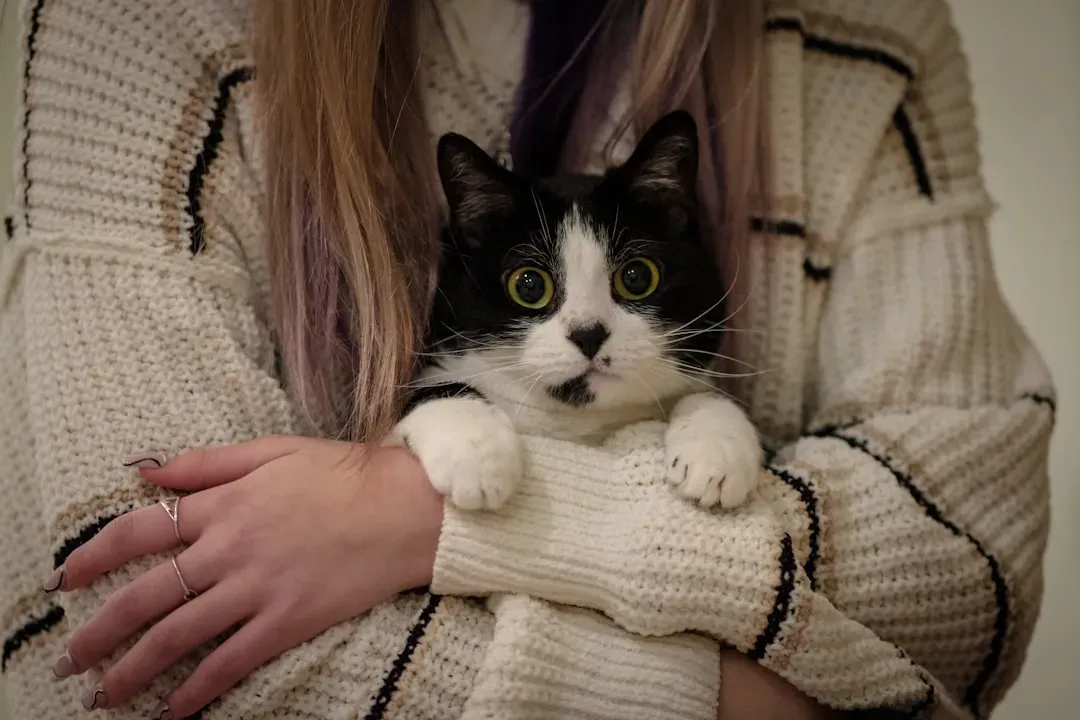
You might not have noticed, but your cat has been copying you for years. Sitting where you sit. Napping when you nap. Following you from room to room. It’s not clinginess. It’s a sophisticated form of affection. Cat mirroring is a behavior where cats mimic the actions of other animals or people, often as a sign of affection. Common mirroring behaviors include placing paws on keyboards, following owners around the house, and mimicking movements during play.
When you acknowledge and respond to this mirroring, you deepen the connection considerably. Mirroring behaviors can significantly strengthen the bond between you and your cat. When they mimic your actions, it’s a form of communication and connection. It’s their way of saying, “We’re in this together.” The next time your cat plops down exactly where you just got up from, take it as the highest compliment a cat can offer.
Conclusion
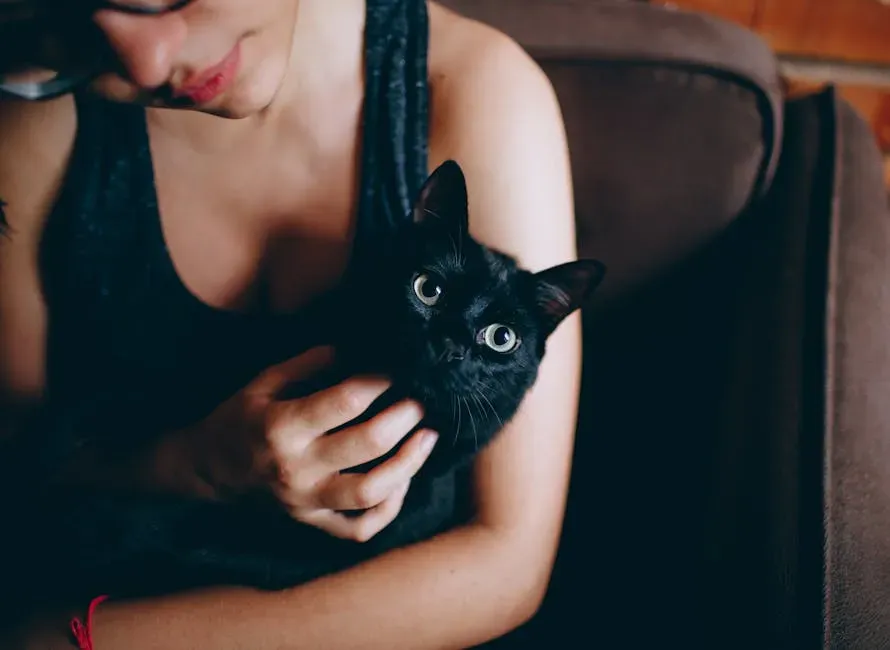
It turns out your cat is quietly keeping score of all the right things you do. The routines you maintain, the way you blink, the gentleness in your voice, the patience you offer without even realizing it. None of it goes unnoticed by that calculating, affectionate little creature sharing your home.
Much like children and dogs, pet cats form secure and insecure bonds with their human caretakers. The bond between you and your cat is far deeper and more deliberate than most people give it credit for. You don’t have to be perfect. You just have to be consistent, calm, and present.
So the next time your cat saunters over and drops onto your lap without warning, understand this. You earned that. Every boring Tuesday morning, every soft word spoken to no one in particular, every slow blink you exchanged across the room. You’ve been speaking their language all along. What habit of yours do you think your cat secretly loves the most? Tell us in the comments.