There’s something almost meditative about watching a cat fall asleep. One moment they’re alert, pupils tracking a dust particle floating through a sunbeam. The next, they’ve melted into a warm little pile on the arm of the sofa, apparently without a care in the universe. It looks so effortless. So random.
But here’s the thing – it’s not random at all. Every spot your cat chooses, every corner they curl into, every sunny patch they claim like tiny, fluffy landlords says something remarkably specific about who they are and how they feel right now. You just need to know how to read it.
Why Your Cat Sleeps So Much in the First Place
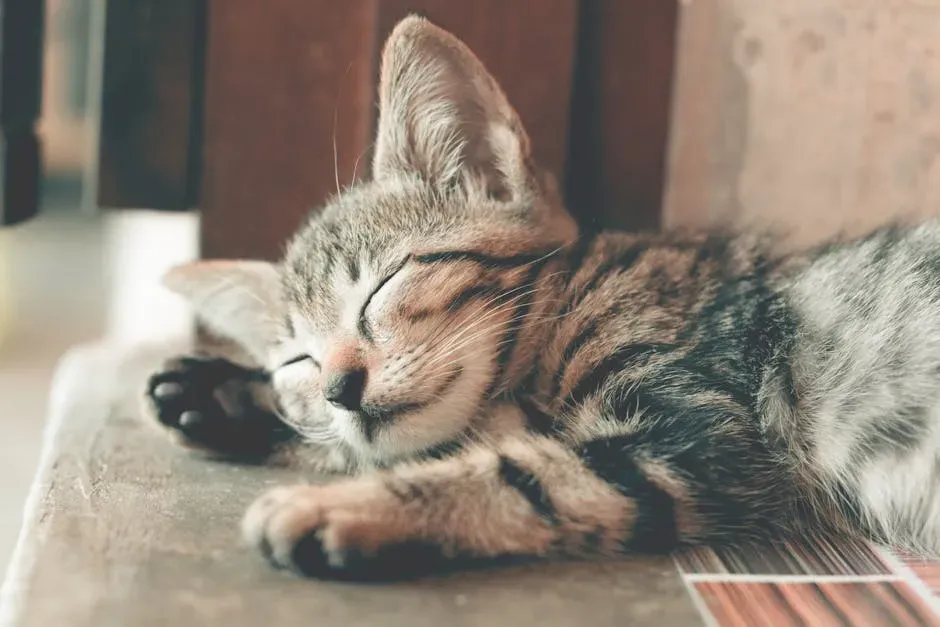
Let’s start with the obvious elephant in the room, or rather, the sleeping cat on the couch. Few animals have mastered the art of sleeping quite like the domestic cat. Cats spend an extraordinary twelve to sixteen hours per day asleep, drifting in and out of light slumber with an effortlessness that most humans can only envy. If you feel a pang of jealousy, you’re not alone.
The science behind why cats sleep so much is a fascinating topic rooted in their evolutionary history. As descendants of wild predators, cats have inherited a sleep-wake pattern quite different from ours. In the wild, their ancestors needed to conserve energy for hunting, a high-energy activity. This energy-conservation strategy has carried over into the domestic cats we know today. So your cat isn’t being lazy. They’re basically a professional athlete in rest mode.
A common myth is that excessive sleep in cats signals laziness or illness, which is not always true. Often, a cat’s lengthy sleep is a normal, healthy behavior deeply ingrained in their genetic makeup. Recognizing the natural sleep patterns of cats can help dispel these misunderstandings and appreciate their natural rhythms.
The Science Behind How They Sleep
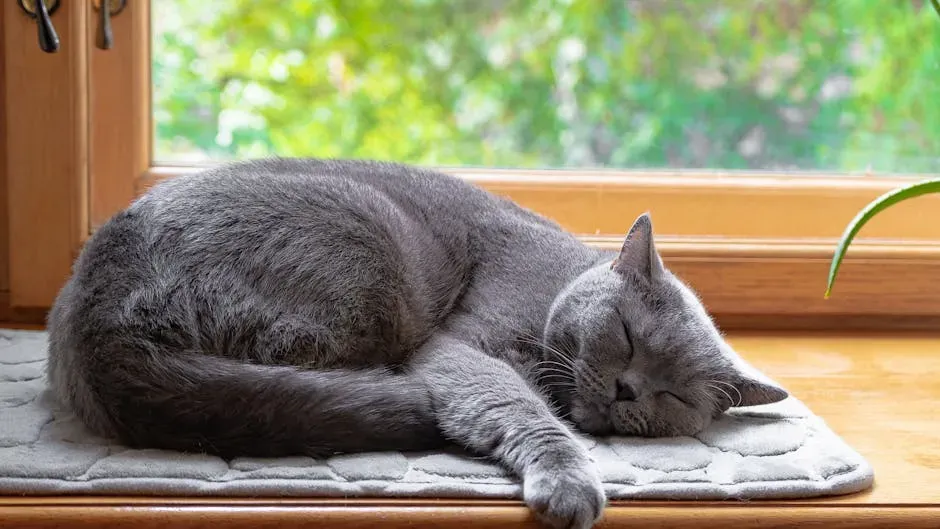
Cats and humans share the REM and non-REM sleep stages, but the structure and duration of these cycles differ significantly. Cats enter REM sleep more frequently and for shorter durations than humans. This difference highlights the evolutionary adaptation of cats to remain alert to environmental dangers, even while resting. Think of it like a browser with dozens of tabs still quietly running in the background.
For the most part, your cat typically sleeps anywhere from fifteen to twenty hours per day, alternating between short, five-minute periods of deep sleep and fifteen to thirty-minute stretches of dozing. While dozing, your cat hovers just under awareness, which is why it seems they will open their eyes as soon as you walk in the room. Honestly, it’s both impressive and slightly unnerving.
Temperature Is Running the Show
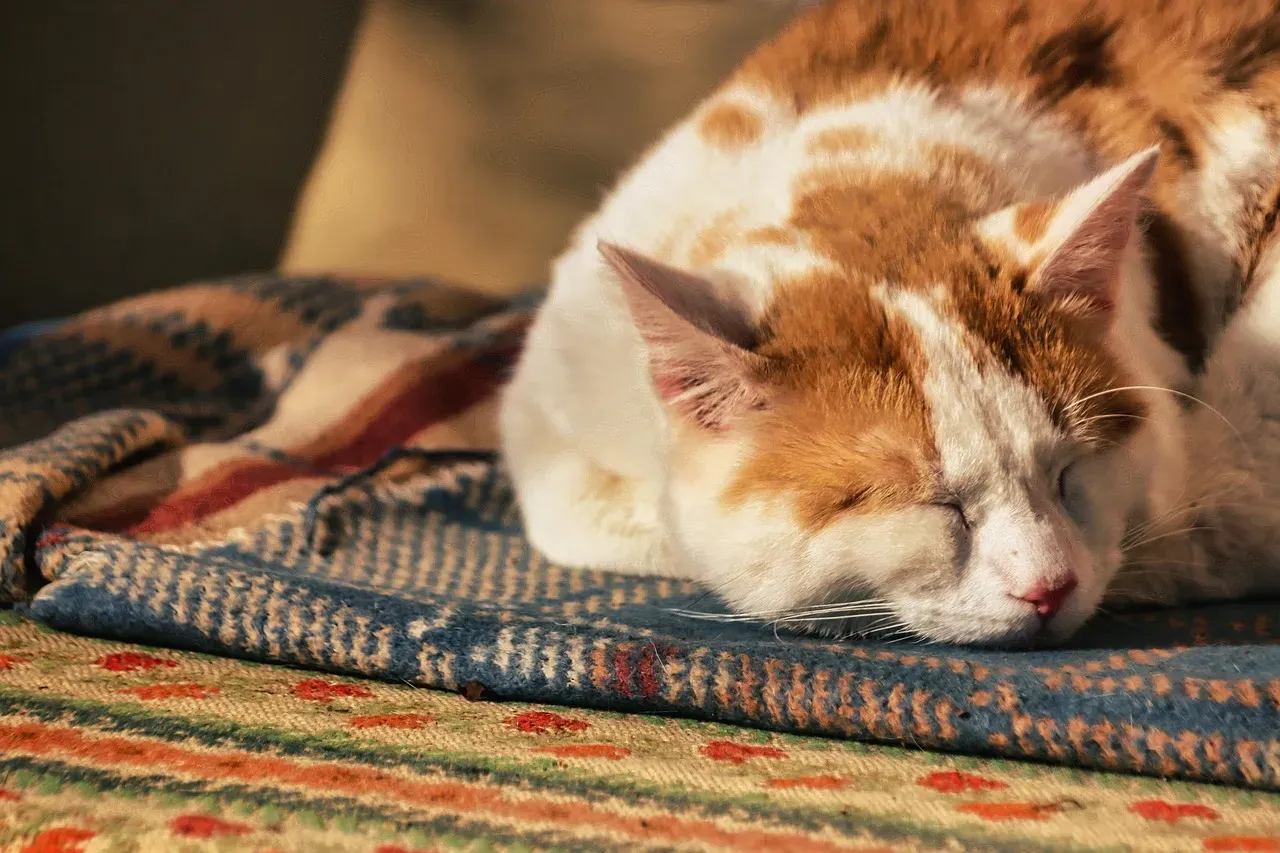
Temperature tends to be the biggest factor in where cats choose to sleep. Depending on the changing weather and season, your cat might prefer a spot that is particularly warm or cool based on their needs. That could mean snuggling up on a pile of fresh laundry, following a patch of sun across the carpet, or spreading out on a cold tile floor. Your cat essentially performs a sophisticated thermal calculation before every nap, and you didn’t even notice.
Cats are particularly sensitive to temperature changes and will often select sleeping spots based on their thermal comfort. During colder months, you might find your cat curled up near radiators or electronic devices. In warmer weather, they may prefer cool tile floors or breezy windowsills. It’s less laziness and more genius-level environmental engineering, honestly.
What Elevated Spots Reveal About Your Cat
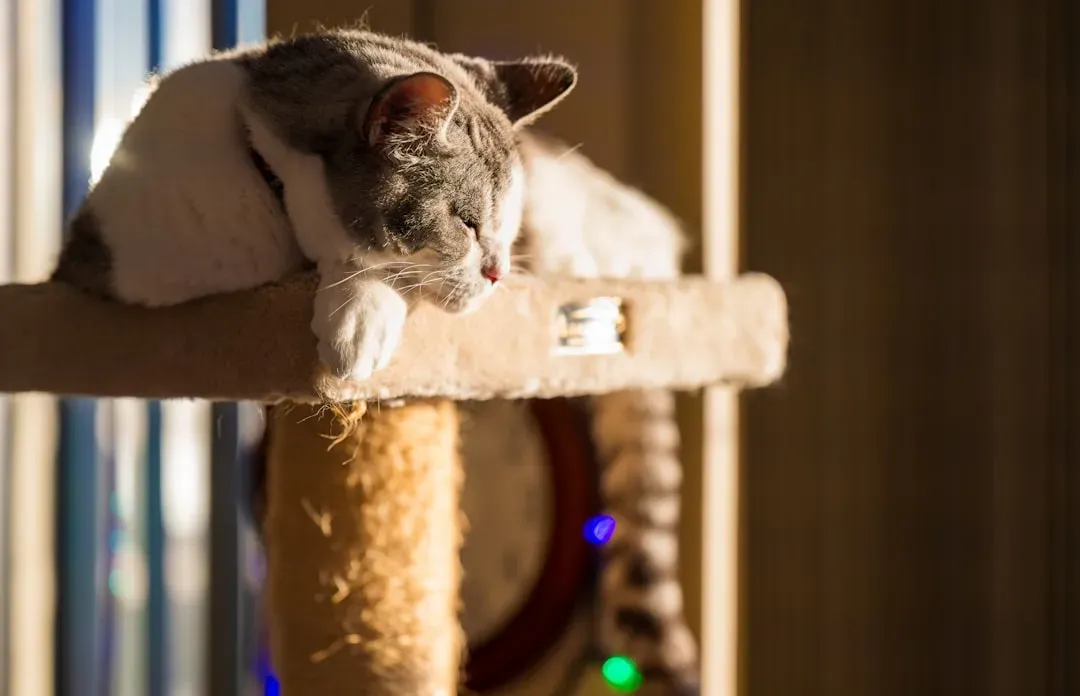
Cats instinctively seek high places for safety and security. Sleeping up high allows them to survey their territory and feel protected from potential threats. It’s a natural behavior inherited from wild ancestors who slept in trees to avoid predators. So when your cat claims the top shelf of your bookcase like they own the place, they kind of think they do.
Instinct is a driving force behind your cat’s preference for lofty perches. From a biological and evolutionary standpoint, cats are both prey and predators. Before cats graced our homes, they were potential meals for wild animals and sought out small rodents and birds to satisfy their hunger. An aerial viewpoint helps with both. Although these survival skills are less vital for the typical house cat, they remain a part of their genetic makeup. High perches are considered one of the key resources every cat needs to feel safe and secure.
Enclosed and Hidden Spots Speak Volumes
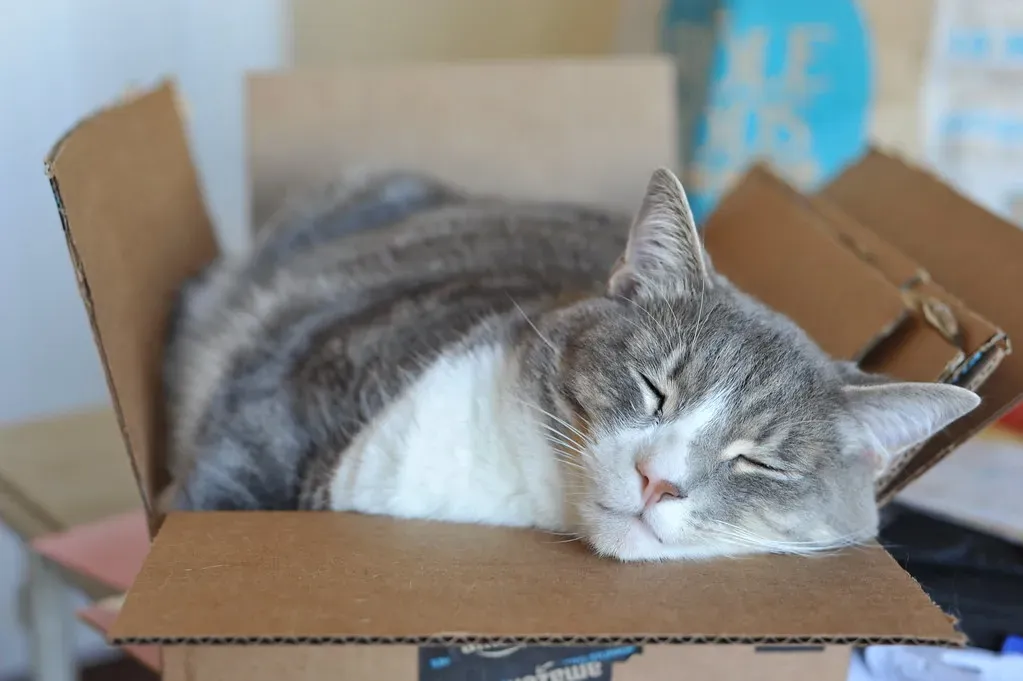
Boxes, closets, and under-furniture spaces are popular sleeping spots because they satisfy your cat’s instinctive need for shelter. These enclosed areas provide a sense of security and protection, similar to the dens their wild ancestors would seek for safety. This is why your cat will consistently choose a cardboard Amazon box over that sixty-dollar designer cat bed you bought with so much hope.
Anxious or skittish cats prefer to hide or conceal themselves in small dark confined spots, like wardrobes or under bedding, while confident cats like to shelter themselves for uninterrupted sleep in boxes, tunnels, and bags, and kitties with joint disease prefer warm, easily accessible cat beds. In other words, where your cat hides is basically a personality quiz with no wrong answers – just revealing ones.
What It Means When Your Cat Sleeps on You

Your cat might choose you as their preferred place to snooze due to several different reasons, including warmth. Cats have a high body temperature, around one hundred and one degrees Fahrenheit, and they like to be warm, naturally drawn to a human body’s warmth. You are, in your cat’s eyes, a highly efficient, self-refueling heating pad. Romantic, isn’t it?
There are many reasons your cat might sleep on your chest. If your cat is bonded to you, they may lie on your chest because they want to be close. Your cat may also want to sleep on your chest to be closer to your mouth, as your voice may provide comfort. In much the same way that the sound of a heartbeat can soothe an infant, your cat may be soothed by the sound of your heart and the rhythmic motion of your breathing. It’s hard not to feel a little touched by that.
Sleeping Positions Are a Secret Language
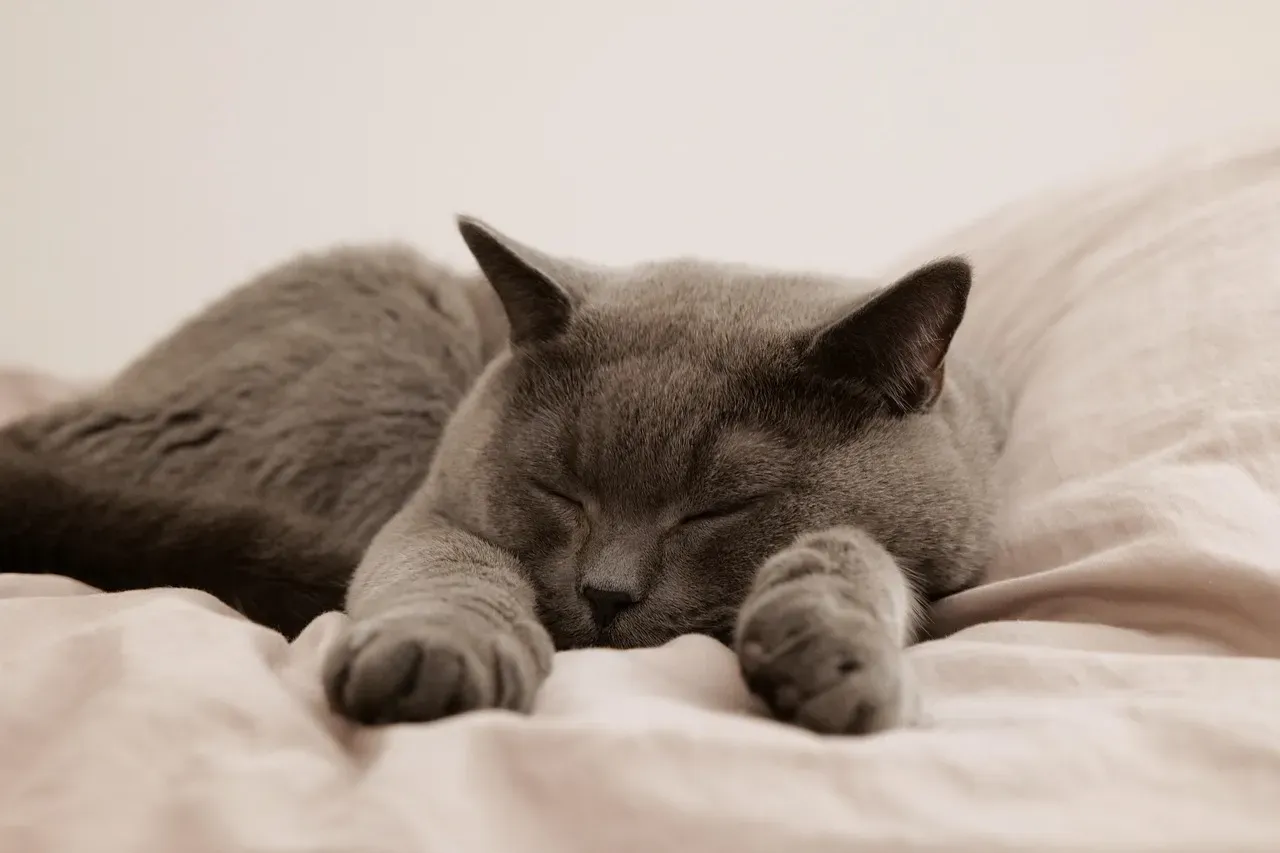
Notably, your cat’s sleeping positions are far from arbitrary. Whether curled into a ball or resting with their abdomen exposed, each posture serves a specific function, ranging from thermoregulation and protection to signals of emotional comfort or discomfort. Think of each position as a sentence in a language you’re finally starting to learn fluently.
When you see your cat sleep on their back with their front legs either resting on their belly or outstretched over their head, with their belly fully exposed, know that cats instinctively protect their vulnerable organs. So if your cat is sleeping with their belly exposed, it means they feel very safe and confident. On the flip side, when your cat sits upright with all four paws tucked underneath their body, resembling a loaf of bread, this position indicates contentment and relaxation, though your cat is still alert and ready to move if necessary. It’s not deep sleep – more like a comfortable rest while staying aware of their surroundings. Cats often loaf when they feel safe but want to maintain some vigilance.
Spot Switching Is Not Fickleness – It’s Instinct
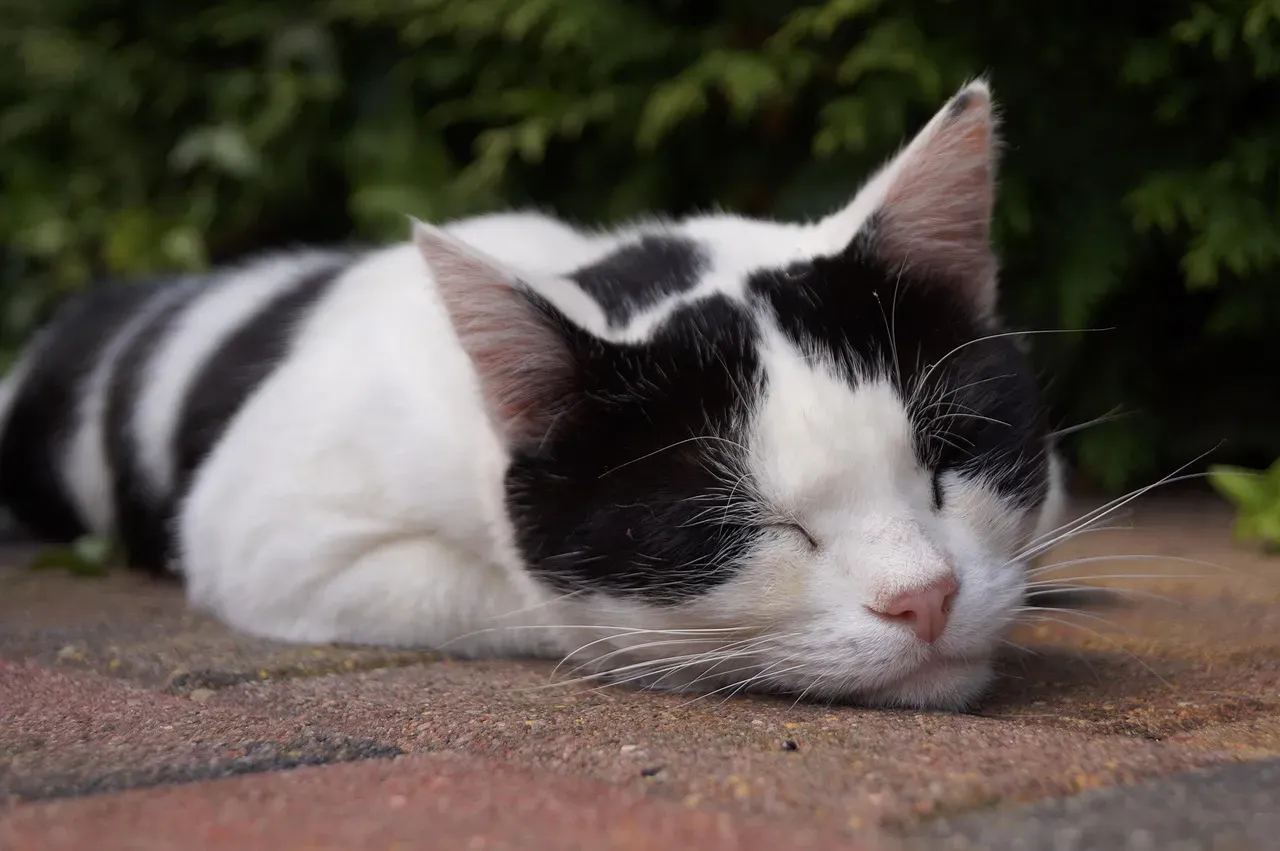
Changing sleeping locations is a cat’s natural instinct and reminds us that cats might be domesticated, but they are just one catnip-stuffed mouse away from being wild. Eons ago, cats developed the practice of changing up their sleeping locations for their own protection. Your cat’s sleeping spots soon acquire their scent, allowing predators to track them to their lairs. So those constant spot-rotations aren’t mood swings. They’re survival strategy on autopilot.
Many cats just like to mix things up. They like something for a while and then get bored and switch – it’s just a quirky thing they do because they like variety. A cat’s life can be fairly monotonous, so they cycle through nap locations throughout the day. Let’s be real, if you spent sixteen hours a day sleeping, you’d probably want to redecorate frequently too.
When a Changed Napping Spot Is a Warning Sign
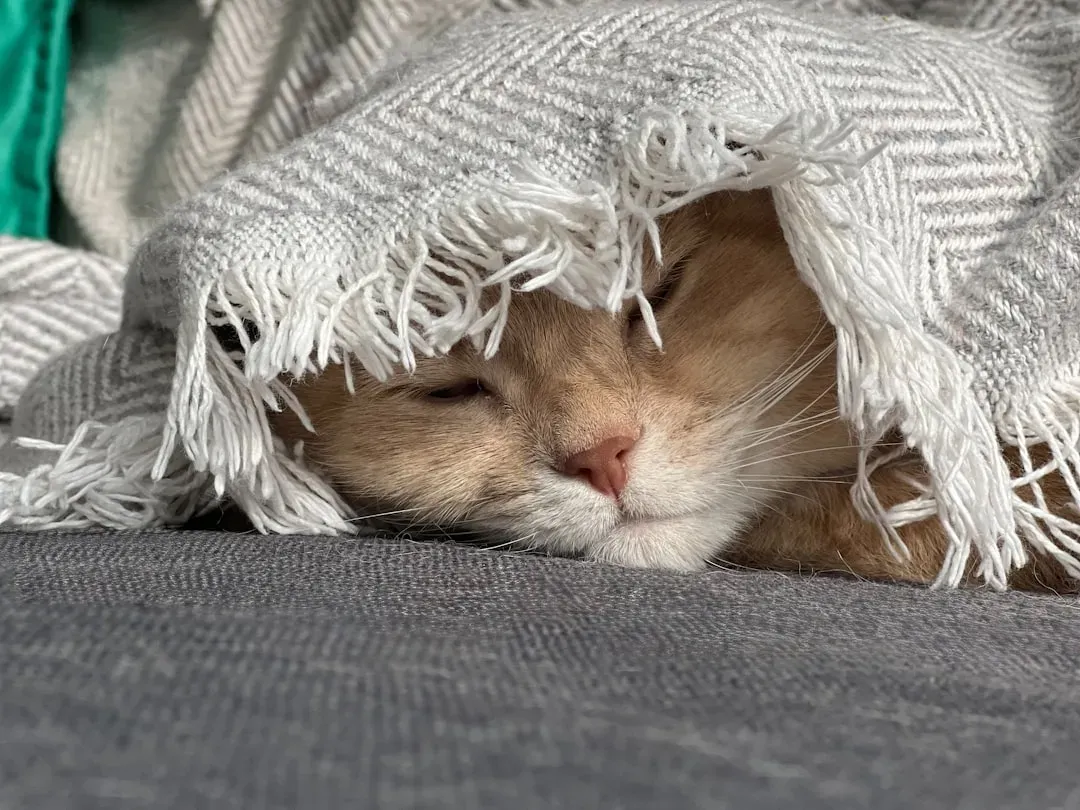
A cat that suddenly starts sleeping in a hunched, tense position, hides in dark or enclosed spaces more than usual, or stops stretching out entirely may be in pain. Combined with changes in appetite, grooming, or litter box habits, altered sleeping behavior is a good reason to schedule a vet visit. Your cat can’t tell you something hurts. But their napping spot can, if you’re paying attention.
Changes in sleeping location or duration can indicate health issues or stress. If your cat suddenly abandons favorite sleeping spots or sleeps significantly more or less than usual, consult your veterinarian to rule out potential problems. A sudden change in sleep patterns can be a health indicator. A change in your cat’s usual sleeping habits may signal an underlying health issue, injury, or cognitive dysfunction, especially in older cats.
How to Create the Perfect Sleep Environment for Your Cat
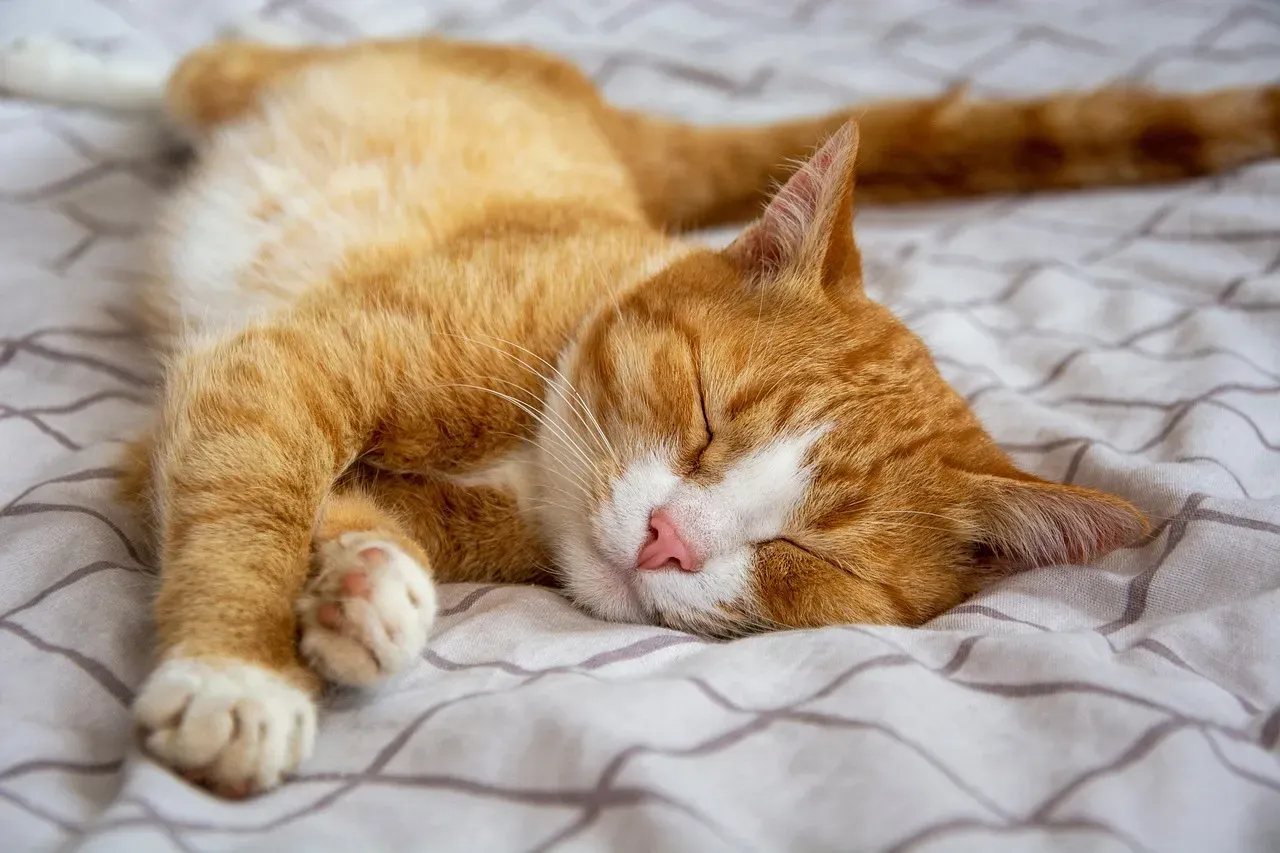
Cat owners should create a serene and comfortable sleeping environment to support healthy habits. That includes offering cozy, quiet bedding areas and maintaining a consistent daily routine. Factors like the bedding type, the sleeping area’s location, and the household’s noise levels can all influence a cat’s sleep quality. Owners can significantly enhance their cat’s rest and overall health when providing an environment that respects their natural sleeping patterns.
Provide multiple sleeping options at various heights and temperatures, including both enclosed and open spaces. Ensure each location offers security, comfort, and easy access. Include both sunny spots and shaded areas to accommodate your cat’s changing preferences throughout the day. Think of it less like decorating and more like building a five-star wellness retreat – for a creature who will probably ignore half of it and sleep on your laptop instead.
Conclusion
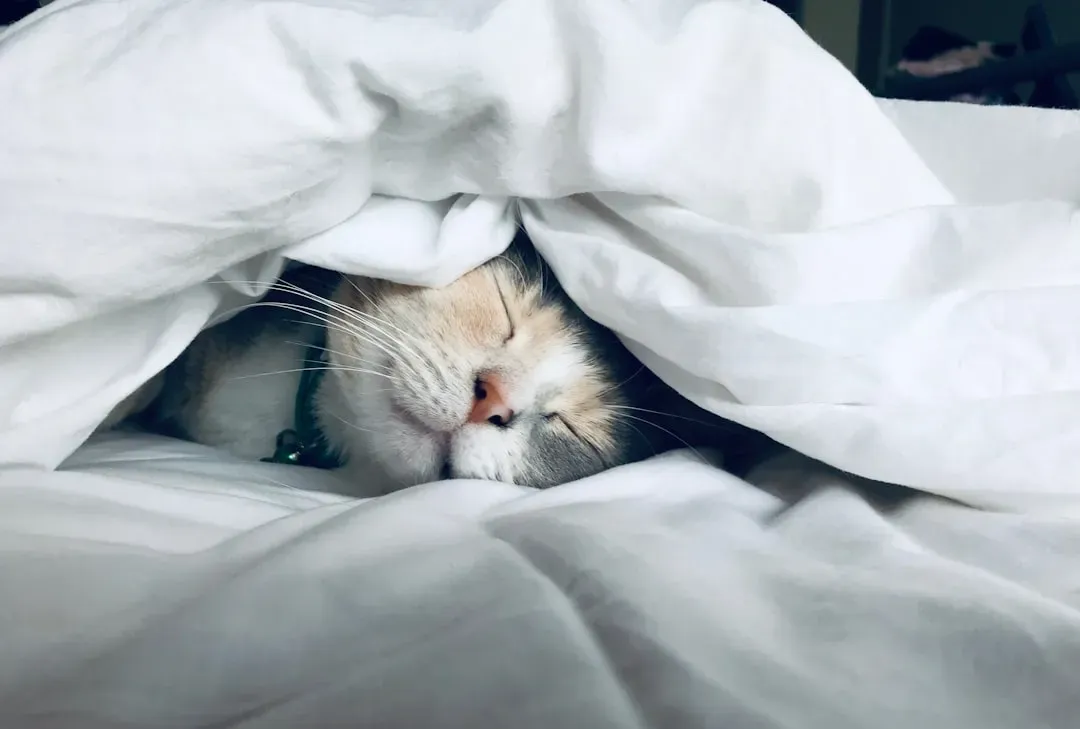
There’s a beautiful irony in the fact that cats, creatures long celebrated for their mystery and independence, are actually broadcasting their inner emotional lives every single day – through the seemingly simple act of choosing where to nap. The sunny windowsill, the laundry basket, the top of the fridge, your chest at two in the morning – none of it is accidental. Every spot is chosen with ancient, instinct-level precision that even your cat may not fully understand.
Once you start reading these quiet signals, your relationship with your cat shifts in a surprisingly meaningful way. You stop seeing a bundle of fur that sleeps too much and start seeing a complex, emotionally expressive creature communicating trust, comfort, anxiety, and affection through the language of rest. That’s actually pretty extraordinary for something that looks like it’s just taking a nap.
So next time your cat settles into their favorite spot, take a second look. What do you think they’re really telling you?