You’ve probably assumed your cat just plops down wherever they feel like it, right? A windowsill here, a laundry basket there, maybe your keyboard when you’re trying to work. It all seems random, a whimsical game of feline roulette. Here’s the thing though: there’s actually nothing random about it at all. That spot your cat keeps returning to isn’t just comfortable. It’s carefully selected based on deep instincts, emotional connections, and survival strategies that have been hardwired into their DNA for thousands of years.
Your cat’s napping choices reveal far more than you might think. They’re telling you about trust, temperature preferences, territorial claims, and even their relationship with you. Let’s be real, understanding why your furry friend picks certain spots can transform how you see their behavior entirely.
The Ancient Instinct Behind Spot Selection
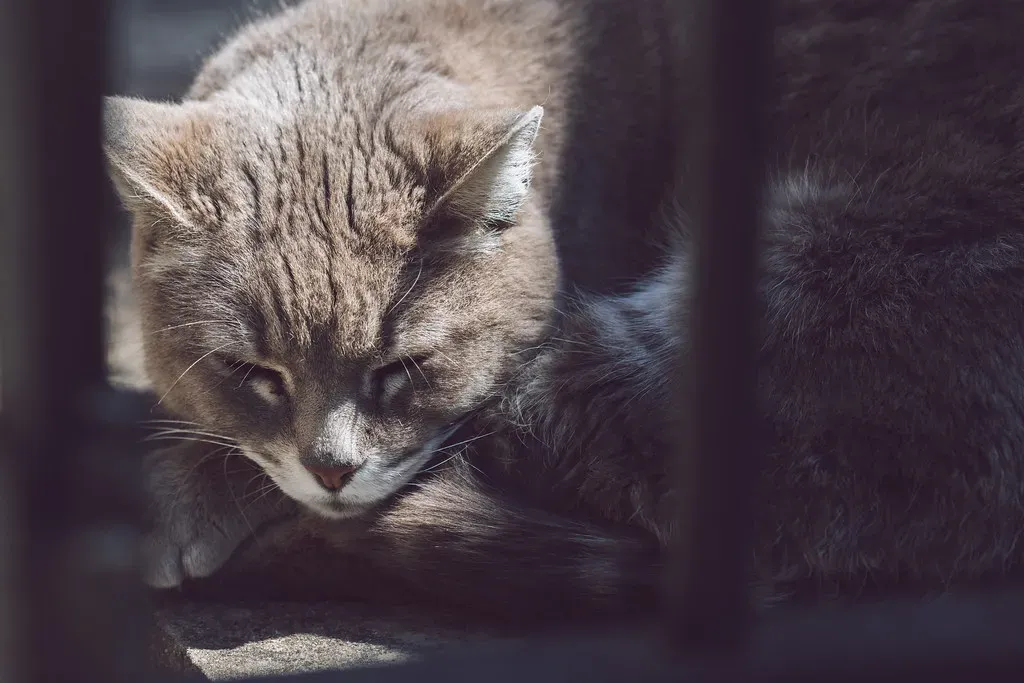
Cats developed the practice of changing up their sleeping locations for their own protection, with eons of history behind this behavior. Think about it from a wild cat’s perspective for a moment. Sleeping in the same location repeatedly would make them predictable prey. Cats’ sleeping spots soon acquire their scent, allowing predators to track them to their lairs.
Even though your pampered house cat faces zero threat from predators, that ancient programming hasn’t gone anywhere. Wild cats regularly move their nests and colonies to avoid detection from predators, and cats also sleep in different locations to claim territory, enjoy privacy, moderate their body temperature, or react to stressful experiences. Your cat isn’t being difficult when they suddenly abandon their favorite bed after months of use. They’re following instincts that kept their ancestors alive for millennia.
Temperature: The Hidden Priority
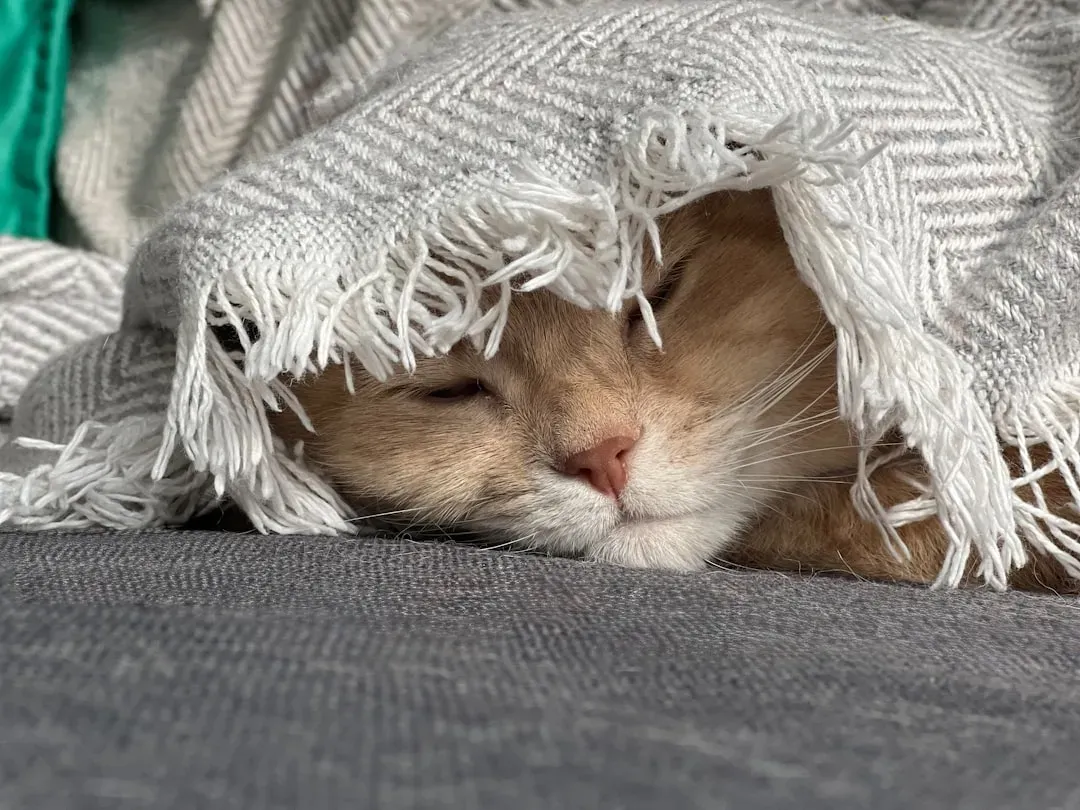
Ever wondered why your cat gravitates toward that one sunny patch on the floor every afternoon? Temperature plays a massive role in where cats choose to rest. A cat’s natural body temperature is 102° F, which is significantly warmer than our body temperature of 98.6° F. This means what feels comfortably warm to you might feel just barely adequate to your cat.
Cats run a standard body temperature of between 100.5-102.5 degrees Fahrenheit, and being warmer or colder than this temperature makes a cat feel uncomfortable, with a room temperature of 70 degrees Fahrenheit keeping most cats happy and contented. During winter months, don’t be surprised if your cat suddenly claims the spot nearest the radiator or snuggles under your blankets more frequently. During the winter months, cats will gravitate toward warmer sleeping spots, such as on top of radiators and in front of fireplaces. Honestly, they’re not being clingy – they’re being practical.
Safety First: The Non-Negotiable Requirement
Cats are particular about where they sleep, ensuring it’s safe and secure, and they will choose a spot where they can make a quick getaway, even if they feel secure when sleeping with one of their human family members. Sleep makes any creature vulnerable. It’s hard to say for sure, but this vulnerability likely explains why cats can be so particular about their resting places.
According to animal behavior experts, cats enjoy sleeping in places that offer safety and protection while having easy access to escape in the event of danger, as well as warm and cozy areas. Your cat’s favorite elevated perch isn’t just giving them a good view – it’s giving them advance warning and escape options. That enclosed cardboard box they adore? It offers protection on multiple sides while still allowing a quick exit. Every spot they choose has been evaluated through this lens of safety, even if the only “threat” in your home is the vacuum cleaner.
Your Scent: The Comfort Factor
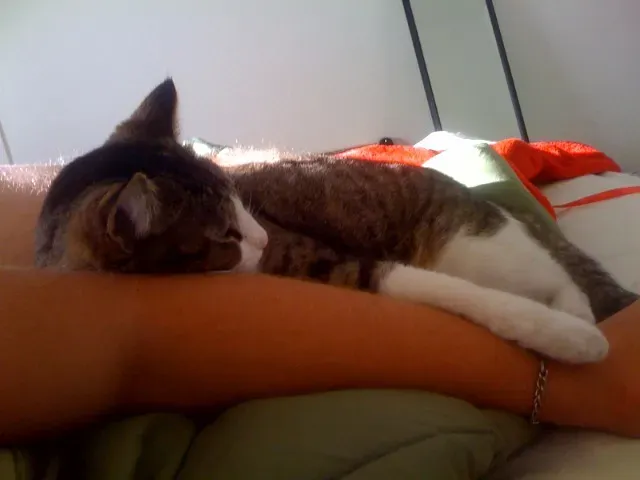
There’s something incredibly sweet happening when your cat chooses to sleep on your bed, your clothes, or better yet, directly on you. Cats have an exceptionally well-developed sense of smell, which plays a crucial role in selecting safe sleeping spots, and since your bed carries your scent, it becomes a comforting and familiar place for them.
Research found that 62% of cats sleep with their adult owners, indicating a strong preference for human warmth. That’s a pretty staggering number when you think about it. Cats are sensitive to scents and sounds and can be attuned to a certain person’s snores, odors, and your scent may be another way to make your pet feel connected to you, and therefore safer. The sound of your breathing creates a rhythmic lullaby that soothes them. When your cat curls up near you, they’re essentially saying you’re part of their trusted inner circle.
The Social Sleeping Phenomenon
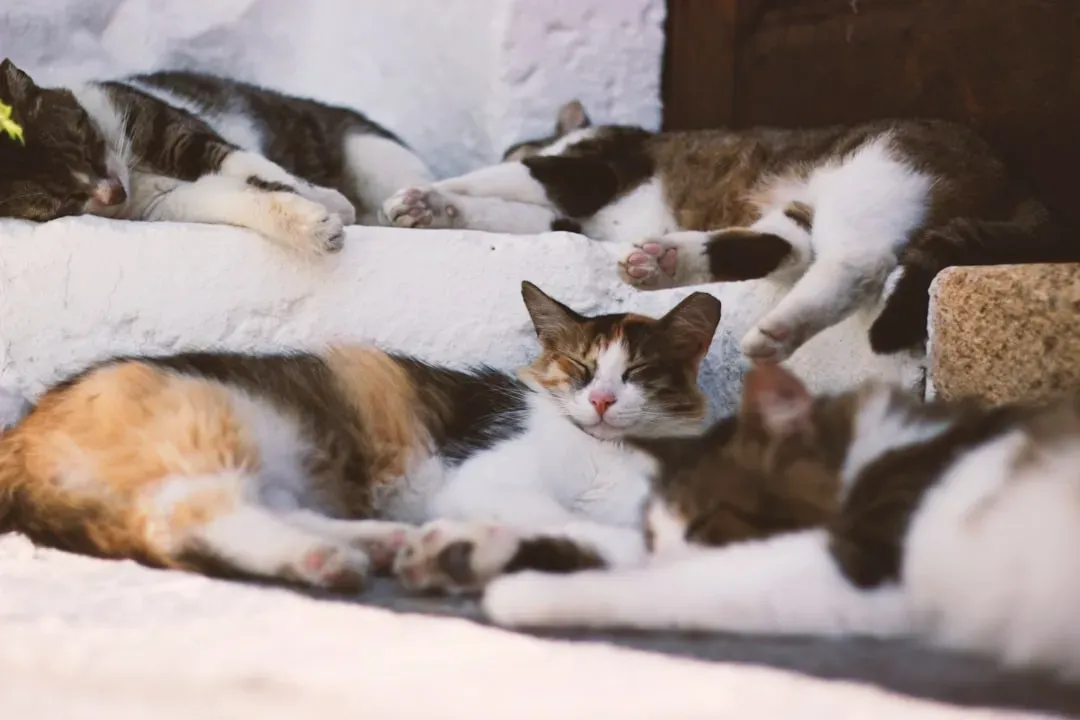
Cats have this reputation for being aloof loners, but that’s honestly a bit of a misconception. Although cats are often labeled as solitary hunters, they exhibit surprisingly social behaviors when it comes to rest, and felines may prefer some independence during the day, yet they often seek out trusted companions at night – whether those companions are fellow cats or their human caretakers.
Sleep can be a vulnerable time, and cats instinctively gravitate toward places where they feel safe, and by choosing to sleep near a familiar human, cats not only find warmth and comfort but also benefit from a sense of security that reinforces their bond. If you’ve got multiple cats, you might notice bonded pairs sleeping together frequently. They’re not just being cute – they’re providing each other with warmth, security, and companionship during their most vulnerable hours.
Elevated Positions: Strategic Advantage
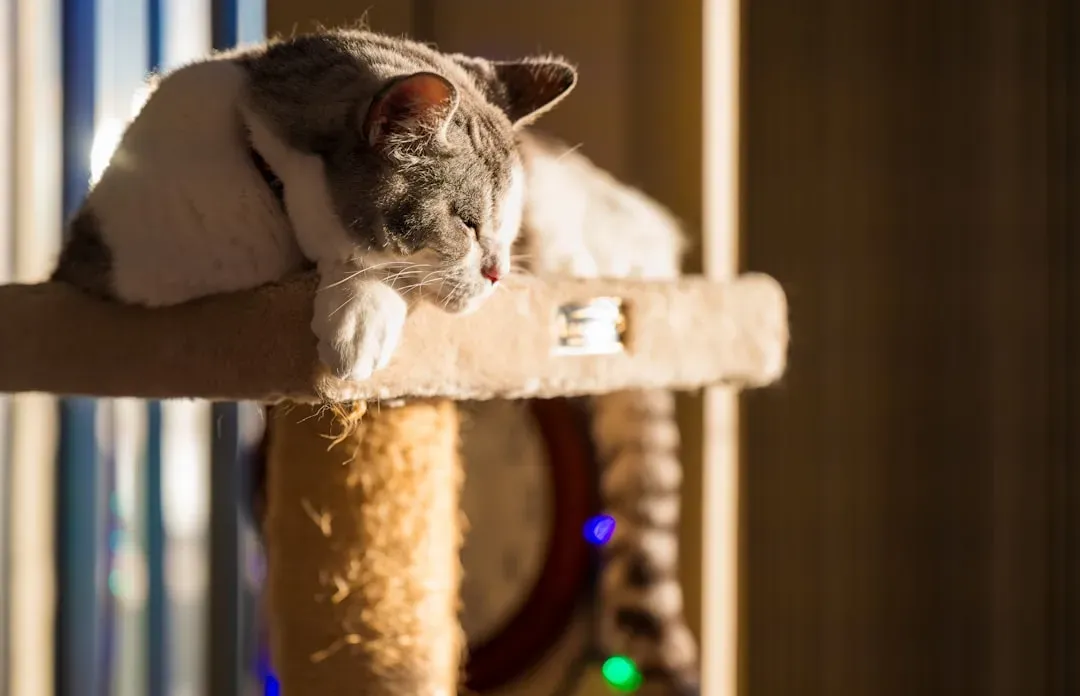
Cats love to hang out in high places so they can observe everything from a safe distance, and in the wild, cats prefer high areas to stay safe from predators, with domesticated cats inheriting this behavior from their ancestors. That bookshelf your cat insists on climbing? That’s prime real estate in the feline world.
High spots offer multiple advantages simultaneously: a good vantage point to monitor their territory, a warm place since heat rises, and a defensible position with limited access points. Your cat on top of the refrigerator isn’t being weird – they’re being strategic. Many cats prefer to sleep in elevated areas, like cat trees, where they feel safe and can survey their territory, and they also enjoy curling up in warm spots, as warmth helps them feel secure.
The Rotation Mystery Explained
Applied Animal Behavior Science surveyed 1,177 cats and discovered that most felines had 5 preferred sleeping areas. Five different spots! Your cat isn’t indecisive – they’re exhibiting perfectly normal behavior. Cats often rotate their preferred sleeping area, and this behaviour is seen in the African wildcat, which our domestic cat is descended from, as they will look for a safe place within their territory and rotate the spot to help keep parasite levels low.
Sometimes the rotation is about temperature regulation, moving between sunny and shady spots throughout the day. Other times it’s about avoiding predictability or simply seeking privacy when the household gets too noisy. Prime sleep spots are a resource just like food or water, and cats will often rotate through the best spots throughout the day, and they will often change their location simply to be closer to you.
When Your Lap Becomes the Destination
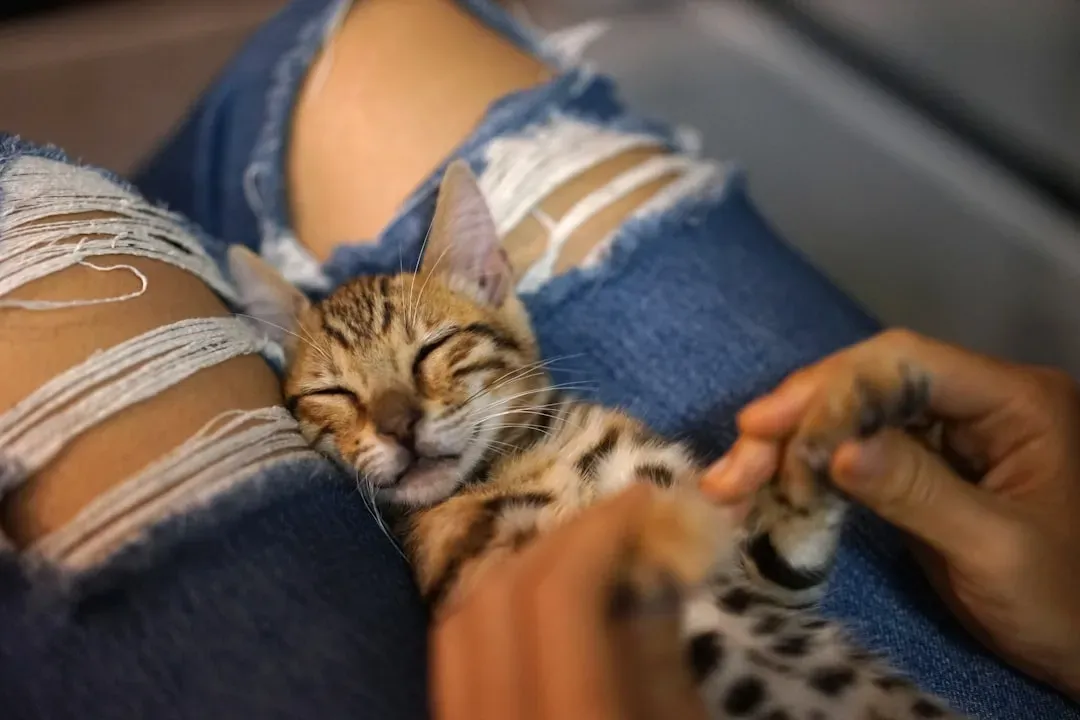
Let’s talk about one of the most heartwarming sleeping choices your cat can make: your lap or your body. The most important reason for why cats like to sleep near their owners is security, as cats are most vulnerable and at their greatest risk when they’re sleeping, and when your cat sleeps with you it means that they trust you and feel secure with you by their side, and it also means they trust that you will provide an extra layer of defense if needed.
Cats experience an increase in oxytocin levels – the hormone associated with bonding and affection – when they interact with their owners, and such hormonal changes are a significant factor in why your cat chooses to sleep with you, as it strengthens the bond and brings them joy. That’s not just adorable – it’s biochemically proven affection. When your cat chooses you over their cozy bed, they’re making a deliberate statement about how much you mean to them.
The Specific Body Part Preferences
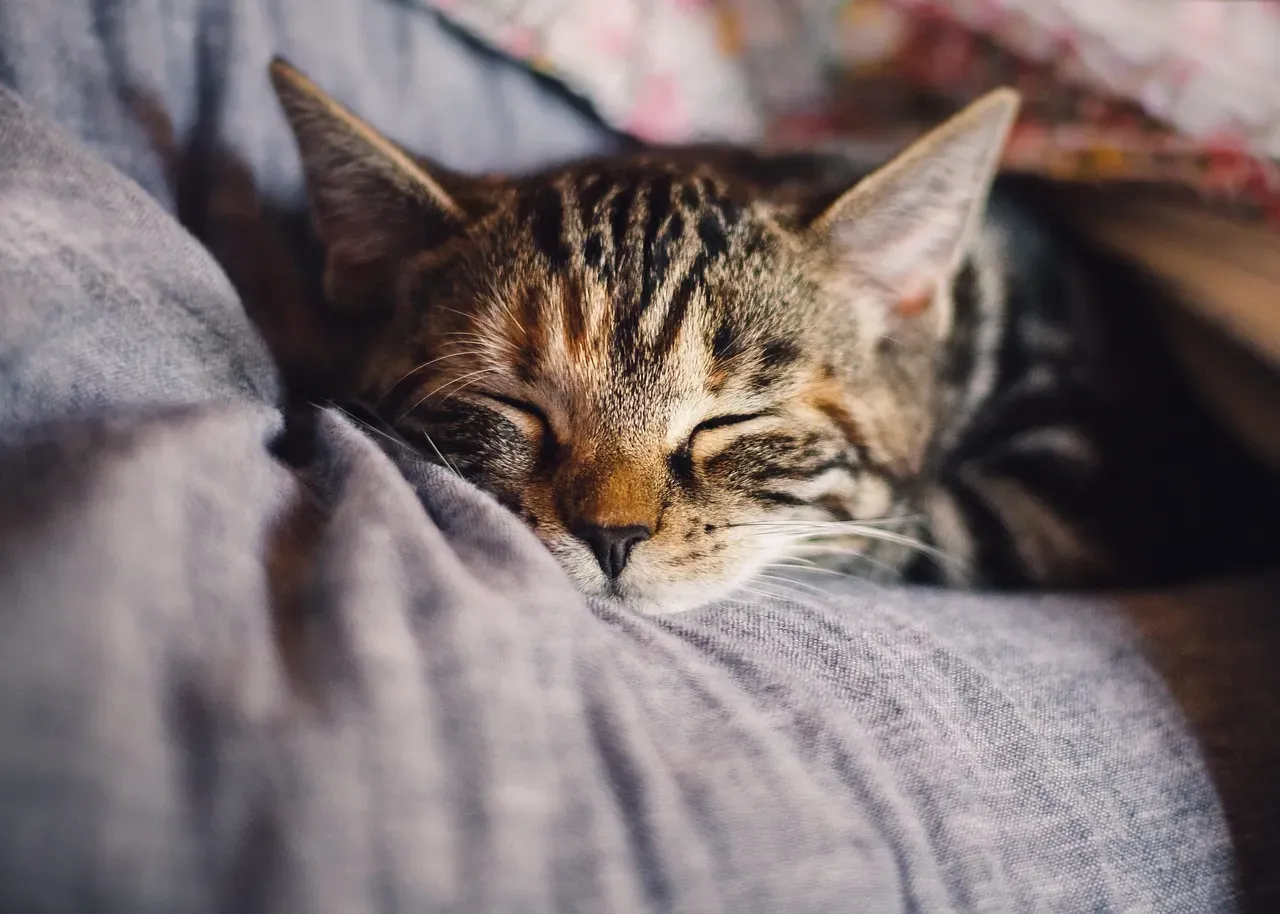
You might have noticed your cat has preferences not just for sleeping near you, but for specific locations on your body. A cat’s sense of smell is approximately 14 times stronger than a human’s, making scent one of the primary factors influencing their sleeping preferences, and your head produces the strongest scent due to hair, breath, and skin oils, making it a natural comfort zone for your cat with the familiar aroma reassuring them and creating a feeling of safety and trust.
Sleeping at your feet offers a different advantage. Research found that felines often select sleeping spots that allow them to feel close to their human while maintaining an easy escape route, and this explains why many cats position themselves at the foot of the bed – they enjoy your presence but also want the ability to move freely if needed. It’s actually a beautiful balance between affection and independence, which perfectly captures feline nature.
Environmental Stressors and Spot Changes
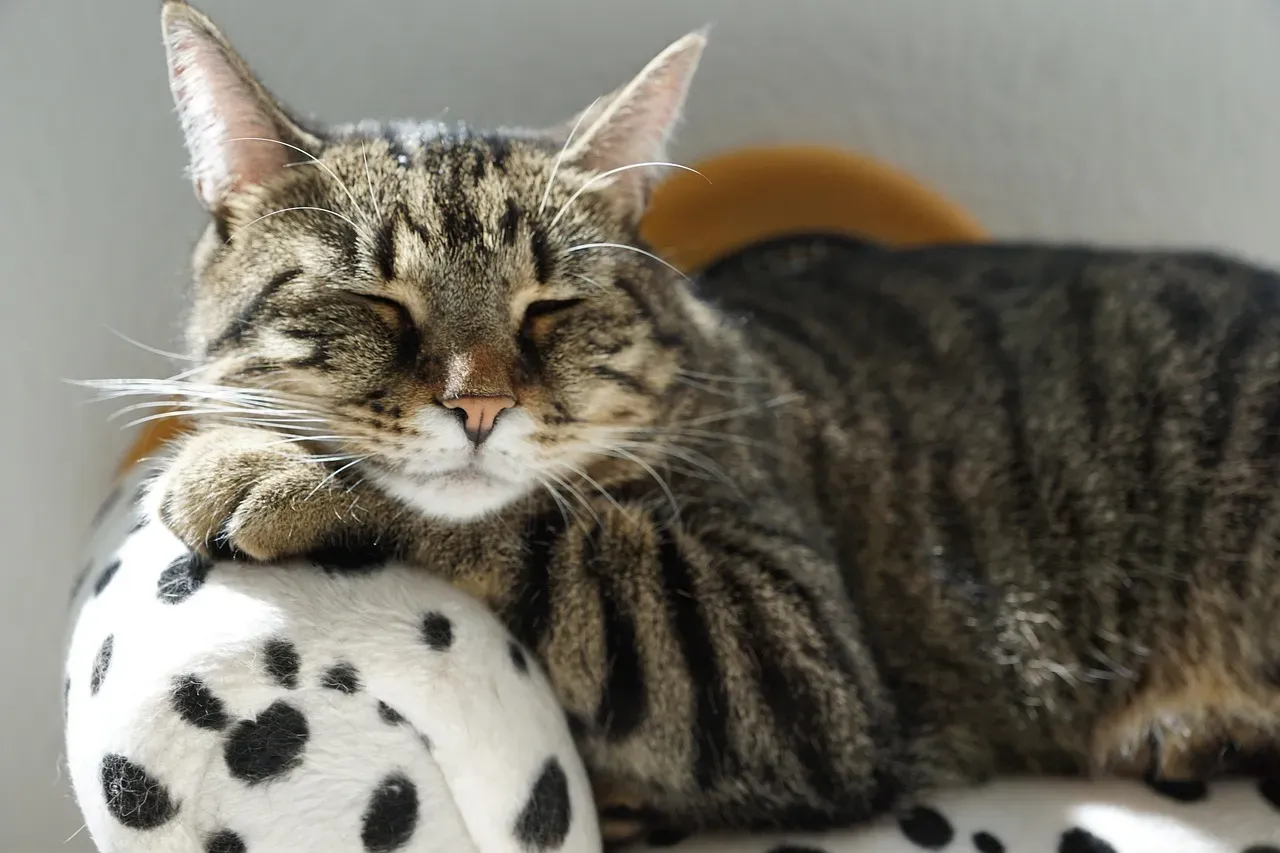
Cats can become startled by sudden loud noises, such as those from a too-loud television or the construction crew down the road, and if your cat’s nap was disrupted by a sudden noise that startled them, they might be less likely to go back to that exact spot to sleep in the future. Your cat isn’t being dramatic – they’re responding to legitimate stressors in their environment.
Changes in household dynamics, such as moving to a new home or the addition of a new family member, can affect a cat’s sleep, as cats are creatures of habit, and disruptions to their familiar routine or territory can be stressful, with patience and gradual acclimatization helping ease the transition and restore their sleep patterns. If your cat suddenly abandons their favorite spot after years of loyalty to it, something in their environment has changed from their perspective. It might be a new smell, a change in household traffic patterns, or even something as subtle as a different detergent scent on their bedding.
What Your Cat’s Spot Choice Reveals About Your Bond
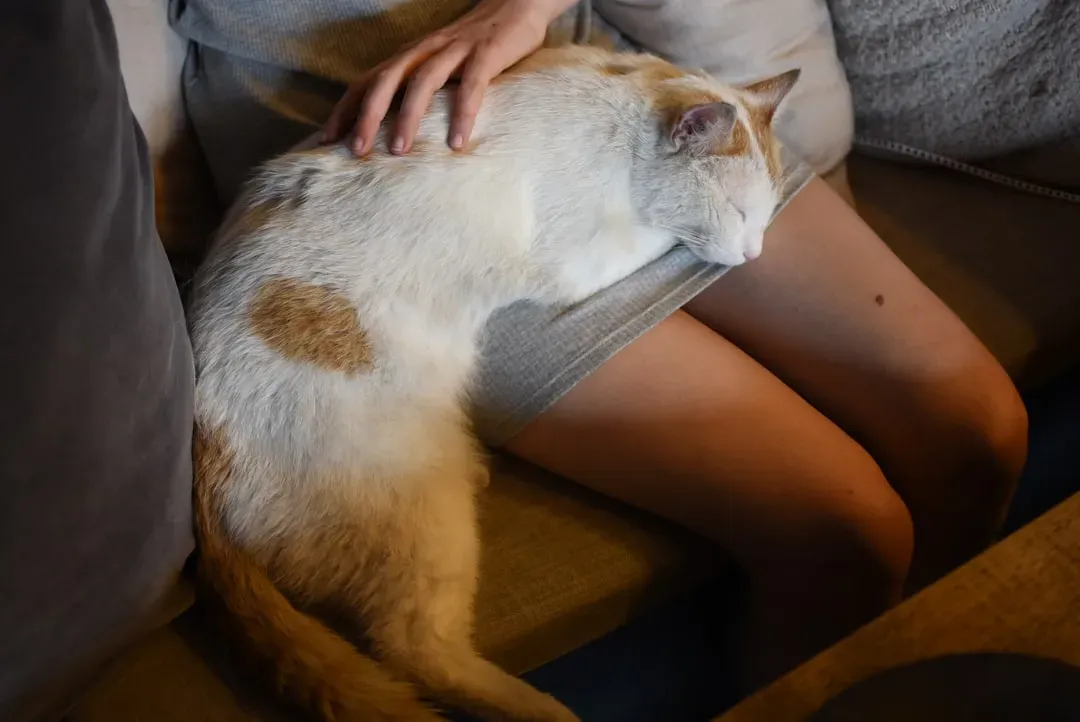
Cats can bond more closely with one family member, and the reasons for this are varied, but generally speaking, it is the person who cares for them each day, and this bond is important to your cat as they are social creatures that need affection and attention from their owner. If your cat consistently chooses to sleep with you rather than other family members, congratulations – you’re the chosen one.
Cats will sleep next to their favorite people who make them feel safe and secure, and cats form bonds with their carers and the people who make them feel the most secure and protected. This isn’t about feeding schedules alone, though that certainly helps. It’s about who makes them feel safest, who respects their boundaries, and who they trust completely during their most vulnerable moments. That napping spot next to you represents the highest compliment a cat can give.
Conclusion: Reading the Map of Trust
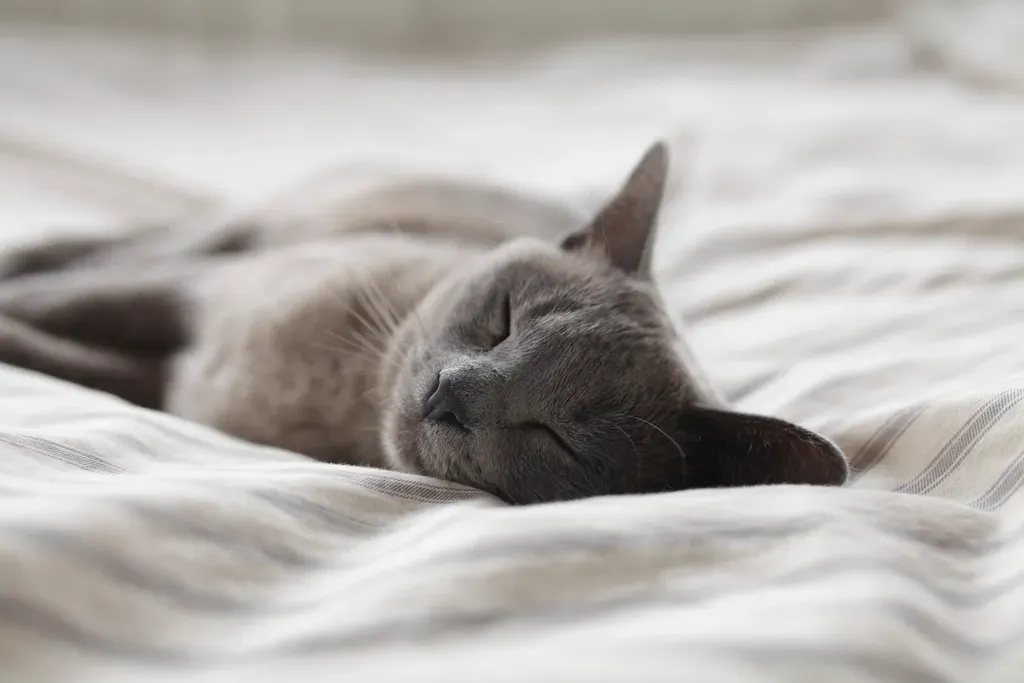
Your cat’s napping spots aren’t random acts of feline chaos. They’re a carefully curated map of safety, comfort, and trust that reveals everything about how your cat experiences their world and their relationship with you. From temperature regulation to predator avoidance instincts, from scent-based security to social bonding, every chosen spot tells a story.
Next time you find your cat sprawled in an unexpected location, take a moment to consider what they’re telling you. Are they seeking warmth? Do they need more security? Are they showing you trust by sleeping vulnerably near you? Understanding these choices deepens the connection between you and your feline companion, transforming what seems like simple napping behavior into a rich language of comfort and contentment.
What does your cat’s favorite spot say about your relationship? The answer might surprise you.