Have you ever noticed how your cat seems absolutely insistent about sleeping in one particular spot, only to completely abandon it a week later? Or maybe you’ve wondered why they choose to nap on your laptop keyboard when a perfectly comfortable cat bed sits unused nearby. It’s easy to dismiss these quirks as typical feline randomness. Yet the truth is a bit more intriguing than that.
Your cat’s sleeping location can reveal a lot about their temperament, health and how they’re feeling, and understanding these patterns gives you a window into their emotional world. From the sunny windowsill to the darkest corner of your closet, every choice your furry companion makes tells a story about trust, security, comfort, and even their relationship with you. So let’s dive into what your cat’s favorite napping spot really means.
When They Curl Up on Your Chest
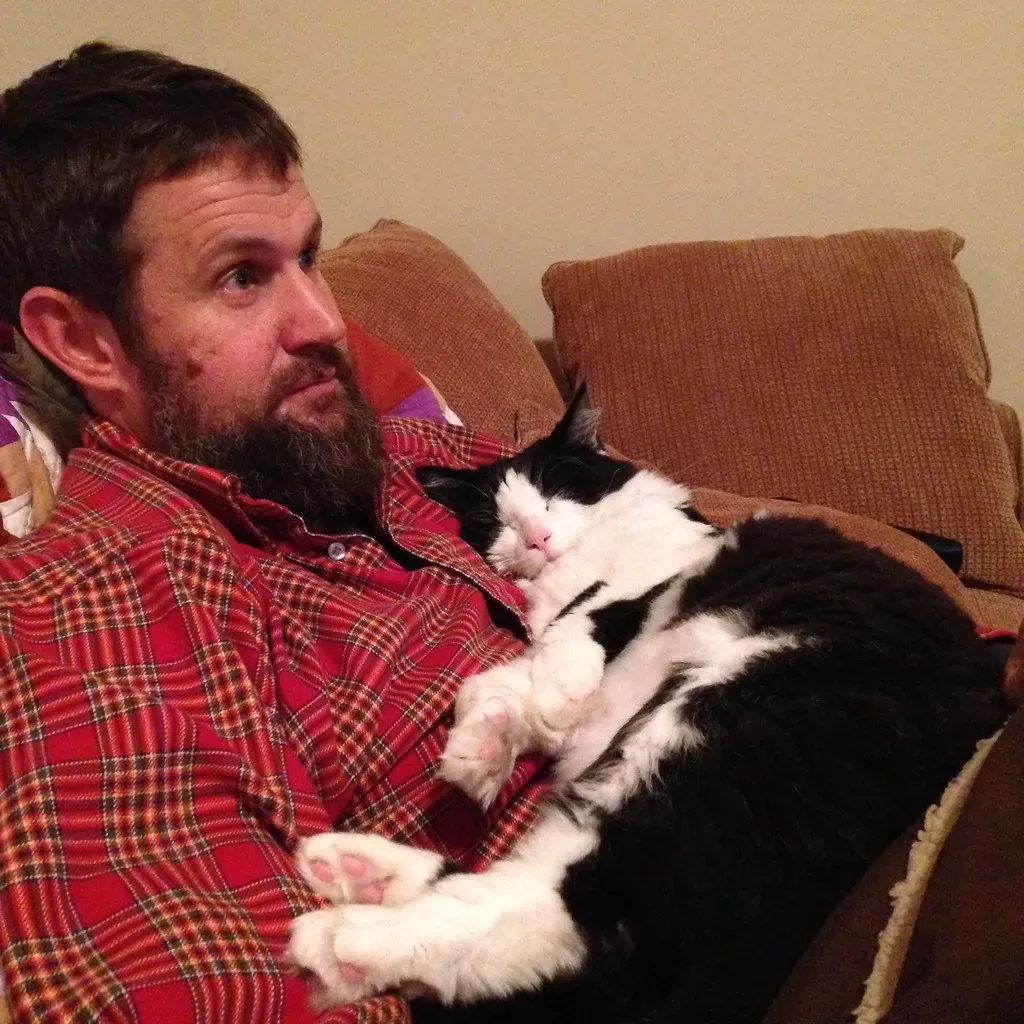
Let’s be real, there’s something incredibly special about having your cat settle directly on your chest for a nap. When a cat settles directly on your sternum, the rhythmic sound of your heartbeat and the rise and fall of your breathing mimic the sensations they felt when sleeping against their mother and littermates. This position brings them straight back to kittenhood, triggering deep feelings of safety and contentment.
This position is the ultimate sign of security, as your chest provides a steady, comforting vibration that lulls them to sleep. Think about it: your cat is choosing vulnerability over vigilance. They’re trusting you completely to keep watch while they rest. That’s not a casual decision for an animal with predator and prey instincts.
Choosing High Perches and Elevated Surfaces
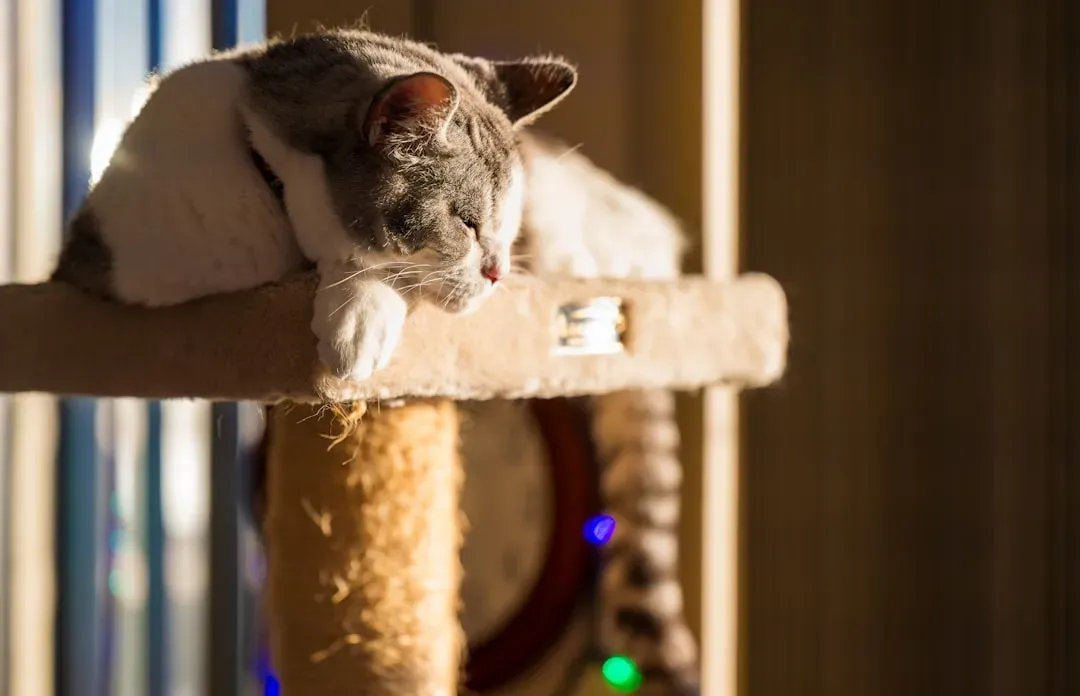
Does your cat insist on sleeping on top of the refrigerator, bookshelf, or the highest cat tree platform? With a high vantage point, cats are safe from potential predators while sleeping, and as a predator themselves, a perched sleeping position gives your cat a panoramic view to keep an eye on potential prey. Even though your home probably doesn’t harbor actual threats, those wild instincts remain firmly intact.
If your cat prefers the top of a bookshelf or refrigerator, they are tapping into their arboreal ancestors, as in the wild, high ground is strategic real estate that allows a predator to survey their territory while simultaneously making it difficult for larger predators to sneak up on them. Honestly, it’s fascinating how much ancient survival programming influences where your modern house cat decides to take a quick snooze. Cats sleeping high up often feel the need to maintain control over their environment, especially in busy households with children or other pets.
Hiding Under Furniture or in Enclosed Spaces
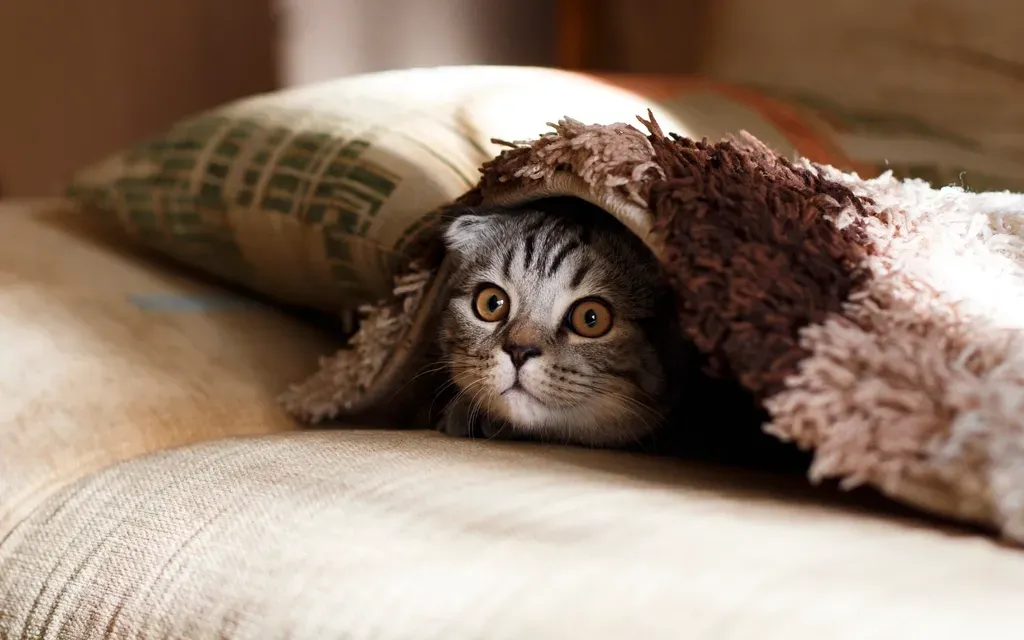
If your cat constantly seeks out hiding spots like under the bed, inside closets, or behind the couch, you might wonder whether something’s wrong. Here’s the thing: anxious or skittish cats prefer to hide or conceal themselves in small dark confined spots, while confident cats like to shelter themselves for uninterrupted sleep in boxes, tunnels plus bags. The motivation matters more than the location itself.
As a prey animal, cats need a place to hide from their enemies, which is why cats seem to derive such pleasure from jumping into empty cardboard boxes that give them security and warmth while providing an easy exit. Sometimes your cat isn’t scared or stressed – they just want privacy for deep, uninterrupted sleep. Yet if this behavior appears suddenly alongside other changes, it could signal discomfort or illness worth investigating.
Sleeping at Your Feet
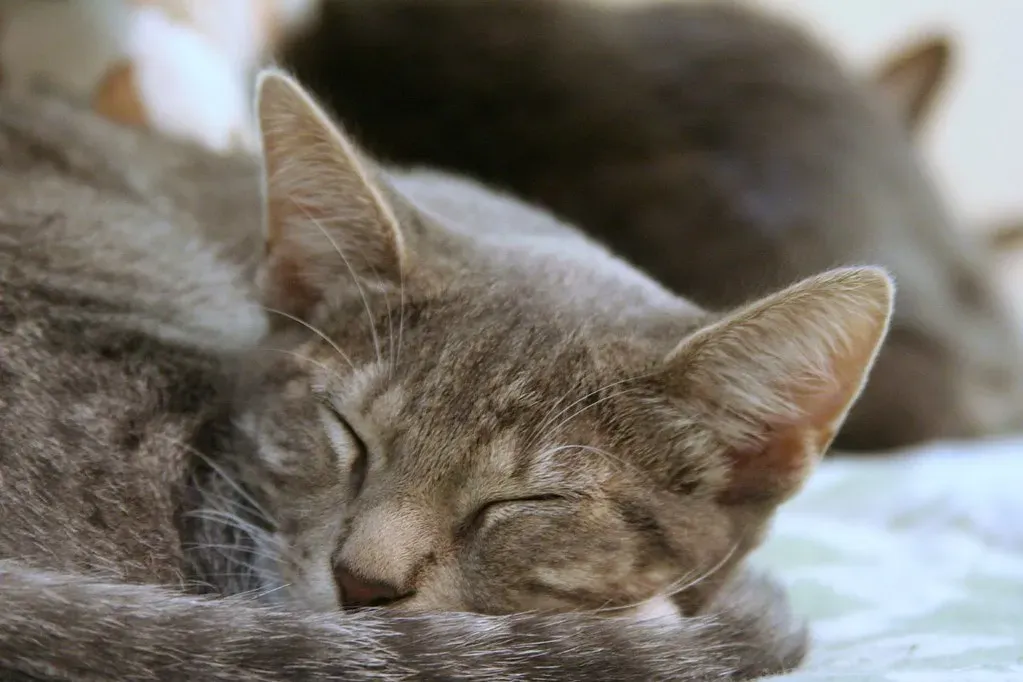
It might seem like a less affectionate choice compared to chest-sleeping, but when your cat settles at your feet, they’re making a strategic decision that still involves closeness. Cat sleeping by feet allows your pet to monitor the door while maintaining physical contact with you, and is often the preferred spot for cats that are slightly more independent or for those who are easily startled by movement during the night. They get the emotional benefit of your presence without risking being accidentally rolled over.
When a cat sleeps at your feet, they keep your feet warm but they may also be seeking warmth from you, and sleeping by or on your feet lets your cat be close to you but also gives them the security of an easy escape when near the foot of the bed. Think of it as the perfect compromise between companionship and independence. Your cat loves you, but they also value having quick exit routes – classic feline behavior.
Between Your Legs or in That Little Leg Nook
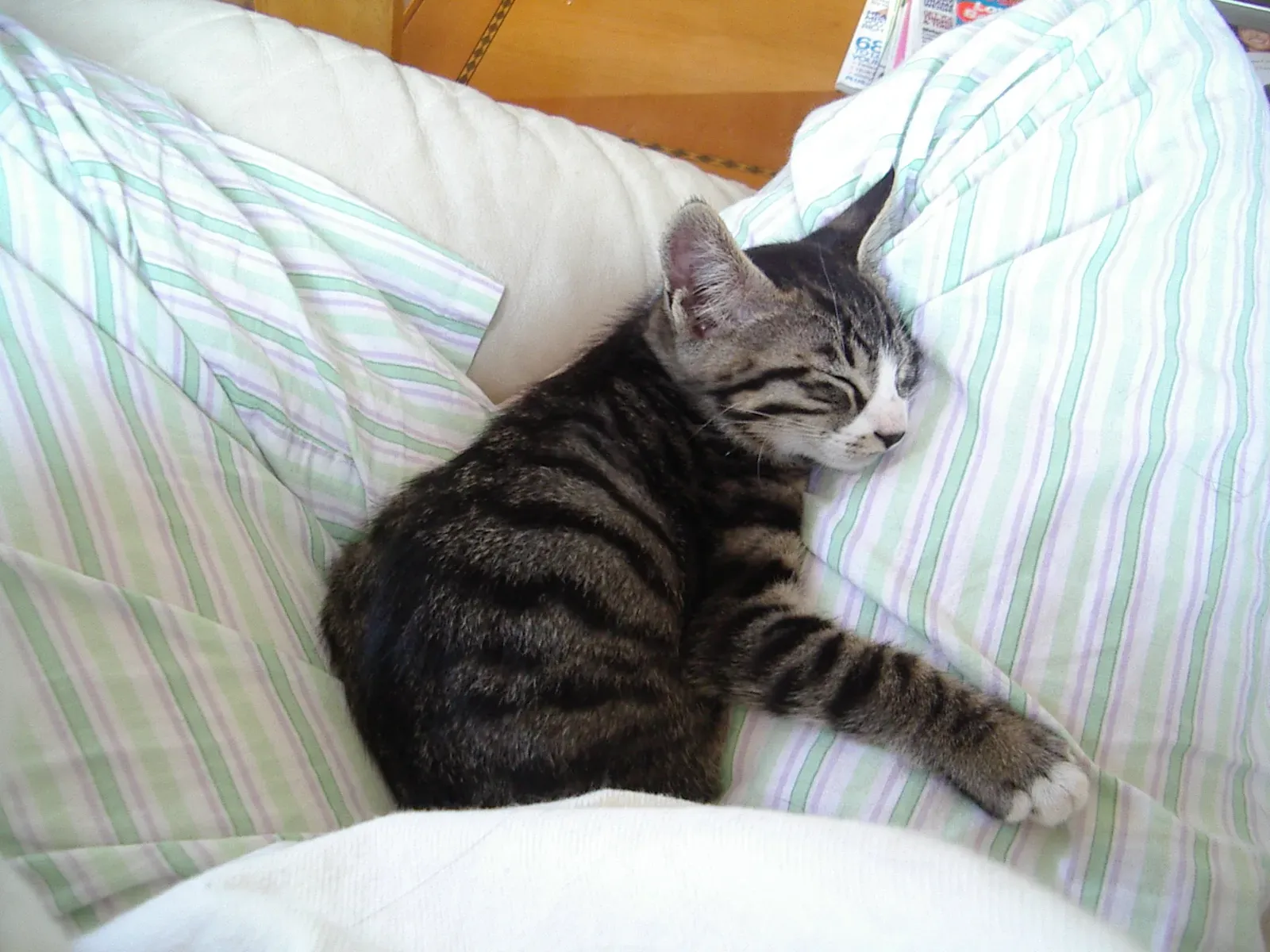
Have you experienced that moment when your cat wedges themselves between your legs while you’re lying down? When you lie on your side or back, your legs create a natural trench that cats often gravitate toward because it offers physical barriers on both sides, providing a 360-degree sense of protection, and this burrowing behavior is common in colder months as your legs act as windbreakers that trap body heat. It’s remarkably clever when you think about it.
For anxious cats especially, this enclosed space feels significantly safer than the open expanse of a mattress, allowing them to lower their defenses completely. Your cat has essentially created their own little fortress using your body as the walls. It’s hard to say for sure, but this probably represents one of the highest compliments a cautious cat can give you.
Near Your Head or on Your Pillow
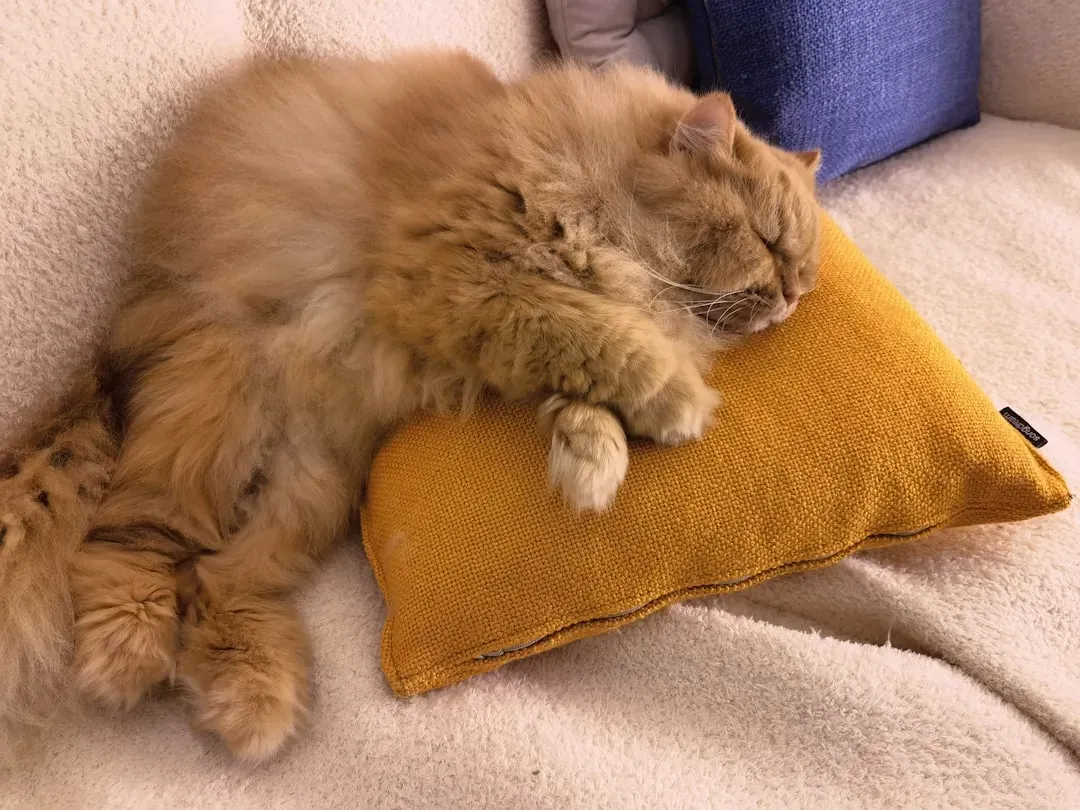
Waking up nose-to-nose with your cat isn’t uncommon, and there are compelling reasons why they choose this spot. Cats sleeping near your head may simply be seeking a soft place to nap, as your head is usually on a soft pillow and also moves around less than the rest of your body while you sleep. Practical considerations matter to cats.
Yet there’s more to it than comfort alone. Choosing a spot near your head shows that your cat has a high degree of trust in you, as the head area emits your strongest scent, offering them maximum comfort, and it signifies their desire for closeness and an emotionally intimate bond. Your scent provides reassurance and safety, making this prime real estate for cats who feel deeply attached to you.
Constantly Changing Sleep Locations
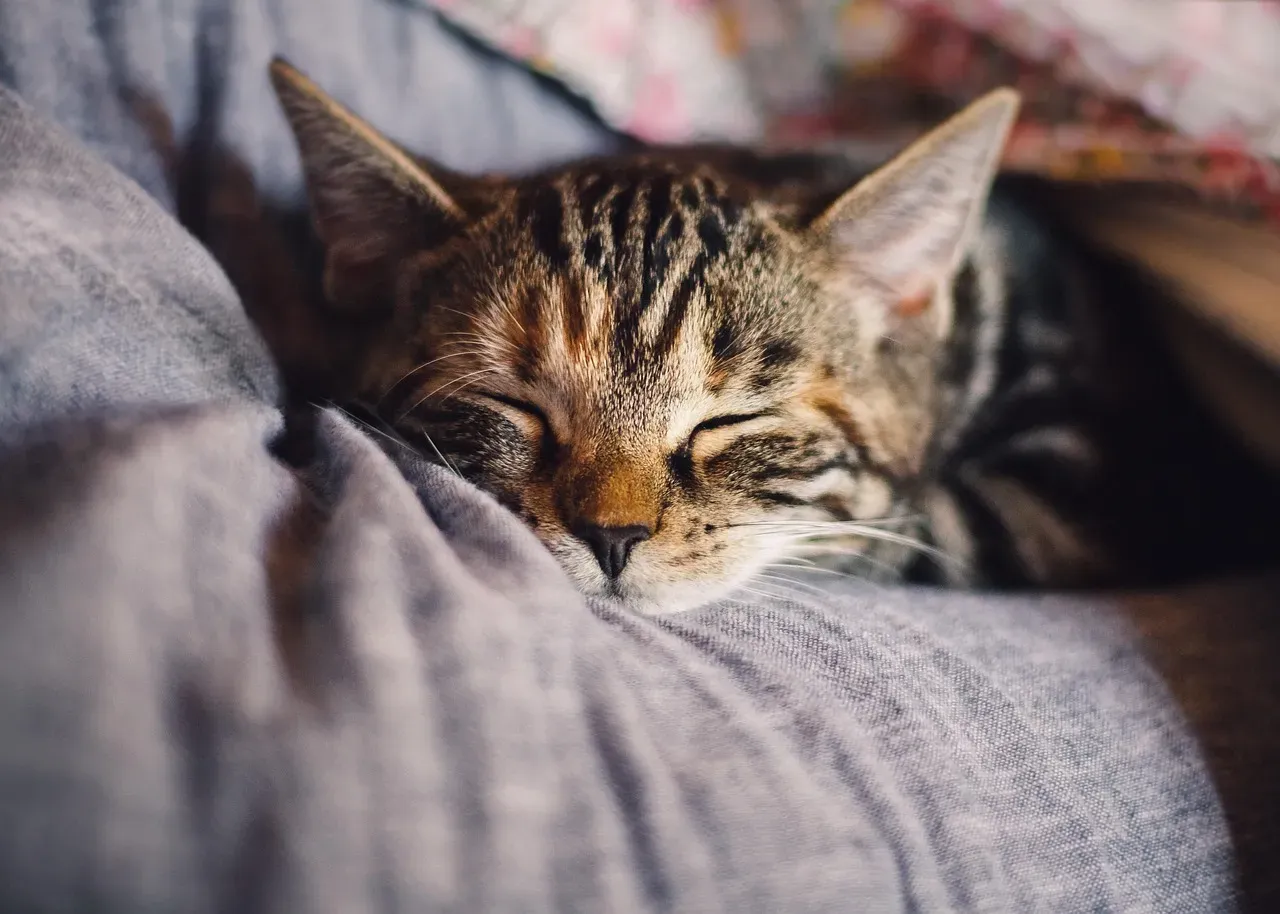
Does your cat refuse to commit to one sleeping spot, rotating through several locations around your home? A survey of 1,177 cats discovered that most felines had 5 preferred sleeping areas, and wild cats regularly move their nests and colonies to avoid detection from predators. This rotation is hardwired into their DNA as a survival strategy.
Cats frequently change their sleeping location as a matter of survival, as felines can’t afford to become too predictable, and if they sleep in the same place all the time, predators will know exactly where to look. Even though your pampered house cat faces zero actual predators, those ancient instincts remain powerful. Seasonal temperature changes also play a role – your cat might seek sunny spots in winter and cool tile floors in summer.
In Boxes, Drawers, or Other Tight Enclosures
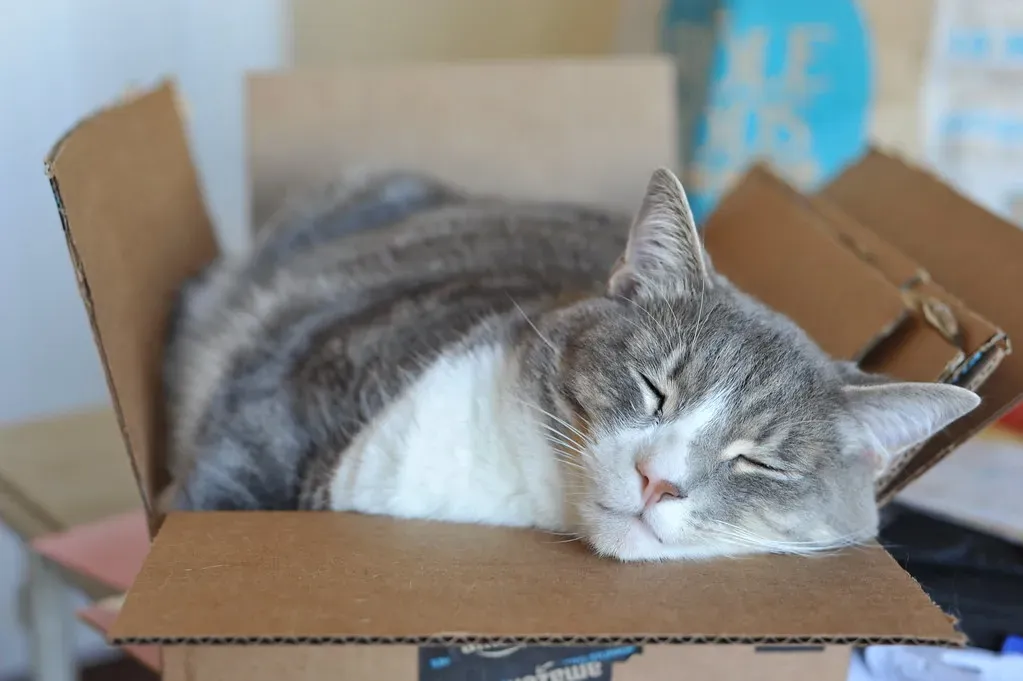
Let’s be honest, if you’ve ever bought your cat an expensive bed only to find them sleeping in the cardboard box it came in, you’re not alone. If your cat chooses a box over a bed, blame evolution, as boxes mimic dens and represent a desire for enclosed protection and comfort zones. Those confined spaces trigger deep feelings of security that fancy cushions simply can’t replicate.
It’s common to find a cat that has burrowed in or gotten under a throw blanket or pile of pillows for a nap, as this behavior maximizes body heat and taps into their instinct to find a safe and secluded place to rest. Your cat isn’t being difficult or ungrateful – they’re following powerful biological programming that tells them small, enclosed spaces equal safety. Next time you find them squeezed into an impossibly tiny box, remember they’re just honoring their wild heritage.
Suddenly Choosing Unusual or Hidden Spots
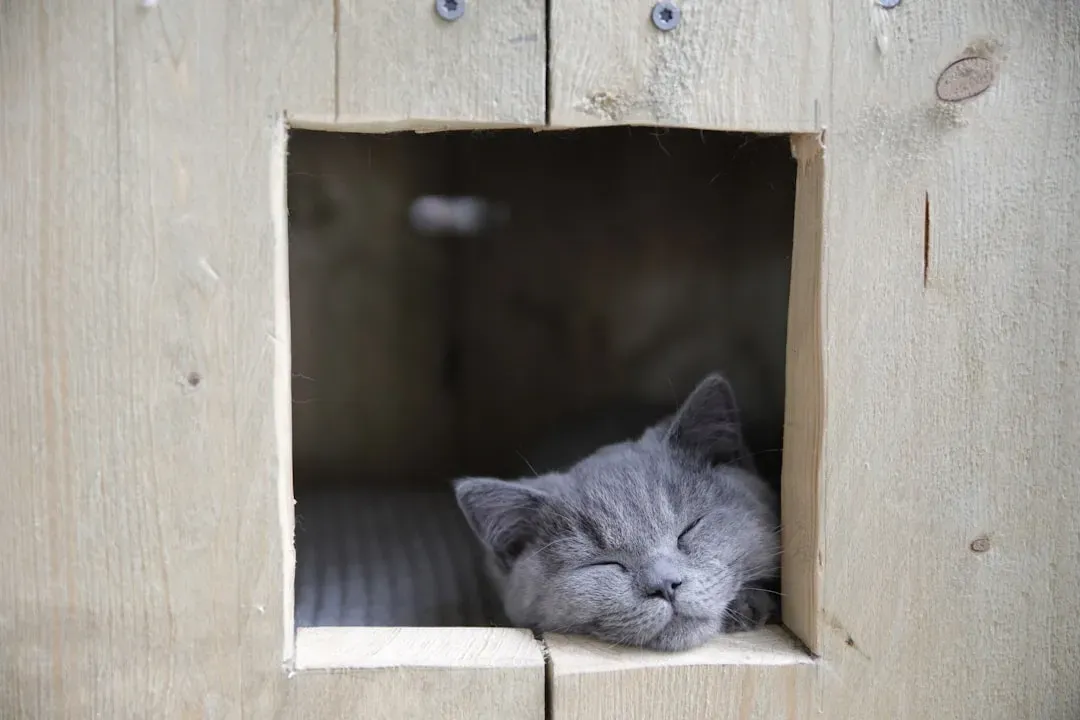
What happens when your cat suddenly abandons their usual sleeping spots for somewhere unusual? If your cat starts sleeping in unusual places, such as hiding under furniture or in closets, it could be a sign it is feeling unwell or stressed. This behavioral shift deserves your attention.
Many cats prefer to be alone and will retreat to avoid any contact with humans when they’re in pain, and your hurting cat might seek out a hidden sleeping spot that’s difficult for you to access. Cats instinctively hide vulnerability, so dramatic changes in sleeping location – especially to more isolated areas – can indicate health issues requiring veterinary attention. Yet sometimes the explanation is simpler: a loud noise startled them once in their old spot, or household changes have made them seek extra security. Pay attention to the pattern and any accompanying symptoms.
Conclusion
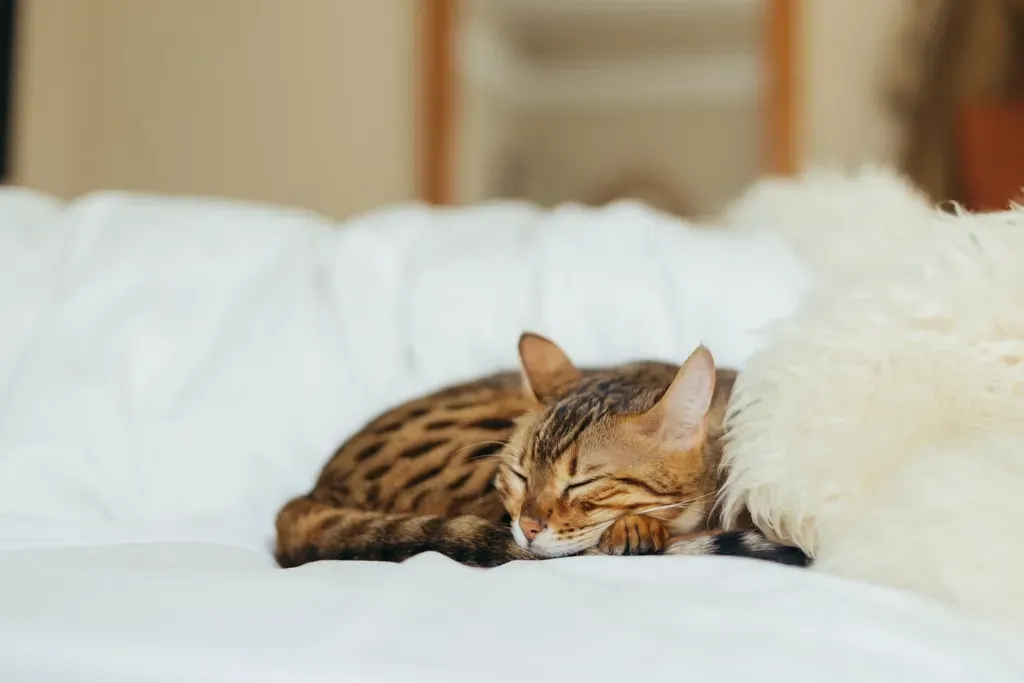
The spots your cat chooses for their daily sixteen hours of sleep aren’t random whims – they’re deliberate decisions influenced by temperature, security needs, trust levels, and ancient survival instincts. Whether they’re sprawled on your chest demonstrating complete trust, perched high to survey their domain, or rotating through multiple locations following wild instincts, every choice communicates something meaningful about how your cat experiences their world and their relationship with you.
What does your cat’s favorite napping spot say about them? Have you noticed patterns that reveal their personality or emotional state? Share your observations in the comments below.