Ever caught your cat curled up in the most bizarre location and wondered what’s going through their little furry head? Maybe they’ve claimed the top of your refrigerator as their personal throne, or perhaps they’re squeezed into a shoebox that’s three sizes too small. Your cat’s choice of snoozing spot isn’t just random or quirky. It’s actually a window into their personality, emotional state, and how they view their world.
Cats are fascinating creatures with layers of complexity hidden beneath all that fluff. They spend roughly two-thirds of their lives sleeping, which means they’ve had plenty of time to perfect the art of choosing the ideal nap location. Each spot they pick tells a story about their comfort level, security needs, and even their relationship with you. So let’s dive into what your feline friend is really saying when they choose that particular corner, cushion, or cardboard box.
The High Perch Sleeper: Your Little Lookout
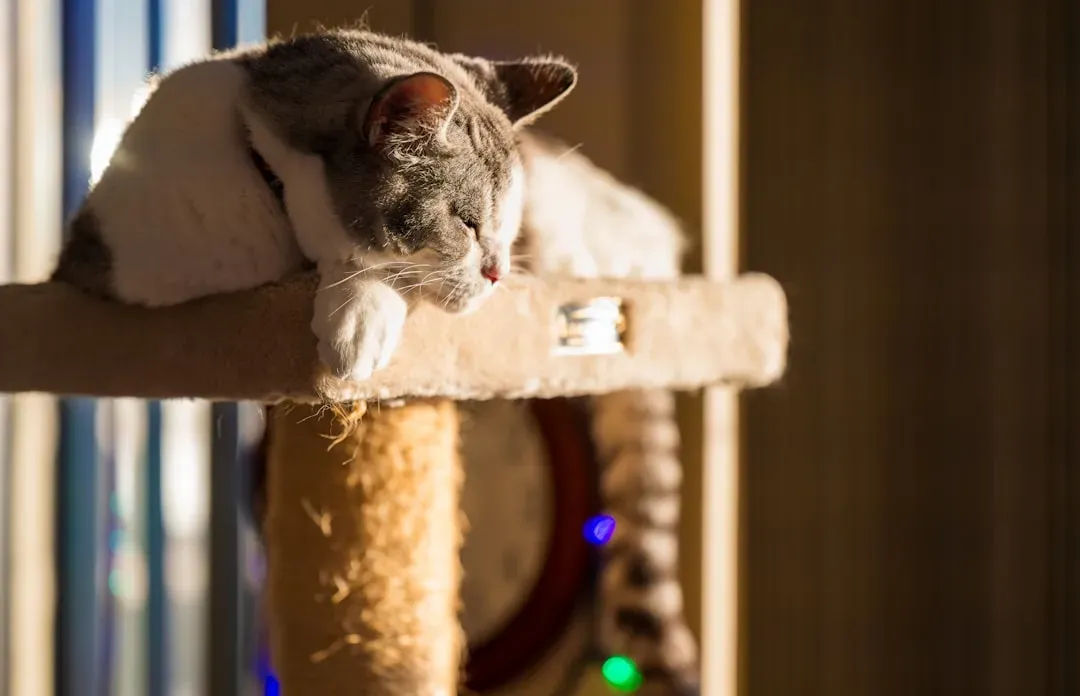
If your cat prefers sleeping on top of bookshelves, refrigerators, or high cat trees, they’re tapping into their wild ancestry where high ground offers strategic advantages. Think about it. From up there, they can survey their entire kingdom without breaking a sweat.
This elevated sleeping position gives your cat a sense of dominance and control over their domain, and it’s often the preferred location for cats in multi-pet households who need a break from dogs or active children. Your high sleeper is likely confident, observant, and just a bit territorial. They want to know what’s happening at all times, even while catching those Z’s. Temperature also plays a role here, as heat rises, making high spots naturally warmer.
The Box Dweller: Security in Small Spaces
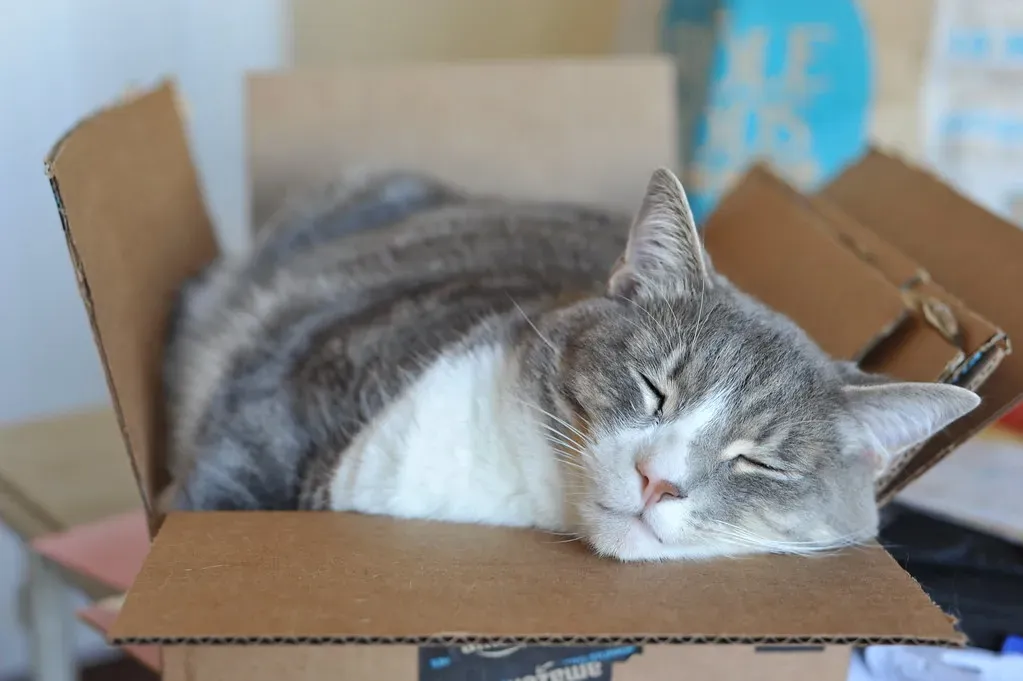
There’s something almost magical about boxes for cats, and these enclosed spaces offer more than just hiding – they provide sensory pleasure and feel secure, like a hug. If your cat gravitates toward boxes, drawers, or any tight enclosed space, you’re dealing with a security-conscious kitty.
These confined spaces provide safety and insulation, and by limiting the open space around them, your cat removes the need to watch their back or sides, allowing them to focus their attention solely on the opening and enter deeper sleep cycles. Honestly, it makes perfect sense when you think about it from a survival perspective. Cardboard even has insulating properties that keep cats warm and cozy. Your box-loving cat values predictability and protection above all else.
The Under-the-Bed Hider: Private and Particular
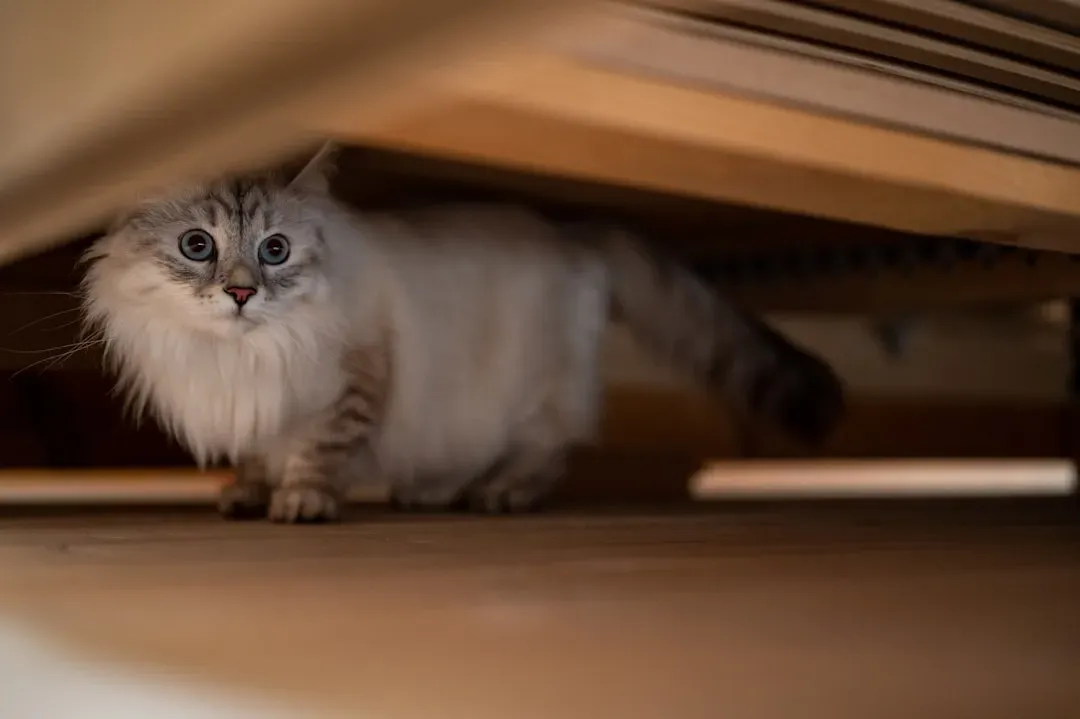
Cats have a natural denning instinct, and they prefer sleeping in areas where they feel protected on all sides – the space under the bed is dark, usually free of drafts, and carries the comforting scent of their favorite person. This doesn’t automatically mean something’s wrong.
Similar to people who are more inclined to be loners, some cats particularly enjoy taking time to themselves, and considering most cats sleep around fifteen hours per day, this can mean a lot of time under the bed. However, here’s the thing: if your normally social cat suddenly starts hiding under the bed and won’t come out, that’s different. In the wild, a sick animal is a target, so evolution has taught cats to hide their pain and weakness to survive. Pay attention to whether this is their personality or a sudden change.
The Sunny Windowsill Enthusiast: Heat-Seeking Missile
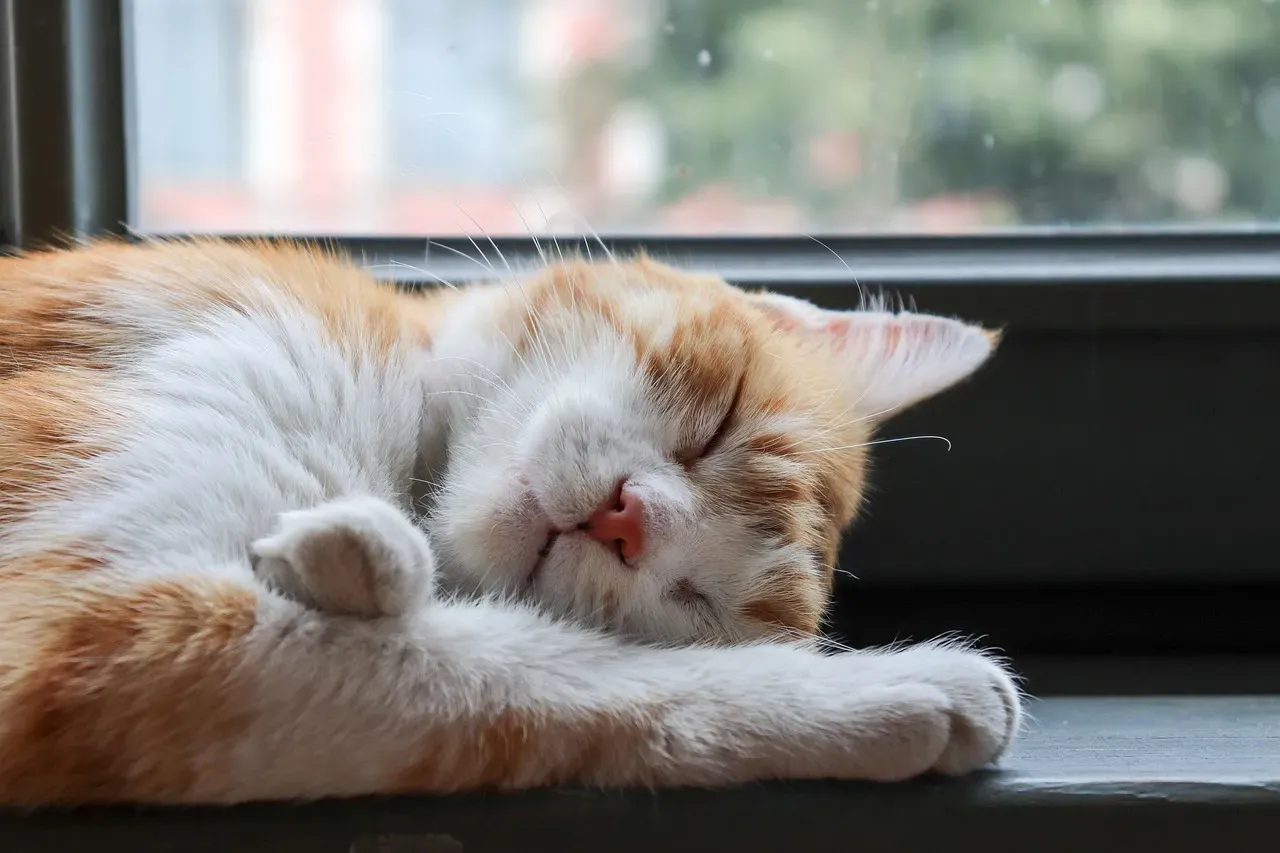
Ancient wildcats survived and thrived in extreme temperatures in arid regions, and today’s domesticated cats, having inherited their ancestors’ penchant for heat, instinctively seek warmth for comfort. Your windowsill sleeper is all about that vitamin D and toasty feeling.
Cats have a higher body temperature than humans – their average ranges from roughly 100 to 102 degrees Fahrenheit, while ours sits between about 97 and 99 degrees. Cats seek out warm places to rest because it helps them regulate their body temperature efficiently, relaxes their muscles, and is a behavior inherited from their ancestors who lived in warm climates. If your cat follows the patches of sunlight around your home like a tiny solar panel, they’re practical, comfort-driven, and maybe just a little hedonistic. Can you blame them?
The Bed Co-Sleeper: Ultimate Trust Signal
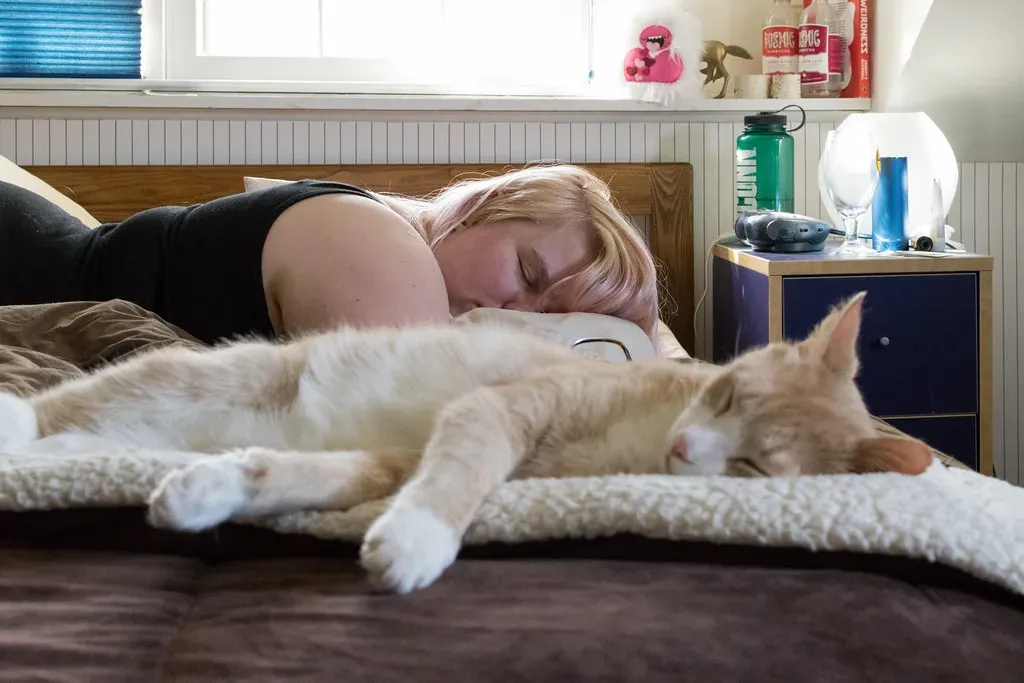
Research discovered that in roughly half of cases, a cat’s favorite sleeping spot was the owner’s bed – underscoring the idea that once cats find a comforting spot, they prefer to stick with it for consistency. When your cat chooses to sleep on your bed, especially directly on you, that’s a powerful statement.
The fact that they choose to sleep near you is a strong indicator of trust, because cats are instinctively cautious sleepers – in the wild, they remain alert to potential threats even while resting – so by curling up close to you, your cat is signaling that they feel safe in your presence. Whether they’re sprawled across your chest, wedged between your legs, or perched on your head like a fuzzy hat, each position has meaning. Cats often prefer sleeping on their owner’s chest precisely because they can hear the heartbeat and feel the rhythmic breathing, both of which provide a calming effect similar to their early experiences with their mother.
The Blanket Burrower: Den-Making Specialist
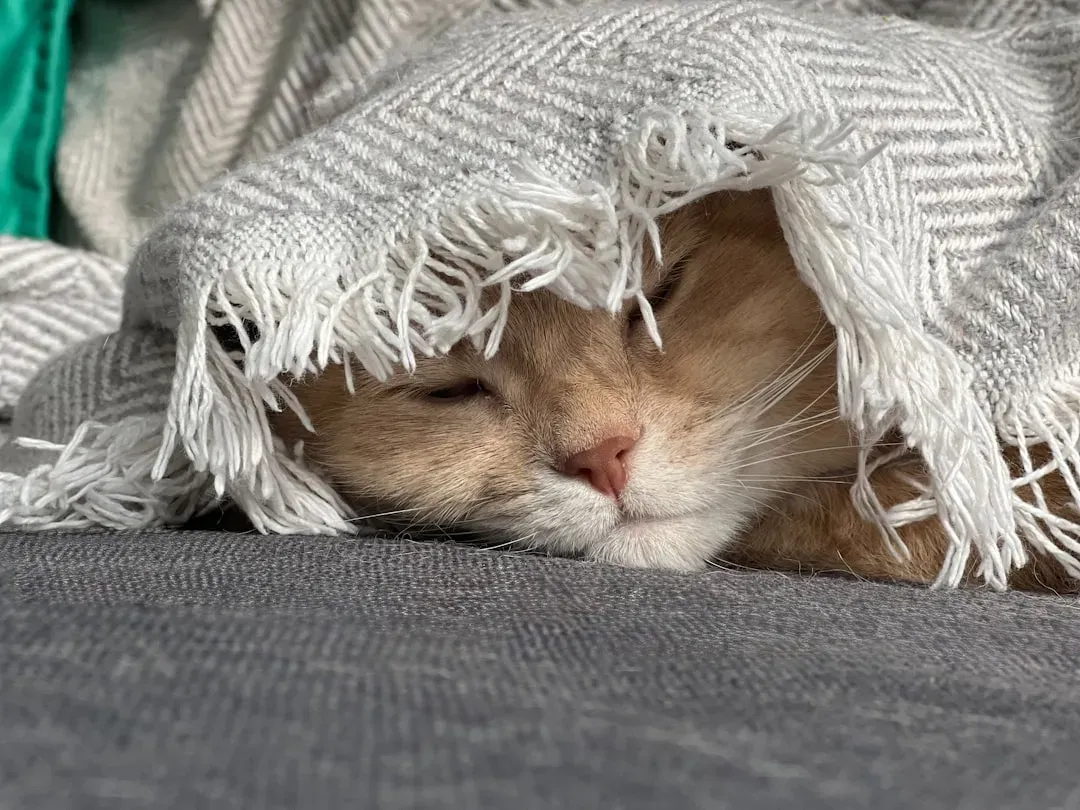
Cats that burrow under blankets are often seeking intense warmth, and since domestic cats have desert origins, they tolerate and often crave higher temperatures than humans do. Finding a lump under your duvet is surprisingly common among cat owners.
Beyond the heat, the heavy weight of blankets provides a den-like security that shuts out visual stimuli and muffles noise, creating a sensory deprivation environment that allows for undisturbed rest – it’s a sign that your cat wants to completely retreat from household activity. Your burrowing cat is probably sensitive to noise and commotion. They need their downtime to be truly peaceful, away from the chaos of daily life. Let’s be real, we could all use a blanket fort sometimes.
The Cool Floor Sprawler: Temperature Regulator
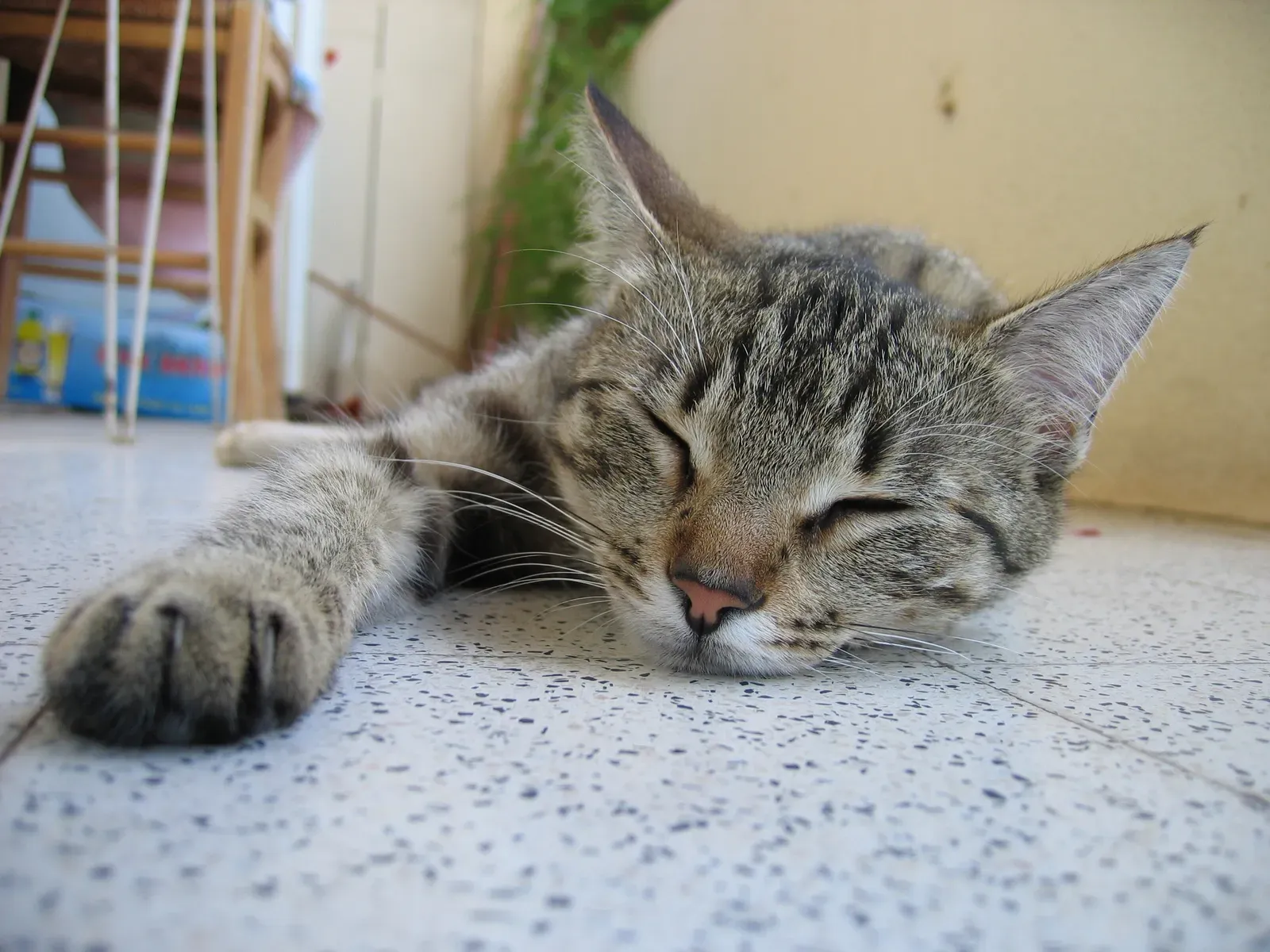
Lying on something warm like a fuzzy blanket can help conserve body heat, but if the weather is hot or the heater is cranked up inside, cats may choose to lie on tile or hardwood floor to cool down. Ever seen your cat stretched out like Superman on your kitchen tiles?
Cats understand that cooler floors will conduct heat away from their body, and they’ll also seek out shaded areas like under the bed or a closet where they can stay out of direct sunlight. Stretching out maximizes the surface area of their belly against the cold floor to regulate body temperature. Your floor sprawler is smart and adaptable. They know exactly what they need in the moment and aren’t afraid to adjust their location to stay comfortable.
The Lap Cat: Affection and Attachment
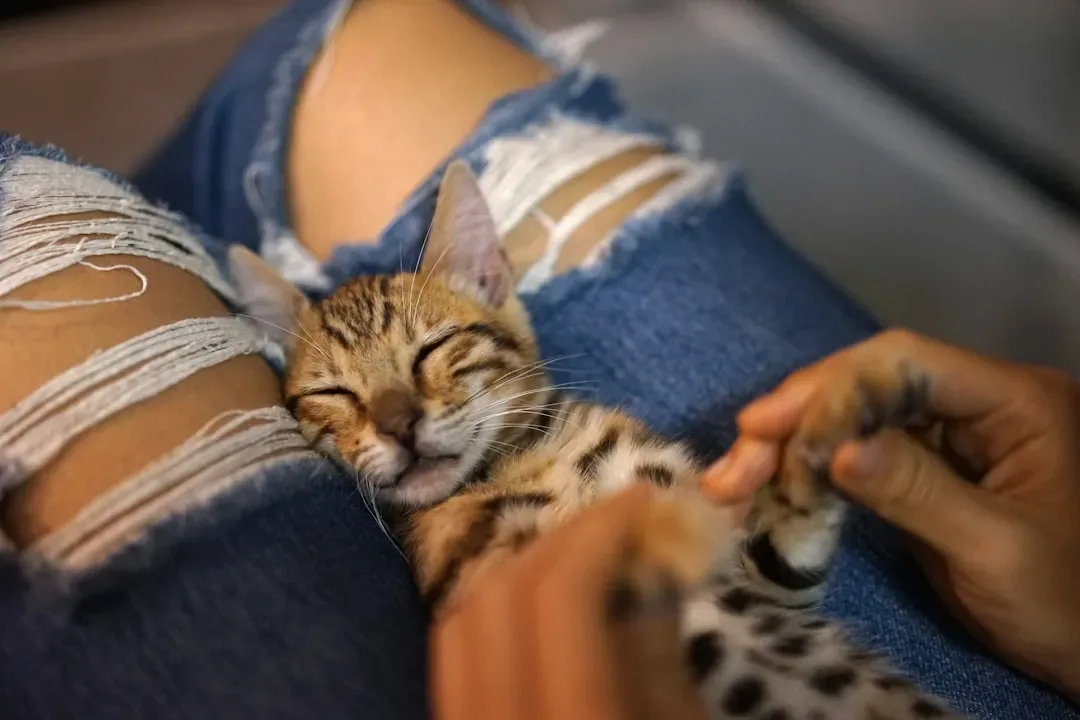
Your lap might be the most coveted napping spot in your entire home. If your cat frequently seeks out your lap, chest, or head when they’re ready to snooze, it’s largely your cat’s way of seeking out warmth. They’re not just using you as a heated pillow though.
Sleeping together means your cat is physically close to you, which can strengthen the human-feline bond by increasing emotional connection and creating a sense of togetherness – while cats are independent creatures, they value the company of their human companions as it brings them comfort and security. Lap cats are typically the most social and bonded to their humans. They crave physical contact and emotional connection. If you have a lap cat, consider yourself blessed with a particularly affectionate feline companion.
The Rotating Nomad: Variety Seeker
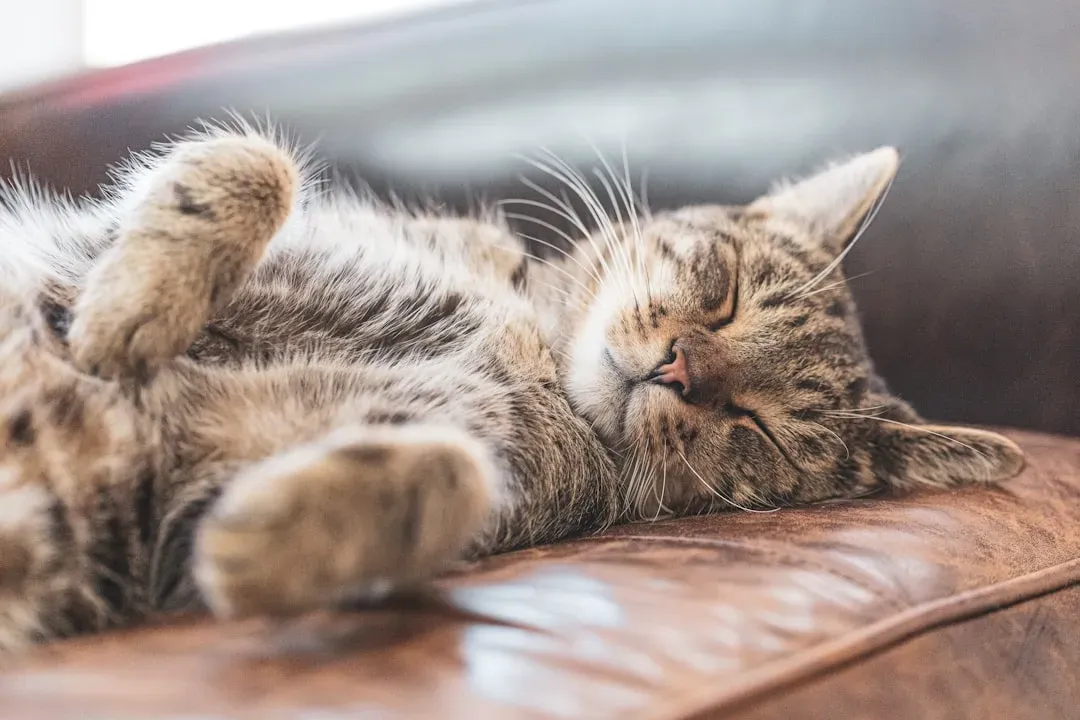
Many cats just like to mix things up – they like something for a while and then get bored and switch, which makes sense because a cat’s life is pretty monotonous, so they have to switch it up where they can, even if it just means cycling through nap locations throughout the day. Does your cat have about eight different sleeping spots that they rotate through?
Although it may appear that cats are just plopping down in any old spot, there’s actually a method to their sleep patterns that takes into consideration a surprisingly large list of factors, with temperature tending to be the biggest one – depending on the changing weather and season, cats might prefer a spot that is particularly warm or cool based on their needs. Your nomadic napper is curious, adaptable, and intelligent. They’re constantly assessing their environment and making strategic decisions about where to rest. Cats may choose new sleeping spots due to environmental changes, temperature preferences, or instinctual drives to stay safe, and this behavior is typically normal and stems from their wild ancestry.
The Social Sleeper: Pack Mentality
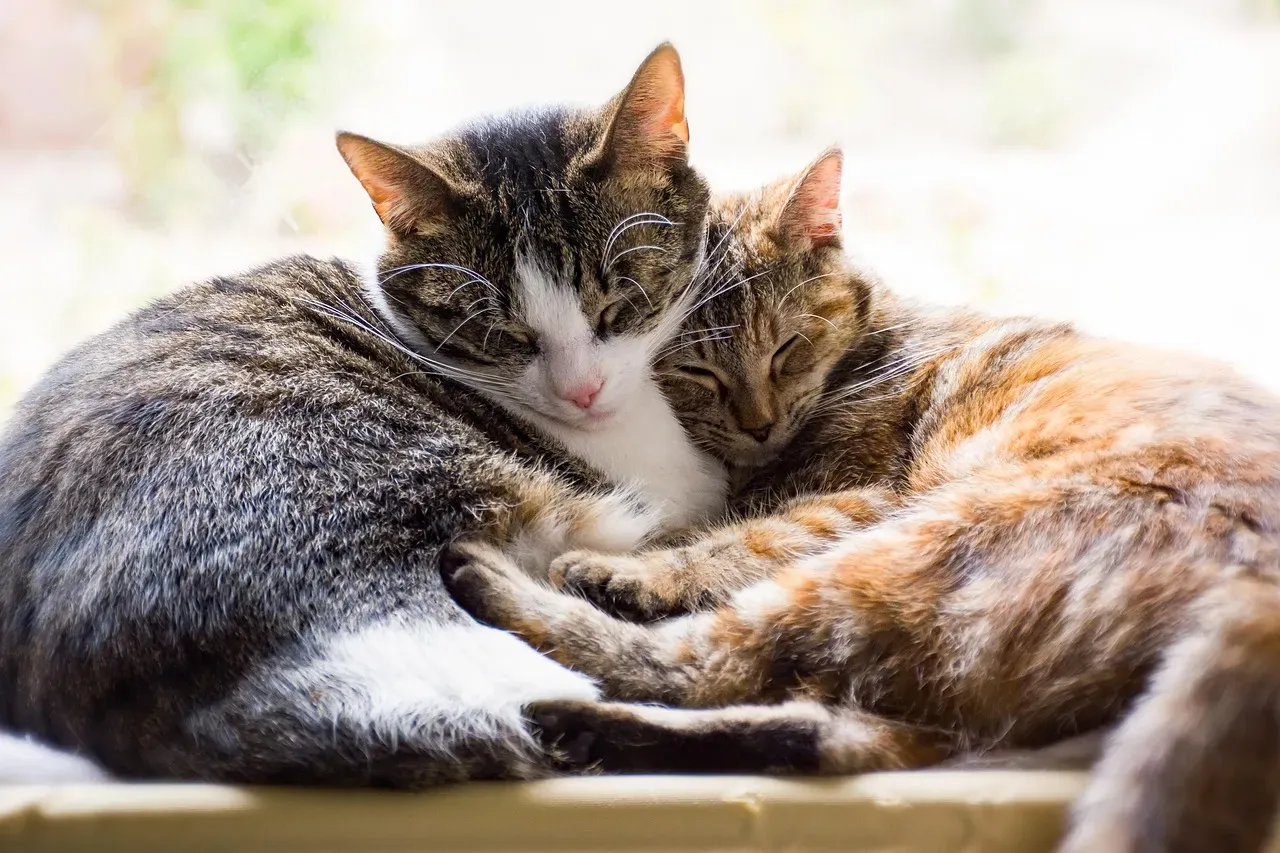
Although cats are often labeled as solitary hunters, they exhibit surprisingly social behaviors when it comes to rest – felines may prefer some independence during the day, yet they often seek out trusted companions at night, and this social sleeping tendency reveals a more communal side of feline behavior than many realize. If your cat consistently sleeps near other pets or family members, that speaks volumes.
Many cats feel safest sleeping in proximity to their person or other animals because it is harder for a predator to sneak up on a group than an individual, and for this reason, they will often change their location simply to be closer to you. Your social sleeper values community and connection. They’re not the lone wolf type. They find comfort in companionship and view their household as a safe pack or family unit.
Conclusion: Every Spot Tells a Story
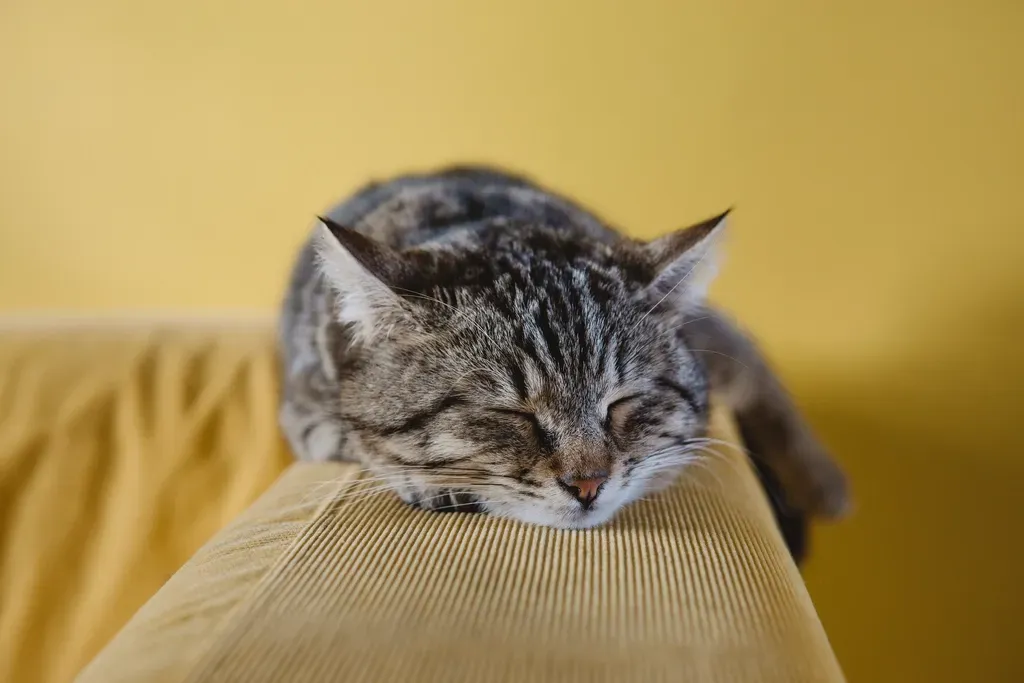
A cat’s sleeping position can be indicative of their mental and overall well-being, and the same goes for their chosen location. Whether your cat’s a high percher, box dweller, bed burrower, or sunny spot enthusiast, their preferences reveal their unique personality and how they experience their world.
A cat’s favorite location is just as revealing as the position they choose, and their sleeping position is one of the clearest clues to their personality, emotional state, and comfort level inside your home. Pay attention to these choices. Notice if they suddenly change their habits, as that could signal stress or health issues. Most importantly, respect their chosen sanctuaries. Your cat has carefully selected these spots for very good reasons. What does your cat’s favorite napping spot reveal about their personality? You might be surprised by what you discover when you start paying closer attention.