You probably never thought your cat’s afternoon snooze could tell you something profound about your relationship. Yet every time your feline friend closes their eyes, they’re making a choice that goes far deeper than simple comfort. Where your cat chooses to rest is one of the most honest, unfiltered forms of communication they’ll ever offer you.
Think about it. Cats can’t send a text message or leave you a heartfelt note. Their love language is woven into small, quiet behaviors, and sleep might be the most revealing one of all. If you’re curious about what your cat is really telling you when they curl up in a specific spot, buckle up. You’re about to see your furry companion in a completely new light. Let’s dive in.
Why Sleep Itself Is Such a Vulnerable Act for Cats
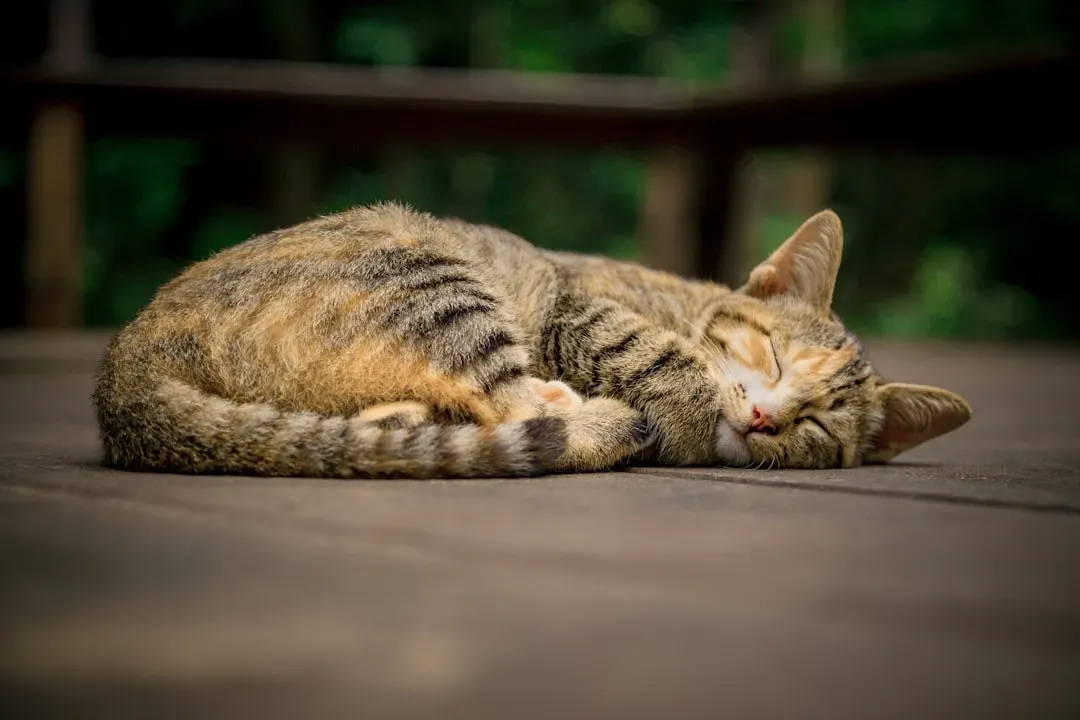
Here’s the thing most cat owners overlook: sleep isn’t just rest for your cat. It’s a moment of genuine biological vulnerability. Sleep represents the most vulnerable state for any animal, and during deep sleep phases, cats experience reduced awareness of their surroundings and slower reaction times. Choosing where to sleep, then, is one of the most security-driven decisions your cat makes all day.
Cats are naturally cautious creatures. In the wild, felines need to remain alert to potential threats. Domestic cats retain many of these instincts, and where and how they sleep is shaped by their sense of security. So when your cat relaxes enough to fully snooze near you, that’s not an accident. That’s a deliberate act of trust.
In the wild, cats are vulnerable when they sleep, so choosing to rest with you is a sign of ultimate trust and comfort. Honestly, when you frame it that way, it feels like a pretty extraordinary thing your cat is doing every single day.
When Your Cat Naps Directly on You
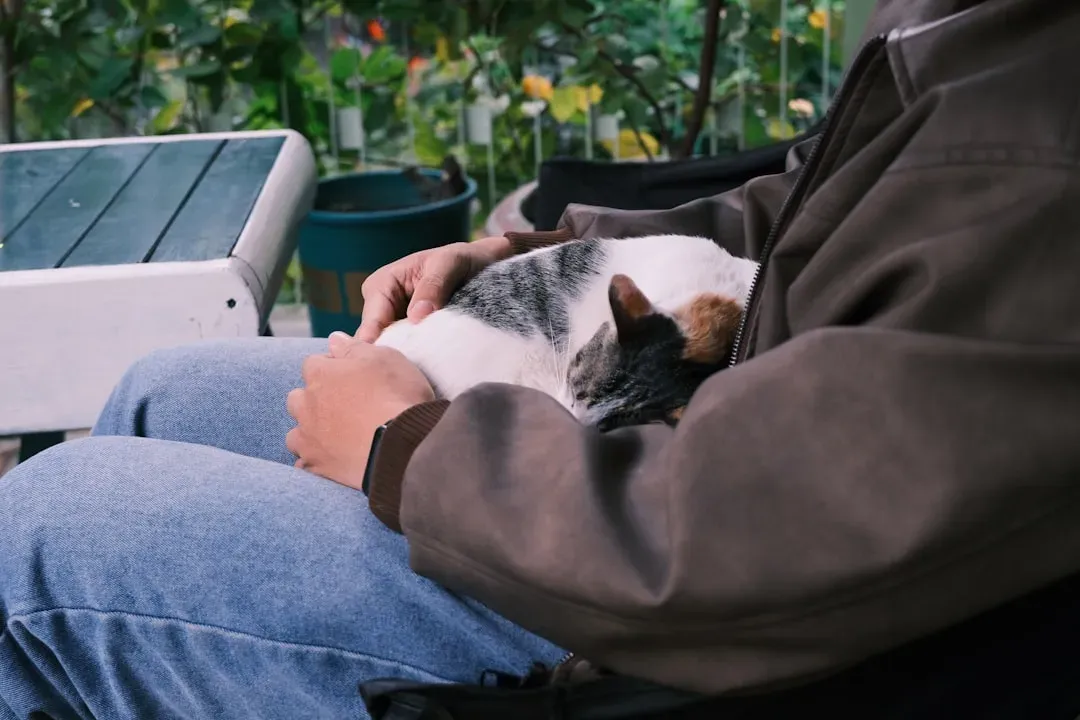
Sitting on top of you is a cat’s ultimate sign of trust. Pets only sit in the laps of people they really feel safe with. This is especially true if they nap on you. Your cat is essentially saying they trust you to protect them from any predators while they’re catching some z’s. It doesn’t get more wholesome than that.
There are many reasons your cat might sleep on your chest. If your cat is bonded to you, they may lie on your chest because they want to be close. Your cat may also want to sleep on your chest to be closer to your mouth, as your voice may provide comfort. In much the same way that the sound of a heartbeat can soothe an infant, your cat may be soothed by the sound of your heart and the rhythmic motion of your breathing.
Sleeping Near Your Head: A Scent Story
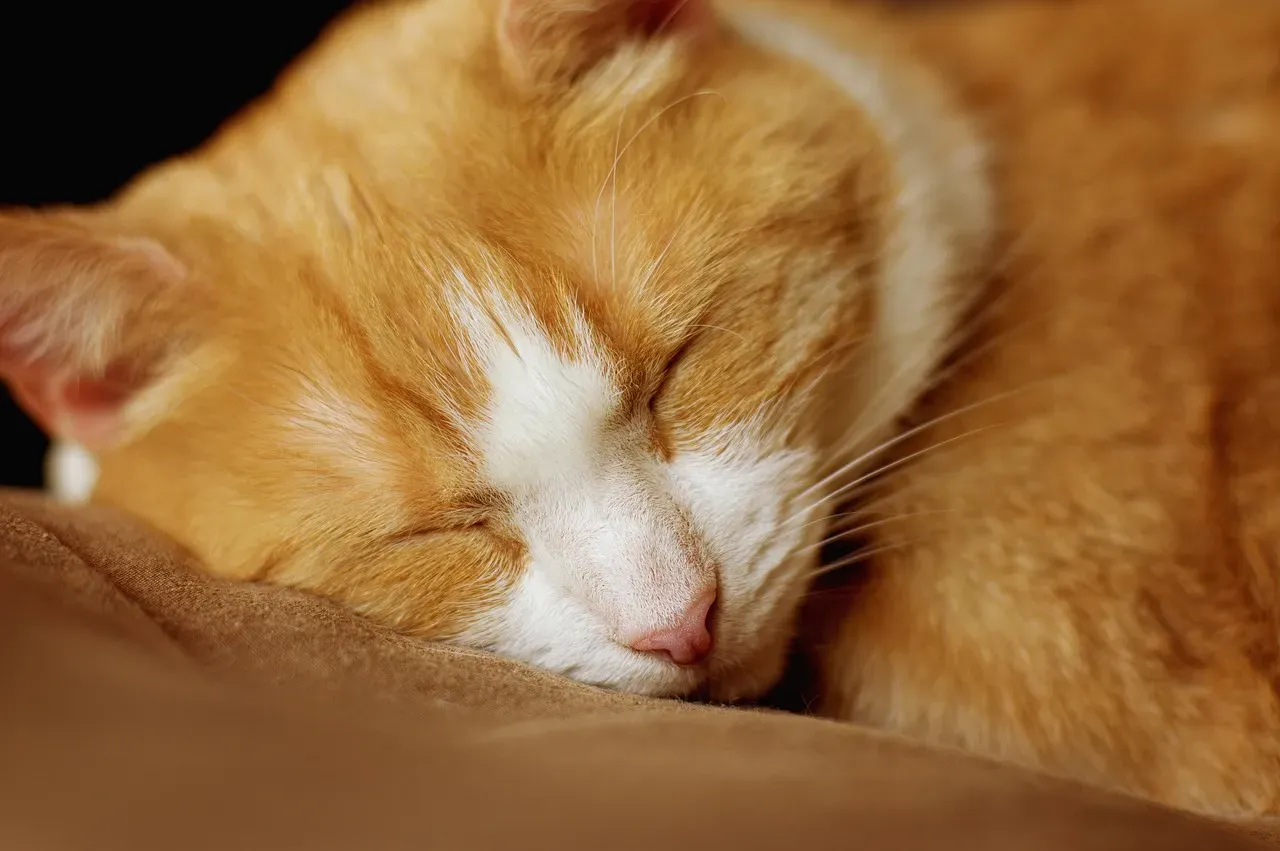
If your cat prefers to sleep close to your head, it’s not just a random habit. It’s a behavior rooted in scent, comfort, and emotional bonding. Cats are highly reliant on their sense of smell to navigate their world and establish a sense of security. Think of your scent as your cat’s personal comfort blanket. They want to be wrapped in it.
Your head specifically produces the strongest scent due to hair, breath, and skin oils, making it a natural comfort zone for your cat. The familiar aroma reassures them, creating a feeling of safety and trust. It’s also no coincidence that your head tends to move less during sleep, so your cat is less disturbed when sleeping near it.
Sleeping at Your Feet: Independence with Affection
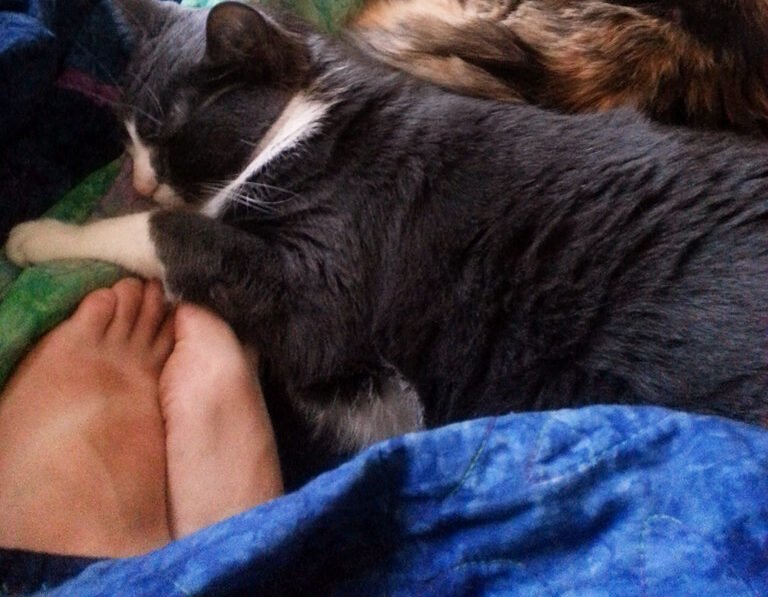
Not every cat wants to be glued to your face while you sleep, and that’s perfectly fine. When a cat chooses to sleep at your feet, this position reflects a balanced relationship characterized by mutual respect. Cats sleeping at the foot of the bed maintain physical proximity while preserving their independence. This position allows them to enjoy your company and the comfort of your bed without sacrificing their autonomy.
Sleeping by or on your feet lets your cat be close to you, but also gives them the security of an easy escape route when near the foot of the bed, couch, or chair. I think this is one of the most misunderstood napping choices cats make. A cat at your feet isn’t being distant. They’re being strategically affectionate on their own terms, and honestly, you have to respect that.
The Belly-Up Nap: The Ultimate Compliment
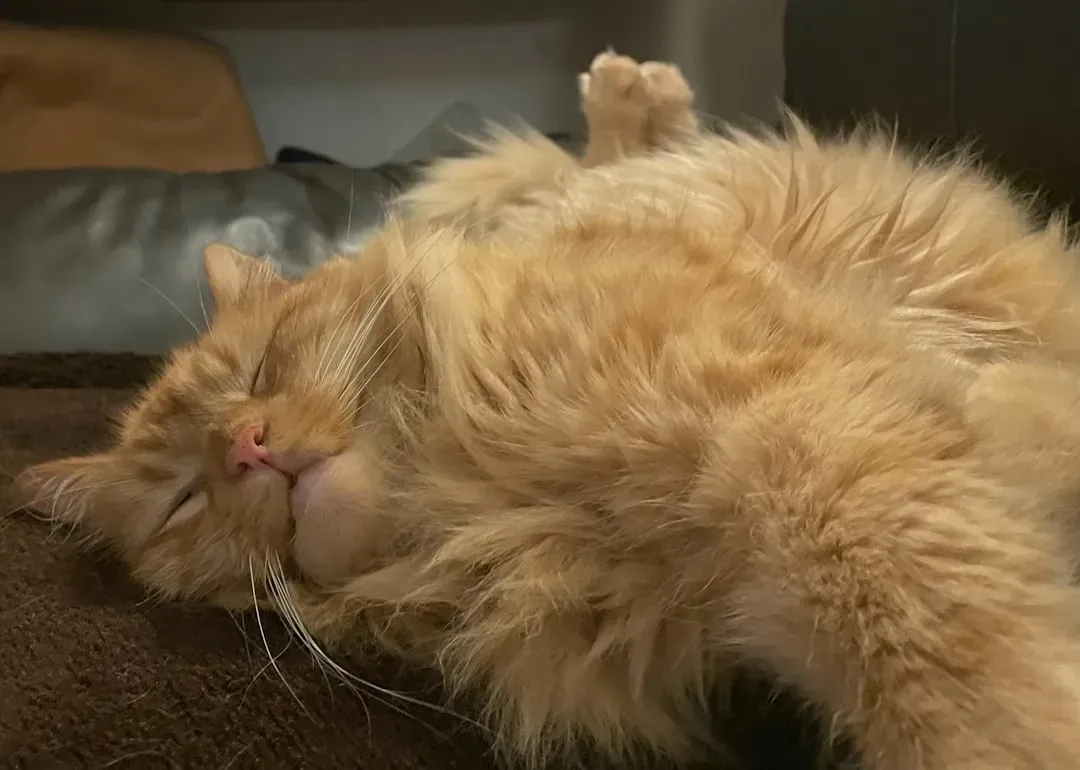
If you’ve ever watched your cat flip over onto their back and fall asleep with their belly fully exposed, you witnessed something rare and significant. When a cat exposes its belly, it’s demonstrating ultimate trust. This vulnerable position means they feel completely safe and secure in your presence. Their soft underbelly is the most unprotected part of their body. Offering it to the world takes real confidence.
When your cat sleeps on their back with their belly exposed, it signifies trust and vulnerability. It indicates that a cat has a superb connection and complete trust with their owner. Cats would do it only if they’re entirely confident about the environment and people around them. Worth noting though, a belly-up snooze is not always an invitation to rub that belly. Many cats will react defensively if disturbed during this pose, so admire it from a polite distance.
Curled Up in a Ball: Safety Mode Activated
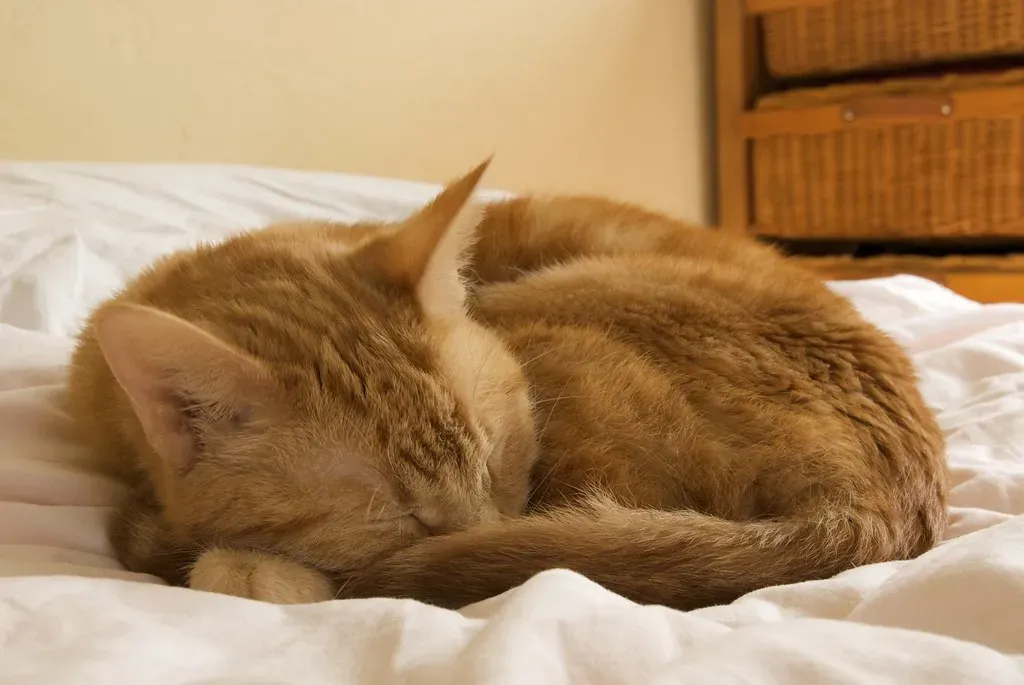
A cat curled up in a ball might seek warmth or protect its vital organs, a holdover from its wild instincts. This is perhaps the most common position you’ll see, and it carries nuanced meaning depending on where your cat chooses to do it. Doing it right next to you means something very different than doing it alone in a corner.
Cats curl up to conserve body heat and protect their vital organs. This position is an instinctive behavior that helps them feel secure, especially in unfamiliar or potentially threatening environments. If your cat curls up tightly in a spot near you but not on you, think of it like someone choosing the seat next to you on an otherwise empty bus. They want your proximity. They just aren’t quite ready for full physical contact yet.
Hidden Spots and Enclosed Spaces: What They Really Signal
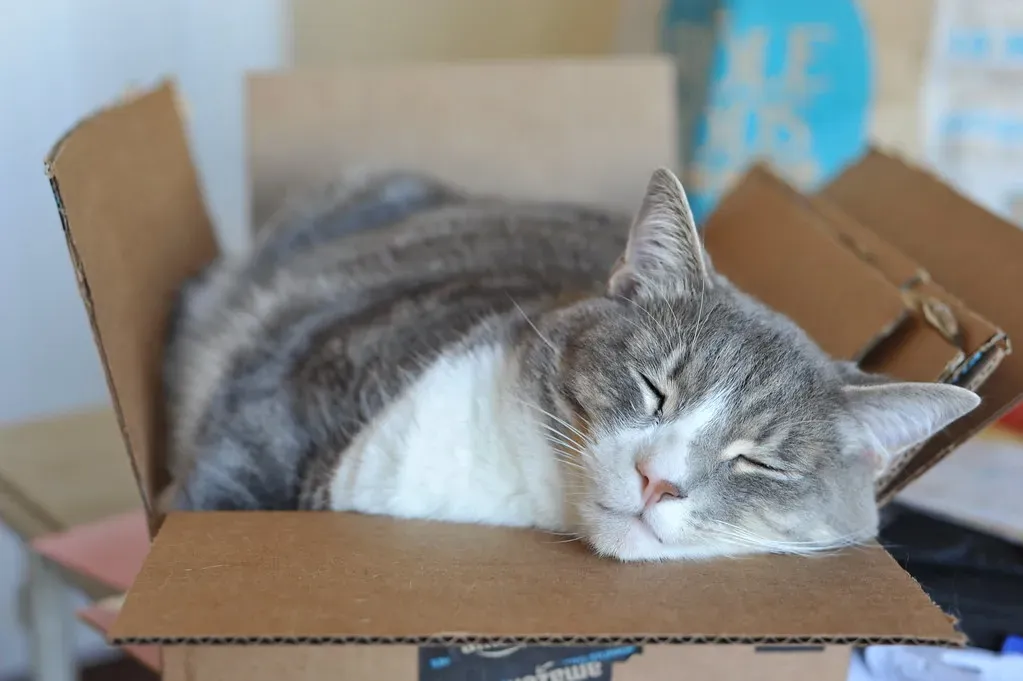
Boxes, closets, and under-furniture spaces are popular sleeping spots because they satisfy cats’ instinctive need for shelter. These enclosed areas provide a sense of security and protection, similar to the dens their wild ancestors would seek for safety. So if your cat disappears into a cardboard box for a nap, don’t take it personally. They’re simply honoring thousands of years of feline wisdom.
If a cat frequently chooses obscure or hard-to-reach places to sleep, such as under the bed or behind furniture, it may suggest they feel threatened or unsure in the environment. This is an important distinction. An occasional retreat to a cozy box is totally normal. A consistent pattern of hiding, especially if paired with other behavioral changes, might be worth paying attention to and, when in doubt, mentioning to your vet.
Elevated Perches: The Cat Who Watches Over Everything
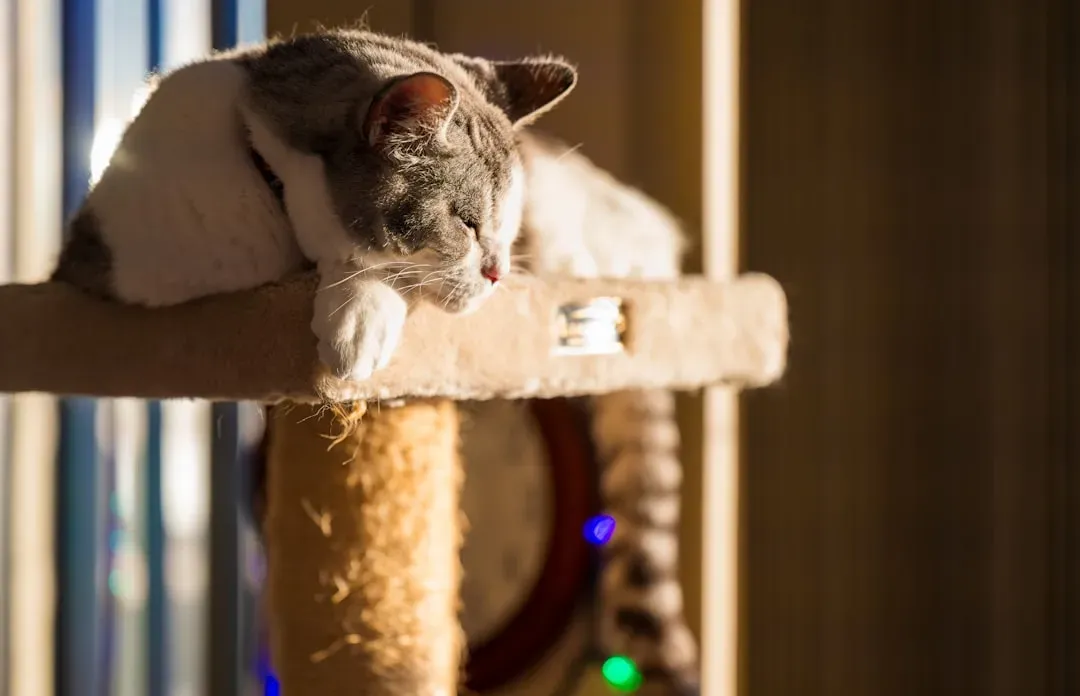
Cats love to hang out in high places so they can observe everything from a safe distance. In the wild, cats prefer high areas to stay safe from predators, and domesticated cats inherit this behavior from their ancestors. A cat napping on top of your bookshelf or the refrigerator isn’t being dramatic. They’re following deeply embedded survival logic.
Some cats prefer a spot with height so they have a good view of what is around them. It is important to provide your cats with both options, so they can go wherever they feel safest in the moment. If your cat claims your highest piece of furniture as their napping throne, consider investing in a cat tree. You’d essentially be giving them a five-star suite tailored to their instincts.
Why Cats Sleep Near Your Scent When You’re Gone
Cats have scent glands that they use to mark their territory, and by choosing to sleep on you, they’re indicating that you’re an integral part of their domain, helping them to establish safety and familiarity in their environment. It’s also about marking you with their scent, an intimate gesture in the cat world, signifying that you are a part of their trusted circle. This scent exchange works both ways, which is a fascinating detail most people never consider.
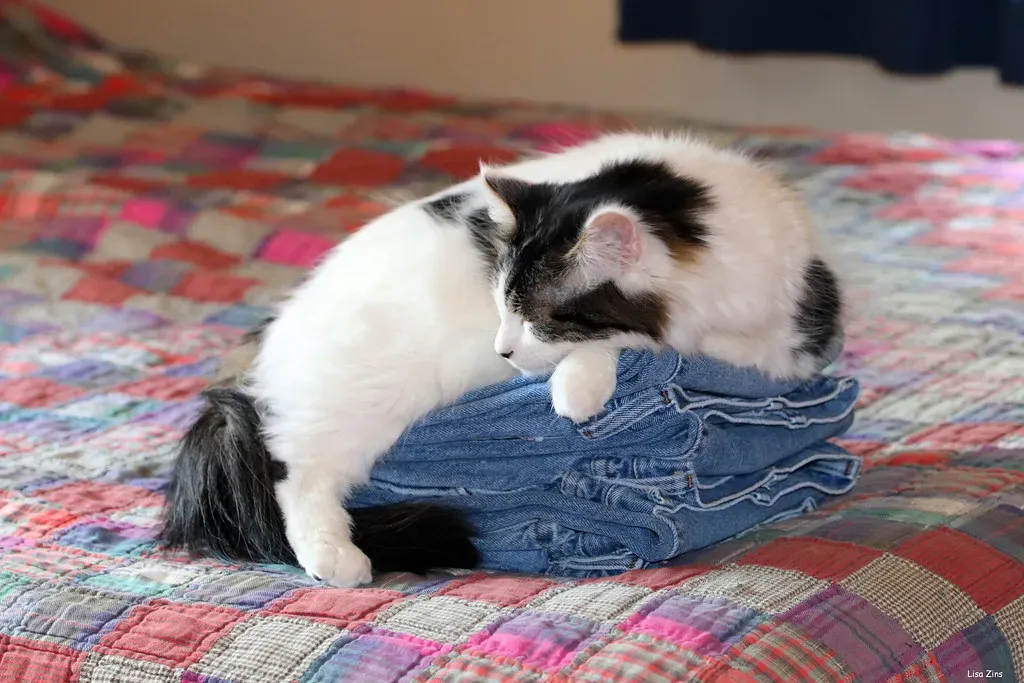
You might notice that when you leave home for a while, your cat gravitates to your clothing, your pillow, or anything carrying your smell. Don’t be surprised if you find your cat in the laundry pile. Anything that smells like you is fair game for bedding as far as they’re concerned. It’s not mischief. It’s your cat finding the nearest substitute for your actual presence, which is perhaps the sweetest thing they do when you’re not around.
Conclusion
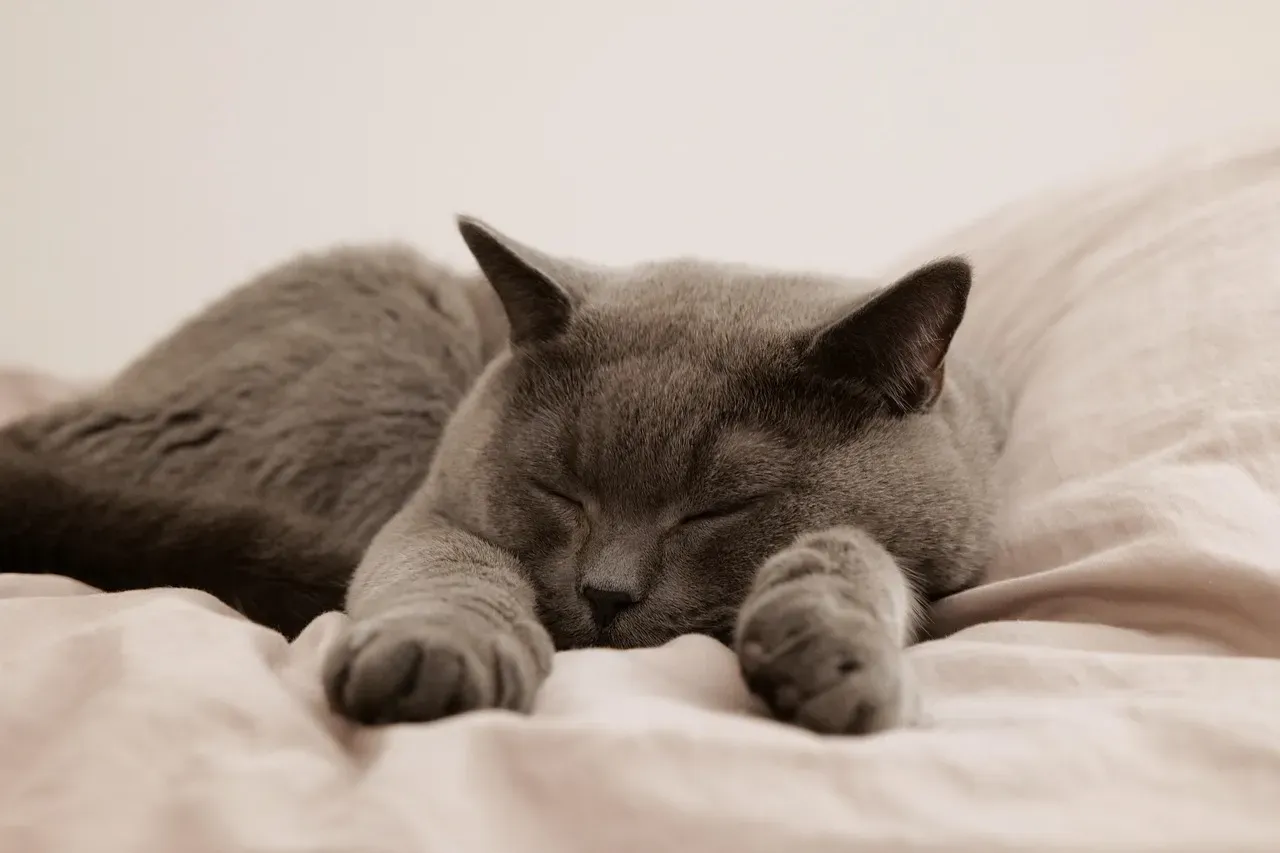
Your cat is not randomly picking a spot to crash between meals and play sessions. Every napping location is a quiet declaration, a tiny but meaningful conversation about how safe they feel, how much they trust you, and how deeply they value your presence in their world. Consistently relaxed and exposed sleep positions are signs that your feline friend feels loved, protected, and cared for.
Respecting your cat’s sleeping space by avoiding waking or disturbing them builds trust over time. A stable routine of meals, playtime, and comfort helps your cat feel at ease and encourages affectionate sleeping behaviors. The relationship you build during their waking hours shows up, quite literally, in where they choose to close their eyes.
So the next time your cat wanders over, circles once or twice, and settles down right beside you for a nap, pause for a second. You’ve earned that. They’re not just sleeping. They’re saying, in the only way they know how, that you are their safest place in the world. Now, does your cat have a favorite napping spot that surprised you? Tell us in the comments.