You probably glance at your cat curled up on the couch and think nothing more than “aww, that’s cute.” But honestly, that little furball is running a surprisingly sophisticated inner monologue every time they choose where to sleep. Their napping habits are not random. Not even close.
Your cat’s sleeping position and location are actually among the clearest clues to their personality, emotional state, and comfort level inside your home. Cats communicate through posture long before they vocalize anything. So if you’ve ever wondered why your cat picks the exact same sun-warmed corner of the sofa, or why they suddenly abandoned their usual bed – stick around. The answers are way more fascinating than you’d expect. Let’s dive in.
Why Cats Sleep So Much in the First Place
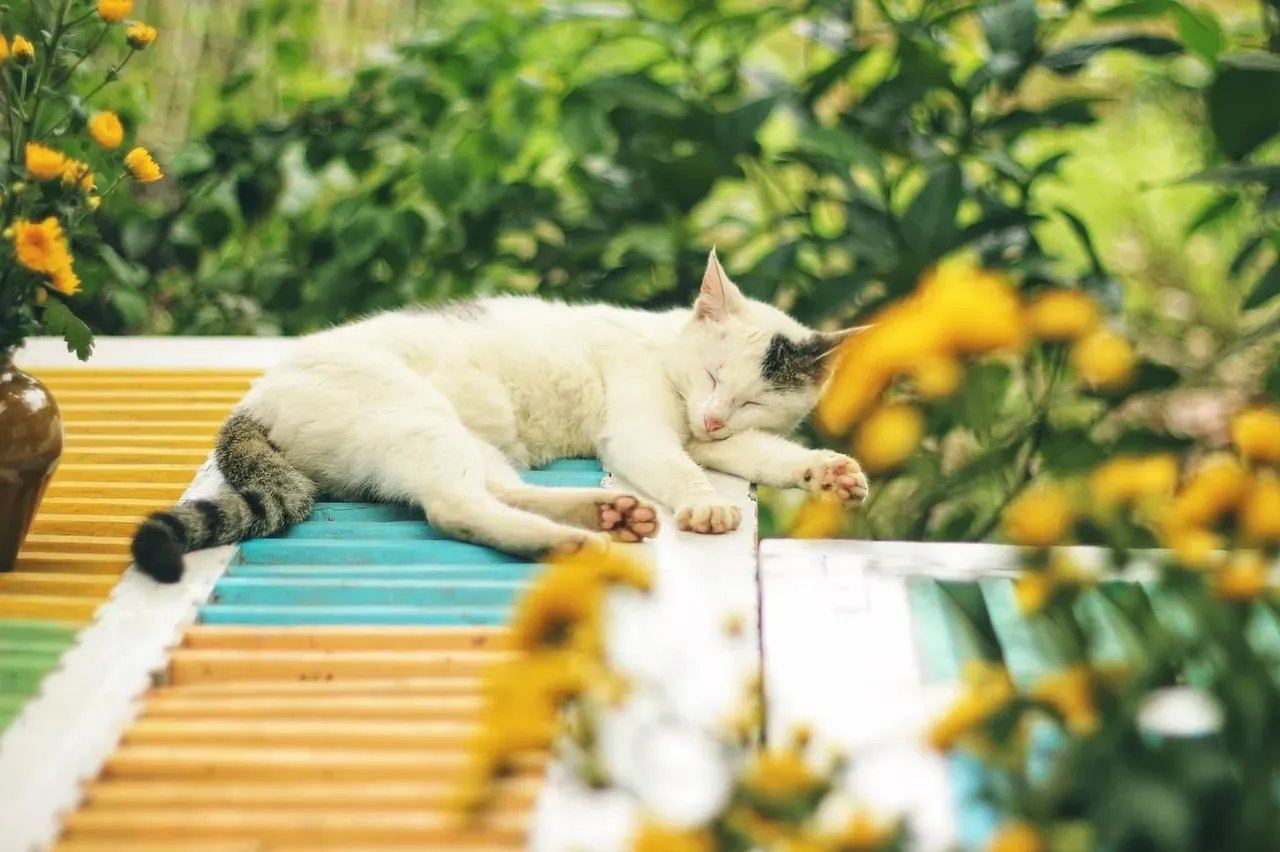
Let’s be real – you’ve probably wondered whether your cat is secretly broken. They sleep, wake up for ten minutes, eat, and then sleep again. It can look almost absurd.
Cats sleep anywhere from 12 to 18 hours per day, and it makes complete sense that they would seek the ultimate in comfort and security for this important endeavor. The reason goes back to their evolutionary wiring.
It has to do with their evolutionary history. Your cat’s wild ancestors were hunters, and like their wild cousins, cats may sleep lightly and remain semi-alert while dozing, their instincts guiding them to stay aware of approaching predators or prey.
Cats need plenty of sleep to recharge their bodies and minds. During sleep, their bodies repair tissues, consolidate memory, and release hormones that regulate various bodily functions. Think of it less like laziness and more like your cat running a very efficient biological maintenance program.
The Curled-Up Ball: Comfort, Security, and a Little Independence
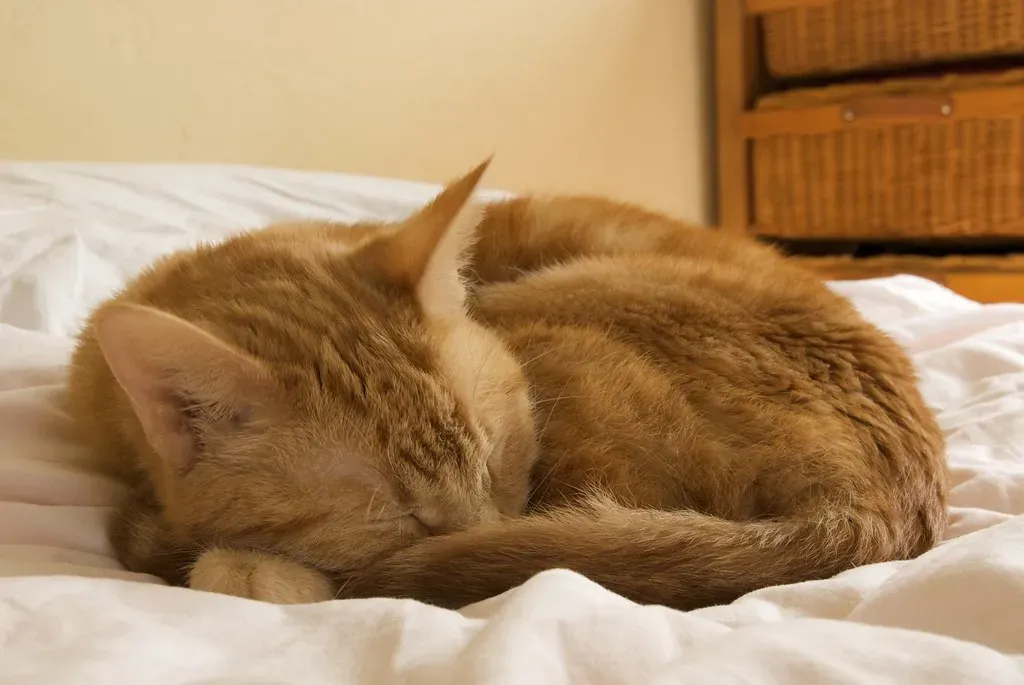
You’ve seen it a thousand times. Your cat winds themselves into a perfect circle, tail wrapped around their body like a little self-contained package. It’s adorable, but it’s also deeply revealing.
Cats often sleep curled up in a ball, with nose to tail. Cats like to be warm, and this shape helps them retain body heat. This position also protects vital organs in their abdomen by surrounding them with less essential and more resilient muscle and bone.
If your cat tends to curl up tightly in a ball while they sleep, they are likely seeking comfort and security. This position mimics the fetal position and is a sign that they feel safe in their environment. Cats who sleep this way often enjoy having their own private space where they can feel protected. If this is your cat’s favorite sleeping posture, it might indicate that they’re naturally more reserved and independent.
The Belly-Up Position: Trust on Full Display
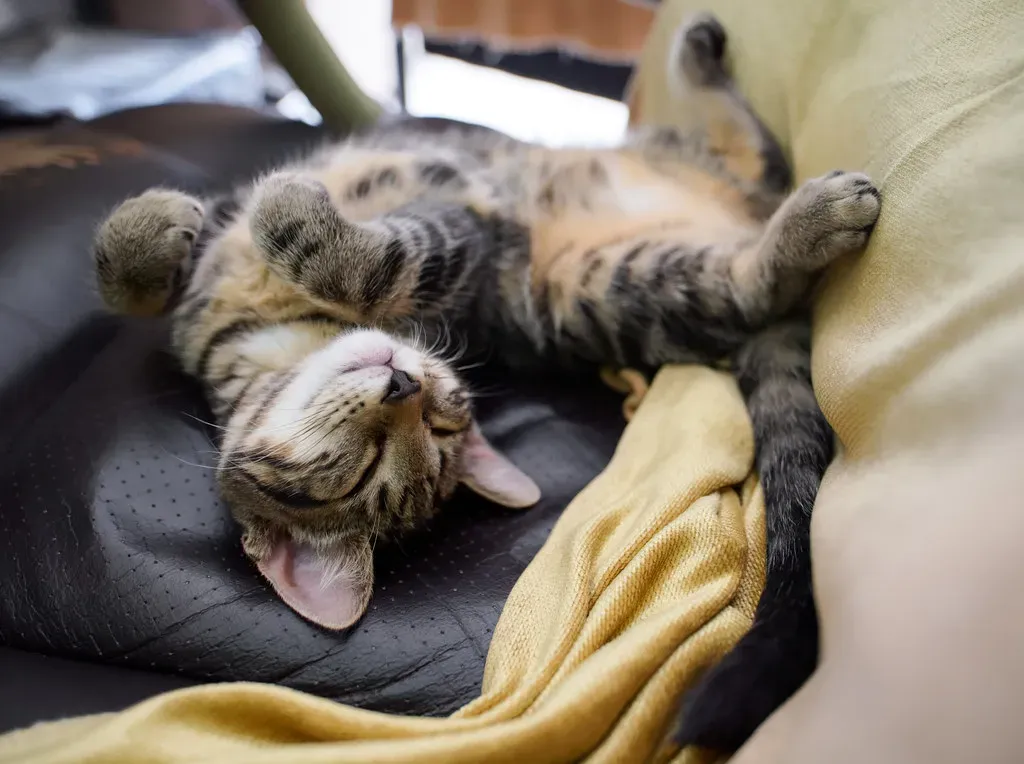
Few things in the world of pet ownership are more gratifying than watching your cat flip onto their back and expose their soft, fluffy belly. It feels like a gift. And honestly, it kind of is.
You’ve probably seen your cat sleep on their back, with their front legs either resting on their belly or outstretched over their head, and their belly fully exposed. Cats instinctively protect their vulnerable organs, so if a cat is sleeping with their belly exposed, it means they feel very safe and confident.
This position means your cat is feeling safe, relaxed, and deeply bonded with the space and humans around them. It’s common in cats who have predictable routines and calm environments. One important note though: don’t take that exposed belly as an open invitation for a rub. A cat laying on their back with an exposed belly is a mood and a message – but it’s not an invitation for a belly rub, unless you like living dangerously.
Sleeping on Your Chest or Near Your Head: The Bond Revealed
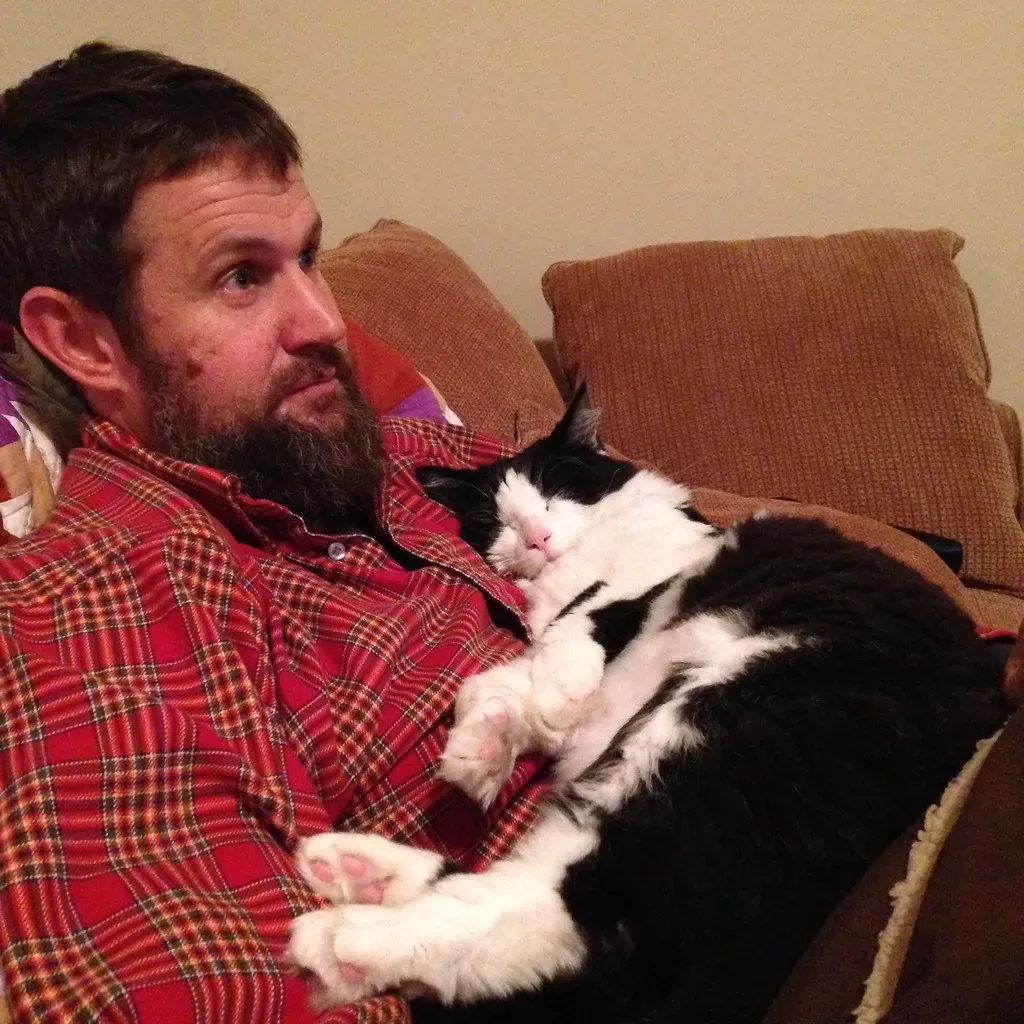
I think there’s nothing quite as touching as waking up to find your cat sound asleep on your chest, rising and falling with your breathing. It feels impossibly tender. Turns out, that’s because it genuinely is.
Research suggests a cat’s choice to sleep on your chest is based on the rhythm of your heartbeat, trust, stress relief, and their ancestral behaviors. Cats are highly sensitive to rhythmic sounds, and few things are as calming as the steady rhythm of a heartbeat and the gentle rise and fall of breathing. Much like how newborn kittens seek the warmth and heartbeat of their mother, adult cats may find similar comfort in their human.
Cats who sleep on your chest are drawn to your warmth, heartbeat, and breathing rhythm. Adult cats who chest-sleep often express deep attachment, as these sensations mirror what kittens experience while nursing. Chest sleepers tend to be the most bonded to their primary caregiver. And if they nap near your head instead? Sleeping by your head or on your pillow means your cat is seeking your scent at its strongest concentration, as your face and scalp release natural oils that your cat associates with comfort and familiarity.
High-Up Perches and Elevated Spots: The Ruler of the Domain
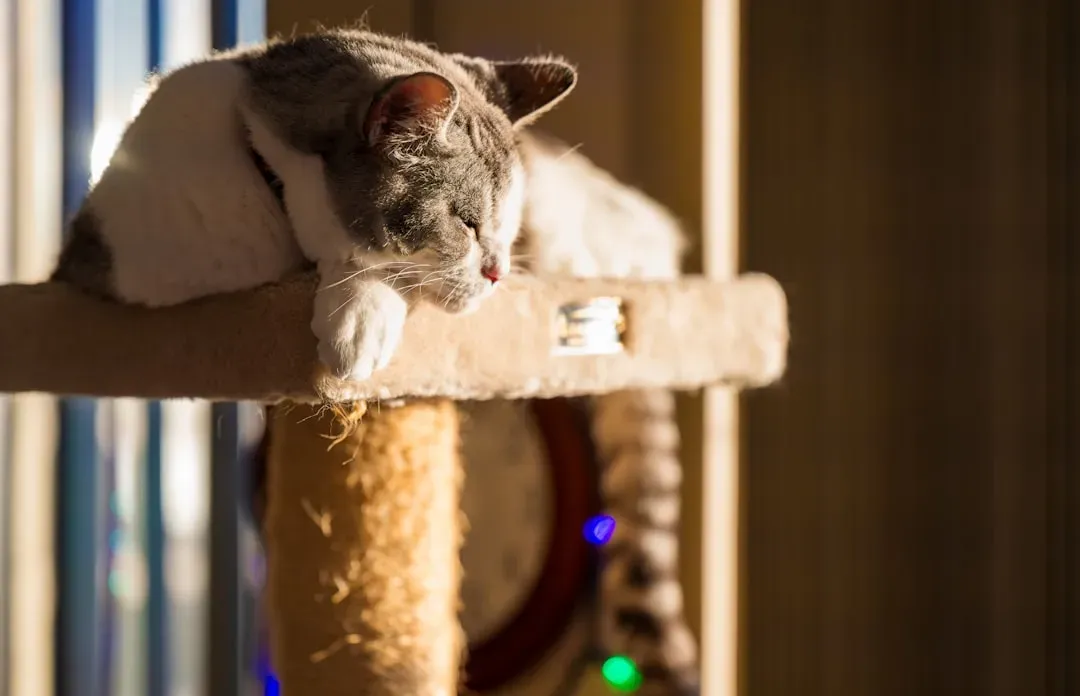
Does your cat chronically commandeer the top of the refrigerator, the highest shelf in the bookcase, or the back of the sofa? There’s a reason it’s always the highest point in the room, and it has nothing to do with annoying you.
From a high spot, your cat can survey their domain like a miniature ruler on a throne. They can see who’s coming, who’s going, and what’s happening in every corner of their territory. This gives them a sense of control and ownership, satisfying a deeply ingrained behavioral instinct to protect their space.
Believe it or not, just as executives flaunt their status with coworkers by securing the best office in their company, cats cement their position by securing the top of the cat tree or tower. The cat with the highest spot in the house is generally the most dominant. This is especially true if you have multiple cats in your home. So that smug look on their face while they gaze down at you? Entirely justified, from their perspective.
Hiding Under Beds or in Corners: Reserved, Not Broken
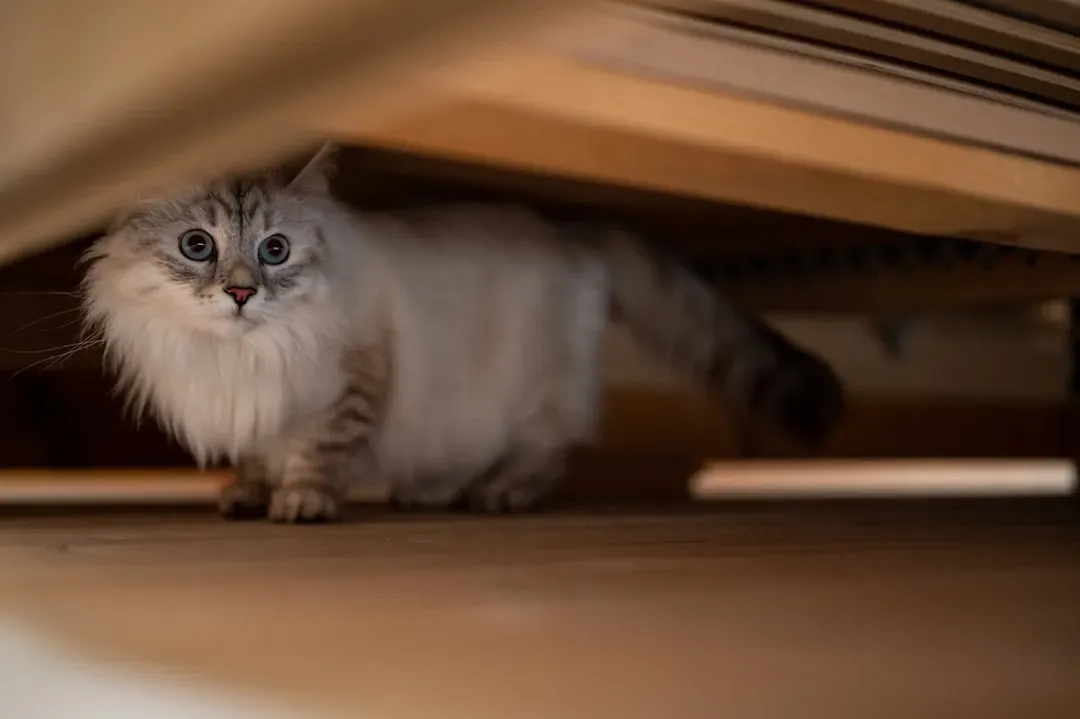
Some cats are just not the type to sprawl out in the middle of the living room. If your cat prefers to tuck themselves under the bed frame or behind a piece of furniture, it doesn’t mean something is wrong. Usually.
If your cat sleeps tucked away in a corner or under furniture, they may be more cautious or introverted. This position allows them to observe their surroundings without being exposed, which is ideal for a more reserved cat who likes to keep their distance from potential threats. It’s a sign that your cat may prefer to take things slow and might not be the first to jump into new situations or meet new people.
Other cats may prefer to sleep in confined spaces, such as cardboard boxes or cozy cat beds. These confined spaces provide them with a sense of security and mimic the feeling of being hidden away in a safe den. Think of it like a cat’s version of a blanket fort. They’re not antisocial. They’re just strategic introverts.
The Loaf Position: Watchful and Waiting
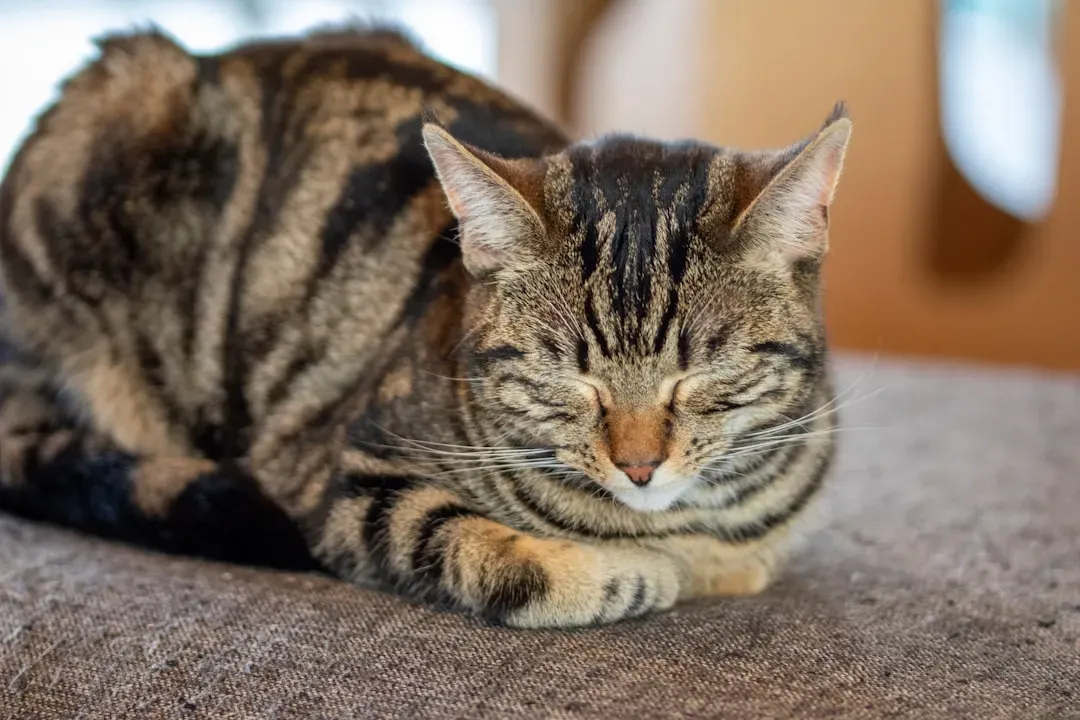
There it is – your cat sitting perfectly upright with their paws tucked neatly beneath their chest, looking like a very judgmental loaf of bread. It’s one of the most iconic cat poses out there, and it carries a very specific message.
Your cat will keep their front paws curled underneath the body. If you catch your cat sleeping in the loaf position, know that they are relaxed, but are ready to spring into action if needed. It’s the feline equivalent of sitting down while still keeping one eye on the door.
In this position, your cat is probably taking a quick cat nap and is not in a deep sleep. They’re still alert to their surroundings, even despite appearing completely chill. It’s actually how they protect their vitals from a potential predator. While in the Cat Loaf position, your furball is also conserving body heat. So next time your cat sits there looking vaguely unimpressed, know they’re just efficiently managing their energy reserves.
When Your Cat Switches Napping Spots Suddenly
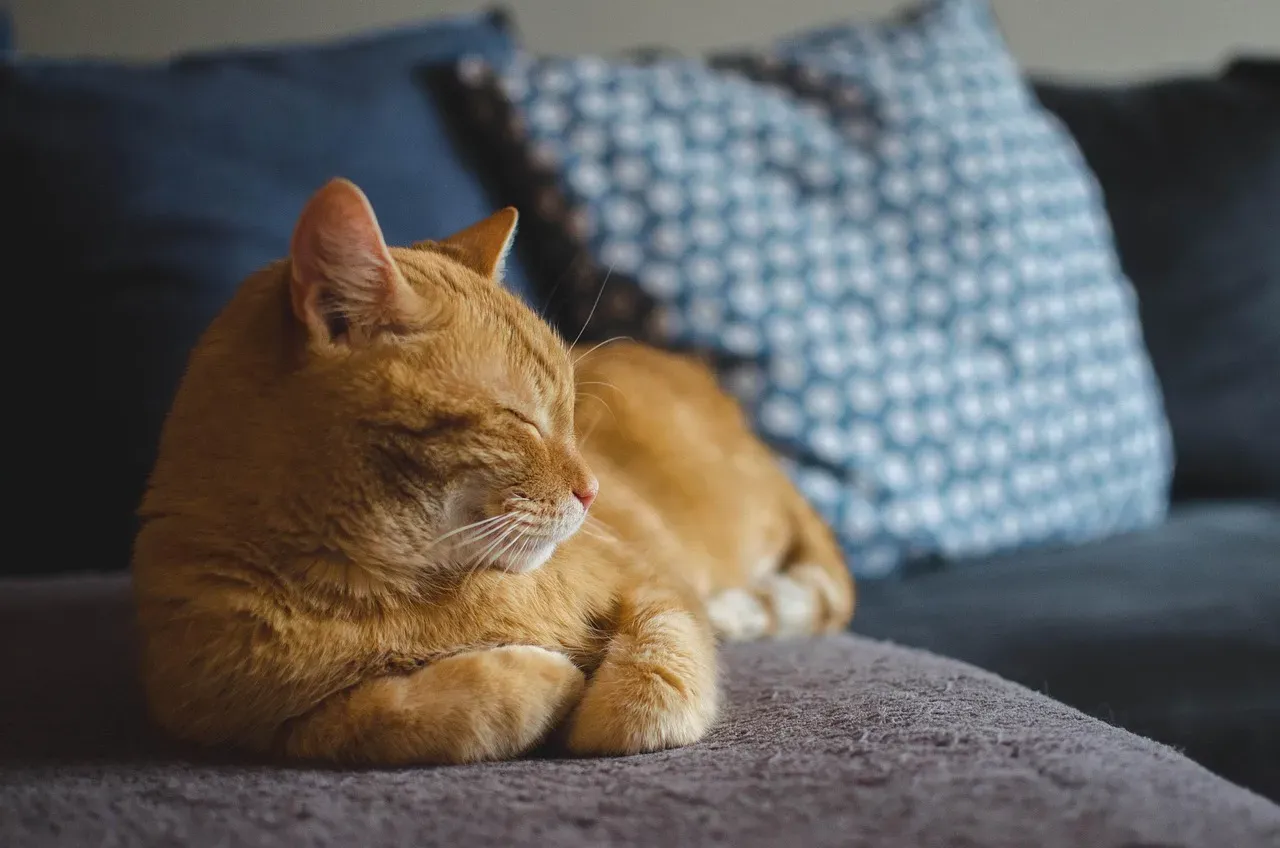
Here’s where things get more serious. It’s one thing if your cat rotates between five favorite spots around the house – that’s actually pretty normal. It’s quite another when they suddenly disappear to unusual locations they never used before.
Every cat has preferred resting spots. The signal is not that your cat hides – it’s that the spots have changed. A cat who now rests behind the washing machine instead of on the sofa, or who retreats to the back of a wardrobe rather than their usual perch, is telling you that their normal environment no longer feels safe. This is one of the earliest signs of chronic stress and one of the most overlooked.
Certain sleep patterns can indicate health issues. A cat that suddenly starts sleeping in a hunched, tense position, hides in dark or enclosed spaces more than usual, or stops stretching out entirely may be in pain. Combined with changes in appetite, grooming, or litter box habits, altered sleeping behavior is a good reason to schedule a vet visit. Your cat can’t tell you something hurts. Their sleep habits often speak for them first.
How to Create the Perfect Napping Environment for Your Cat
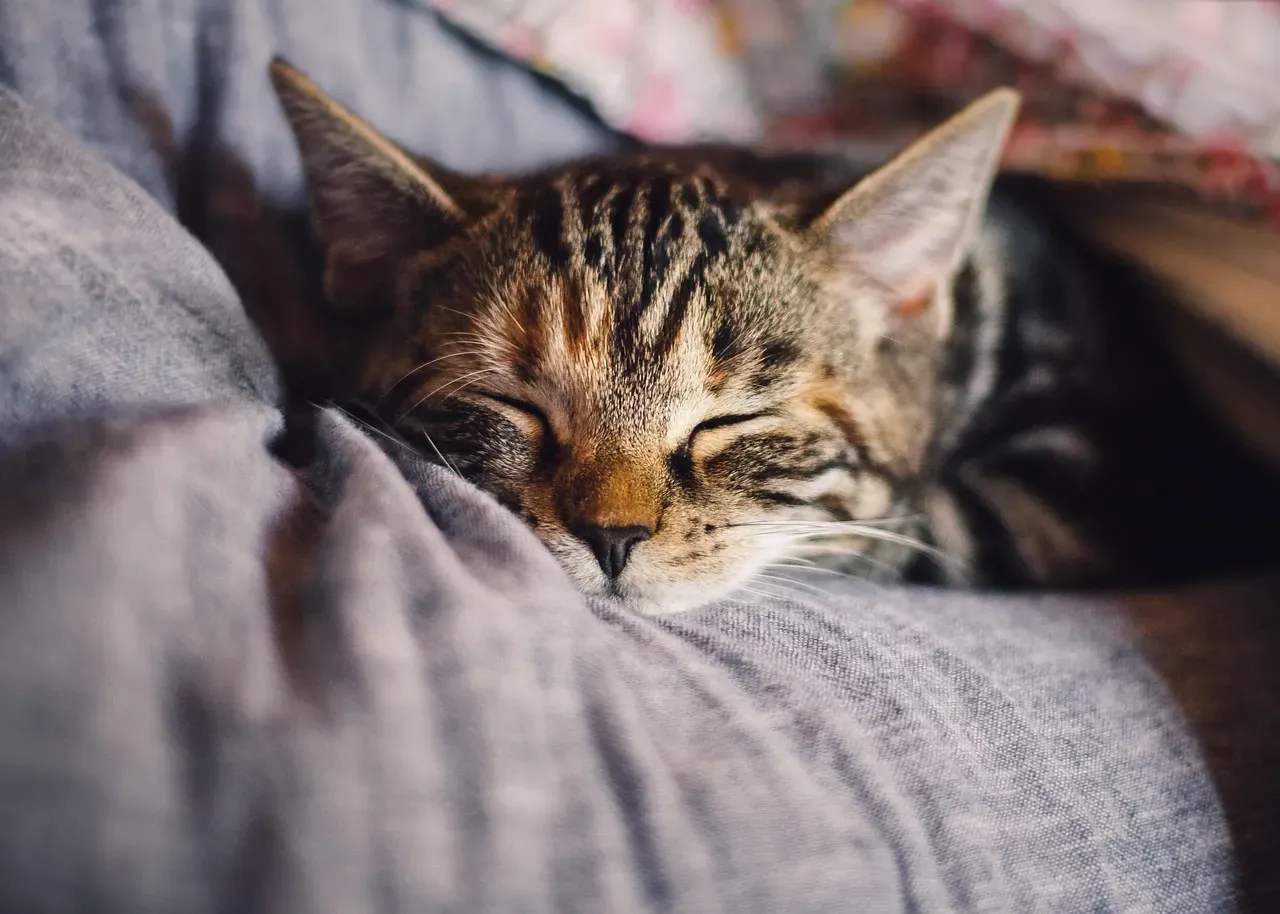
Once you understand what your cat’s napping preferences reveal, you can actually use that knowledge to do something useful with it. Creating an environment that genuinely supports how your cat wants to sleep is one of the kindest things you can do for them.
Improving your cat’s sleep environment helps improve their mood, confidence, and overall well-being. Cats prefer warm, soft textures. Think layers. Think warmth. Think spots that feel like they have walls on at least one side.
When you provide multiple elevated surfaces – cat shelves, tall furniture, window hammocks – you’re essentially expanding your cat’s usable territory in a vertical direction. This can relieve tension and reduce territorial disputes, especially in smaller homes or apartments where floor space is limited. A cat with access to the spots they genuinely want is a measurably calmer, more confident creature. Routines reduce anxiety and help a cat settle into deeper sleep cycles. Consistency is practically medicine for them.
Conclusion
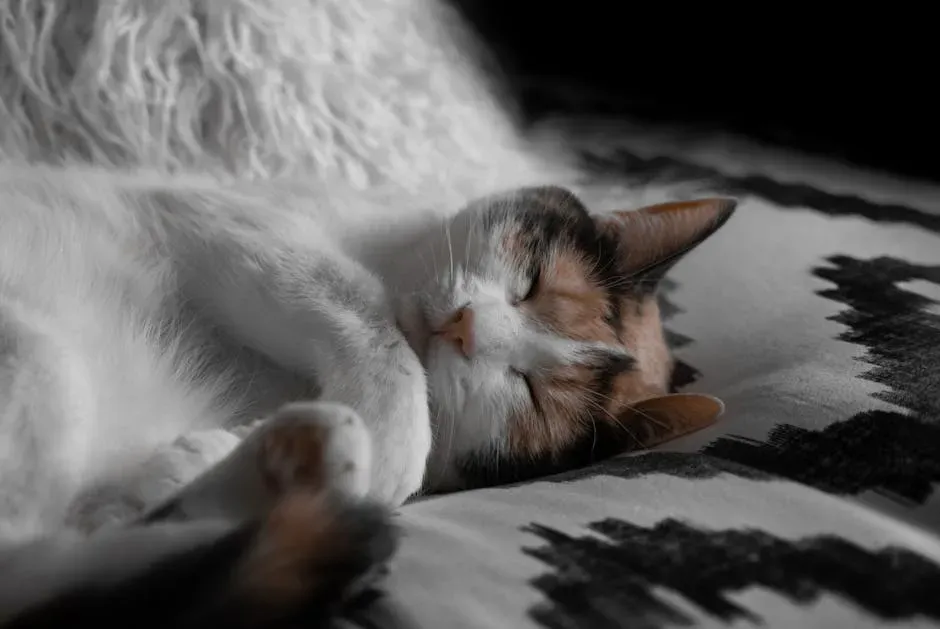
There is something quietly remarkable about the fact that your cat, draped across your laundry or tucked into the corner of the couch, is communicating volumes without making a single sound. Every spot they choose, every position they curl into, carries the weight of instinct, emotion, and trust. They are not just napping. They are telling you exactly how they feel about the world around them – and about you.
Pay attention to those small, sleepy choices. Not obsessively, but with the gentle awareness of someone who genuinely wants to understand a creature that doesn’t share their language. Because the moment your cat flops belly-up on your bed, or presses against your heartbeat while you sleep, that’s not randomness. That’s devotion in its quietest, most feline form.
What does your cat’s favorite napping spot say about them – and did you ever suspect it meant this much?