You walk into the living room, and there she is again. Your cat is sitting in the exact same corner of the couch, the same sunny patch on the windowsill, or perched on top of the bookshelf like a tiny emperor overlooking a kingdom. You probably think she just likes it there. Maybe it’s warm. Maybe it’s soft. Honestly, you wouldn’t be wrong, but you’d be missing more than half the story.
The truth is, your cat is far more calculating than most people give her credit for. Every single spot she claims is the result of instinct, sensory intelligence, and deeply rooted survival behavior that goes back thousands of years. There’s a whole strategy unfolding right under your roof, and it’s way more fascinating than a simple nap. Let’s dive in.
The Wild Ancestor Still Lives in Your Living Room
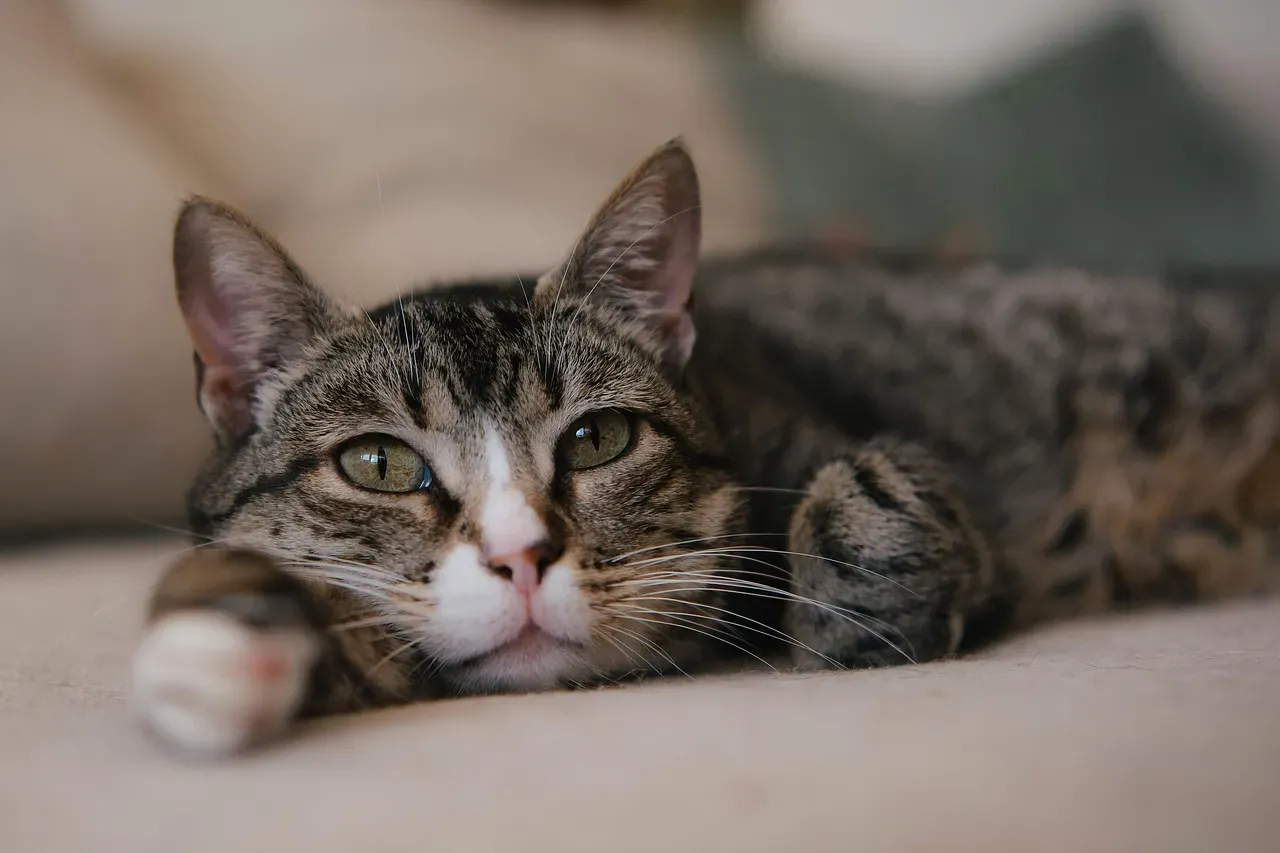
Here’s the thing most cat owners forget: your domestic cat may look like a fluffy couch companion, but her brain is still largely wired for the wild. Cats’ affinity for specific high and strategic spots can be traced back to their evolutionary history, as domestic cats are descended from wild ancestors such as the African wildcat who thrived in environments where survival depended on keen observation and strategic positioning. That drive to find the “right” spot didn’t disappear the moment your cat came inside and discovered central heating.
In the wild, cats are natural and predatory hunters. They are carnivores, no matter how long their ancestors have been domesticated as household pets. Even if your beloved cat has never had to hunt or search for food to survive, their natural instinct still holds strong. So when your cat picks a specific nook in the house and defends it with quiet authority, she’s not being weird or antisocial. She’s being exactly what evolution designed her to be.
The Concept of a “Core Territory” Is Very Real
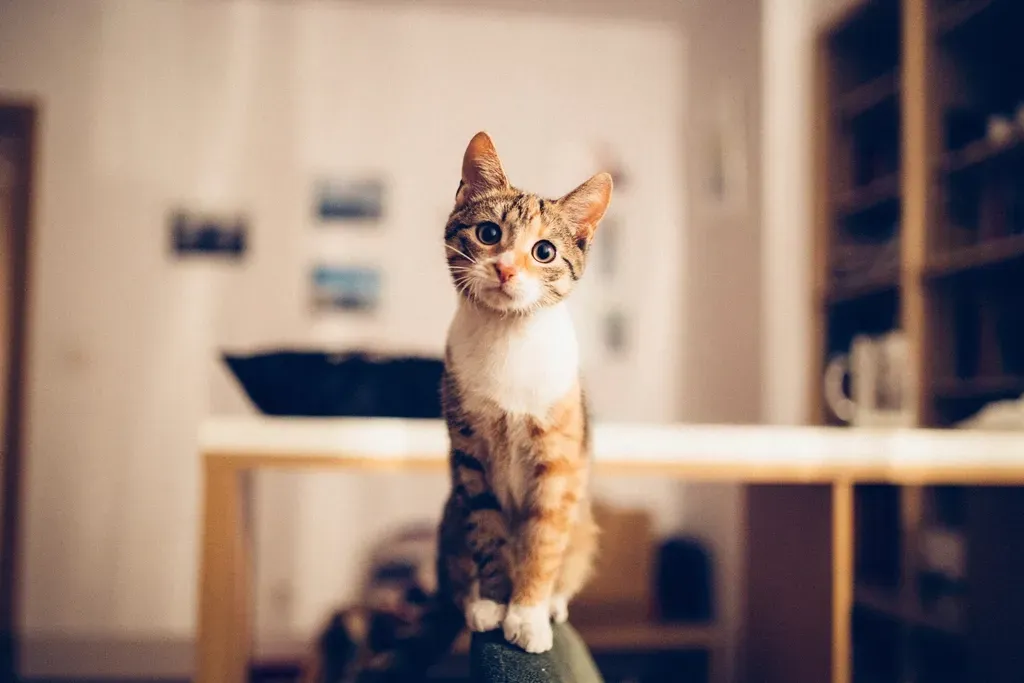
Cats view their home range as different types of territories. Their core territory is where the cat feels completely safe and secure, such as their bed or their litter box. Their hunting territory is a larger area and is where your cat knows he will eat or drink. If your cat were in the wild, this area may be quite large, but because your cat is domesticated, this is typically an area of your home or your yard. Think of it like a layered map that only your cat can fully read.
Cats are territorial animals. In the wild, a cat establishes an area where it sleeps and eats – its home base – and where it hunts and mates – its home range. The territory radiates from the home base, and its size generally relates to the availability of food. If food is plentiful, it does not need a large home range, but if food is scarce, it does. In your home, your cat is doing exactly this same mental mapping, just without the actual hunting part. Mostly.
Elevation Equals Authority in Cat Language
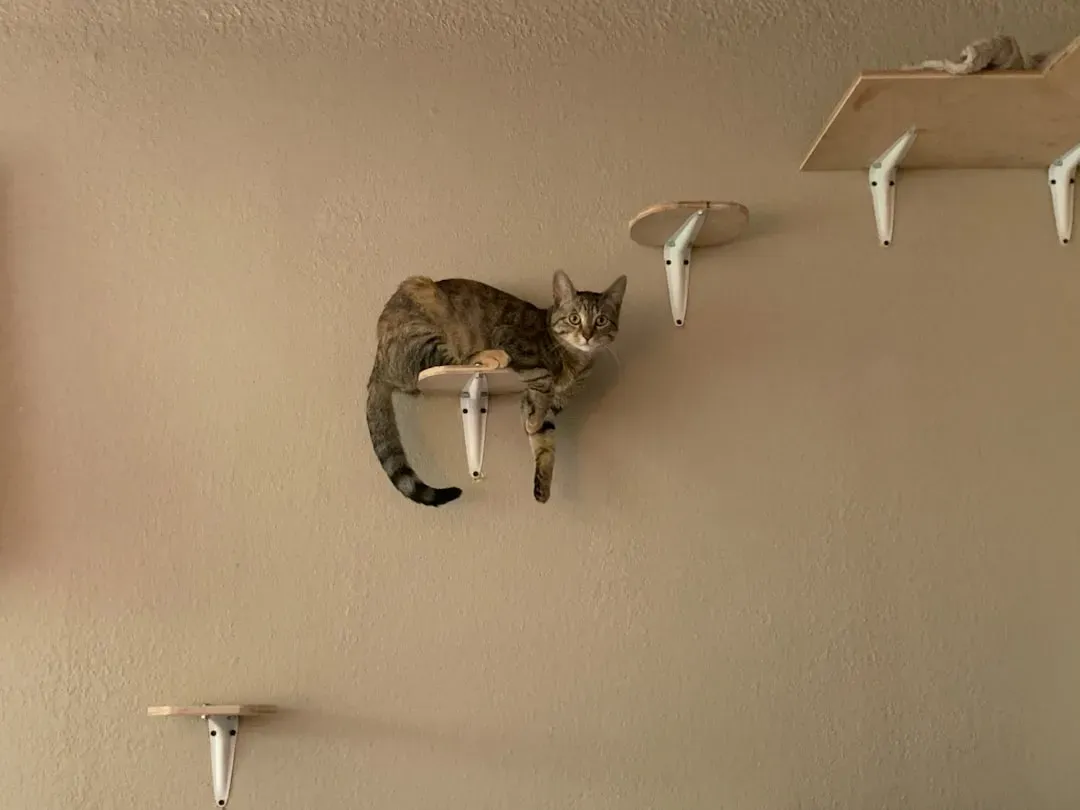
If you’ve ever wondered why your cat always goes for the highest shelf rather than the perfectly comfortable bed on the floor, the answer is surprisingly straightforward. Cats’ affinity for high places is not just a quirky preference but a deeply ingrained behavior shaped by their evolutionary history and survival instincts. That bookshelf isn’t a random choice. It’s a throne room.
Cats are territorial by nature, and high places play a critical role in how they monitor and manage their environment. In the feline world, whoever occupies the highest vantage point often holds the social advantage. That’s why in multi-cat households, you’ll frequently find the dominant cat lounging on the tallest perch while others settle for lower ground. When cats are experiencing stress or even illness, they might seek out high spots more often in order to feel safe and secure. This is one reason why providing ample and accessible elevated spaces is so important for cats.
Your Cat Is Constantly Running a Security Assessment
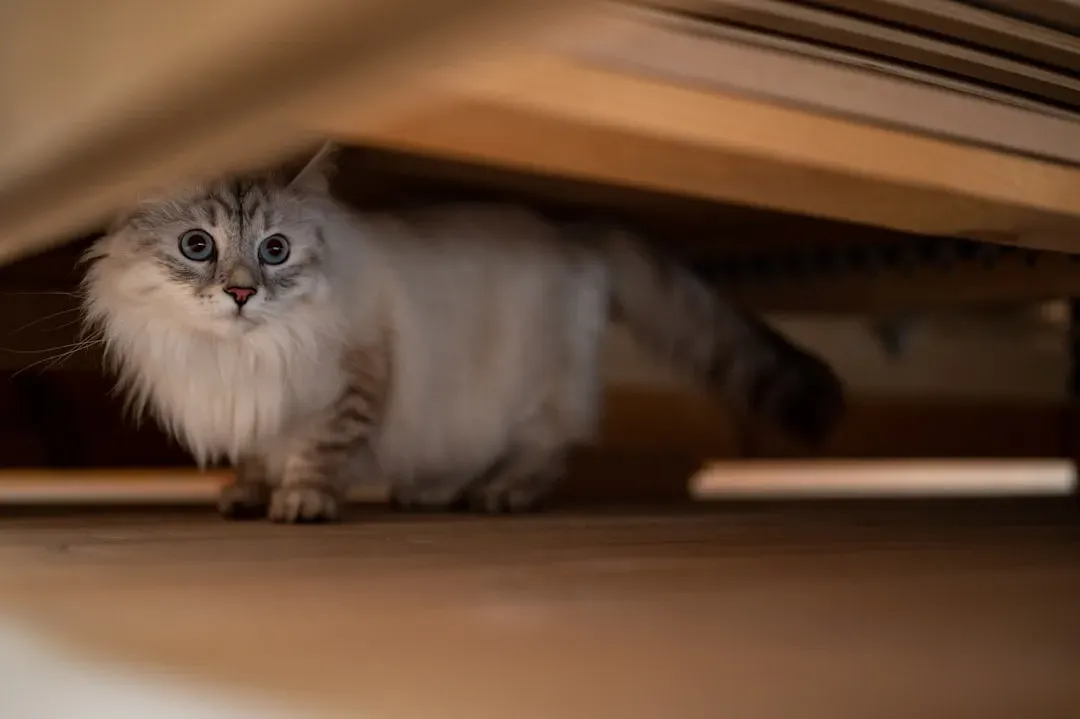
I know it sounds a little dramatic, but every spot your cat settles into has been vetted like a military checkpoint. Cats are instinctively cautious animals that prioritize their safety above all else. They often choose spots where they feel hidden or protected, such as under furniture or in a high place. These areas provide a sense of security, shielding them from sudden movements or perceived threats. That corner behind the sofa isn’t laziness. It’s a bunker.
Research found that felines often select sleeping spots that allow them to feel close to their human while maintaining an easy escape route. This explains why many cats position themselves at the foot of the bed – they enjoy your presence but also want the ability to move freely if needed. It’s a bit like choosing a seat at a restaurant near the exit. Smart, not antisocial. Your cat just happens to do this analysis every single time she parks herself somewhere new.
Scent Marking Turns a Spot Into a Personal Statement
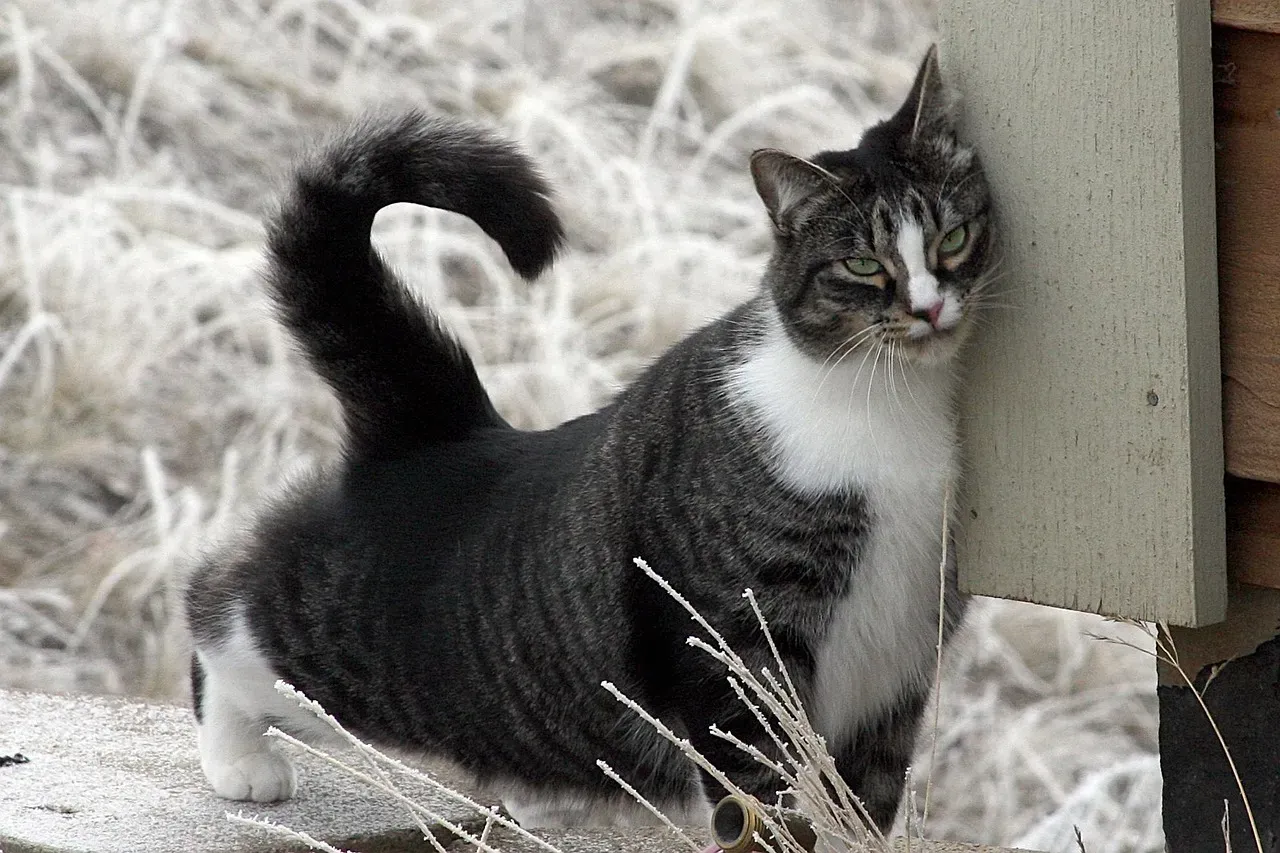
Here’s something that might blow your mind a little. When your cat settles into her favorite chair and rubs her face on the armrest, she isn’t just getting comfortable. She’s signing her name. Cats are highly territorial animals, and scent marking is one of the primary ways they establish boundaries. They have scent glands located in multiple areas including their cheeks, forehead, paws, flanks, and the base of their tail. When a cat rubs its face against furniture, doorways, or even people, it deposits pheromones that signal ownership and familiarity.
Feline facial pheromone F3 is a chemical commonly released through object rubbing. It is thought to be important in a cat’s ability to orient itself within its environment and know where it is in relation to its surroundings. It is a territorial signal, in that cats mark the spaces they frequently use. This may help to emotionally soothe the cat, such that being closer to the scent may increase a sense of security and belonging while reducing anxiety. So your cat’s favorite chair is also essentially her personal calm zone, built and maintained entirely by invisible chemistry.
Windows Are Not Just Views – They’re Workstations
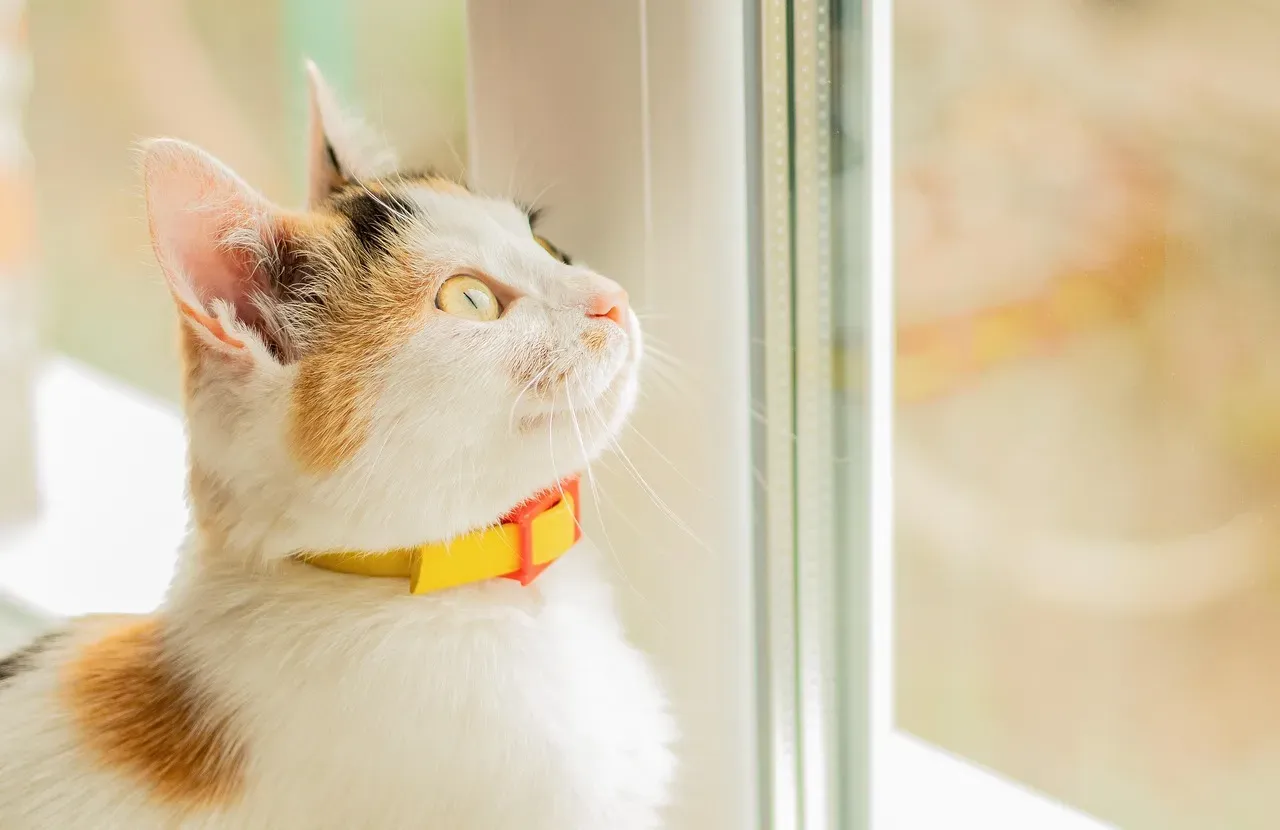
Your cat could spend the afternoon doing absolutely nothing on a cozy blanket. Instead, she’s glued to the windowsill, neck craning at a passing pigeon. This isn’t idle entertainment. To a cat, a window isn’t just a view – it’s a cinema of movement. Birds, insects, cars, falling leaves – all trigger hunting instincts and curiosity. Your cat is essentially clocking in for a shift every time she takes up residence by the glass.
Cats are heat seekers. Their ideal resting temperature is around 86°F (30°C) – much higher than ours. Window sills exposed to sunlight become perfect microclimates. Beyond warmth, sunlight boosts serotonin – the “feel-good” hormone that enhances relaxation and emotional balance. So your cat’s window spot is a multi-purpose station: warm, stimulating, emotionally satisfying, and strategically positioned to monitor the outside world. She’s not wasting time at all.
Small Enclosed Spaces Offer Big Psychological Security
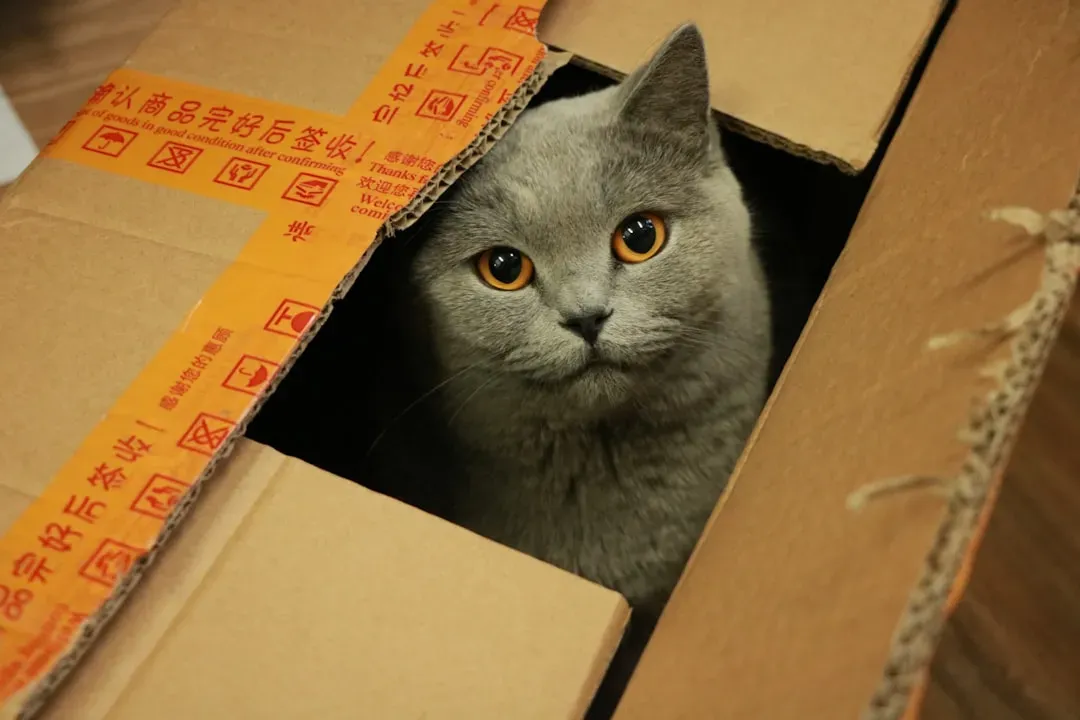
You spent real money on that plush, open cat bed. Your cat immediately chose the empty cardboard box. Sound familiar? Cats’ dual identity as both predator and prey in the wild has shaped their instinct to find spots where they can see without being seen. Corners, under tables, behind couches, or inside boxes provide exactly that – visual control and physical protection. When a cat tucks itself under a chair or inside a covered cat bed, it’s not being antisocial. It’s self-regulating – managing energy, stress, and emotion.
A cat’s ability to fit themselves “comfortably” into tight spaces never ceases to amaze. There are plenty of comfy places they could rest on instead, like that cat bed you purchased for them. So why do they choose to curl up in boxes, bathroom sinks, small baskets, etc.? Small spaces make your cat feel safe and secure. Think about it like this: a big open field might be beautiful, but your cat would choose the hidden den in a heartbeat. Cozy walls on all sides mean no surprises from behind.
Spot Rotation Is Strategic, Not Random
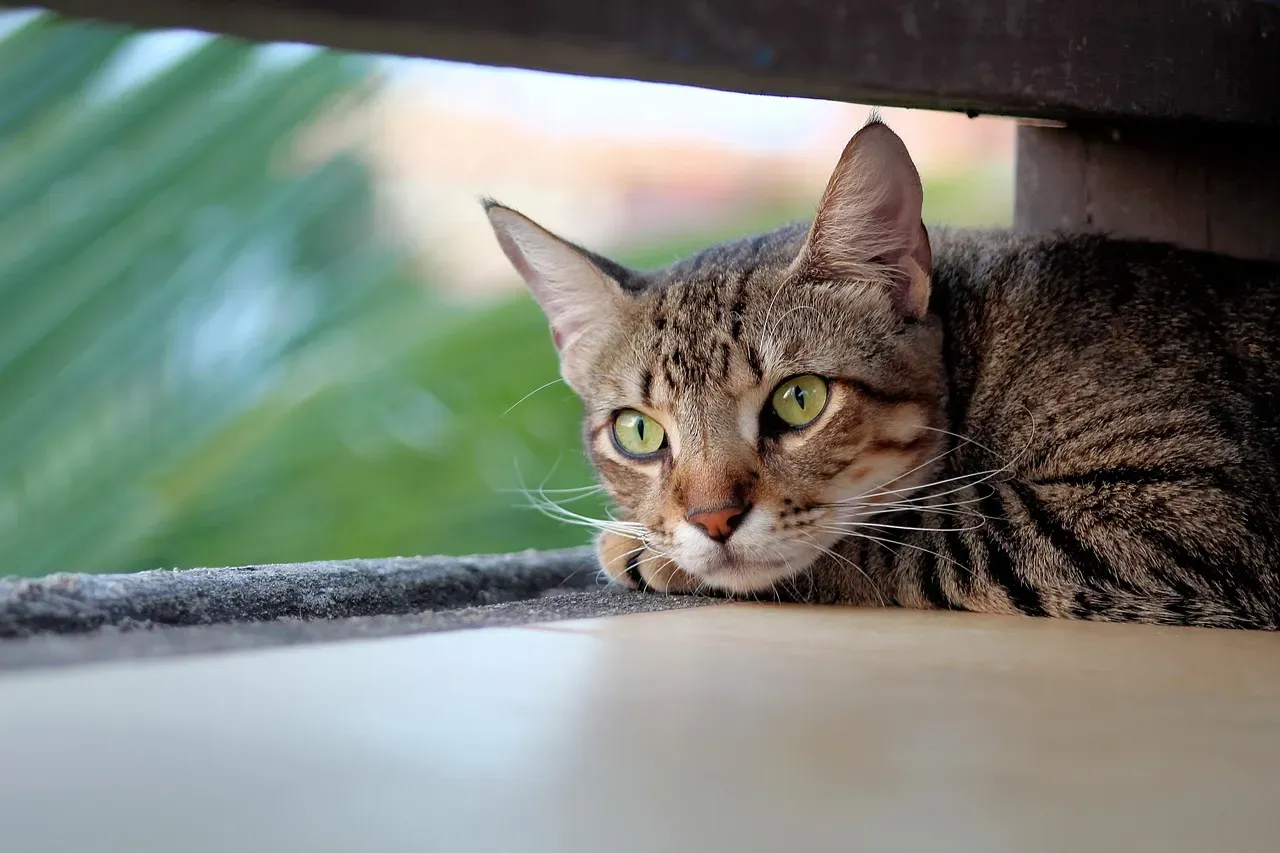
One week, your cat is obsessed with the bathroom floor. Next month, it’s back to the sunny kitchen corner. You might think she’s just being a cat, unpredictable and mysterious. But there’s a method to this apparent madness. Cats are microclimate experts. They instinctively follow the most comfortable combination of light, texture, and airflow – a sunny corner in winter, a tiled floor in summer. This adaptability explains why your cat suddenly abandons one favorite spot for another every few months. They’re not being fickle – they’re thermoregulating.
Cats are creatures of habit, and once they find a place they love, it becomes part of their daily routine. They may return to the same spot at the same time each day, whether it’s for a nap, sunbathing, or watching the world outside. This consistency helps them feel secure and reinforces their bond with the environment. The rotation isn’t chaos. It’s a carefully managed schedule of microclimates, each selected to serve your cat’s physical and emotional needs at different times of day and year.
In Multi-Cat Homes, Spots Are Negotiated, Not Random
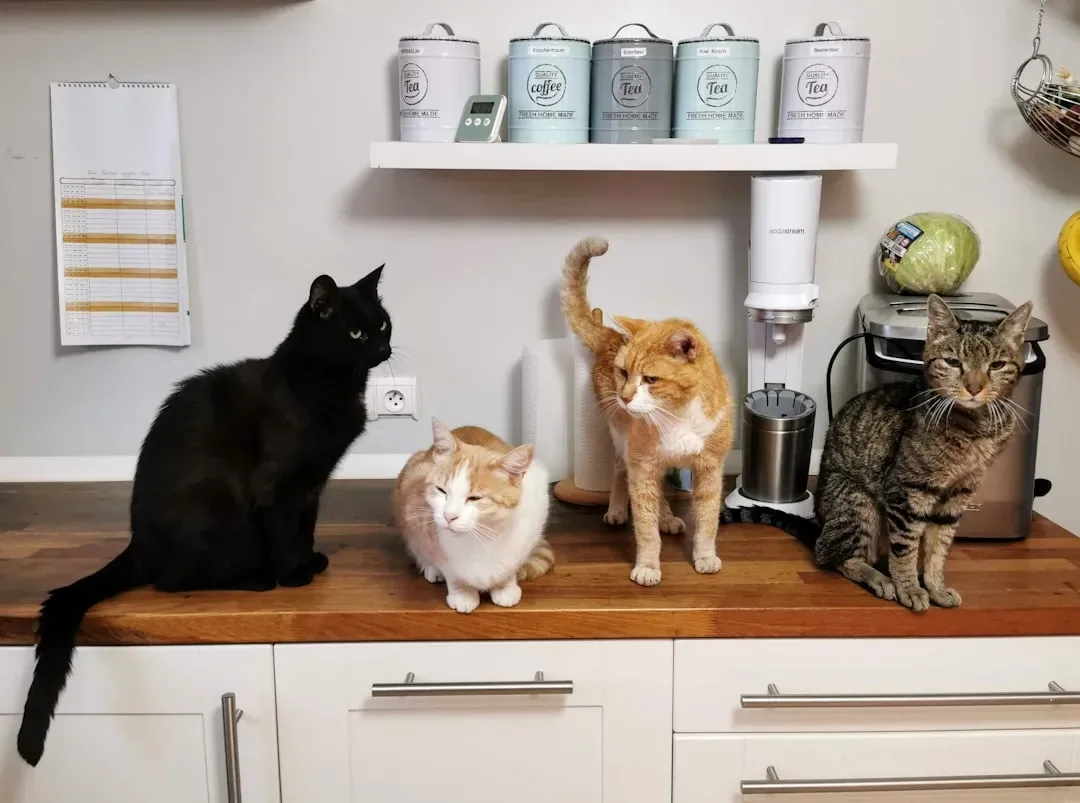
If you have more than one cat, you’ve probably noticed they don’t all pile into the same corner. That’s not coincidence or shyness. Cats negotiate their relationships based on personality, resources, and individual confidence levels. Dominant cats may claim preferred resting spots, control access to resources, initiate grooming sessions, and mark territory more frequently. What looks like casual lounging is actually a carefully brokered territorial arrangement.
Marking behaviors allow a number of cats to share the resources in a territory without ever having to compete directly with one another. For example, one cat may occupy a spot in the morning but leave it for another cat to occupy in the afternoon. The cats in your home establish territories just as their wild counterparts do. You might find it interesting to note where each of your cats rests at different times of the day and then check to see if this pattern holds true over a period of a few days. Honestly, that’s a level of scheduling discipline most humans don’t even manage at the office.
Conclusion
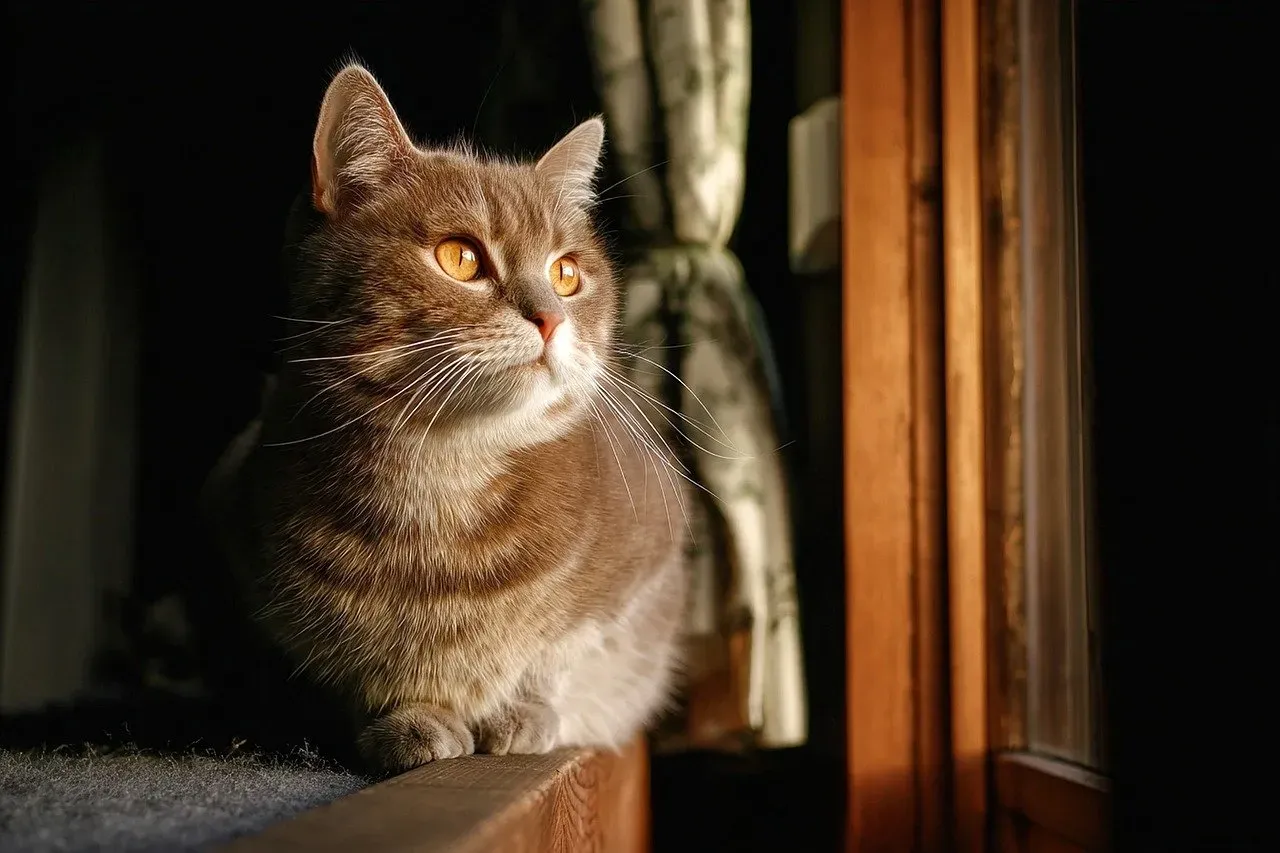
Your cat’s favorite spot is never truly just about warmth or softness, even when it looks that way. Every perch, corner, windowsill, and cardboard box has been evaluated, claimed, scent-marked, and memorized as part of a rich internal map of safety, control, and emotional regulation. Underneath that blissful napping face is a creature running complex survival calculations around the clock.
Understanding this doesn’t just make you a more informed cat owner. It shifts how you see the whole relationship. By understanding these subtle preferences, we don’t just enrich our cat’s environment – we deepen the trust that defines our shared life. The next time your cat abandons the bed you bought and curls up in a corner you’d never think to choose, don’t take it personally. Take it as a window into one of the most sophisticated little minds sharing your home.
So now that you know just how calculated your cat truly is – does it change the way you see their favorite spot? We’d love to know what you think. Drop your thoughts in the comments below.