You probably think your cat just flops down wherever is softest. Maybe you’ve watched them squeeze into the most bewildering corner of your home and thought, “What on earth are you doing?” Honestly, I used to think the same thing. Then I started paying closer attention, and let me tell you, what looks like random lounging is actually something far more deliberate.
Your cat is not simply snoozing. Every spot they choose is the result of layered instinct, sensory calculation, and surprisingly deep emotional logic. There’s a whole silent strategy unfolding right in front of you every single day. Let’s dive in.
The Ancient Blueprint Behind Every Resting Spot
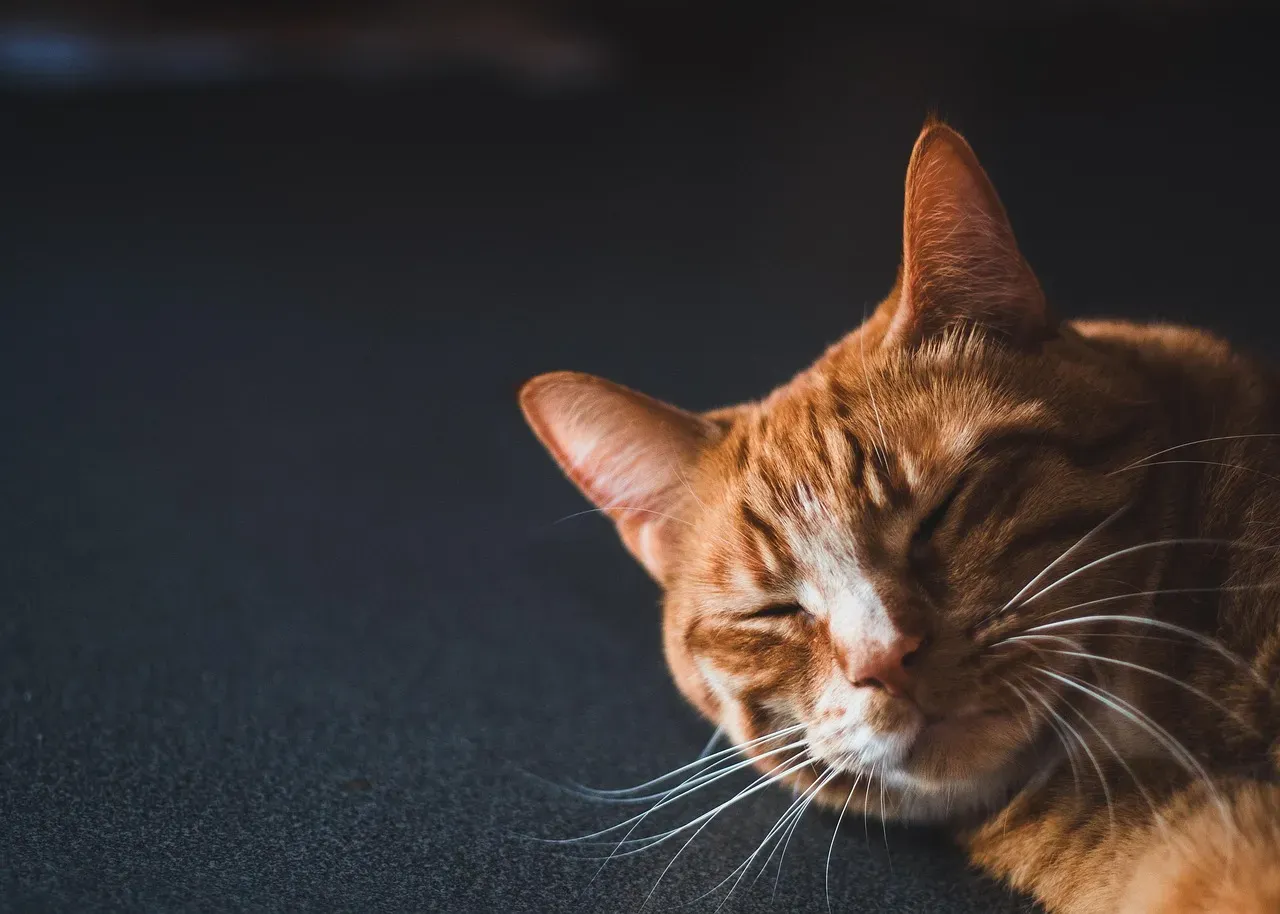
Many of your cat’s sleeping behaviors go back to their wild roots. Cats are both predators and prey animals, so in the wild or while outdoors, their lives depend on paying attention. Because of this, cats are highly observant of their surroundings and protective of their bodies. That instinct didn’t disappear just because they now live on your couch.
Your cat’s tendency to sleep in particular places is deeply rooted in their wild ancestry. As descendants of wild felines, domestic cats retain the instinct to regularly change sleeping locations to avoid predators and parasites. Think of it like a chess player constantly repositioning pieces. Your cat is always thinking several moves ahead, even in their sleep.
Cat sleeping positions are more than random habits. Every posture reflects a mix of instinct, comfort, temperature regulation, and emotional state. A cat’s wild ancestors had to protect vulnerable organs and stay ready to react to threats even while resting, and those instincts still shape how domestic cats sleep today. That’s not laziness on your couch. That’s evolution in action.
Security First: Why Safety Outranks Comfort

Cats are instinctively cautious animals that prioritize their safety above all else. They often choose spots where they feel hidden or protected, such as under furniture or in a high place. These areas provide a sense of security, shielding them from sudden movements or perceived threats. It’s less about plushness and more about peace of mind.
From a biological standpoint, cats are predators and prey, and that dual role shapes their behaviors even in domestic life. In the wild, cats sleep in secure, elevated, or enclosed spaces to avoid threats. By choosing to sleep on their owner, they may be instinctively selecting a “safe zone.” So when your cat curls up on top of you, that’s not just affection. That’s you being nominated as the safest fortress in the house. Honestly, that’s quite the compliment.
The High Ground Obsession Is Deeply Intentional
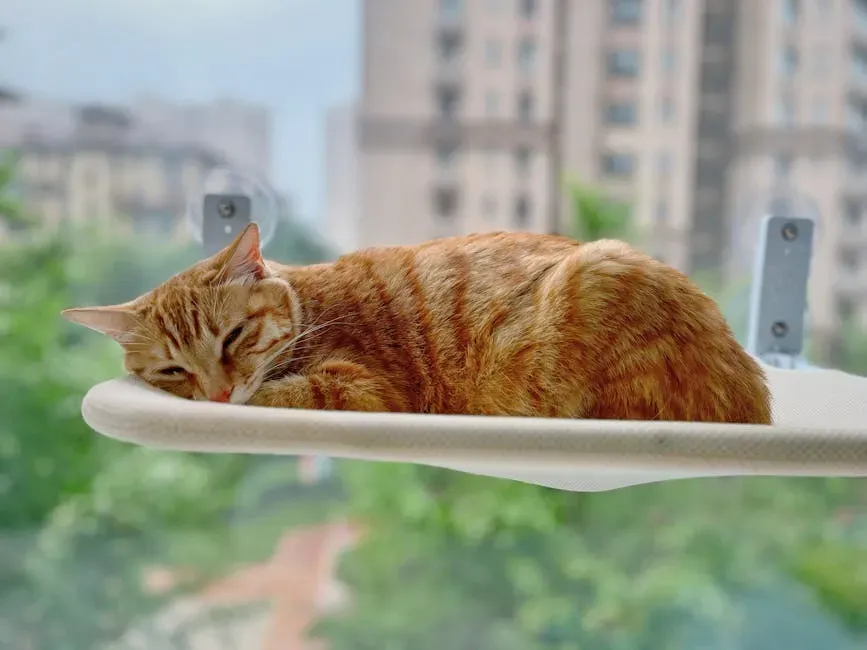
Cats are micro-managers. A high vantage point allows them to monitor social interactions without participating. This is a key factor in how cats choose which room to spend time in, as they gravitate toward rooms with the best “surveillance.” Your bookshelf isn’t furniture to them. It’s a command post.
Ignoring your cat’s need for height isn’t just about furniture. A lack of vertical options can cause chronic stress, territorial conflict, reduced confidence, and profound boredom. That might explain why some cats seem restless or moody in a flat, minimalist home. Give them something to climb and watch the whole energy of the room shift. It’s remarkable.
Scent Marking Turns Any Spot into Claimed Territory
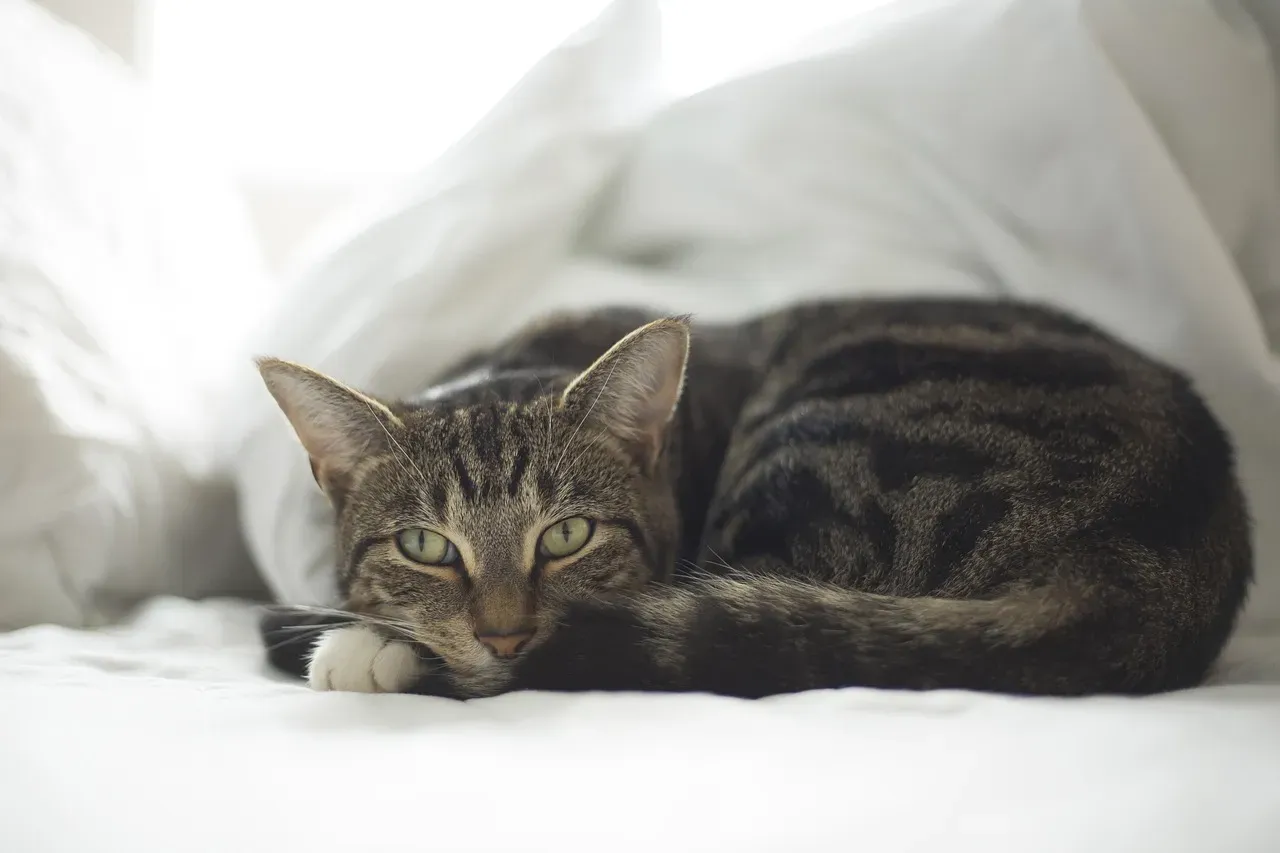
Cats are very territorial by nature, so chances are after they’ve found their spot in the house, they’ve marked it with their scent. If your cat has ever rubbed its cheek or flank on or around you, it’s using a gland to release pheromones “marking” you as safe or claiming you as their own. They copy this process in their favorite spots too. That cozy chair of yours? Officially registered in their name.
When your cat sleeps on your bed, they’re also depositing their own scent alongside yours, reinforcing social bonds and marking your sleeping space as trusted territory. Scent plays a major role in your cat’s world, as they rely on it for comfort and familiarity. A favorite spot might smell like you, their favorite blanket, or even themselves, thanks to scent-marking. These familiar scents help create a sense of belonging and make the spot feel uniquely theirs.
Temperature Is a Tactical Decision, Not a Preference
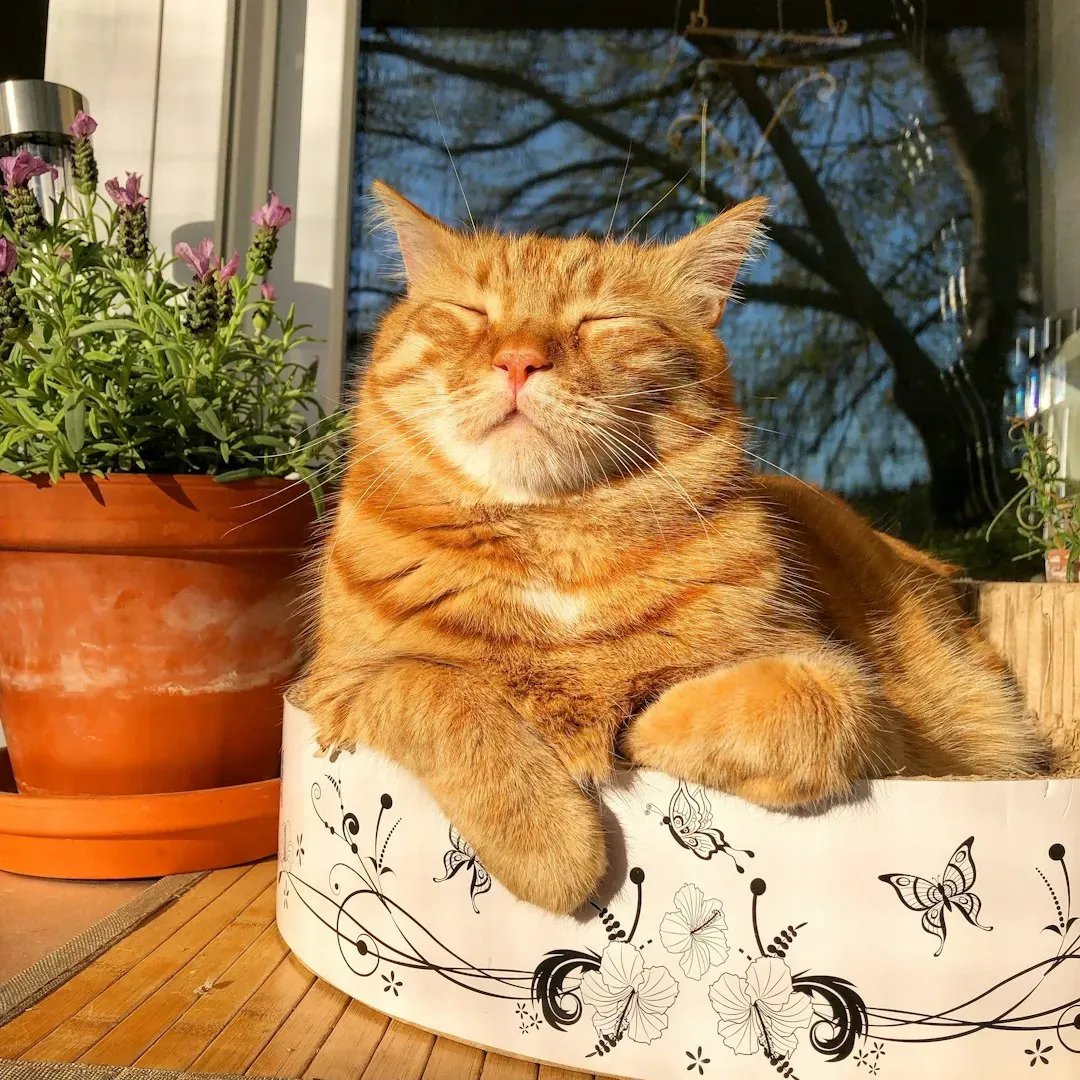
Cats are notorious for their love of warmth, often choosing spots that provide a cozy escape from the cold. A sunny windowsill, a patch near a heater, or even your laptop keyboard can become their go-to place. Warmth not only makes them feel comfortable but also helps conserve their energy, which is why they’re drawn to these heat-filled spots. Your laptop is not being hijacked out of spite. It’s basically a heated throne.
Cats also will change their preferred sleeping spot depending on the temperature. In the winter, when it’s colder, they like a warm, cozy spot. In the heat of the summer, they might pick the bathroom sink as their primary place or favorite napping spot. The changing seasons will usually dictate where your cat will spend its time. When it gets colder outside, cats will migrate to sunnier, warmer spots like windowsills or furniture near a heat source. It’s a seasonal migration happening right inside your walls.
Your Bed Is More Than Comfort – It’s a Social Statement
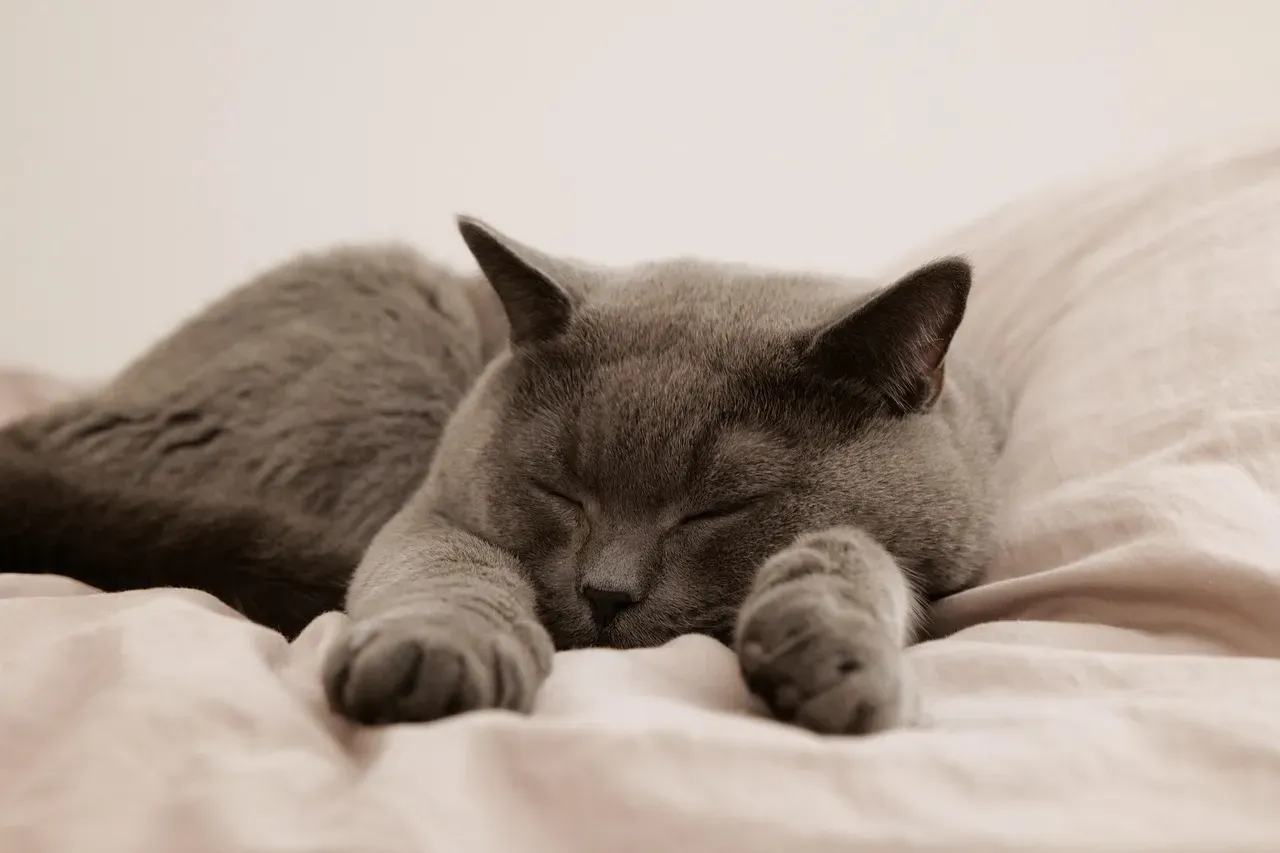
Cats have a body temperature of around 102 degrees Fahrenheit and naturally seek out warm resting places. Your bed offers warmth from blankets, your body heat, and soft surfaces that mold around them. Sleeping is also a vulnerable time for any cat, and your presence makes the bed feel protected. Your bed carries your concentrated scent, and cats find that deeply reassuring.
Cats sleeping in your bed mirror how kittens sleep piled together with their mother and littermates. Choosing to rest near you is your cat’s way of saying you’re family. Research has found that in roughly half of cases, a cat’s favorite sleeping spot was the owner’s bed, underscoring the idea that once cats find a comforting spot, they prefer to stick with it for consistency. Let that sink in. Your cat isn’t crowding you. They’re choosing you.
Spot Rotation Isn’t Random, It’s Survival Logic
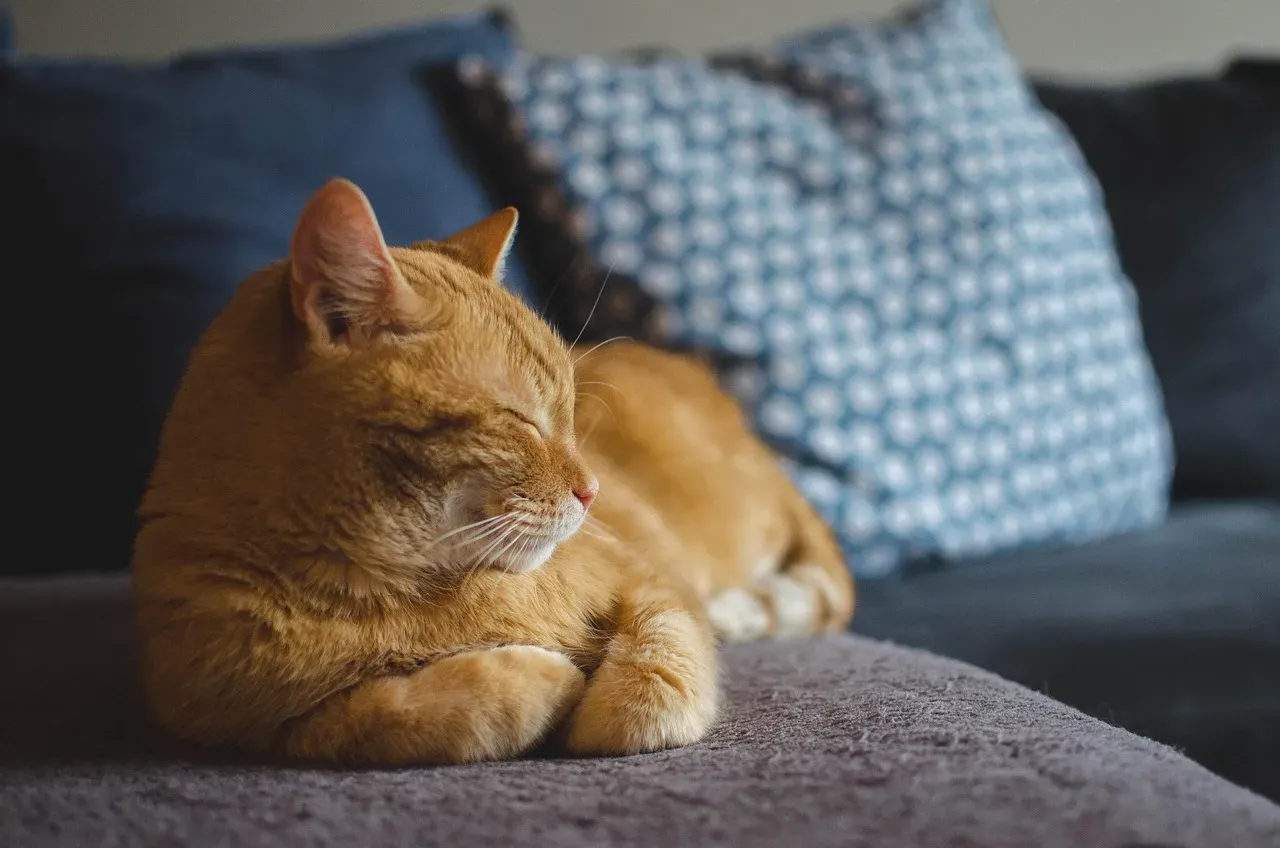
Favored spots tend to change all the time, which is presumably driven by an instinct for self-preservation. They keep potential predators guessing. That’s right. Even in your perfectly safe living room, part of your cat’s brain is still running old survival code. It’s the feline equivalent of not parking in the same spot twice.
Cats are creatures of habit, relying on predictable patterns to feel secure in their environment. This reliance on routine is deeply ingrained: as both predators and prey in the wild, predictability helps them save energy and stay safe. At home, this instinct translates into consistent daily habits, like using the same scratching post, meowing for food at the same time each day, and, of course, seeking out a familiar sleeping spot. The rotation and the ritual are both part of the same system.
Hierarchy Shapes Who Sleeps Where in Multi-Cat Homes
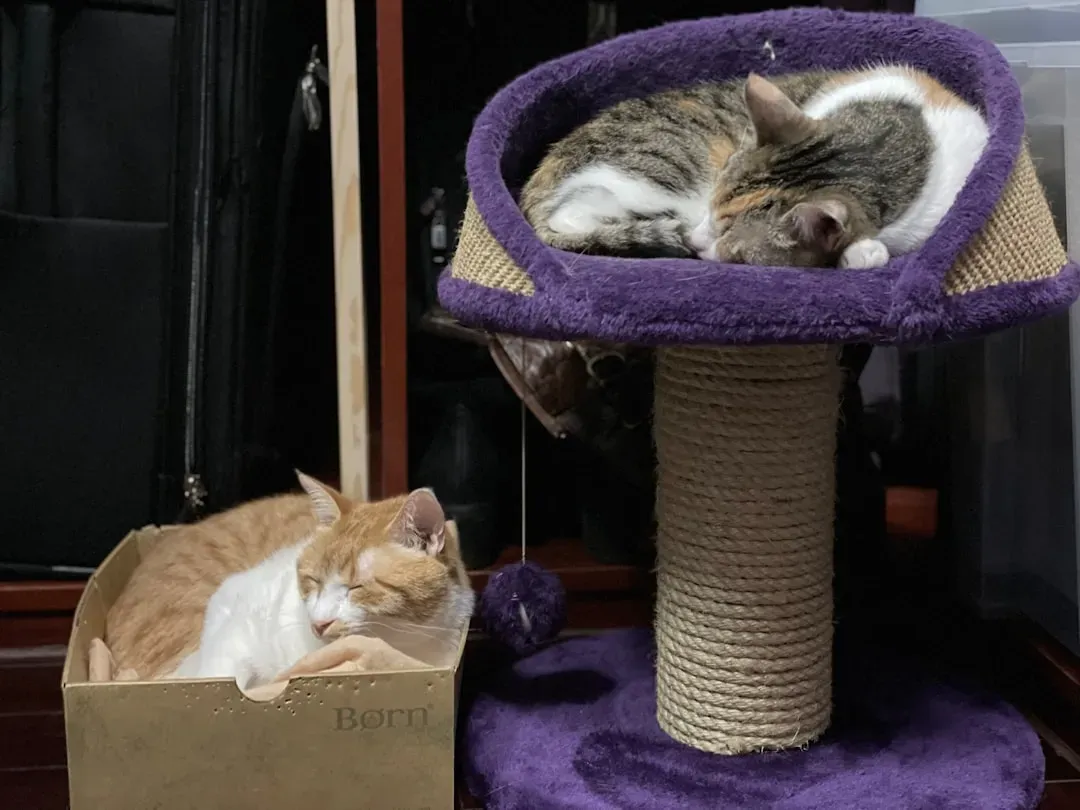
In multiple cat homes, hierarchy influences where a cat sleeps. The dominant cat will choose its sleeping spot and any other cats have to defer. If you’ve ever watched one cat confidently commandeer the best cushion while the others scatter, you’ve just witnessed feline politics in real time. It’s honestly both amusing and slightly dramatic.
In particular, the more closely defined territory around a cat’s main sleeping place is vigorously defended. Because of the different habitats and conditions in which cats live, their readiness to associate with other cats and to form social bonds has increased. Even a cat that coexists well with other social partners also requires a space to call its own. This refuge should be respected by others, and the cat should not be forced to defend it. When there aren’t enough high-quality spots to go around, tension rises fast.
When Spot Changes Signal Something Deeper
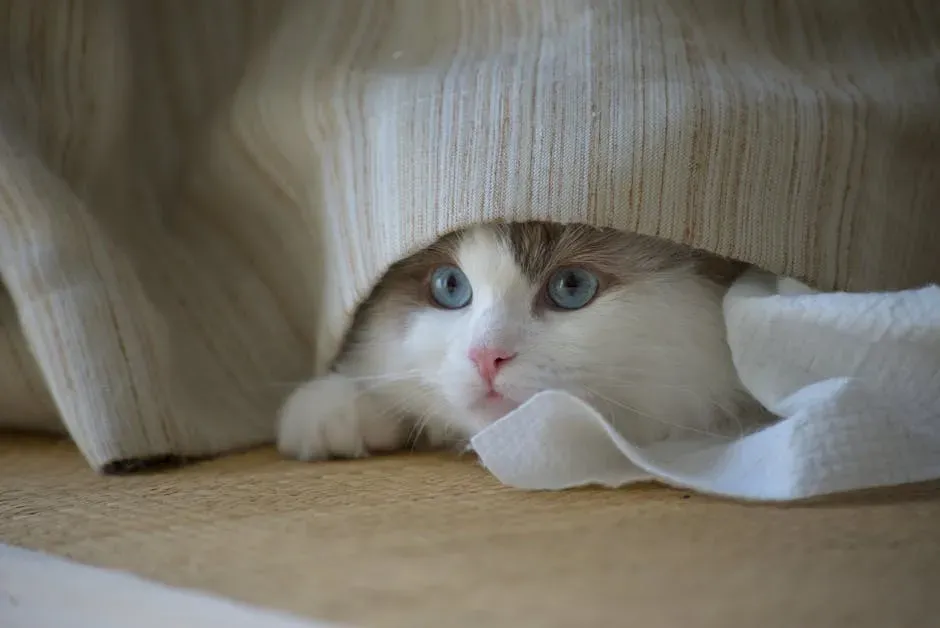
Cats who suddenly switch from relaxed, sprawling positions to tense curling in hidden locations could be signaling illness or stress. Excessive hiding, loss of appetite, or lethargy alongside a change in sleep posture warrants a veterinary visit. Here’s the thing: your cat won’t tell you they’re hurting. Their choice of where to sleep often speaks for them.
Paying attention to changes is important for a few key reasons: cats hide discomfort. Instinctively, cats conceal signs of pain or illness to avoid appearing vulnerable. By the time obvious symptoms show up, a condition may already be advanced. Keep an eye out for changes in where your cat sleeps. Abandoning favorite sleeping spots for more isolated locations often signals discomfort. A shift in their favorite spot can be the earliest warning bell you’ll get.
Conclusion: Respect the Spot, Understand the Cat
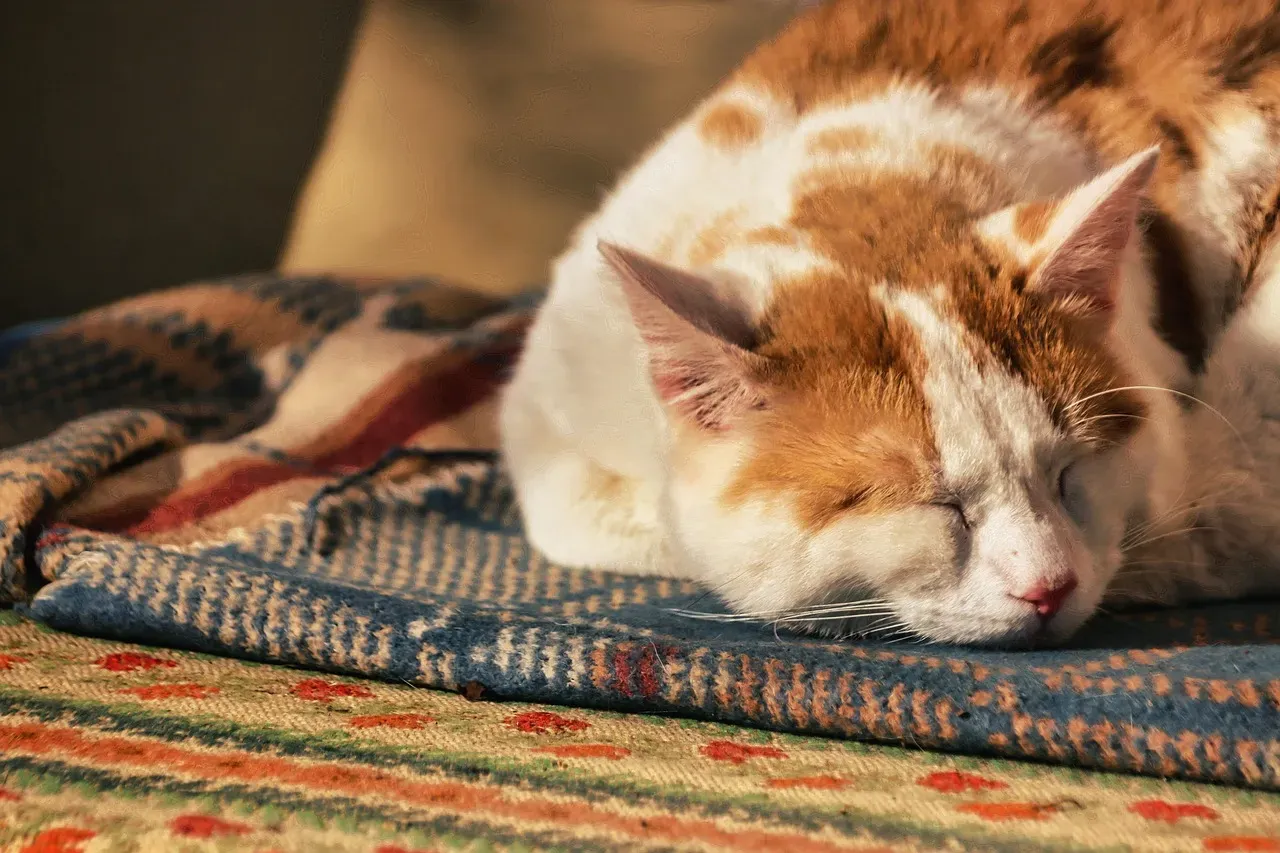
Your cat’s favorite corner, patch of sunlight, or inch of your pillow is not accidental. It’s the result of deep instinct, careful environmental reading, thermal calculation, emotional trust, and territorial intelligence all working together. What looks like a lazy nap is actually a living map of how your cat understands their world and their place in it.
The next time your cat settles into their chosen spot with that unbothered, regal air, take a moment to really see it. They’ve thought about this more than you realize. Sleeping positions and spot choices are just one way cats communicate their feelings and needs. Understanding these subtle signals can enhance the bond you share with your feline companion. You don’t need to speak their language perfectly. You just need to start paying attention.
Now that you know just how strategic your cat really is, does that change how you see that little furball sprawled across your keyboard? Tell us your thoughts in the comments – we’d genuinely love to hear where your cat’s favorite spot is and what you think it says about them.