Have you ever watched your cat settle into their chosen napping spot and wondered what goes on in that mysterious feline mind? You’re not alone. The places where our cats choose to rest tell us more than you might think about their personalities, moods, and how they truly feel about us.
Cats sleep between 12 to 16 hours daily, and their choice of sleeping location is influenced by various factors, including safety, temperature, comfort, and their inherent predatory nature. Every perch, every corner, every seemingly random spot holds meaning. Let’s dive into the fascinating world of feline sleeping habits and discover what your cat’s favorite location says about them.
The High Ground Seekers: Confidence From Above
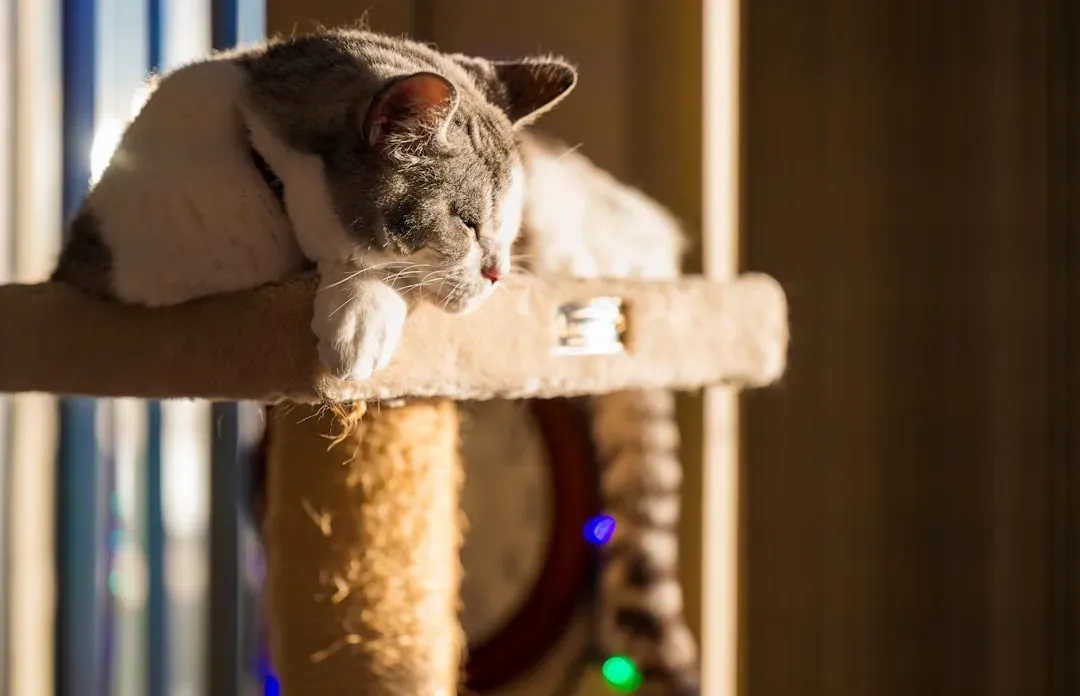
Cats naturally gravitate toward high spots for sleeping, such as cat trees, windowsills, and tall furniture, a preference that stems from their wild ancestors’ need to survey their territory while remaining safe from predators, offering both security and a tactical advantage. If your cat prefers perching on top of the refrigerator, bookshelf, or cat tree, you’ve got yourself a confident feline. These cats feel comfortable enough to claim the prime real estate in your home.
With a high vantage point, cats are safe from potential predators while sleeping, and as a predator themselves, a perched sleeping position gives your cat a panoramic view to keep an eye on potential prey. It’s honestly quite clever when you think about it. Your cat isn’t just being difficult when they knock things off your shelf to make room for themselves. They’re following ancient instincts that kept their ancestors alive in the wild.
The Box Dwellers: Security Through Enclosure
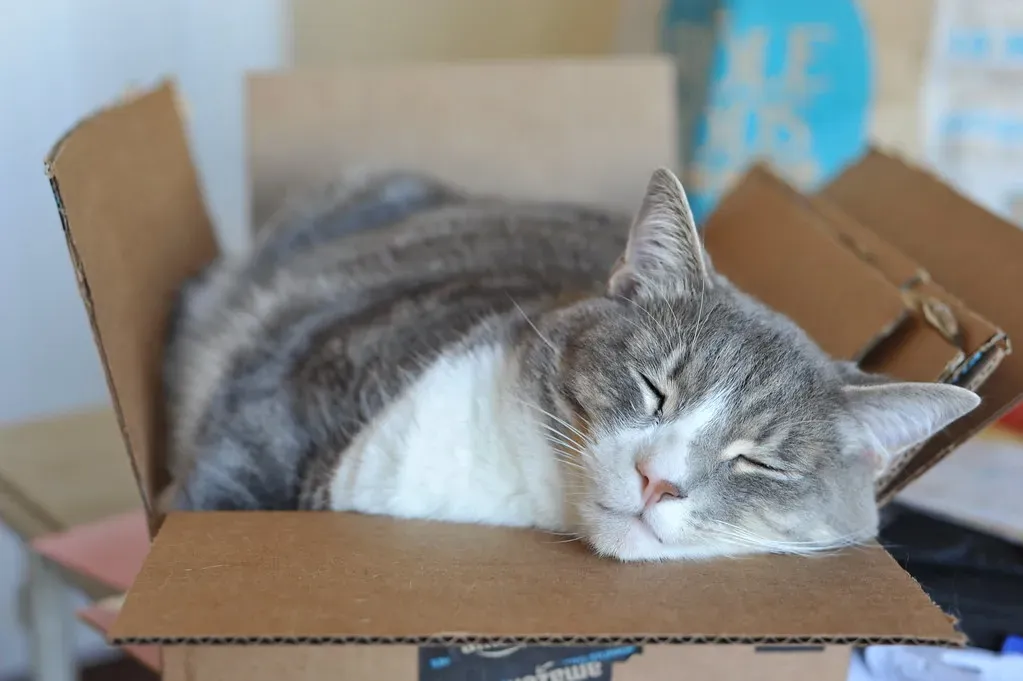
Does your cat disappear into cardboard boxes, closets, or that one cabinet you can barely reach? Boxes, closets, and under-furniture spaces are popular sleeping spots because they satisfy cats’ instinctive need for shelter, providing a sense of security and protection, similar to the dens their wild ancestors would seek for safety. These cats might be a bit more cautious or anxious by nature.
Anxious or skittish cats prefer to hide or conceal themselves in small dark confined spots (wardrobes or under bedding), while confident cats like to shelter themselves for uninterrupted sleep in boxes, tunnels plus bags. This doesn’t mean something’s wrong with your cat. Some felines simply value privacy and protection more than others. Think of them as the introverts of the cat world.
The Sun Worshippers: Temperature Matters
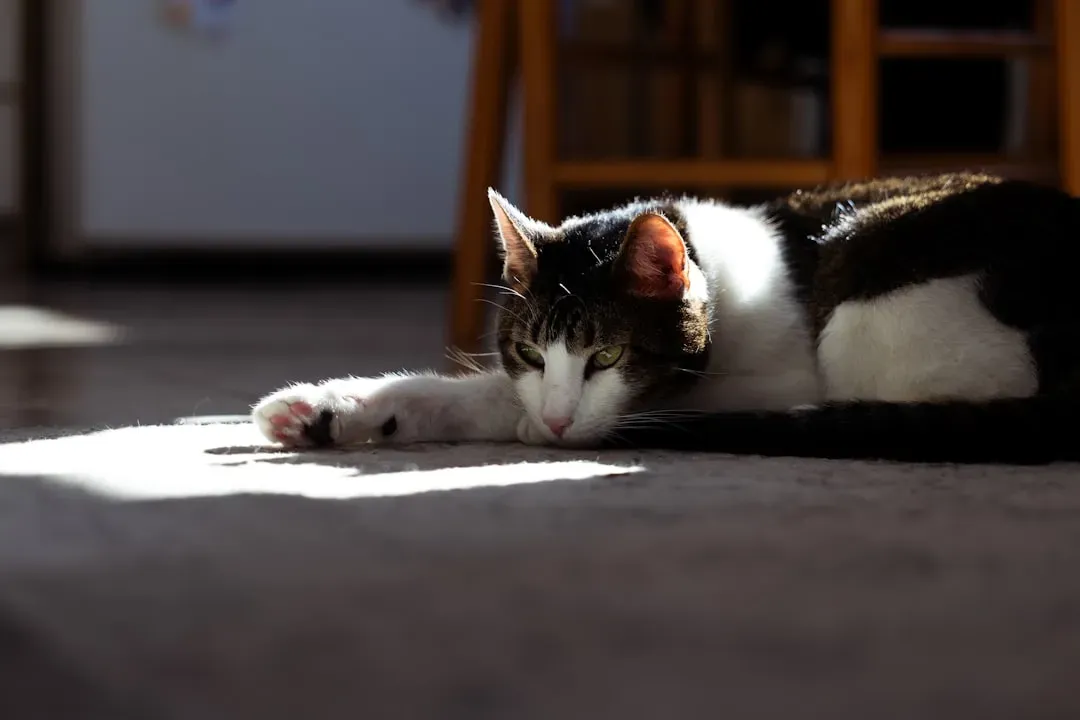
You’ll find these cats rotating through your home like they’re following a treasure map. Cats often curl up in sunny spots, near heating vents, or on warm appliances, not just for comfort but because cats have a higher body temperature than humans and need to maintain it for optimal function, with warm locations helping them conserve energy while staying comfortable. Honestly, I think these cats have figured out something we humans haven’t quite mastered.
The changing seasons will usually dictate where your cat will spend its time, with cats migrating to sunnier warmer spots like windowsills or furniture near a heat source when it gets colder outside. Watch closely and you’ll notice your cat has probably mapped out every warm spot in your house with scientific precision. It’s hard to say for sure, but they might even be smarter than we give them credit for.
Your Bed Companions: The Ultimate Trust Signal
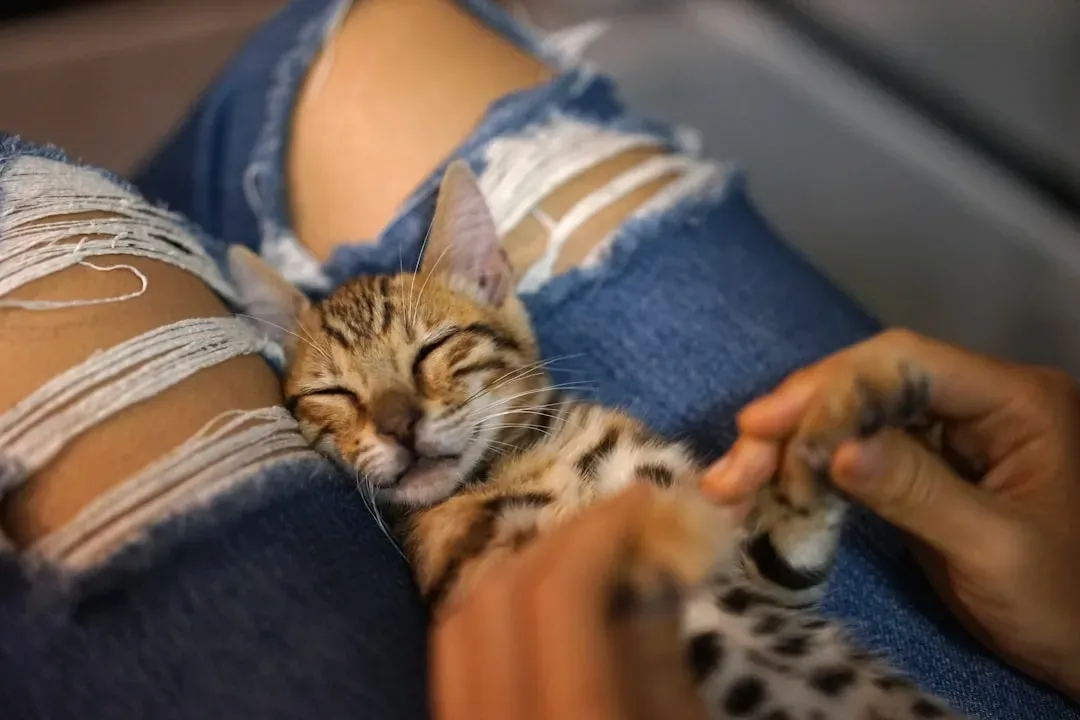
Many cats choose to sleep on or near their human companions, whether it’s on beds, laps, or even directly on their owner’s chest, to maintain social bonds, share warmth, and feel protected, with your bed also providing comfort and carrying your familiar scent. If your cat sleeps with you, consider yourself chosen. This is a massive compliment in the feline world.
Choosing a spot near your head shows that your cat has a high degree of trust in you, with the head area emitting your strongest scent, offering them maximum comfort and signifying their desire for closeness and an emotionally intimate bond. The location matters too. Cats sleeping by your head value your scent and want that close connection. Those at your feet? They’re balancing affection with independence, maintaining closeness while keeping their escape route clear.
The Frequent Relocators: Survival Instincts at Play
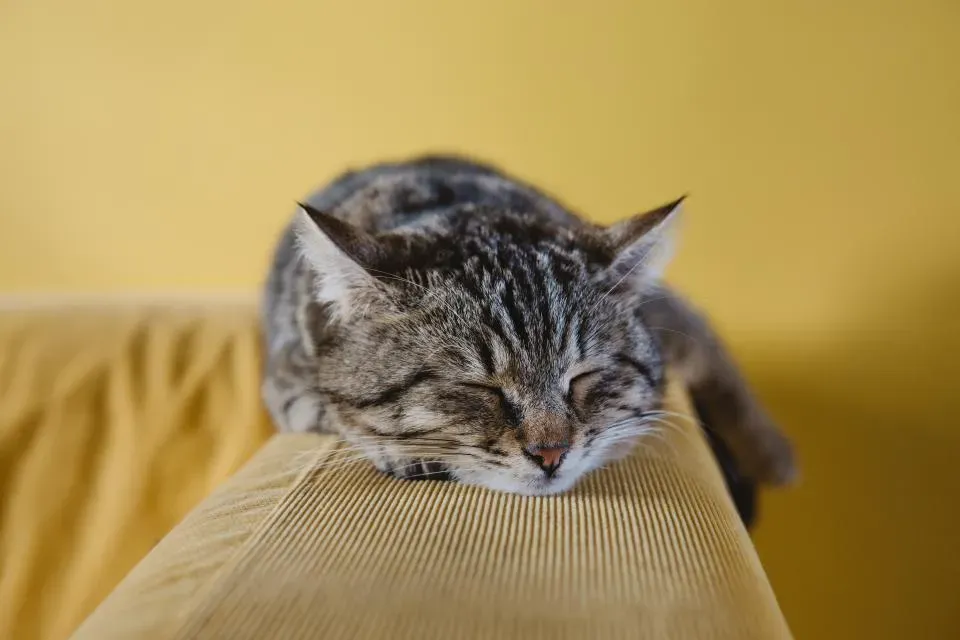
While cats do have preferred sleeping spots, they like to vary where they rest, a feline survival instinct developed in the wild that has carried forward to life as domesticated house cats. Wild cats regularly move their nests and colonies to avoid detection from predators. Your domestic cat isn’t paranoid. They’re just wired this way.
Cats frequently change their sleeping location as a matter of survival, as felines can’t afford to become too predictable, with predators knowing exactly where to look if they sleep in the same place all the time. Even though there’s zero chance a predator will show up in your living room, thousands of years of evolution can’t be undone by a few decades of domestication. It’s just a quirky thing they do.
The Lap Lovers: Bonding Through Body Heat
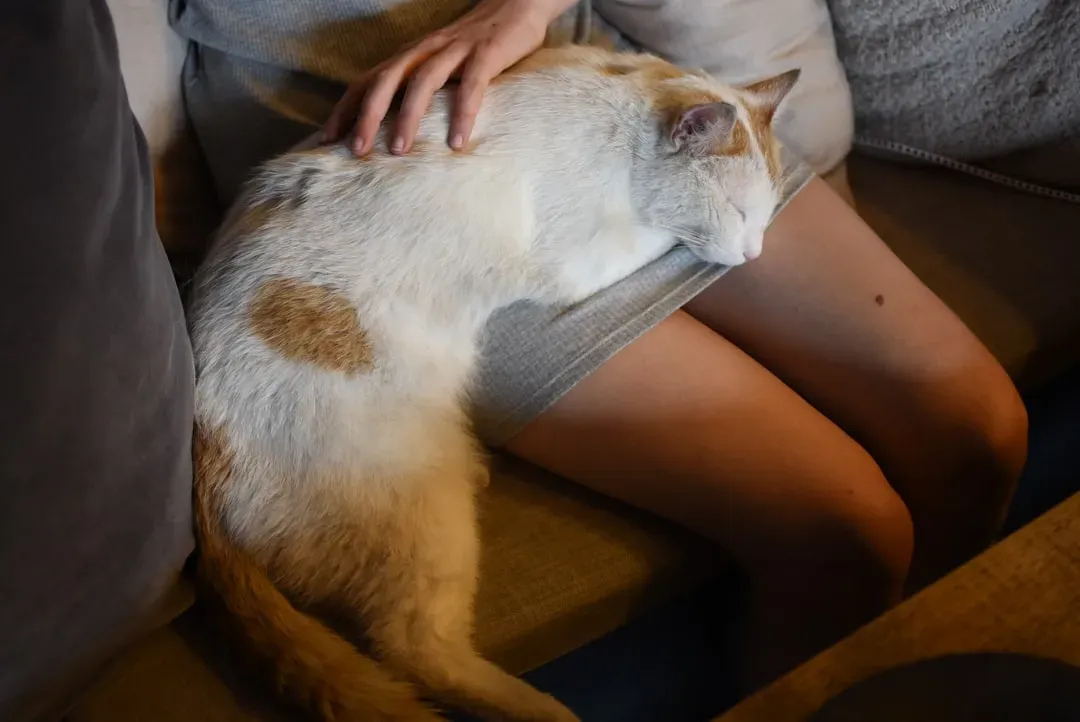
If your cat has bonded with you, don’t be surprised if they prefer to nap on your lap, as the warmth and coziness of your lap are comforting, and some cats even fancy the sounds your body makes, with your cat feeling safe and secure on your lap. These are the cats that make working from home both delightful and impossible.
Let’s be real, getting work done with a purring cat on your lap is a special kind of challenge. A cat sleeping on your stomach or lap while lying in bed signifies contentment and relaxation, as they trust you and feel secure in your presence, benefiting from your body heat and the soft rhythm of your breathing. You’ve essentially become their favorite heated pillow, and there’s something incredibly special about that.
The Hidden Sleepers: Privacy Seekers
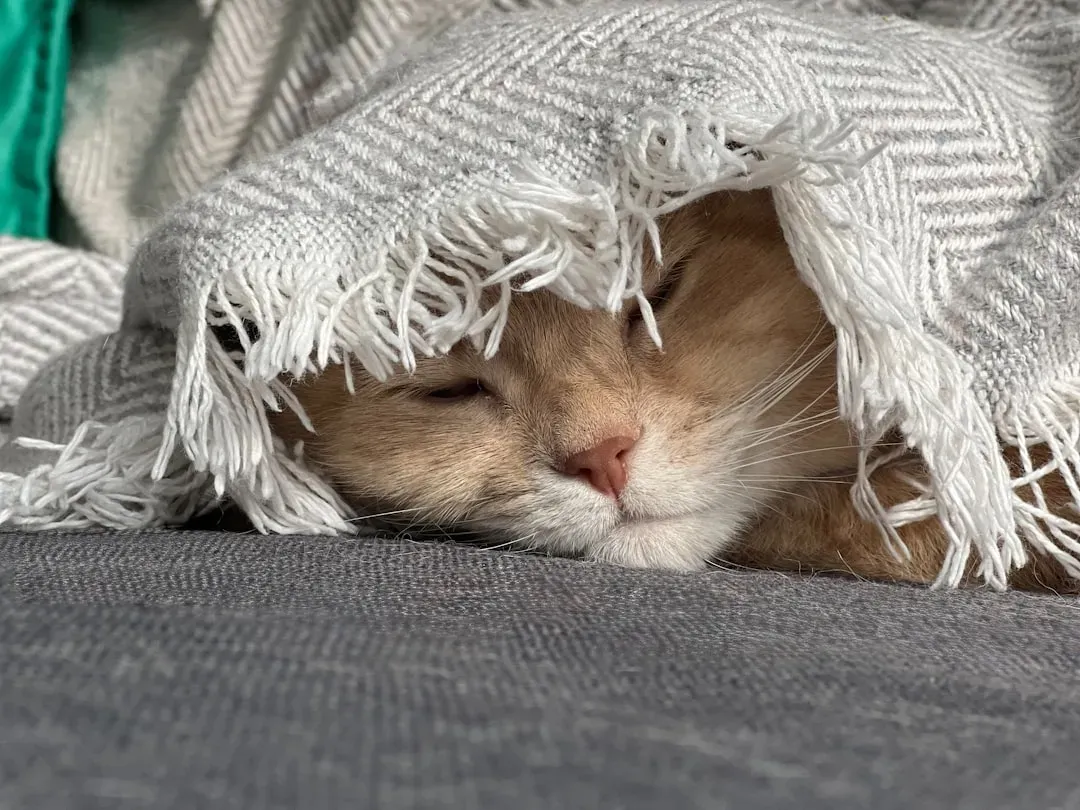
Cats may change their sleeping area for privacy, as few things agitate a cat more than having its sleep interrupted. If your cat consistently chooses spots under the bed, behind furniture, or in rarely used rooms, they’re telling you something important. These locations offer peace and quiet.
Cats find comfort in silence and will often seek out quiet spots to rest, and they also have much better hearing than humans, so they may avoid spots that seem quiet to us because they can hear something we can’t. Maybe your cat can hear the neighbor’s dog or traffic noise that doesn’t bother you. Their superior hearing means they’re processing way more environmental information than we realize.
The Territorial Markers: Scent-Driven Selection
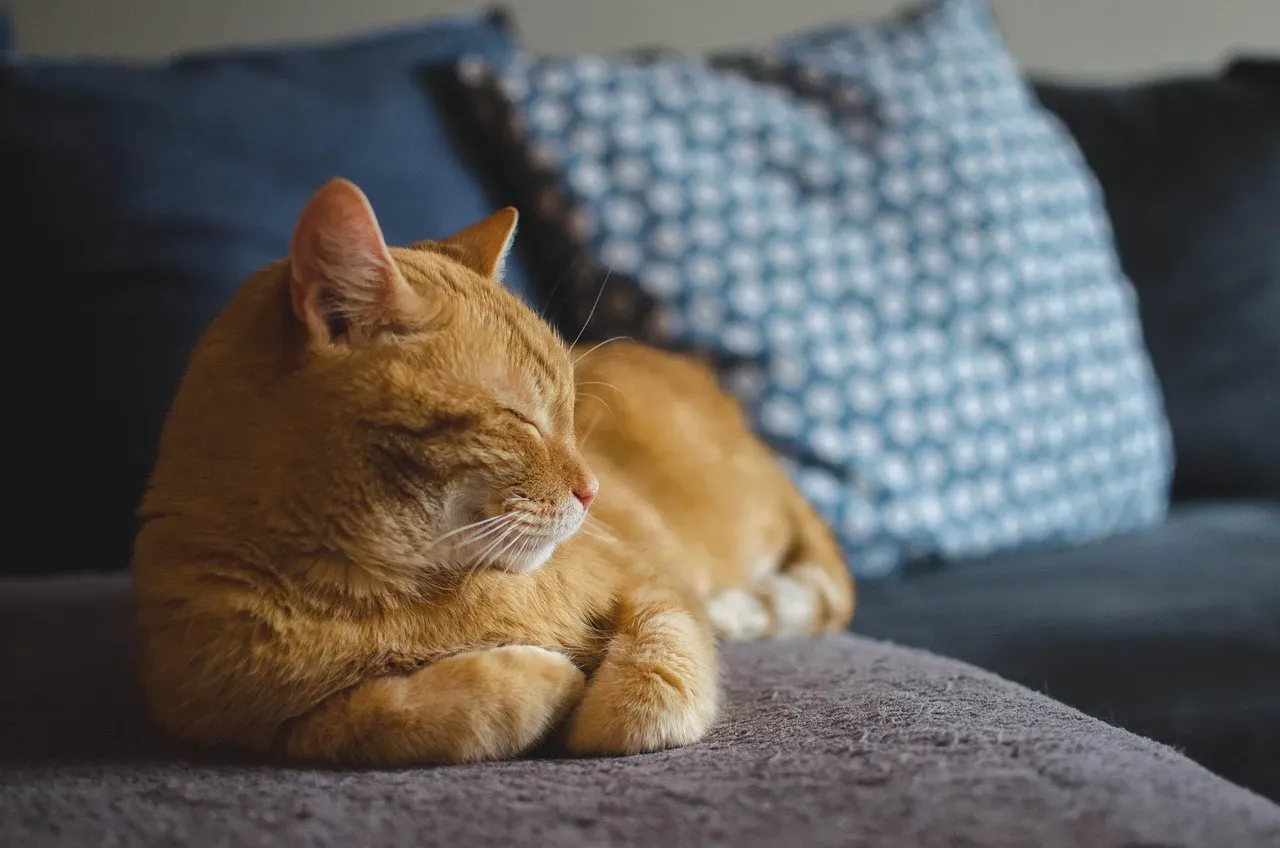
Cats are very territorial by nature, so chances are after they’ve found their spot in the house, they’ve marked it with their scent, using a gland to release pheromones marking you as safe or claiming you as their own. Your cat’s sleeping spots aren’t random. They’re strategic territory claims.
Cats only feel comfortable sleeping in a territory that they have claimed through scratching or marking with scent, and to cement this claim, the cat will then sleep in the territory, with a prolonged period of time in one space making the cat’s scent even stronger. When your cat sleeps on your laundry or your favorite chair, they’re mingling their scent with yours. It’s their way of saying “we’re family.”
The Social Sleepers: Group Nappers
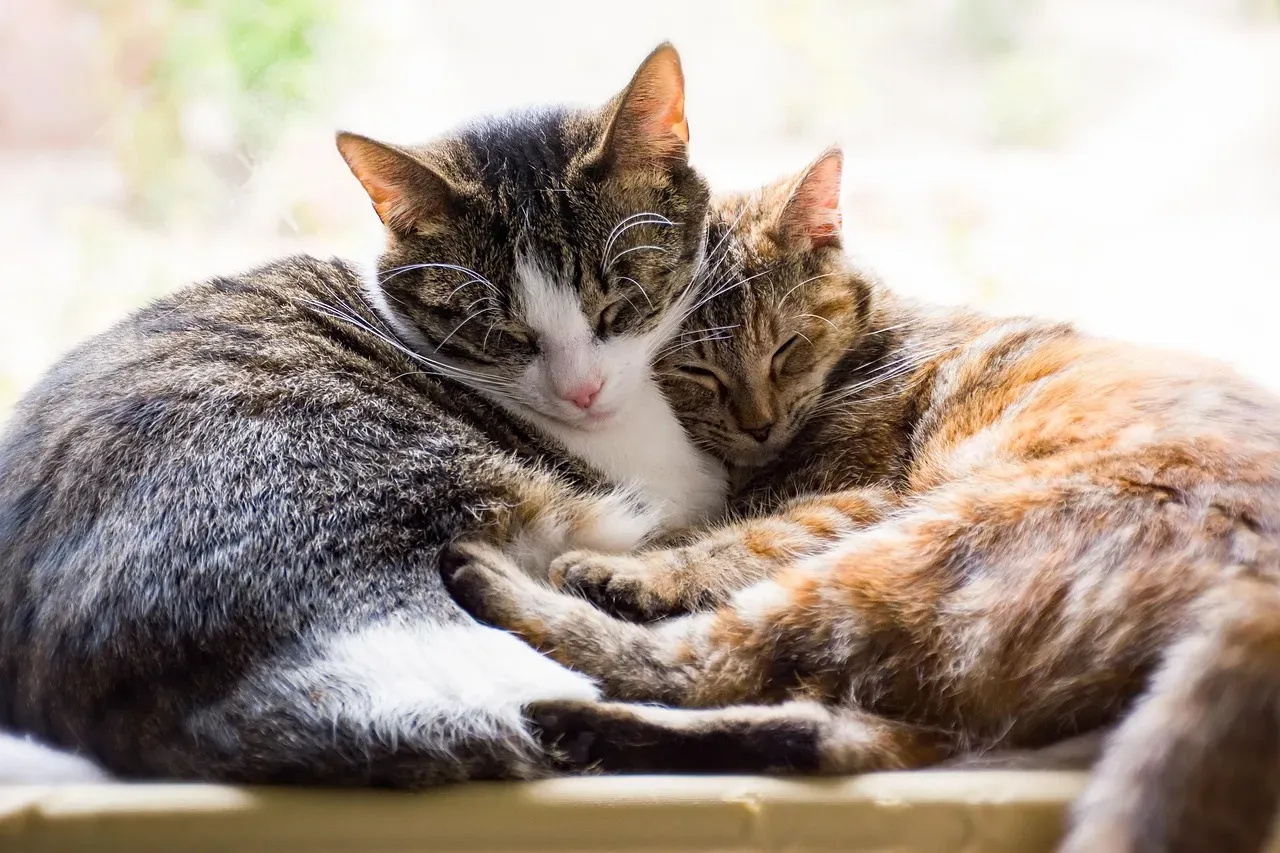
While some cats living in the same home merely tolerate each other, many more enjoy each other’s company and will even sleep together, sometimes simply sharing the same comfortable bed, but cats may also sleep together because they are bonded to each other, and sleeping in a group provides heat, with cats potentially soothed by the sound of another cat’s purr. Multi-cat households reveal fascinating dynamics through sleeping arrangements.
Felines exhibit surprisingly social behaviors when it comes to rest, and although they may prefer some independence during the day, they often seek out trusted companions at night, revealing a more communal side of feline behavior than many realize. If your cats pile together for naps, they’re not just tolerating each other. They genuinely enjoy the companionship.
The Position Changers: Health and Comfort Indicators
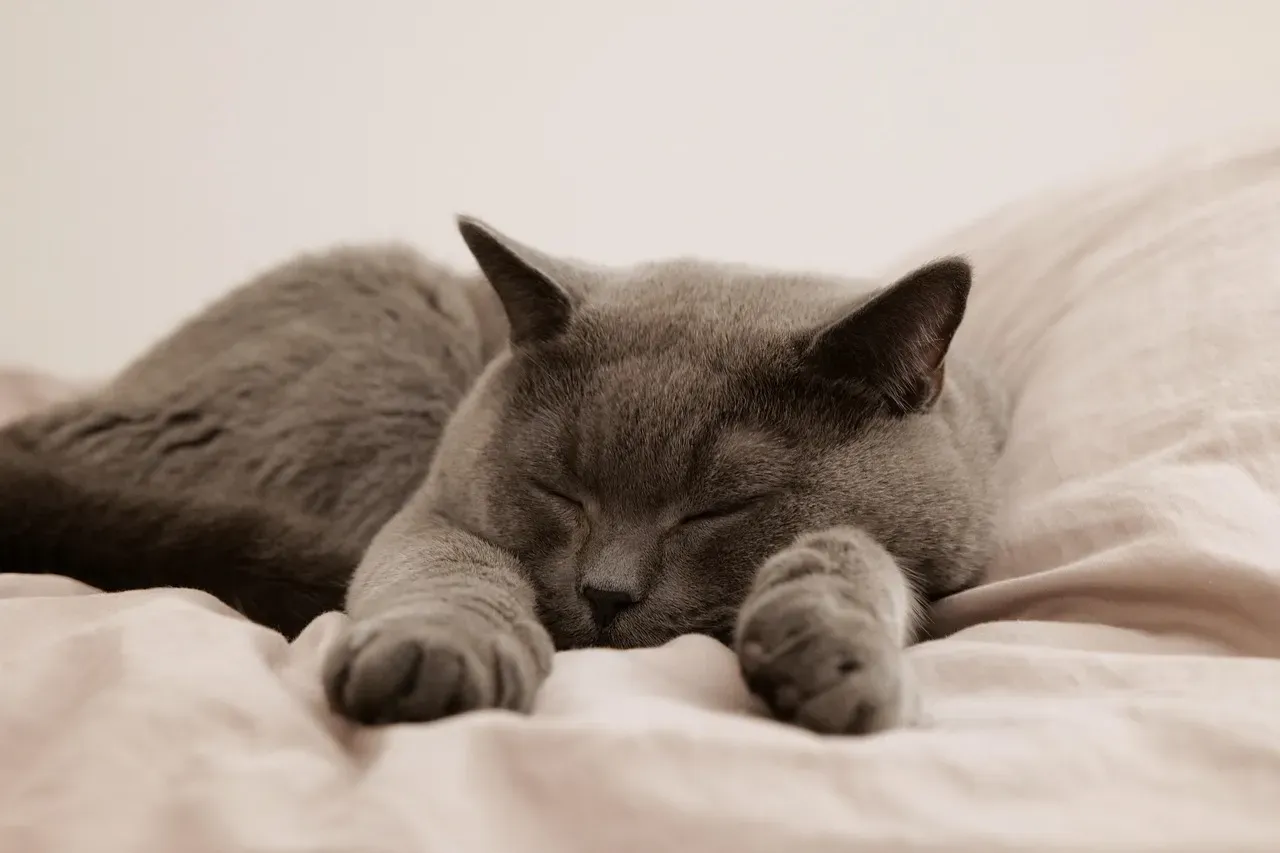
Depending on their age and health, certain sleeping positions or locations may be more or less comfortable for cats, with an older cat with bad joints potentially wanting a heated bed, and physical discomfort meaning that a cat moves around more because any given spot is only comfortable for so long. Changes in your cat’s preferred sleeping location can signal something important.
Being mindful of your cat’s preferred sleeping positions is a good way of keeping an eye on their general health, as illness and even slowly progressive conditions like arthritis can cause your cat to spend more time snoozing, and because cats are generally pretty stoic, this may be one of the only signs you see, making changes to sleeping habits and positions worth contacting your vet about. Pay attention if your once-high-climbing cat suddenly prefers floor-level spots, or if your social sleeper starts isolating themselves.
Conclusion: Understanding Your Cat’s Language
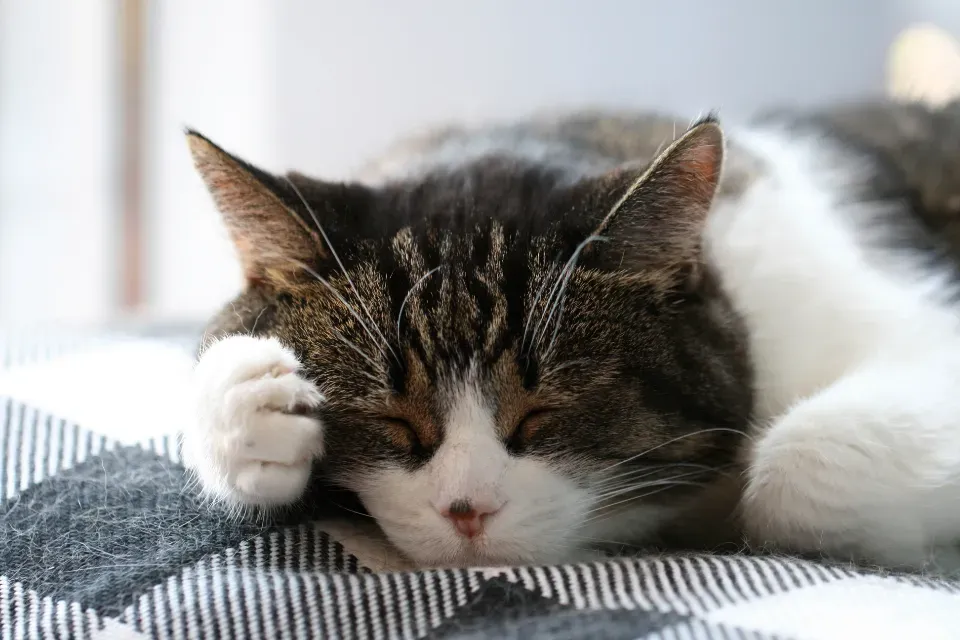
Your cat’s chosen sleeping position is a personal expression of their trust, comfort, and attachment to you, with some cats seeking constant contact while others prefer a little space while still being nearby, though cats that sleep near their owners consistently show signs of trust and security. Every sleeping spot tells a story about who your cat is and how they experience the world.
Whether your feline friend perches on high shelves, burrows into boxes, follows sunbeams across the floor, or claims your lap as their personal throne, they’re communicating with you. Their preferred spot often reveals their emotional state, trust level, and even their personality, with each sleeping position revealing something unique about their personality, instincts, and how they feel about you.
The next time you find your cat napping in their favorite spot, take a moment to appreciate what that choice means. They’re not just being cute or random. They’re showing you exactly who they are, if you know how to look. What does your cat’s chosen spot say about them? Have you noticed any patterns we didn’t cover here?