Have you ever watched your cat move from room to room throughout the day, seemingly tracking something invisible? It’s not magic or mysticism at play here. Your feline friend is actually following the sun’s path across your home with the kind of dedication most of us reserve for morning coffee. There’s something almost meditative about observing a cat in pursuit of the perfect patch of sunlight, squeezing into impossibly narrow beams or sprawling luxuriously across warm floorboards.
This behavior is far from random. It’s an efficient way for your cat to regulate body temperature, and honestly, it’s one of the most fascinating displays of biological programming you’ll witness in your living room. Let’s dive into the science and instinct behind why your cat treats sunbeams like prime real estate worth fighting over.
The Temperature Game Your Cat Is Always Playing
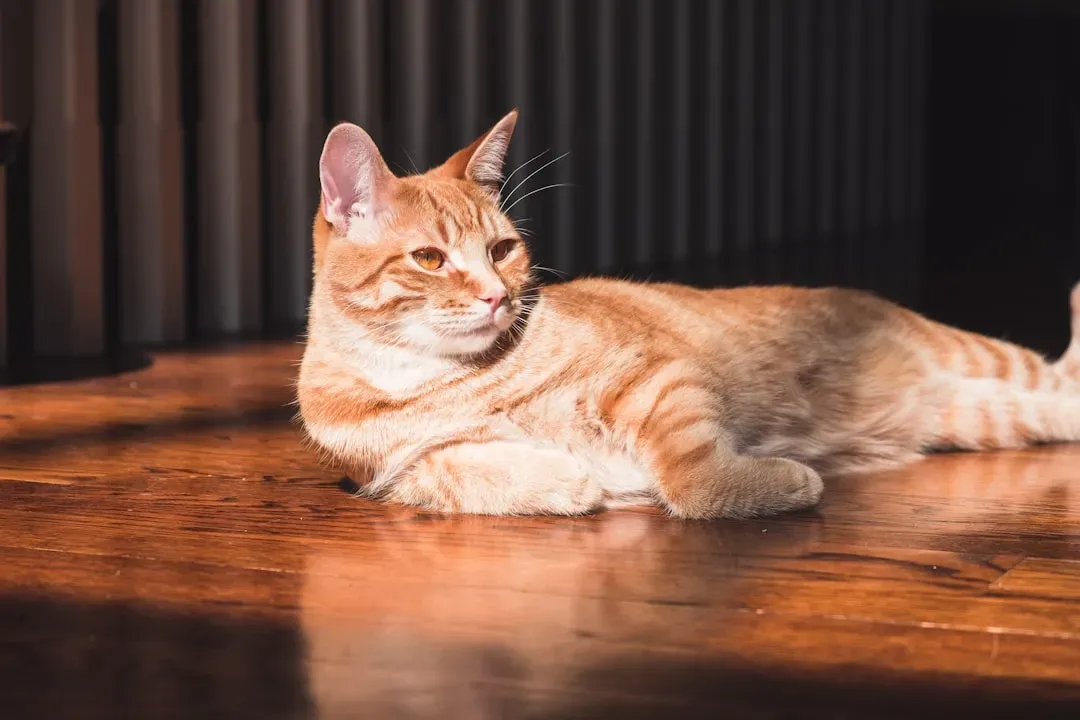
Cats run hotter than humans by several degrees, with average body temperatures falling between 100.4°F and 102.5°F. Think about that for a moment. While you’re comfortable at a balmy seventy degrees, your cat’s internal furnace is working overtime to maintain a temperature that would send you running for the thermometer.
When cats sleep, their metabolism slows down to conserve energy, which leads to a lower body temperature when they wake up. Instead of generating that extra heat themselves, cats seek out a sunbeam to do the hard work for them. It’s really quite brilliant when you think about it. Why waste precious energy heating yourself when there’s a perfectly good solar heater streaming through your window?
Desert DNA Running Through Modern Cats
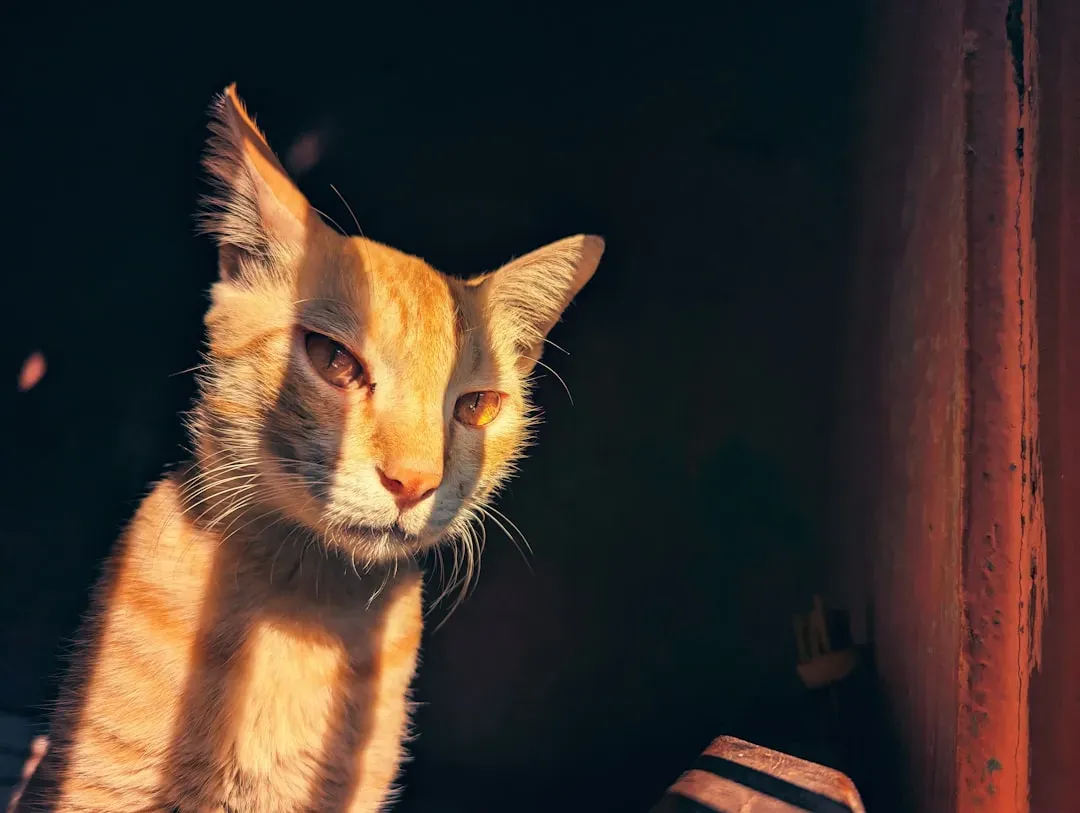
Domesticated cats are descendants of wild desert cats from Egypt in the Neolithic and Classical periods, where temperatures were high during the day and very cold at night. This ancestry matters more than you might think.
Like their Egyptian ancestors, domesticated cats are wired to seek warmth and are made to thrive in heat. So when your tabby sprawls out in that rectangle of sunshine on your hardwood floor, she’s channeling thousands of years of evolution. This attraction to sunny spots ties into their evolutionary background, as cats’ ancestors lived in warm climates. Those ancient survival strategies are still hardwired into every house cat today, whether they’re chasing mice in a barn or napping on your expensive couch.
The Invisible World Cats Can Actually See
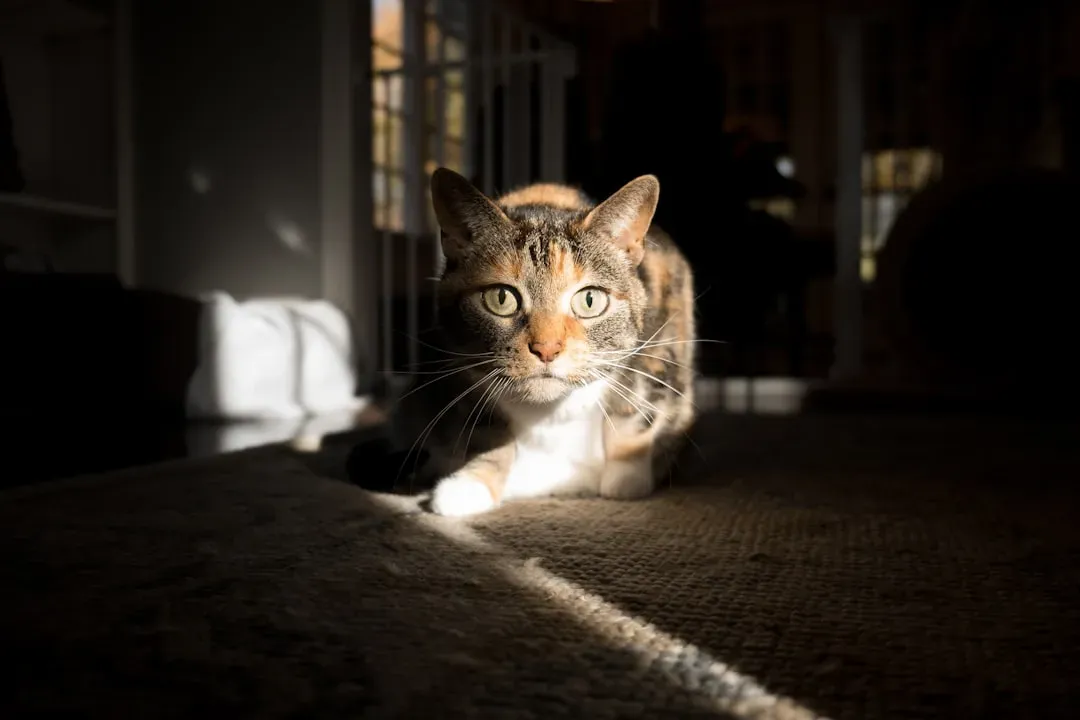
Here’s where things get trippy. Research found that cats allow roughly sixty percent of ultraviolet light to reach their retinas. Let that sink in for a second. Your cat is literally seeing a version of the world that’s completely invisible to you.
Urine and other natural products reflect strongly under ultraviolet light, and what might look like graffiti on walls to us could be amazing art to cats. UV vision helps cats detect the urine trails of their prey, such as rodents, which often reflect UV light. So when your cat stares intently at what appears to be an empty wall, they might actually be reading messages you can’t even begin to perceive.
Sunbeams As Energy Conservation Tools
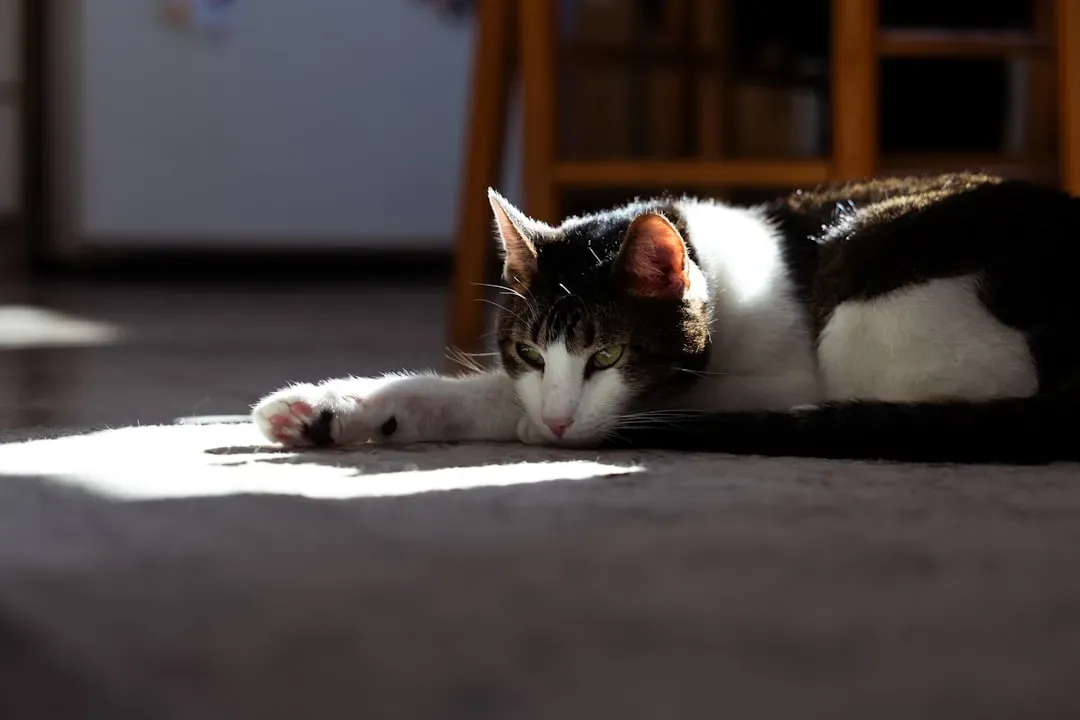
Warmth helps cats maintain their ideal body temperature without having to burn extra calories. This isn’t laziness. It’s efficiency on a level that would make an engineer weep with joy.
Cats sleep up to sixteen hours a day, and a warm spot helps soothe their muscles, promotes relaxation, and mimics the feeling of cozy cuddles from their kittenhood. Every sunbeam session is essentially a spa day for your cat. The heat penetrates their fur and skin, providing therapeutic warmth that makes those marathon napping sessions even more restorative. I think we could all learn something from this approach to self-care.
The Mathematical Precision of Spot Selection
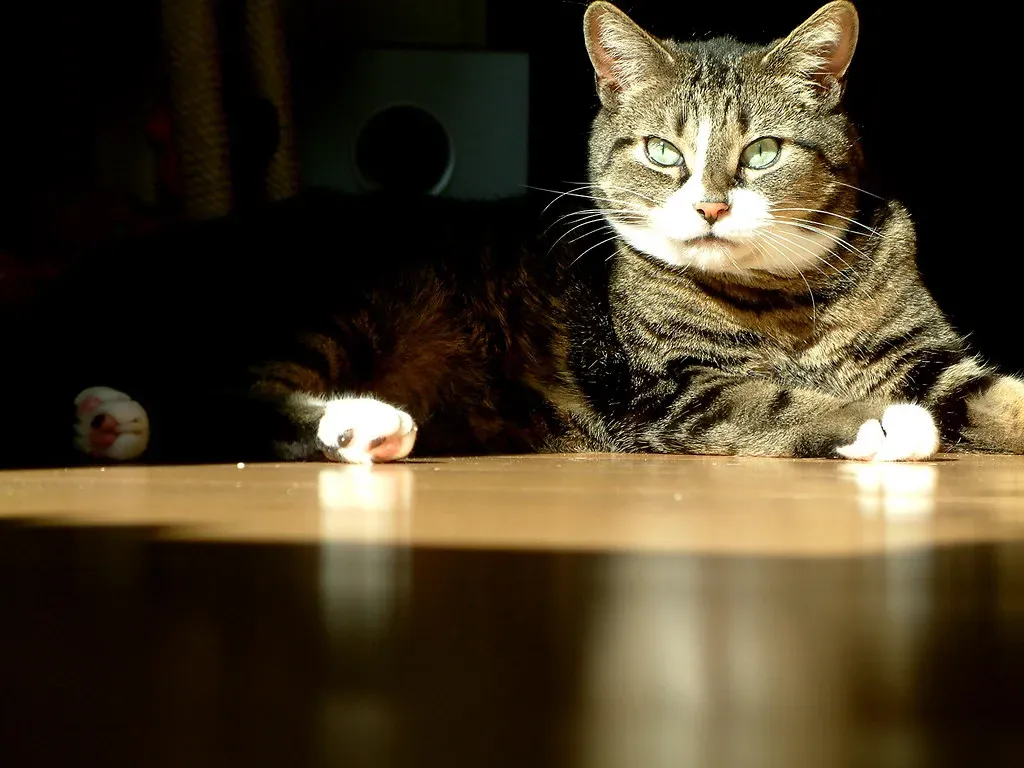
Cats are discerning connoisseurs when it comes to choosing their sunbathing spots, and these selections are not arbitrary but reflect a cat’s innate sense of comfort and safety. Watch your cat closely over the course of a few days. You’ll notice they don’t just flop down anywhere sunny.
Cats exhibit a keen sense of positioning themselves to capture the maximum amount of sunlight, stretching out on windowsills, lounging on cozy furniture, or finding creative vantage points. They’re calculating angles, assessing warmth intensity, and evaluating safety factors all at once. It’s like watching a tiny, furry architect at work.
The Circadian Connection You Never Considered
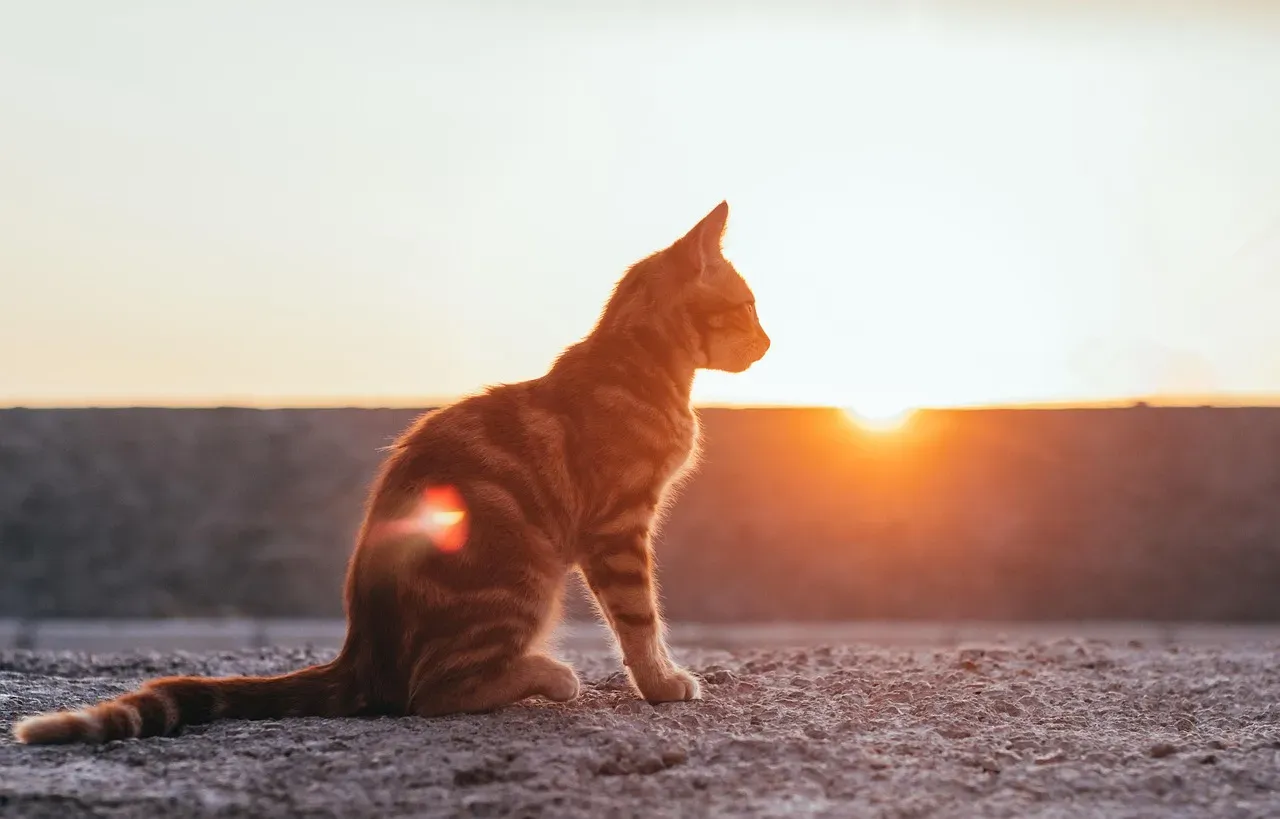
Cats have a crepuscular cycle, meaning their bodies are naturally awake and alert around sunrise and sunset. This sleep pattern directly influences their sunbeam-seeking behavior in ways that might surprise you.
Sunlight helps set cats’ circadian rhythms, and changes in light trigger periods of wakefulness and rest, just as sunrise and sunset would signal when it’s time to hunt or hide in nature. Your indoor cat still responds to these ancient cues. That’s why they might suddenly become restless when the quality of light changes in your home, even if you haven’t consciously noticed the difference yourself.
Joint Relief and Physical Comfort Benefits
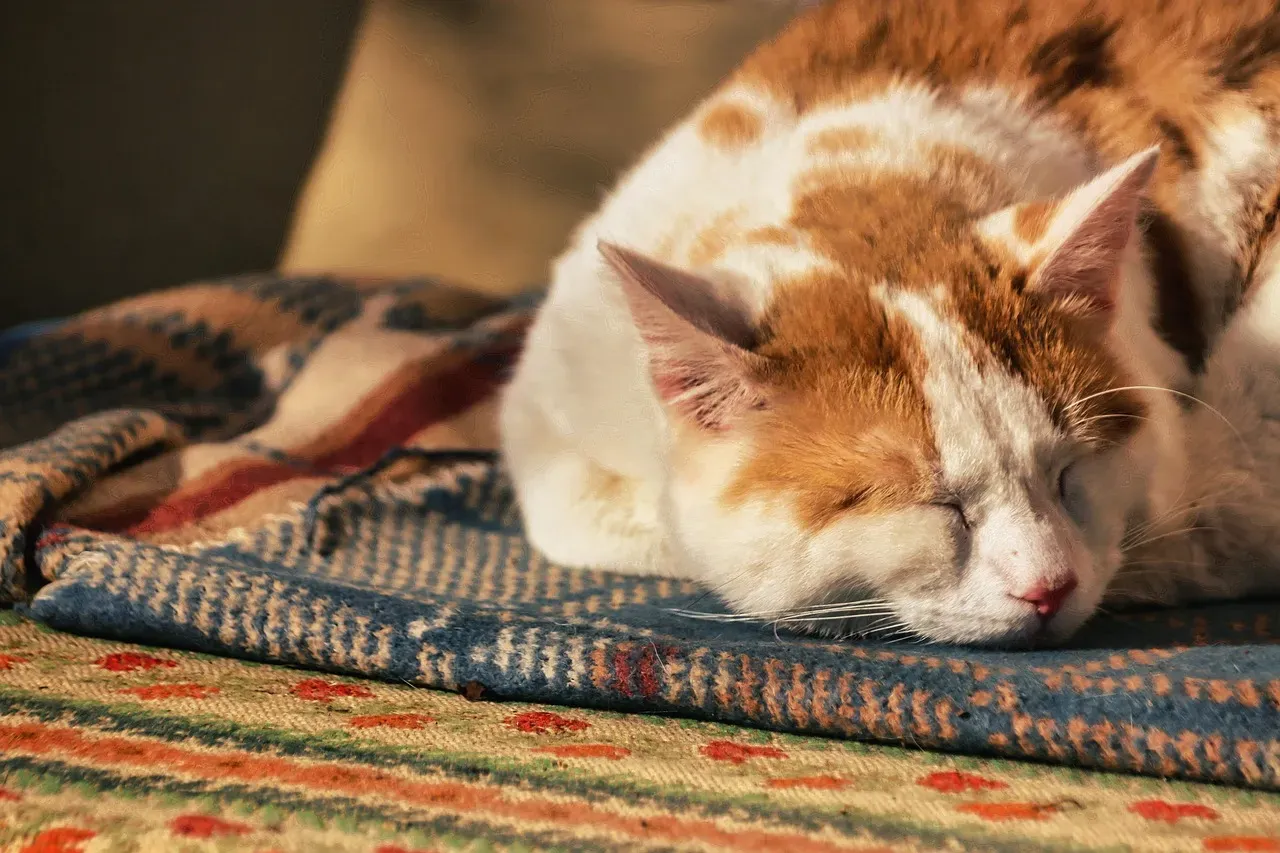
When cats lie in the sun, the warmth seeps into their muscles and joints, creating a soothing effect that’s especially beneficial for senior cats or those dealing with stiffness or arthritis. This isn’t just about feeling cozy.
Sunlight reduces strain on muscles and provides consistent warmth, giving cats a natural way to manage minor physical discomforts, and owners may notice their pets moving with greater ease after time spent in a sunbeam. Think of it as nature’s heating pad. For older cats especially, these daily sun sessions can make a real difference in mobility and overall comfort levels.
The Emotional and Psychological Angle
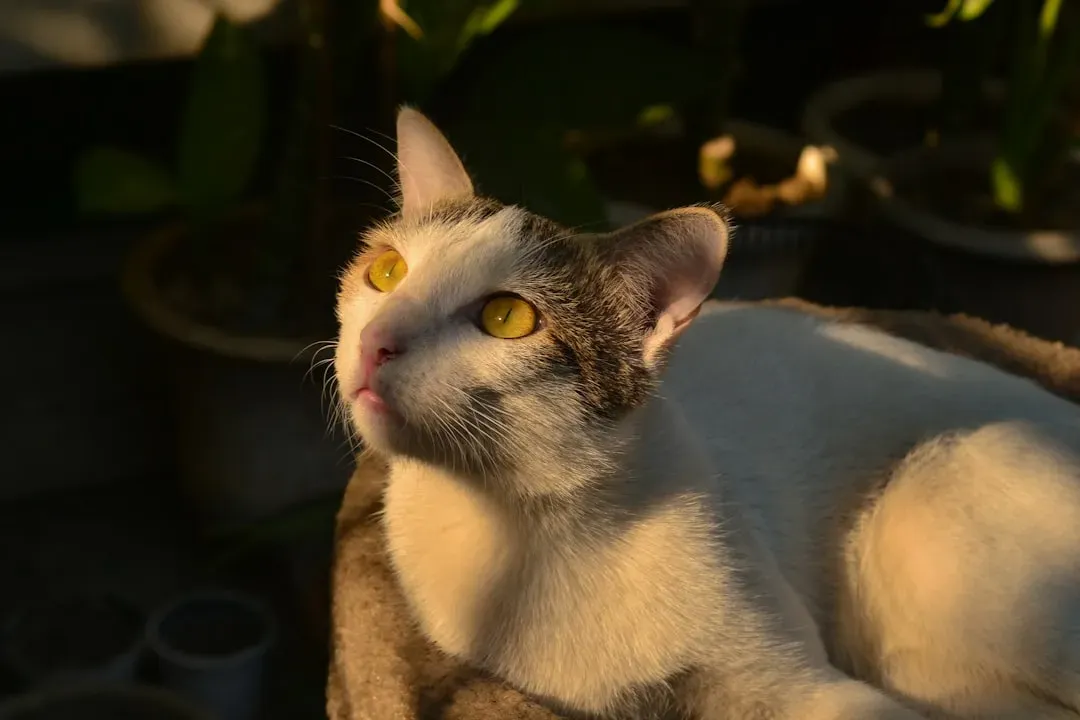
Sunlight has been linked to the release of serotonin in mammals, and warm, sunny spots seem to have a visibly calming effect on cats. This goes beyond simple physical warmth into the realm of mental health and emotional wellbeing.
Sunbathing has a calming effect that extends beyond physical benefits, with cats exposed to natural light often displaying signs of reduced anxiety and increased contentment as the steady warmth promotes relaxation. You might notice your cat becomes noticeably more zen after a good sunbathing session. There’s real science behind that blissed-out expression they get while basking.
When Sunbathing Stops Being Safe
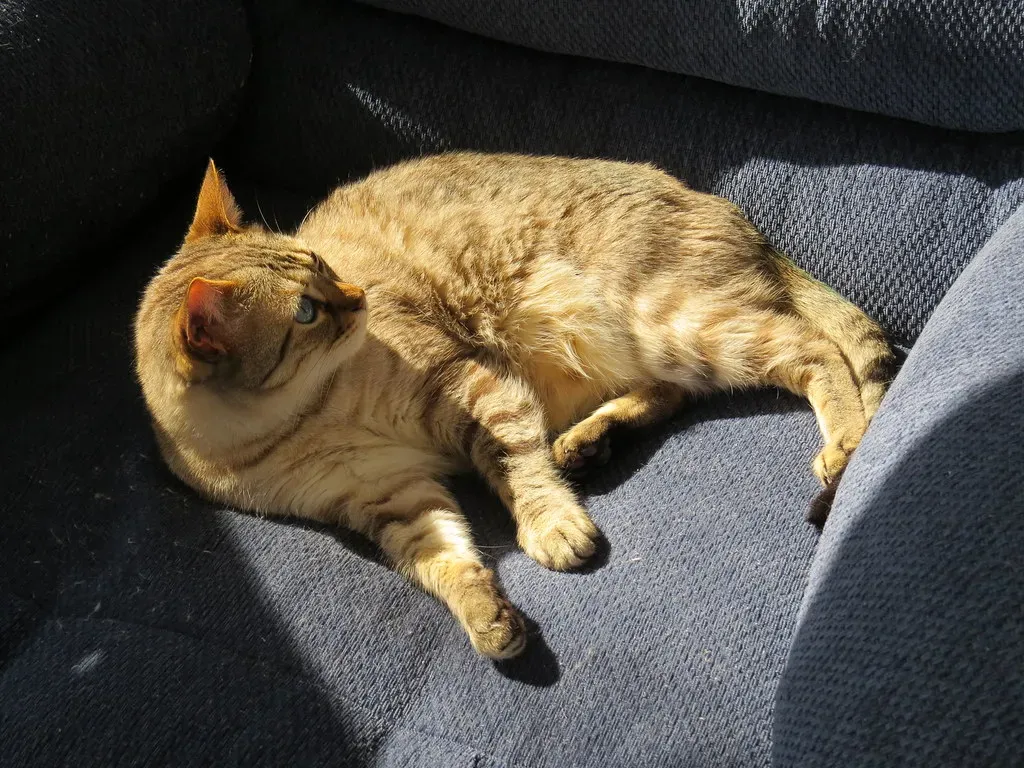
Let’s be real for a moment. While cats are natural sun worshippers, they can absolutely overdo it. Environmental temperatures greater than 100°F are considered too hot for cats. This matters more than you might think, especially during summer months.
Too much time in direct sunlight can lead to overheating or even sunburn, particularly for cats with light-colored fur or exposed skin areas, and owners should monitor their cats’ sunbathing sessions. Just like us, felines can burn from prolonged exposure to the sun, with a cat’s ears, nose and eyelids prone to burning, especially if they are light in color or have little or no fur. Keep an eye on your dedicated sunbather to make sure they’re not taking things too far.
How Your Cat’s Age Changes Their Sun Strategy
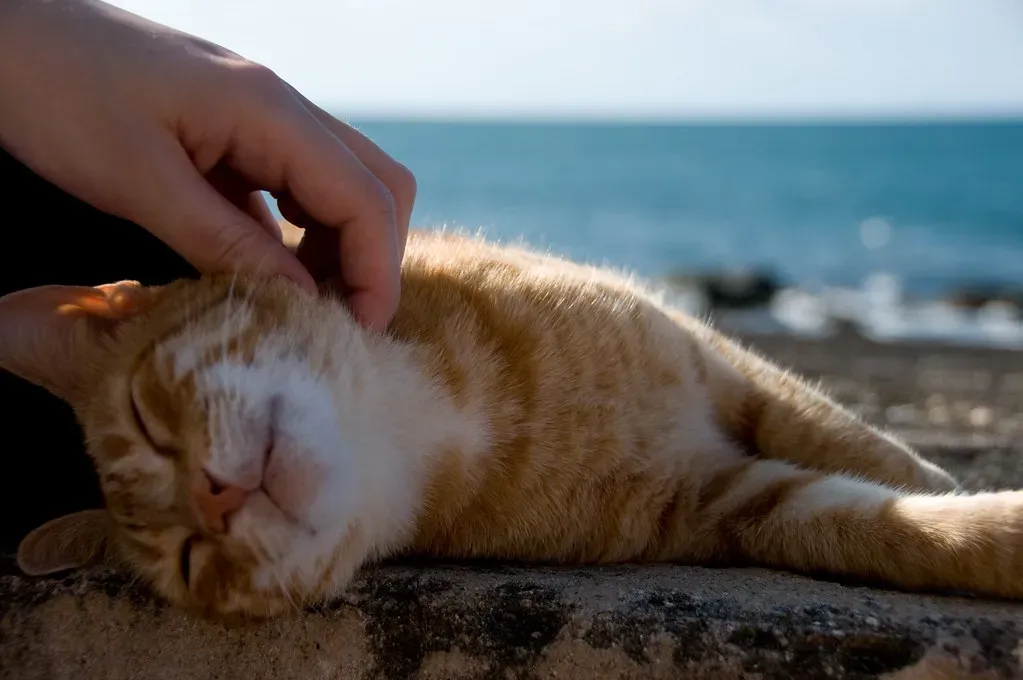
As cats grow old, they become more sensitive to cold temperatures, which is why they will look for places or objects that will make them feel warmer and cozier. Senior cats aren’t just being dramatic about needing that sunny spot.
In their early weeks as kittens, cats are incapable of regulating their body temperature, so a mother cat constantly licks her babies with her warm tongue, and growing up, cats instinctively seek warm objects to snuggle. This early programming never really goes away. Your adult cat’s obsession with warmth traces back to those first vulnerable weeks of life when warmth literally meant survival.
What You Can Do to Support This Behavior
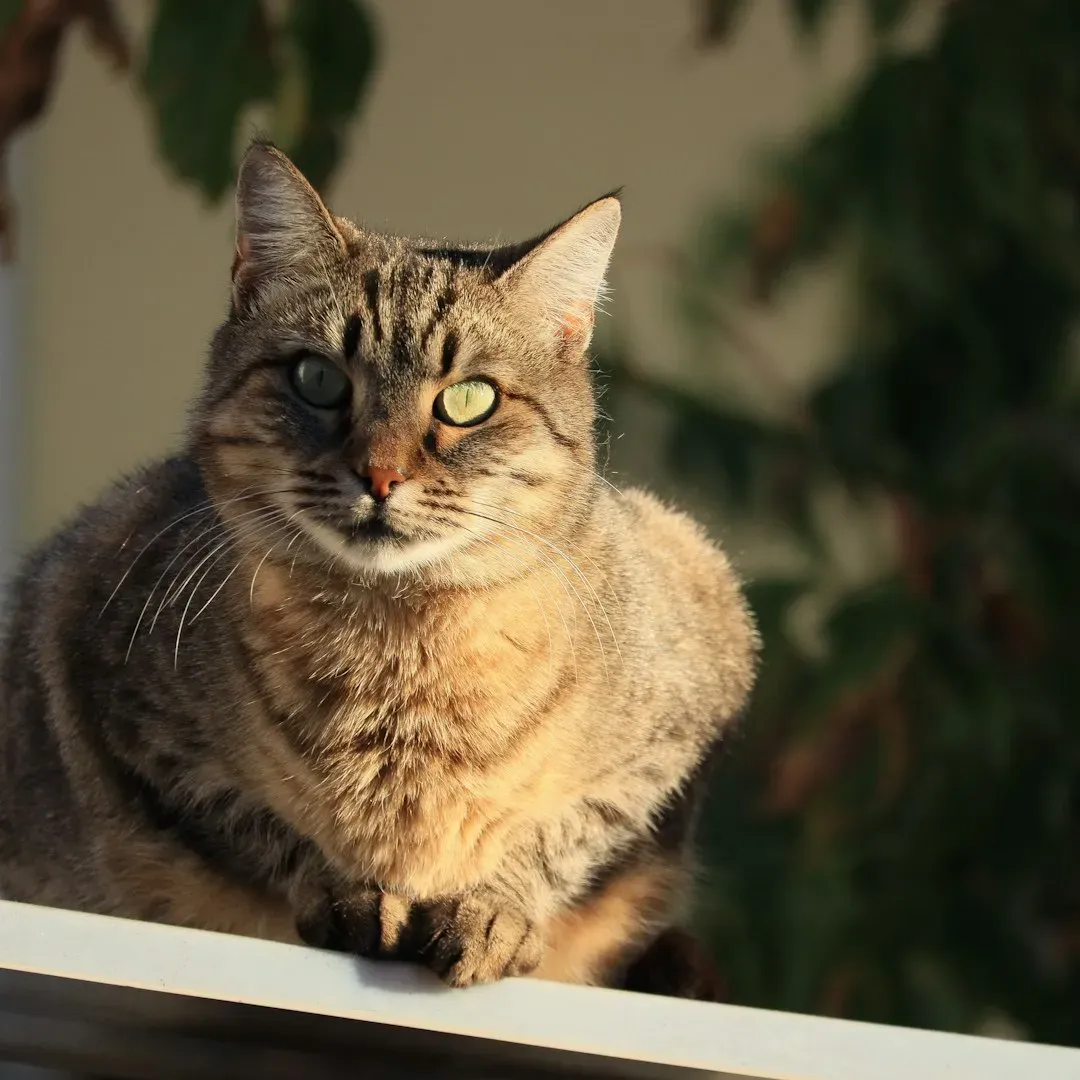
Understanding your cat’s sunbeam obsession is one thing, but you can actually help optimize their solar experience. Clear clutter from windowsills and areas where sunlight streams in throughout the day. Your cat will appreciate the unobstructed access to those coveted warm zones.
Consider setting up cat-friendly perches near windows or in spots that get reliable sun exposure. Make sure there are also shaded retreats nearby so your cat can regulate their temperature as needed. Remember, they’re smart enough to move when they get too warm, but having options makes their day that much better. What do you think about it? Does your cat have a favorite sunbeam spot that they defend fiercely?