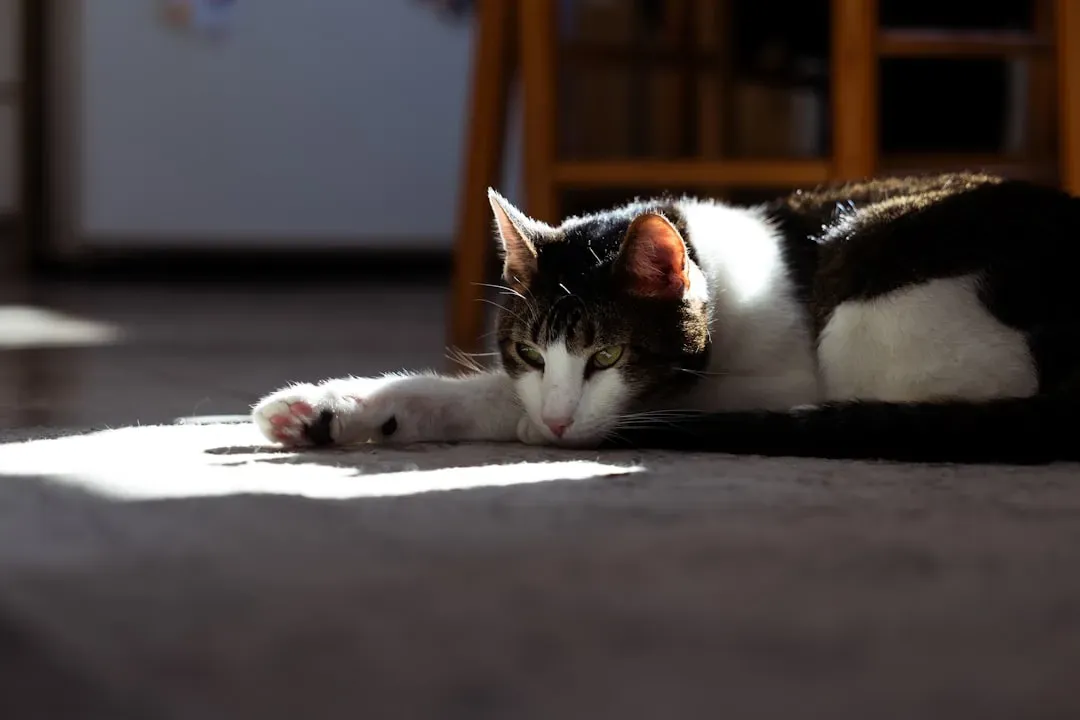
You’ve probably noticed your cat tracking sunlight like it’s on a treasure hunt. One moment they’re on the couch, the next they’ve relocated to the kitchen floor, stretching out in that perfectly positioned rectangle of sunshine. It’s charming, yes, but there’s actually way more going on than just your feline friend getting cozy.
Sunbeam chasing isn’t a quirk or a lazy habit. It taps into something primal, something smart, and something that makes perfect sense when you consider where cats came from and how their bodies work. Let’s dive into what’s really happening when your cat claims that warm patch of light.
That Sunspot Is a Natural Thermostat
Your cat’s body runs significantly hotter than yours – between roughly 100 and 102 degrees Fahrenheit, compared to our normal 98.6. That might not seem like a huge difference, but it means your cat is constantly working to maintain a higher internal temperature. When they sleep, their metabolism drops to conserve energy, which also lowers their body temperature a bit.
Maintaining this relatively high temp isn’t easy, especially during naptime, so instead of generating that extra heat themselves, cats seek out a sunbeam to do the hard work for them. Think of it as plugging into nature’s heating pad. It’s efficient, it’s free, and it requires zero effort. Honestly, it’s kind of genius.
It’s About Energy Conservation, Not Laziness
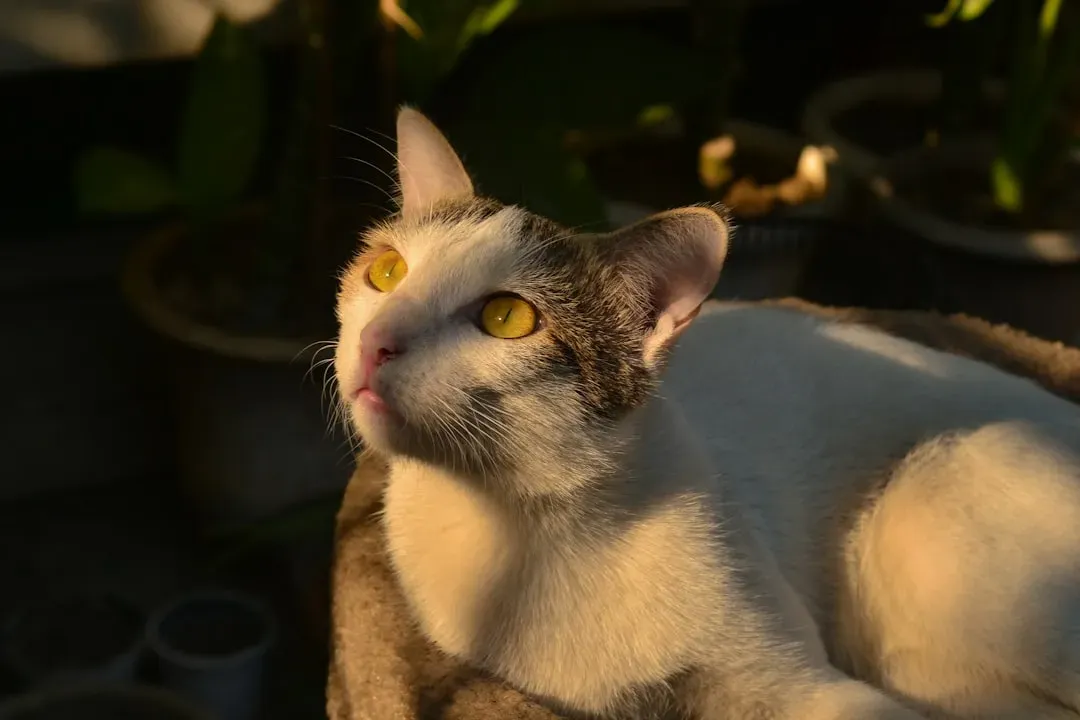
Sunbathing helps them maintain body temperature without expending additional energy, which is particularly important for cats that spend much of their day resting or sleeping. Cats are masters at conserving energy, and finding warmth externally instead of burning calories internally is just smart survival strategy.
You might think your cat is being lazy, lounging in the sun for hours on end. They’re not. They use the heat to help their body maintain their naturally high temperature. This behavior is hardwired into their biology. It’s efficient living at its finest, something their wild ancestors perfected thousands of years ago.
Desert Ancestry Still Runs Deep
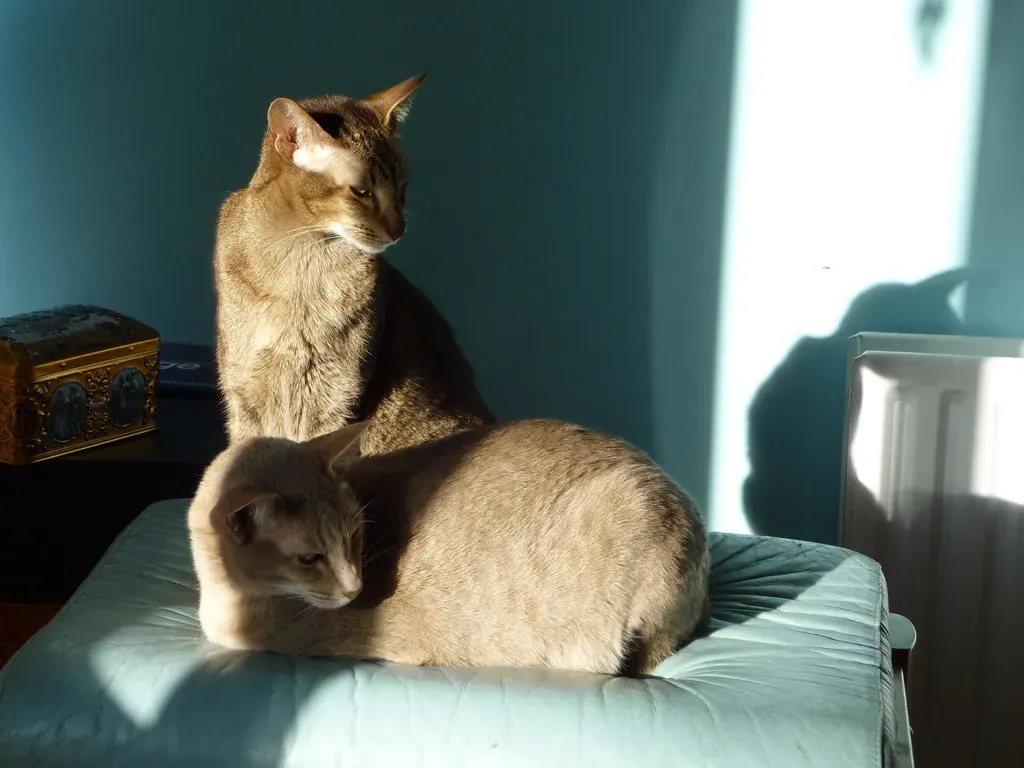
Cats are descended from ancestors in the Middle Eastern desert and African plains, and therefore cope well with heat. Those sandy, scorching environments shaped how modern cats regulate temperature and seek comfort. Their bodies are built to handle warmth better than cold.
When we put together the cat’s origins in the deserts of the Middle East, their high metabolism, and their particular style of hunting, the picture becomes clearer – as a desert animal, cats would have developed a high heat tolerance. So when your pampered house cat sprawls dramatically in a sunbeam, they’re basically channeling their ancient relatives who lounged on sun-baked rocks between hunts. The setting has changed, but the instinct remains the same.
Sunlight Soothes Achy Joints and Muscles
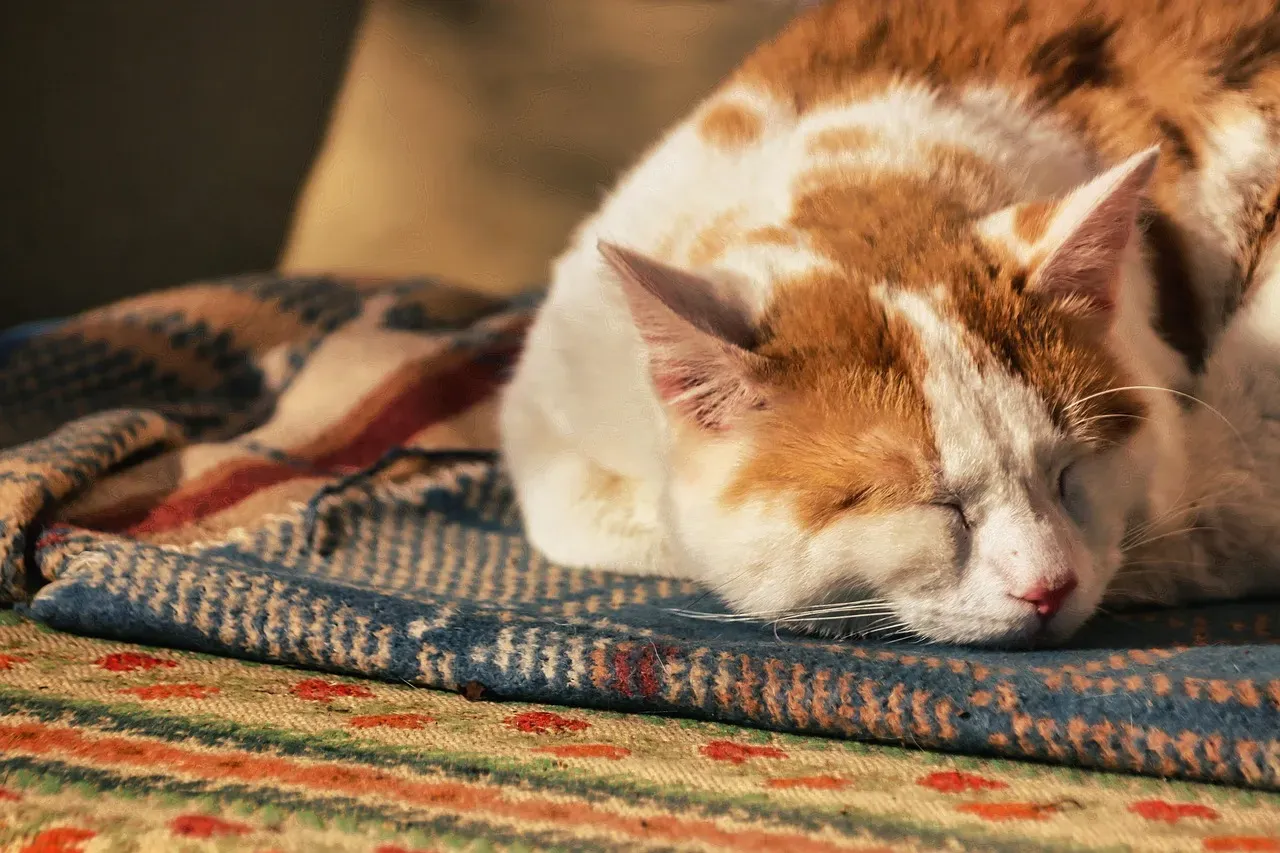
Natural light and heat can soothe achy limbs and joints and helps to regulate internal body temperature, which is particularly comforting and reduces symptoms caused by osteoarthritis and other health concerns. If you’ve ever used a heating pad on sore muscles, you already understand the appeal. For cats, especially older ones or those dealing with arthritis, the sun provides gentle, consistent warmth that eases stiffness.
The warmth helps improve blood circulation, reduces joint stiffness, and can be particularly beneficial for senior cats or those with arthritis – the increased blood flow can also support healing and promote overall physical wellness. You might notice your older cat spending even more time in sunny spots than they used to. That’s not coincidence. They’re self-medicating in the simplest, most natural way possible.
It’s a Mood Booster, Plain and Simple
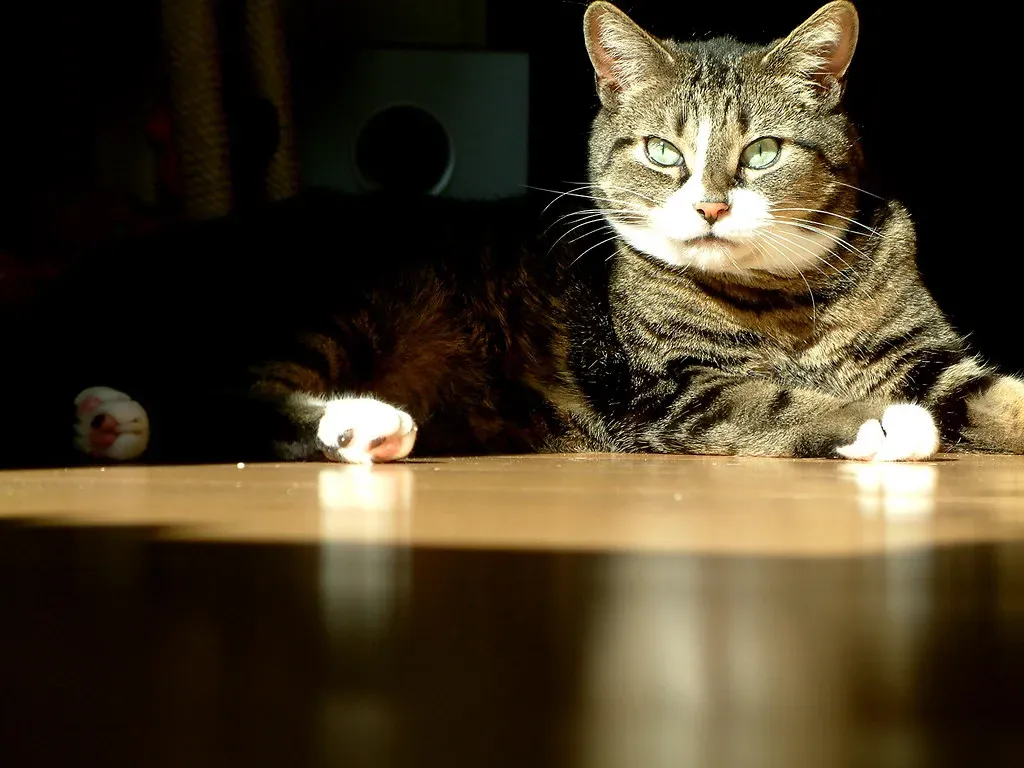
Sunlight can boost your cat’s mood by increasing serotonin, known as the “feel-good” hormone, which can make your cat happier and more content. Just like humans feel better on sunny days, cats experience a similar lift. That warm glow doesn’t just heat their fur – it brightens their mood.
According to science, there seems to be a relationship between serotonin and the amount of available sunshine – cats probably like sunlight as it can stimulate serotonin production. So when your cat seems extra relaxed and blissed out in a sunbeam, they’re not faking it. They’re genuinely experiencing a biochemical mood boost. It’s nature’s antidepressant, and your cat knows exactly where to find it.
The Vitamin D Myth You Need to Know About
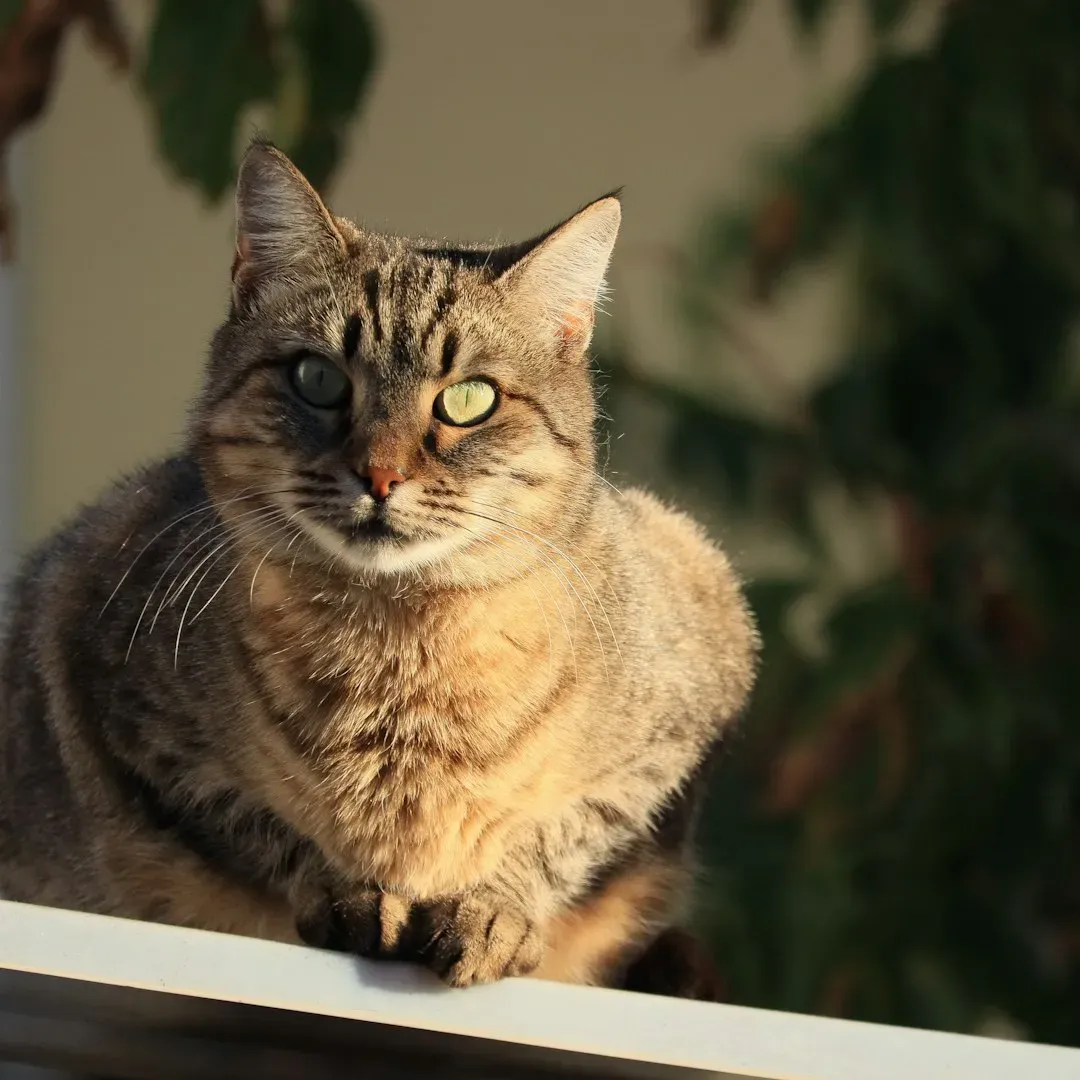
Here’s the thing: unlike humans, cats don’t make vitamin D from sunlight. Let me repeat that because it’s a common misconception. Cats are 100% dependent on their diet for this important vitamin – cat skin cannot metabolize sunlight into vitamin D. Their fur blocks the absorption process, and their bodies just aren’t wired to synthesize it the way ours are.
Dogs and cats have differences in vitamin D metabolism compared to other mammalian species, as they are unable to perform vitamin D cutaneous synthesis through sun exposure – therefore, they are dependent on the dietary intake of this nutrient. So while your cat might look like they’re “recharging” in the sun, they’re not actually absorbing nutrients. They’re just enjoying the warmth and the mood benefits. The vitamin D? That comes from their food.
Territorial Instincts Meet Comfort Zones
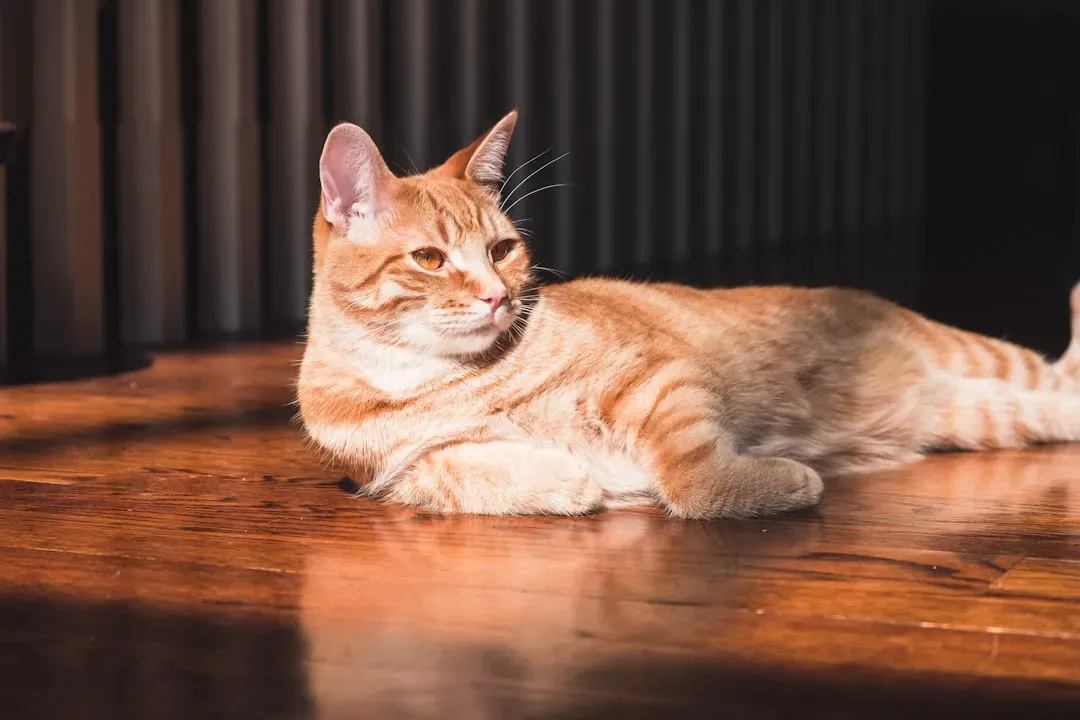
Cats are territorial creatures, and that favorite sunny spot? It’s not just about warmth. The sunlit spots within a cat’s territory often serve as focal points for social interactions with other cats – these interactions extend to intricate social dynamics, as cats are territorial animals and sunlit areas often become symbolic territories.
If you have multiple cats, you’ve probably witnessed some subtle (or not so subtle) battles over prime sunbeam real estate. That’s because claiming the best spot isn’t just about comfort – it’s about status. The sunniest perch can become a territorial marker, a cozy throne that signals dominance or preference within the household hierarchy. Your cat isn’t just napping; they’re also reinforcing their place in the home’s social structure.
There Are Real Risks to Watch For
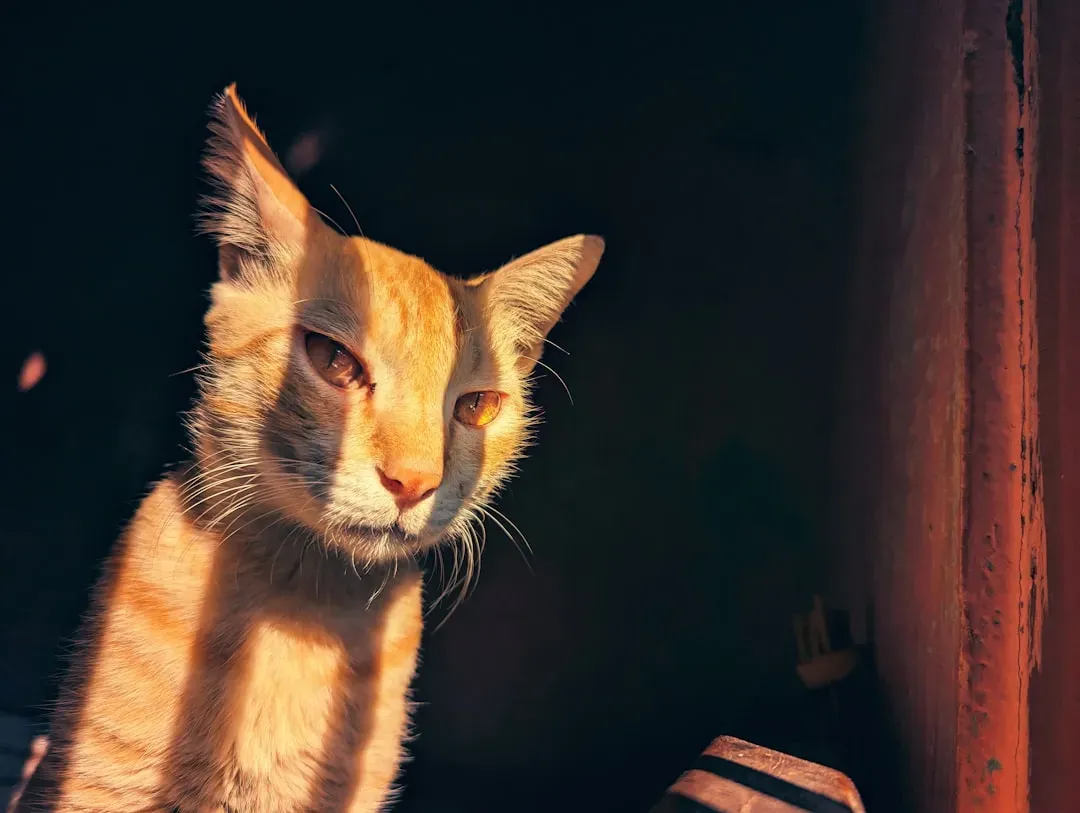
Extended and regular exposure to the sun’s harmful rays can burn the delicate skin tissue of many cat breeds, especially hairless or light-furred varieties – too much can burn the sensitive skin on the ear tips, nose, lips, feet, and belly, and skin cancer is not rare in cats. White cats and those with thin fur are especially vulnerable.
Just like humans, cats can suffer from dehydration, heatstroke, and sunburn, so some gentle precautions should be taken – cats like sunbathing and it helps them maintain their body temperature, but too much sun can cause health issues. Most cats will naturally move when they get too hot, but older cats or those with health issues might not. Keep fresh water available, provide shaded areas, and monitor your cat during peak sun hours. Indoor sunbathing through a window is generally safer than direct outdoor exposure.
Creating the Perfect Sunbathing Setup at Home
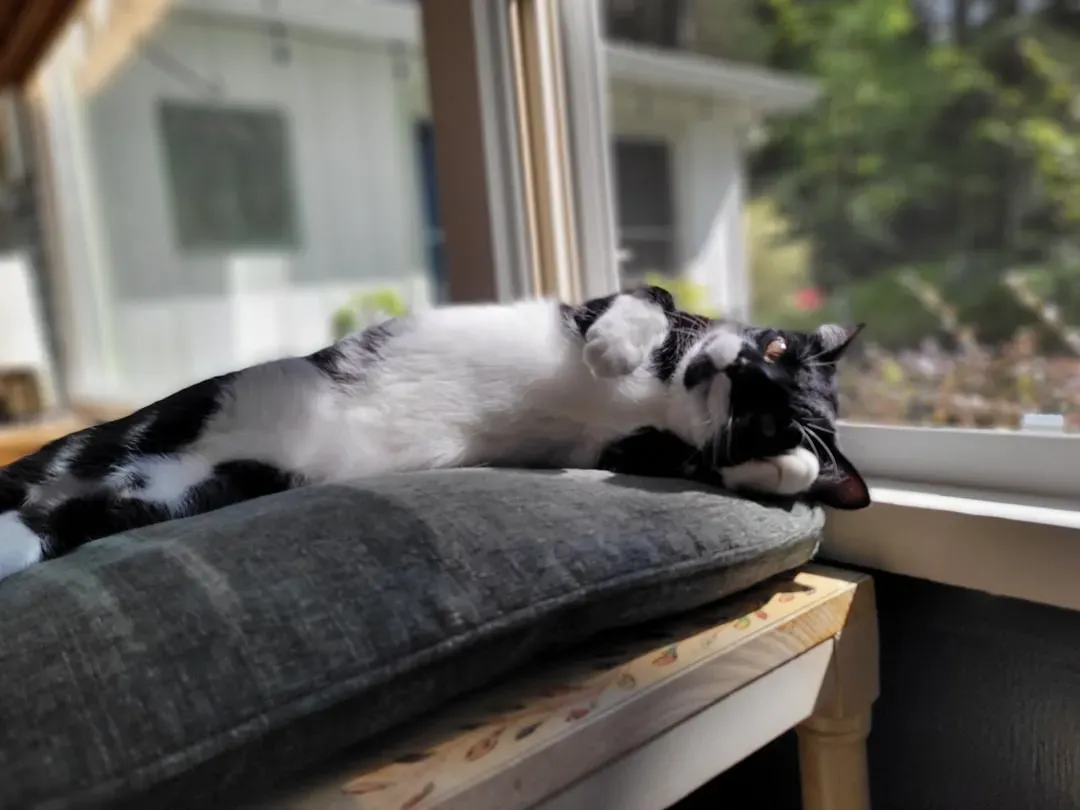
You don’t need anything fancy to support your cat’s sunbathing habit. A simple windowsill perch or a soft blanket near a sunny window works wonders. Indoor sunbathing through a window is a safe and easy option, allowing cats to enjoy warmth without direct exposure to harmful rays – for cats that spend time outdoors, providing shaded areas, access to fresh water, and limiting sun exposure during peak heat hours are essential.
Rotate cozy spots around your home so your cat always has access to warm areas as the sun moves throughout the day. You might even notice your cat following the light from room to room, adjusting their position as the angle changes. That’s not obsessive behavior – that’s smart sun management. Give them options, keep them safe, and let them enjoy one of their most instinctive pleasures.
Conclusion
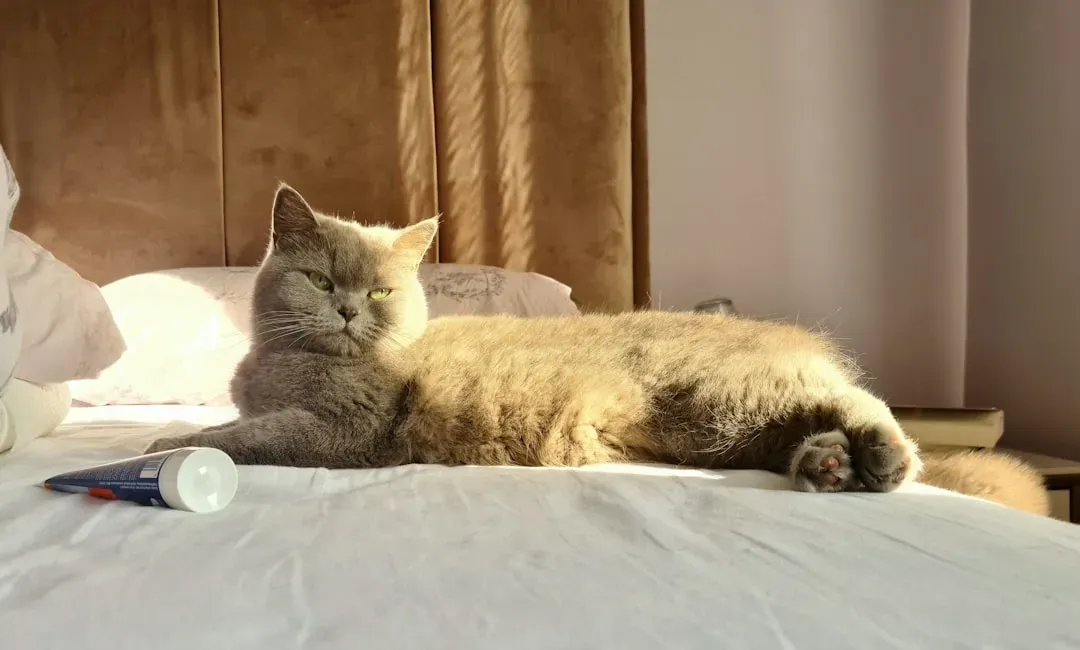
That sunbeam your cat treasures isn’t just a warm spot on the floor. It’s a thermostat, a pain reliever, a mood enhancer, and a little slice of their ancestral past all rolled into one glowing rectangle. Understanding why your cat seeks out sunlight helps you appreciate the complexity behind what seems like simple lounging. It’s biology, instinct, comfort, and contentment wrapped up in fur and whiskers.
So next time you see your cat sprawled out in a patch of sunshine, remember they’re not just being lazy – they’re doing exactly what their body and brain are telling them to do. Maybe even join them for a moment. After all, if cats have figured out one thing perfectly, it’s how to find joy in the simplest, warmest places. What’s your cat’s favorite sunny spot in your home?