You probably think your cat just likes that sparkly feather wand because it’s shiny. Maybe it’s the crinkle sound. Maybe it’s just random. But here’s the thing – nothing your cat does during playtime is random at all. Every pounce, every stalk, every furious kick of a stuffed mouse is a tiny, living window into thousands of years of wild instinct packed inside a creature that also sleeps on your laptop.
At their core, all cats are hunters. Long before they became our couch companions, the wildcat ancestors of modern domestic cats roamed the deserts and grasslands of North Africa and the Middle East in search of prey, including lizards, birds, and especially rodents. That ancient drive hasn’t gone anywhere. It just relocated to your living room floor. So let’s dive in and discover exactly what your cat’s toy choices are quietly telling you.
Why Cats Play the Way They Do: It’s All About the Hunt
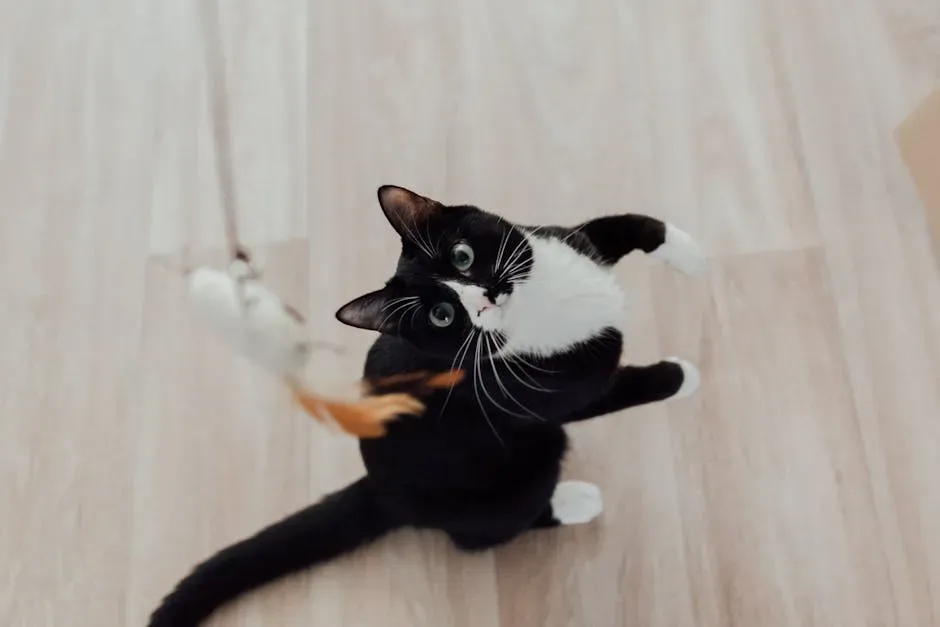
Let’s be real – when you watch your cat explode off the sofa to attack a crumpled piece of paper, it doesn’t look like “play.” It looks like something much more serious. That’s because it is. Since cats are meat-eating predators, nearly all cat games are predatory games. Predators often encounter prey that attempt to escape predation, and cats often play more with toys that behave like prey trying to flee than with toys that mimic confrontational prey moving toward them.
Cats are natural hunters, and their play behavior is deeply rooted in their predatory instincts. When your cat engages with a toy, it is not just having fun – it is practicing skills that would be crucial for survival in the wild. Think of it like a rehearsal. The toy is just the stand-in. The instinct is completely real.
Feather Wands and the Bird-Hunting Cat
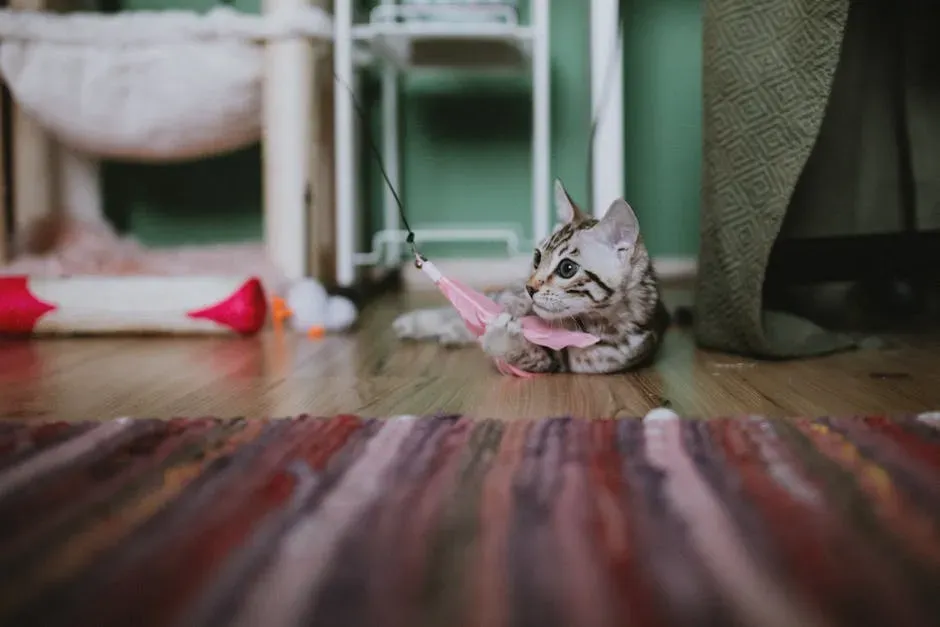
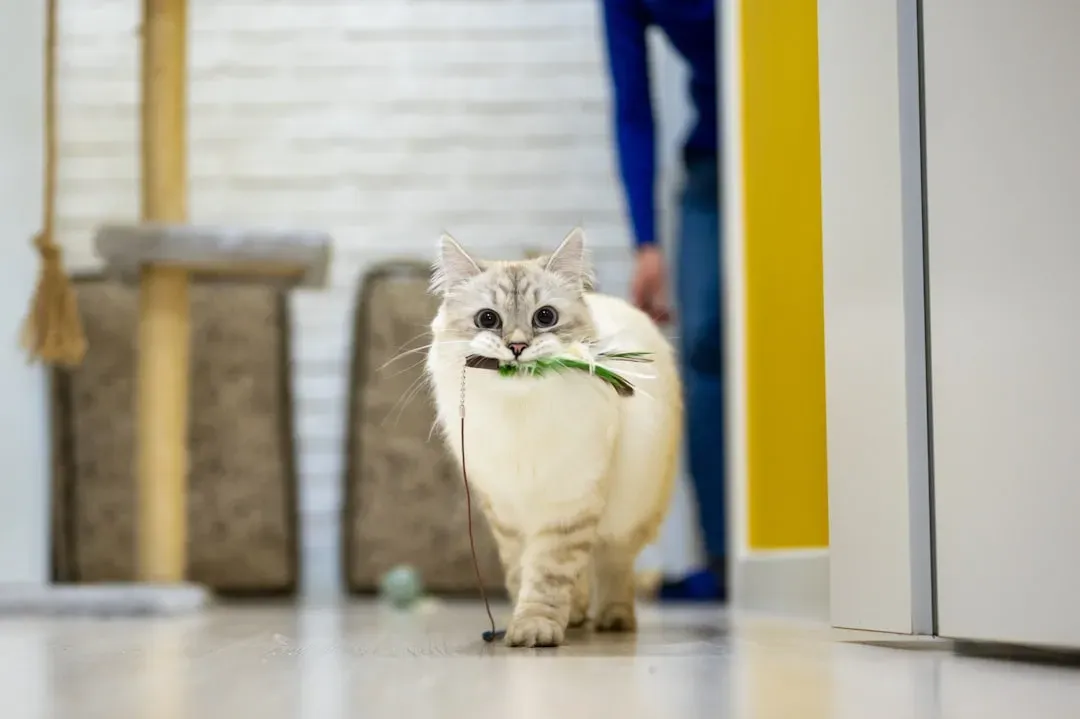
Feather toys are favorites for most cats because they mimic the behavior and appearance of birds. If your cat goes absolutely wild for feather wands, launching itself into the air or batting at dangling plumes with intense focus, you’re most likely looking at a dedicated aerial hunter. This is the cat that, in the wild, would specialize in snatching birds mid-flight or plucking them from low branches.
If your cat seems to enjoy feathers and objects in the air, you should choose toys that resemble birds. Bird toys use feathers and shapes that resemble birds, and many are attached to a string so they can be made to flutter and fly through the air for the cat to chase, jump, and stalk. These toys can also make chirping sounds to attract your cat’s attention. Pay close attention to how high your cat leaps – it tells you a surprising amount about their confidence and athletic ambition as a predator.
Mouse Toys and the Ground-Level Stalker
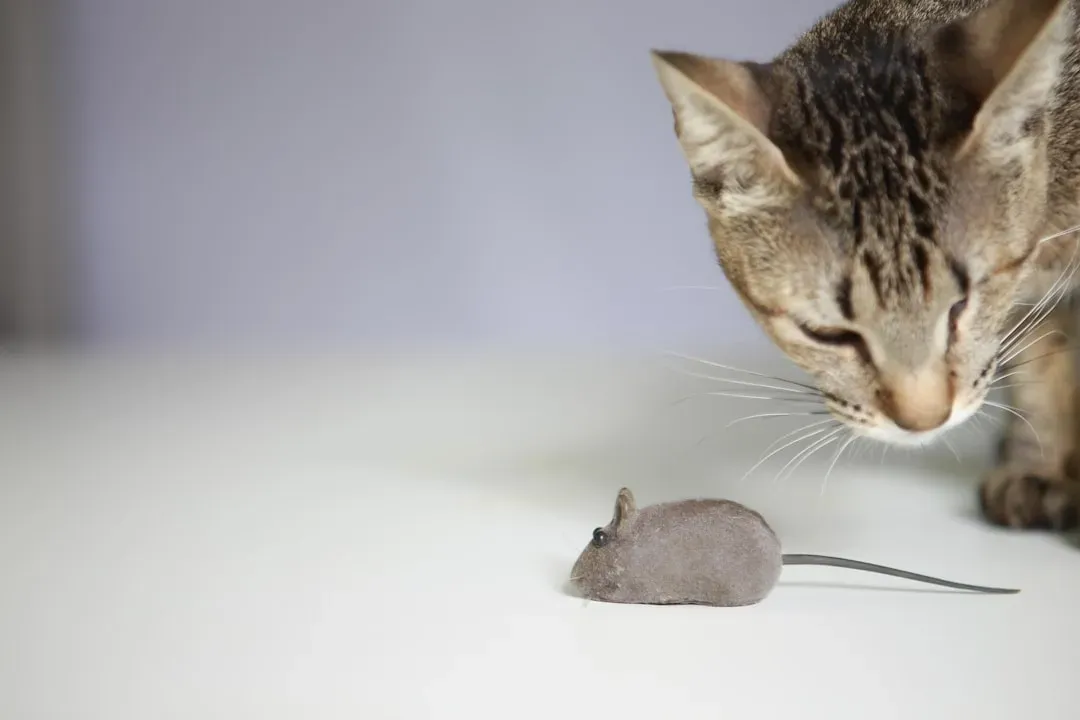
On the opposite end of the spectrum, you have the cat that couldn’t care less about anything in the air but will obsessively bat a fur-covered toy mouse across every hard floor in your home. This cat is a ground hunter through and through. If your cat prefers furry toys and toys moving on the ground, you should choose objects that resemble mice. This is classic rodent-hunting behavior, patience-driven and low-to-the-ground.
Mouse toys are typically balls, fur-covered, or stuffed toys that are played with on the ground rather than in the air. Playing with small, stimulating toy mice gives cats the satisfaction of the kill. Honestly, I think this type of cat is often the most underestimated. They are methodical, calculating, and incredibly focused. The mouse-toy obsessive is almost certainly the cat that would be a devastating hunter outdoors.
Laser Pointers: The Thrill Without the Finish
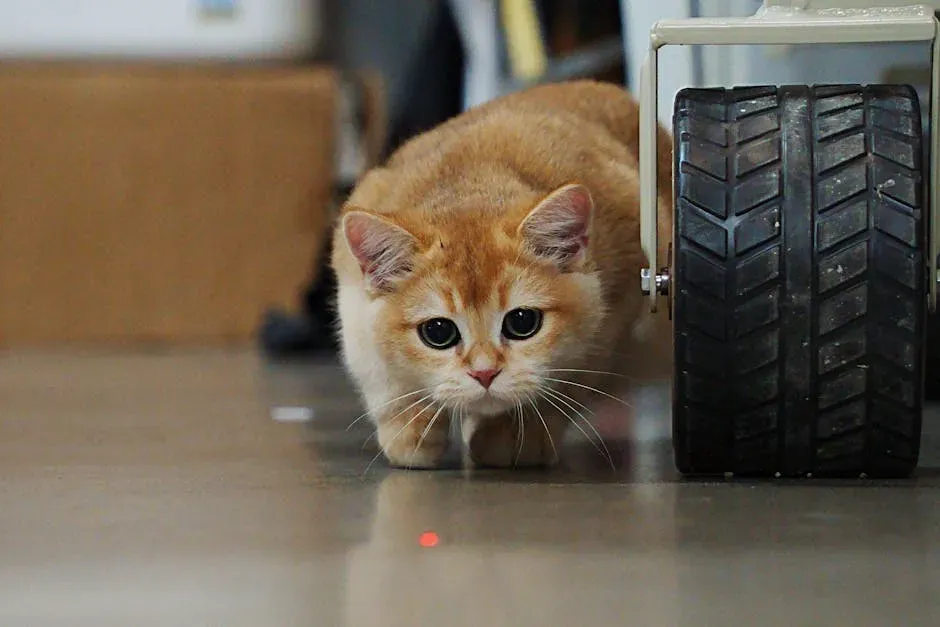
Here’s where things get psychologically interesting. Laser pointer cats are everywhere, and their frantic, spinning pursuit of that little red dot is undeniably entertaining to watch. While electronic cat toys like laser pointers activate the chasing aspect of predatory behavior, they cannot satisfy the urge to actually capture prey. That’s a big deal, because the hunt, for a cat, is only half the equation.
To avoid frustration, you should end each laser play session by pointing the dot at prey your cat can actually “catch,” because the key is making sure there’s some reward to make your cat feel like the hunt was successful. Some cats will become obsessed with looking for the red dot if they are not allowed to catch it. If your cat seems fixated or frustrated after laser play, that’s your cue. They need a physical, tangible “kill” to complete the sequence – a crinkle toy, a stuffed mouse, anything they can grab and bite.
Puzzle Toys and the Intellectual Predator
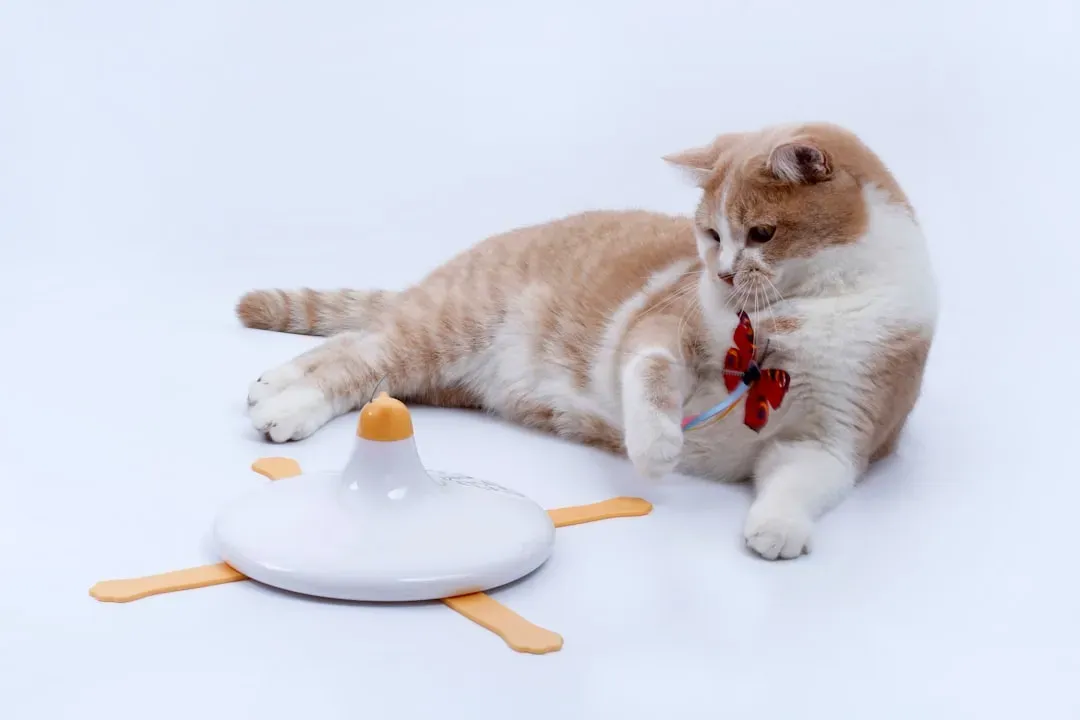
Some cats aren’t just physically driven hunters. They’re problem-solvers. If your cat goes crazy for puzzle feeders or toys that require pawing items out of tubes and compartments, you’re probably sharing your home with a highly intelligent, cognitively engaged predator. Puzzle toys can help prevent boredom, and they force cats to use their brains and bodies in ways that mimic predatory behavior – for instance, using paws to tease kibble out of a tube is somewhat similar to manipulating a mouse to prevent injury.
Object play in cats includes behaviors such as poking, batting, scooping, leaping, grasping, stalking, and biting different objects. The puzzle-obsessed cat is essentially channeling the problem-solving portion of the hunt, the part where a wild cat figures out how to extract prey from a tight hiding space. By providing cats with opportunities to hunt through play, you are fulfilling a fundamental need in their behavioral repertoire, and hunting play also helps cats release pent-up energy, reduce stress, and prevent behavior problems that may arise from boredom.
Kicker Toys and the Ambush Specialist
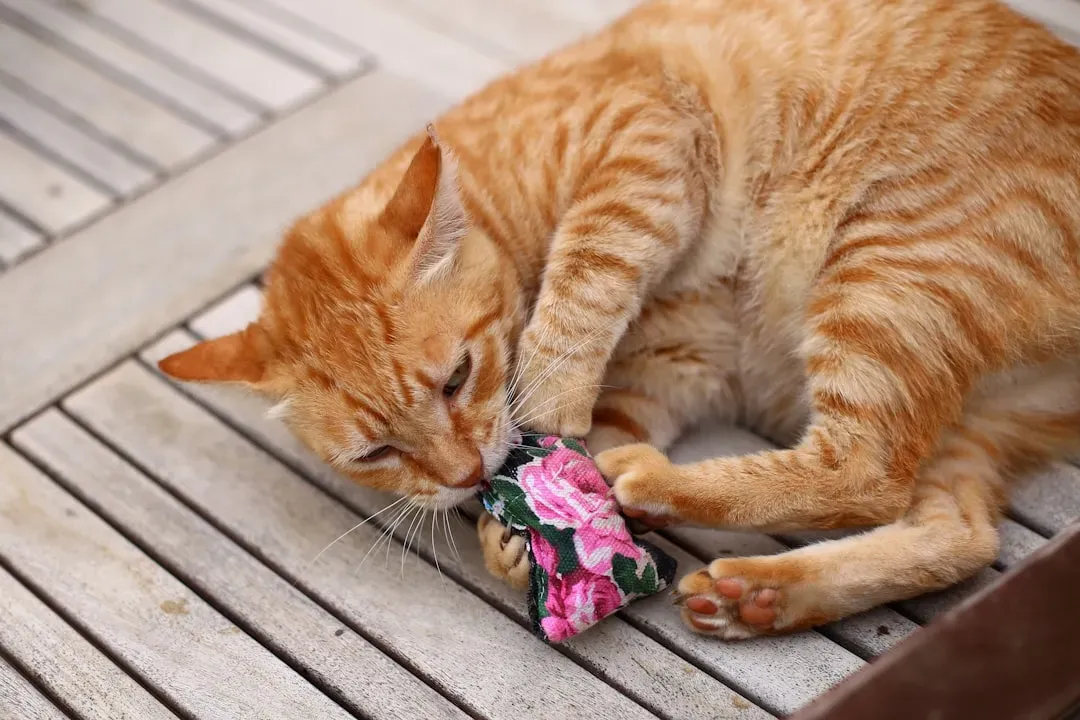
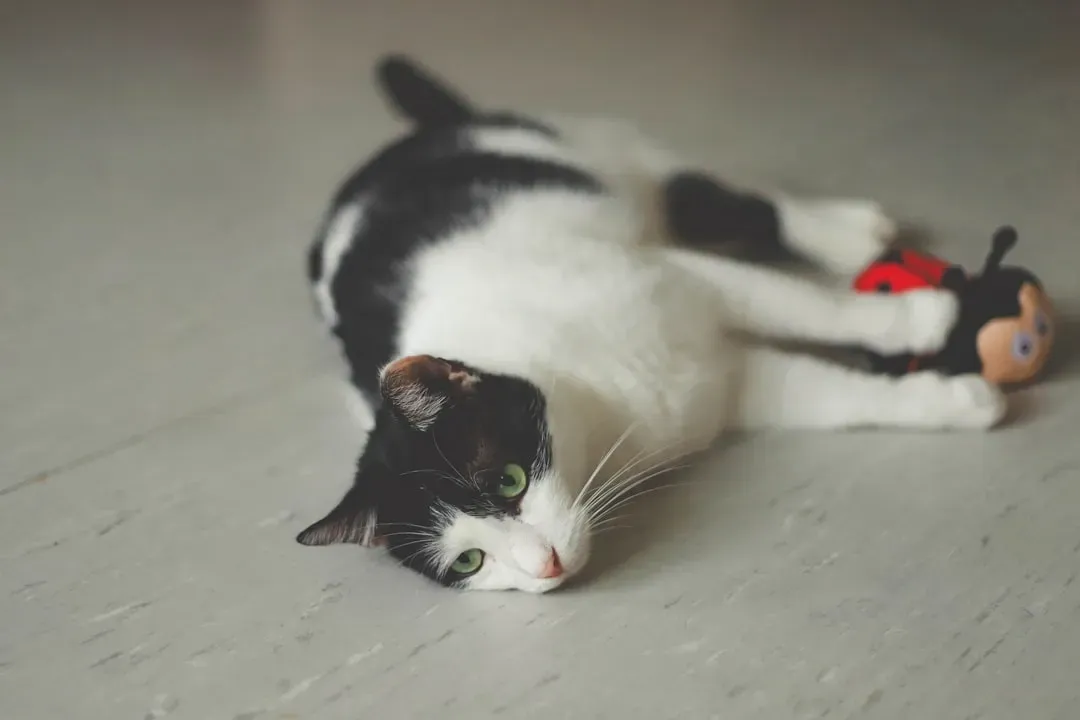
You’ve seen it. Your cat grabs a long stuffed toy, wraps their front paws around it, and proceeds to bunny-kick it with both back feet like it owes them money. This is one of the most primal hunting behaviors a domestic cat can display, and it’s deeply revealing. It mimics the final phase of capturing large or struggling prey, where a cat would use its powerful hind legs to subdue a target too big to kill with a single bite.
A small, timid cat, for example, may not want to play with a large kitty kick-bag toy because it may resemble more of an opponent than prey. So if your cat actively seeks out and aggressively kicks larger toys, you’re looking at a bold, confident hunter with a strong prey drive. Play can include a number of components of the cat’s predatory nature, including the stalk, pounce, and bite, which can be extremely intense. The kicker-toy fanatic is almost certainly the cat that would take on something bigger than a mouse in the wild without blinking.
Crinkle Bags and Paper: The Instinctive Sound Hunter
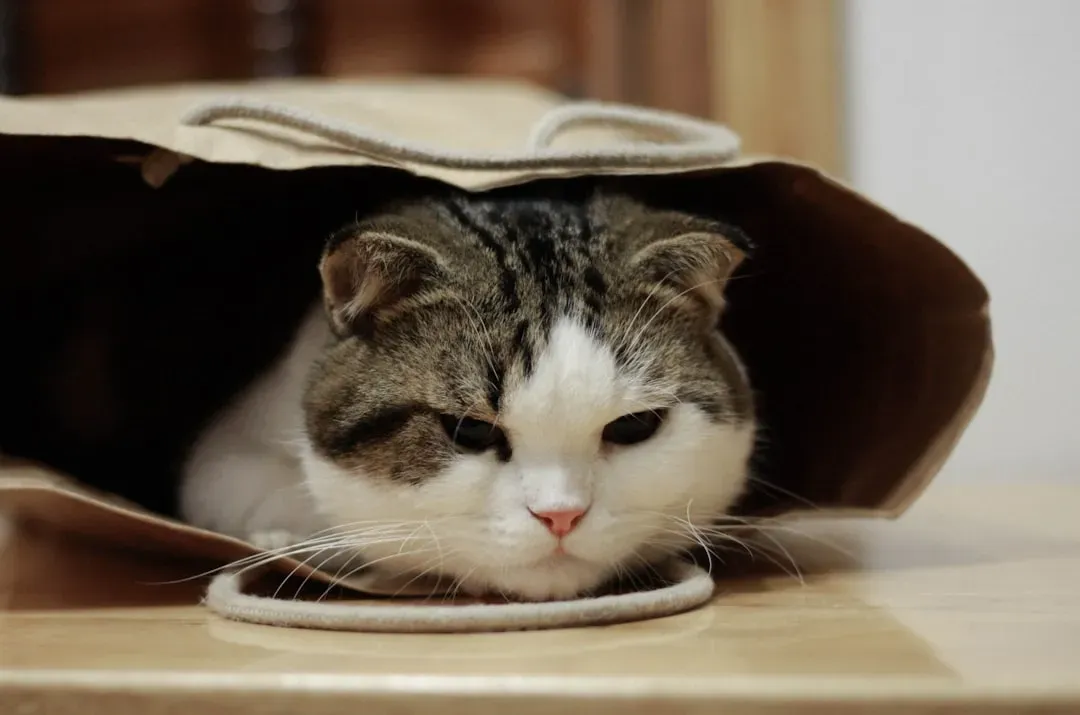
This one surprises a lot of cat owners. You spend $40 on a premium interactive toy and your cat ignores it entirely, then loses their mind over a crumpled grocery bag. Sound familiar? It’s not ingratitude. It’s evolutionary. A toy that makes a rustling sound may be very appealing because it resembles the sound of a chipmunk or mouse darting through the leaves. Your cat is responding to auditory cues that are hard-wired into their brain as prey signals.
Cat play can be enriched with the addition of obstacles behind which prey can hide and items that make sound when the toy moves through them, such as dried leaves, grass, or even a paper bag. Your cat may have a texture preference and might prefer a soft toy they can sink their teeth into over a hard plastic toy, and sound also plays a significant part in whether your cat will enjoy or ignore a toy. The sound-sensitive cat is an expert tracker and ambush hunter, relying as much on hearing as on sight to locate prey.
How Toy Preference Reveals Your Cat’s Unique Prey Profile
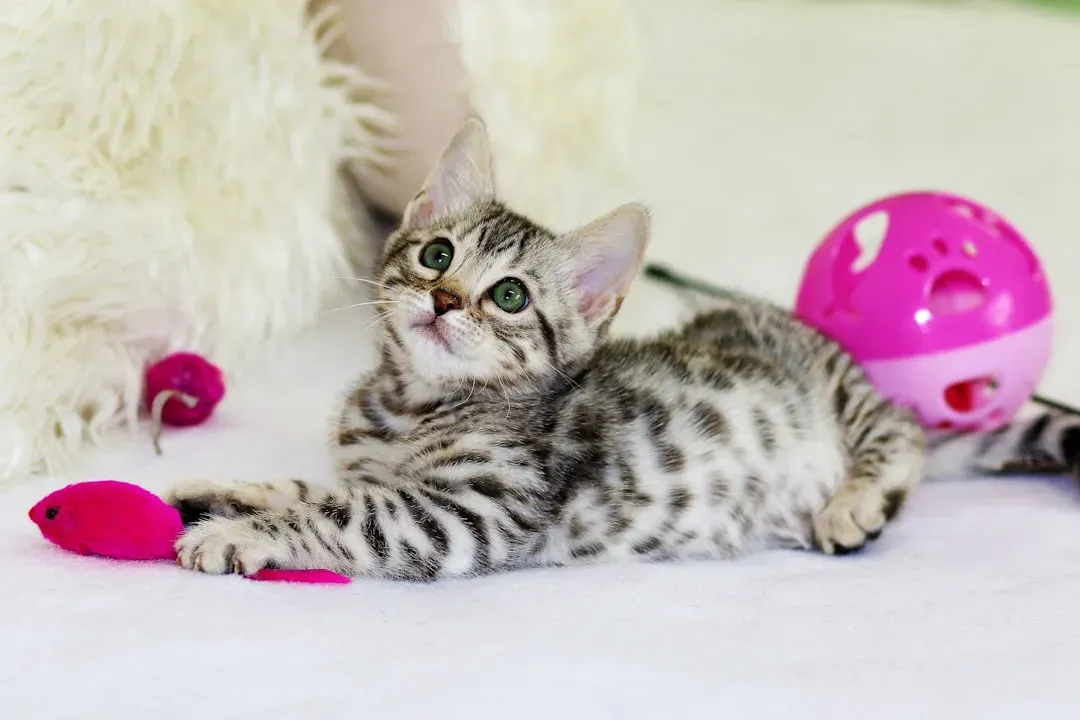
Most cats prefer to hunt specific creatures. Some cats prefer to chase mice, while others may prefer to catch birds or bugs. Identifying your cat’s prey preference allows you to buy or make toys that your cat will be more likely to play with rather than ignore. This is a concept called prey profiling, and it’s one of the most practical things you can do as a cat owner. Think of it like a personality quiz, just with more claws involved.
You can identify your cat’s prey preference by paying close attention to the way they react to toys with specific qualities – this includes feathers, stuffed toys covered in feathers, objects suspended in air, and toys that make chirping sounds. When selecting toys to engage your cat’s hunting instincts, you should consider your cat’s preferences and play style, since some cats may be more attracted to toys that mimic small prey like mice or birds, while others may prefer toys that challenge their problem-solving abilities. Once you know your cat’s prey profile, choosing toys becomes genuinely easy.
What Happens When Your Cat Doesn’t Play Enough
It’s hard to say for sure just how quickly under-stimulation takes hold, but the behavioral fallout can be dramatic. When play is absent, cats can suffer distress and behavioral problems such as overgrooming, house-soiling, scratching furniture, and aggression. These aren’t “bad cat” behaviors. They’re the language of a frustrated predator with nowhere to channel thousands of years of instinct. Think of it like trying to keep a marathon runner locked in a studio apartment – something is going to give.
A cat’s predatory instincts don’t disappear just because they live indoors. By providing the proper stimulation and environmental enrichment, you can satisfy those instincts while keeping your cat and your local wildlife safe, and in doing so, you can prevent boredom and frustration and keep behavioral issues at bay. One of the five pillars of a healthy feline environment is the opportunity for predatory play, and experts recommend five to ten minutes of such play daily. That’s not a huge ask for an enormous return in your cat’s wellbeing.
Conclusion: Your Cat Is Always Telling You Something
Every toy your cat gravitates toward, ignores, destroys, or carries around like a trophy is a message. The way a cat interacts with toys can reveal a lot about its personality and mood – some cats are bold and aggressive, attacking toys with gusto, while others are more cautious and strategic, and observing these behaviors can help you better understand your cat’s needs and preferences. You just have to be willing to pay attention.
Current research shows that daily predatory play can impact your cat’s welfare positively and improve the cat-human bond, and the need to hunt defines who your cat is – this is what they were born to do. So next time your cat ignores that expensive toy and ransacks a paper bag instead, don’t be offended. Be curious. They’re not being difficult. They’re being exactly, perfectly, magnificently themselves.
What does your cat’s favorite toy say about them? Take a closer look during your next play session – you might be surprised by how much of a wild hunter is still living inside your cozy little house cat. What would you have guessed?