There is something almost hypnotic about watching your cat crouch low, pupils blown wide, hindquarters twitching with barely contained energy – all because of a feather on a stick. It feels adorable, even funny. Yet what you are witnessing in that moment is one of nature’s most refined hunting machines doing exactly what millions of years of evolution designed it to do.
Your cat’s relationship with its toys is not random, not cute coincidence, and definitely not just a way to pass the time. Every toy your cat gravitates toward is a direct window into the wild predator still living inside that domestic, treat-loving fluffball. So buckle up, because what’s hiding beneath those soft paws might genuinely surprise you. Let’s dive in.
The Ancient Predator Behind the Purring Face
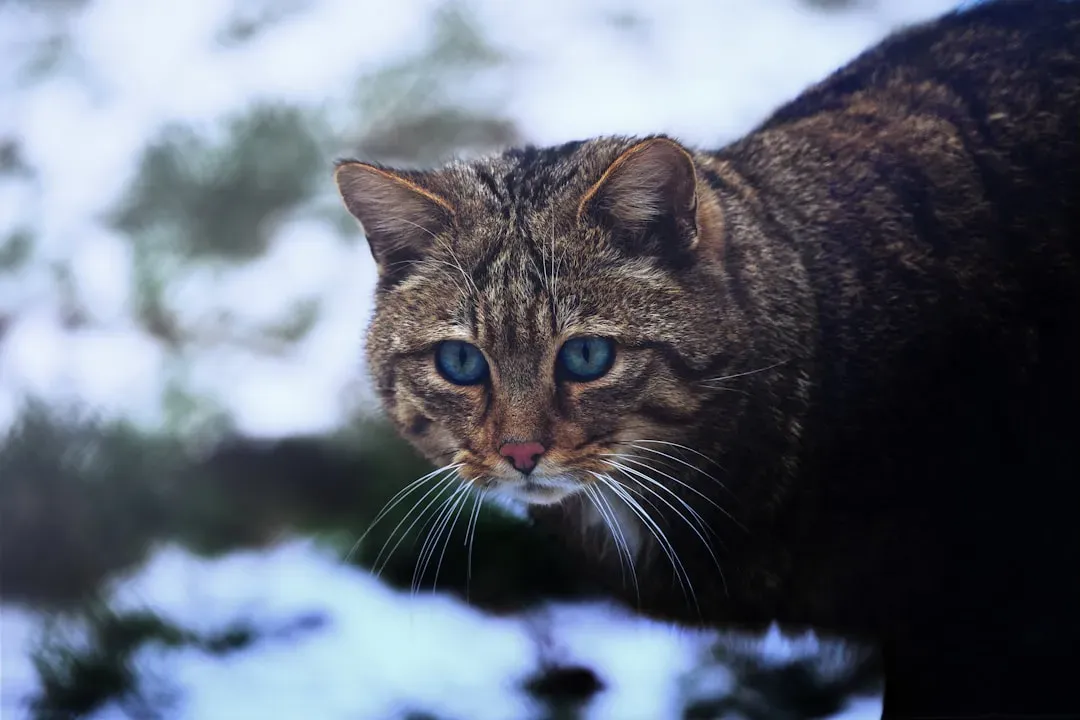
Here’s the thing – your cat is not as domesticated as you might think. Even the most gentle among them still has a hunter’s instincts, honed over millennia on the African plains. That cozy lap cat curled up beside you carries the same core behavioral wiring as creatures that once stalked open grasslands for survival.
These hunting behaviors are hardwired into their DNA, passed down from generations of wild cats who relied on stealth and precision to eat and survive. In fact, domestic cats share over 95% of their DNA with wild species like the African wildcat, and their play styles mirror the behaviors needed in the wild. That is a staggering thing to sit with when you watch your cat obliterate a crinkle ball at 2 a.m.
All cats are considered hypercarnivores, and they primarily use stalk-and-rush methods to hunt their prey. No amount of premium kibble or cozy indoor living changes that fundamental reality. The predator is always in there, waiting for something to move.
What Toy Preferences Actually Reveal About Your Cat
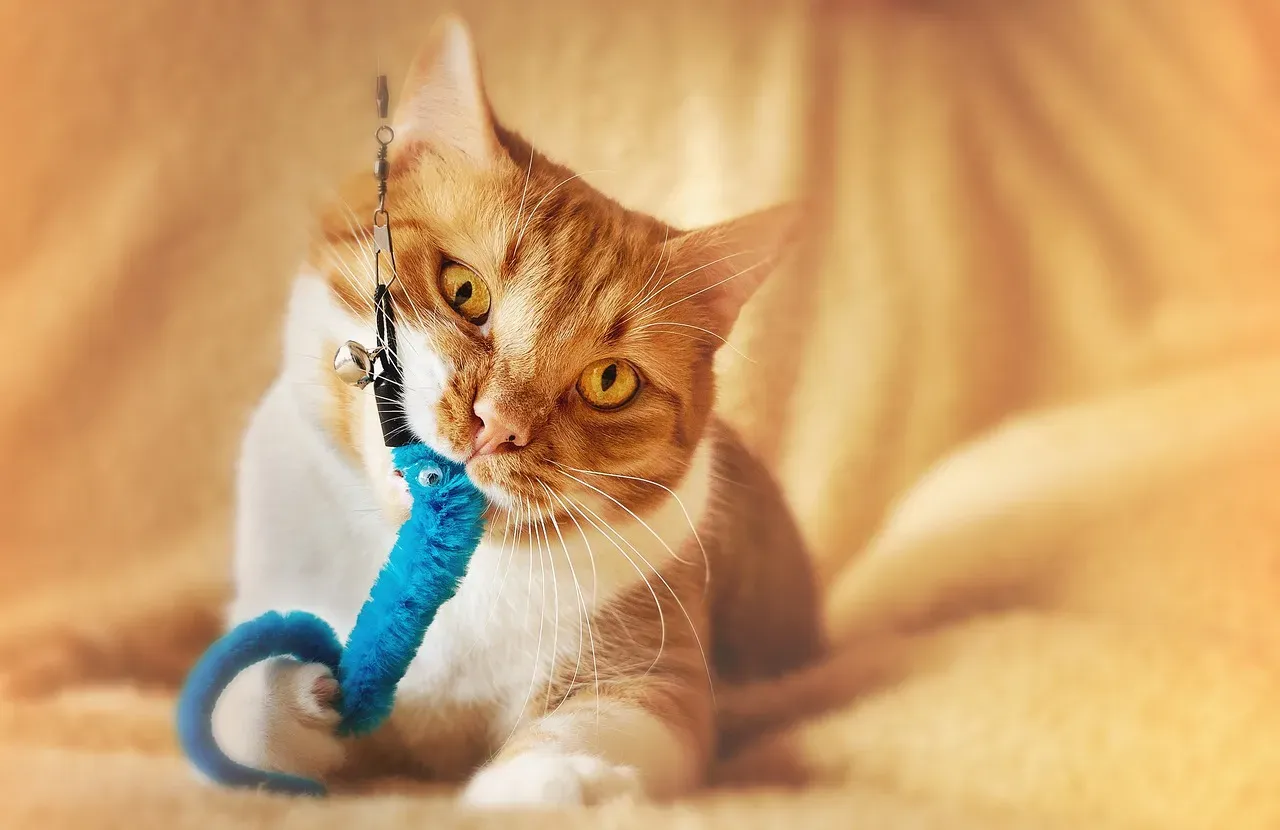
Just as humans have preferences that reflect their personality, so too do cats. The type of toy your cat consistently chooses as their favorite can offer charming insights into their unique character and play style. I think this is one of the most underappreciated truths in the world of cat ownership – your cat is literally telling you who they are through play.
Most cats prefer to hunt specific creatures. For example, some cats prefer to chase mice, while others may prefer to catch birds or bugs. So when your cat obsessively swats at ground-level toys but ignores anything dangled in the air, that is not quirky behavior. That is a bird-versus-mouse preference playing out in your living room.
The Four-Step Hunting Sequence Your Cat Plays Out Every Day
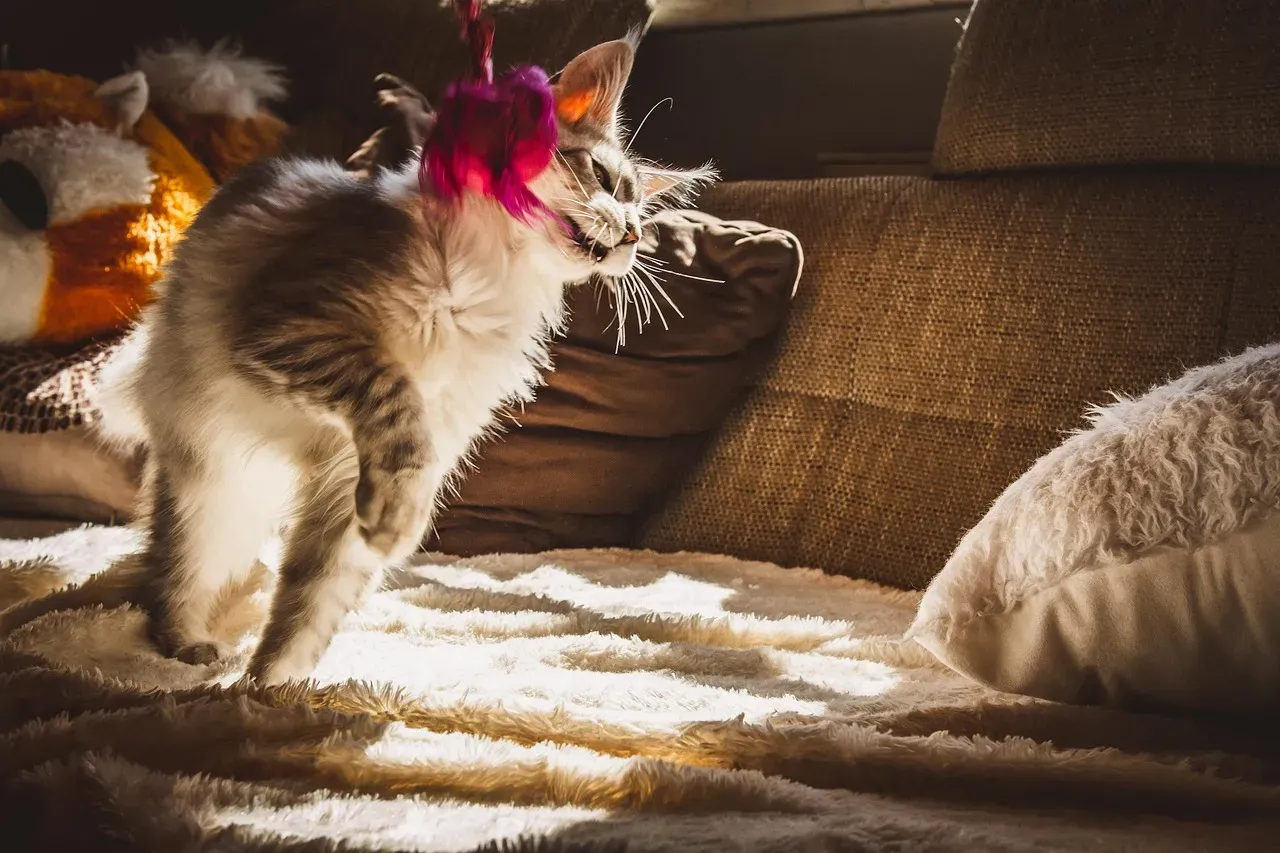
You might think your cat is just batting a toy around for fun. Actually, something far more structured is happening. The prey sequence is a four-step process that mimics hunting behavior in the wild. It starts with staring, then progresses to stalking and chasing, followed by pouncing and grabbing, and ending with the delivery of the fatal kill bite.
In the wild, a hunting sequence can mirror the preferences of the individual cat and be determined by the prey they are hunting. Often, the cat will stalk the prey, hide in wait for the prey to come out, then pounce at an opportune moment. The hunting sequence ends with the cat catching and eating their prey. So every time your cat grabs a toy mouse and delivers that dramatic bite to its neck, you are witnessing the full ancestral script, playing out on your kitchen floor.
Feather Wands and the Bird-Hunter Revelation
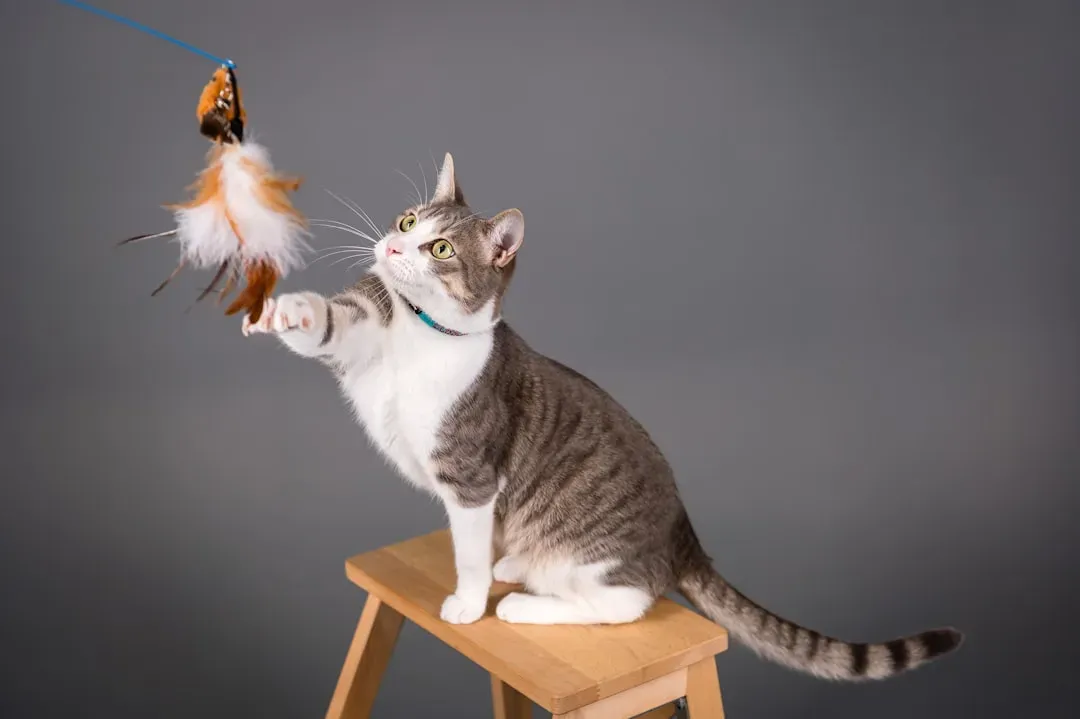
If your cat goes completely feral the moment a feather wand appears, congratulations – you share your home with a born bird hunter. Feather toys are favorites for most cats because they mimic the behavior and appearance of birds. The aerial swooping, the frantic batting, the acrobatic mid-air leaps – none of it is random. Your cat is running a deeply embedded hunting program.
A cat’s lure preference could be the result of the types of food their mother brought back to the lair when she was teaching them how to hunt. If she was adept at catching birds, they might respond more strongly to feather lures. If she brought them lizards, they might prefer squiggly lures. Honestly, that is one of the most fascinating pieces of feline behavior science out there. Your cat’s favorite toy type may have been decided before you ever met them.
Toy Mice, Ground-Level Prey, and the Rodent Hunters Among Us
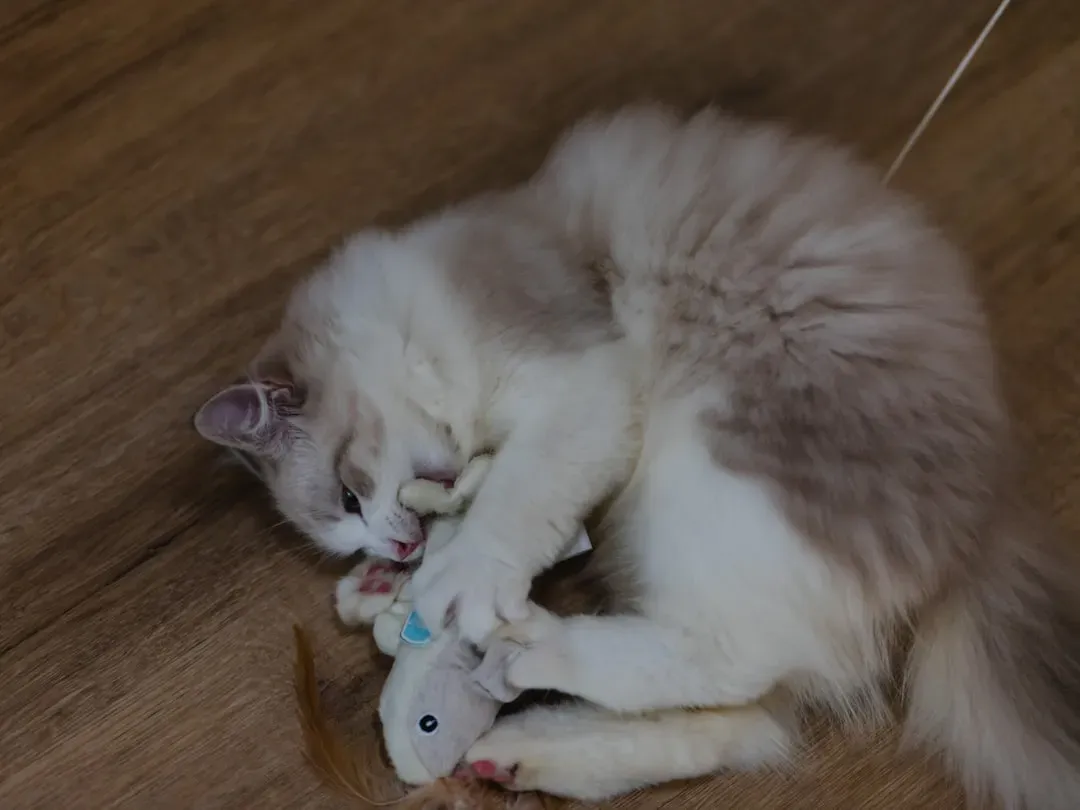
If your cat enjoys feathers and objects in the air, they are likely drawn to toys resembling birds. If your cat prefers furry toys and toys moving on the ground, they are more likely to prefer objects resembling mice. Ground-stalkers are methodical creatures. They crouch. They wait. They watch a toy mouse with terrifying focus before striking with all the precision of a small, fuzzy assassin.
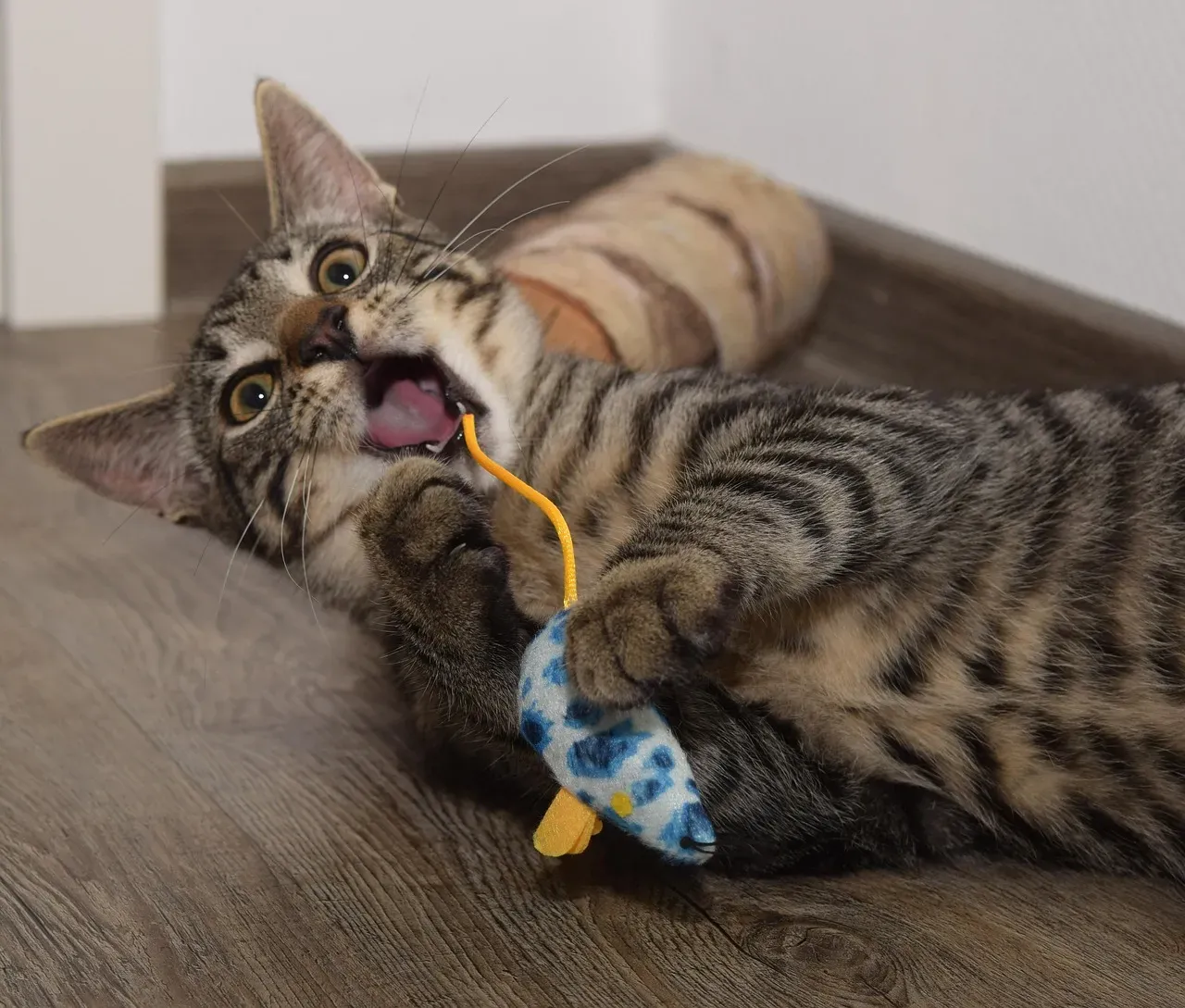
Playing with small, stimulating cat toy mice gives cats the satisfaction of the kill. This is why your cat may carry that little plush mouse around in their mouth, yowling triumphantly through the house at midnight. They caught something. The hunt was successful. You, their slightly baffled human, are simply being included in the victory lap.
Laser Pointers: The Toy That Frustrates More Than It Fulfills
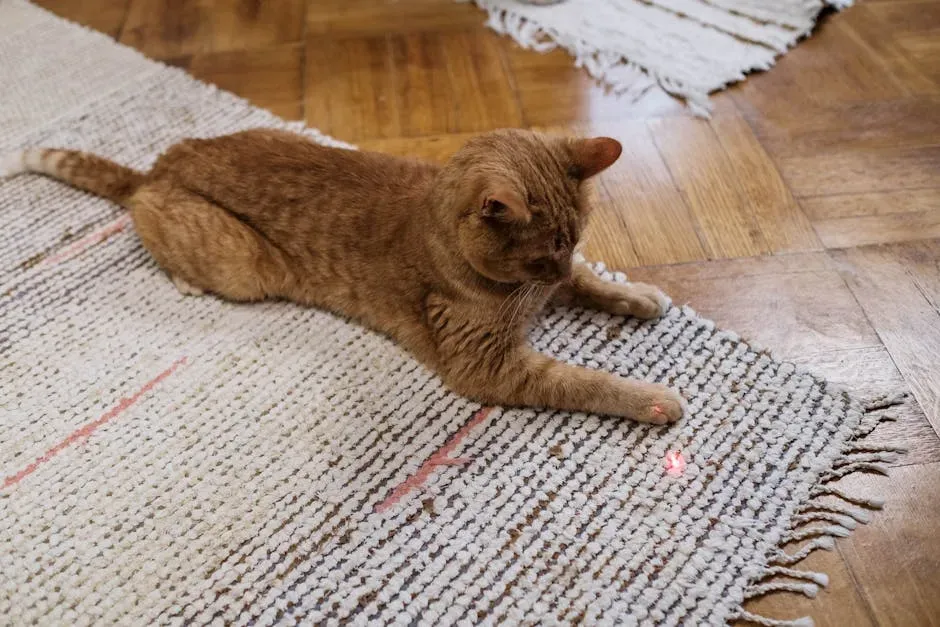
Laser pointers look like great fun, and your cat will certainly go wild chasing that little red dot. However, here is something worth knowing. While these electronic cat toys activate the chasing part of predatory behavior, they cannot satisfy the urge to capture prey. It is a bit like running a full marathon and being told there is no finish line. Endlessly frustrating on a neurological level.
To avoid frustration, you should end each laser play session by pointing the dot at prey your cat can catch. Something like a catnip kicker toy that they can really sink their claws into is a good option. The key is making sure there is some reward to make your cat feel like the hunt was successful. Without that satisfying “capture,” your cat may pace, seem agitated, or redirect that frustration elsewhere – like onto your ankles.
Puzzle Feeders and the Clever, Cognitively Hungry Cat
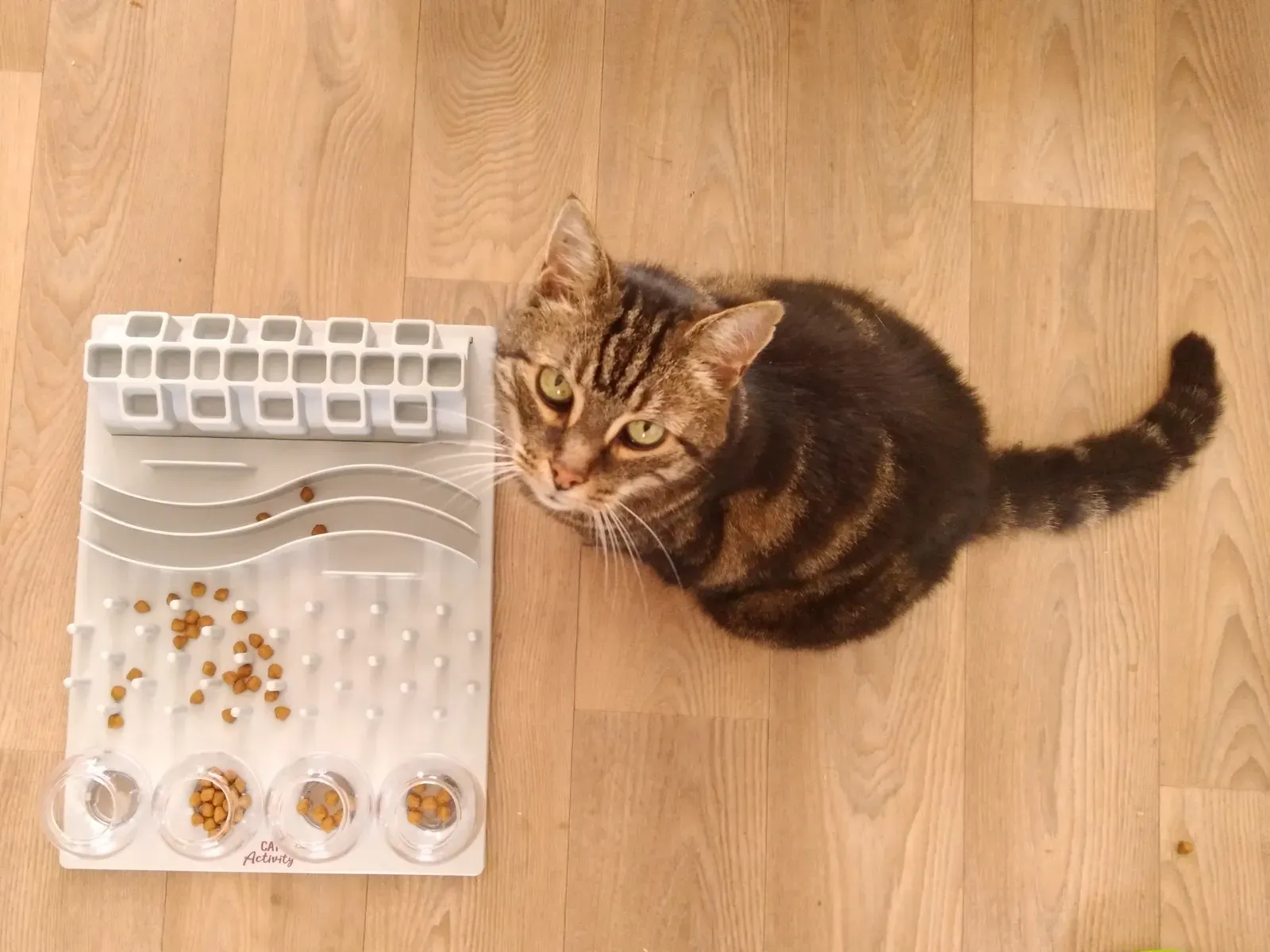
Some cats are not simply muscle-and-reflexes hunters. Some are thinkers. Some cats have a preference for toys that require strategy and thought, such as puzzle feeders that dispense treats when solved. If your cat gravitates toward these kinds of challenges, you are living with a cat that hunts with its brain as much as its body – a genuinely impressive trait.
These toys can force cats to use their brains and bodies in ways that mimic predatory behavior. For instance, using paws to tease kibble out of a tube is somewhat similar to manipulating a mouse to prevent injury. Playing to earn their food also activates the area of the brain that releases dopamine, which means that playing to earn food actually makes your cat happier and more relaxed. Let’s be real – a happier, calmer cat is a win for everyone in the household.
What Happens When Your Cat’s Predator Instincts Go Unfulfilled
This part is important, and honestly a little sobering. Although cats are natural hunters, most domestic cats never get to express those instincts. Many behavior problems, let alone weight gain and related physical issues, can be linked back to plain old boredom and inactivity. That means your cat scratching the sofa, waking you at 3 a.m., or biting you unprovoked may not be a personality flaw – it could be an unmet primal need.
Having a combination of toys will provide your cat with great stimulation and keep them from getting bored. Boredom can lead to stress and behavior issues such as excessive vocalization, play aggression, and destructive behaviors. Think of enrichment not as a luxury but as a basic biological requirement – as essential as food or water. A predator with nothing to hunt becomes a frustrated animal, and that frustration will find an outlet somewhere.
How to Play Smarter and Satisfy the Inner Hunter
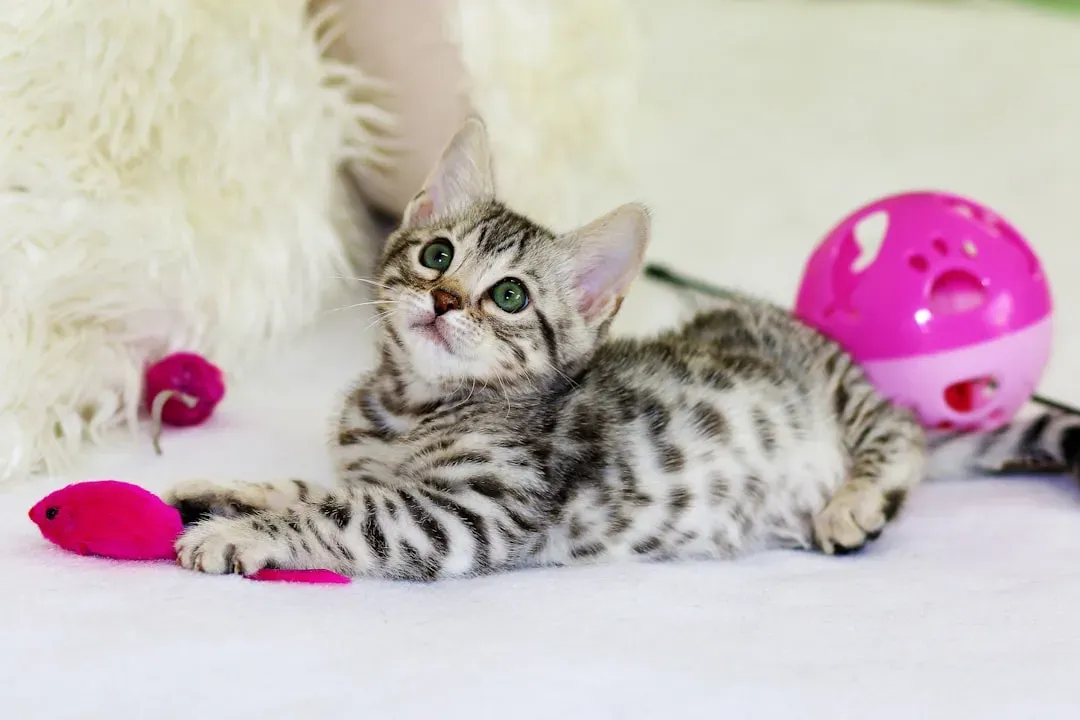
Now that you understand what is actually going on beneath the surface, you can approach playtime with a whole new strategy. The more similar to realistic prey a toy is, the more of a response your cat shows. For the most part, the more a toy looks, feels, smells, and moves like prey, the better cats like it. Movement, texture, size – all of it matters far more than how flashy or expensive the toy is.
Research shows that play behavior peaks during dawn and dusk, matching cats’ natural hunting patterns. This instinctive timing makes these hours ideal for interactive play sessions with your feline friend. So scheduling play around those windows is working with your cat’s biology, not against it. Success rate is also important in play. A cat that catches its prey every time soon gets bored, and a cat that is never successful at capture can lose interest. Let them win sometimes. Let them lose sometimes. Keep it unpredictable, just like real hunting.
Conclusion: Every Toy Tells a Story
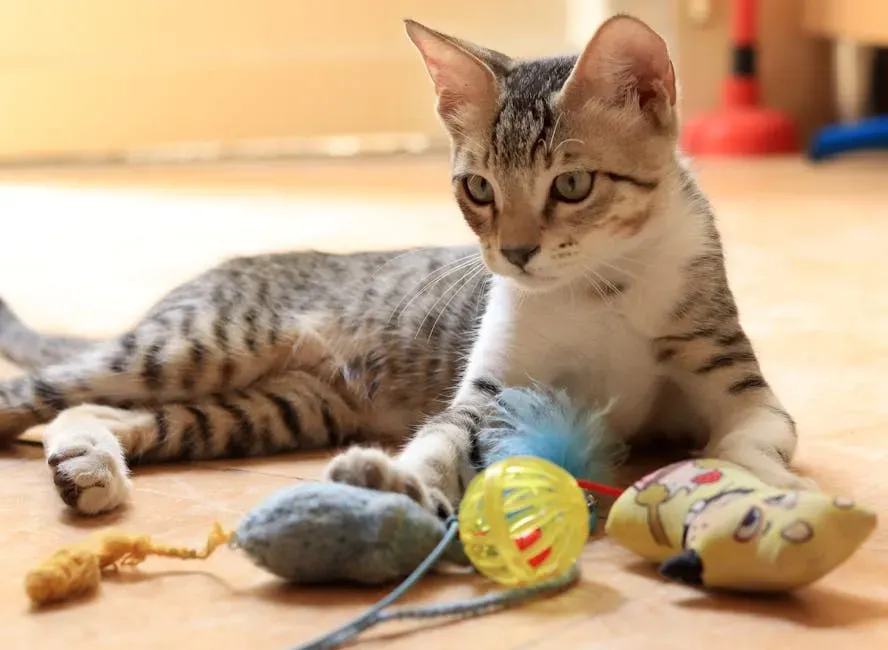
Your cat is not simply “playing.” Every swat, every stalk, every triumphant bite of a plush mouse is a conversation – a living, breathing expression of instincts that stretch back through deep evolutionary time. The toy your cat loves most is essentially a fingerprint of the predator within, revealing whether they are a bird-hunter, a rodent-chaser, a strategic thinker, or a high-speed pursuer born for the thrill of the chase.
Understanding this changes everything about how you interact with your cat. You stop buying random toys and start curating experiences. You stop seeing midnight zoomies as annoying and start recognizing them as a predator desperately needing an outlet. You become not just a pet owner but a true partner to an ancient, elegant, wonderfully complicated creature sharing your home.
So take a look at the toys scattered across your floor. What do they say about the little hunter you are living with? You might be surprised at what you have been missing all along.