You’ve probably glanced over at your cat countless times and found them in the exact same spot, perched at that window like they’re waiting for something monumental to happen. Maybe it’s just a Tuesday afternoon. Maybe nothing interesting has passed by for twenty minutes. Yet there they are, completely transfixed, tail twitching occasionally, eyes locked on something you can’t even see.
Here’s the thing: that window perch isn’t just a comfy place for your cat to lounge. It’s actually a complex hub of mental stimulation, territorial surveillance, and instinctual satisfaction all rolled into one sunny spot. What looks like simple lounging is actually your cat engaging in behaviors that are hardwired into their DNA. Let’s dive into what’s really going on in that furry little head while they’re staring out the window for hours on end.
Your Cat Is Secretly Conducting Surveillance Operations
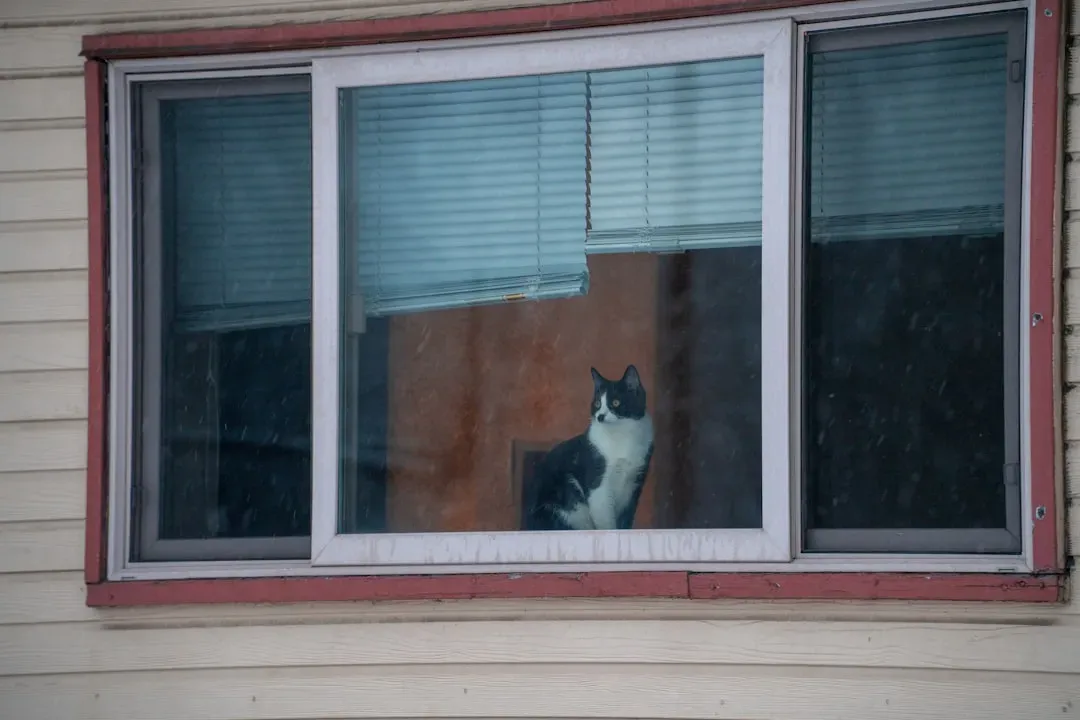
Your indoor cat is monitoring their territory for potential threats and competitors, tracking neighborhood activities and potential intruders through windows. Think of your cat as a tiny security guard who never clocks out. That window perch isn’t just a comfy spot; it’s a command center where your feline friend keeps tabs on everything happening in their domain.
Your cat is taking mental notes about the world around them, cataloging potential threats and new neighbors. It sounds paranoid, but honestly, this behavior is hardwired into their DNA. Even though your cat has never faced a real predator in their cushy indoor life, those ancient instincts are very much alive. They’re watching, waiting, and making sure everything is exactly as it should be in their kingdom.
The Predatory Theater Never Closes
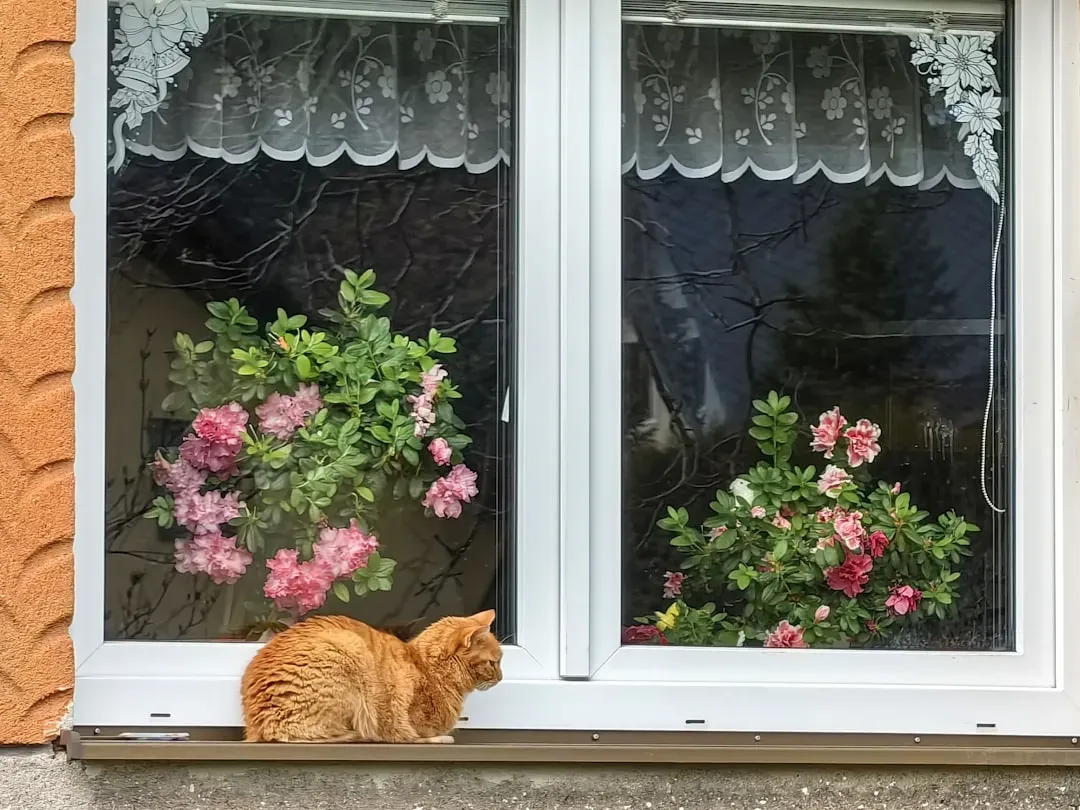
Your cat views windows as personal observation posts, and even well-fed house cats retain their hunting instincts. That squirrel racing across the lawn or the bird pecking at the feeder outside isn’t just scenery to your cat. It’s a full production, a nature documentary playing live for their entertainment.
Even well-fed house cats retain their hunting instincts, and watching birds, squirrels, or insects through the window allows them to engage these behaviors safely. You might notice your cat making that chattering sound, jaw quivering as they lock eyes on a bird. That’s their hunting behavior coming to life, even though they’re separated by glass.
It’s All About the Height Advantage
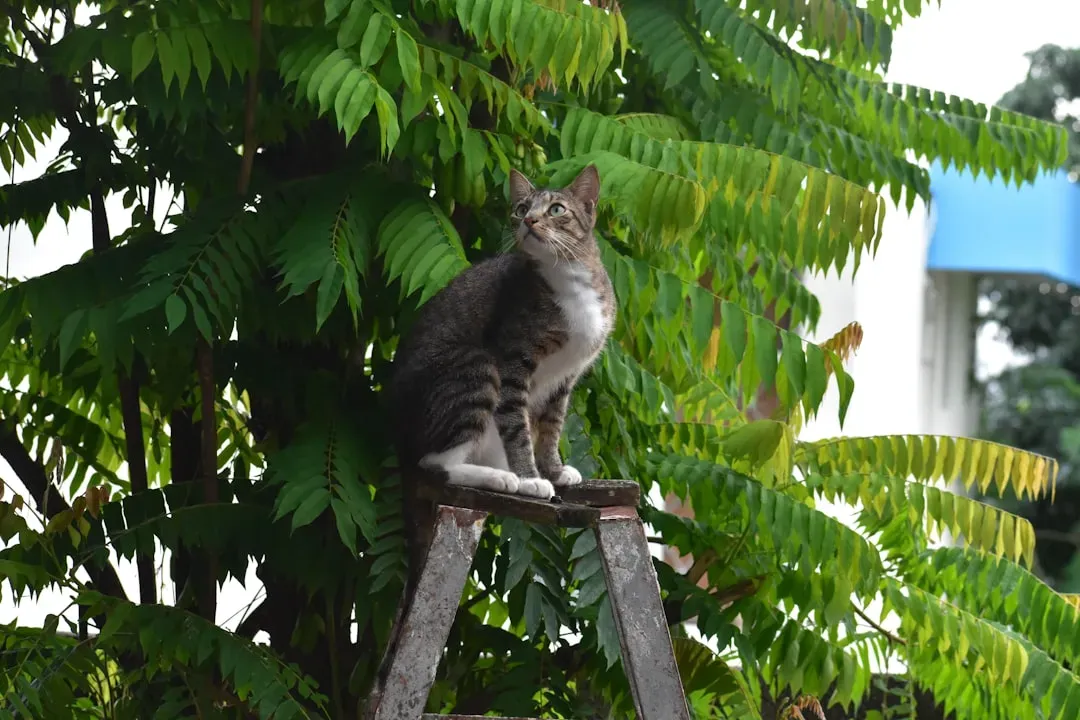
When your cat perches high up, they can more easily see more of their environment. This isn’t just a random preference. Centuries ago, the ancestors of today’s domesticated cats were both predators and prey, and a natural perch provided a vantage point that allowed cats to avoid predators while looking for their next meal.
Even though your pampered house cat isn’t exactly dodging predators while lounging by the window, those ancient instincts remain hardwired. Think about it: a higher vantage point means better visual range, more time to react, and ultimately, a greater sense of control. Your cat isn’t just sitting there looking cute. She’s surveying her kingdom.
Your Cat is Still a Hunter at Heart
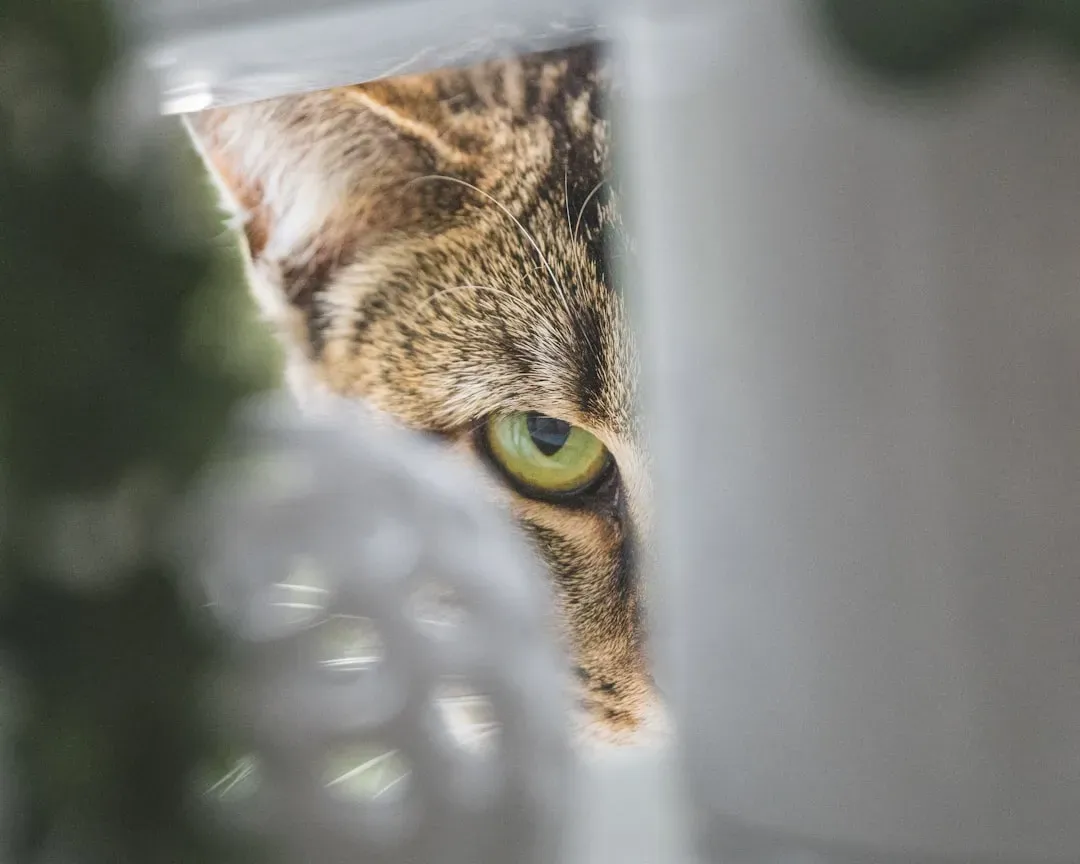
Even your well-fed house cat retains deep hunting instincts, and watching birds, squirrels, or insects through the window allows them to engage these behaviors safely. That perch by the window isn’t just furniture. It’s a front-row seat to a live wildlife show.
When your cat chatters or makes clicking sounds while watching prey, they’re exhibiting typical hunting behavior, even though they can’t actually reach their target. It’s their way of practicing skills hardwired into their DNA. Honestly, think of it as their version of a video game, except it’s way more interesting because everything outside is real and unpredictable.
It’s a Security Checkpoint for Their Territory
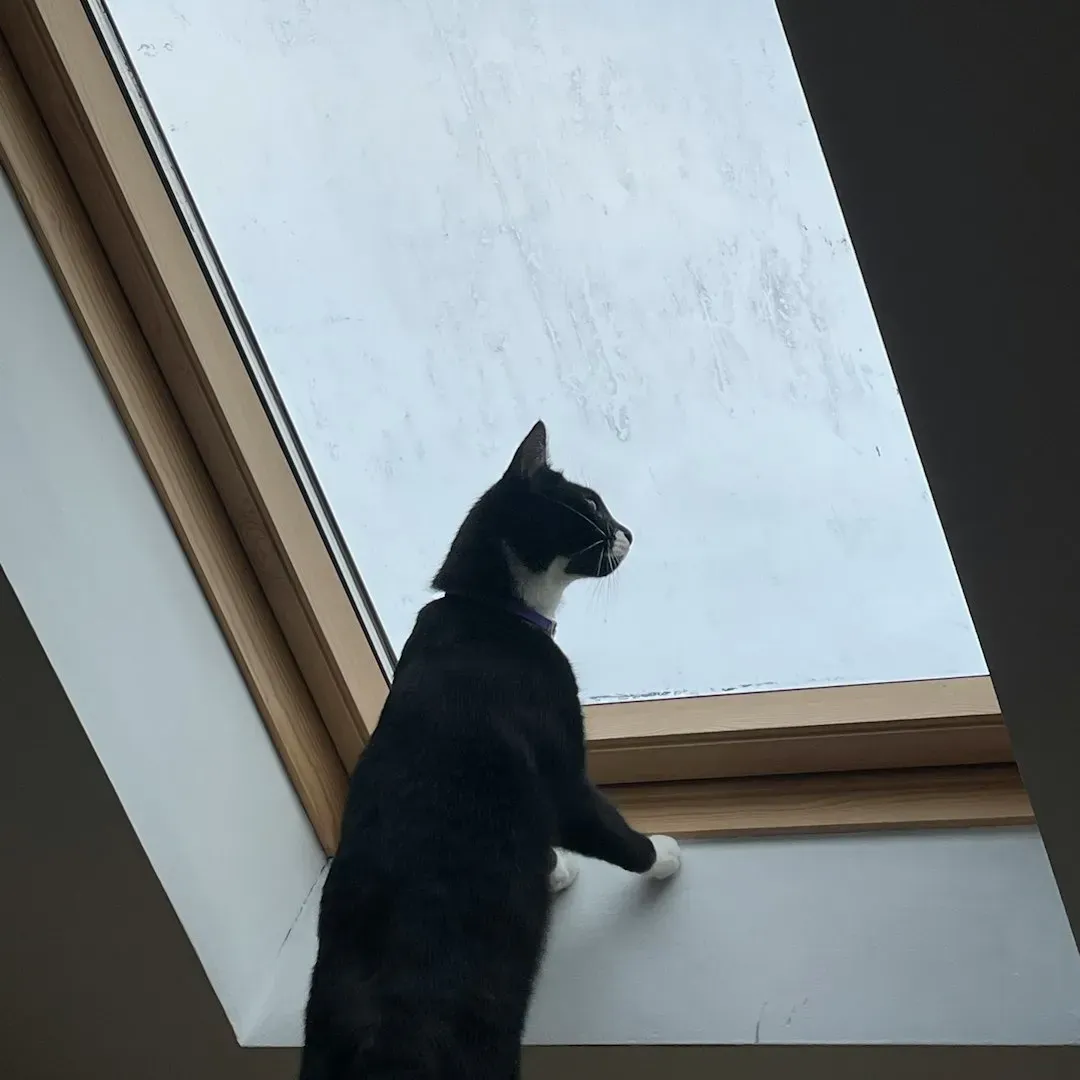
In the wild, cats need to monitor their territory for potential threats and competitors, and your indoor cat maintains this instinct by keeping watch over their domain through windows. That patch of grass outside your house? Your cat thinks it belongs to them. The sidewalk? Theirs too, actually.
Cats are very territorial, and sitting next to a window is a way for them to monitor and watch their territory, like them taking notes about the world around them: potential threats, new neighbours, etc. You might notice your cat rubbing their face against the window frame. That’s not affection for the glass; it’s scent marking, establishing ownership over this prime surveillance spot.
It Activates Those Ancient Hunting Instincts You Never Knew Were Still There
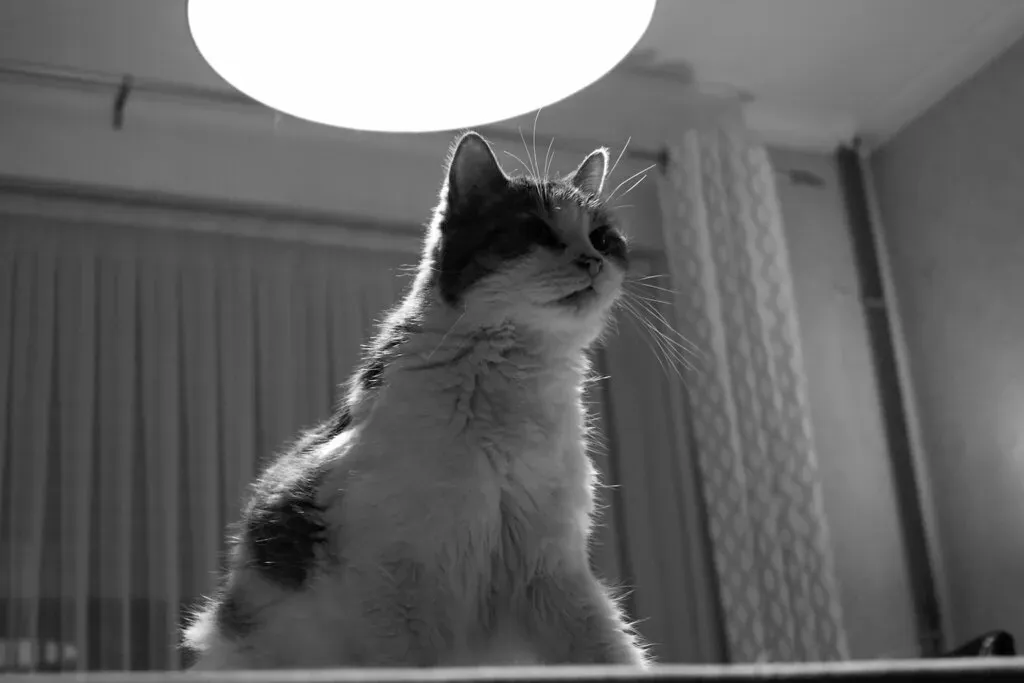
Your cat might be lounging around all day, but windows serve as their personal observation posts where even well-fed house cats retain their hunting instincts. Every flutter of a wing, every darting squirrel, every bug crawling across the glass activates something primal. When your cat chatters or makes clicking sounds while watching prey, they’re exhibiting typical hunting behavior, even though they can’t actually reach their target.
Here’s the thing: your cat doesn’t need to catch anything to satisfy this instinct. Just watching is enough. This virtual hunting experience provides valuable mental stimulation and helps prevent boredom in indoor cats, essentially becoming a constantly changing entertainment channel that keeps their predatory skills sharp. It’s like their personal nature documentary, but way more engaging.
It’s Actually a Strategic Security System
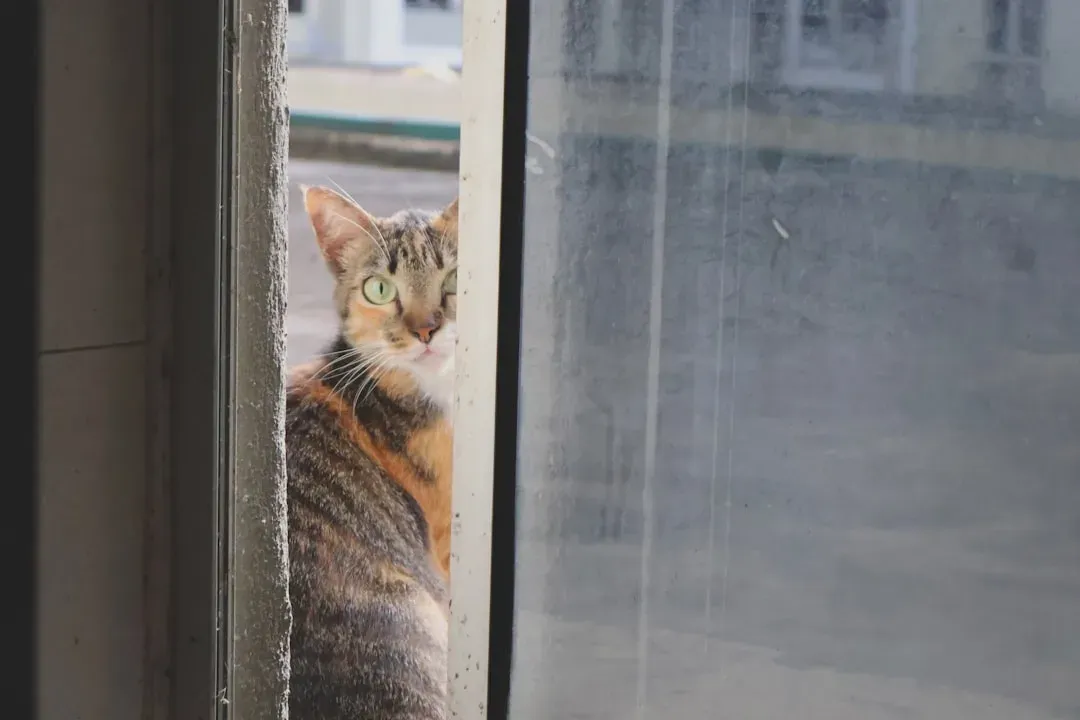
Your feline isn’t just spacing out when they’re glued to that window. In the wild, cats need to monitor their territory for potential threats and competitors, and your indoor cat maintains this instinct by keeping watch over their domain through windows. Think of it as your cat clocking in for their daily security shift.
Cats are very territorial, and sitting next to a window is a way for them to monitor and watch their territory, like them taking notes about the world around them. They’re cataloging every single movement outside, from that neighborhood dog walking by to the delivery truck that parks three houses down. This isn’t just idle observation. Your cat is genuinely invested in knowing what’s happening within eyeshot of their domain, and that window perch gives them the perfect surveillance point.
The Ancient Predator Still Lives Inside Your House Cat
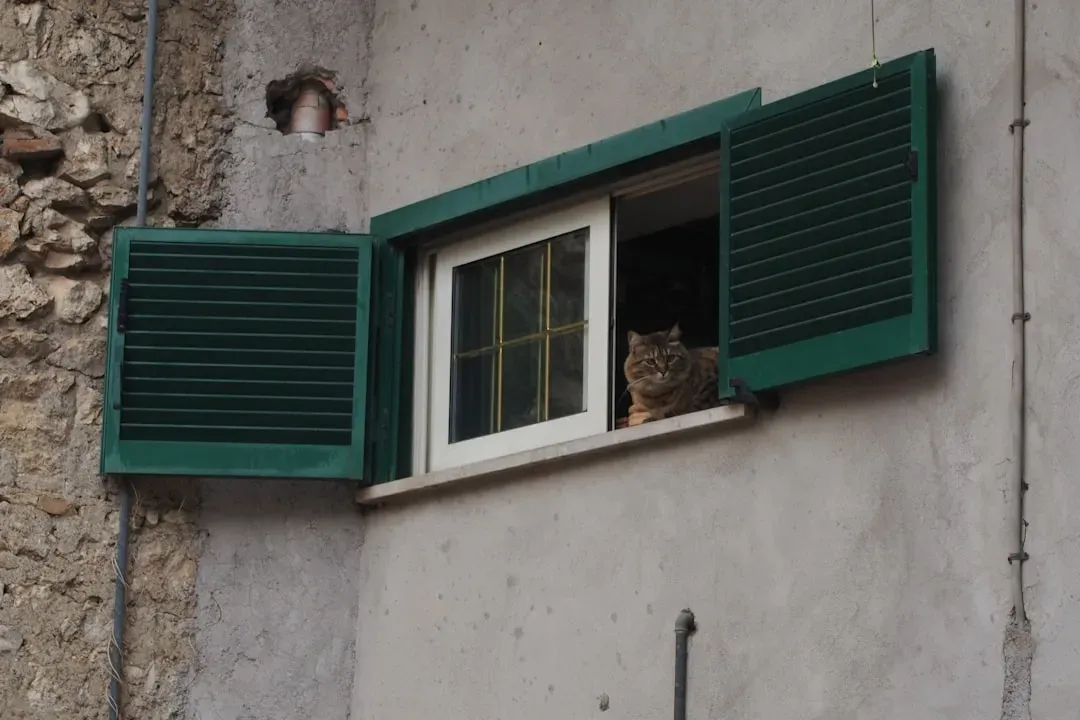
Cats are natural predators, and windows serve as their personal observation posts where they can watch birds, squirrels, or insects safely. Even your pampered indoor kitty who’s never caught anything more impressive than a dust bunny has those hunting instincts hardwired into their brain. It’s not something they can switch off, honestly.
When your feline friend spends hours staring through the glass, they’re doing what their ancestors did for survival. Watching birds, squirrels, or insects through the window allows them to engage these deep-rooted behaviors safely, and when your cat chatters or makes clicking sounds while watching prey, they’re exhibiting typical hunting behavior, even though they can’t actually reach their target. That strange chirping noise? Pure predatory excitement mixed with a touch of frustration.
The Ultimate Security System You Never Asked For
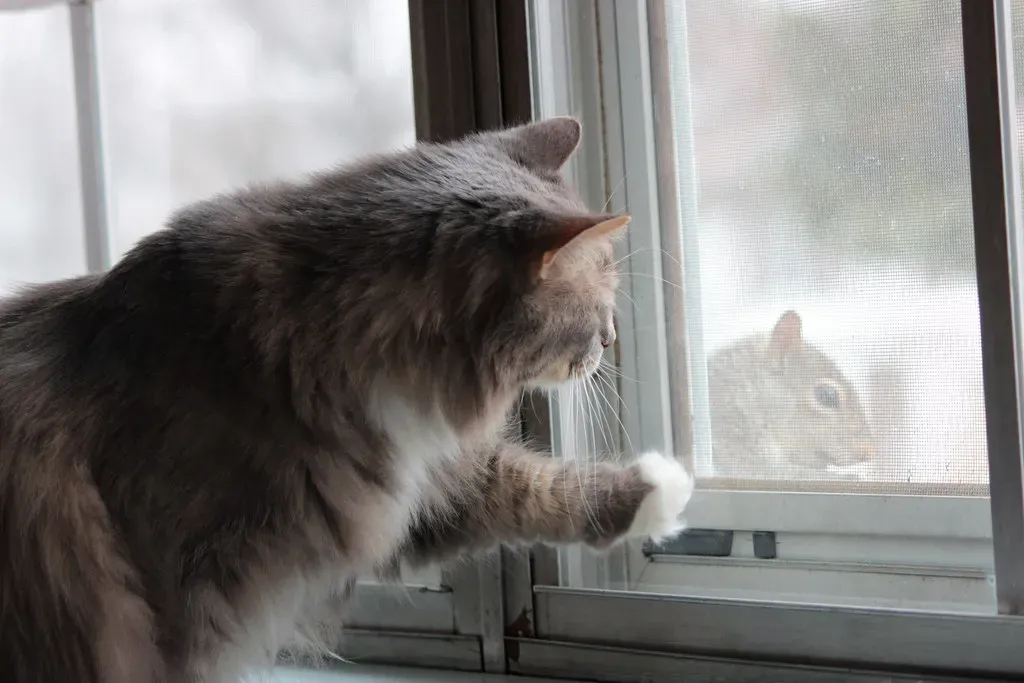
Your cat isn’t just lounging by the window for fun. They’re on duty, monitoring everything that happens in their kingdom. In the wild, cats need to monitor their territory for potential threats and competitors, and your indoor cat maintains this instinct by keeping watch over their domain through windows, tracking neighborhood activities and potential intruders.
Think about it from their perspective. Every passing dog, wandering cat, or delivery person is a potential breach of security. Many cats will mark their favorite window spots by rubbing their faces against the glass or frame, leaving their scent to claim these important observation points as their territory. That cheek rubbing isn’t just adorable, it’s territorial claim staking at its finest.
More Entertaining Than Your Streaming Services
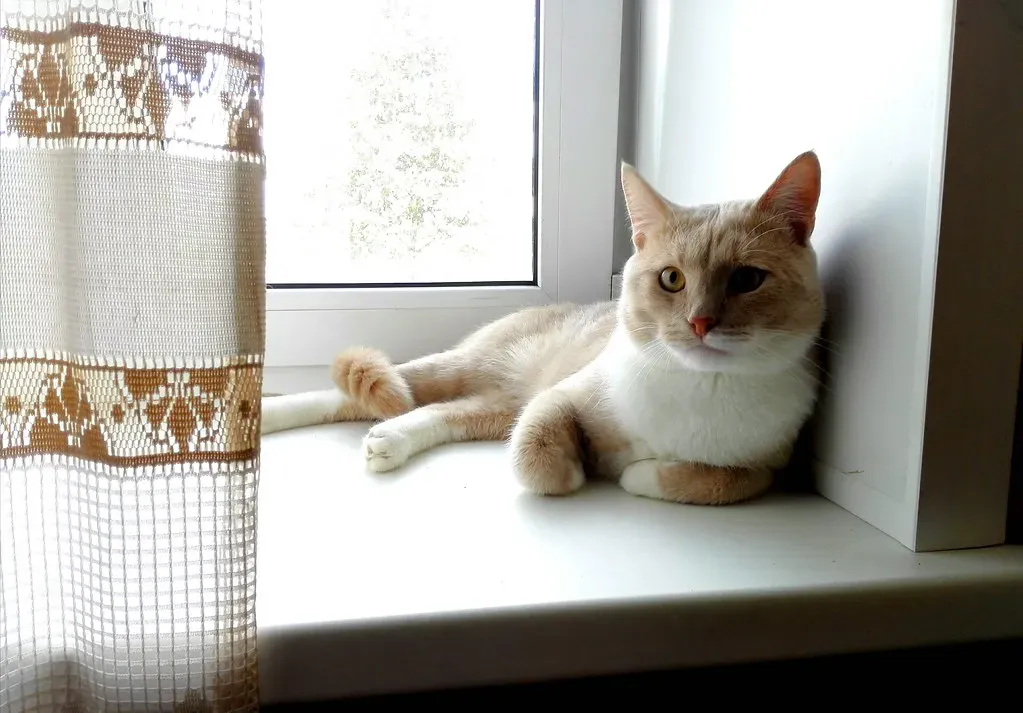
Let’s be real, your cat has found the best entertainment channel available, and it never buffers. For indoor cats, windows provide crucial environmental enrichment, as the ever-changing scenery offers new sights, sounds, and smells that stimulate their senses and keep them mentally active, from passing cars to falling leaves.
Cats can get bored, so windows connect them with the great outdoors, and there is much to see through a window that will catch your kitty’s attention; a bored cat makes for an unhappy cat, which leads to destructive behavior, and windows provide a deterrent as your cat can probably sit or lie on the windowsill for hours and watch the world spin outside. It’s basically reality TV designed specifically for felines, complete with drama, suspense, and the occasional surprise guest appearance by a squirrel.
The Science Behind That Perfect Sunny Spot
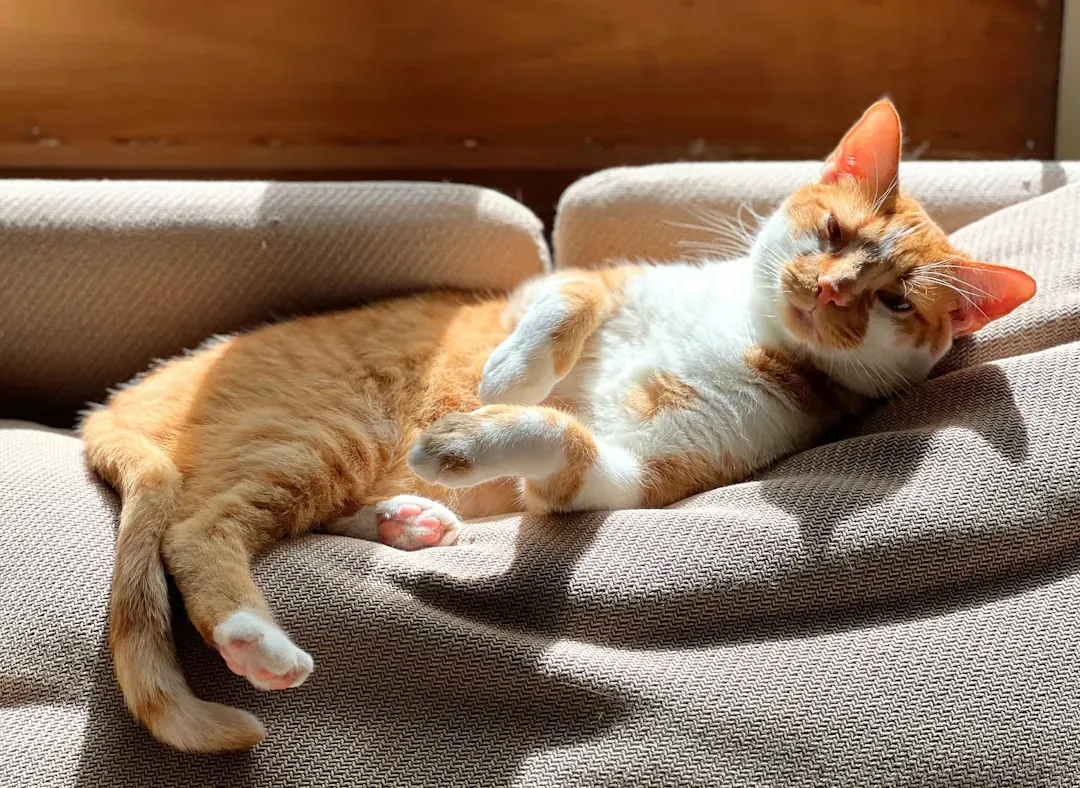
Ever noticed how your cat seems magnetically drawn to that one patch of sunlight? There’s actual biology at work here. Cats are heat-seeking creatures, and the sunny patches created by windows offer comfortable spots for both relaxation and temperature regulation; this behavior isn’t just about comfort as sunbathing helps cats maintain their vitamin D levels and supports their natural circadian rhythms.
Cats have higher body temperature requirements than humans, which explains their obsession with warmth. That windowsill bathed in afternoon sunlight isn’t just cozy, it’s practically medicinal for your feline friend. Because warmer air rises, cats might prefer the tops of appliances, cat trees, and bookshelves over cold floors, and this can be especially true during the winter, when it’s colder in many places.
Height Equals Safety in the Feline Mind
There’s a reason your cat chooses elevated window perches over ground-level spots. When the cat is on an elevated perch he can more easily see more of the environment, and the ability to see whether a predator or opponent enters the area can provide much needed extra seconds to react or escape. Even though your pampered house cat faces zero actual threats, millions of years of evolution haven’t updated that software.
Height equals safety for cats, as being up high reduces the chance of being surprised by a threat, whether it’s a dog, another cat, or a loud noise. That perch by the window satisfies multiple instincts at once: the need for elevation, the desire to survey territory, and the comfort of a warm, safe spot. It’s the feline equivalent of a penthouse suite with a view.
Mental Stimulation That Prevents Bad Behavior
Here’s something most cat owners don’t fully appreciate: that window perch might be preventing a whole host of behavioral problems. Many behavioral issues such as excessive vocalization, destructive behavior, and even some forms of inappropriate elimination can be reduced by providing adequate environmental enrichment, with window access being one of the simplest yet most effective solutions.
Without adequate mental stimulation, cats can develop anxiety, depression, or destructive tendencies. Just like humans, cats crave and require interaction and mental and physical stimulation; bored cats can get frustrated and begin to exhibit unwanted behaviors, and if you leave a cat alone long enough, they can take out their frustrations in other destructive ways like scratching, potty accidents, or even aggression. That window view? It’s cheaper than therapy and works better than most medications.
The Crepuscular Nature Nobody Talks About
You might think your cat is nocturnal based on those dawn window sessions, but there’s more to the story. Cats are crepuscular, meaning they are most active at dawn and dusk; you might notice your cat staring out the window just as you wake up, and cats are waiting for the stimulation that daybreak provides them.
Those early morning and evening hours represent peak activity times for prey animals in the wild. Birds emerge for their morning routines, squirrels start their daily acorn missions, and the whole outdoor ecosystem comes alive. Your cat knows this instinctively, which is why they’re stationed at their observation post during these prime viewing hours, completely alert despite your desperate need for coffee.
Creating Confidence Through Familiar Territory
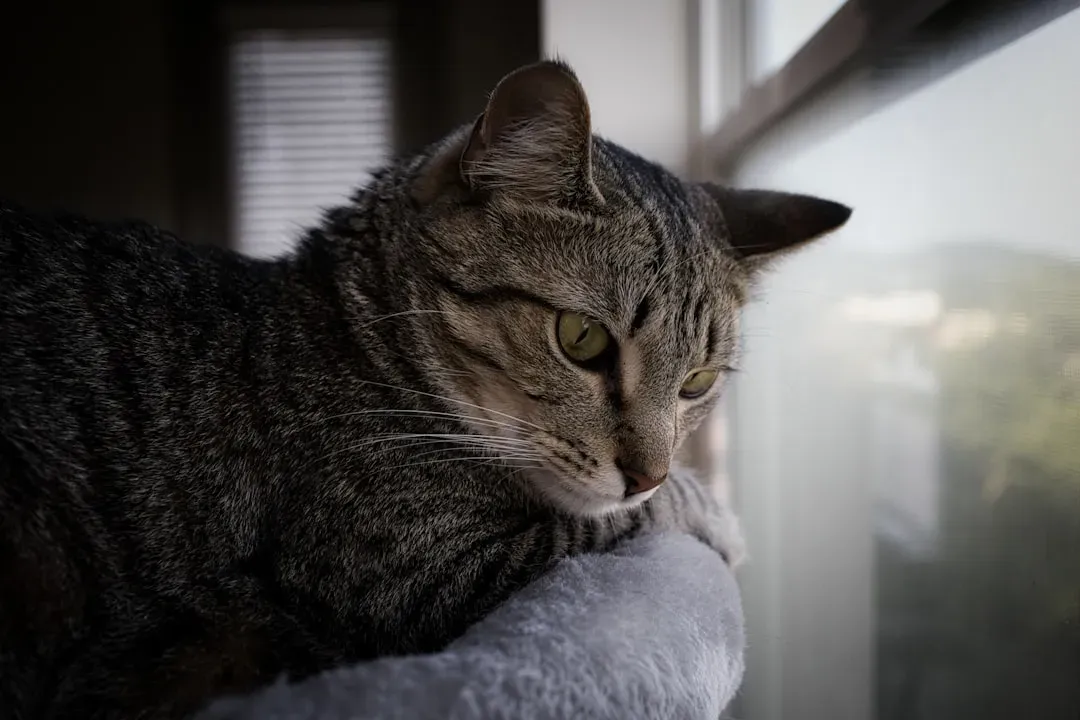
That favorite window spot serves a psychological purpose beyond simple entertainment. Furniture shared by other family members will have their scents on them, whereas the perches and cat trees will only smell like the cats themselves; scent plays a huge role in the cat world when it comes to identification, comfort, and familiarity, and for many cats, the ability to curl up in a spot that smells exclusively like them can provide extra reassurance.
In multi-pet households or homes with frequent visitors, having a dedicated space that belongs exclusively to your cat becomes even more important. This can make a big difference if your cat is typically nervous or uncomfortable when visitors come to the house; the chair that kitty likes to sleep in may now have the unfamiliar scent of a guest, whereas the cat tree will always smell familiar. It’s their safe haven in an unpredictable world.
Social Bonds and Keeping Tabs on You
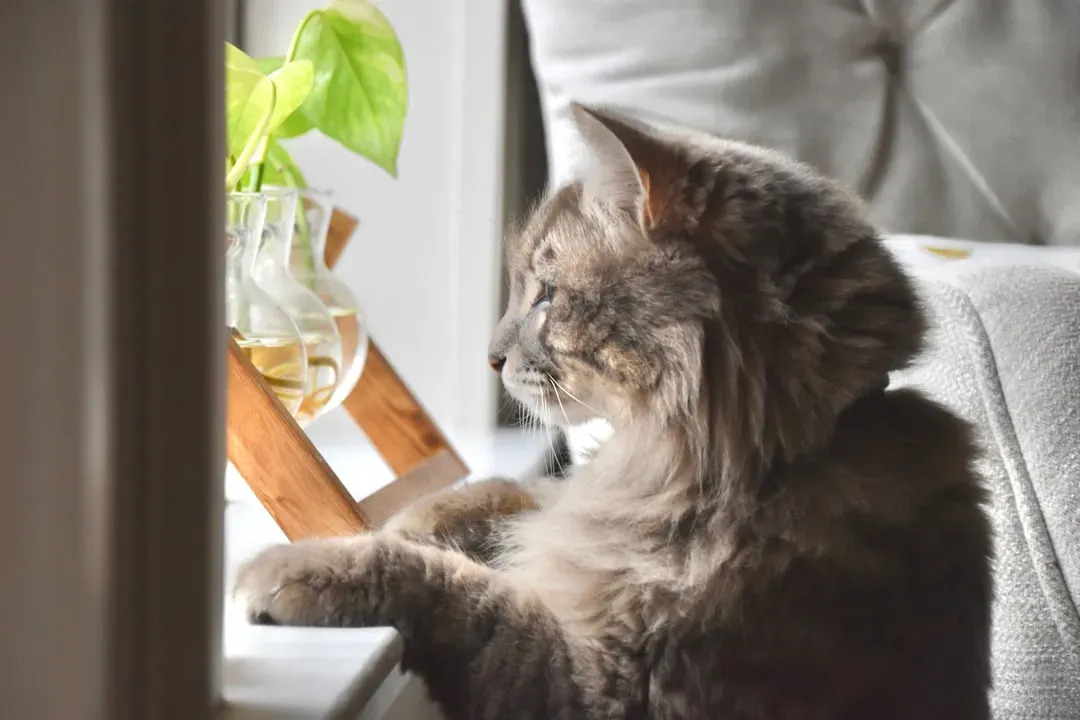
Think your cat is just watching birds? Sometimes, they’re watching you. Cats love to monitor what’s going on outside, especially if you’re out there mowing the lawn or washing your car; because of access to the window, your cat can keep an eye on you to make sure you’re right, after all, you’re the owner, and you mean the world to your feline companion.
I know it sounds crazy, but your cat genuinely cares about your whereabouts. That intense stare when you come home isn’t judgment (well, not entirely). It’s genuine interest mixed with relief that their primary food source and affection dispenser has returned safely. They’ve been tracking your movements through that window, noting when you left and calculating when you should return.
The Barrier Frustration Phenomenon
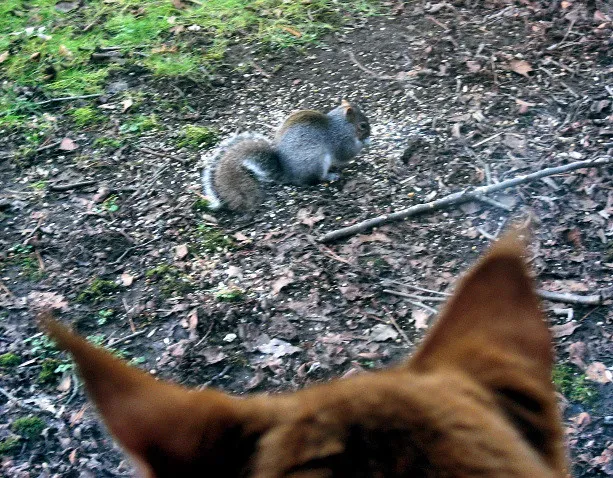
Not all window watching is peaceful meditation. Sometimes it triggers what experts call barrier frustration. Do cats get frustrated watching birds? The answer is a definite yes; this state is known as barrier frustration, and it can cause your cat to lash out; unable to reach the bird, they might redirect that pent-up energy in a behavior detailed as a form of aggression.
You’ll recognize this if your cat’s tail starts twitching aggressively, they make distressed meowing sounds, or they suddenly swat at you or another pet after an intense bird-watching session. The glass barrier creates cognitive dissonance: they can see the prey, their instincts are screaming to hunt, but the invisible barrier prevents action. It’s genuinely frustrating for them, and honestly, who wouldn’t be a bit annoyed in that situation?
Making Your Cat’s Window Experience Even Better
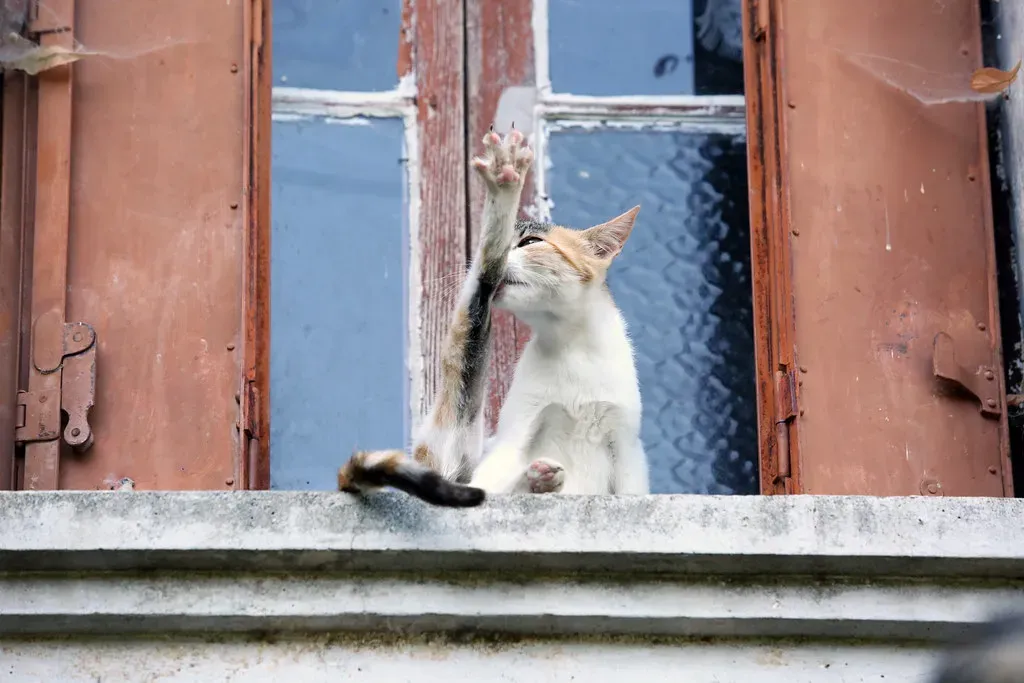
Now that you understand the depth of what that window perch means to your cat, you can enhance their experience. To enhance your cat’s window-watching experience while ensuring their safety, consider installing secure window perches or cat trees near windows, always ensure screens are sturdy and well-maintained to prevent falls or escape attempts, and you can also create an enriching environment by placing bird feeders or butterfly-attracting plants outside frequently visited windows.
Simple additions make massive differences. A sturdy perch at the right height, a bird feeder positioned within viewing distance, or even rotating which windows your cat has access to can provide varied experiences throughout the day. Rotating access to different windows throughout your home provides varied experiences for your cat, preventing boredom and offering new perspectives on their territory.
Your cat’s favorite window perch represents far more than a comfortable napping spot. It’s their connection to their ancestral past, their security system, their entertainment center, and their meditation space all rolled into one. This common feline behavior isn’t just a quirky habit, it’s deeply rooted in their natural instincts and serves multiple important purposes for their well-being; from satisfying their hunting instincts to providing essential mental stimulation, window-watching is a crucial activity for indoor cats.
The next time you see your cat perched by the window, staring intently at something you can’t quite identify, remember that you’re witnessing millions of years of evolution in action. They’re not just looking outside; they’re being the cat they were born to be, fulfilling needs that run deeper than we often recognize. That simple window perch might just be the most important piece of furniture in your entire home from your cat’s perspective. So what do you think? Does your cat have a favorite window spot you never fully appreciated until now?