You’ve probably noticed it dozens of times. Your cat drifts over to the same spot by the window, settles in with an almost regal sense of purpose, and stares out at the world for what feels like hours. It’s charming, a little mysterious, and honestly kind of hypnotic to watch.
Here’s the thing, though. That simple routine is not as random as it looks. Where your cat chooses to perch, how they sit, what they react to outside, and even when they show up to their favorite window spot, all of it is a surprisingly detailed map of who they really are on the inside. Be ready to see your cat in a whole new light.
The Ancient Instinct Behind Every Perch
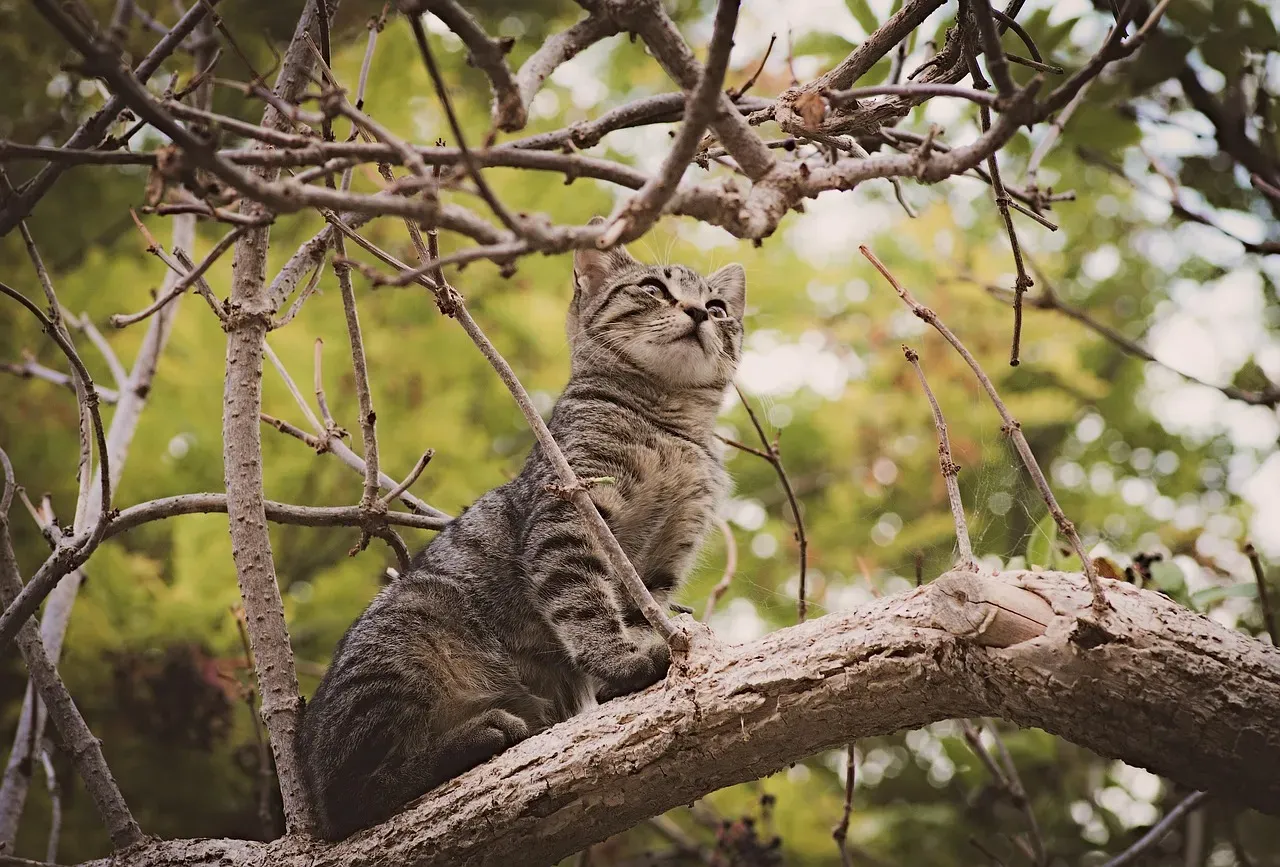
Centuries ago, the ancestors of today’s domesticated cats were both predators and prey. A natural perch, whether in a tree or at the edge of a high cave, provided a vantage point that allowed cats to avoid predators while looking for their next meal. That survival logic never left. It’s been passed down through thousands of generations, and it’s still ticking away quietly inside your perfectly pampered house cat right now.
If you’ve ever lived with a cat, you’ve noticed they like to be up high where they can survey their surroundings. They’re often found on top of the highest object in the room, such as the refrigerator, the top step of a flight of stairs, or along the back of the couch. The window perch is simply the most natural expression of this ancient drive, a cozy modern version of a treetop lookout post. Honestly, when you frame it that way, their window obsession starts making a lot of sense.
Your Cat Is Watching More Than You Think
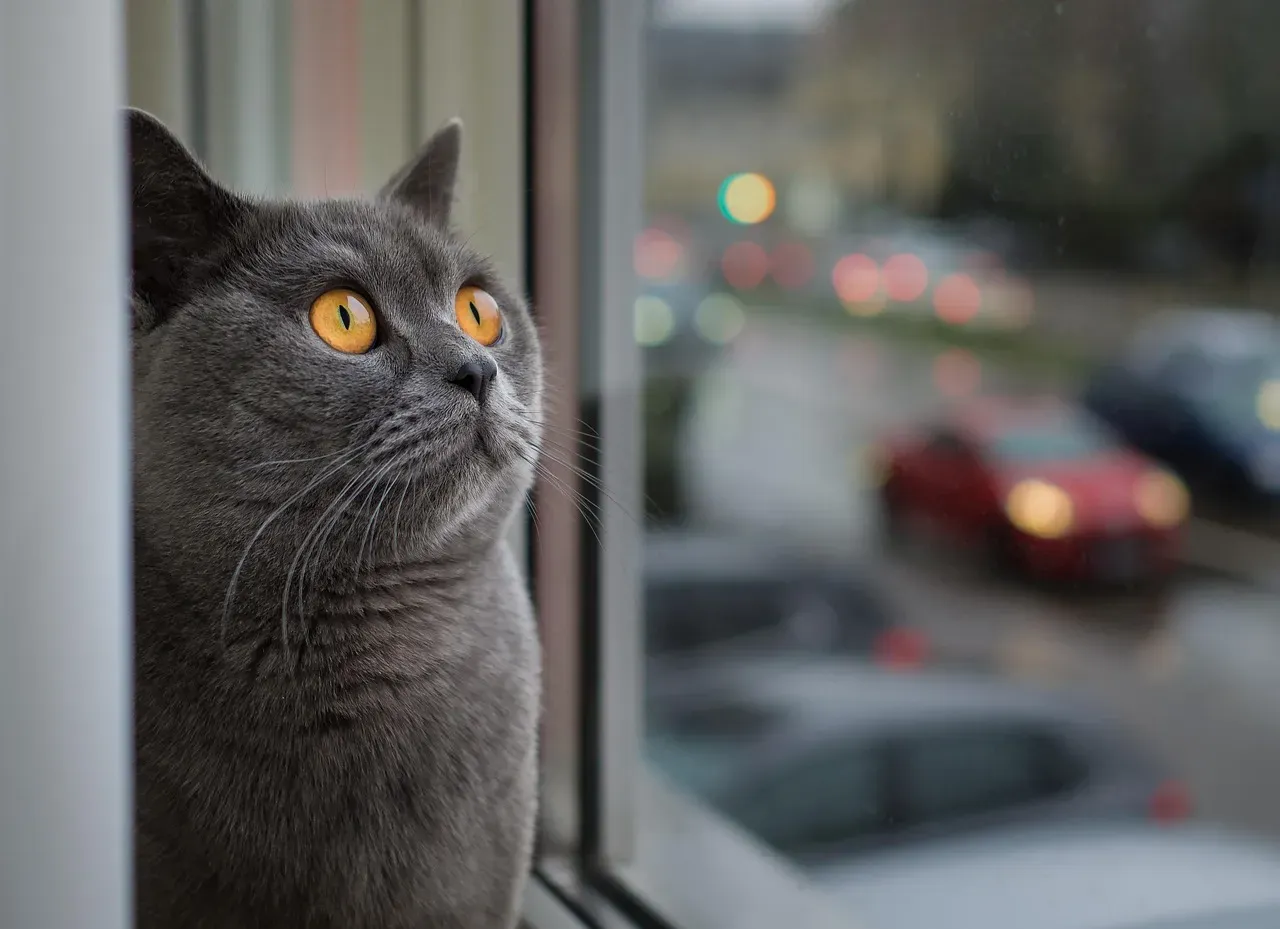
When your cat stares out the window, they’re tapping into deep-seated hunting and survival behaviors. Watching birds, squirrels, or insects move outside triggers their predatory drive. They might even chatter, chirp, or twitch their tail when a bird flutters by, with a mix of excitement and frustration because they can’t pounce. Think of it like watching a nature documentary and desperately wanting to reach into the screen. That chattering sound? That’s genuine emotional arousal.
This virtual hunting experience provides valuable mental stimulation and helps prevent boredom in indoor cats. It’s essentially “cat TV,” a constantly changing entertainment channel that keeps their predatory instincts sharp and their minds engaged. So next time your cat lets out that strange clicking noise at a pigeon, know that they are not being weird. They are being magnificently, authentically themselves.
The Window Tells You How Curious Your Cat Really Is
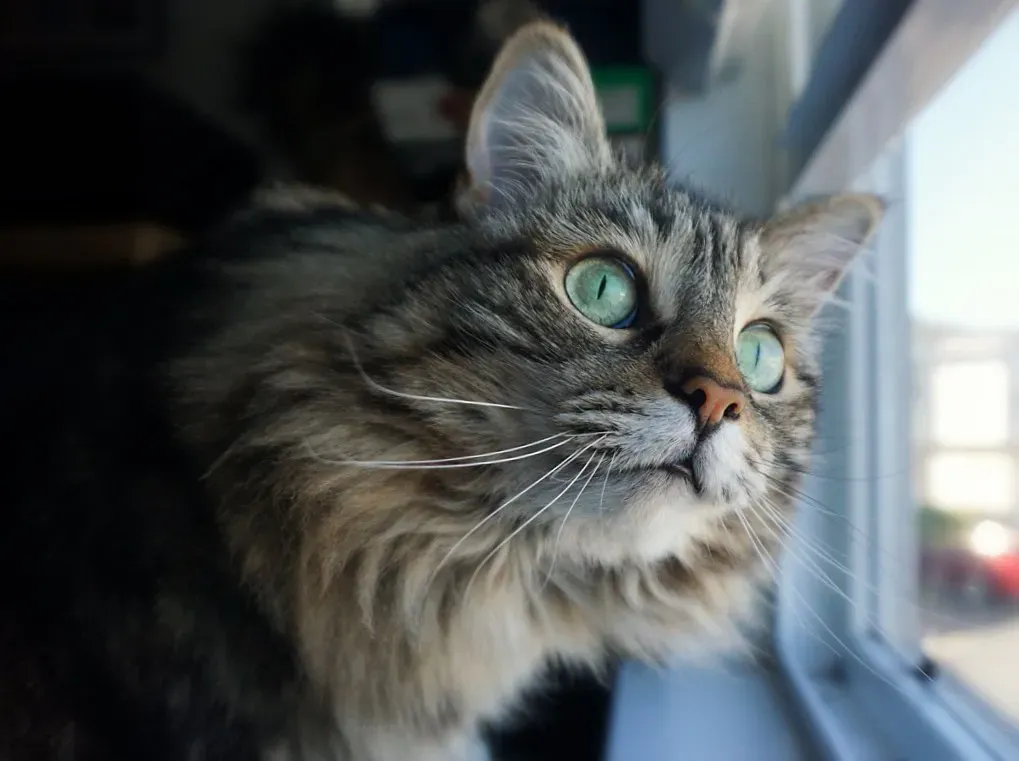
One of the strongest personality traits exhibited by cats is curiosity. Not only do they want to know what’s going on inside their homes, they’re also curious about the world outside their windows. A cat who rushes to the window every time something moves outside is likely high in what researchers call outgoing or exploratory personality traits. They want to know everything, all the time, no exceptions.
Recent research has revealed that personality traits of a cat can be classified into five broad categories, often referred to as the “Feline Five.” These include skittishness, outgoingness, dominance, spontaneity, and friendliness. Skittish cats tend to be more nervous and fearful, while outgoing cats are more explorative and active. If your cat watches the outside world with wide, eager eyes and a flicking tail, you are almost certainly living with a highly outgoing, deeply curious soul. That’s a wonderful thing.
Their Perch Position Signals Their Need for Control
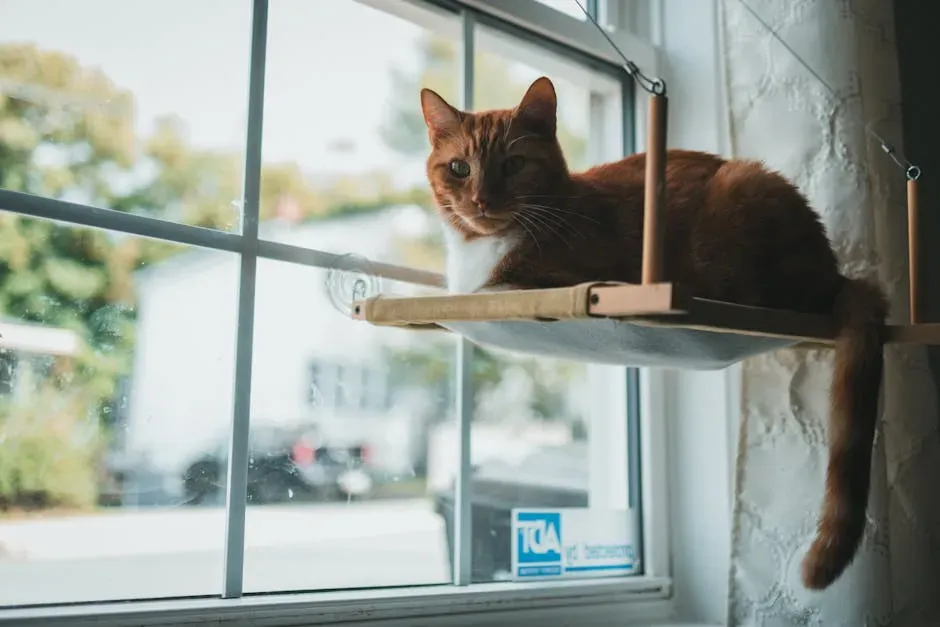
Dominant cats, often seen as the leaders of the pack, exhibit unique personality traits that set them apart. These felines are assertive and confident, typically taking charge of their environment, whether it’s determining the best spots in the house or deciding the feeding order among other pets. If your cat has claimed one very specific window spot and treats it as their personal kingdom, you may well have a dominant personality on your hands. Try moving their perch, and watch how they react. I’d bet they will move it right back.
Cats are territorial animals, and sitting in a window can give them a sense of ownership over their territory. By surveying their surroundings from a high vantage point, they can keep an eye on any potential intruders. Windows aren’t just for entertainment; they’re vital security checkpoints for your cat. In the wild, cats need to monitor their territory for potential threats and competitors. Your indoor cat maintains this instinct by keeping watch over their domain through windows, tracking neighborhood activities and potential intruders.
Sunlight Seeking Reveals a Comfort-Driven Personality
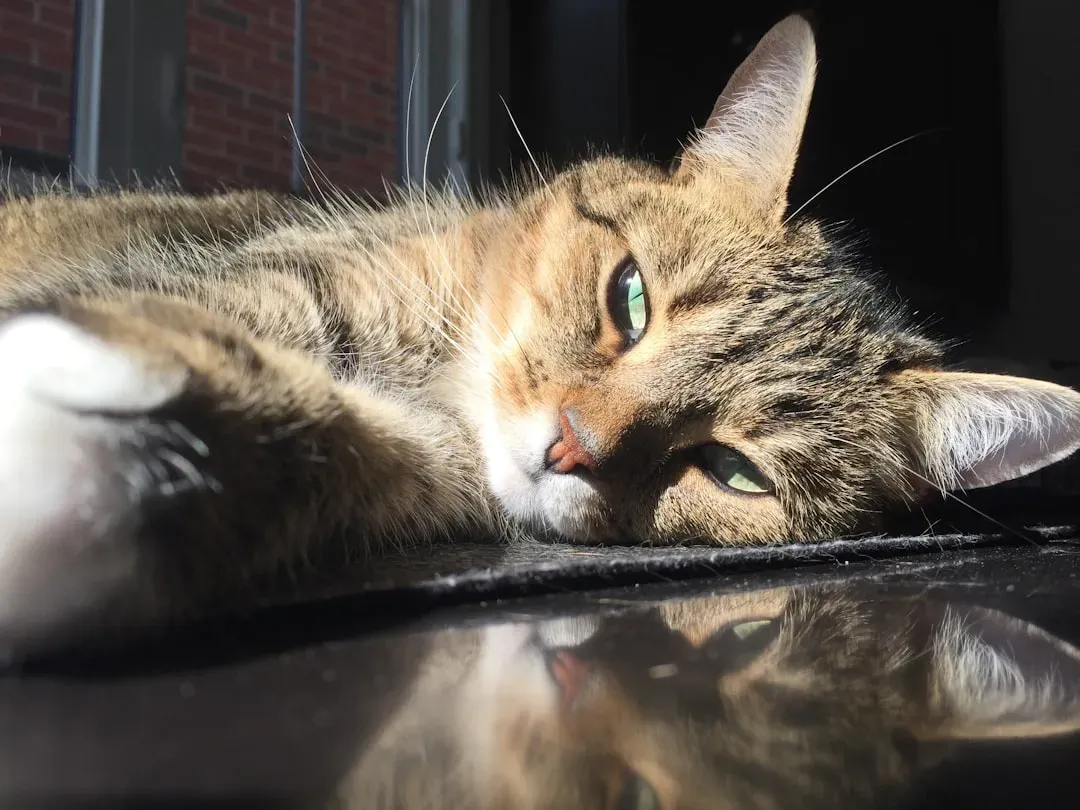
With the beautiful way warm sunshine comes pouring in the window, it’s no surprise cats love basking in those rays. Your cat will love getting warm and cozy in their favorite window sitting spot. It’s their very own nature-made heating blanket. Cats who prioritize sunny window spots above all else are often comfort-focused personalities, the kind of cats who will always find the warmest chair in the room long before you notice it’s the warmest chair in the room.
Cats gravitate to warmth, and a perch gives them a safe, elevated space to soak up those rays. You might often find your cats stretched out on their perch in the late afternoon, completely blissed out in a patch of sun. There’s something deeply soothing about a cat who lives this way. It’s a gentle reminder that sometimes the best life strategy is simply finding the patch of sunlight and staying in it. Honestly, they might be onto something.
Scent and Sound at the Window Reveal a Sensory-Hungry Cat
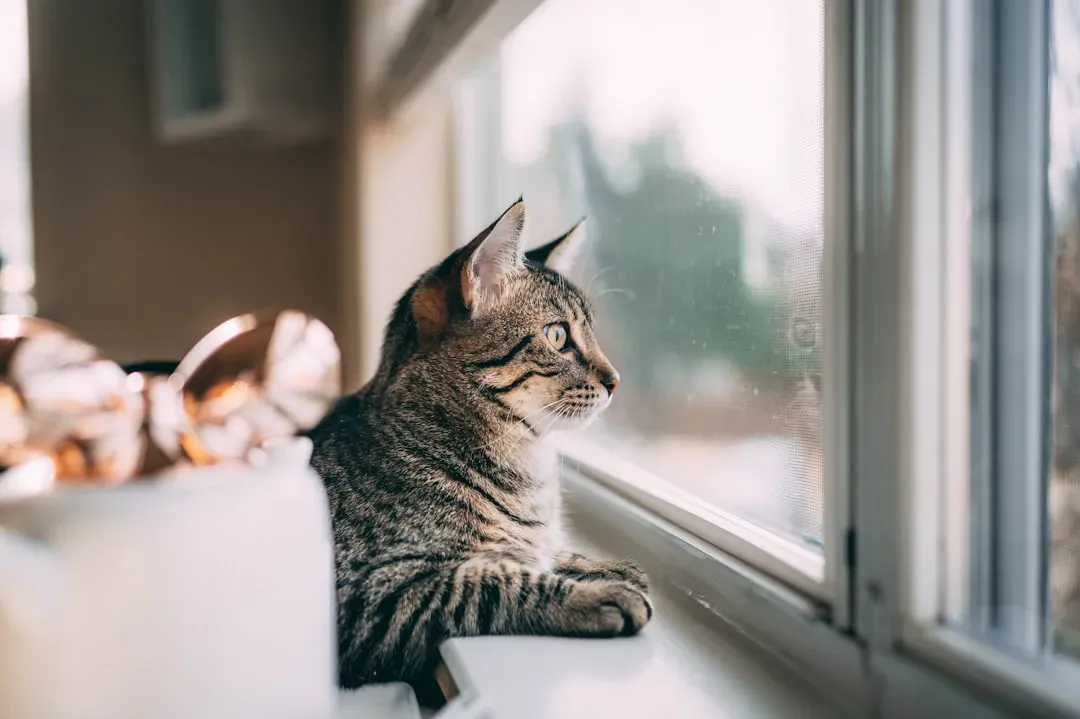
A cat’s sense of smell is thought to be fourteen times stronger than yours, able to smell a meal from a football field’s length away, if not more. They must be picking up so many interesting scents in the air. That’s great mental stimulation. A cat who rushes to an open or cracked window and immediately starts sniffing the breeze with intense focus is signaling something important about their inner world. They are sensory hunters, craving input and information from every possible channel.
The window also offers stimulation and enrichment that indoor cats crave. Life inside can be predictable, and staring out the window gives them a mental workout. The changing light, shifting shadows, and variety of sights and sounds keep their senses sharp. A cat who is drawn to the window primarily through scent and sound rather than sight is likely highly intelligent and mentally active. These cats need more engagement from you, more puzzle feeders, more variety in their environment.
Nighttime Window Watching Uncovers Your Cat’s Wild Side
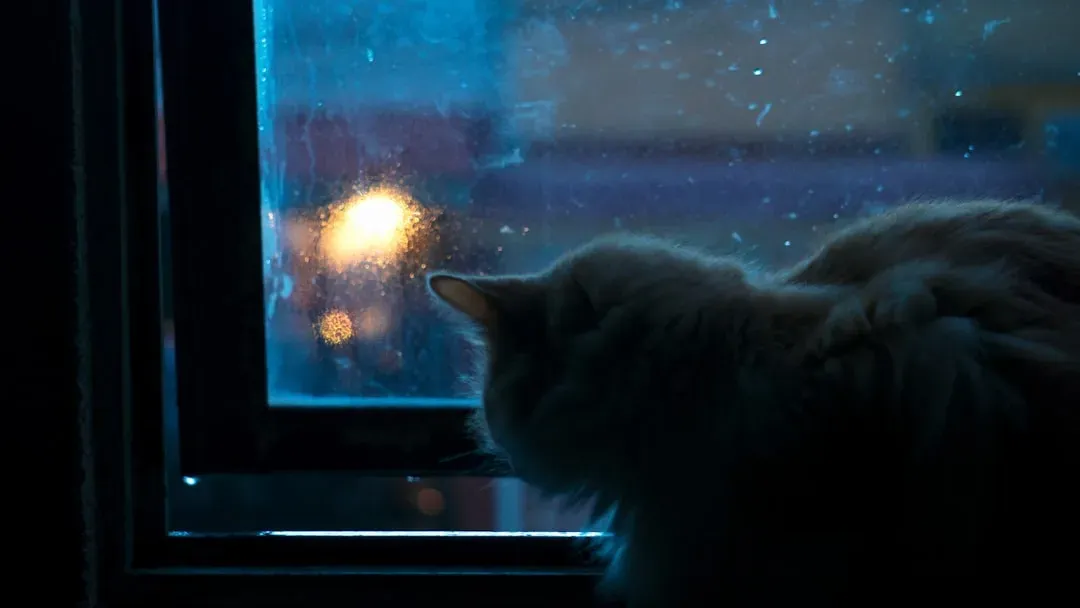
While you might think your cat’s fascination with the window ends when the sun goes down, for many felines the night view is even better. Cats are crepuscular creatures, which means they’re most active during dawn and dusk, but some cats stay alert well into the night. The world outside takes on a different kind of mystery after dark, with flickering lights, rustling leaves, and nocturnal animals on the move. A cat who prefers the nighttime window over the daytime view is often telling you something raw and honest about where their instincts still live.
Cats have exceptional night vision, allowing them to see up to six times better than humans in low light. Therefore, when your cat sits by the window at 2 a.m., they’re not just staring into darkness but are watching what unfolds outside. A cat looking out of the window at night may have the same reasons as daytime watching, but the stimuli are a little different. It’s likely your cat is becoming stimulated by different things, like bright lights, nocturnal animals, or shadows. These are your wildest cats, the ones who still carry the most untamed version of themselves.
How Much Time They Spend There Matters More Than You Think
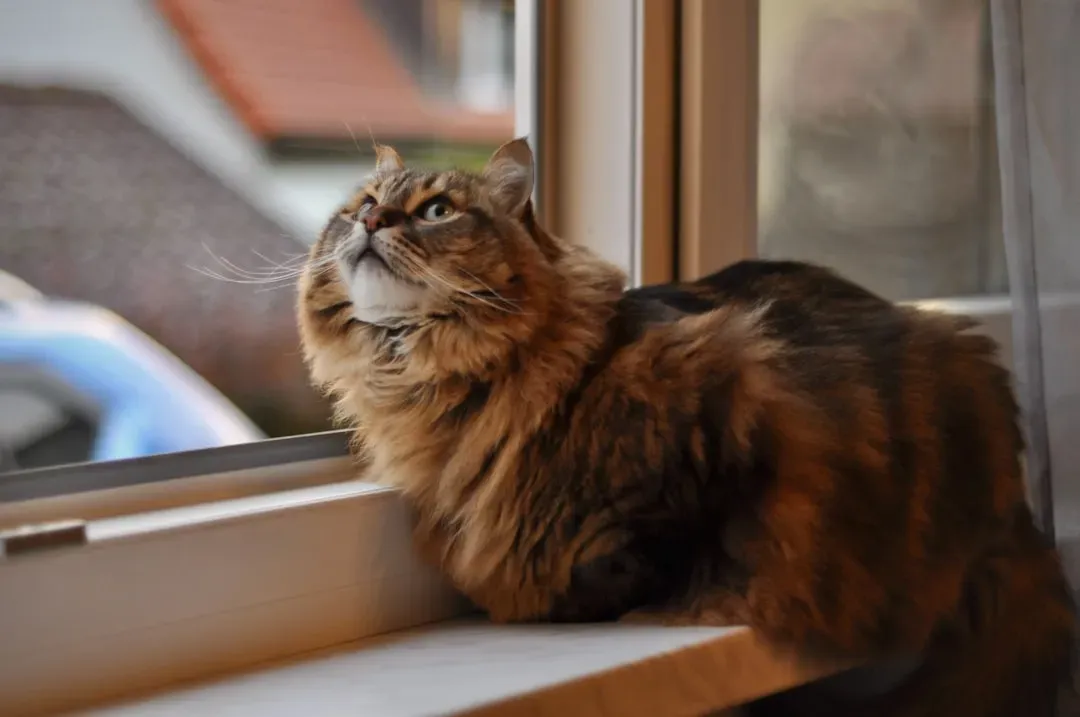
In a survey of 577 cats, caregivers reported that their cats spent less than five hours a day at the window, with the median time reported as two hours. So on average, pet cats spend around two hours a day at the window. That might sound like a lot, but it’s actually a healthy baseline. A cat who glances out occasionally and moves on has different needs than one who is practically living on the sill from morning to night.
If your cat is spending excessive amounts of time in the window and neglecting other activities, it may be a sign of underlying issues such as stress or boredom. It’s important to provide a balance of indoor and outdoor stimulation for your cat. A cat spending too much time looking out of the window or doing any other activity to an obsessional level can indicate mental health problems. Always chat to your vet if you’re concerned; it’s a key part of good, preventative pet care. It’s a subtle but meaningful signal that is worth paying attention to.
How to Enrich Their Perch and Truly Honor What They Need
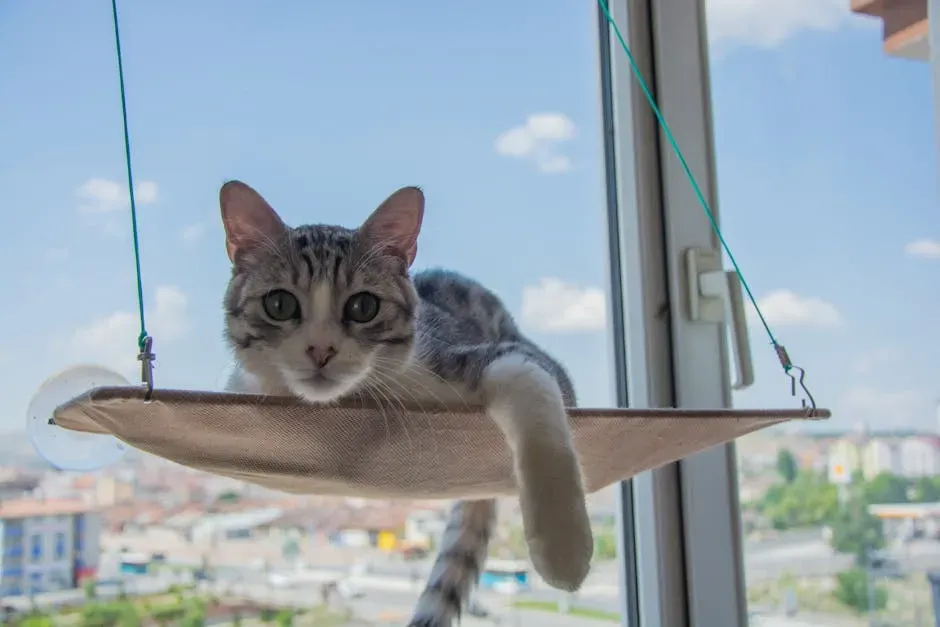
While cats’ perching behavior is mostly about survival, it also is a form of entertainment that keeps them from getting bored, anxious, or depressed. Besides wanting to sit at the same level as the fish tank, they also like to watch birds, butterflies, and insects right outside their windows. The single best thing you can do is lean into what your individual cat is already telling you they want. If they’re drawn to birds, install a bird feeder within their line of sight. If they love the sunny corner, add a padded cushion there.
Watching the world outside can provide excellent enrichment for indoor cats, reducing boredom and helping prevent behavioral issues like scratching, overgrooming, or excessive vocalization. If you’re looking for a simple way to enrich your cat’s life, a window perch is a fantastic option. Not only do these perches provide endless entertainment for your feline friend, but they also support their natural instincts and well-being. It’s one of the simplest, most affordable upgrades you can make to your cat’s daily life, and honestly, the joy you’ll see on their face makes it more than worth it.
Conclusion
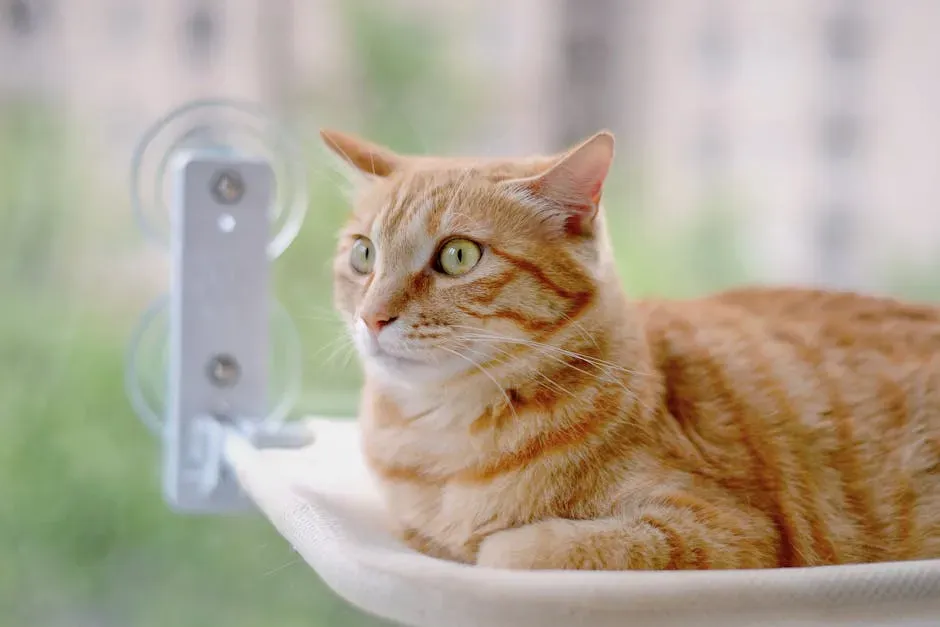
Your cat’s window perch is so much more than a piece of furniture. It’s a confessional. It’s where their truest instincts, deepest desires, and most unfiltered personality traits come bubbling to the surface, one quiet afternoon at a time. Whether your cat is a bold territory-monitor, a sensory sponge hunting every smell in the breeze, or a comfort-obsessed sun worshipper, the window tells the whole story if you know how to read it.
The next time you see your cat settle into their favorite spot and fix their gaze on the outside world, take a moment to really observe them. You might just discover something about them, and about your relationship with them, that you never knew before. So, what does your cat’s window perch say about them? Take a good look and tell us in the comments.