You’ve probably caught your cat watching you at some point. Maybe you looked up from your book or glanced over from the kitchen, and there they were, eyes fixed on you, unblinking and intense. It feels a bit like being under surveillance, doesn’t it? That steady gaze can seem eerie, judgmental, or even slightly unnerving.
Here’s the thing though. What you’re experiencing isn’t your cat staring at you in the way humans understand staring. Your feline companion is engaging in something far more sophisticated than a simple gaze. They’re conducting an intricate analysis of their environment, processing information through senses that far exceed your own capabilities, and using evolutionary tools that have been refined over millions of years. Let’s dive in and discover what’s really happening behind those mesmerizing eyes.
The Biological Framework Behind That Unblinking Look
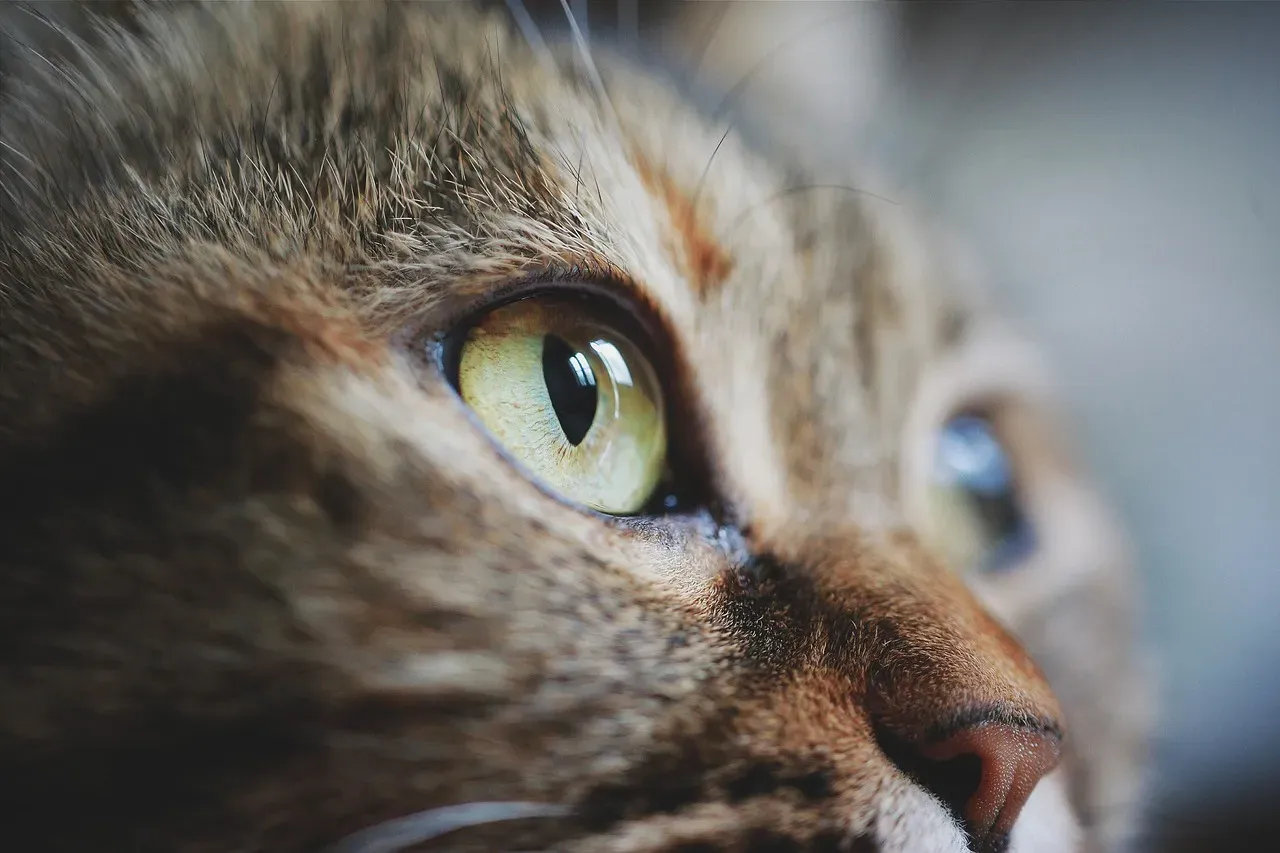
Cats don’t blink as often as we do, which immediately makes their gaze appear more intense than it actually is. Cats blink much less than we do; they also have a third eyelid that keeps their eyes moisturized without visible blinking. This anatomical difference means your cat can maintain what looks like an unwavering stare without any discomfort.
Unlike humans, cats do not need to fully blink their eyes on a regular basis to keep their eyes lubricated. The nictitating membrane does the work invisibly, allowing them to keep watch continuously. Think about it like having built-in windshield wipers that you never see operating. What seems like relentless observation to you is simply their eyes functioning exactly as nature designed them.
Hunting Instincts Encoded in Every Glance
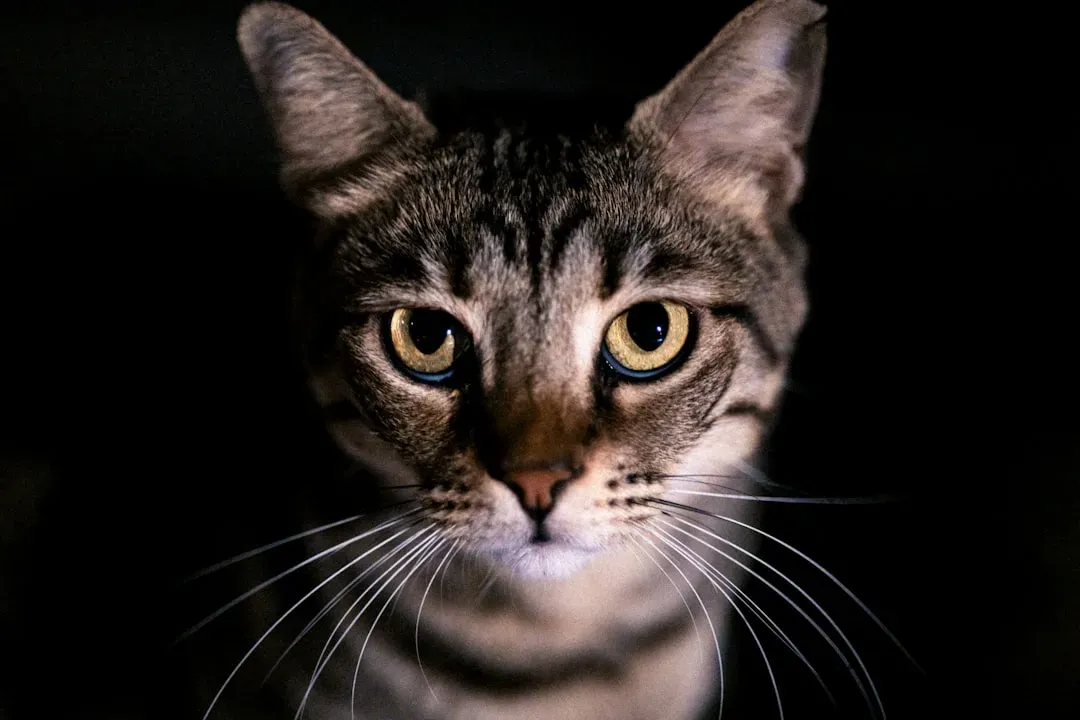
Their razor-sharp hunting instinct, meticulously honed through millions of years of evolution, involves a binocular field of vision that allows them to properly perceive depth, height, and distance. When your cat locks onto you or an object, they’re engaging predatory circuitry that helped their ancestors survive in the wild.
Staring is part of your cat’s natural hunting behavior, as they may fixate on a bug, toy, or even something invisible to you, tracking even the tiniest movement. Their visual system is wired to detect motion with extraordinary precision. Even when it looks like they’re zoning out, they’re actually cataloging every subtle shift in their field of view, from a dust particle floating in sunlight to your smallest gesture.
The Tapetum Lucidum: Your Cat’s Built-In Night Vision System
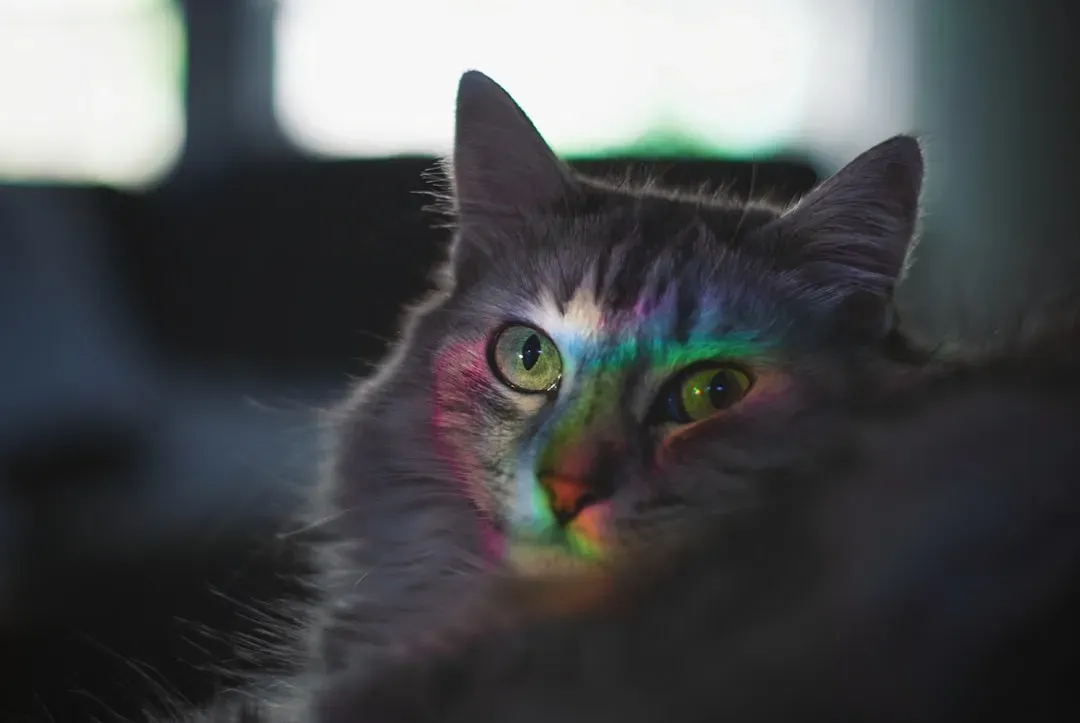
Ever wondered why your cat’s eyes glow in photos or when light hits them just right? The tapetum lucidum is a layer of tissue lying immediately behind the retina that reflects visible light back through the retina, increasing the light available to the photoreceptors. This remarkable adaptation is what gives cats their superior low-light vision.
It acts like a mirror, reflecting light back through the retina to increase the available light for photoreceptor cells, allowing cats to see six times better than humans in low light. That intense gaze you’re interpreting as staring? It’s actually your cat making optimal use of every photon entering their eyes. Their visual system is constantly working overtime, gathering and processing light information that you couldn’t even begin to perceive.
Motion Detection That Borders on Supernatural
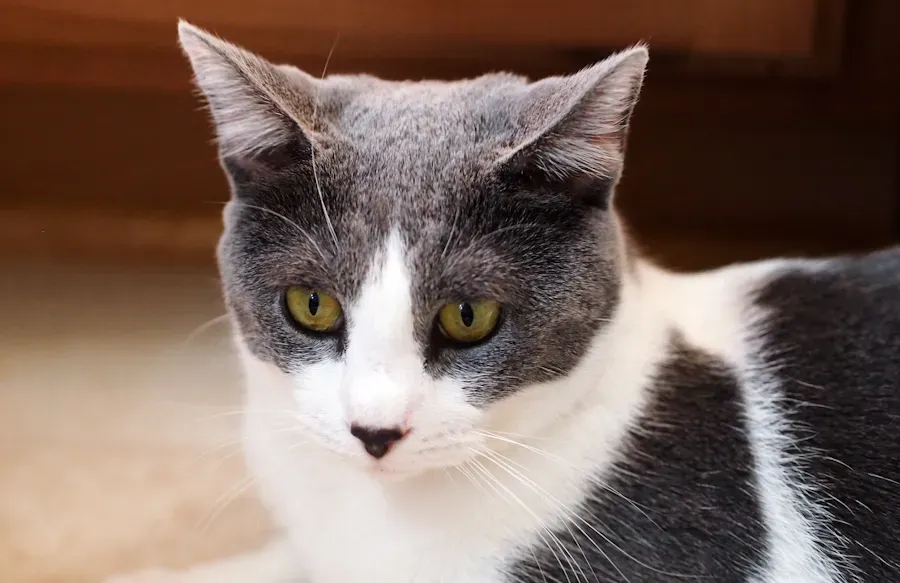
Cats have exceptional sensory abilities that allow them to pick up on sights, sounds, and scents far beyond human perception; what seems like “nothing” to us often makes perfect sense to them. Your cat might appear to stare at a blank wall, yet they’re actually tracking something you simply cannot detect.
Your cat might be focusing on sounds from within your walls, such as mice or insects, that are completely imperceptible to human ears, often engaging their natural predatory instincts. Their hearing extends to frequencies up to three times higher than what you can detect. So when they lock onto seemingly empty space, they’re perceiving a rich sensory landscape invisible to you.
Communication Through Visual Contact
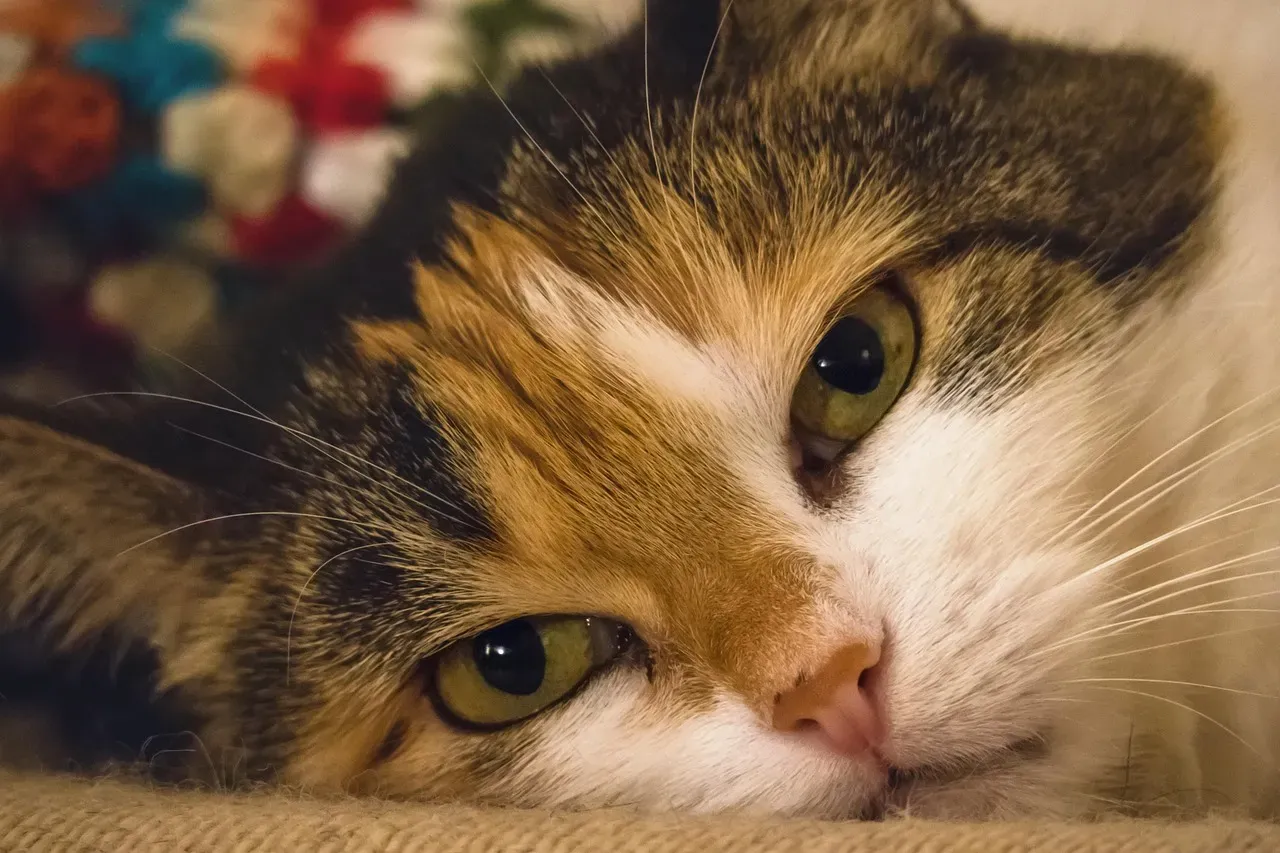
They communicate by staring, and also use subtle shifts in their posture, ears, eyes, and tail to signal their mood or health. That focused look isn’t always about hunting or environmental scanning. Sometimes your cat is simply trying to tell you something important.
Cats may be staring at you to communicate, express emotion, or wait for a cue, with their stare being part of the processing of stimuli around them. Maybe they’re hungry and waiting for you to notice. Perhaps they want attention or playtime. Their gaze serves as a bridge between their world and yours, a method of initiating interaction without vocalization. It’s less “I’m staring at you” and more “I’m opening a dialogue.”
Depth Perception and Distance Calculation
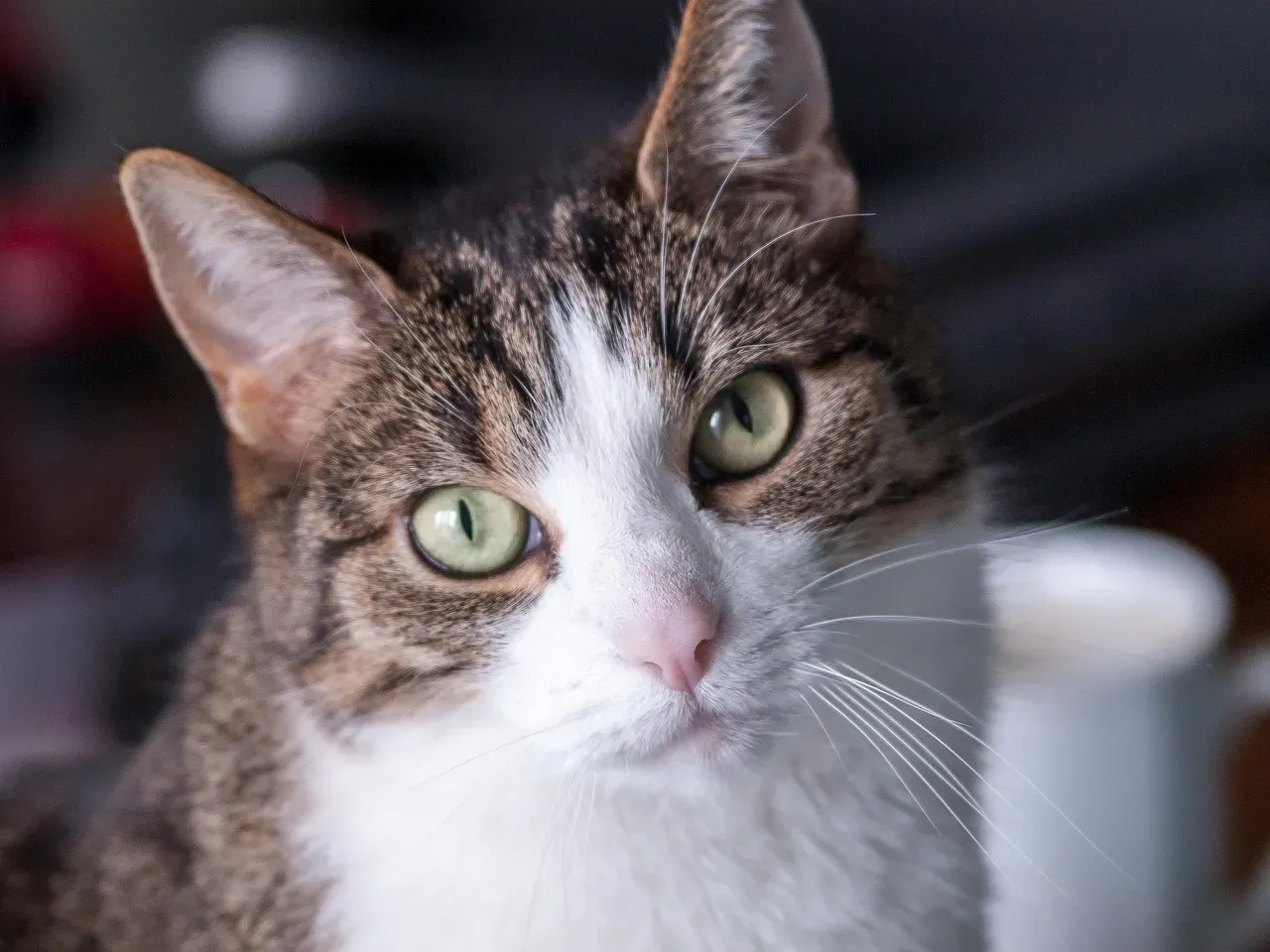
Cats have adapted to their predatory lifestyle by developing keen depth perception through eyes positioned on the front of their head, providing binocular vision that allows them to judge distances accurately and pounce on prey with precision. When your cat watches you intently, they’re simultaneously calculating spatial relationships.
With their keen eyesight, cats possess exceptional depth perception and tracking abilities, as their eyes work together to focus on a target, calculating the distance accurately before pouncing with incredible precision. Every time your cat appears to be staring, they’re running complex geometric calculations. They’re measuring angles, assessing trajectories, and preparing potential responses to movement. It’s observation combined with sophisticated spatial analysis.
The Slow Blink: A Language of Trust
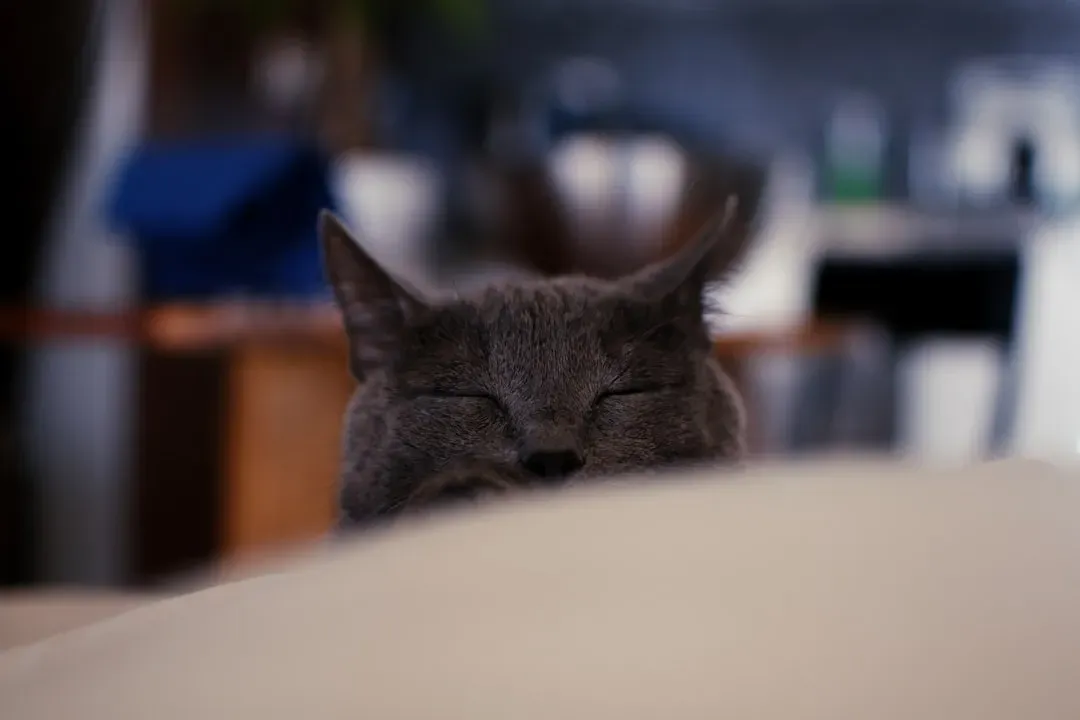
Not all focused looks carry the same meaning. The long, slow blink, coupled with a relaxed posture, means your cat likes you and is showing affection because they’re calm and relaxed, trusting and comfortable in your presence, not stressed, irritated, angry, or otherwise unhappy or anxious. This is one of the most beautiful aspects of feline communication.
When your cat looks at you with squinted eyes and blinks slowly with a relaxed body, they’re showing you the kitty version of affection and love, with studies finding that these slow blinks can indicate positive emotional communication between kitties and humans. If you return the gesture, you’re speaking their language. That prolonged gaze followed by a gentle closing of the eyes? That’s your cat saying they feel safe with you.
Context Matters More Than the Gaze Itself
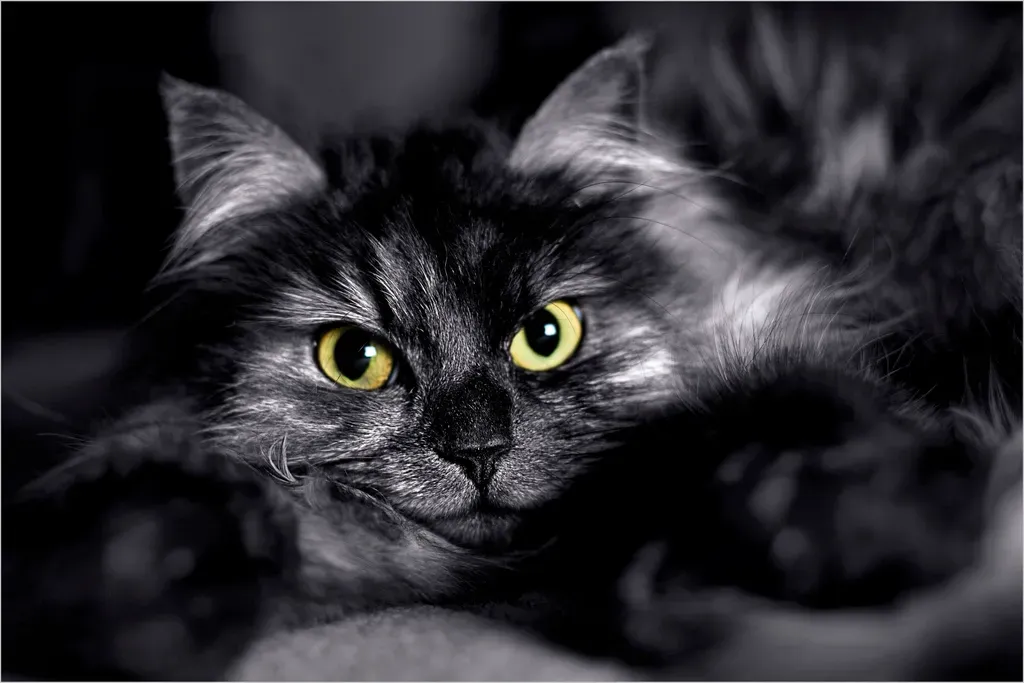
Looking at the entire body of the cat and taking note of the current context is key to interpreting their staring, along with assessing what nearby stimuli could be a source of your cat’s attention. The focused look alone doesn’t tell the whole story. You need to read the room and your cat’s entire physical presentation.
Staring alone isn’t enough to judge a cat’s state; you also need to factor in body language and facial expression, and what’s going on in the world around them. Are their ears relaxed or pinned back? Is their tail upright or tucked? Are they crouched or lounging? These details transform an ambiguous stare into clear communication. Your cat isn’t just looking at you in isolation; they’re responding to an entire sensory environment.
When Observation Becomes Concern
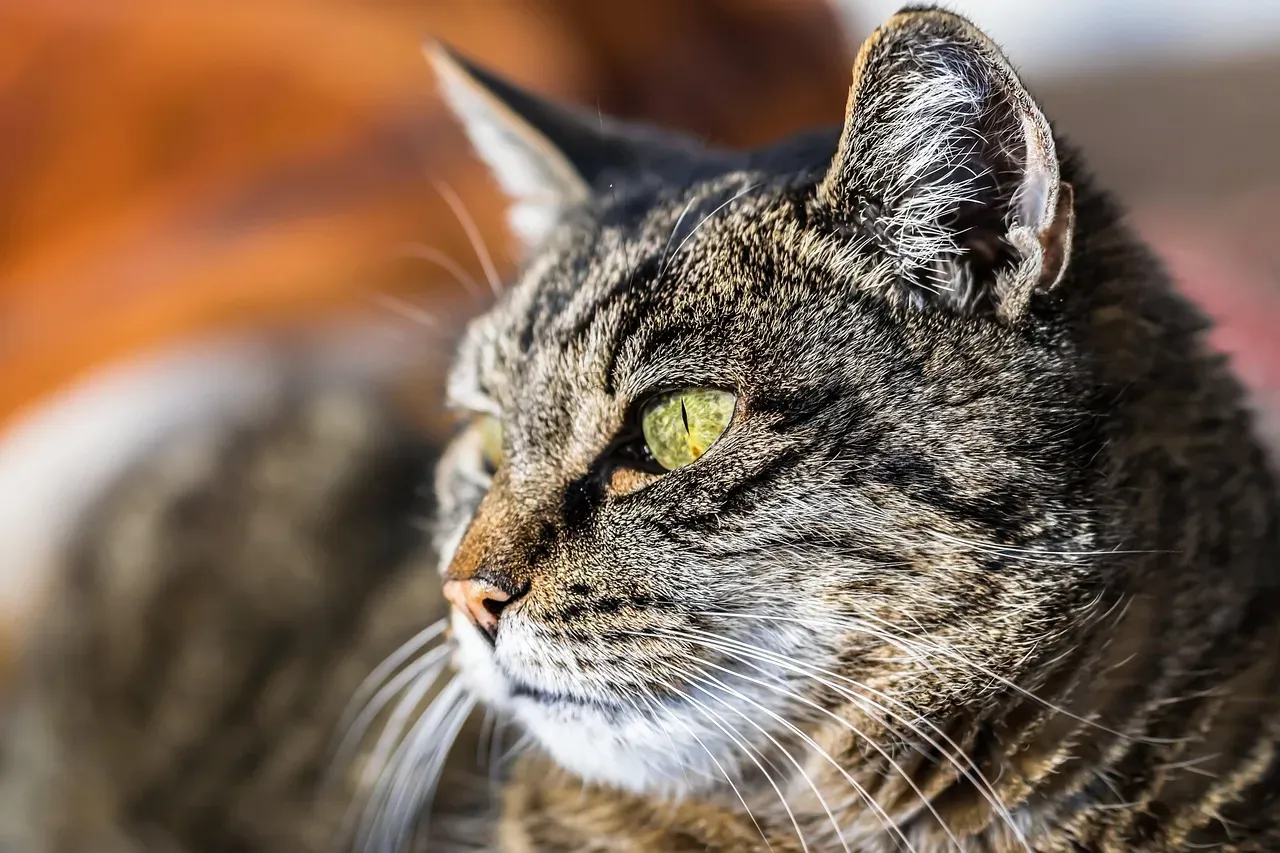
While most focused gazing is perfectly normal, there are times when changes in this behavior warrant attention. In rare cases, staring can signal pain or fear, with wide eyes, dilated pupils, and a tense body indicating hyper-alertness, along with other unusual behaviors like hiding, limping, aggressive behavior, or avoiding touch. Sudden shifts in your cat’s typical patterns shouldn’t be ignored.
Senior kitties may stare into space if they’re confused or disoriented, as cats get older and their cognitive functioning declines, which can affect their awareness and sight. If your cat’s focused gaze becomes vacant or is accompanied by disorientation, confusion, or behavioral changes, it’s worth consulting your veterinarian. The key is knowing what’s normal for your individual cat and recognizing when something feels off.
Conclusion
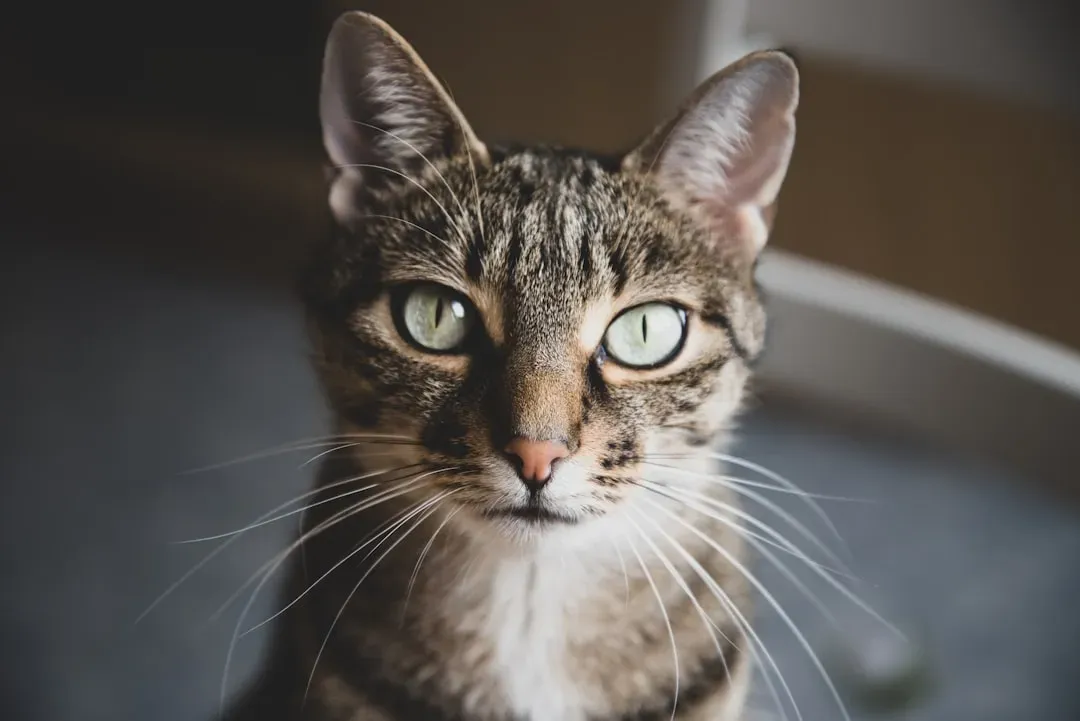
Your cat’s focused gaze is a window into an extraordinarily complex perceptual system that processes the world in ways you’ll never fully experience. Those moments when they lock eyes with you aren’t about judgment or intimidation. They’re about communication, spatial analysis, sensory processing, and sometimes pure affection wrapped in an evolutionary package millions of years in the making.
Next time you catch your cat watching you with that steady, unblinking look, remember you’re witnessing a masterpiece of biological engineering at work. What do you think about it? Does it change how you see your feline companion’s gaze?