You probably pay attention to your cat’s mood, coat, and litter box. But here’s what most cat owners completely miss: the food bowl. That small, easily ignored dish on your kitchen floor is actually one of the most revealing health monitors your cat has. It tells a story every single day, if only you know how to read it.
Think about it. Your cat can’t walk up to you and say, “Hey, something feels off.” So their body does the talking through behavior, and feeding time is where that behavior gets most visible. The patterns, the pace, the leftovers, the obsessive licking – each one can be a quiet distress signal. Let’s dive in.
When Your Cat Suddenly Stops Finishing Their Meals
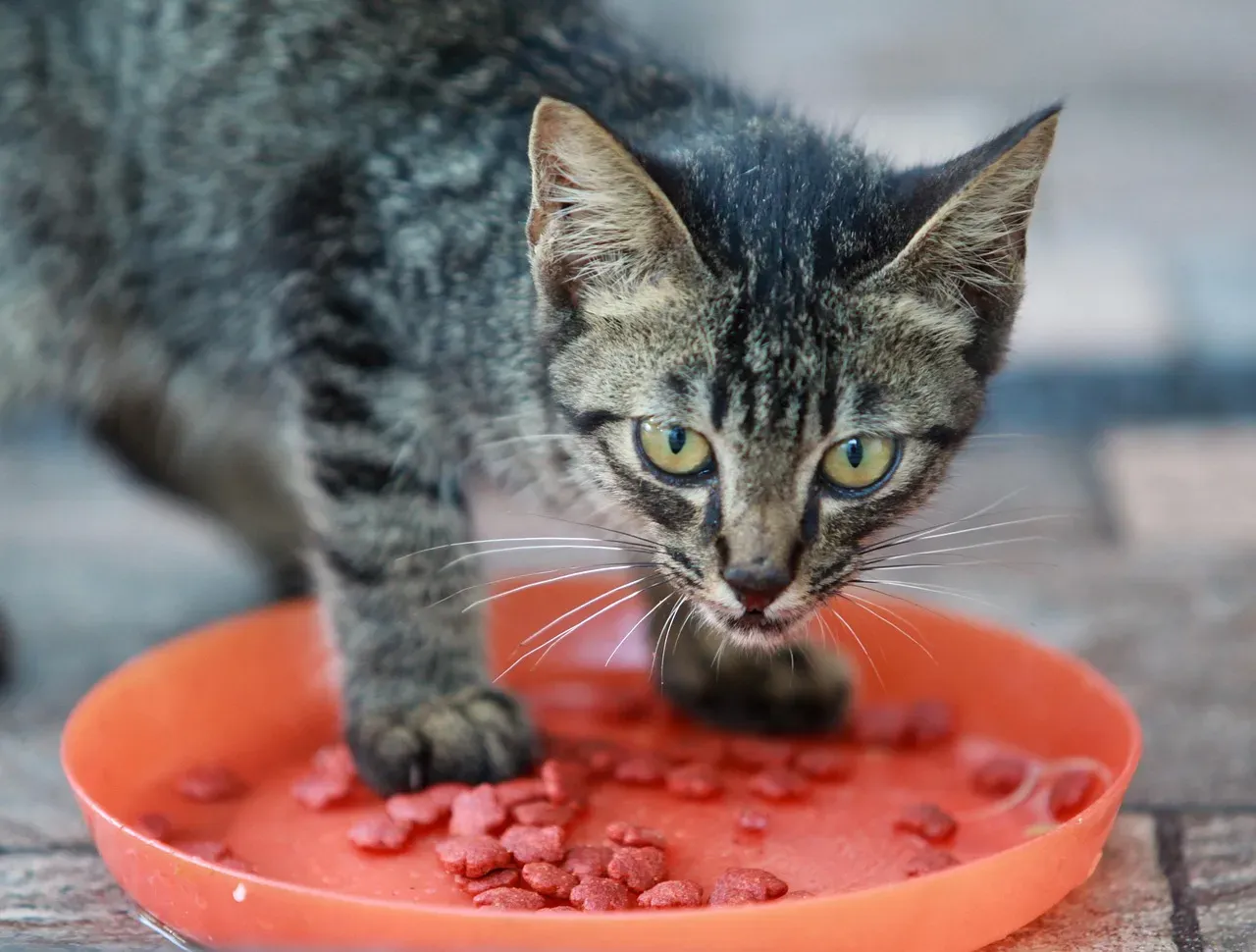
Sudden changes in eating habits deserve your attention. If your cat consistently eats much less than usual or shows signs of weight loss, it may indicate a health issue. You might be tempted to blame the food, swap flavors, and call it a day. Honestly, that’s the first instinct most of us have. But when this pattern keeps repeating, the food isn’t the problem.
Changes in eating habits and patterns warrant investigation, because lost or decreased appetite may signal something serious and may contribute to a serious consequence or outcome. If your cat skipped dinner once and is totally fine the next morning, that’s probably nothing. However, days of reduced eating? That’s a different story entirely, and it needs a vet conversation fast.
The Dangerous Side of Eating Too Fast
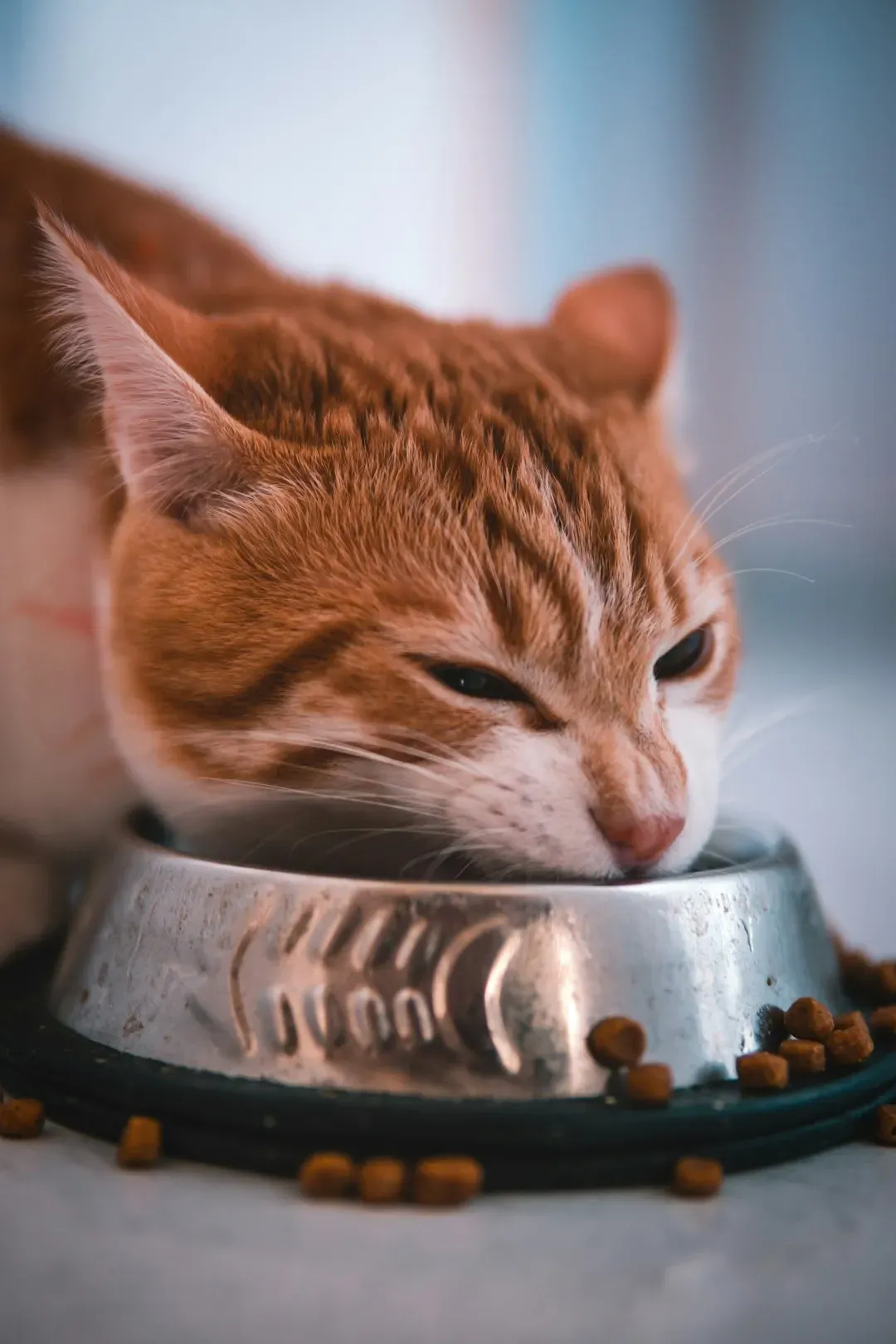
Cats aren’t typically thought of as gorgers. If your cat chows down like the buffet is closing, it could be a competitive response to other pets in your home. Still, speed eating isn’t just a messy inconvenience. It puts real physical stress on a small digestive system that simply isn’t built to handle large volumes at once.
Eating too much can also be caused by stress or an underlying medical condition. Conditions such as hyperthyroidism, pregnancy, parasitism, cancer, or malabsorptive diseases like IBD all have increased appetite symptoms. So if your cat has suddenly turned into a speed-eating champion with no obvious lifestyle reason, you might want to schedule that vet appointment sooner rather than later.
What It Means When Your Cat Sits by the Bowl All Day
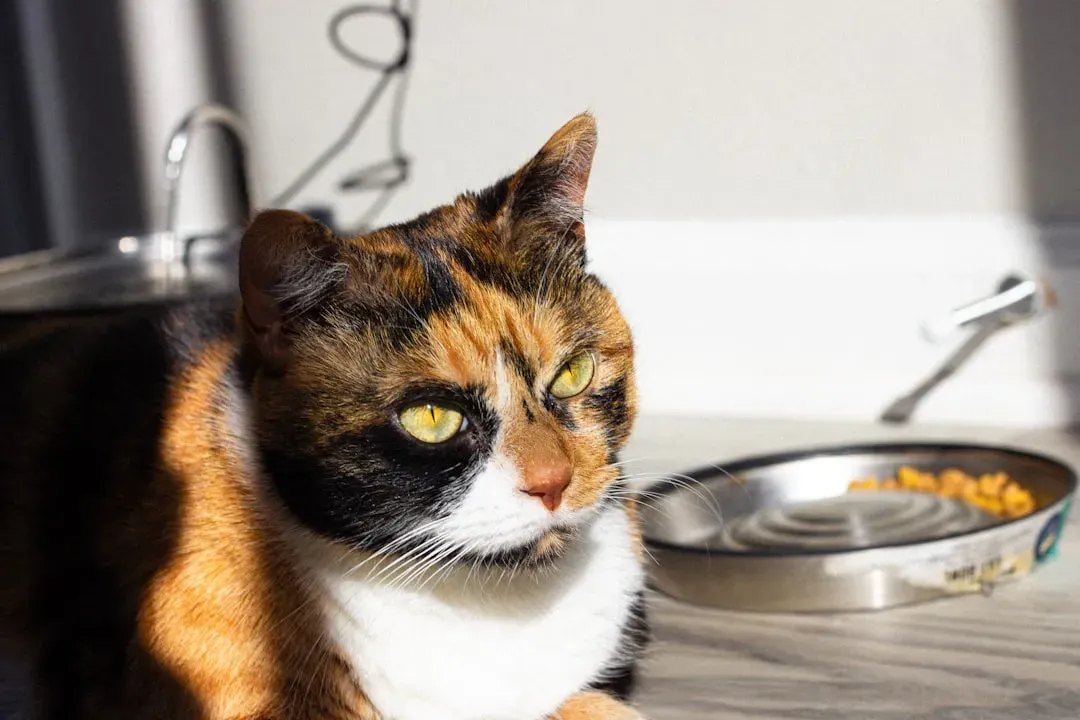
Sitting by the food bowl all day can sometimes be a sign of an underlying medical issue. Conditions such as diabetes, hyperthyroidism, or dental problems can increase your cat’s appetite or make eating uncomfortable. If you notice any changes in your cat’s behavior or eating habits, it’s essential to consult a veterinarian to rule out any health concerns.
A cat affected by diabetes exhibits increased thirst, urination, and hunger, because their body is unable to convert glucose to fuel effectively. So your cat’s seemingly relentless “feed me” performance at the bowl might not be about drama or manipulation. It might be their body screaming for glucose it simply cannot access properly. That changes the picture entirely.
Licking the Bowl Clean Could Be a Dental Red Flag
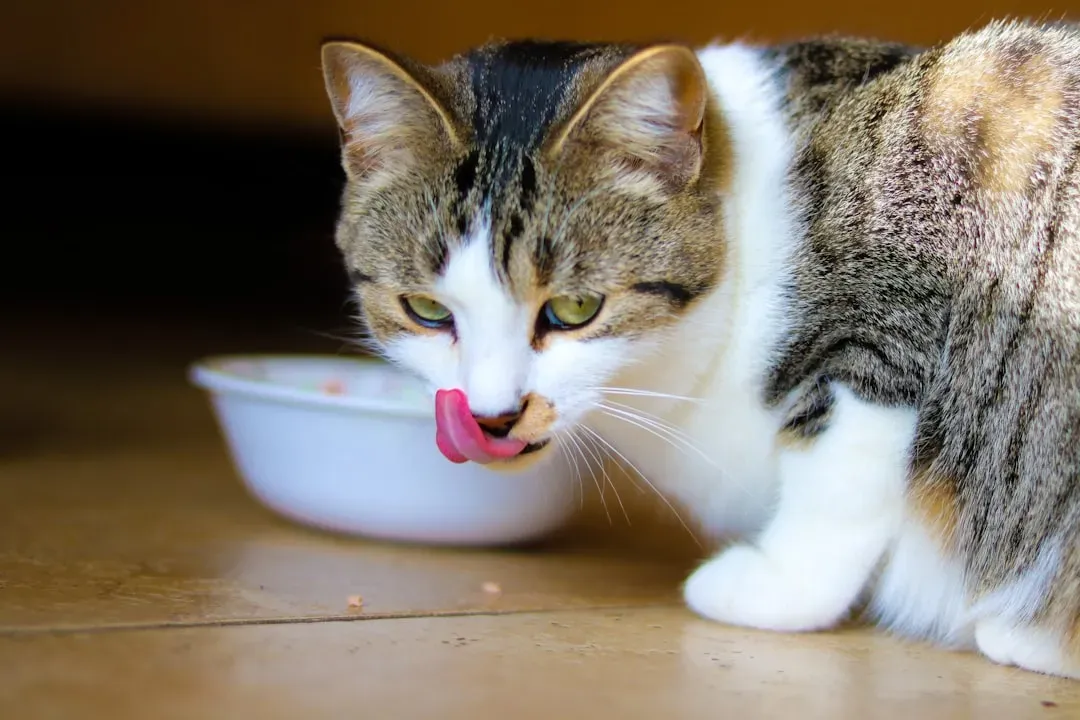
Licking the food bowl can sometimes be a sign of dental or oral health problems. Cats with sore gums, tooth decay, or other mouth-related issues may find it uncomfortable to eat normally. Instead, they might lick their bowl to soothe their discomfort. It looks innocent, right? Almost endearing. But licking when they should be chewing is a compensatory behavior, and it’s worth paying close attention to.
Dental disease is the most common condition affecting all pets. In fact, up to 90% of cats have dental disease by 2 years of age, and if left untreated, this condition can cause significant pain and infection. If your feline friend has a periodontal problem, such as stomatitis, abscessed teeth, or resorptive lesions, they may avoid dry food and may drink less water than usual. You could also observe them chewing on only one side of their mouth or dropping pieces of kibble everywhere when they used to be a neat eater.
Scattering Food Out of the Bowl Is Not Always Playfulness
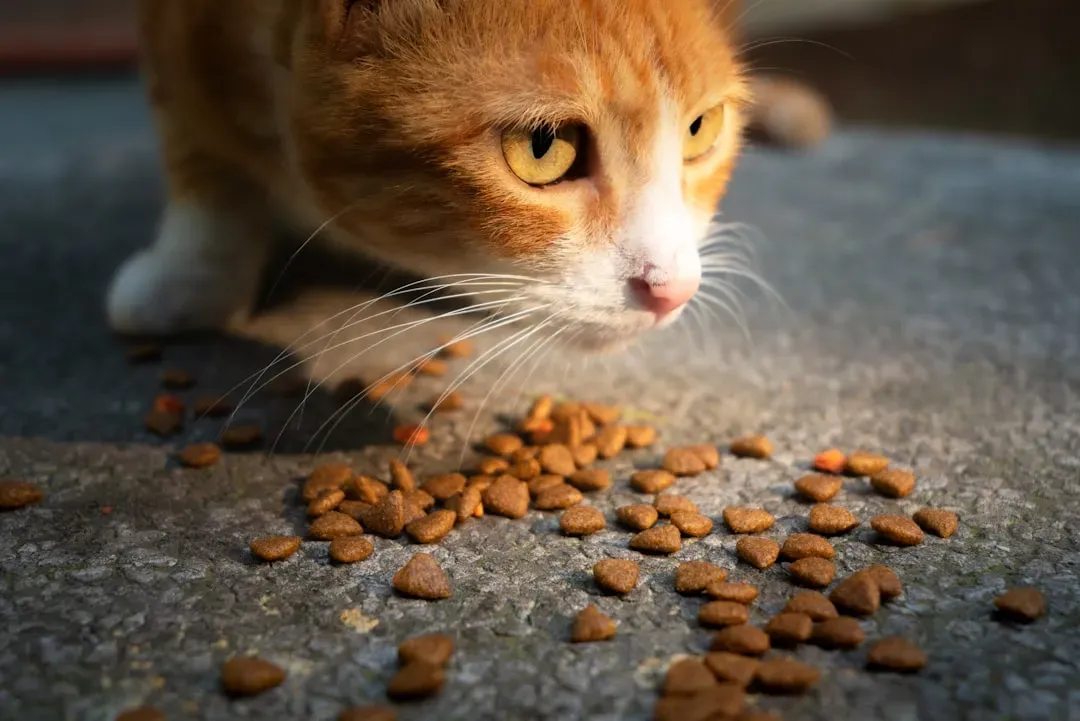
While scattering food is often a behavioral issue, it’s essential to rule out any underlying health problems. Dental issues, such as tooth pain or gum disease, can make it difficult for your cat to eat comfortably, leading to messy mealtimes. Similarly, digestive problems or food sensitivities might cause your cat to avoid eating directly from the bowl. It’s easy to laugh this off as your cat being quirky, and sometimes that’s all it is. But let’s be real – context matters here.
If you notice any other unusual symptoms, such as weight loss, lethargy, or changes in appetite, consult your veterinarian to ensure your cat’s health isn’t the root cause. The scattered food combined with those other warning signs is when you need to stop shrugging and start asking questions. Think of it less like a mess and more like a message.
Your Cat’s Dirty Bowl Might Be Making Them Sick
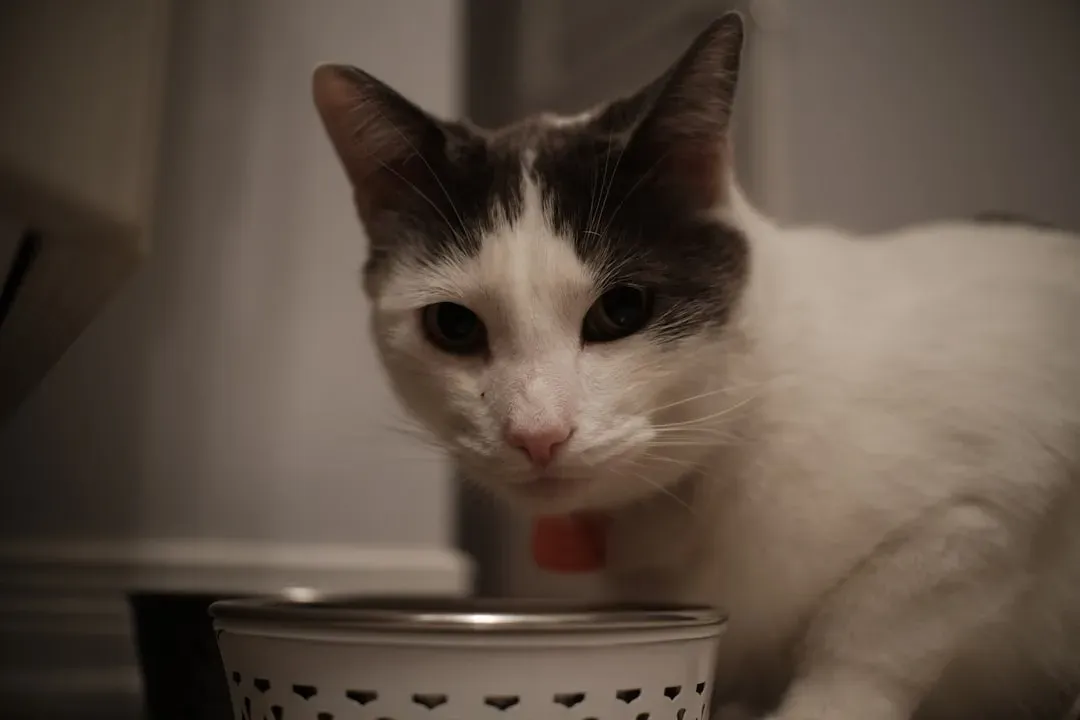
Pet food and water bowls can become hotspots for bacterial growth if not cleaned and maintained properly. A study published by Hartpury University found that common bowl materials like plastic and ceramic can harbor bacteria, including MRSA and Salmonella, sometimes in biofilms that are hard to remove without thorough cleaning. This is one of those facts that stops you cold. Something as routine as a food bowl can become genuinely hazardous, and most people never think twice about it.
Over time, leftover food particles can accumulate, creating a breeding ground for bacteria such as Salmonella and E. coli. These bacteria can cause severe gastrointestinal issues in cats, leading to symptoms like vomiting, diarrhea, and dehydration. Vets recommend bowls made from stainless steel because its smooth surface resists bacterial buildup and is easier to sanitize. It’s a simple swap with a genuinely meaningful impact on your cat’s gut health.
Drinking Changes Around the Bowl Are Just as Telling
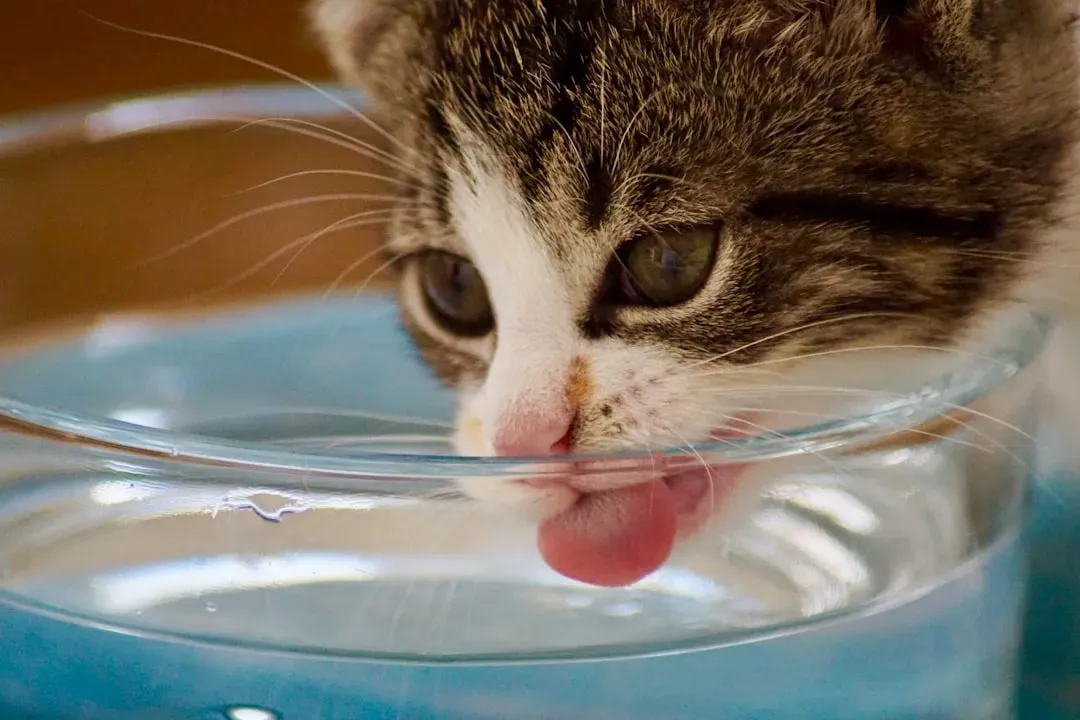
Like changing eating habits, reduced or increased water intake is also a red flag. Sometimes a lack of drinking means your cat is too weak or tired to get to its water bowl, while excessive thirst could indicate a problem with your cat’s liver or kidneys. Water behavior gets overlooked almost universally by cat owners, and that’s a shame because it’s one of the clearest health indicators available to you.
Chronic kidney disease is common among senior cats, causing increased thirst and urination. With declining kidney function comes a decreased ability to concentrate urine and filter out the bloodstream’s metabolic wastes. As the body attempts to flush out waste products, it pulls water, causing your cat to feel thirsty and urinate more frequently. Metabolic waste accumulation also causes nausea and vomiting, so your cat may not feel like eating much.
Stress and Anxiety Show Up at the Food Bowl First
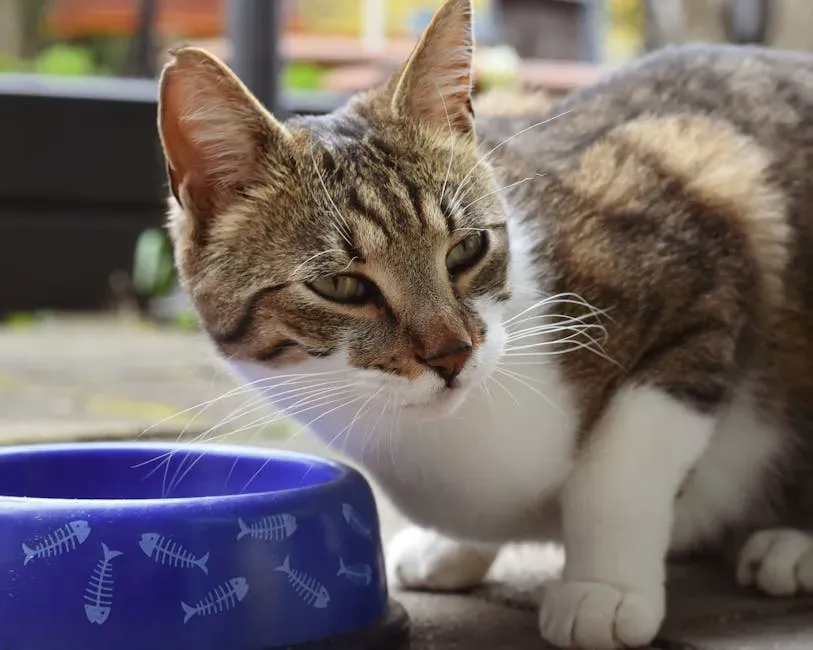
Environmental factors significantly influence cat eating behaviors. Changes in a cat’s surroundings, such as moving to a new home or alterations in the household routine, can lead to unusual eating habits. For instance, stress can make cats more finicky or reduce their appetite altogether. Think of your cat’s food bowl like a stress test. When life feels stable to them, mealtimes run smoothly. When something shifts, the bowl reflects it almost immediately.
Cats that are anxious, such as those suffering from separation anxiety, may redirect their stress to abnormal eating behaviors. For example, some cats have been reported to initiate pica upon the introduction of new animals to the house. Pica, where cats eat non-food items like plastic or fabric, is a surprisingly common result of unresolved anxiety. It’s alarming to witness, but it’s also one of the clearest distress calls a cat can make.
When to Stop Waiting and Call the Vet
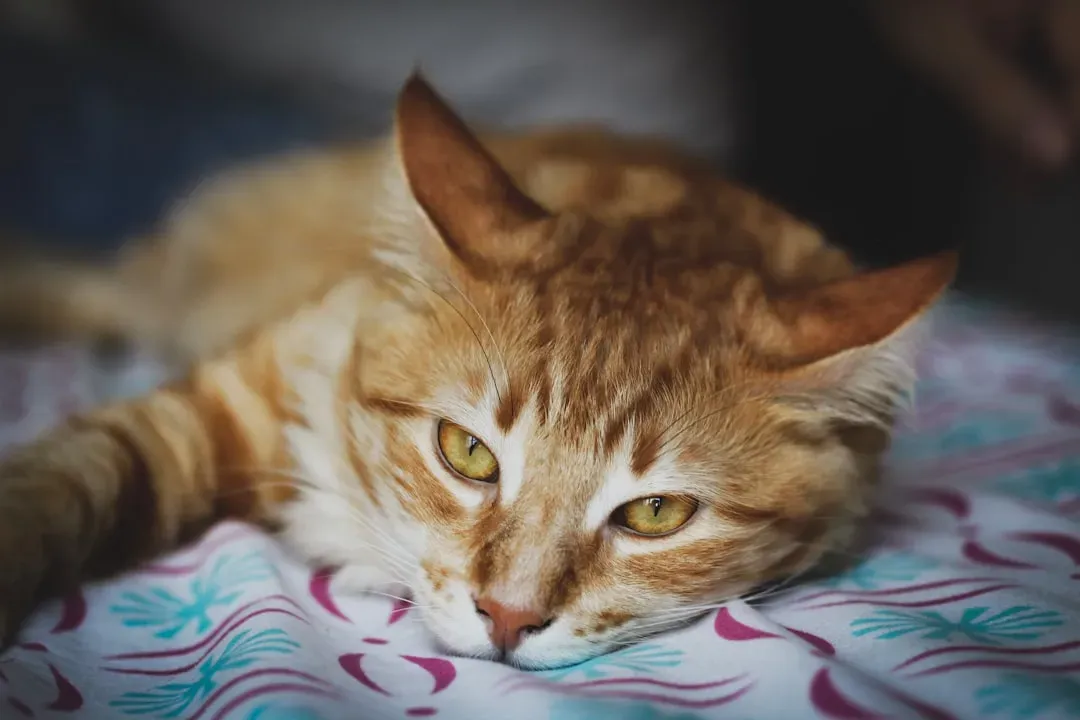
Cats are creatures of habit, which means a behavior change is likely to be noticed by their owner fairly quickly. Unfortunately, cats are stoic animals that go to great lengths to hide illness; therefore, a noticeable behavior change can indicate that a disease has progressed to an advanced stage. For this reason, cat owners must know their cat’s regular routine and behavior so that any deviation from their norm is quickly addressed.
If your cat has refused food for more than two days, consult your veterinarian immediately. With rapid weight loss in a cat that stops eating, protein supplies are soon exhausted and the liver becomes overwhelmed by all the fat. This results in a dangerous condition known as hepatic lipidosis, which can lead to liver failure. The window for early intervention is real, and it closes faster in cats than in almost any other domestic animal. Do not wait for things to “sort themselves out.”
Conclusion
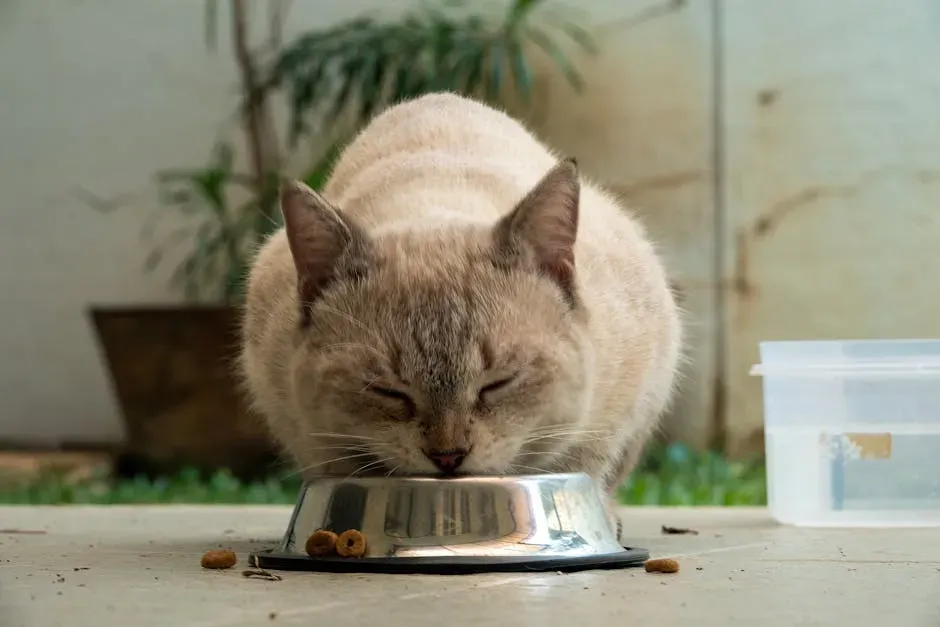
Your cat’s food bowl is so much more than a feeding station. It is, in a very real sense, a daily health report. The way your cat approaches it, lingers over it, scatters from it, or obsessively licks it clean each tells its own story. Because cats often hide pain or illness, their eating patterns can provide early clues. Once you know what to look for, you’ll never see mealtime the same way again.
The best thing you can do for your cat isn’t a fancy food upgrade or a new toy. It’s simply paying attention. Watch the bowl. Watch the pace. Watch the leftovers. By paying attention to these patterns, you not only support their health but also build trust and understanding. If your cat’s eating behavior changes or raises concerns, don’t wait – early detection of problems can be life-saving. Your cat is already telling you everything. Are you listening?