Have you ever locked eyes with your cat and felt like they were trying to tell you something? Maybe you’ve caught your feline friend staring intensely from across the room, or perhaps you’ve witnessed that slow, deliberate blink that seems almost too intentional to be random. Here’s the thing: your cat’s eyes really are speaking to you. Every glance, every pupil change, every blink carries meaning that most of us completely miss.
Cat eye contact is a complex form of communication that conveys a wide range of emotions, and understanding the nuances of cat staring behaviors can provide insights into their well-being and social intentions. Unlike dogs who wear their hearts on their sleeves, cats communicate through subtlety and nuance. Their eyes function as windows into a silent world of emotions, intentions, and needs. Let’s explore what your cat’s gaze is really trying to tell you.
The Slow Blink: Your Cat’s Version of a Kiss
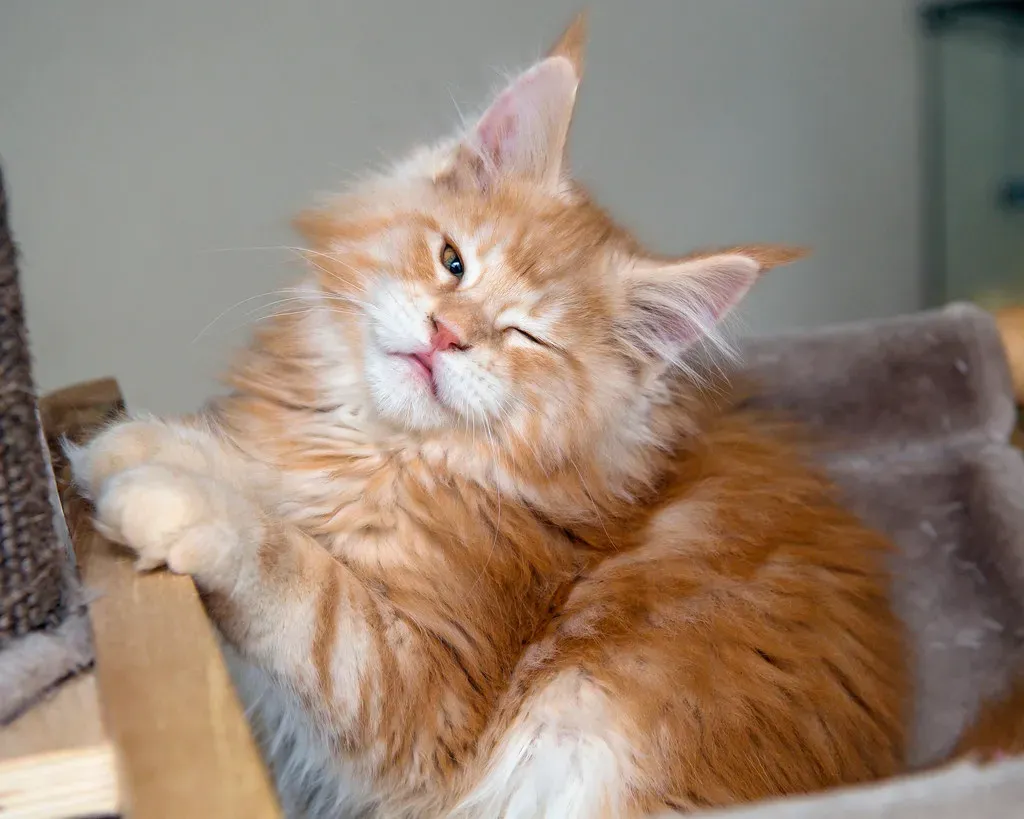
For cats, slow blinking is a sign of trust because it means they trust you enough to lower their guard, and slow blinking is your cat telling you they feel comfortable and relaxed in your presence. Picture this: you’re sitting on the couch, and your cat looks at you with half-closed eyes, slowly blinking like they’re about to drift off. That’s not sleepiness. That’s pure affection in feline language.
When a cat slow blinks at you, they are often expressing a sense of trust, contentment, and affection, and in the feline world, closing their eyes in the presence of another creature makes them vulnerable, as they are unable to detect potential threats. Think about it from their perspective. In the wild, closing your eyes near anything could be your last mistake. Remember that in the wild, cats are both predators and prey, and anytime the animal’s eyes are closed, it can’t spot potential threats nearby – it’s at risk and vulnerable; when you’re present, and your cat makes himself vulnerable by closing his eyes, you have officially made it inside your pet’s circle of trust.
Research revealed that cat half-blinks and eye narrowing occurred more frequently in response to owners’ slow blink stimuli towards their cats, and in a second experiment where an experimenter provided the slow blink stimulus, cats had a higher propensity to approach the experimenter after a slow blink interaction than when they had adopted a neutral expression. You can actually return this gesture. Try it yourself: look at your cat, slowly close your eyes, hold them shut for a moment, then gently reopen them. Watch what happens. Many cats will respond with their own slow blink, creating a little love loop between you two.
The Hard Stare: A Warning You Shouldn’t Ignore
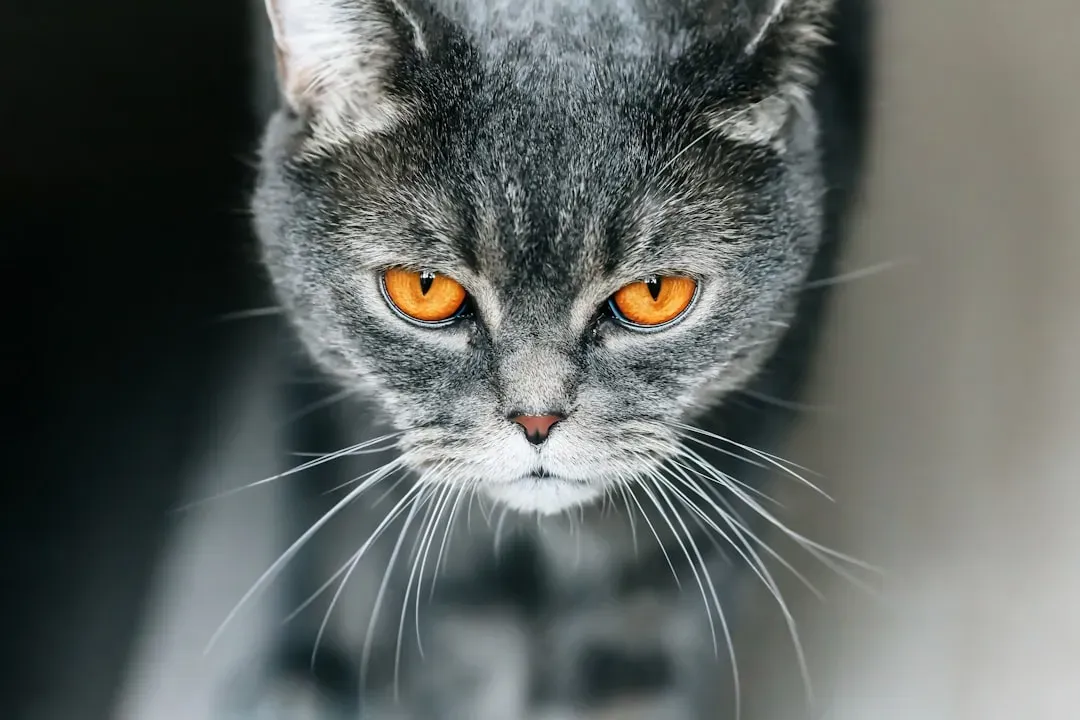
When a cat gives a hard, unblinking stare paired with stiff body language and piloerection along the back and tail, he is telling the other party that if they do not back off, there will be a confrontation; the hard, unblinking gaze is a threat to the other person or animal, and the other party needs to retreat and give the cat distance; otherwise the cat may attack. This is completely different from the soft, affectionate gaze. The hard stare is intense, unwavering, and honestly a bit unsettling.
Let’s be real: if you see this stare, your cat isn’t playing around. When a cat stares with dilated pupils and stiff body language, it may indicate fear or aggression, and in cases like these, the stare is more of a “back off” signal than a hint of affection. The entire vibe changes. Their body becomes rigid, their whiskers pull back, and everything about their posture screams tension.
The hard stare is usually accompanied by slitted eyes and narrow pupils, and a whole lot of tense and angry body language; they might fluff up their coat or perch sideways to look bigger, and they’ll probably hiss and growl at you; if you see your cat is giving you a hard stare and appears to be tense in their body, don’t stare back at them as it can increase their stress level, and in these situations, the goal is to de-escalate so your kitty can go back to a less heightened state. The best move? Give them space. Don’t approach, don’t try to soothe them, just back away slowly and let them calm down.
Why Cats Avoid Eye Contact with Each Other
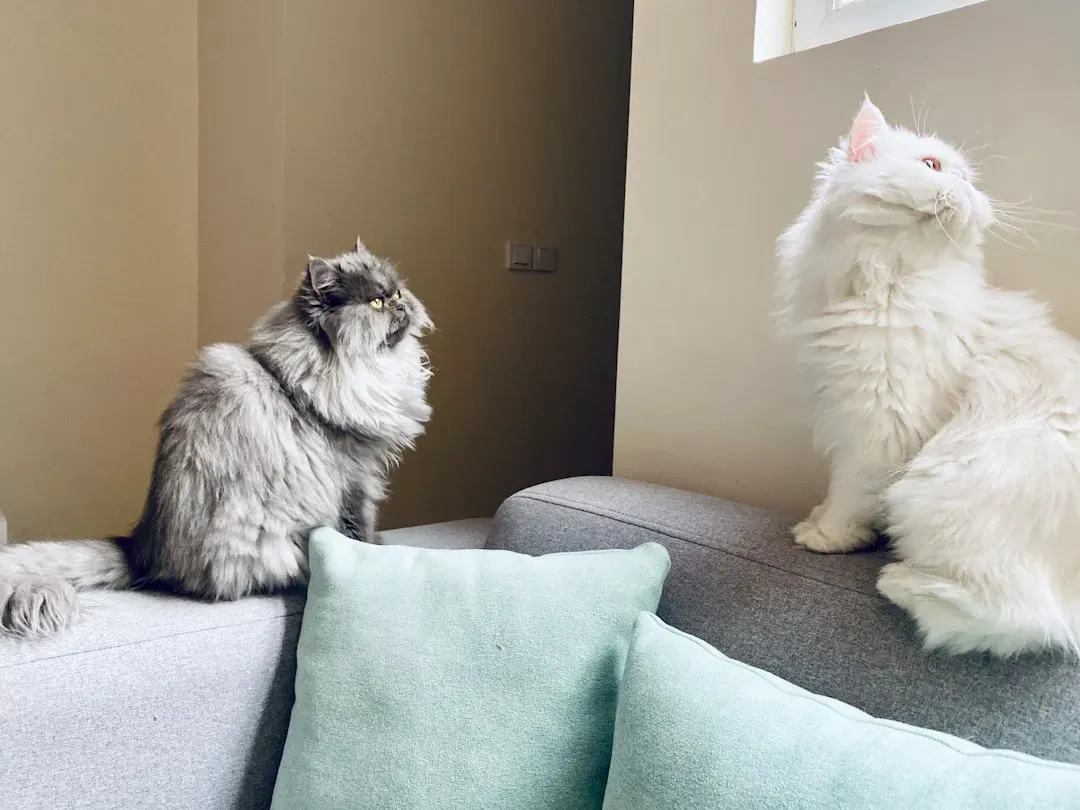
Cats assume a pair of locked eyes as a threat or warning; cats are territorial animals, and they rarely like being approached by a strange human or a cat, so they aren’t comfortable with prolonged eye contact and will avert their gaze. If you’ve ever noticed your cats living together but rarely looking directly at each other, that’s actually a good thing. They’re being polite in cat language.
Cats often avoid eye contact with each other because it can be seen as a sign of aggression or a challenge, and by not making eye contact, they are signaling that they want to avoid conflict. It’s the feline version of “I’m not looking for trouble.” In multi-cat households, you might witness occasional staring contests. Cats send assertive messages through eye contact to show the other feline who the boss is; the cat that diverts their attention first loses the staring contest, but if the staring continues for a long time, it may result in physical violence.
Cats don’t make direct eye contact with other cats because they consider it a challenge; if your cat prevents eye contact with another cat, that’s a good sign meaning your cat is friendly and peaceful and doesn’t want to engage in a physical encounter, though avoiding eye contact with other kitties also means that your pet doesn’t want to communicate with them or feels threatened by them. So when your cats share space without the staring drama, they’re actually getting along just fine.
Dilated Pupils: The Emotion Amplifier
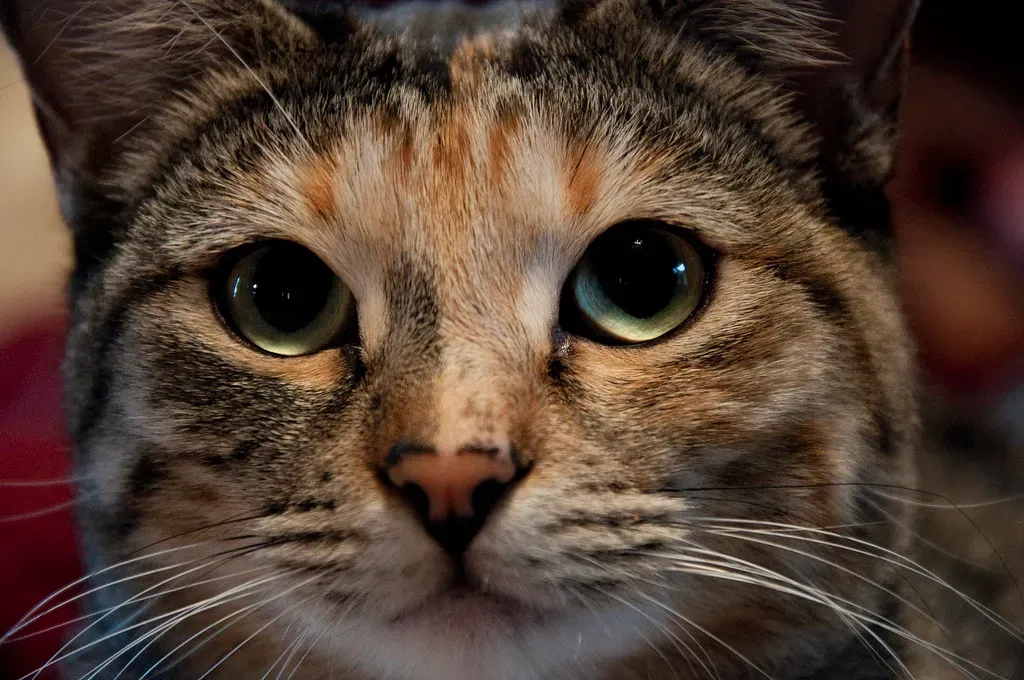
When a cat’s pupils are dilated, it can mean that the cat is feeling fear, nervousness, or anger. But hold on – it’s not always negative. When a cat’s pupils expand to become large black circles (“saucer eyes”), it indicates high emotional arousal; in a playful setting, big pupils mean they are locked onto a toy, but in fear (fight or flight), if combined with a tense body, dilated pupils signal terror, and the cat is taking in as much visual information as possible to identify threats.
Context is everything here. When your cat is feeling playful or excited, their pupils might dilate as a sign of their heightened interest, and this is especially common when they’re chasing toys or engaging in a playful hunt; their wide eyes help them stay sharp, making sure they don’t miss a single move. I’ve seen cats with fully dilated pupils right before the zoomies hit – it’s like watching their internal battery charge up to maximum capacity.
When a cat feels fearful or anxious, their autonomic nervous system kicks in, triggering a fight-or-flight response that causes the pupils to dilate, helping the cat take in more light and stay vigilant to potential threats; their dilated pupils are a sign they’re on high alert, and it’s their body’s way of preparing them to react to whatever might come their way. If your cat’s pupils stay dilated for extended periods without obvious reason, though, that could signal health issues worth checking with your vet.
The Difference Between a Soft Stare and Direct Confrontation
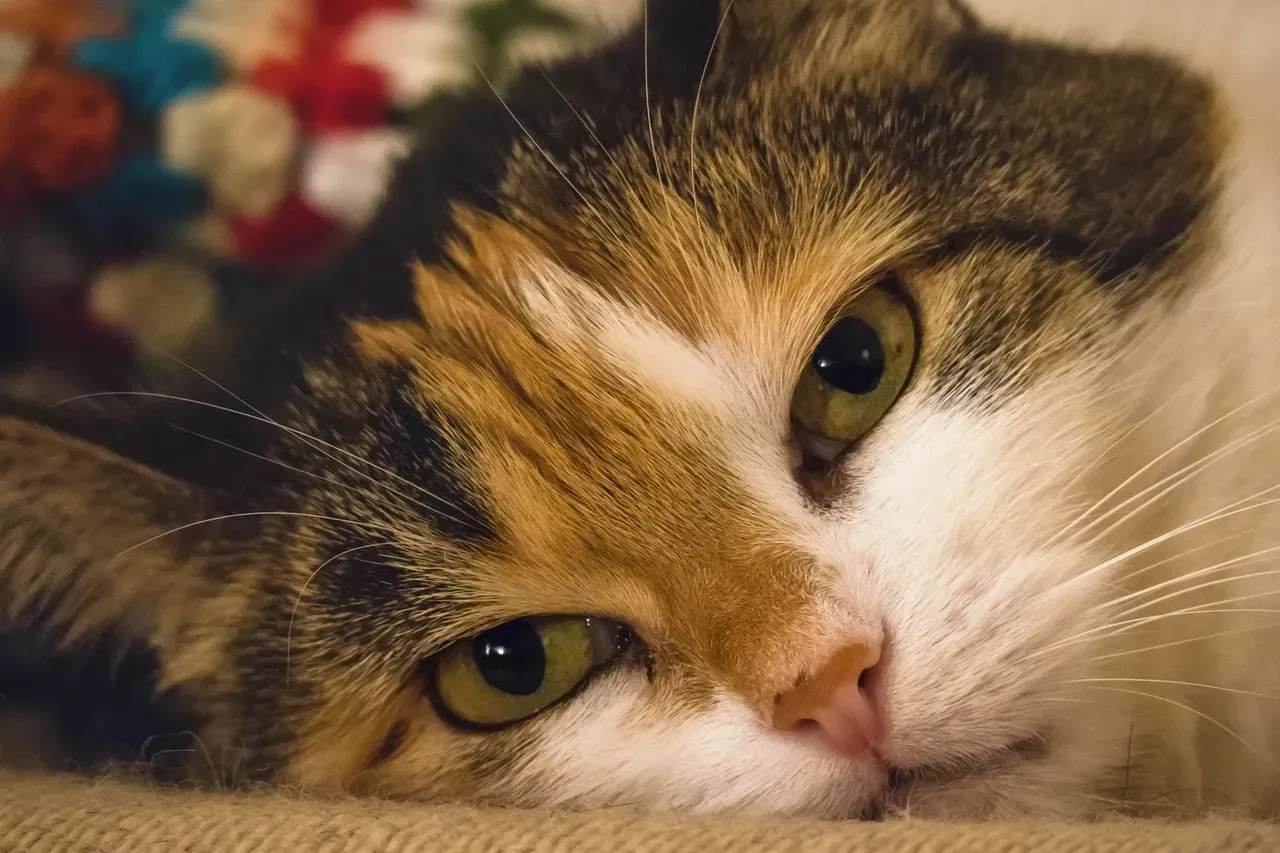
There are two types of kitty stares: a “hard stare” and a “soft stare,” and these mean totally different things, but don’t stress about misinterpreting what your cat is communicating – the two stares look nothing alike. Learning to tell them apart changes everything about how you interact with your cat.
A steady gaze, especially if paired with a slow blink, is often a cat’s way of showing trust and comfort, and they’re essentially saying, ‘I feel safe with you’; if your cat is open to it, give them some pets and slow blink right back at them. If your cat is staring at you with his tail up and ears forward-facing, this is content body language, and he most likely wants something from you; he might be trying to warn you that his food bowl is dangerously close to being empty, or he might be asking for chin scritches and playtime, and if it’s a ‘soft stare,’ reward your kitty by giving him what he wants – he’s asking politely!
The hard stare, on the other hand, demands respect. A direct stare in feline parlance is threatening and confrontational; an offensively aggressive cat’s pupils may be slits or dilated, and squinty eyelids protect the eyes from potential injury; in defensive aggression, pupils are dilated and brow furrowed – avoid interacting with this cat. Your cat is essentially putting up a boundary, and crossing it would be a mistake.
When Your Cat Stares at You Without Blinking
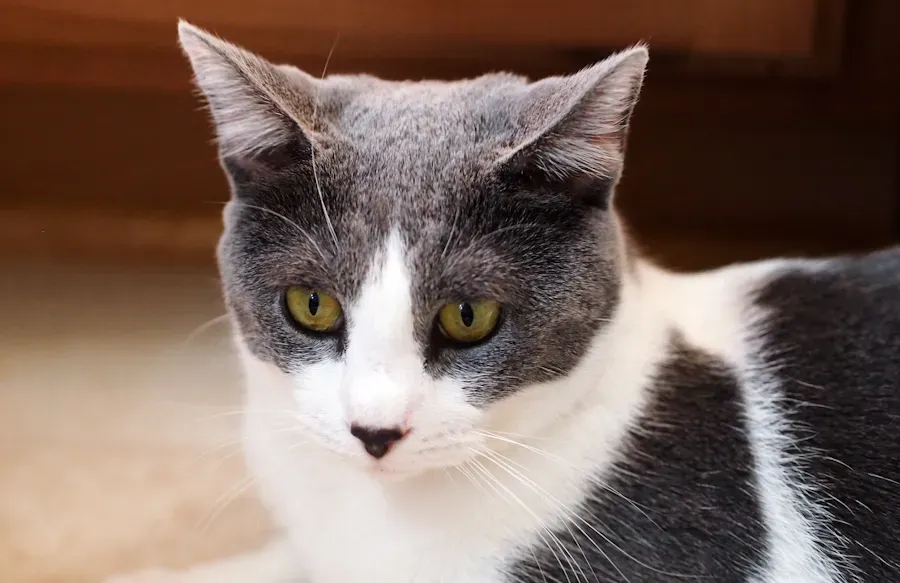
A direct stare by a cat is said to mean different things; first, it could be curious, trying to understand something new in its environment; secondly, a long stare may show dominance, especially in territorial disputes with other animals; if a cat stares without blinking at you, then it could be observing or waiting for your next move. Sometimes they’re just watching you like you’re the most fascinating TV show ever created.
Cats are naturally observant animals, and they may stare simply because they’re taking in what you’re doing; they may even be trying to anticipate if what you’re doing will impact them (e.g., walking near the treat drawer or getting ready to leave). Honestly, I think cats enjoy studying human behavior the way we binge-watch nature documentaries. They’re trying to figure us out, predict our patterns, and possibly manipulate us into giving them treats.
Staring alone isn’t enough to judge a cat’s state; you also need to factor in body language and facial expression, and what’s going on in the world around them, and a loose, relaxed body is a sign of affection, while a tense posture is a sign of fear. So before you panic about the unblinking stare, check the rest of their body. Are they relaxed? Are they just zoning out while looking in your general direction? Cats do that too – sometimes they’re just spacing out and you happen to be in their line of sight.
Narrow Pupils: Focus Mode or Aggression Alert
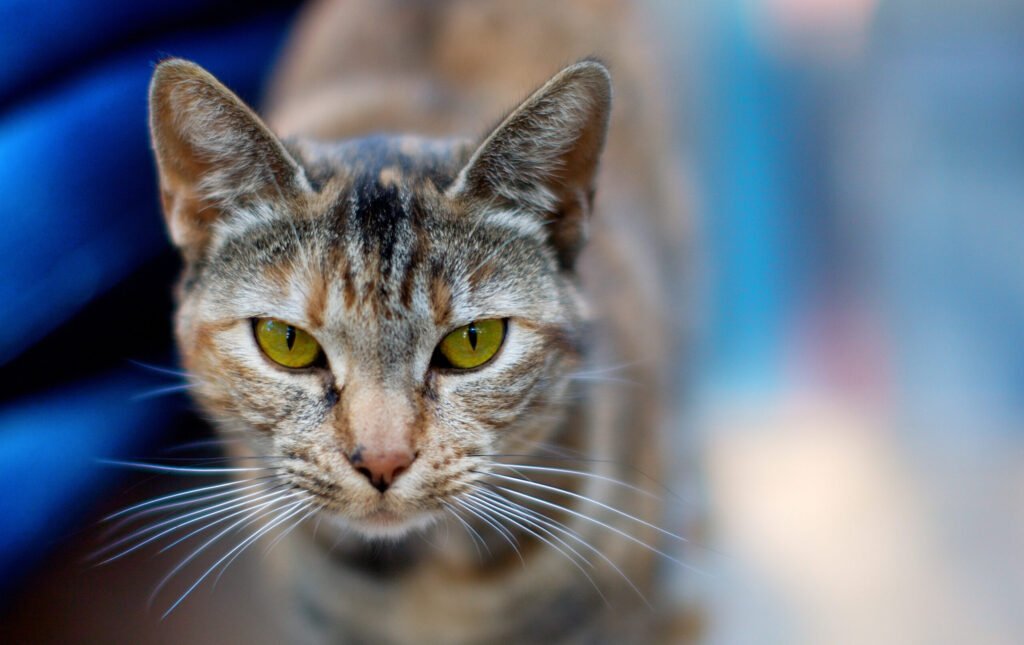
Narrow pupils or partially closed eyes can indicate that a cat is confident, relaxed, sleepy, or calm. But wait – there’s another side to this. When pupils narrow into thin vertical lines (slits) despite moderate lighting, it is often a sign of offensive aggression; the cat is narrowing its vision to focus intensely on a target (rival cat or annoying human), and if you see slits paired with a growl or ears back, back off immediately.
Cats basking in the sunlight will have narrowed, slit-like pupils on cat eyes; however, even when not in a bright, well-lit environment, cats can still have thin slit pupils in their cat eyes when they feel threatened or upset; growling, yowling, and hissing are also signs that your cat is feeling aggressive and is close to attacking. The key is reading the whole picture. Slit pupils while lounging in a sunny window? Perfectly normal. Slit pupils with flattened ears and a swishing tail? That’s your cue to exit stage left.
Interestingly, some blissful cats have very small pupils when happy, but an aggressive cat may have slit-like pupils just before striking. This is why understanding your individual cat matters so much. Over time, you’ll learn what’s typical relaxed behavior for them versus what signals trouble.
How to Make Eye Contact with Your Cat the Right Way
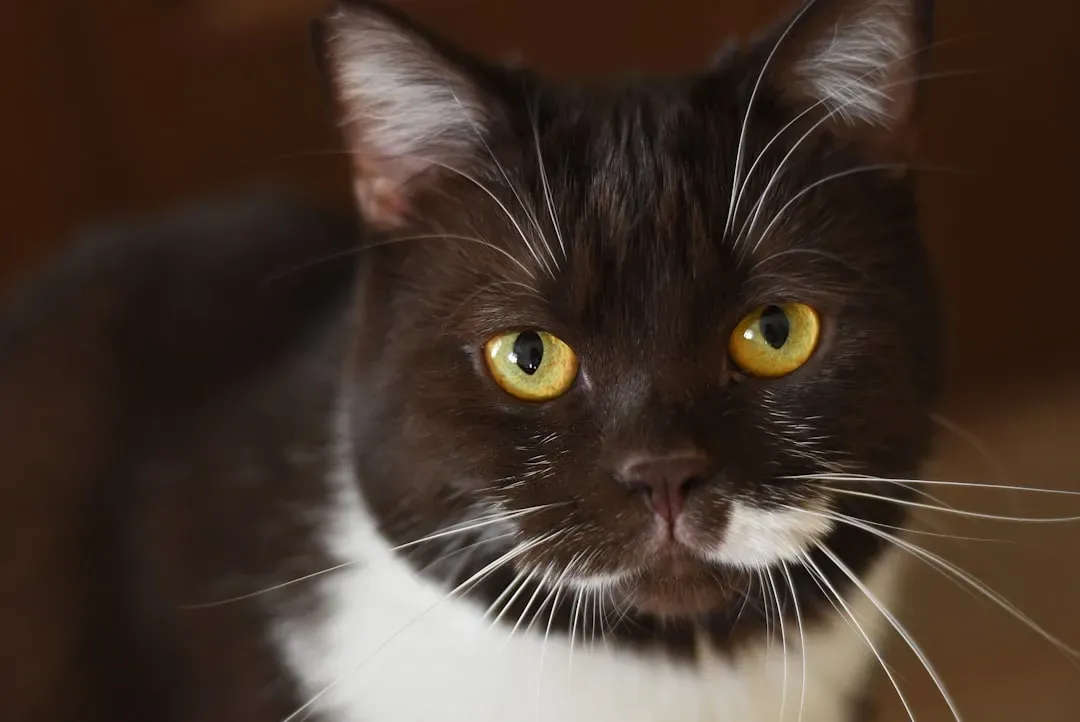
Research trials indicated that in cats, as in some other species, individuals may perceive direct eye contact from humans as threatening. So how do you connect with your cat visually without making them uncomfortable? It’s all about technique.
Some cats don’t like any eye contact at all, while others don’t mind it, even from strangers; instead of looking boldly at your cat, why not tap into feline body language to lock looks the way cats prefer: start unfocused, eyes half closed and then blink slowly; many cats will return the gesture with a “kitty kiss.” This is genuinely one of the sweetest ways to bond with your cat. It’s like saying “I love you” in a language they actually understand.
Practice the slow blink by slowly closing your eyes, holding for a second, and then opening them slowly; maintain a soft gaze by looking at your cat with relaxed eyes to show that you are not a threat; observe their body language, and if your cat seems relaxed, with a calm posture and slightly squinted eyes, it’s a good time to engage.
Don’t stare directly at a cat, especially if you don’t know them well; instead, look off to one side and give the cat space to either approach or walk away; blink slowly while avoiding direct eye contact – this says ‘I love you’ to Mr Whiskers, and it’s a great way to build rapport with a cat! Trust me, once you master the slow blink, you’ll find yourself doing it automatically, and your cat will respond with increased affection and trust.
Reading the Full Picture: Eyes Plus Body Language
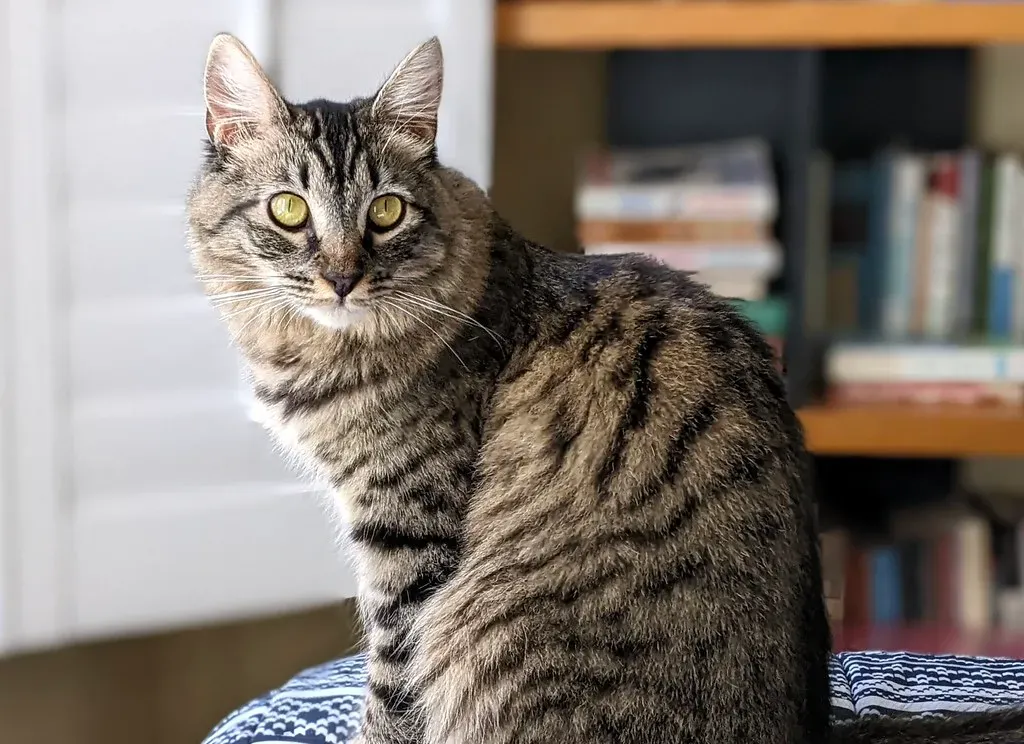
To accurately interpret body language cat eyes meaning, you must look at the whole picture (ears plus tail plus eyes): playful means dilated pupils with ears forward and tail up; terrified means dilated pupils (“saucer eyes”) with ears flat and tail tucked; aggressive means constricted slits with direct stare and ears turned back; relaxed means normal pupil size with slow blinking and ears in neutral position.
When deciphering your cat’s body language, pay attention to their eyes, ears, tail, and body posture; a happy cat will display a relaxed posture with their tail moving slowly from side to side, and their ears may be perked up; your kitty may purr and blink slowly, knead their paws, or rub against you; their pupils will be steady and not dilated, and they’ll be open to your attention and may seek it by staring at you. This is what you want to see – your cat in their happy place, content and comfortable.
An angry cat will show an agitated posture and an intense stare; their tail will swish back and forth rapidly, their pupils will dilate, and their ears will be turned to the side or pinned back; this is an angry or upset cat who may need some distraction or some space away from whatever is bothering them. Never ignore these signals. Your cat is being crystal clear about their emotional state, and respecting those boundaries keeps everyone safe and builds trust.
Understanding What Your Cat’s Gaze Means for Your Bond
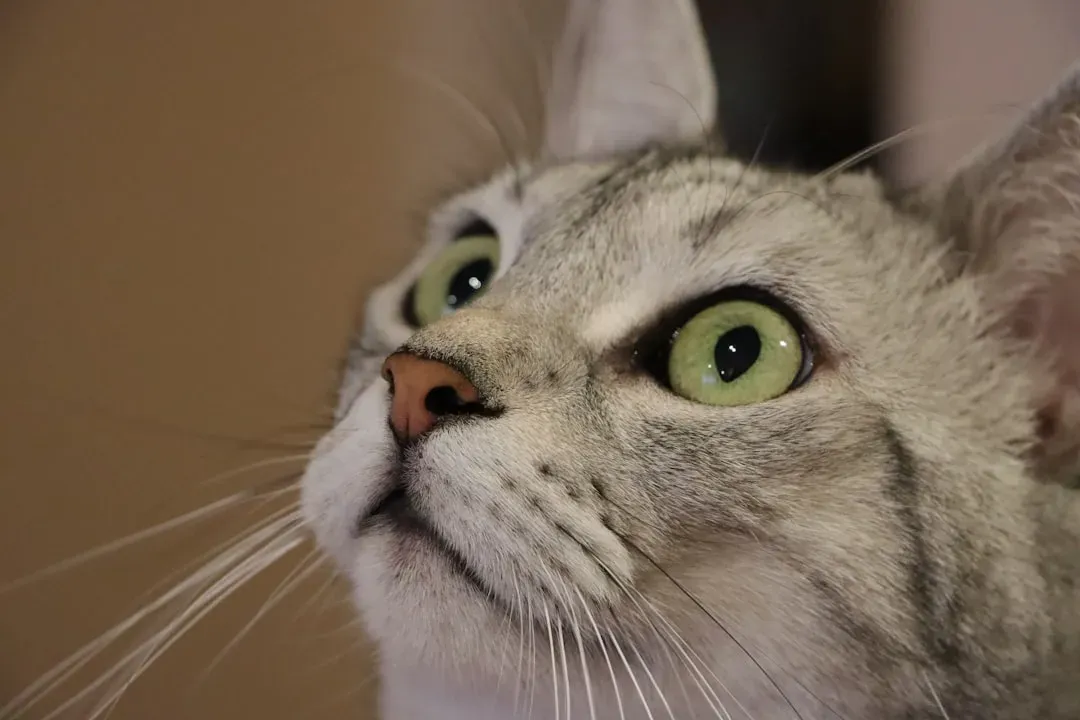
Understanding why your cat stares at you is key to improving communication and strengthening your relationship; most of the time, a cat’s gaze is a sign of curiosity, affection, or attention-seeking behavior, and by paying attention to the context and their accompanying body language, you can respond in ways that meet their needs and deepen your bond. Every time you correctly interpret and respond to your cat’s eye signals, you’re speaking their language.
Observing and responding appropriately to a cat’s gaze can strengthen the human-cat bond. It’s honestly one of the most rewarding aspects of cat ownership. In controlled experiments, cats show unmistakable signs of emotional connection when their owners slowly blink back at them; the animals were also more likely to slow blink at the humans if the people slow blinked at them first; cats are actually attentive students of human behavior and mirror what they perceive from us – hence, if we show trust, so do they.
Understanding why your cat stares at you deepens the connection between you, and whether they’re curious, seeking attention, or communicating their feelings, paying attention to these cues can make your relationship even stronger. The more you practice reading their eyes, the more fluent you become in cat communication. It’s like learning a new language, except your teacher has fur, meows occasionally, and demands treats as payment for lessons.
Your cat’s eyes really do tell a story – one of trust, vulnerability, needs, and emotions. Eyes are the windows to the soul, and that’s true for your cat too; by learning to read the meaning in your cat’s eyes, you can know when he’s relaxed and wants to snuggle or when he’s stressed and may need a little help calming down. Next time your feline friend locks eyes with you, take a moment to really observe. What are their pupils doing? How’s their body positioned? Are they slow blinking? You might just discover your cat has been trying to tell you something all along. What messages have you been missing from your cat’s gaze?