You’ve probably watched your cat diligently licking their paws, smoothing down their whiskers, or contorting into impossible positions to reach that one spot behind their ear. It’s easy to take these daily rituals for granted. After all, cats are supposed to be clean, right? Here’s the thing, though. Those grooming habits are telling you a story about what’s happening beneath the surface, both physically and mentally. Shifts in how often, how intensely, or where your cat grooms can reveal discomfort, illness, or emotional distress long before other symptoms appear.
Think of grooming as your cat’s daily report card on their health. When something’s off, the changes might be subtle at first. Maybe they’re spending a bit more time on one leg, or perhaps their coat looks a little duller than usual. These aren’t just cosmetic issues. They’re signals worth paying attention to. So let’s dive in and explore what your cat’s grooming habits can really tell you.
The Baseline: What Normal Grooming Actually Looks Like
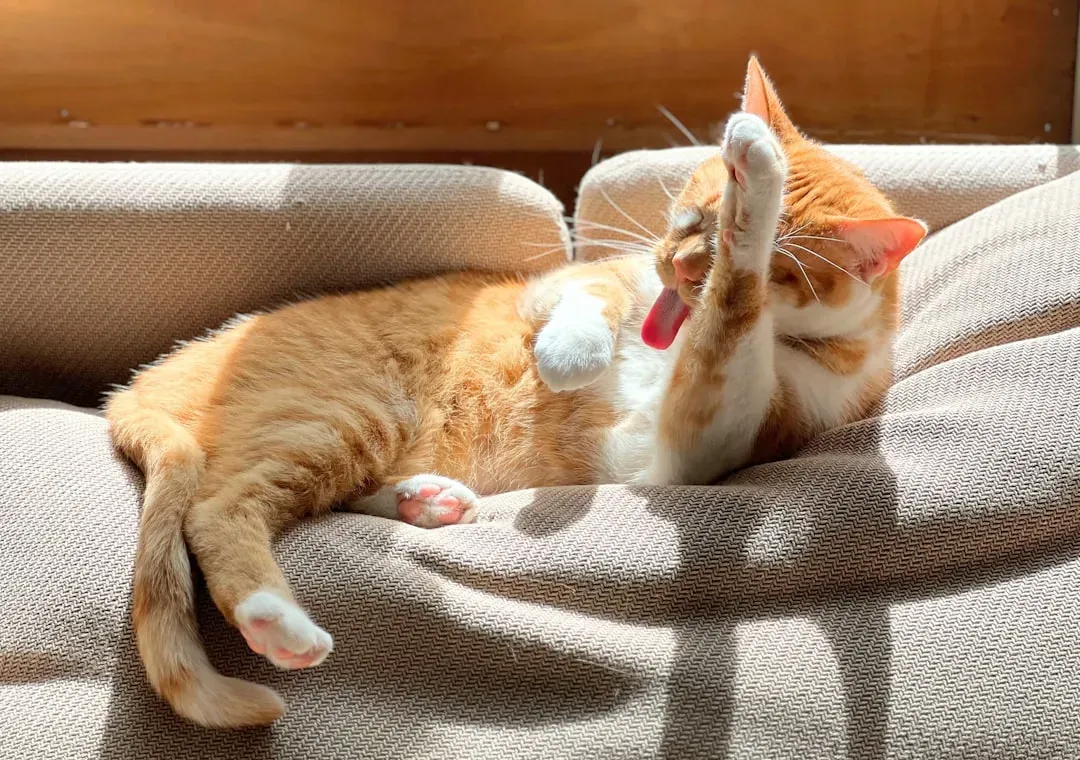
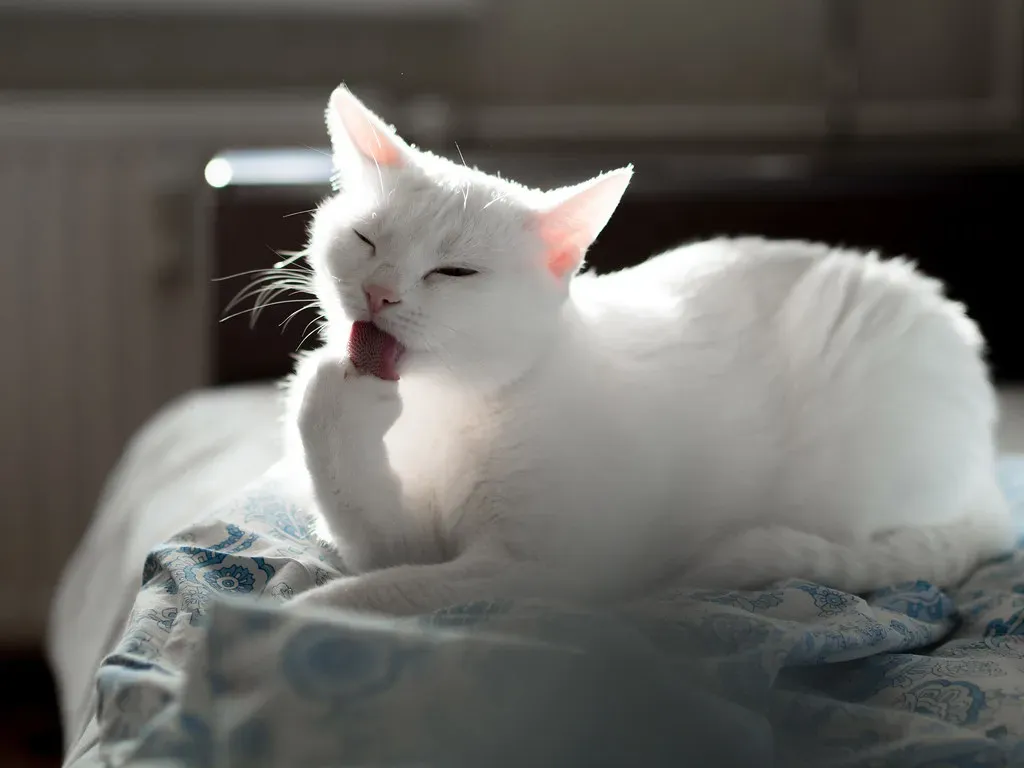
Your cat likely spends somewhere between two and a half to three and a half hours each day grooming themselves, which works out to roughly 30 to 50 percent of their waking hours. I know that sounds like a lot, but this behavior is completely normal and serves multiple essential functions. A healthy cat will typically groom several times a day, often after meals, naps, or using the litter box, licking the coat, face, and paws in a steady and consistent pattern.
The frequency can vary quite a bit from cat to cat. Some felines are naturally more fastidious than others. Young, healthy adult cats generally maintain the most rigorous grooming schedules, while senior cats might groom less frequently due to reduced flexibility or energy levels, and kittens learn grooming habits gradually from their mothers. The key isn’t to obsess over exact time measurements. What matters most is knowing what’s typical for your individual cat so you can spot when something changes.
When Your Cat Grooms Too Much: The Red Flags
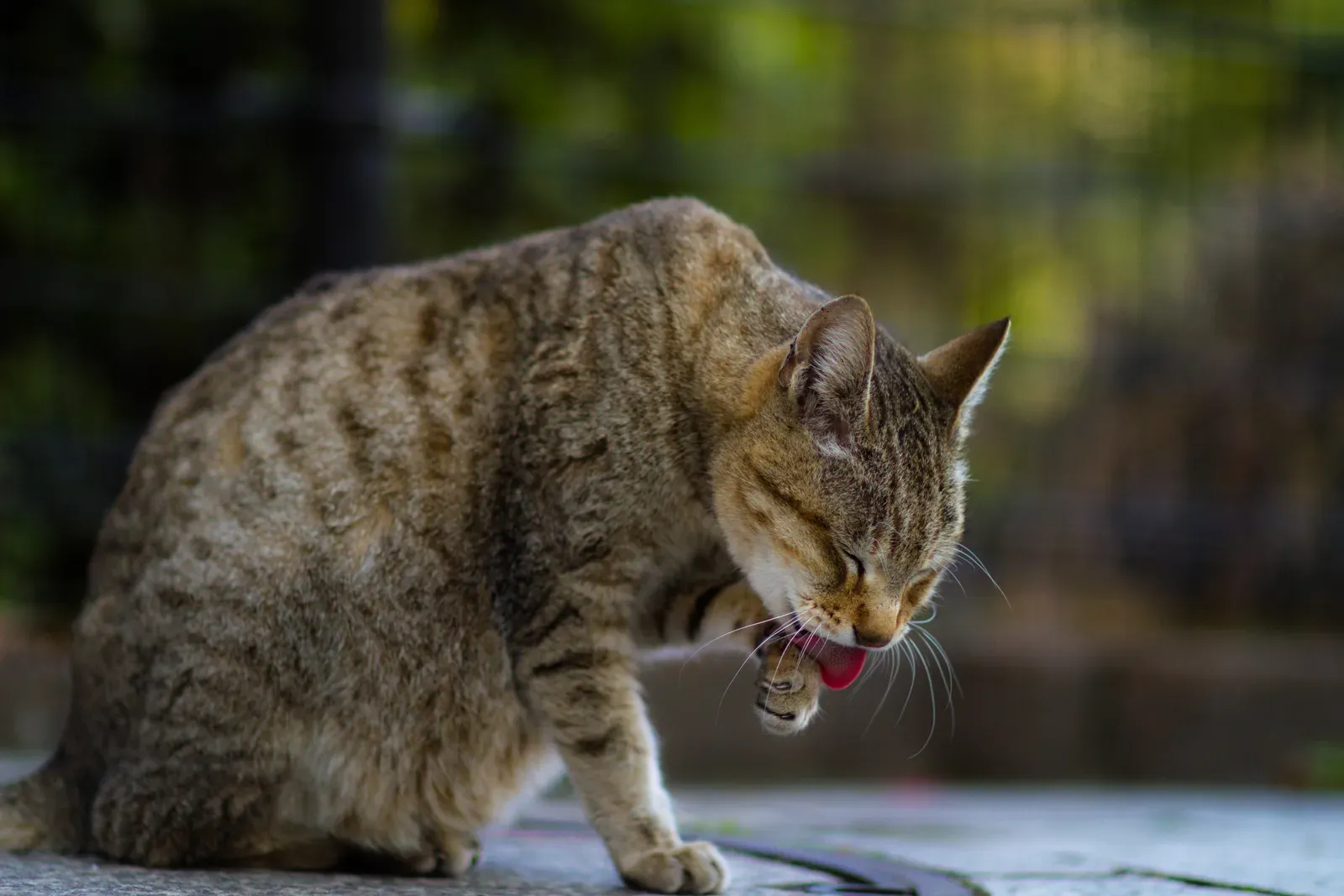
Overgrooming most commonly affects the belly, the legs (particularly the insides of the hind legs), and across the flank, with patches often appearing symmetrically on either side of your cat’s body. You might notice hair that feels stubbly and sharp rather than soft, or even complete bald patches in these areas. The behavior may even seem obsessive, with actions like licking, chewing, plucking, and biting areas of hair or skin, resulting in damaged fur shafts, hair loss, and sometimes even skin sores.
Let’s be real here, overgrooming is rarely just about being extra clean. Occasionally, about 10 percent of the time, overgrooming is due to stress, where the cat grooms itself more to relieve anxiety, just as a nervous person might chew his or her fingernails, but the other 90 percent of the time, the cat is itchy due to allergies. The tricky part is that many cats only overgroom when you’re not watching, making it harder to catch in the act.
Medical Culprits Behind Excessive Grooming
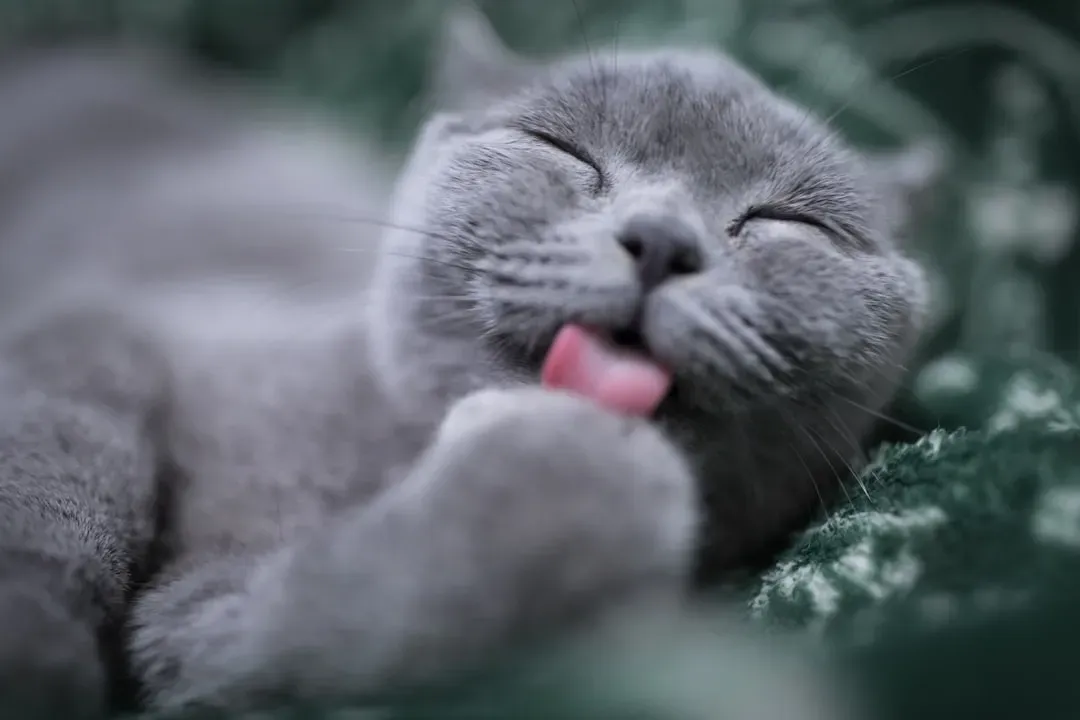
Excessive grooming may signal medical issues such as flea infestations, allergies, skin infections, or pain from conditions like arthritis. Even indoor cats aren’t immune to parasites. Fleas are sneaky little creatures that can hitch a ride on your shoes or pants, and if your cat has flea allergy dermatitis, even a single bite can trigger intense itching.
Feline lower urinary tract disease is a common problem in cats and can cause pain and discomfort in the bladder and other parts of the urinary tract, resulting in cats over-grooming in the localized area where the pain is, with a common sign being a bald patch or sparse hair on their lower belly, the inside of their thighs and around their genitals. Pain from any source, whether it’s arthritis in a joint or discomfort from an internal condition, can manifest as focused grooming on that specific area. Your cat might be trying to soothe themselves the only way they know how.
The Stress Connection: When Anxiety Shows on Their Coat
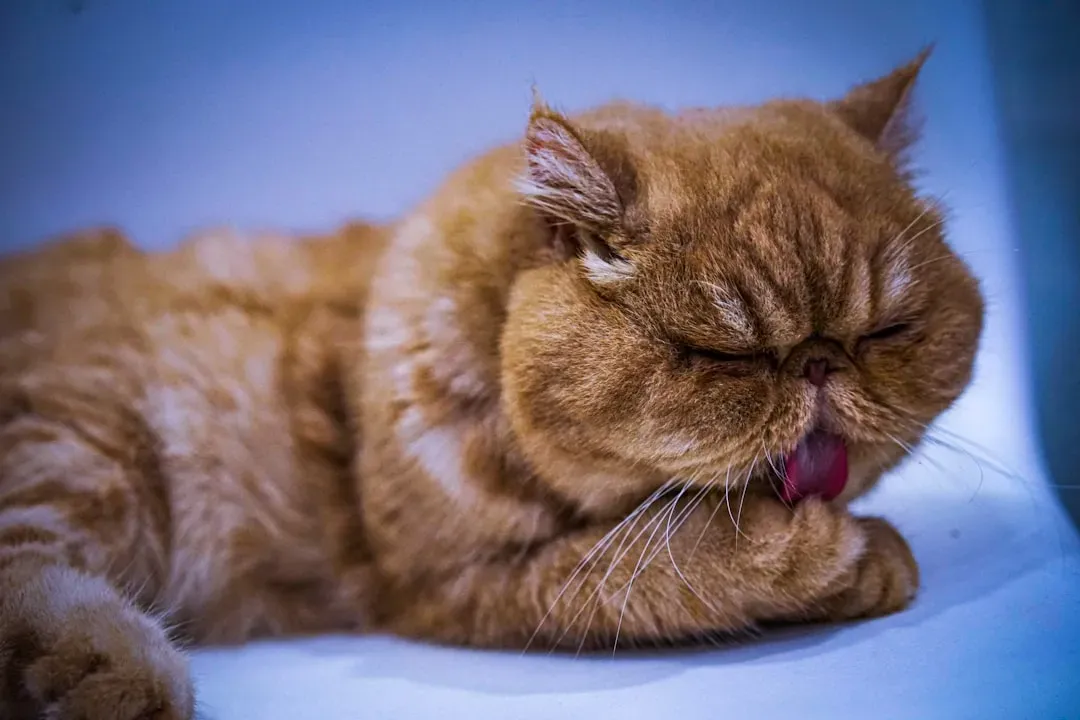
Behavioral overgrooming, also known as psychogenic alopecia, is most commonly due to stress or anxiety, which may be short-term or long-term, with triggers including changes in the household, noises such as thunderstorms, or even a change in a pet parent’s schedule. Cats crave consistency and predictability more than we often realize. Something that seems minor to us, like rearranging furniture or a shift in your work schedule, can feel monumental to them.
It’s thought that licking releases endorphins that help relieve anxiety, so when a stressed cat finds relief through licking, it can turn into a habit. Honestly, it’s a bit heartbreaking when you think about it. Your cat is essentially self-medicating with the only tool they have. Regardless of what causes overgrooming, if not addressed, the behavior may become a long-term habit, even if a kitty is no longer stressed or ill.
When Grooming Decreases: The Neglected Coat
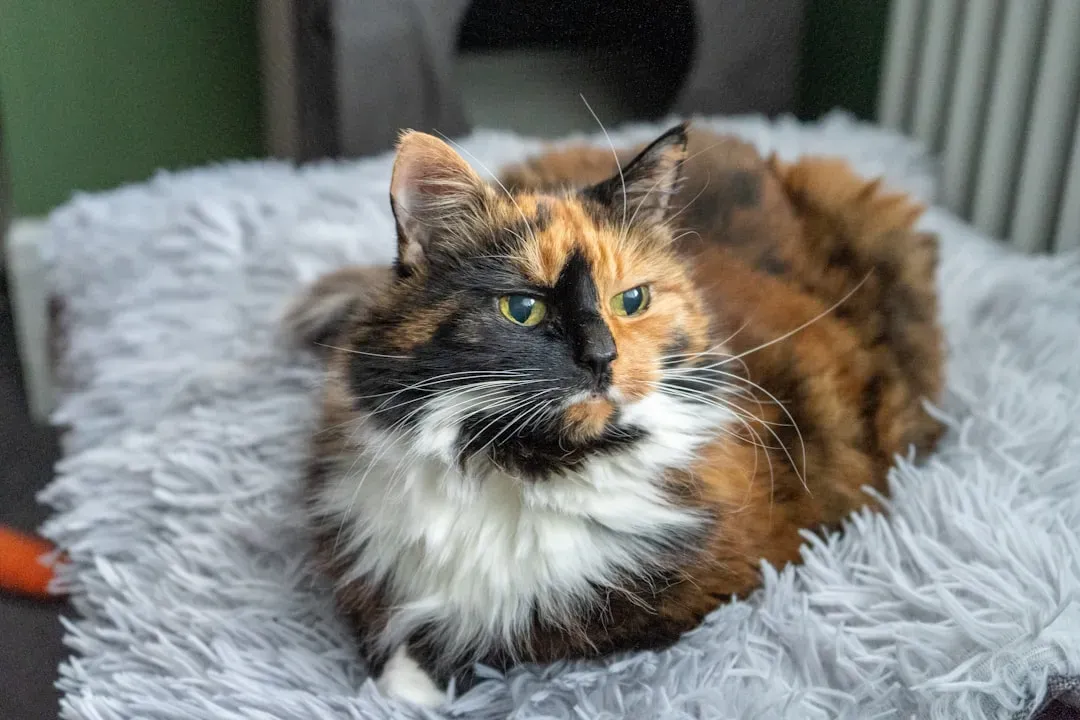
If you notice matted fur, a greasier, harsher-feeling coat, food on their cheeks, litter stuck to their feet due to lack of paw cleaning, or an unpleasant odor, especially around their backside, these are all signs that they are not grooming as they should. A sudden drop in grooming frequency is just as concerning as an increase. An untidy appearance can be a sign of illness, orthopedic issues like arthritis, or obesity.
Chronic dental pain changes your cat’s behavior as they become withdrawn, irritable, or stop grooming. The mouth is their primary grooming tool, so if it hurts to use their tongue, they’ll simply stop. Senior cats often struggle with this. They might want to groom but physically can’t reach certain areas anymore, or the act itself has become too painful or exhausting.
Location Matters: Where Your Cat Grooms Tells a Story

Overgrooming can indicate that your cat is experiencing pain or discomfort, particularly if they’re repeatedly licking one area of their body, such as back pain making your cat overgroom themselves on a specific part of their back, or a urinary tract infection or anal sac impaction encouraging excessive grooming of the lower belly, the genitals, or the area around their anus. When you notice focused attention on one spot, think of it as your cat pointing to exactly where the problem is.
Demodex is more likely to cause skin lesions on the face, whereas flea allergy tends to cause more itching around the lower back and hind legs. The pattern of hair loss or irritation can actually give your veterinarian important clues about the underlying cause. It’s like reading a map of your cat’s discomfort.
The Subtle Signs You Might Be Missing
Not all grooming changes are dramatic. Sometimes the shifts are gradual enough that you might not notice them immediately unless you’re really paying attention. The amount of time a cat spends grooming isn’t normally cause for concern unless you notice large changes in frequency or areas of interest, such as at wounds or joints, in which case you can check for additional symptoms of injury or illness.
Watch for hairballs becoming more frequent. Your overgrooming cat may also have an unusually high number of hairballs, and if your cat is unable to bring these hairballs up, they may become constipated or develop intestinal blockages from the fur building up in the digestive tract. These aren’t just messy inconveniences. They can indicate that your cat is ingesting far more fur than normal through excessive licking.
How to Help: First Steps and Long-Term Solutions
Your vet will first investigate to see if there’s an underlying medical problem causing your cat’s over-grooming by taking a detailed history, performing an examination, and possibly further tests such as examining samples of hair or scrapings from the skin, blood tests, urine tests, x-rays or ultrasound scans, depending on what they think the problem may be, with treatment depending on the cause. This is absolutely the most important first step. Self-diagnosing rarely works well when it comes to grooming issues because the causes are so varied.
If the overgrooming is stress-related, try creating a comfortable environment and a predictable schedule, such as cleaning the litter box at least once a day and keeping mealtimes consistent. Provide environmental enrichment for your cat with cat trees, different types of toys, and scratching posts, and give your cat frequent opportunities for play, with at least two 10- to 15-minute play sessions recommended. Mental stimulation can work wonders for redirecting anxious energy into healthier outlets.
What You Should Never Do
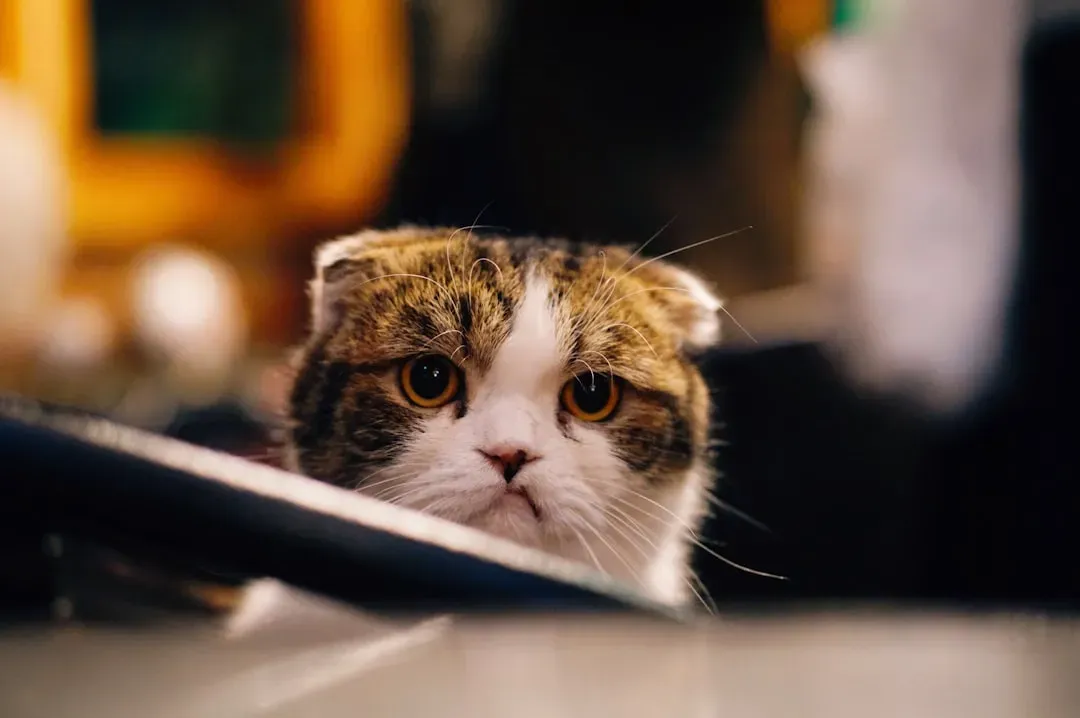
Punishing your cat for overgrooming will only create more stress and potentially damage your relationship, so if your cat starts overgrooming, distract them with some interactive play or mind work to redirect their anxious energy in a positive way. I can’t stress this enough. Your cat isn’t misbehaving or being difficult. They’re communicating distress in the only way they can.
Don’t punish them or try to interfere when you see your cat licking excessively, as this will only add to your cat’s stress and make their overgrooming problem worse, and after seeking help from your vet, it may take a month or so for an overgrooming behavior to resolve, and even longer for your cat’s fur to grow back. Patience is essential here. Whatever’s causing the grooming change probably didn’t happen overnight, and the solution won’t either.
Trust Your Instincts and Seek Help
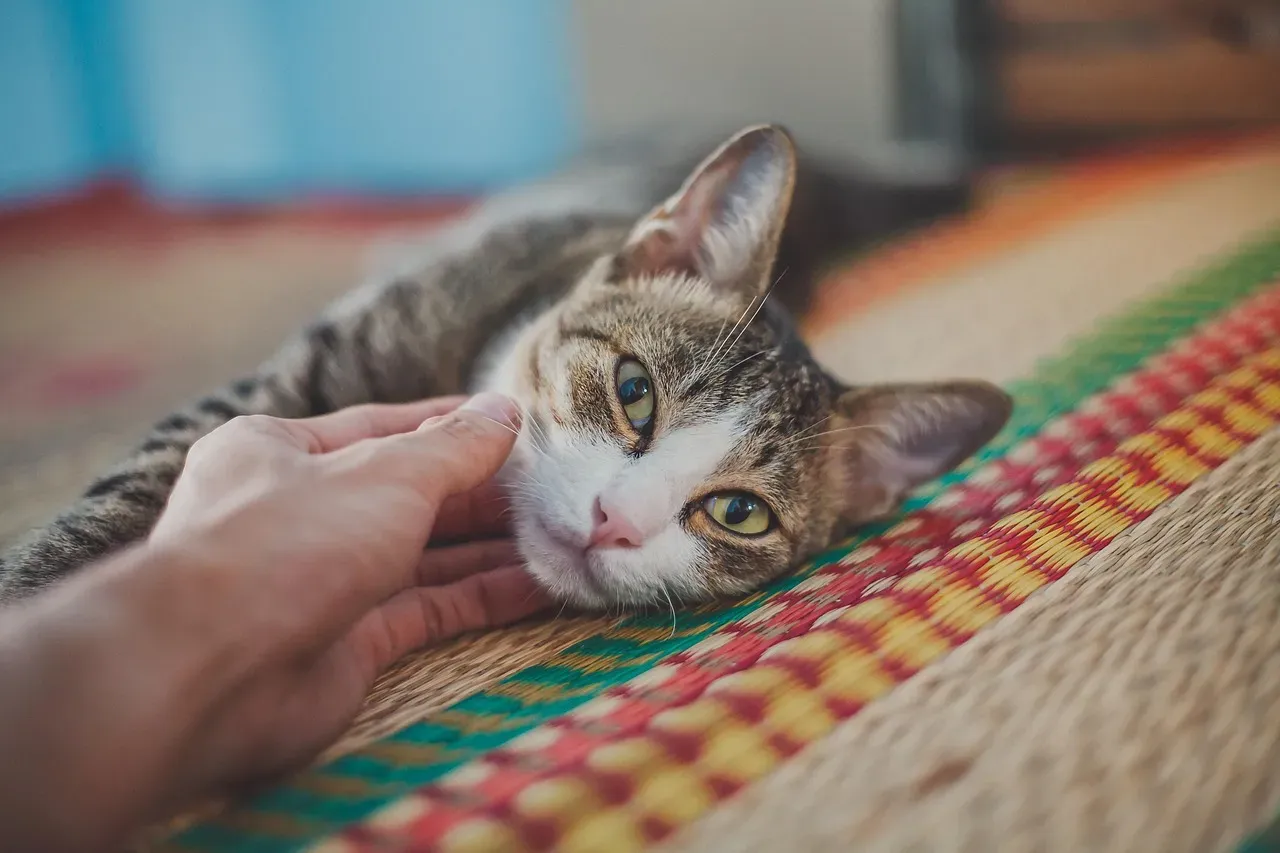
You know your cat better than anyone else. If something feels off about their grooming habits, even if you can’t quite put your finger on what’s changed, that instinct is worth following. It’s important to visit your veterinarian if your cat is having grooming problems because these issues could indicate underlying health problems, as sudden changes in grooming habits may be a sign of parasites, allergies, skin infections, pain, or other problems, and you should seek veterinary care even if they are grooming excessively rather than not enough.
Early intervention makes such a difference. Problems that are caught early are almost always easier, less expensive, and less stressful to treat than those that have been festering for months. Your cat’s grooming habits really are a window into their overall well-being, offering you a daily glimpse into their physical health and emotional state.
Your cat’s coat is more than just beautiful. It’s a communication tool, a health indicator, and a reflection of what’s happening inside. Those grooming sessions you observe every day are packed with information if you know what to look for. Changes in frequency, location, or intensity can signal everything from allergies and pain to stress and illness. The beauty of paying attention to these habits is that you can often spot problems early, giving your cat the best chance for a quick recovery and continued comfort. What have you noticed about your cat’s grooming lately? Maybe it’s time to take a closer look.