You’re sitting quietly, maybe scrolling through your phone or lost in a book, when suddenly your cat walks up and presses their forehead firmly against yours. No warning. No explanation. Just a slow, deliberate, deeply intentional bonk. Most people laugh it off as a quirky cat thing. But here’s what’s wild: that tiny gesture carries more emotional weight than you might ever have imagined.
Cat head bunting, as behavioral experts call it, is one of the most layered and fascinating forms of animal communication you’ll ever witness up close. It’s ancient, it’s instinctive, and honestly, it’s kind of beautiful once you understand what’s really happening. So buckle up, because the world behind that innocent little forehead press is about to get seriously interesting. Let’s dive in.
What Exactly Is Head Bunting? The Basics You Need to Know
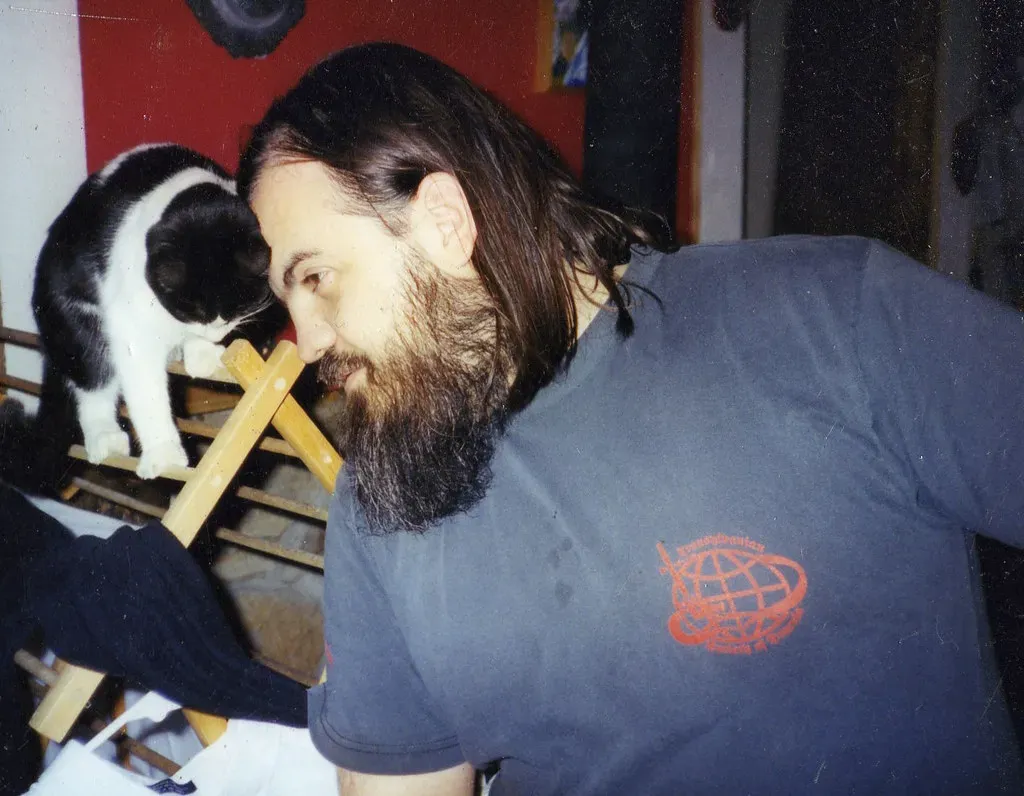
If you’ve ever wondered whether there’s a proper name for when your cat bonks their head against yours, yes, there is. Also referred to as head-bumping or headbutting, bunting occurs when a cat briefly presses or rubs their head against a human, another animal, or an object, often closing or half-closing their eyes. That half-lidded, slow-motion lean is everything.
Though headbutting is often associated with aggression in other species of mammals, feline head-bunting is a form of social behaviour generally indicative of familiarity, trust, and affection. So when you instinctively tense up thinking your cat is coming in hot, relax. They’re basically blowing you a kiss, cat-style.
Bunting is a form of animal behavior, often found in felids, in which the animal butts or rubs its head against other things, including people. What makes it even more extraordinary is just how deeply rooted in biology this behavior actually is, going back millions of years in feline evolutionary history. It’s not random. Not even a little.
The Fascinating Science of Pheromones Behind Every Head Bunt
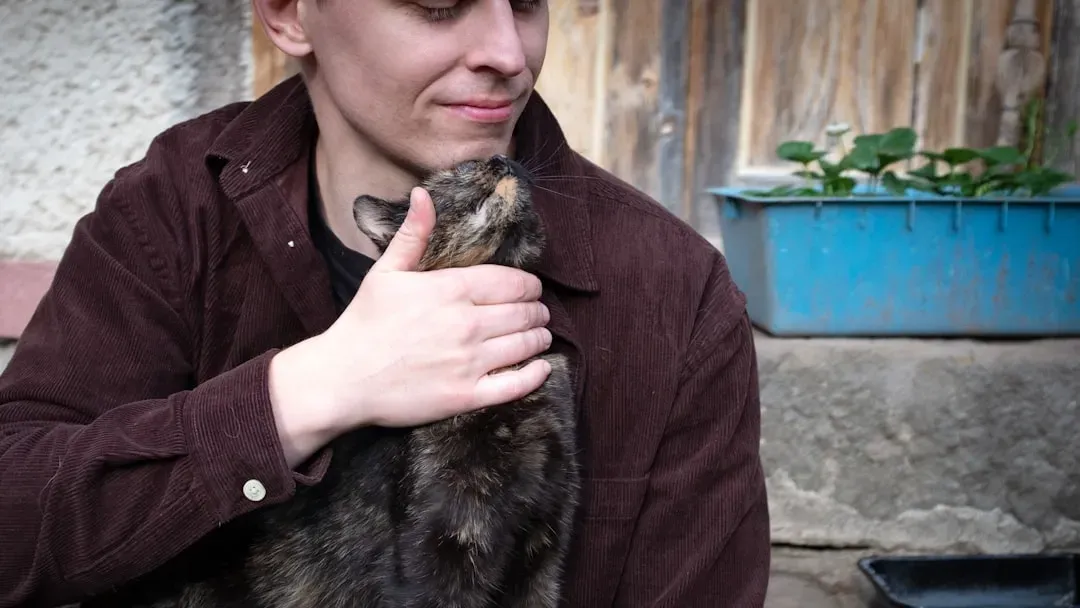
Head-bunting behaviour is rooted in cats’ use of pheromones to facilitate social communication and create a sense of control and security in their immediate environment. Think of pheromones like invisible text messages, chemical signals that carry specific meaning, instantly understood by every cat that encounters them.
Perioral glands found around a cat’s mouth, chin and cheeks, temporal glands on the sides of the forehead and pinna glands at the base of the ears secrete feline facial pheromones, which are composed of five different types of ‘fractions’, referred to as F1 through F5. Scientists are still working to decode all of them, which honestly makes cats feel even more mysterious and brilliant.
The pheromone deposited during headbutting comes from glands located just in front of a cat’s ears. Humans can’t detect these pheromones, but to a cat, you can consider yourself marked. You’re walking around with an invisible “claimed” stamp on you, and you had absolutely no idea. Honestly, I think that’s kind of adorable.
You’ve Been Accepted Into the Inner Circle
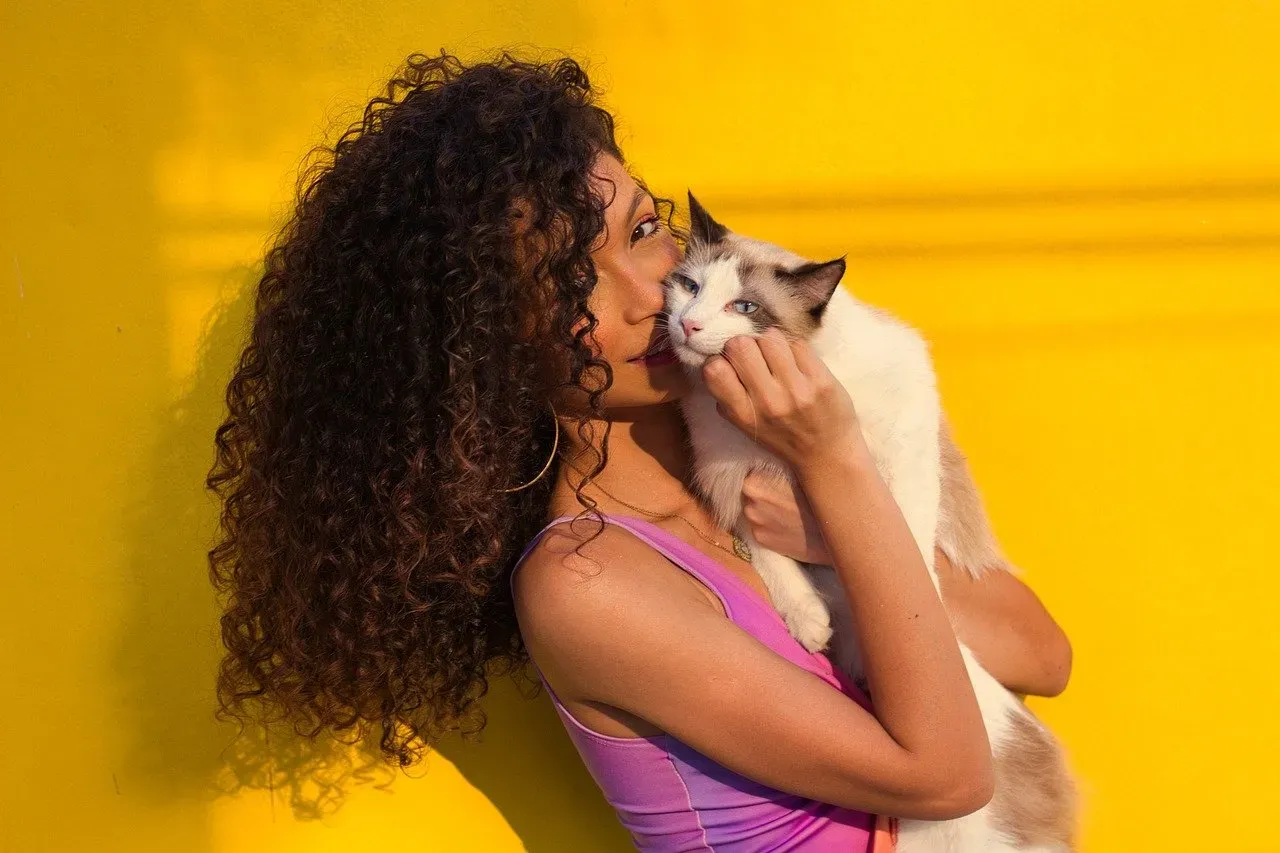
Here’s the thing about cats: they don’t hand out affection to just anyone. When a cat headbutts and marks you, it means you’ve been accepted into a very special club: a cat’s inner circle. By marking you, a cat is connecting to you through scent and bonding with you. That’s not nothing. That’s a cat choosing you, deliberately and consciously.
Bringing their head so close to another cat’s teeth and claws makes a bunter extremely vulnerable, so cats will typically only engage in this behaviour when they feel safe and trust the recipient. In other words, your cat is exposing themselves emotionally and physically every single time they come in for that bunt. It takes real trust.
Head bunting is a way cats mark their feline friends and family. It’s a stronger marker than leaving urine on objects to claim them, but instead of territory, they are claiming familial relationships. Let that sink in. Your cat chooses to connect with you the same way they connect with the cats they love most. You’re family now.
Head Bunting as a Social Hierarchy Signal
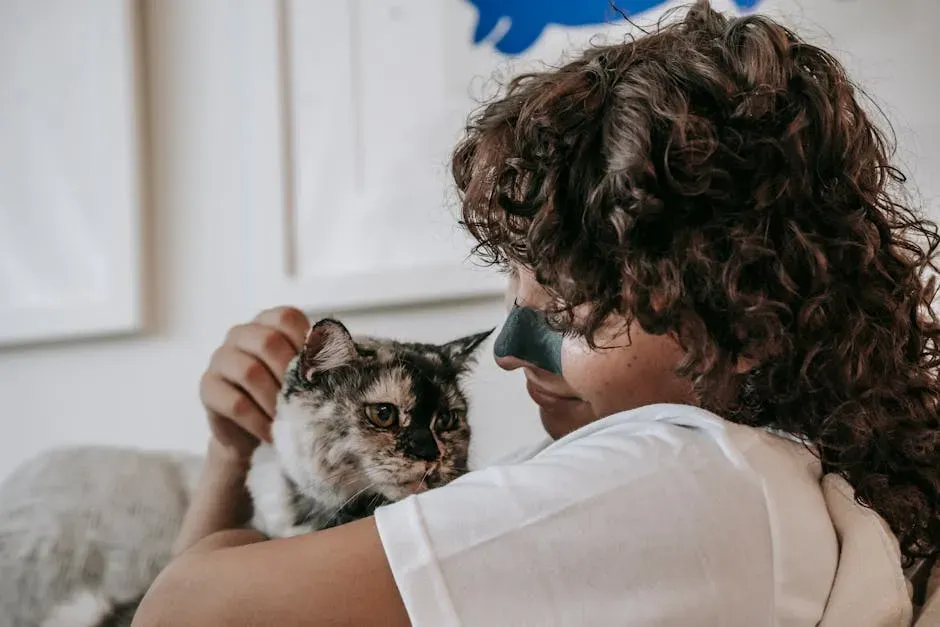
Not every cat bunts the same way or for the exact same reason. There’s actually a social layer to it that most people completely overlook. A more dominant cat with a higher social rank will be the one to initiate head bunting. It’s the job of the dominant, confident cat to spread the family scent and groom the other cats and sometimes humans. This not only serves as a sign of trust and inclusion but is a bonding activity.
A dominant cat can convey messages about their presence, social hierarchy, and boundaries to other cats and even humans by head pressing their colony scent through their forehead. So if your cat walks up and initiates that bunt with total confidence, they may actually see themselves as the head of your little household family. Which, honestly, fair enough.
Bunting and allorubbing, which involves using touch to communicate closeness, are also part of feral cat behavior within colonies. An elaborate ritual which can take several minutes, two cats will rub along the side and tail of the other cat. This behaviour in domestic cats involves a system of hierarchy and may have evolved as a way to channel aggression where the cost of a conflict is too high. Essentially, bunting keeps the peace. Genius, really.
What Your Cat Is Actually Trying to Tell You
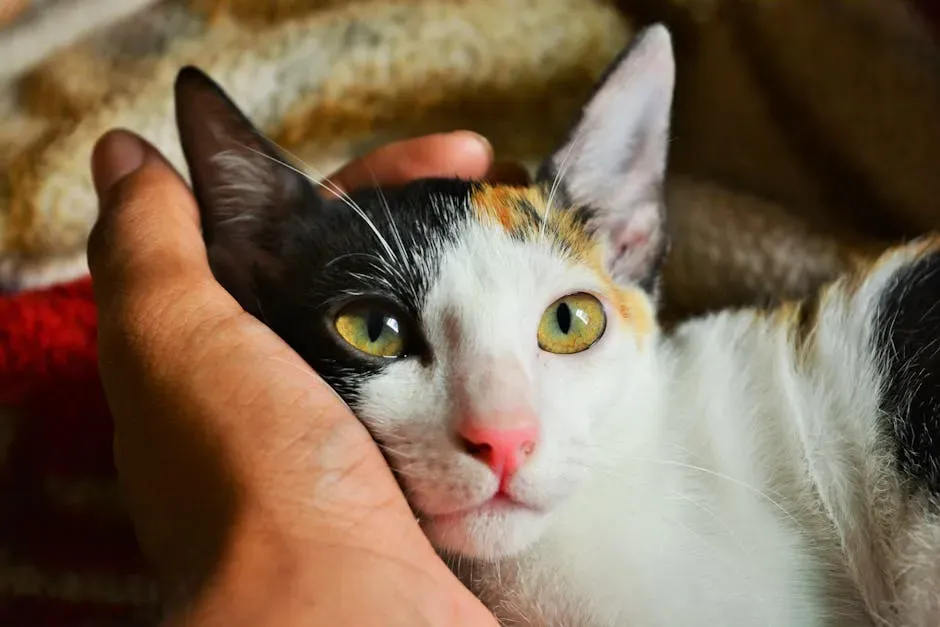
One of the most common misconceptions is that a head bunt always means the same thing. It doesn’t. Cats headbutt for many reasons, including for bonding, marking familiar surroundings, seeking attention, and self-soothing. Context matters enormously here. Pay attention to what comes right after the bunt.
Headbutting can be triggered by a variety of different reasons, including a desire for attention or affection, recognizing your scent after being away for a while, stress or seeking comfort, or positive reinforcement if they’ve been rewarded for their behavior in the past. So the bunt you get when you walk through the door after work? That’s your cat saying “I noticed you were gone, and I’m glad you’re back.” That’s pure relationship.
Cats also rub their face on you, or head butt, to self-soothe and regulate their emotional states. They often purr and look relaxed, indicating their happiness and relaxation. This behaviour can help them feel secure and reduce stress. So sometimes that bunt is less about you and more about your cat using your presence as a comfort blanket. And honestly, that’s just as meaningful.
How Head Bunting Strengthens Your Bond Over Time
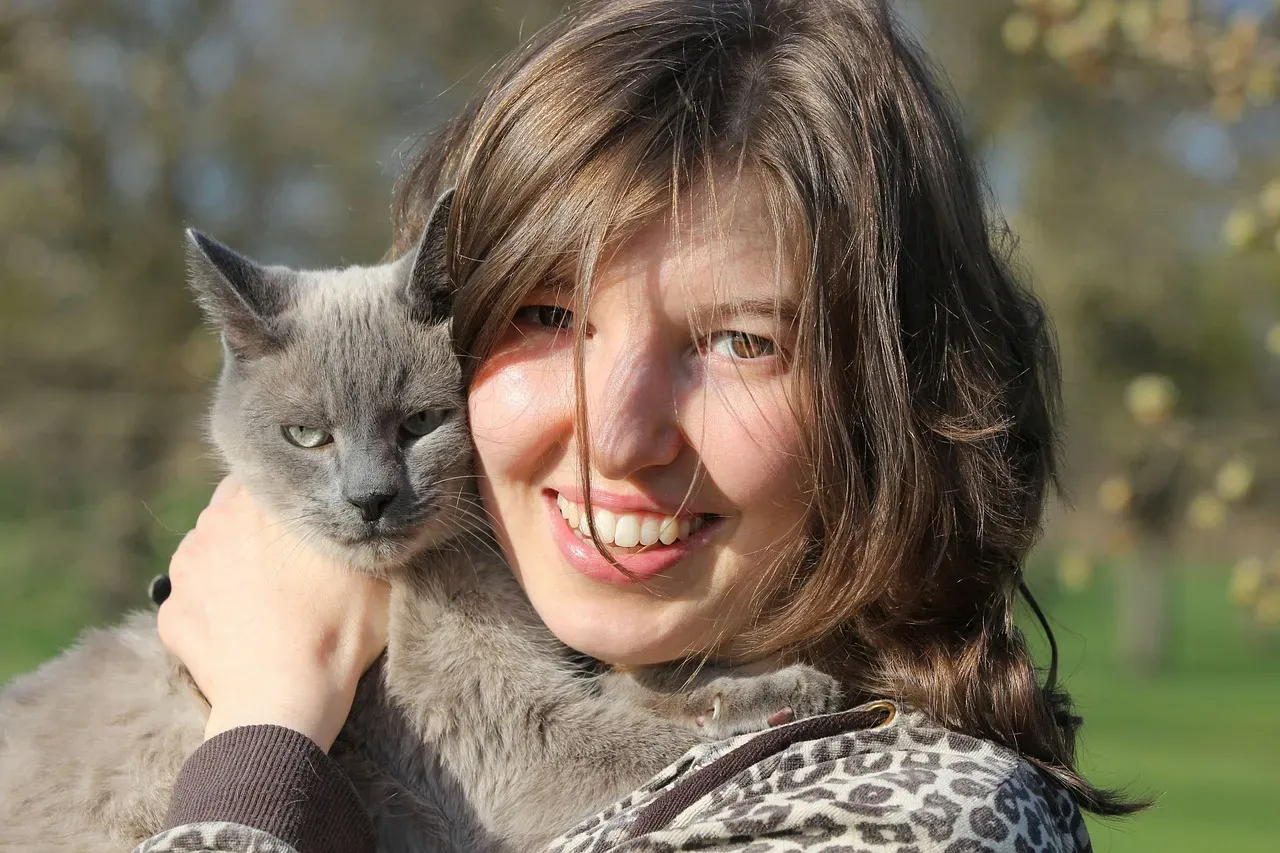
Here’s where it gets really special. Every time your cat bunts you and you respond warmly, you’re not just sharing a moment. You’re building something lasting. If a cat is consistently rewarded with attention after headbutting, then this may encourage more headbutting. In addition, the more you bond to your cat through headbutting, the more headbutting your cat will do for attention and bonding, in a sort of a feel-good cycle.
Indoor cats tend to form close relationships with their owners or primary caretakers. Studies have found that the attachment between cats and their owners is similar to the relationship between children and parents. That blows most people’s minds when they first hear it. We tend to dismiss cats as aloof and self-sufficient, but the science genuinely says otherwise.
Gentle petting, soft words, or simply acknowledging their gesture can reinforce this positive behavior. However, it’s important to let your cat lead these interactions. Forcing physical contact or responding too enthusiastically might make them uncomfortable and discourage future displays of affection. Think of it like a dance. Let your cat set the tempo. You’ll both enjoy it more.
When Head Bunting Becomes a Warning Sign
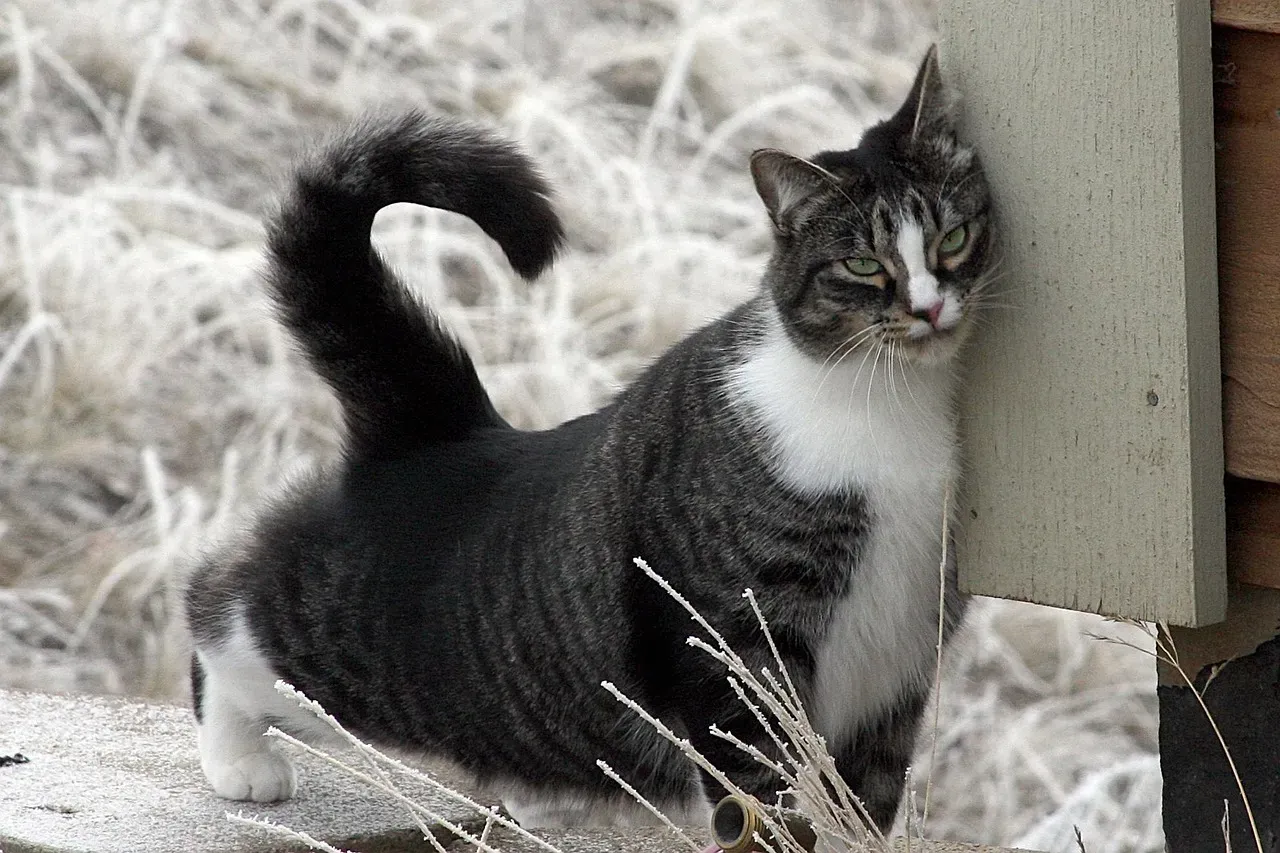
Let’s be real: not everything your cat does with their head is cause for celebration. There’s one critical distinction every cat owner needs to know. Bunting is a normal animal behavior, and should be distinguished from head pressing, which is abnormal and typically a sign of illness. These two behaviors can look deceptively similar at first glance.
Head pressing is a serious warning sign that there may be issues with the central nervous system, and cat owners should take their pets to the vet immediately if they notice such behavior. Whereas bunting is soft, interactive, and social, head pressing is compulsive and repetitive, often against a wall or hard surface, and is accompanied by blank, unfocused behavior. It’s a completely different energy.
While cat head butts are a normal and healthy behavior, you should still observe your cat’s overall behavior and health. Sudden changes in behavior, including an increase or decrease in head butting, could indicate health issues. A sudden increase in head-butting in older or sick cats may signal that something is wrong medically. Trust your gut when something feels off. You know your cat better than anyone.
Conclusion
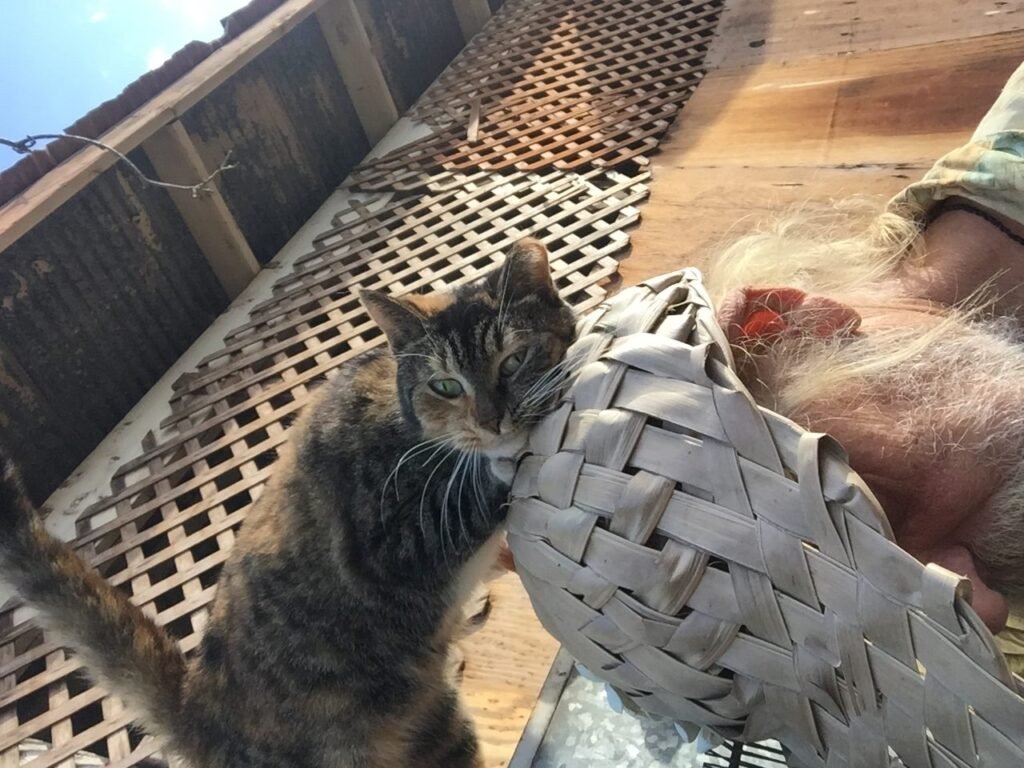
When your cat presses their forehead against yours, they’re not just being weird or cute, though they’re definitely both of those things. They’re communicating trust, claiming you as family, regulating their emotions, and participating in a ritual that stretches back through millions of years of feline evolution. That tiny gesture carries an enormous amount of meaning.
The next time your cat comes in for that slow, deliberate bunt, lean in. Respond gently. Because in that moment, your cat isn’t just greeting you. They’re telling you something that, in their world, is as close as it gets to “I love you, and I choose you.” Not bad for a forehead bump.
Do you see your cat’s head bunts differently now? We’d love to hear how your feline expresses their connection with you. Share your thoughts in the comments below.