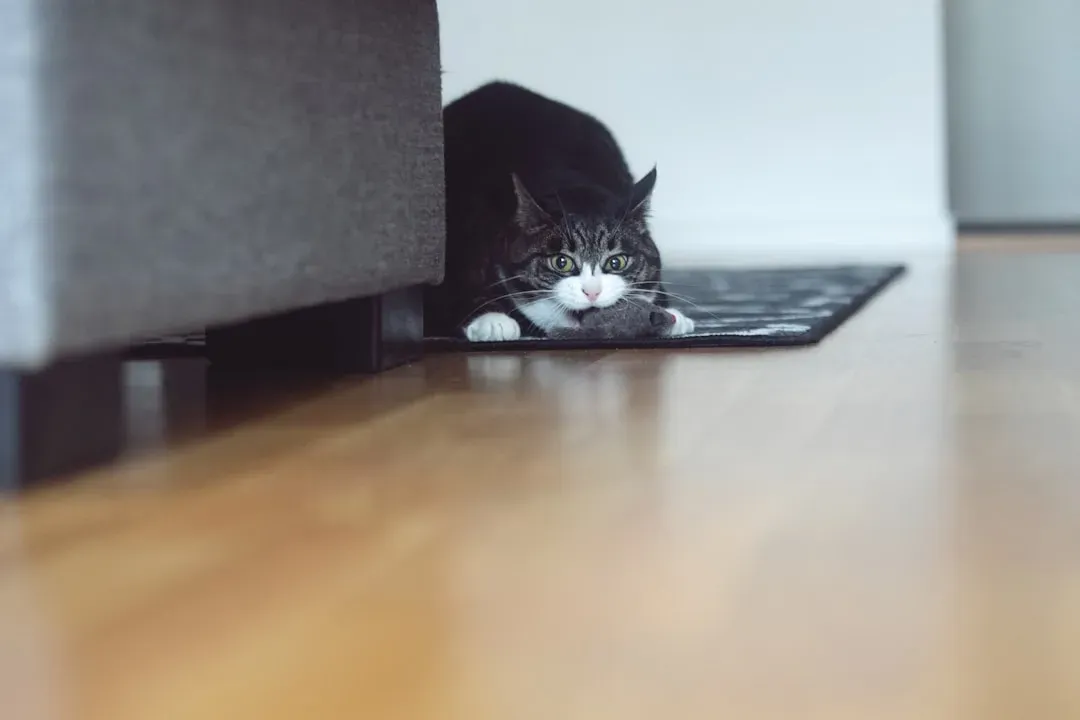
You’ve probably watched your cat drop into a low stalk, eyes narrowed, ears pinned forward, every muscle coiled with intent, then launch a full pounce at a wispy clump of hair and lint tumbling across your floor. From where you’re standing, it’s mildly amusing. From where your cat is standing, it’s a hunt.
That fluffy grey cloud under the couch is not a piece of lint to your cat. It’s prey. The instincts firing as they crouch and creep toward it are the very same ones that allowed their ancestors to survive for millions of years. Understanding what’s actually happening inside that small, focused brain can completely change the way you see your cat’s everyday behavior.
The Ancient Wiring That Still Runs Your Cat
Hunting behavior is hard-wired into your cat’s DNA. Their wild ancestors developed their hunting skills over millions of years of stalking and chasing prey to feed themselves and their young. That programming has not been quietly switched off just because you keep a clean house and fill a food bowl twice a day.
Until quite recently, cats were mainly kept to control rodent populations rather than as pets, and during this time, only the best hunters survived and reproduced, meaning your pet cat today descended from the most adept hunters. There’s been very little selective breeding of cats, so their instinctive need to hunt remains strong. You’re not living with a reformed predator. You’re living with one that’s just found an indoor target.
Why Your Cat Doesn’t Need to Be Hungry to Hunt
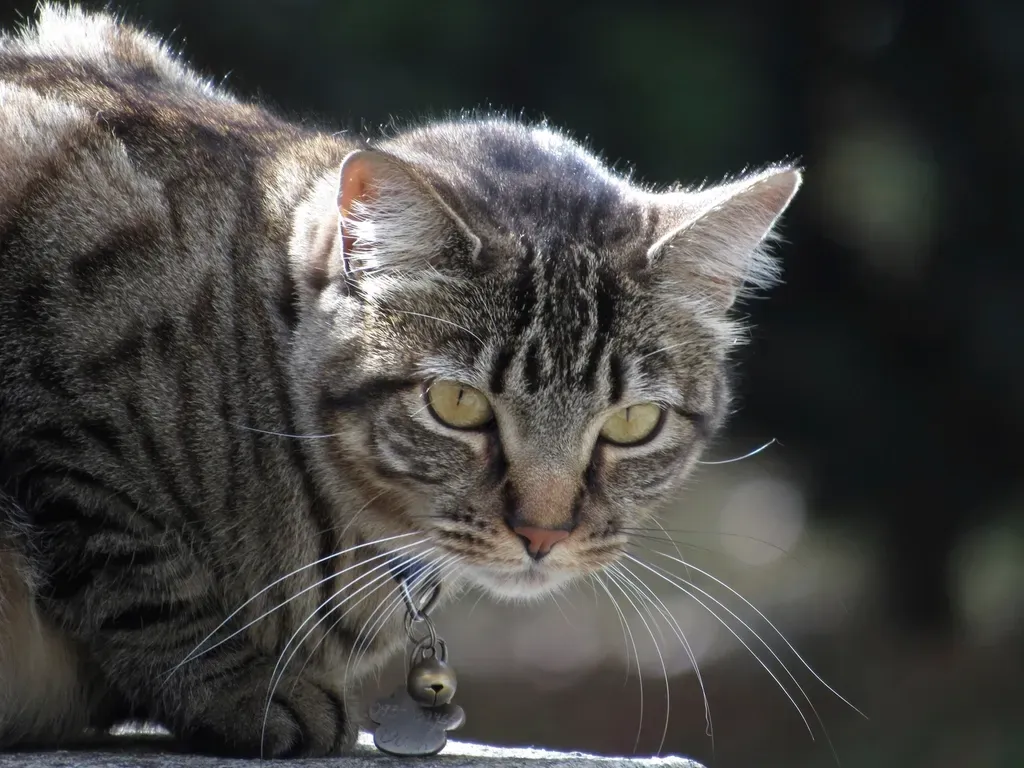
Cats don’t need to be hungry to hunt. It’s the sound and sight of moving prey that provides the stimulus to chase and capture, a hardwired behavior as natural to the cat as purring. This is why a full, comfortable indoor cat will still bolt across the room after a rolling lint ball without a second thought.
If your cat waited until they were hungry to hunt, they could starve to death because of the difficulty in hunting and capturing prey. There may also not be any prey available when a cat becomes hungry. So, cats have learned to be opportunistic feeders, meaning they change their activity patterns depending on food availability, and if the opportunity to hunt presents itself, they’ll do so regardless of whether they’re hungry or not. That dust bunny skimming across your hardwood floor? It just presented itself.
What a Dust Bunny Looks Like Through Your Cat’s Eyes
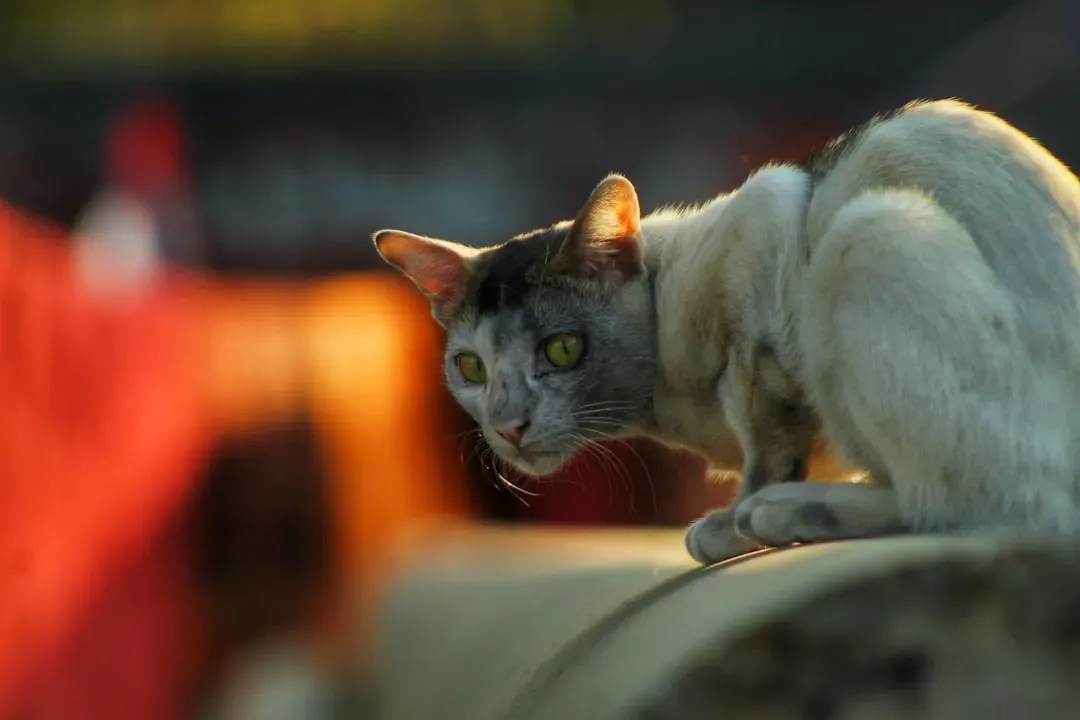
Cats are natural hunters, and dust bunnies can mimic the texture and movement of prey. This behavior is often an expression of their instinctual drive to hunt. The irregular shape, the unpredictable drift caused by air currents, and the soft texture of a dust bunny check a surprising number of biological trigger boxes for a cat.
A cat’s desire to hunt is not connected to the sensation of hunger. Even well-fed cats will stalk when they see or hear potential prey. Almost anything that moves rapidly or squeaks in a high pitch can trigger this instinctive behavioral response. A dust bunny doesn’t squeak, but it does drift and flutter in a way that is close enough to small prey movement to set the whole sequence in motion.
The Full Hunt Sequence Playing Out in Your Living Room
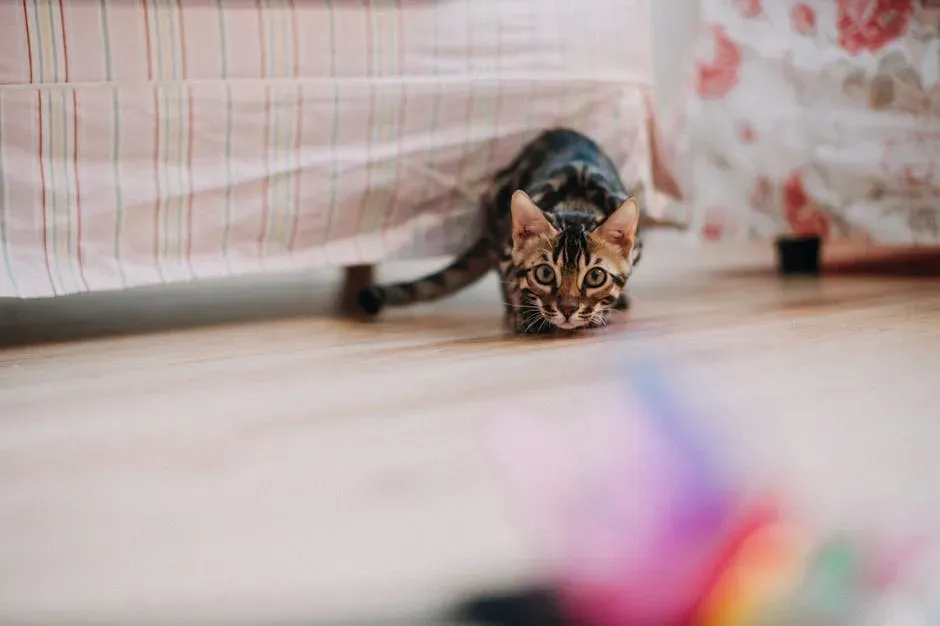
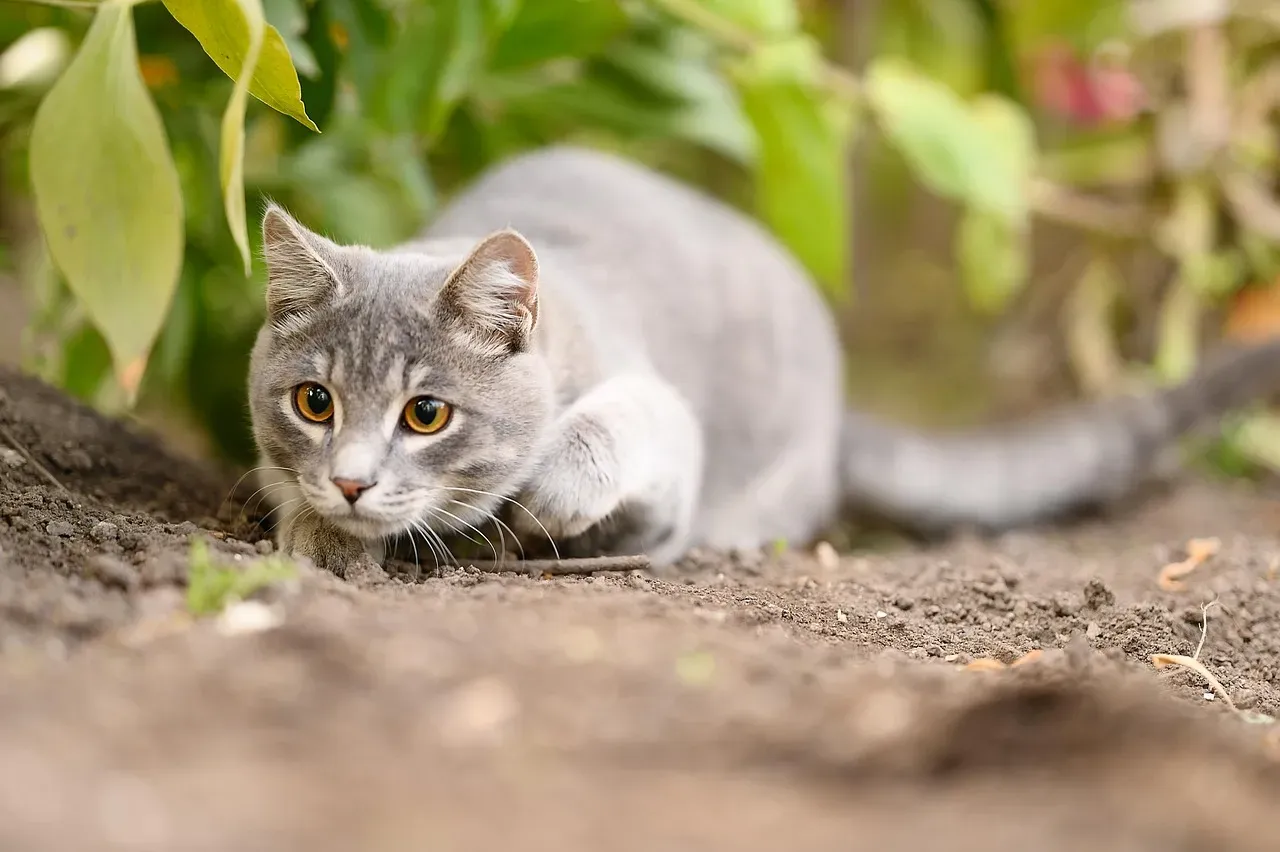
Cats usually approach their prey by stalking them, which involves moving in a crouched position with their head outstretched. Slow movements are used on the initial approach, which may speed up to a sprint the closer the cat gets to their prey. As the cat gets close enough to catch the prey, they stop and prepare to spring forward. At this point, the cat may hold themselves in a tense position before a brief sprint and spring forward to strike with one or both front paws.
Cats use a seek, capture, and kill process when hunting. First, they search their environment for potential prey. Once they’ve spotted something, they will slowly approach, or stalk, the prey until they are close enough to pounce and capture it. Even when the “prey” is a tangle of pet hair and household dust, every step of that biological sequence runs its full course. Your cat isn’t being silly. They’re being exactly what they are.
Your Cat’s Senses Are Built for This Moment
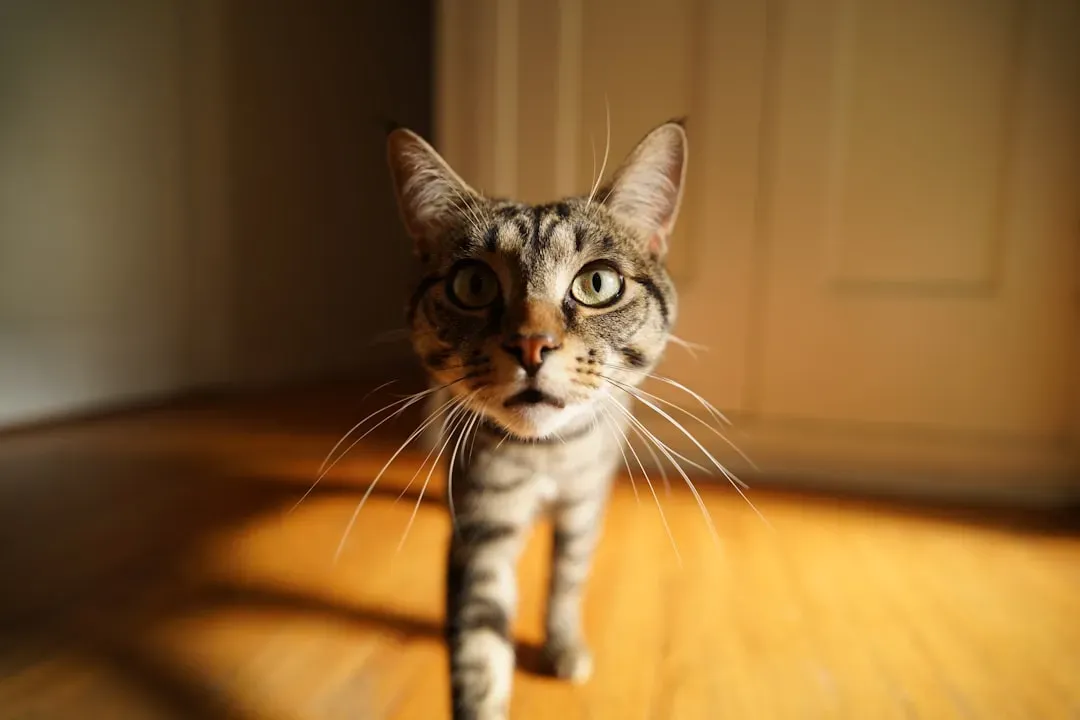
Cats can detect frequencies up to 64,000 Hz and discern subtle sounds like rustling or ultrasonic calls. A reflective tapetum lucidum boosts their low-light vision by six times that of humans, matched with improved depth perception. They have soft paw pads and retractable claws, allowing them to approach their prey unnoticed. Every one of those features becomes relevant the moment a dust bunny shifts under the draft of your ceiling fan.
Whiskers can detect minor changes in air currents, aiding cats in navigating tight spaces and during nocturnal hunts. The pads of their paws contain nerve receptors that allow them to sense vibrations, textures, and temperatures, making them adept at assessing their surroundings. When your cat paws at a dust bunny, they’re gathering real sensory information, not just playing around. Their body is doing exactly what it evolved to do.
Indoor-Only Cats May Actually Hunt Harder
Indoor-only cats were more interested in artificial stimuli that show more or less resemblance with prey, even though these cats have been completely deprived of experience with live prey. There are various theories that can explain these findings, including higher play drive because of the lack of stimulation, less refined prey recognition, or reduced fear due to lack of experience. In short, your indoor cat may actually pounce on more questionable targets, like that dust bunny, precisely because they’ve never learned to be picky.
A domesticated house cat doesn’t hunt nearly as much as their feral counterparts. In fact, they only hunt for about three hours per day, compared to a feral cat’s twelve hours. Still, those three daily hours of predatory drive have to go somewhere. When real prey isn’t available, your home becomes the savannah, and the lint under the sofa becomes the next logical target.
When Hunting Dust Bunnies Becomes a Health Concern
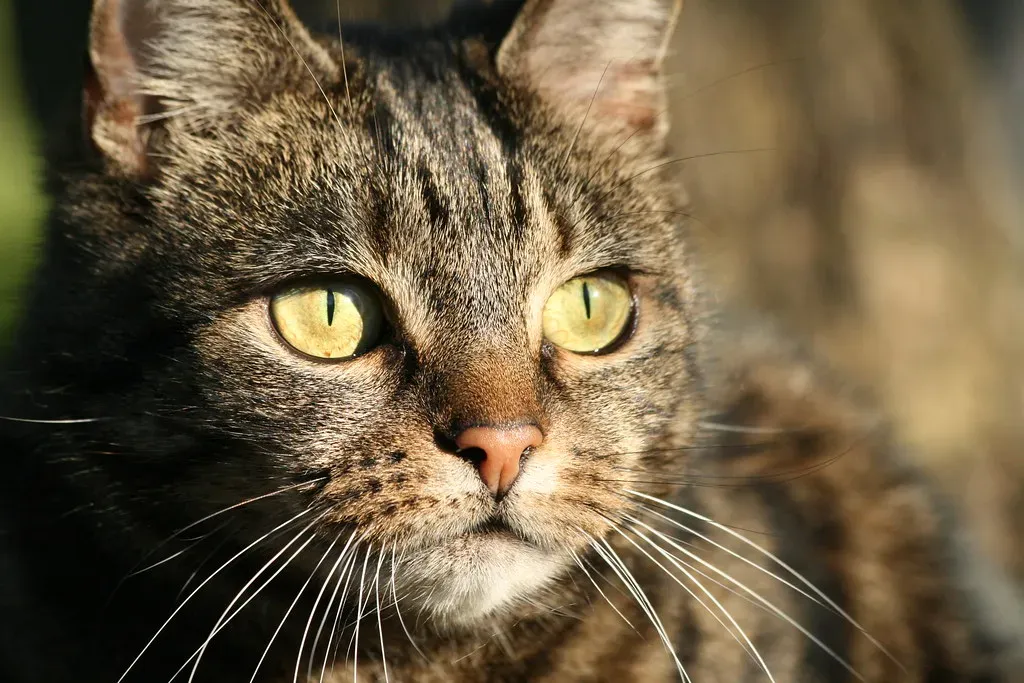
Your cat’s fascination with hunting and consuming dust bunnies may seem unusual, but it’s not uncommon. However, ingesting excessive amounts could lead to digestive problems. The hunting behavior itself is completely normal, but the ingesting part is where you want to pay closer attention. Dust bunnies are typically a mix of shed pet and human hair, skin cells, lint, and general debris, none of which is digestible.
Cats often engage in hunting behavior due to their natural instincts, which can lead to them chasing objects that mimic prey, like dust bunnies. While occasionally ingesting small quantities may be harmless, it’s essential to prevent your cat from consuming too much, as it could cause digestive blockages or other health issues. If you notice your cat chewing on dust bunnies rather than just batting them around, keeping the floors cleaner and redirecting with appropriate toys makes good practical sense.
What Happens When the Hunting Drive Goes Unmet
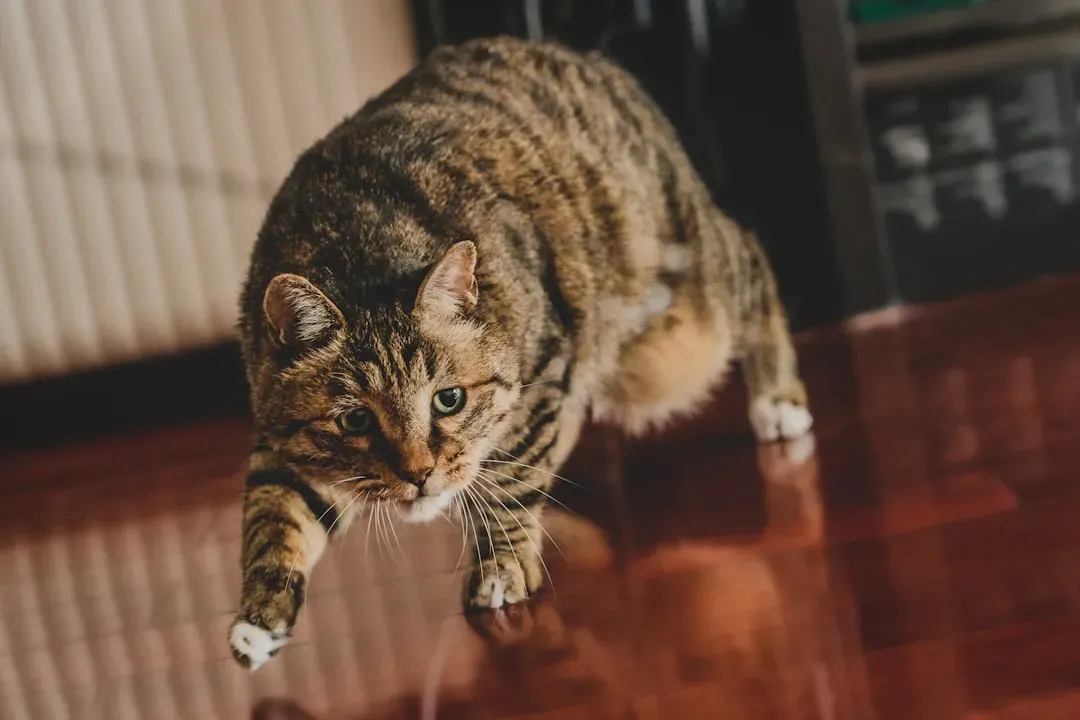
Whether there’s prey to hunt or not, your cat still has a prey drive. There’s no use trying to get rid of it, because it’s here to stay. In fact, if you don’t provide appropriate outlets, your cat may decide to turn furniture, decorations, and fingers and toes into their next targets. That’s not misbehavior. That’s a deeply frustrated predator making do with available resources.
Without proper stimulation, cats may become bored, leading to destructive actions like scratching furniture, knocking over items, or excessive meowing. Lack of enrichment can cause anxiety and stress in cats, as they are unable to express their natural instincts, leading to tension and frustration in their daily lives. Seen this way, your cat chasing dust bunnies is actually a relatively healthy outlet. They’re doing what they can with what’s in front of them.
How You Can Give That Hunting Drive a Better Target

Indoor cats need adequate outlets for their predatory instincts to maintain physical and mental health. Interactive toys that mimic prey movements, puzzle feeders that require “hunting” for food, and regular play sessions with wand toys can satisfy these natural drives. Rotating toys and creating varied play experiences helps prevent boredom and behavioral issues. Short, daily sessions with a wand toy or feather lure can do more for your cat’s wellbeing than most things you’d buy them.
Activities that mimic natural instincts, like chasing, climbing, and exploring, build muscle tone and mental focus. Regular play keeps joints limber and supports healthy heart function while simultaneously providing the mental stimulation that prevents frustration and anxiety. You don’t need elaborate setups to meet this need. It’s very important to “reward” the cat during play by letting them win and capture their prey every now and then. You want to motivate them to work for it but not cause frustration or aggression.
Conclusion: Respect the Hunt
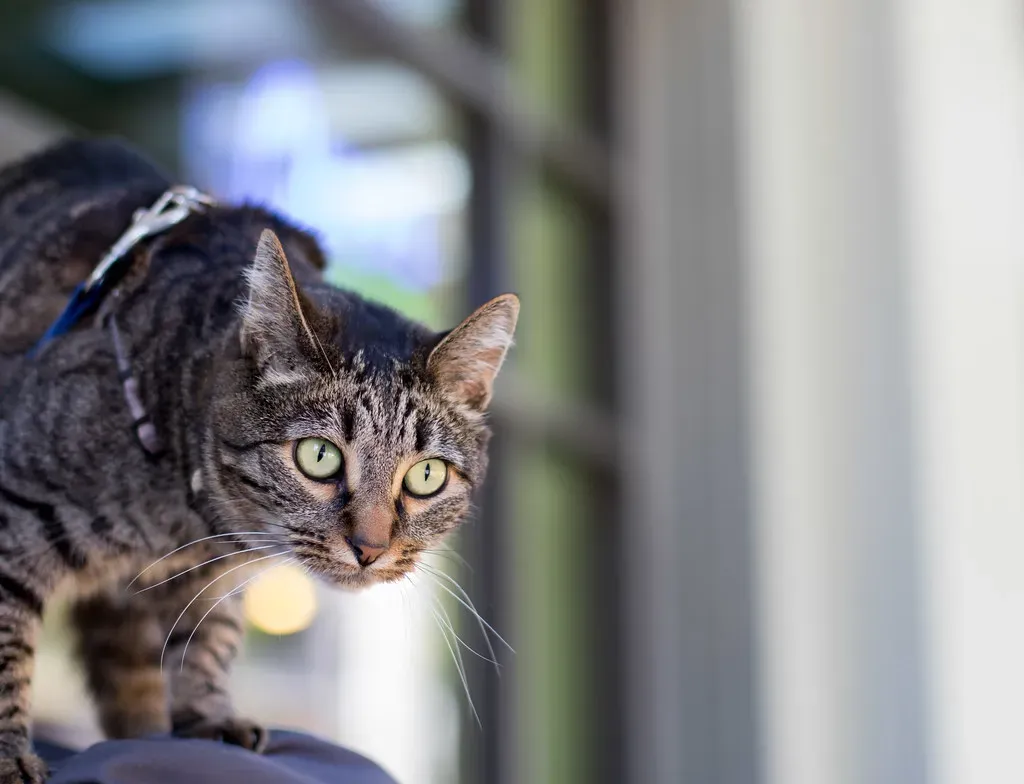
Next time you catch your cat in full stalk mode, belly low to the floor, tail tip twitching, with a dust bunny in their crosshairs, remember what you’re actually witnessing. It’s not a quirky habit or an overreaction to housekeeping failure. It’s millions of years of evolution expressing itself in the only arena currently available.
Your cat is a predator living in a comfortable, food-secure, climate-controlled environment, and they’re doing their level best to stay mentally and physically alive within those constraints. The dust bunny gets pounced because it moved, it drifted, it was there. The hunting instinct asks no permission and waits for no hunger. The best thing you can do as a cat owner is take that drive seriously, give it a worthy outlet, and appreciate the fact that the small creature sharing your couch is never entirely tame.