You’ve probably heard it a million times. Cats are aloof creatures who barely tolerate their humans, right? They’re solitary hunters who prefer the thrill of independence to the warmth of your company. This belief has somehow become gospel among pet owners and non-cat people alike.
Let me tell you something though. The science tells a completely different story. Your feline friend might not wear their heart on their sleeve like a golden retriever, but that doesn’t mean they’re emotionally unavailable. They’re just more subtle about it. Recent research has shattered this myth wide open, revealing that cats form emotional bonds with their owners that rival those of dogs and even human children. So let’s dig into what’s really going on behind those mysterious eyes.
The Science Behind Your Cat’s Attachment Style

Roughly about two thirds of cats display secure attachment to their owners, similar to the percentages seen in human infants and dogs. Think about that for a moment. Research demonstrates that cats not only have the capacity to form strong social bonds with humans, they also show great social sensitivity.
When tested, securely attached cats displayed a reduced stress response and curiously explored the room while checking in periodically with their owners for attention, while cats with insecure attachment remained stressed after their owner returned. The testing methodology mirrors exactly what researchers use with human children and dogs. Your cat isn’t failing to bond with you because they’re a cat. They’re bonding in ways you might not recognize yet.
Why We Misread Their Social Needs
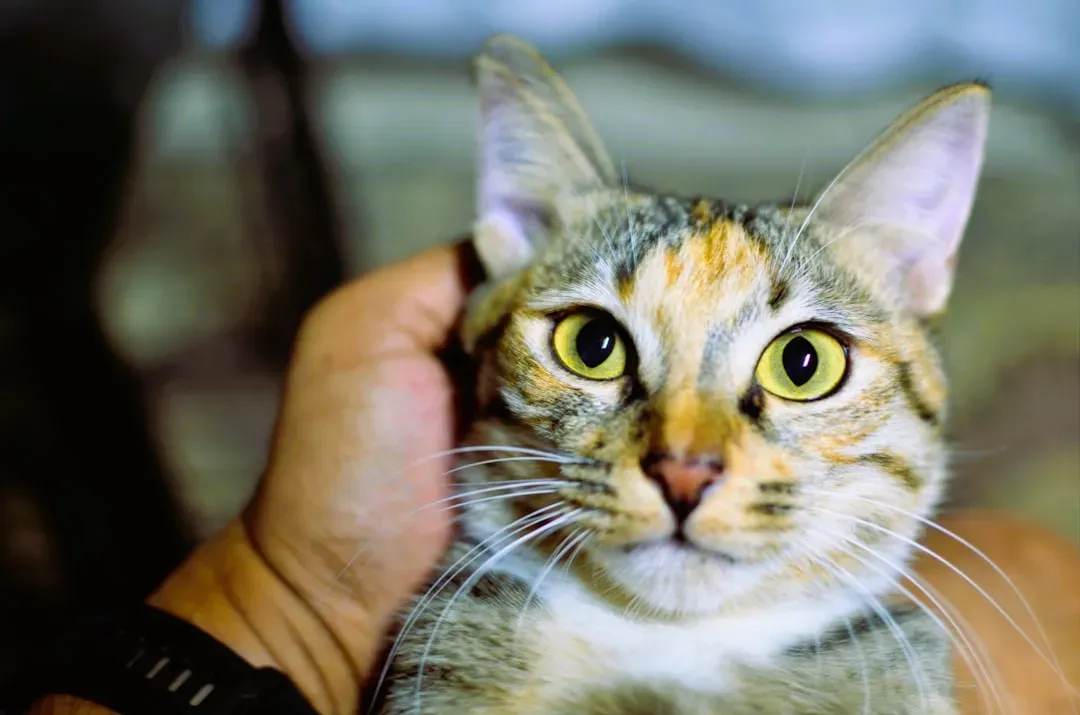
Here’s the thing about misconceptions. Many owners have been inclined toward agreement that cats are independent and have less social needs than other animals, yet this belief lacks scientific support. Such practices may be overlooked because many people believe that cats, being independent, neither require nor enjoy human interaction.
This misunderstanding has real consequences. The misconception that cats are independent and require little or no care causes many of them to suffer needlessly both physically and emotionally. We’re essentially neglecting their emotional needs because we assume they don’t exist. When your cat sits across the room instead of on your lap, you interpret that as disinterest. In reality, they might simply be showing affection in their own way while maintaining their comfort zone.
When Separation Becomes Anxiety
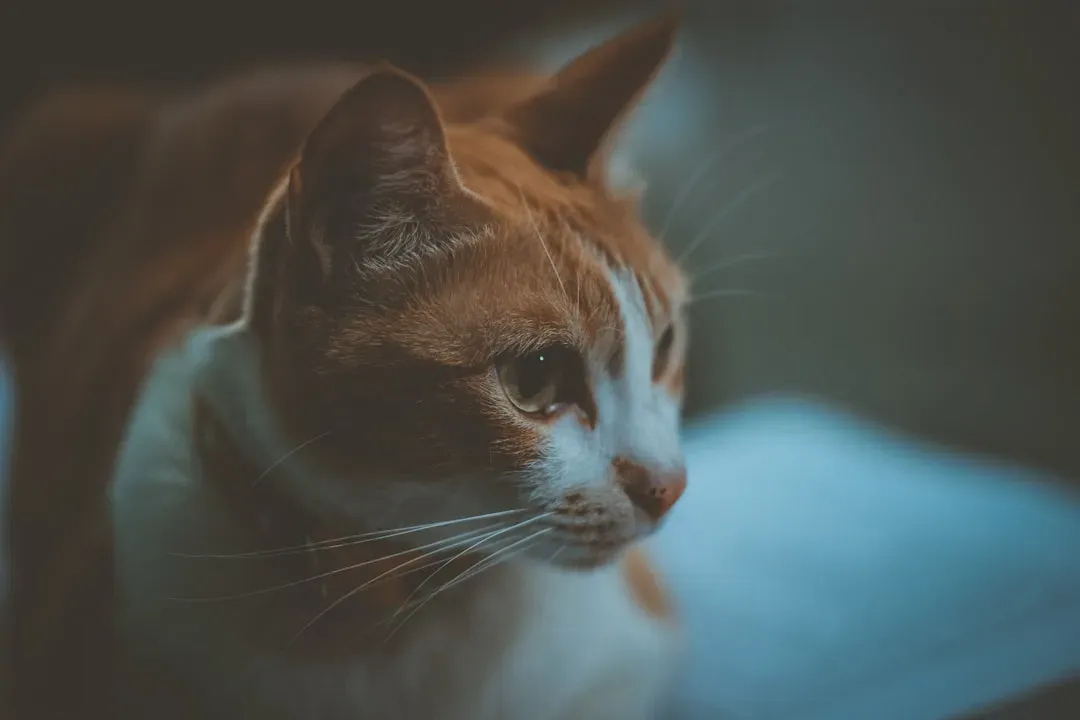
Recent studies showed that cats living with humans have similar attachment styles to pet parents as dogs and children do, with roughly sixty percent described as securely attached to their humans. That attachment comes with a flip side, though. Feline separation anxiety is a condition in which a cat becomes distressed when separated from their caregiver, and while cats may be known for being more independent than dogs, not all feline friends relish alone time as many prefer the safe and trusted presence of a human caregiver.
Separation anxiety is especially common in cats with strong bonds with their human, as some cats love spending time with their pet parent and may even prefer human companionship. Your cat isn’t being dramatic when they follow you to the bathroom. They genuinely miss you when you’re gone. I think that’s worth acknowledging.
How Your Cat Actually Shows Affection
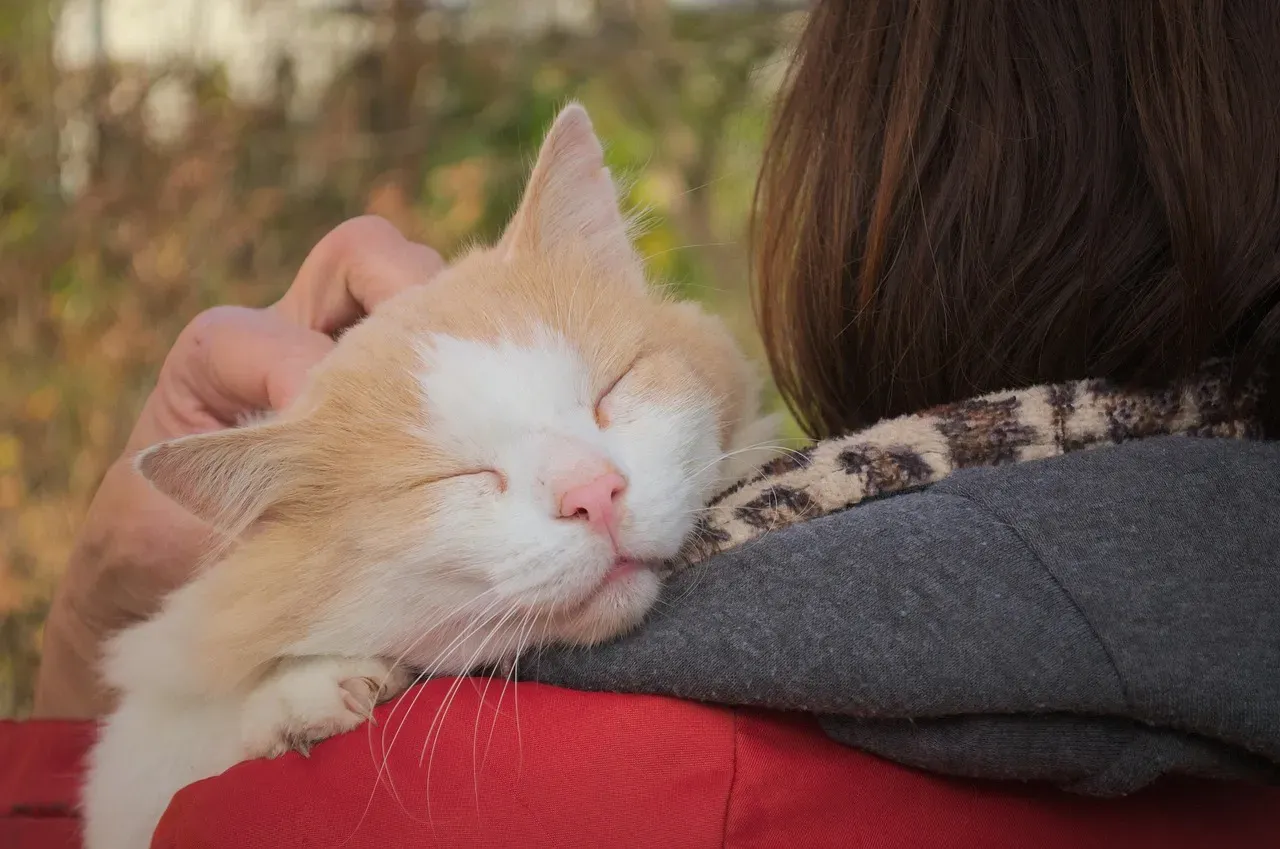
You’re looking for the wrong signals if you’re waiting for your cat to act like a dog. Unlike dogs, cats often express attachment in more subtle ways which can sometimes be mistaken for aloofness or independence, although they seem to be more independent, many cats still form deep emotional bonds with their humans.
Cats often meow to get their favorite people’s attention, many meow to ask for playtime or food, and some accompany requests for cuddle time with sweet little paw pokes. Cats who are attached to their humans will solicit attention from them by approaching them often with a tail held straight up, meowing or pawing at them. These aren’t random behaviors. They’re deliberate attempts to connect with you.
The Communication Gap We Create
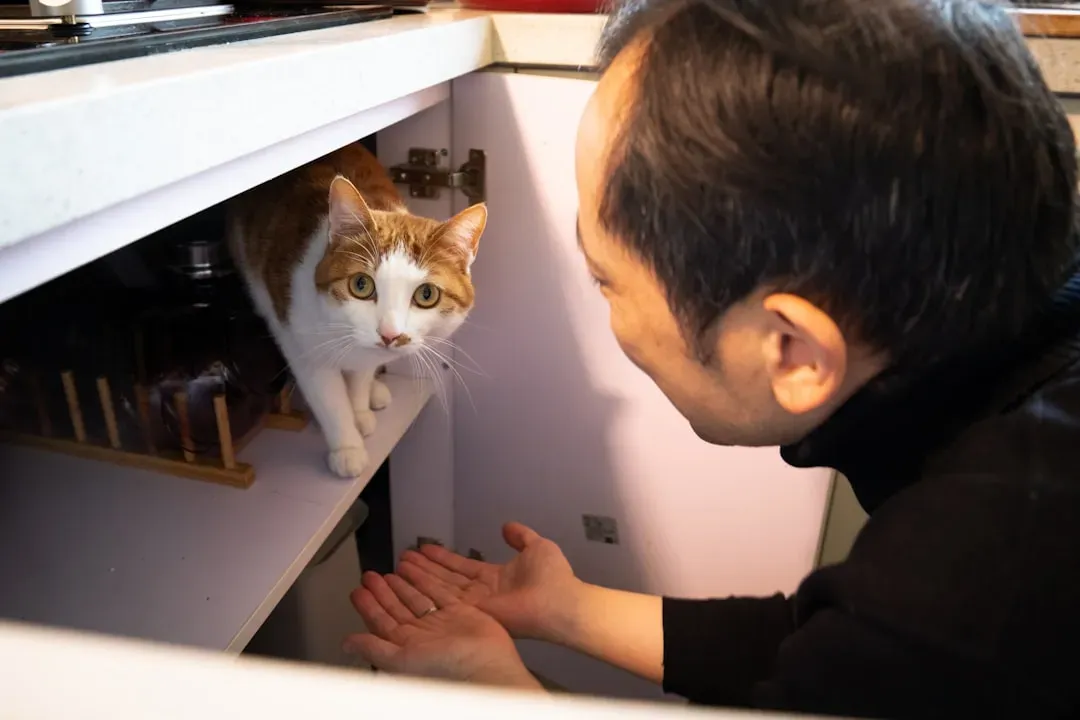
When cats communicate with humans, they do so to get what they need or want, such as food, water, attention, or play, and cat communication methods have been significantly altered by domestication. Honestly, that’s pretty remarkable. Your cat has literally evolved new ways to talk to you.
Studies have shown that domestic cats tend to meow much more than feral cats and they rarely meow to communicate with fellow cats or other animals. Let that sink in. Your cat developed an entire vocalization system just for you. They’re not meowing at you because they’re demanding. They’re doing it because you’ve become the center of their social world, and meowing is the best tool they’ve figured out to reach you.
Following You Isn’t Coincidence
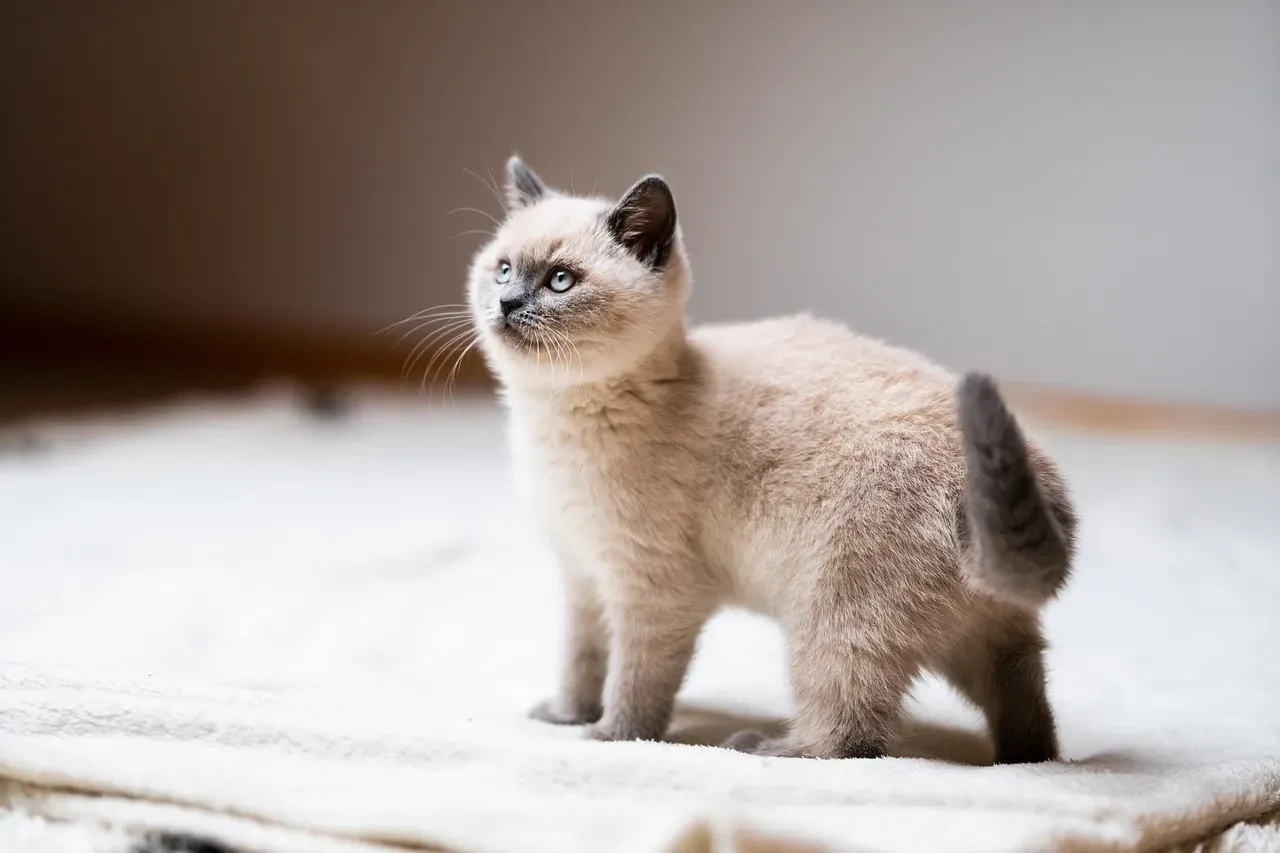
Cats who are attached to their humans tend to follow their owners from room to room, albeit sometimes at a distance. Over sixty four percent of cats exhibit a secure attachment style similar to human infants and dogs, and this manifests in shadowing behavior that many owners find puzzling.
Following you around the home, deliberately strolling in your path especially when they know you’re busy, is another form of attention seeking and signals that your cat notably needs or wants your focus. Next time your cat trips you in the hallway, remember they’re not trying to murder you. They’re just desperately seeking your attention because they genuinely enjoy your company.
The Attention They Actually Need
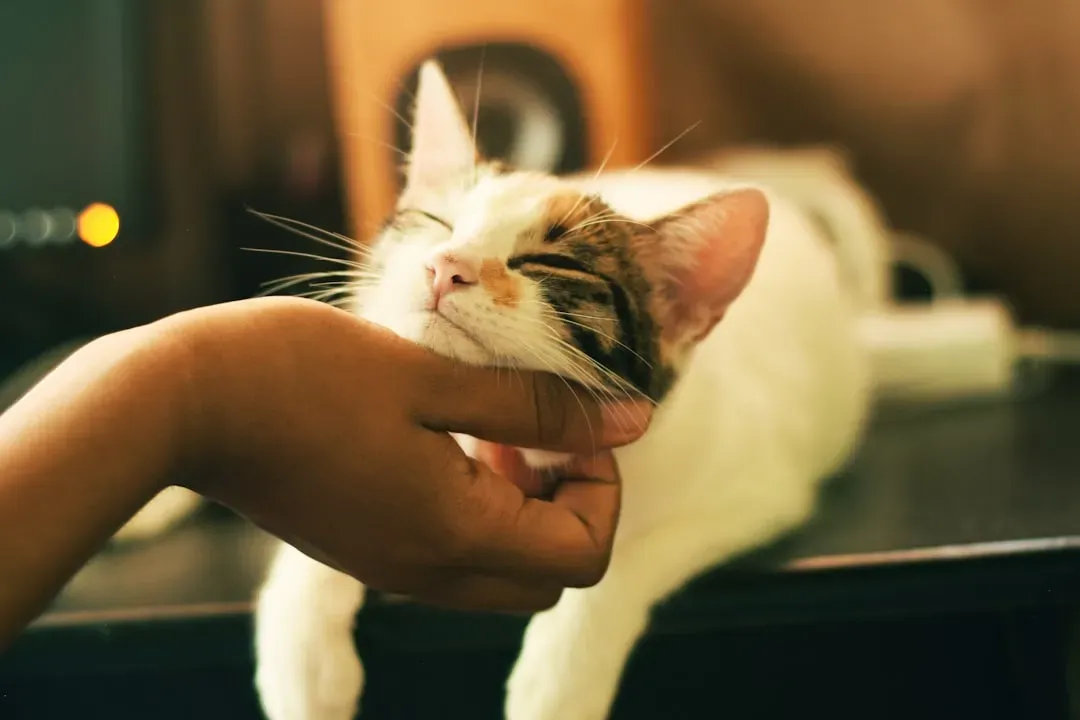
Cats can experience distress when their social needs in relationships with humans are not met, and cats with fewer interactions with people displayed higher numbers of problematic behaviors and were perceived to have higher anxiety levels. Your work schedule matters to your cat more than you think.
Cats seek attention for many reasons including loneliness, boredom, or an unmet need. That is one of the predominant reasons we keep cats as pets, for affectionate companionship. Yet somehow we’ve convinced ourselves they don’t really need us. The cognitive dissonance is staggering when you stop to think about it.
What Breeds Crave Connection Most
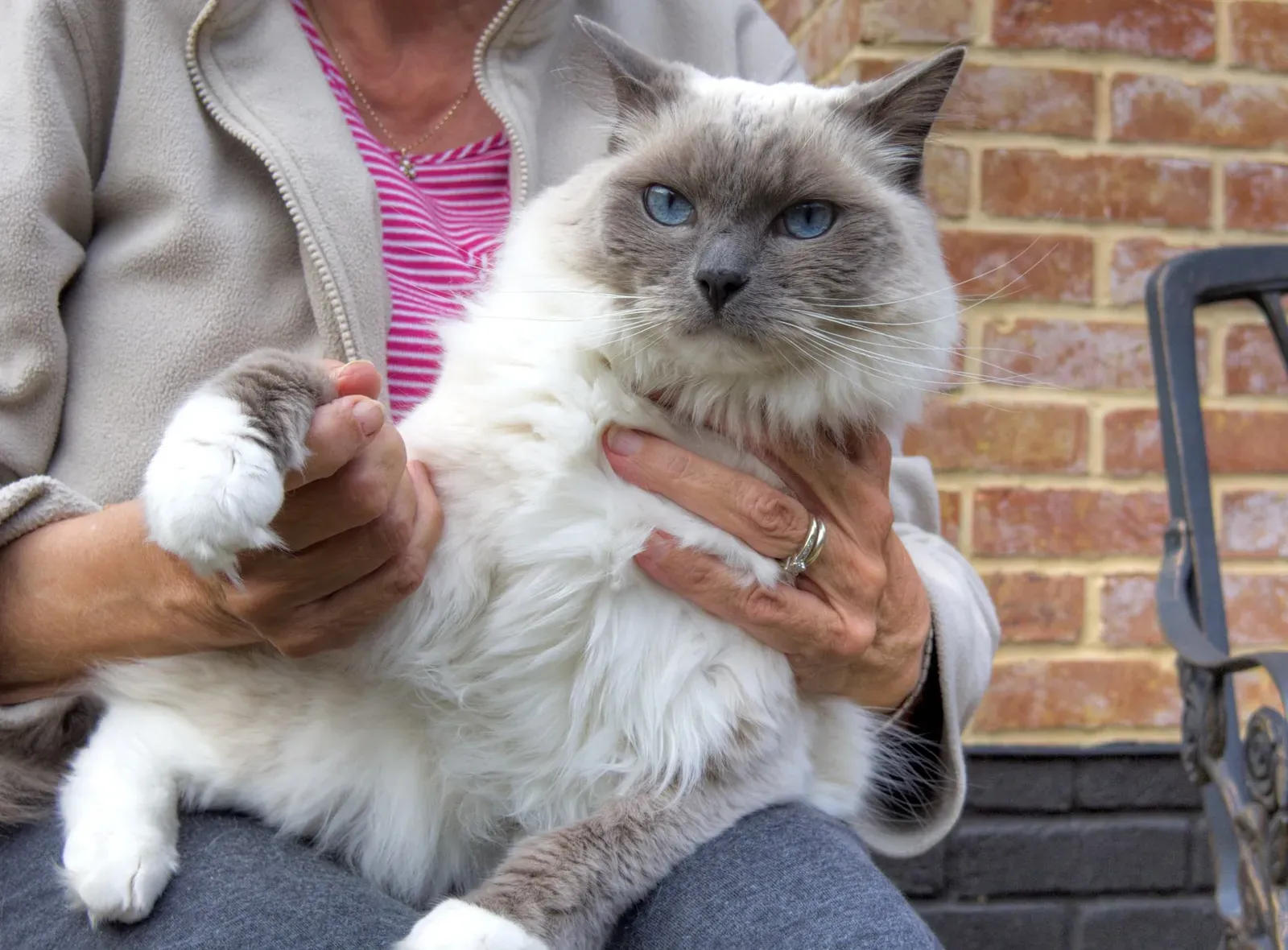
The Siamese is famous for being vocal, expressive, and deeply connected to its people, thrives on interaction and dislikes being left out of daily routines, and will often follow its favorite person from room to room just to stay involved. Some breeds take attachment to another level entirely.
Ragdolls are known for their gentle nature and strong attachment to people, enjoy being near their humans and often choose laps, couches, or nearby floors as resting spots, and rather than demanding attention loudly, they seek it through proximity. If you wanted a truly independent pet, you probably shouldn’t have gotten a Ragdoll. Just saying.
Rethinking Independence Versus Neediness
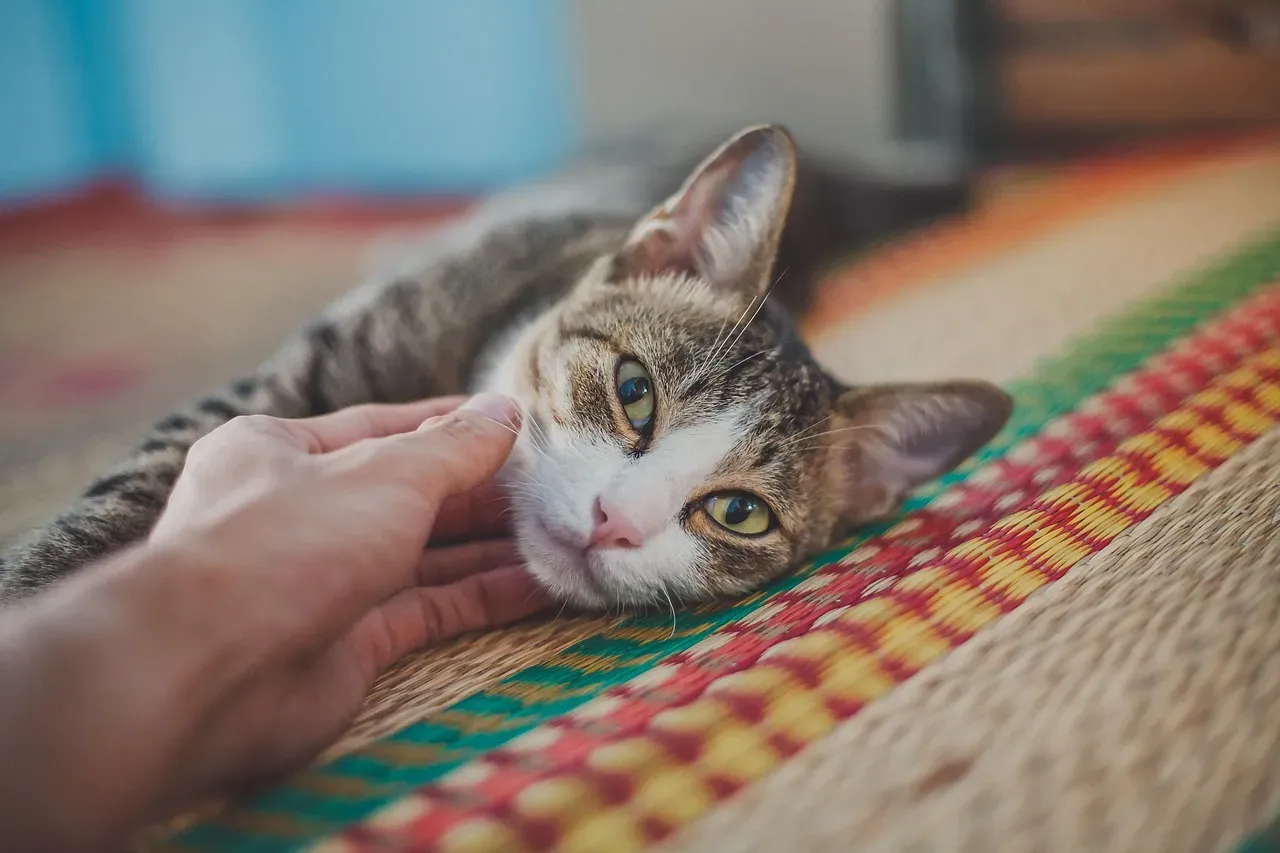
Cats can be quite social creatures and many attachment behaviors are actually a normal aspect of their bond with humans, as it’s perfectly natural for them to follow you around, seek interactions, and express happiness when you return home, however they should also be capable of relaxing and managing when you’re not present.
Cats do not interact with humans solely to obtain food but actively seek social contact and form bonds with their caregivers. There’s a healthy balance here that’s worth understanding. Your cat can love you and still need space. Those aren’t contradictory concepts. We need to stop interpreting normal feline boundaries as proof they don’t care about us.
Building a Stronger Bond With Your Feline
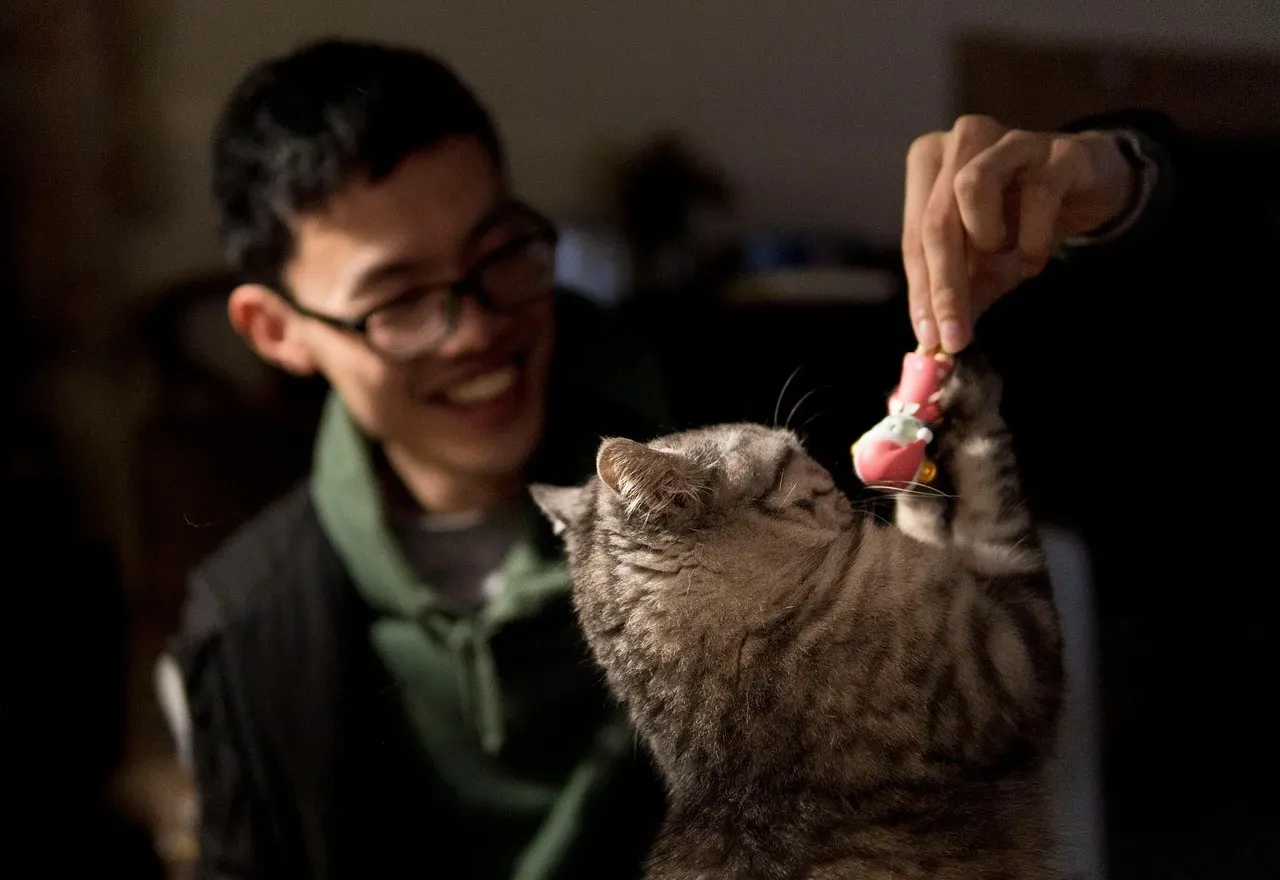
If you’re looking for ways to strengthen your bond with your cat, you can spend time playing together, provide plenty of treats and toys, and give them lots of love and attention. It really can be that straightforward.
Cats adjust their behavior according to how much attention a person gives them. Your cat is reading you constantly, adapting to your patterns, learning what works and what doesn’t. They’re putting in the effort. Maybe it’s time we matched that energy. The relationship you build with your cat is ultimately a reflection of the time and understanding you invest in learning their unique language.
Conclusion
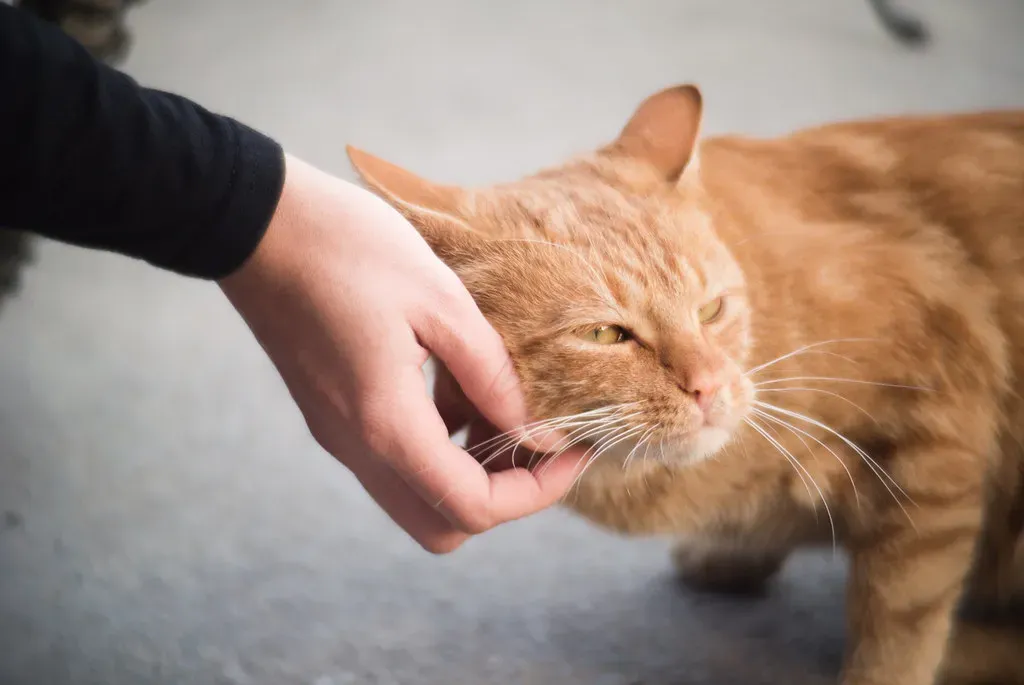
The myth of the aloof, independent cat has done a massive disservice to millions of felines who simply communicate differently than dogs. Your cat isn’t emotionally distant. They’re just speaking a language many of us never learned to understand. The research is clear that cats can form strong, loving bonds with their owners.
Stop waiting for your cat to act like a different species. Start recognizing the subtle head bumps, the slow blinks, the quiet presence in the same room as declarations of genuine affection. Your cat craves your attention more than you realize. They’ve just been waiting for you to notice all along.
What surprises you most about your cat’s attachment to you? Have you been misreading their signals this whole time?