You’ve probably noticed it. Your cat freezes mid-step, ears twitching like tiny satellites scanning the room. Then comes the crouch, the wiggle, and bam! They pounce on what appears to be…absolutely nothing. Or maybe just a dust mote floating in the sunlight.
It might look silly, almost comical. Yet this behavior reveals something profound. Your fluffy companion, lounging in your living room and demanding treats, is still very much a wild hunter at heart. Hunting behavior is hard-wired into your cat’s DNA, no matter how pampered they’ve become.
The DNA of a Hunter Never Sleeps
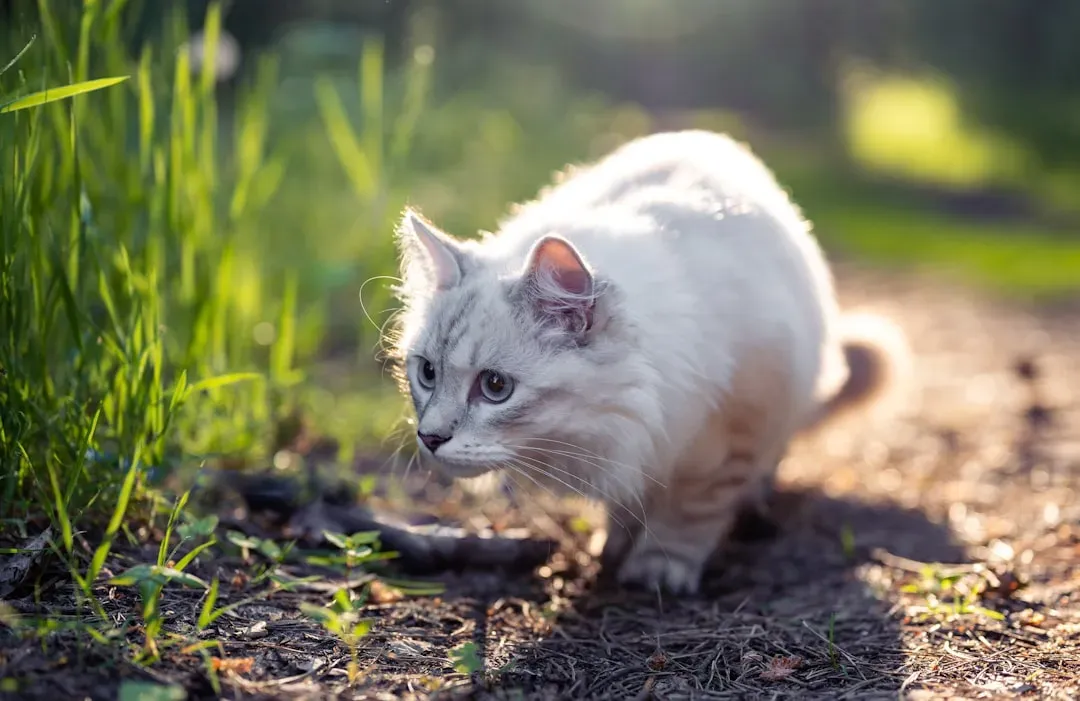
It’s your cat’s wild ancestors that developed their hunting skills over millions of years of stalking and chasing prey to feed themselves and their young. This evolutionary programming doesn’t just vanish because your cat now eats from a ceramic bowl. What’s fascinating is that predatory instinct – rather than hunger – is probably the main reason why some domestic cats regularly hunt wild prey.
Your cat doesn’t hunt because they’re starving. They hunt because it’s in their bones, etched into every fiber of their being. It’s instinctive and hard-wired in their brains to hunt, even if they just play with whatever creature they’ve caught. Think of it as muscle memory on a species-wide scale.
Why Indoor Cats Are Actually More Obsessed with Hunting
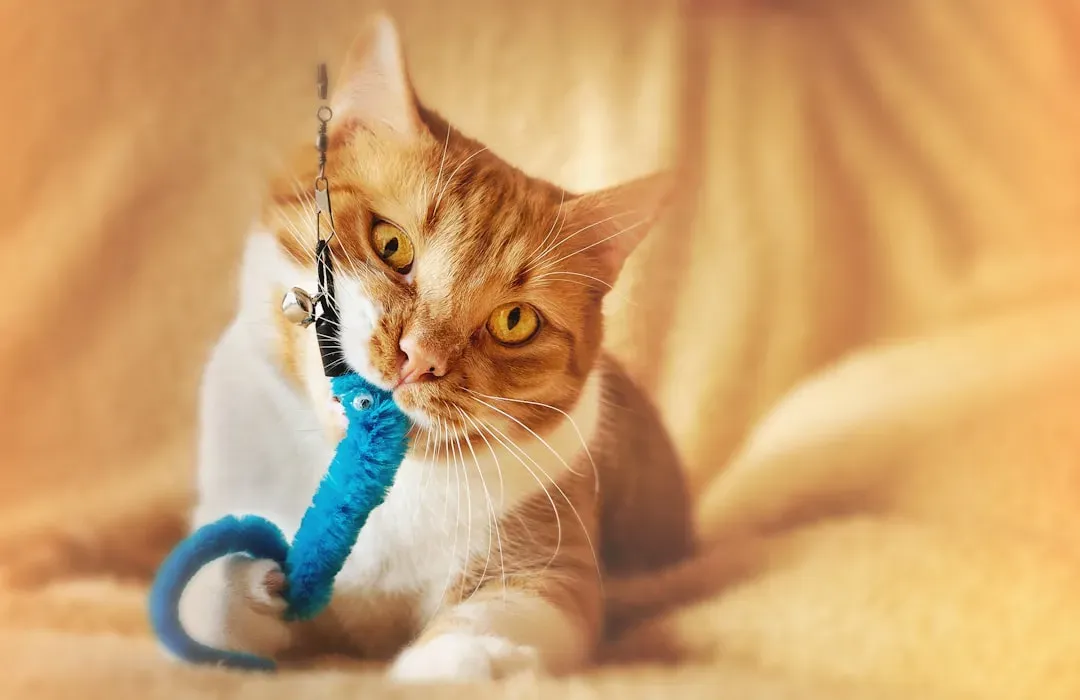
Here’s something that might surprise you. Research shows indoor-only cats were more interested in the artificial stimuli that show more or less resemblance with the prey, even though these cats have been completely deprived of experience with live prey. Let’s be real, that’s counterintuitive.
You’d think cats without hunting experience would show less interest. Instead, they’re like coiled springs. There are various theories that can explain these findings, including higher play drive because of the lack of stimulation; less refined prey recognition; or reduced fear due to lack of experience in the indoor-only cats. Your indoor cat isn’t less of a hunter; they’re just channeling that drive differently.
The Anatomy of a Perfect Killing Machine
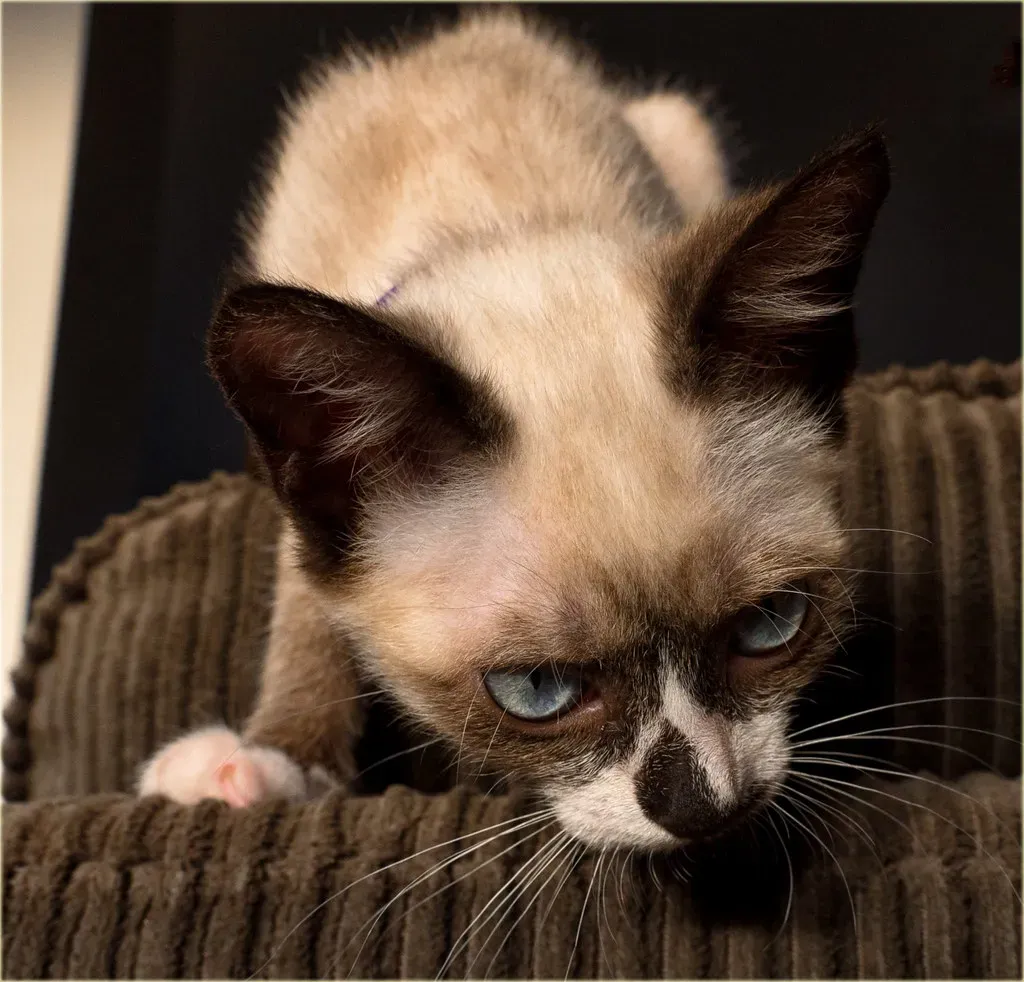
Let’s talk about why your cat is basically a furry ninja. They can detect frequencies up to 64,000 Hz and discern subtle sounds like rustling or ultrasonic calls, plus a reflective tapetum lucidum boosts their low‑light vision by 6 times that of humans. That’s why they can spot a fly you can’t even see in the corner of the room.
Their physical capabilities are equally impressive. They have soft paw pads and retractable claws, allowing them to approach their prey unnoticed, combined with a supple spine enables twists, midair corrections, and tight turns. This isn’t just cute – it’s evolutionary excellence.
Play Isn’t Just Fun, It’s Practice for the Kill
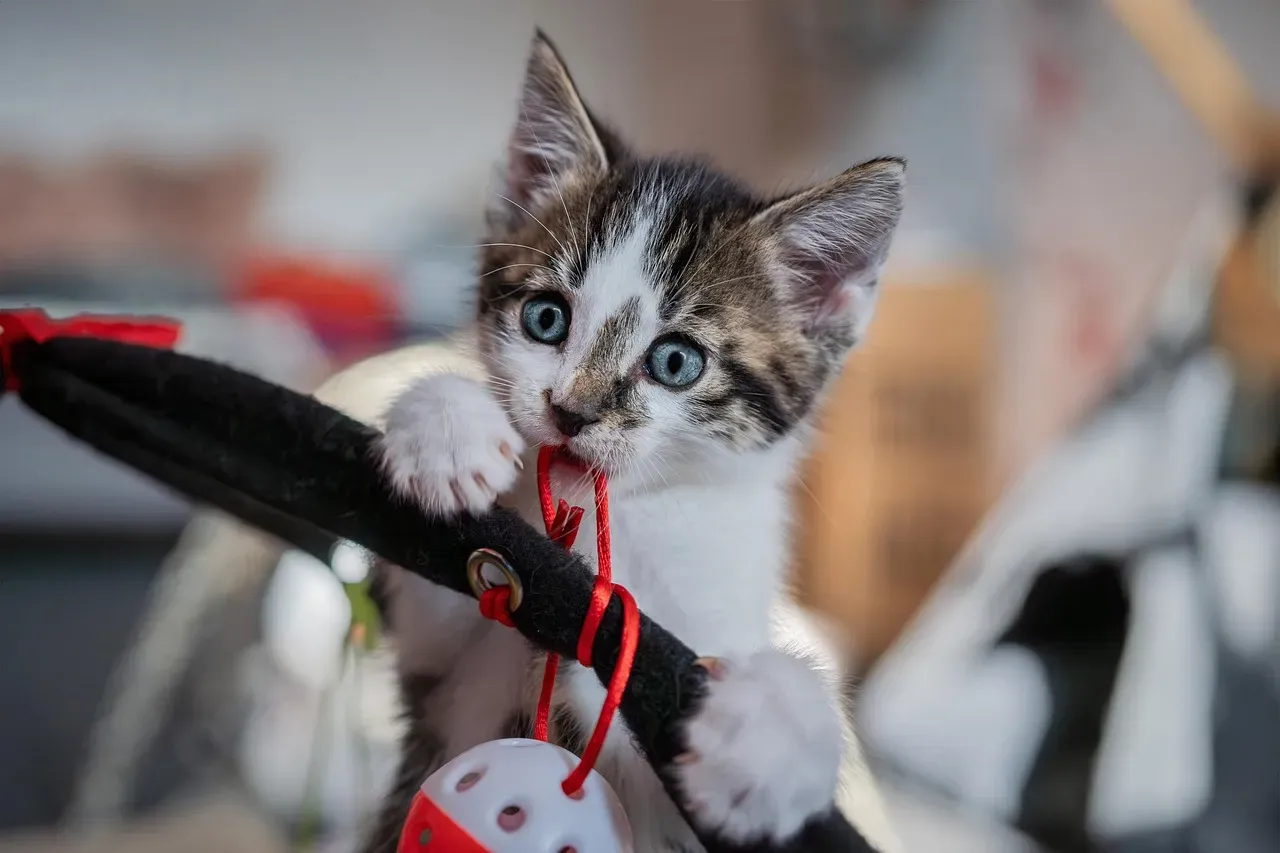
When kittens wrestle and chase each other, they’re not just being adorable. Through their little games, kittens develop their coordination and learn how to stalk a captured object and adjust their own speed to its moving speed. They stalk, ambush and chase other kittens and learn the fundamentals of hunting together. Every pounce, every swat, every ambush is training.
Killing may not be instinctual, but all cats are hard-wired to chase and hunt. These behaviors begin with play, so kittens can hone their technical skills to chase and hunt. So when your cat attacks your ankles under the blanket? They’re sharpening skills their ancestors used for survival.
That Creepy Stalk and Pounce Sequence
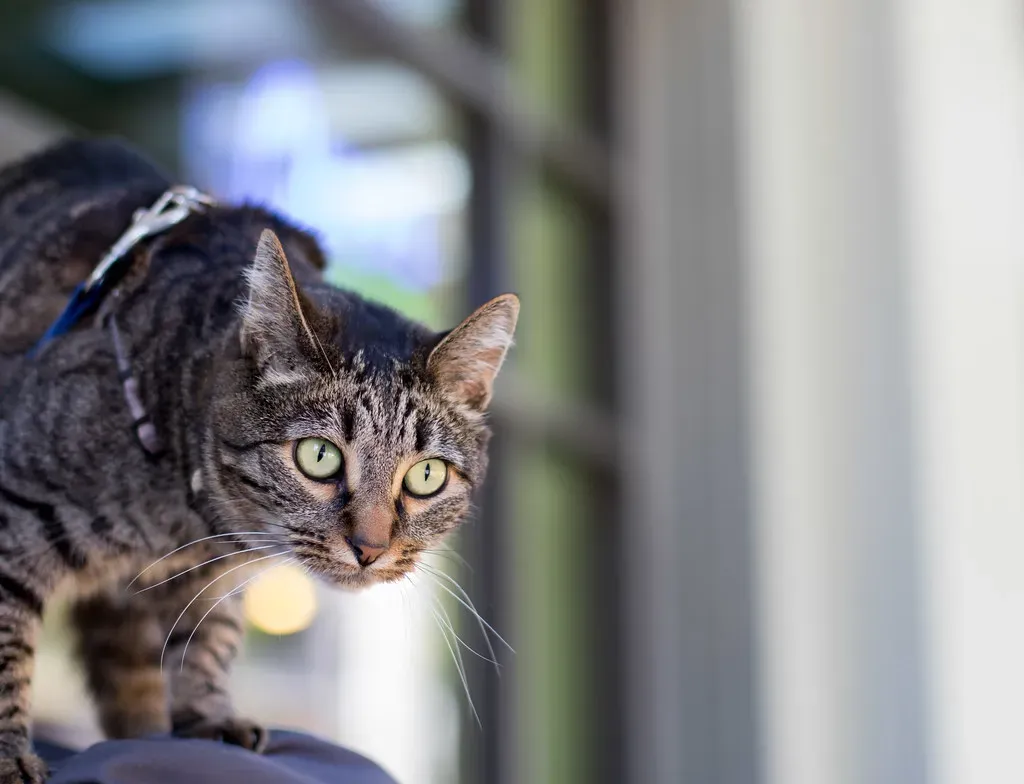
You’ve seen it unfold. The cat starts by scanning the environment and finding their prey. From there, they “stalk” the prey and try to come up behind it. Once they’re in position, they pounce and capture the prey. It’s almost robotic in its precision.
This sequence happens whether the target is a mouse, a toy, or your big toe wiggling under the covers. The pattern remains consistent because it’s programmed deep within them. It can happen in an instant when a stray fly buzzes by or after a long patient wait by a mole hole. This is the Eureka moment every cat hungers for. Even a dozing cat will suddenly perk up, their ears pointed forward and their entire body standing at attention.
Why Your Cat “Tortures” Their Toys
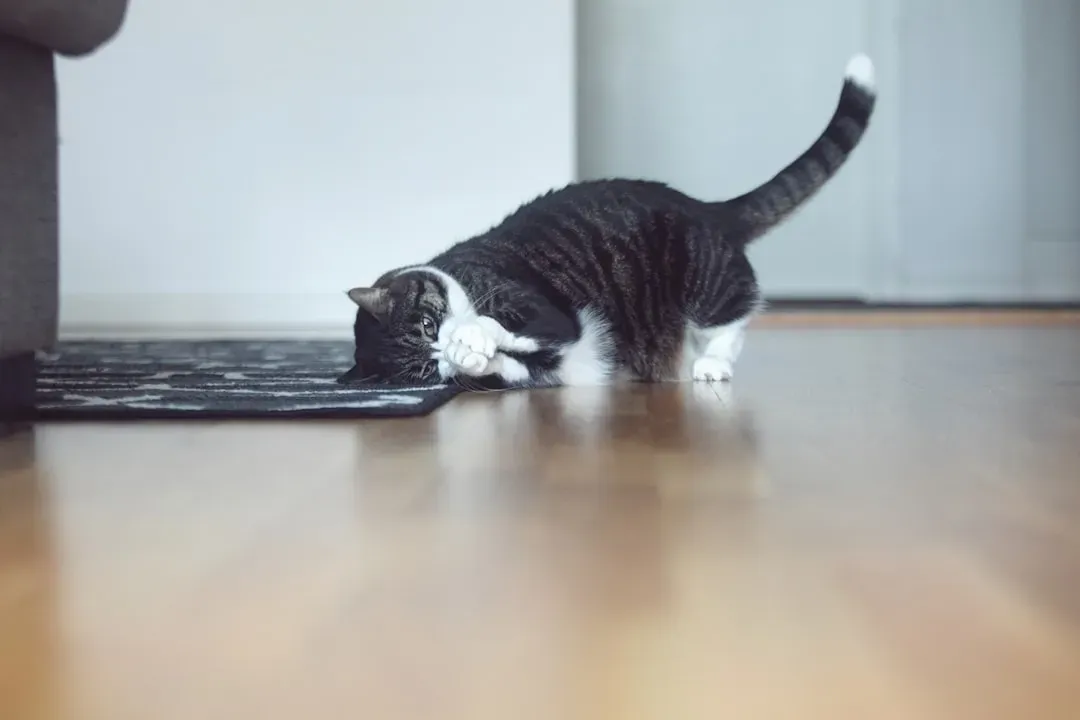
Ever watched your cat catch a toy mouse, release it, catch it again? Seems cruel, right? Actually, cats often indulge in a great deal of pouncing and tossing of prey into the air, allowing escape only to recapture small game. This isn’t inherent cruelty and serves a couple of purposes. “Playing” with the prey is a way for the cat to practice her skills and also tests just how dangerous that rat or snake might be.
It’s hard to say for sure, but this behavior probably helps them perfect their technique. The cat simply is doing their evolutionary right thing. The mouse is caught, let go, caught, let go until the correct position is achieved. They’re not sadistic – they’re methodical.
The Role of Mom in Creating Hunters
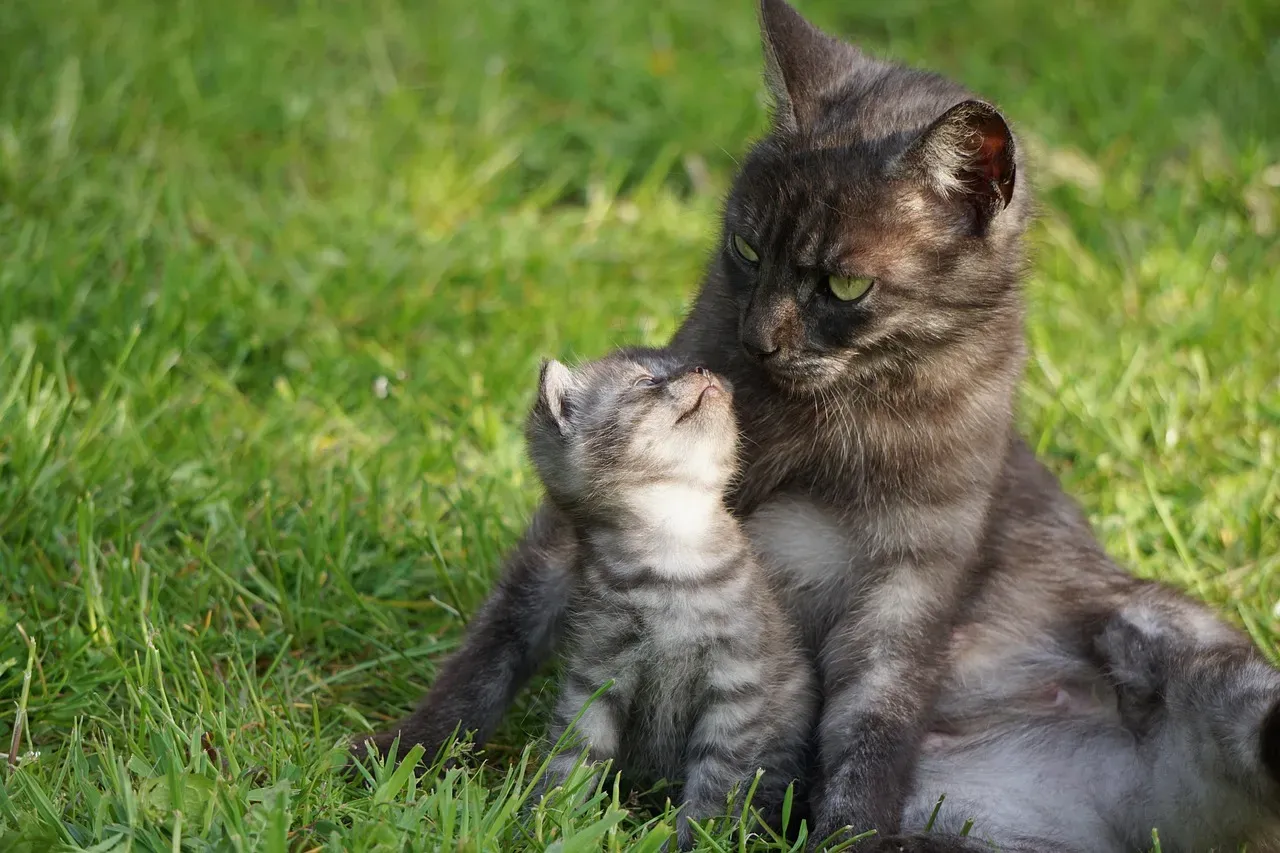
Mother cats are the original hunting instructors. Mother cats begin by presenting dead animals to their kittens early on. Many will trill and use sound to get the litter’s attention. Then they will consume their catch in front of the babies to show them what a good meal looks like. It’s a masterclass in survival.
The training escalates from there. The mother starts bringing partially dead prey to her kittens to give them an opportunity to practice their killing skills. After a while, once the kittens learn how to catch and kill, they can start accompanying their mother in her hunts. Without this education, many house cats can catch but never actually kill or eat prey.
Creating a Hunting Playground Indoors

Your indoor cat still needs that outlet. Cats engage in three to ten hours a day of typical hunting behavior (locating prey, lying in wait, pouncing, killing), and this should be borne in mind when keeping domestic cats. That’s a significant chunk of time your cat needs to satisfy those urges.
The solution? Use toys that resemble “prey” like toy mice or feather wands that resemble birds. Try hiding food in different parts of your home to encourage your cat to “hunt” it out. Else, try puzzle feeders to challenge your cat as they “work” to get their food. Making them earn their meals mimics the natural hunting cycle.
Movement Is Everything
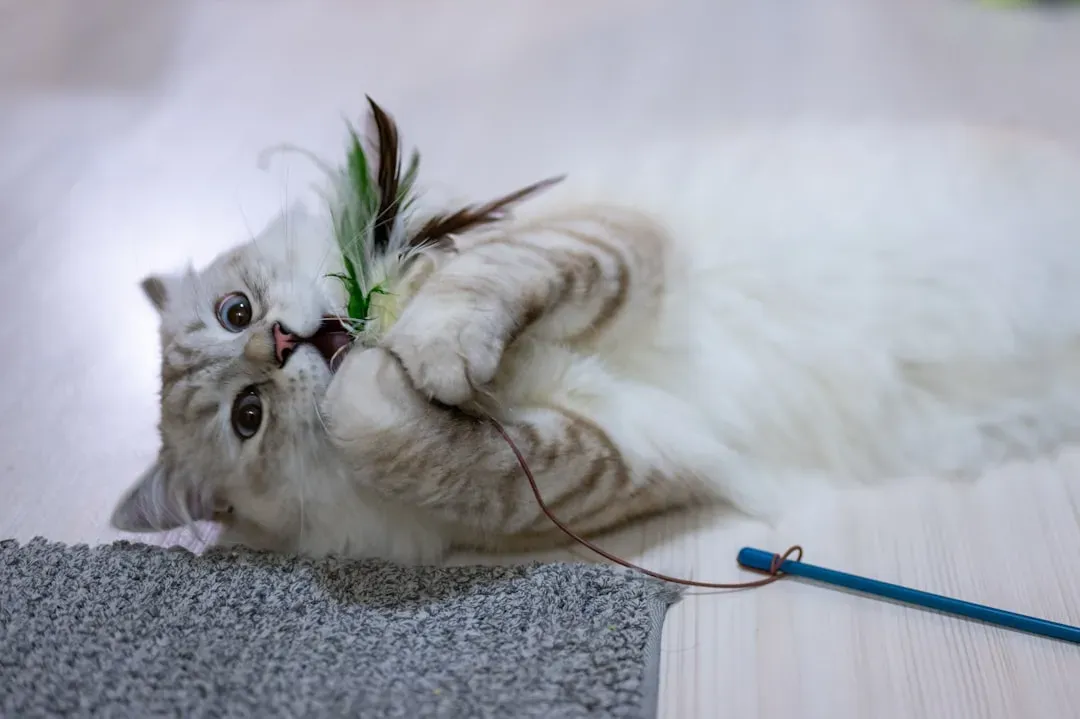
Here’s the thing about cat toys: static objects don’t cut it. If the prey plays dead, the predatory sequence sputters to a stop and is only re-ignited with movement. This is why we might see a cat pawing at a dead mouse or even flipping it in the air. Movement is a key part when play hunting with a cat.
A toy must move in order to garner your cat’s attention. Balls that roll, stuffed animals with sounds, moving feathers, toys in tunnels, laser lights, straws and other engaging toys help tap into their natural and basic need to hunt, stalk and chase. If you’re just throwing a ball and expecting magic, you’re missing the point.
When Hunting Behavior Goes Wrong
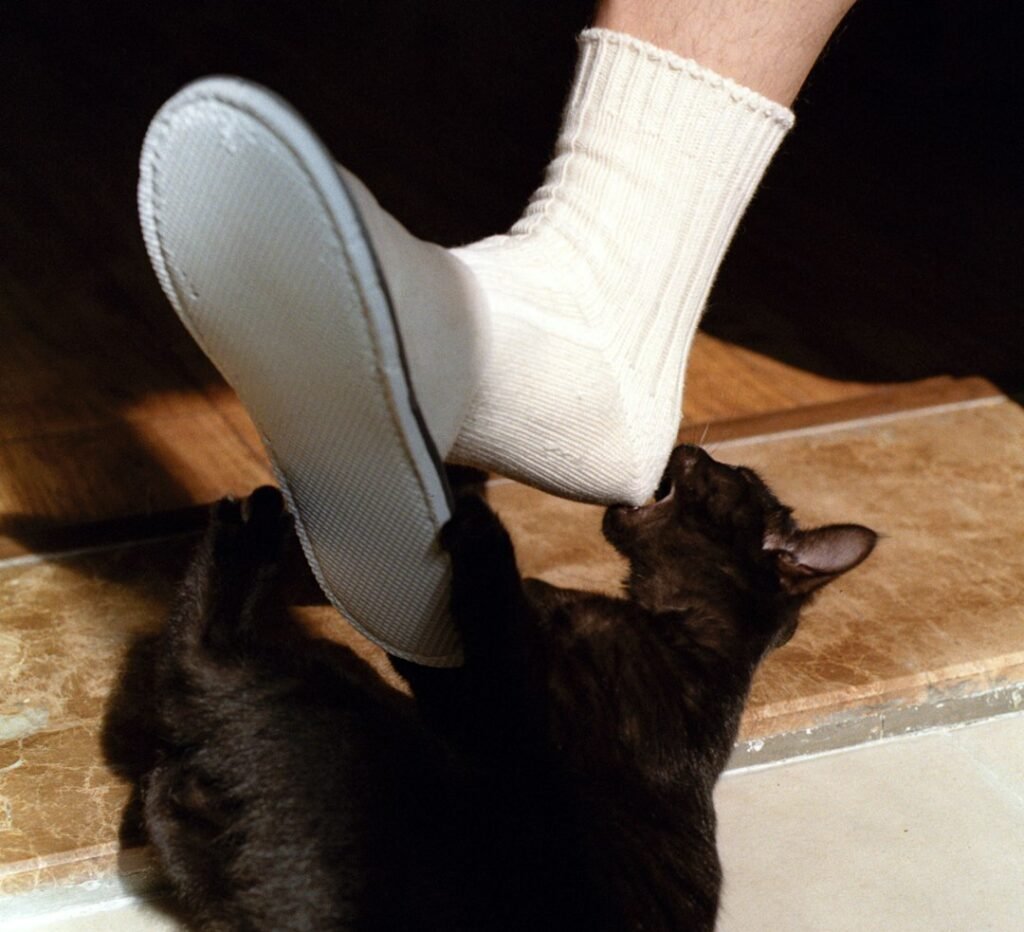
Sometimes your cat’s predatory instincts target you. This type of play is especially important for indoor cats as they’re not given the opportunities to hunt naturally, which may cause problems in your home such as biting or pouncing on your feet or being destructive. It’s not aggression – it’s misdirected hunting drive.
With no real prey to hunt, your cat will still need to express this natural behavior. The result is cats who pretend that people are prey. They play-attack wiggling toes and fingers. They chase imaginary prey up and down the drapes, across table tops and wreck havoc in the process. The answer isn’t punishment but redirection.
Conclusion: Honoring the Hunter Within
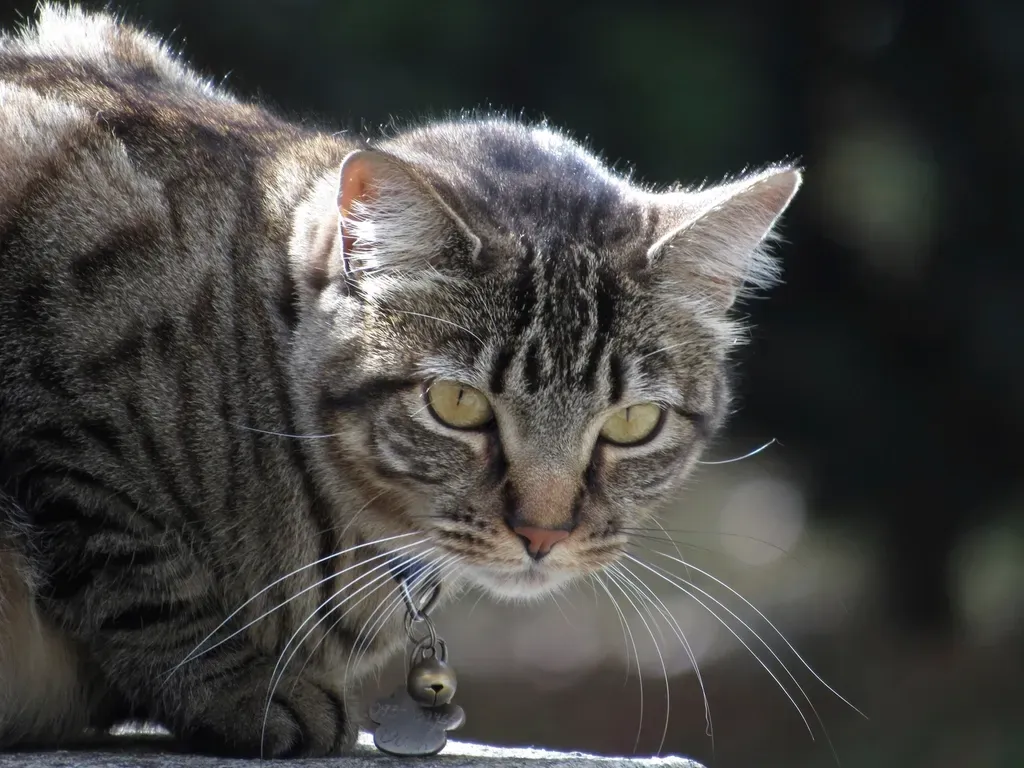
Your cat may never catch a real mouse. They might spend their entire life in climate-controlled comfort, feasting on premium kibble and napping on memory foam beds. Yet indoor cats, despite the lack of real prey, continue to exhibit these hunting behaviors, often substituting toys for prey. The drive to hunt is so potent that it largely remains unaffected by the comforts of domestic life.
Understanding this fundamental part of who your cat is changes everything. They’re not just being weird when they stalk invisible prey or attack your feet at three in the morning. They’re expressing millions of years of evolutionary programming, and honestly, that’s pretty incredible when you think about it.
What do you think – does your cat show their inner predator more at dawn and dusk? Tell us in the comments.