You’ve probably noticed it before. Your feline friend suddenly starts pushing their paws in and out on your lap, a blanket, or even your belly. It looks adorable, sometimes feels a bit painful, and leaves you wondering what on earth is going through their mind. This rhythmic motion, often called making biscuits, is one of those uniquely feline behaviors that seems almost hypnotic.
What’s really happening when your cat does this? Let’s be real, it’s not just random. The behavior actually tells you quite a bit about how your cat is feeling and what they’re trying to communicate. So let’s dive in.
The Milk Memory That Never Left
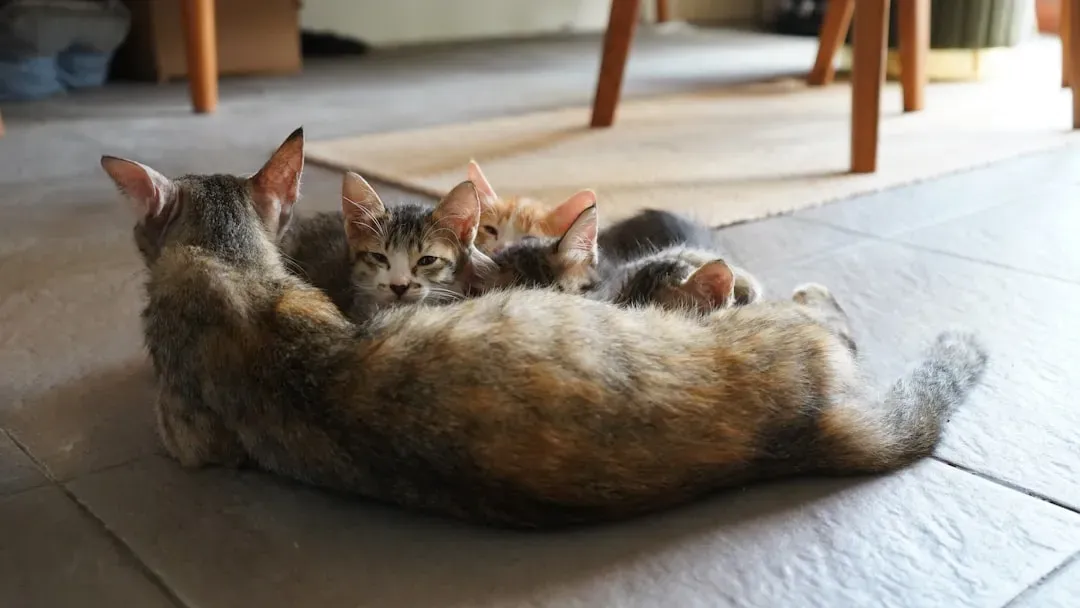
When your cat was just a tiny kitten, kneading served a very practical purpose: stimulating milk flow from their mother’s teats. The association with nursing and being surrounded by calming pheromones created a deep sense of contentment in young kittens. That memory doesn’t just disappear when they grow up.
Many cats continue this behavior into adulthood to recreate that same feeling of calm and relaxation. It’s almost like they’re reverting to a time when life was simple, safe, and wonderfully uncomplicated. Your lap becomes a stand-in for their mother’s belly, and that rhythmic motion brings them right back to those earliest moments of security.
It’s Actually a Compliment When They Knead You
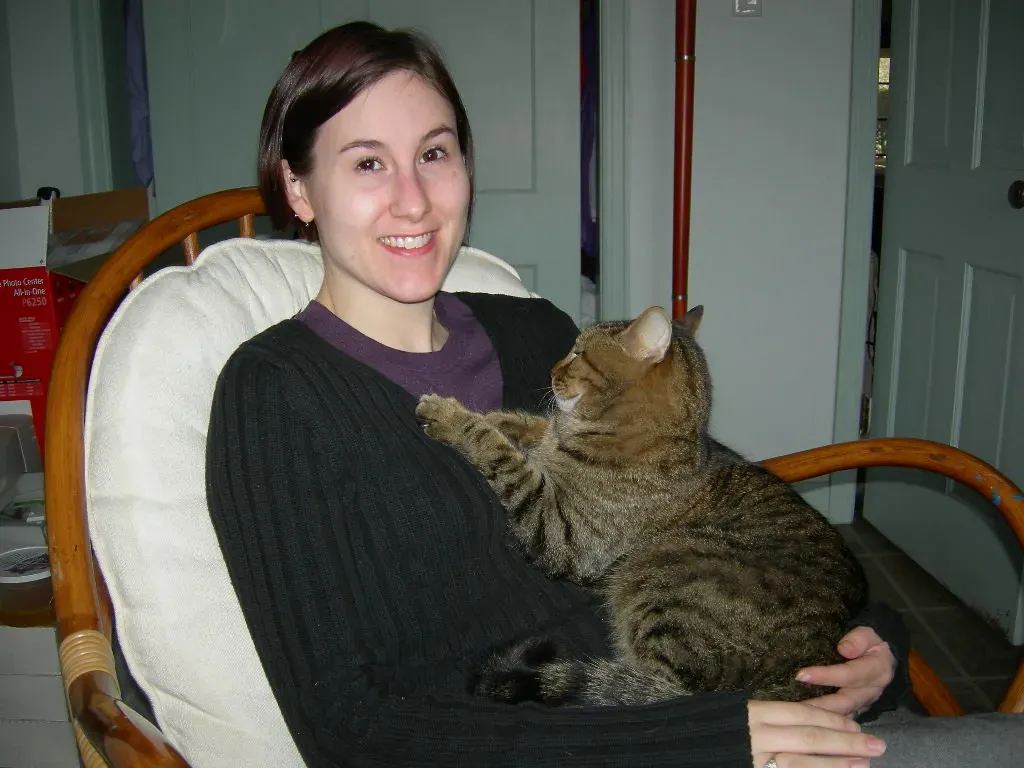
When your cat kneads you, it’s a sign of trust and affection, demonstrating that they feel safe and comfortable in your presence. Honestly, you should feel honored. This might be the most affectionate behavior cats can display, serving as a sign of trust and love, a show of their bond with you.
Think of it this way. Your cat isn’t kneading the delivery person at the door or the vet during checkups. They’re kneading you, in your home, when they’re relaxed. That selective behavior means something important. It’s their way of saying you’re part of their inner circle, that you’ve earned a special place in their world.
The Scent Glands Hidden in Their Paws
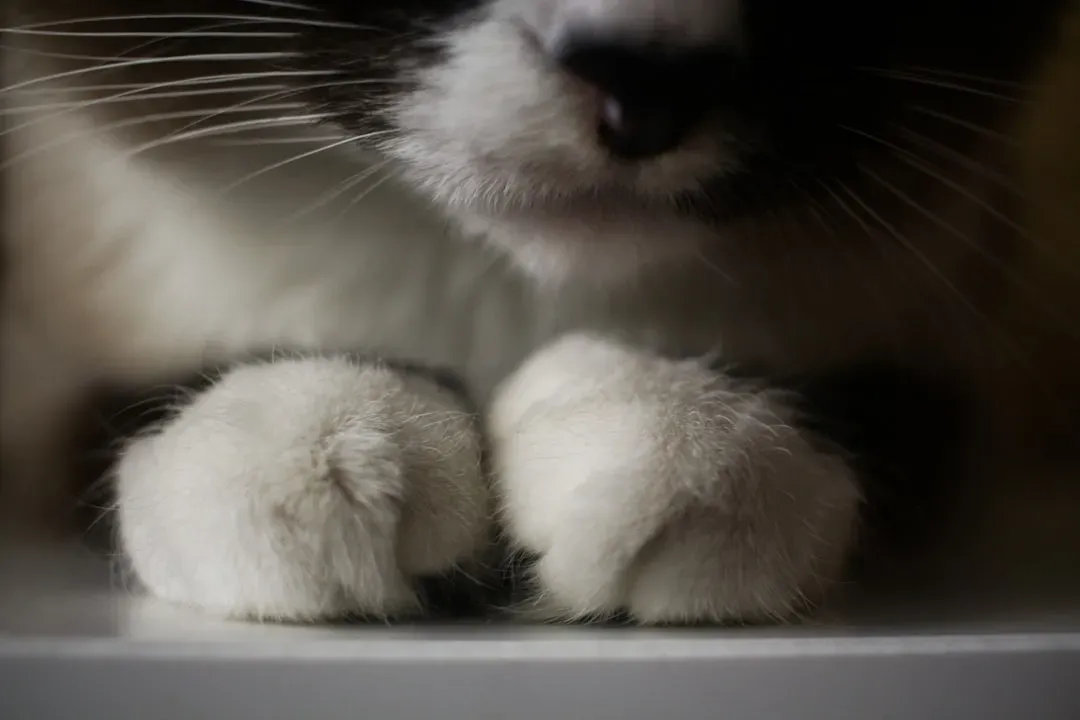
Cats have scent glands between their toes, and when they knead an object or person, their scent is deposited onto that surface, allowing them to mark their territory. Kneading deposits these scents onto surfaces in a subtle, instinctive way, reinforcing their sense of ownership and safety in their environment.
So while your cat might look blissfully peaceful making biscuits on your favorite sweater, they’re also quietly claiming it. They’re leaving behind an invisible message that says this space, this person, this blanket belongs to me. It’s territorial, sure, but it’s also deeply reassuring for them. They’re creating familiarity in their world, one paw press at a time.
Wild Ancestors Left Behind This Habit
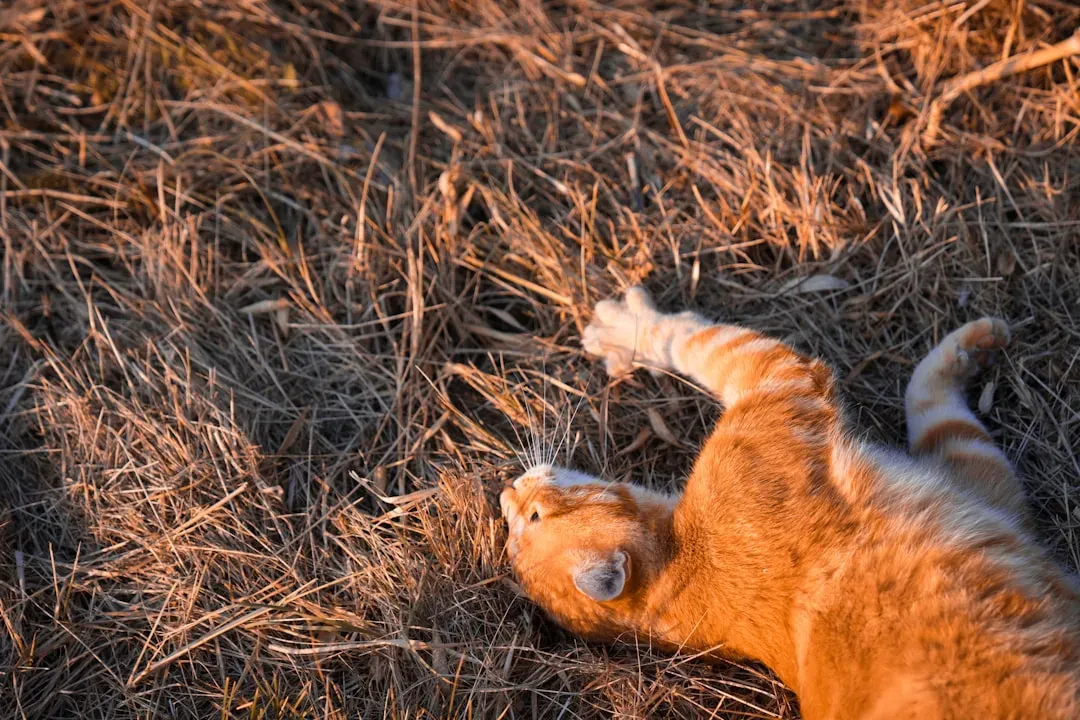
Kneading may have an origin going back to cats’ wild ancestors who had to tread down grass or foliage to make a temporary nest in which to rest. Wild feline species will sometimes knead soft grasses and other bedding materials in their natural habitats as they prepare for rest.
Even though your pampered house cat has never had to create a sleeping spot in tall savannah grass, the instinct remains. For domestic cats, this instinctual behavior persists, and kneading their bed or favorite sleeping spot helps create a cozy and secure space for rest. It’s kind of fascinating when you think about it. That plush cushion on your couch? Your cat’s brain still sees it as something that needs to be patted down and prepared, just like their ancestors did thousands of years ago.
Dopamine and the Feel-Good Factor
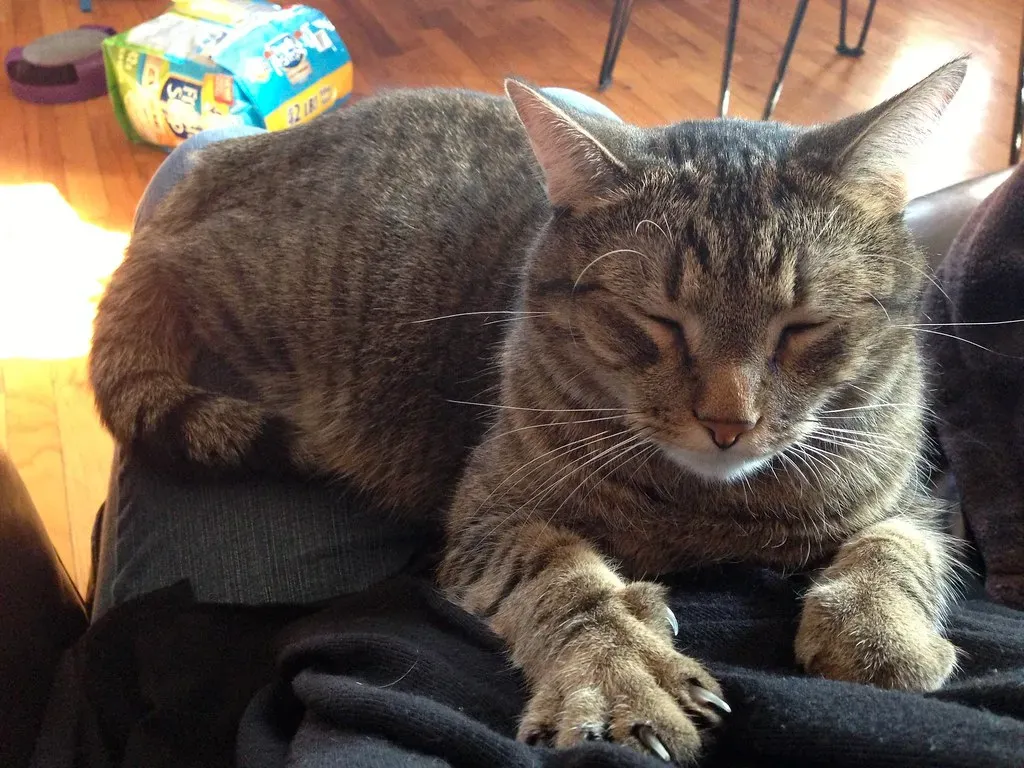
The action of kneading is thought to help release feel-good chemicals in the brain. This explains why cats sometimes look almost trance-like when they’re deep into their kneading session. They’re literally getting a natural high from the behavior.
Increased or excessive kneading can sometimes signal that your cat is uncomfortable or anxious, as they attempt to soothe themselves. It’s their self-medication, if you will. So while moderate kneading is perfectly normal and healthy, a sudden increase might be worth paying attention to. Context matters.
Not All Cats Knead the Same Way

While most cats make the same rhythmic motion with their front paws, they don’t all do it identically: some accompany the action with a loud purr, some with a soft purr, and others with silence; some extend their claws while others do not.
You might have one cat who kneads gently and silently, while another practically attacks your lap with enthusiastic paw presses and loud purring. How a cat kneads is a reflection of their unique character. Just like people have different ways of showing affection, cats do too. Some are subtle, others are loud and proud about it.
When Kneading Comes with Blanket Sucking
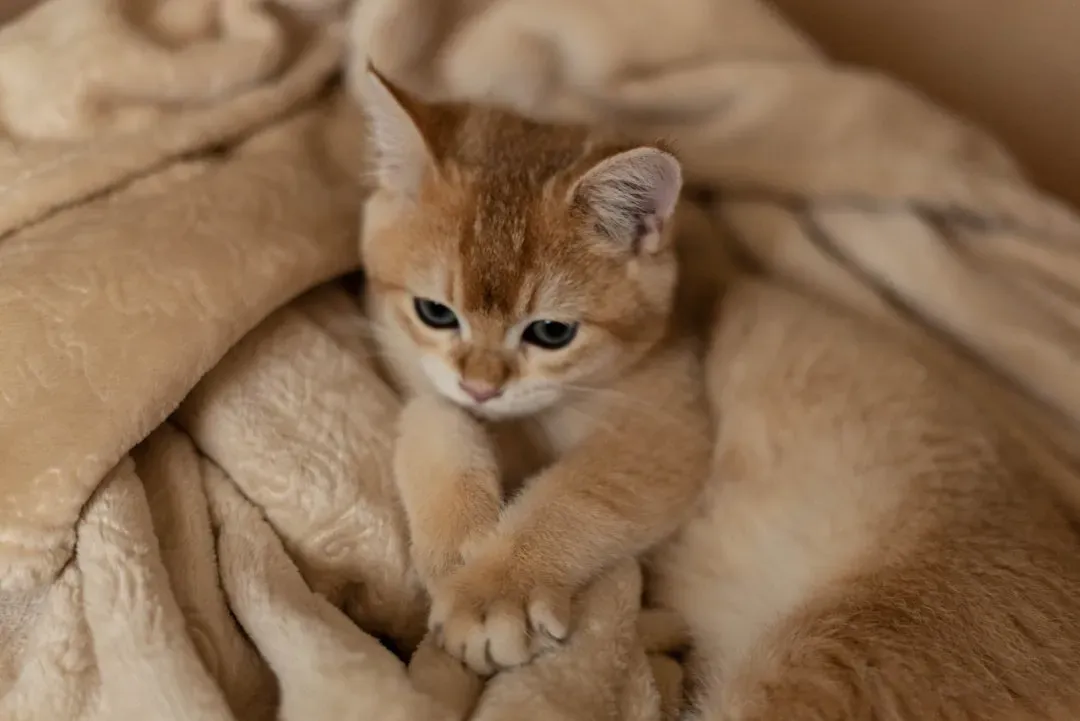
Many cats will bite or suckle at the blanket while kneading, sometimes accompanied by purring or drooling. Some believe this happens to kittens that were separated from their mothers too young or were hand-fed bottle babies; another theory is that, like a toddler sucking their thumb, it’s a source of needed comfort.
This behavior is common in adult cats of both sexes and doesn’t appear to be associated with early weaning or abrupt separation from the mother cat; it has also been seen in bottle-fed kittens, showing it’s a true instinctual behavior. So if your cat does this, it’s not necessarily a sign something went wrong in their early life. It might just be their particular way of finding comfort.
The Connection Between Kneading and Purring
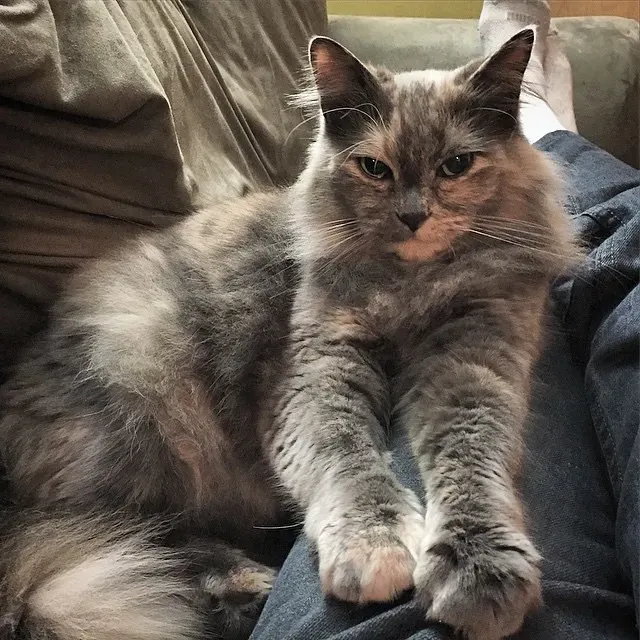
Many cats purr while kneading, and they also purr mostly when newborn, when feeding, or when trying to feed on their mother’s teat; the common association between the two behaviors may indicate the origin of kneading as a remnant instinct. These two behaviors are deeply intertwined in your cat’s emotional vocabulary.
When your cat is both purring and kneading on you, they’re essentially telling you they’re in their happy place. It’s the feline equivalent of a contented sigh. That dual signal means they’re not just comfortable, they’re deeply relaxed and feeling emotionally secure in that moment with you.
What to Do About Those Sharp Claws
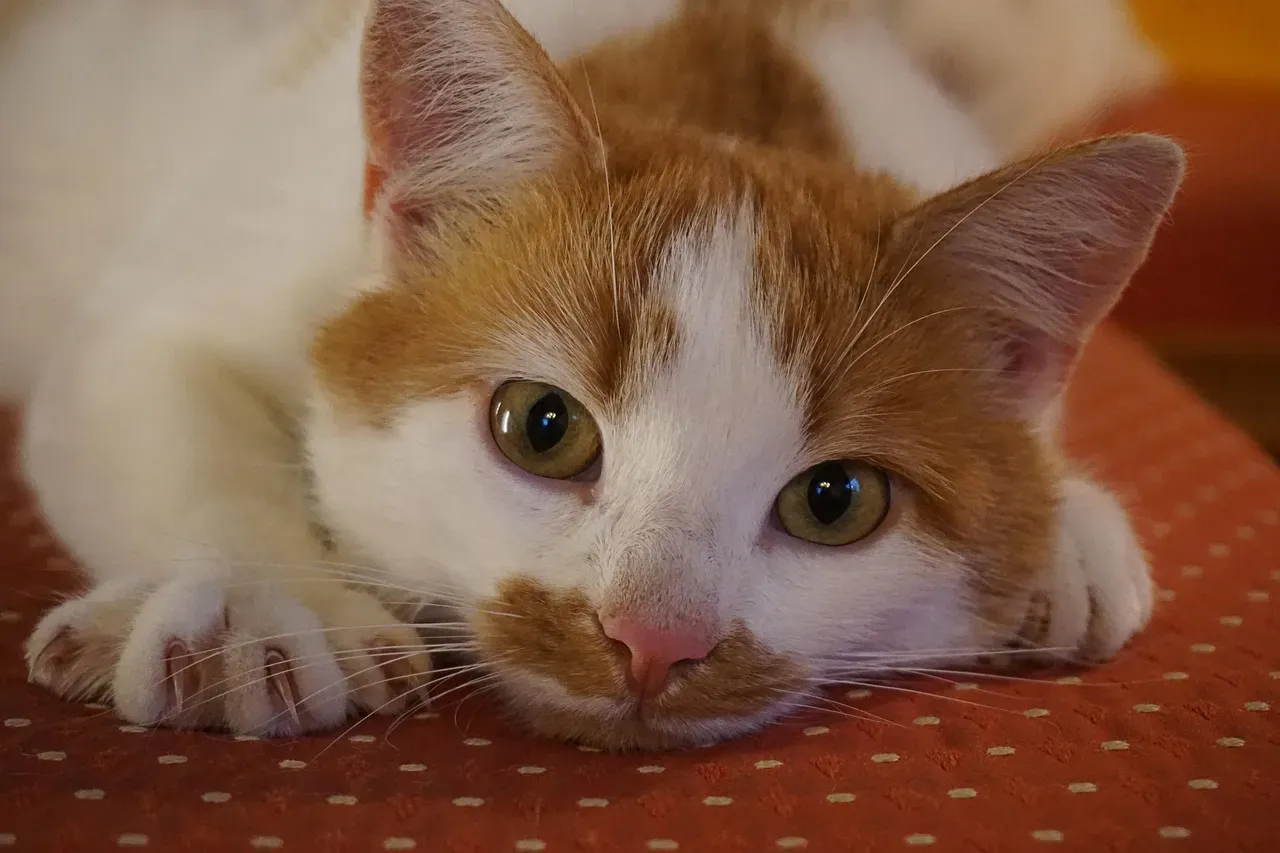
Here’s the thing nobody talks about enough: kneading can hurt. It helps to keep your cat’s nails trimmed because the kneading action can sometimes be painful, though your sweet and innocent fur baby doesn’t know this.
Consider placing a soft blanket on your lap to make it more comfortable for both of you, especially if their claws are extended. Keep the cat’s nails trimmed so that when they extend their claws while kneading, people won’t be scratched, furniture won’t be snagged, and cats won’t get their claws stuck; for people who don’t want to be kneaded, redirect the cat to a designated spot with a blanket or towel for this purpose. Never punish your cat for kneading. It’s an instinctual behavior they need to express.
When Kneading Might Signal Something More
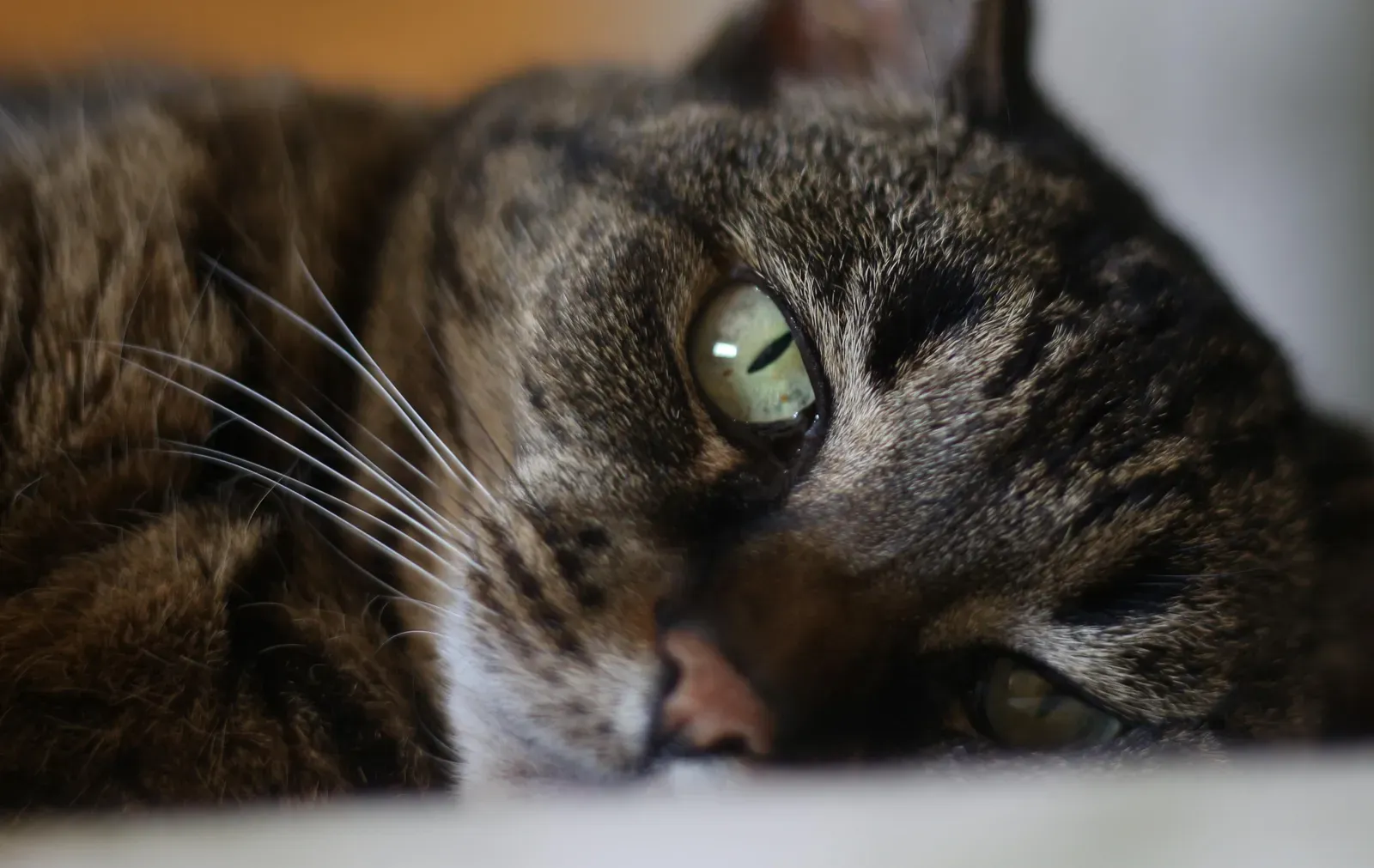
If your cat kneads excessively or suddenly kneads less than usual, it could mean they don’t feel well; cats who feel stressed or are experiencing pain may knead to soothe themselves. Cats that knead less than usual may be feeling unwell, while cats that knead more than usual might be feeling anxious or stressed.
Most of the time, kneading is perfectly harmless and even beneficial for your cat. Yet if you notice a dramatic shift in the frequency or intensity of the behavior, it’s worth checking in with your veterinarian. If you notice a significant change in your feline friend’s behavior, schedule a visit with your veterinarian to rule out a medical or behavioral problem. Better to be safe than sorry when it comes to your furry companion’s wellbeing.
Conclusion
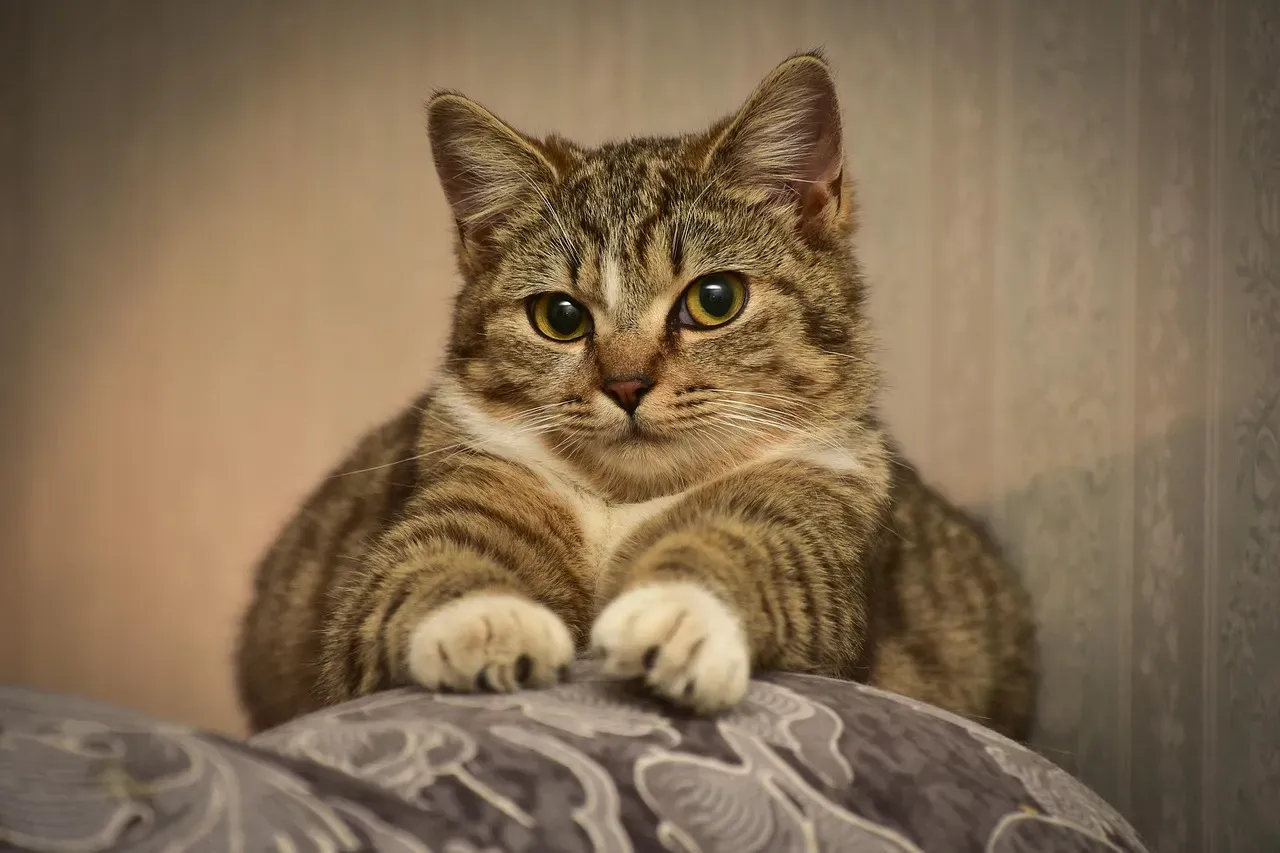
Feline experts agree that kneading is completely normal, and allowing your cat to express their instinctual behaviors in a healthy and non-destructive way can help keep them happy and content. That rhythmic paw pressing isn’t just cute, it’s a window into your cat’s emotional state and their bond with you.
The next time your cat settles onto your lap and starts making biscuits, remember what’s really happening. They’re telling you a story about trust, comfort, and ancient instincts that still run deep. They’re marking you as theirs, recreating kittenhood feelings of safety, and maybe even giving themselves a little dopamine boost in the process. What do you think about this cozy behavior now? Share your own kneading stories in the comments.