You are sitting on the couch, minding your own business, when your cat climbs onto your lap and starts rhythmically pressing those tiny paws into your thighs like a miniature bread maker. It kind of hurts, honestly. Yet something about it feels undeniably sweet. That little ritual your cat performs has a name, a history, and a whole world of emotional meaning packed into it.
Cat kneading, playfully nicknamed “making biscuits,” is one of the most fascinating and misunderstood behaviors in the entire feline world. Most people just assume their cat is being weird. In reality, your cat is telling you something deeply personal. Let’s dive in and find out what.
What Exactly Is Cat Kneading?
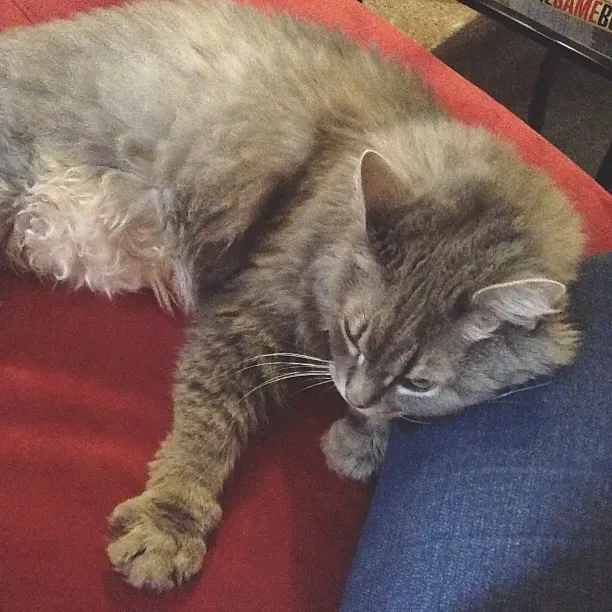
Kneading is a behavior frequently observed in domestic cats where, when a cat feels at ease, it may push out and pull in its front paws against a surface such as furniture or carpet, or against another pet or human, often alternating between right and left limbs. Think of it like your cat performing a slow, methodical massage on whatever soft surface happens to be nearby. It looks almost meditative, and in a way, it truly is.
Most cats will knead, but not all will do it in the same way. Where the motion of their paws usually remains the same, the accompanying actions may differ. Some will purr really loudly, where others may do it quietly, others may do it with just their front paws, whereas some will put their all into it and use all four. So if your cat’s version looks a little different from your friend’s cat, that’s totally normal. Every cat has their own style, just like people have their own way of getting comfortable.
It All Starts in Kittenhood
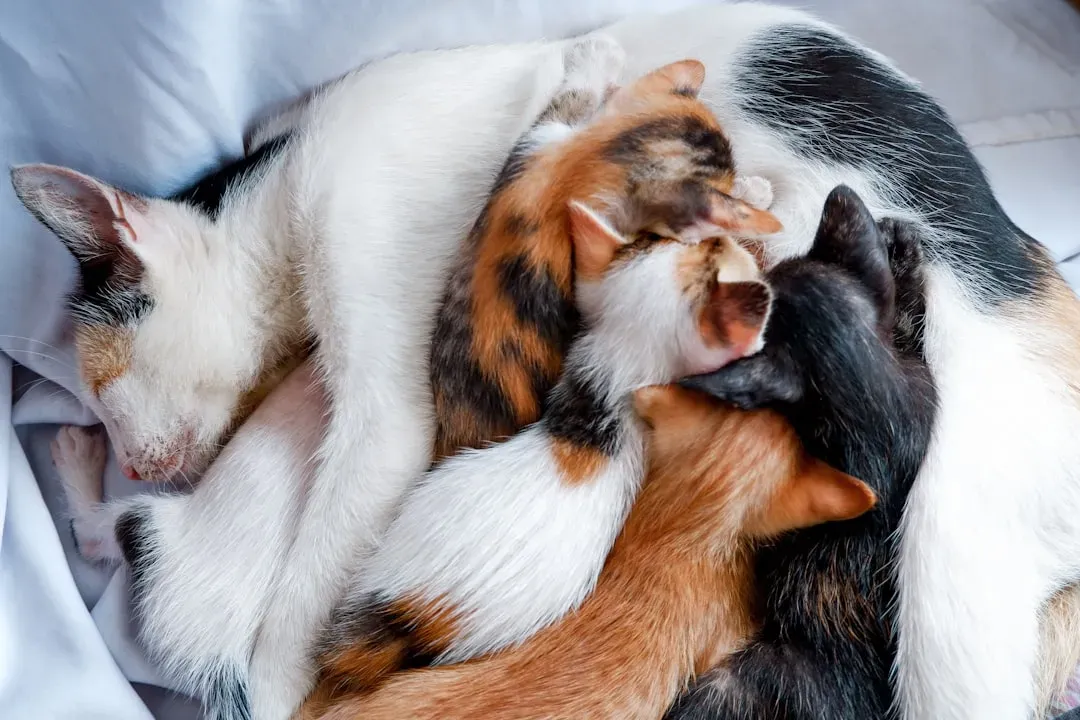
Cat kneading starts from the day they’re born. Kittens instinctively knead their mothers’ mammary glands to help stimulate milk flow and production when feeding. It is one of the very first coordinated physical behaviors a kitten ever performs. That is pretty remarkable when you think about it. Before they can even fully see the world, they are already “making biscuits.”
As cats grow into adults, the kneading behavior often persists, acting as a reminder of their kittenhood and the secure feeling they associated with nursing. It is essentially your cat reaching back into their earliest memories of warmth, nourishment, and safety. When they knead on you, you have become that memory. That is honestly one of the most touching things about the whole behavior.
The Feel-Good Chemistry Behind the Behavior
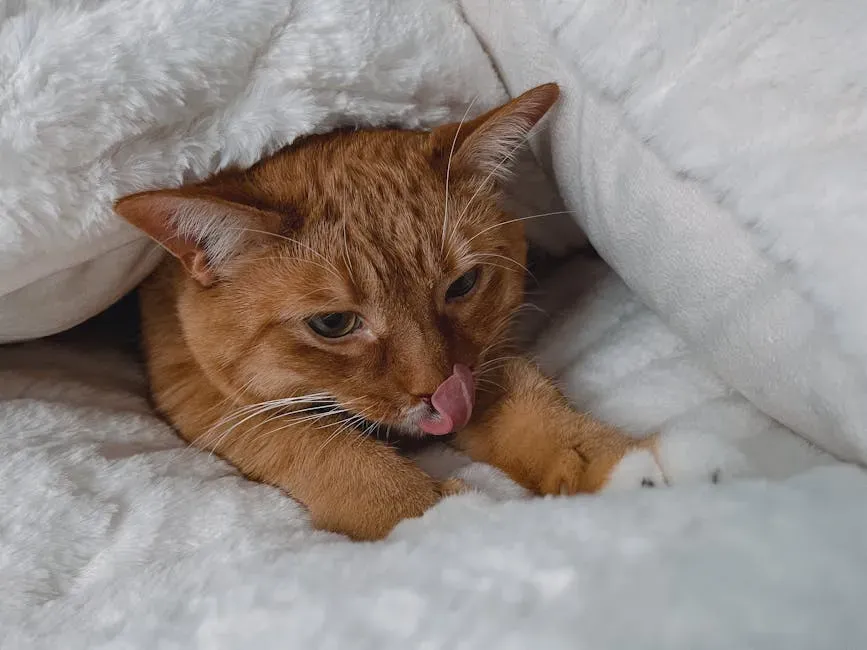
Kneading in cats triggers the release of dopamine, a neurotransmitter associated with pleasure and reward. This behavior, often beginning in kittenhood, is instinctive and tied to the comfort of nursing. So when your cat is kneading on your lap with that faraway look in their eyes, they are genuinely getting a little chemical rush of joy. It is their version of a relaxing bath or a long walk after a stressful day.
Cat kneading triggers the release of endorphins, which are natural mood-enhancers. This means that when your cat kneads, it is also experiencing a pleasurable sensation. Here’s the thing – knowing that your cat is literally flooding their brain with feel-good chemicals while sitting on you? That is the kind of information that makes those sharp little claws entirely worth it.
Kneading Is Your Cat’s Way of Saying “I Love You”
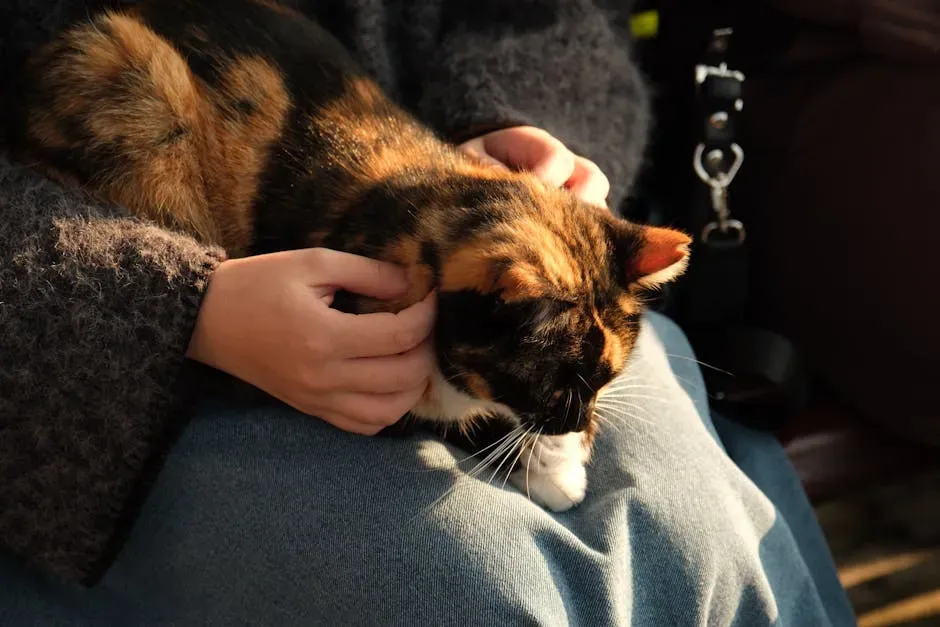
When a cat kneads their owner, it can be a sign of trust and affection. This behaviour demonstrates that the cat feels safe and comfortable in the presence of their human companion. Cats are not exactly known for their expressiveness the way dogs are. They do not wag their tails or jump up to greet you at the door. So when a cat kneads you, take it seriously. It is a big deal in cat language.
If your cat kneads you, it means they trust you. So, instead of brushing it off or getting annoyed, take it as a loving gesture from them. Accept the kneading and let your cat do what it needs to do to feel safe and comforted. Think of it like a hug that comes with tiny claw punctures. The love is real, even if the technique needs a little refinement.
The Ancient Nesting Instinct That Never Went Away

One theory for cats kneading is that it’s a cat behaviour that’s been passed down from their wild ancestors. Wild cats will paw at piles of leaves or tall grass to create a nest for themselves and their young to relax and sleep in. By doing this to the ground they’re not only creating a soft nest, but they’re also checking for predators, prey or dangerous things hidden in the foliage. So what looks like casual biscuit-making on your couch cushion is actually an echo of survival instincts stretching back thousands of years. Pretty wild, right?
Before cats were domesticated, their wild ancestors would knead or press down on tall grass or leaves to create a safe, comfortable nest for sleeping or giving birth. This behavior can still be seen in modern-day cats, especially before they settle down for a nap. Even though our cats now sleep on comfy pillows and beds, the instinct to “prepare” a resting spot remains. Your cat’s brain has simply never gotten the memo that the grass has been replaced by your favorite fleece blanket.
Territory Marking Hidden in Plain Sight
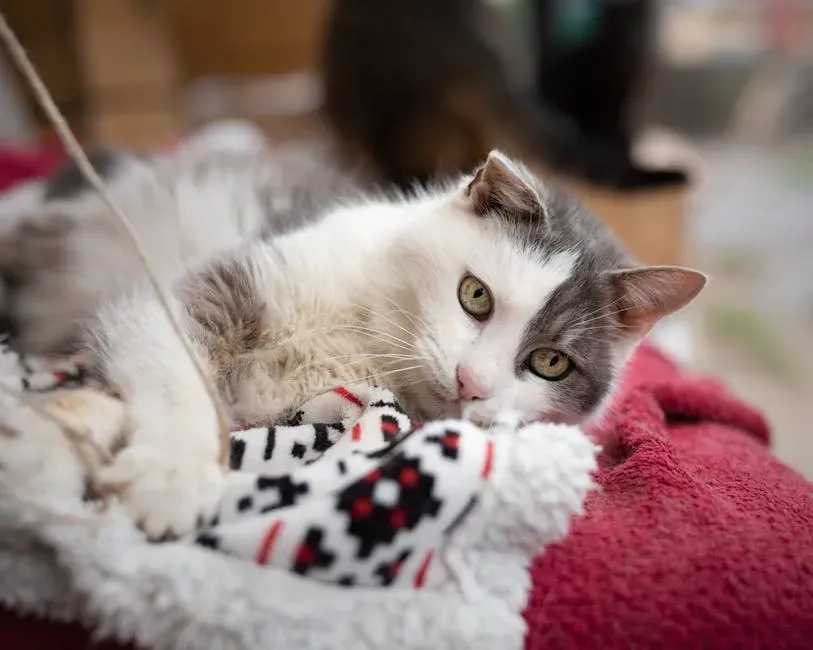
Cats have scent glands located in the smooth pads of their paws, and by kneading, they release pheromones onto the surface they’re pressing against. These pheromones function as an aroma marker, letting other cats know that the area is claimed and helping create a sense of familiarity and security for the kneading cat. So yes, when your cat kneads your lap, they are also quietly stamping you with their personal scent signature. You are, in the most literal sense, claimed property.
When your kitty kneads, they’re also leaving behind a faint scent that signals ownership. If your feline overlord is kneading your favorite blanket – or you – it’s their way of claiming it as their own. I know it sounds a little possessive, but honestly? There is something incredibly flattering about being chosen as a territory worth protecting. Your cat thinks you are worth keeping.
When Kneading Signals Stress Instead of Joy
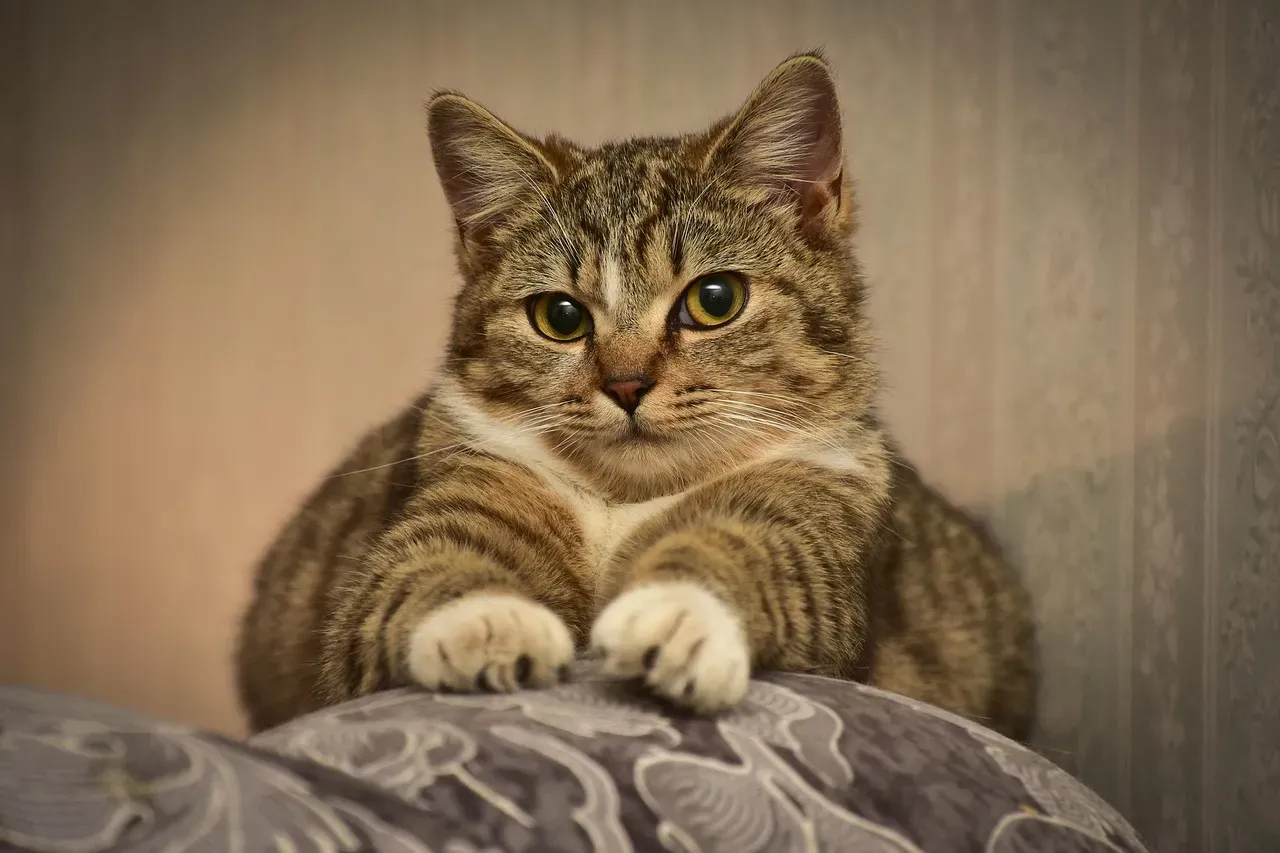
Some cats knead when they’re anxious or seeking comfort. It’s the same instinct that soothed them as kittens during nursing. If your feline pal starts kneading during stressful times, like a move or new household pet, it might be their version of a stress-relief technique. So kneading is not always purely about happiness. Sometimes it is the cat equivalent of nervous nail-biting or stress-eating. Context matters a lot here.
Increased or excessive kneading can be a sign that your cat is uncomfortable or anxious, and his kneading could be an attempt to soothe himself. This release of dopamine also motivates your cat to continue kneading to receive additional bursts of the hormone, so excessive kneading can be a sign of a compulsive behavioral disorder. If you notice your cat kneading far more than usual with no obvious trigger, it is worth a chat with your vet. It is hard to say for sure without context, but sudden behavioral changes always deserve a closer look.
How to Respond When Your Cat Kneads You
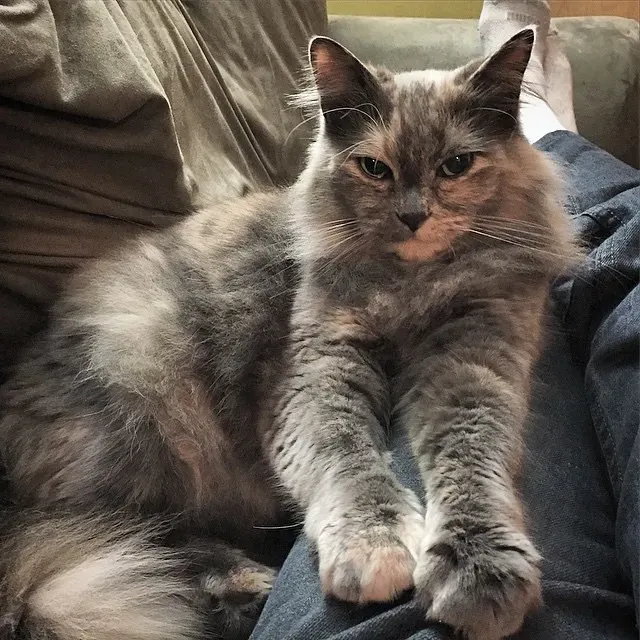
Feline experts agree that kneading is completely normal. Allowing your cat to express their instinctual behaviors in a healthy and non-destructive way can help keep them happy and content. The worst thing you can do is punish your cat for it. That rhythmic pawing is not misbehavior. It is communication, and shutting it down harshly sends entirely the wrong message to an animal that is simply trying to express love.
Nail trimming is a good routine to keep in mind when talking about cat hygiene and your furniture. Well-maintained nails help cats knead properly without hurting you or your things. You can do this every two to four weeks, or when the nails get too long. Beyond trimming, you can choose a thick, plush blanket and designate it as your cat’s kneading surface. When you see your cat kneading something you don’t want destroyed, try to attract their attention to the blanket or use a toy to redirect the behavior to something appropriate. Small adjustments like these let your cat express their love without turning your lap into a pincushion.
Conclusion
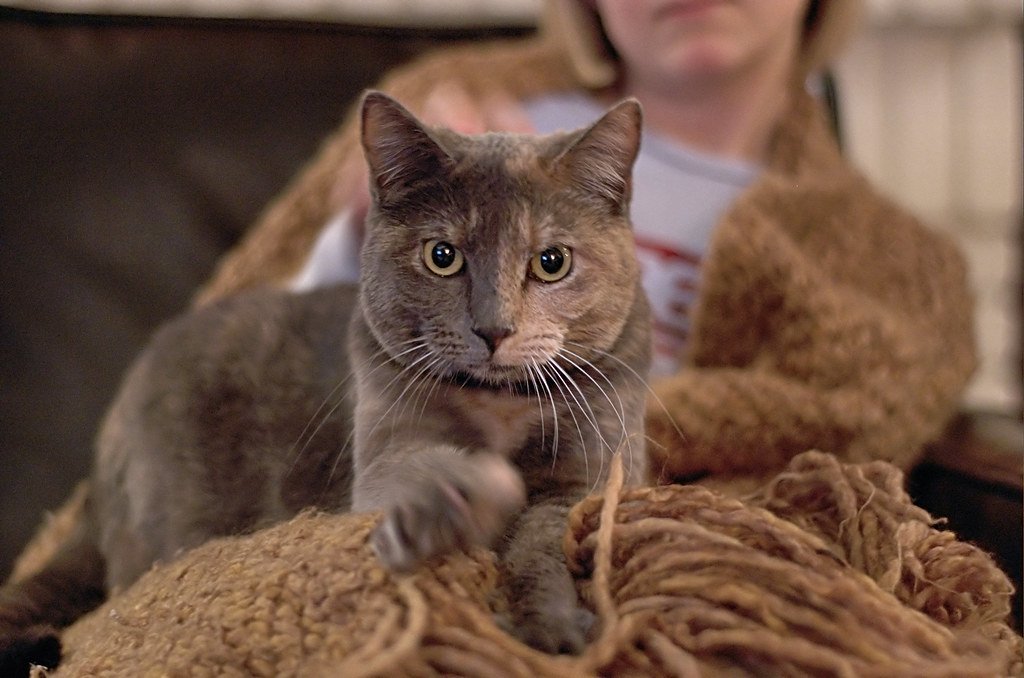
There is something genuinely beautiful about the fact that a behavior born in the very first days of life, when a kitten is blind, tiny, and entirely dependent on its mother, never fully leaves a cat. It transforms. It grows. It becomes a language directed at you, the person they have chosen to trust with their whole soft little heart.
Your cat’s kneading is not random, not strange, and definitely not something to discourage. It is one of the most honest and unguarded things your cat will ever do in your presence. The next time those little paws start working away on your lap, take a breath and just sit with it. You have been chosen. You are their safe place.
So here is something worth thinking about: when did you last slow down enough to notice what your cat was actually trying to tell you?