There is something quietly extraordinary happening every single morning in your home. Before your coffee brews, before you’ve even fully opened your eyes, your cat has already launched into a deeply instinctive sequence of behaviors that tells a rich story about their emotions, their health, and their bond with you.
Most people notice the yawning and the nudging and the loud meowing near the food bowl and chalk it all up to simple neediness. Honestly? It’s so much more than that. Every paw-tap, every stretch, every grooming session carries meaning that goes back thousands of years. Let’s dive in.
The Ancient Alarm Clock: Why Your Cat Wakes Up at Dawn
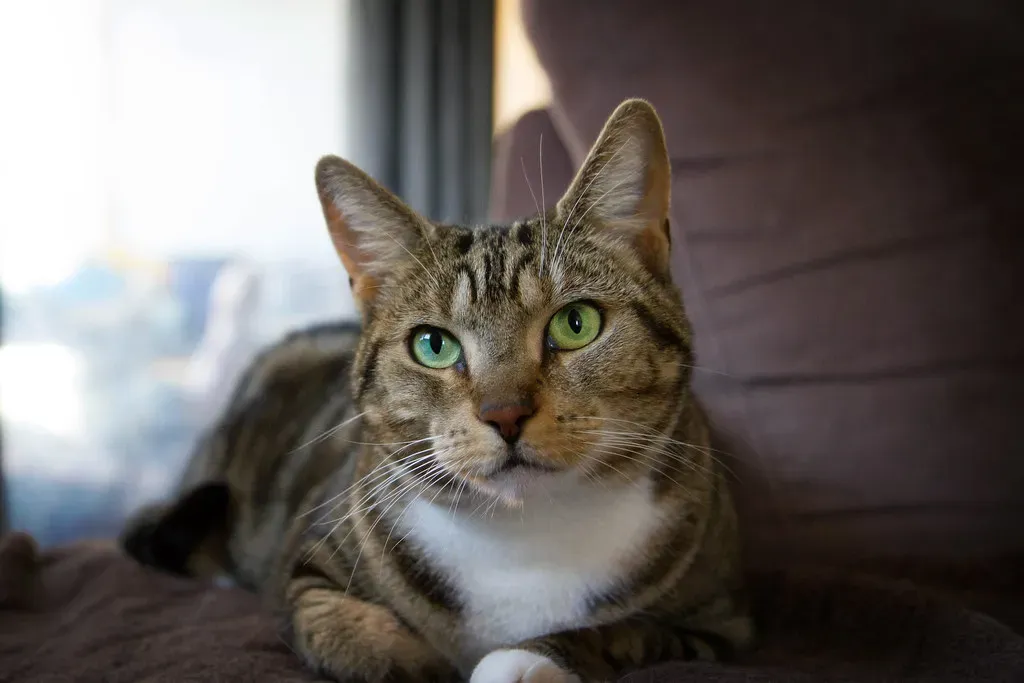
You’ve probably noticed that your cat doesn’t really care about your sleep schedule. Cats are crepuscular animals, meaning they are naturally most active during dawn and dusk. This evolutionary trait explains why your cat may be particularly energetic and social when you are just opening your eyes. Think of it like trying to convince a lifelong morning person to sleep until noon. It’s simply not in their biology.
Cats possess a complex biological clock system, known as the circadian rhythm, which operates on roughly 24-hour cycles. This internal timekeeper regulates everything from sleep patterns to hormone production, helping cats maintain consistent daily routines even without external time cues. The feline circadian rhythm is primarily influenced by natural light cycles, which explains why cats are most active during dawn and dusk. So when your cat wakes you up at 5:47 a.m. for the third day in a row, it’s not random. It’s ancient, precision-calibrated biology at work.
Your Cat’s Internal Clock Is Frighteningly Accurate
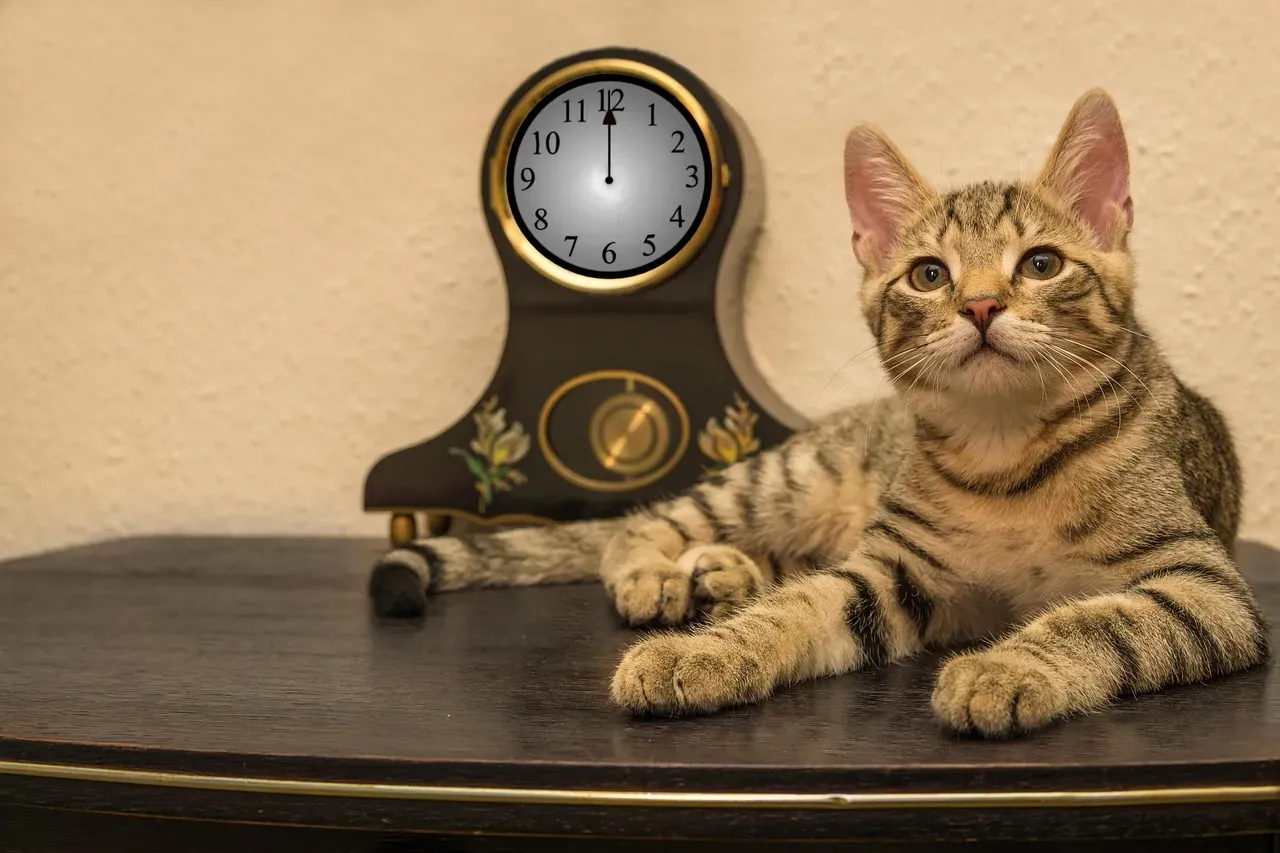
If you own a cat, you know that they have an amazing sense of time, especially when they wake you up every morning at the same hour and practically the same minute to demand that you make their breakfast. Without access to alarms and timers, how is it that cats seem to know precisely what time it is every day? It’s the kind of thing that makes you wonder who is actually in charge in your household.
Apart from their internal clocks and routines, cats also rely on environmental cues to gauge the time. Changes in lighting, temperature, and sounds can provide cats with hints about the time of day. For example, the sound of birds chirping in the morning might signal to a cat that it’s time to wake up. These external factors serve as indicators that help cats align their internal clocks with the external world. Your cat is essentially reading the world around them like a living, breathing clock face.
The Big Yawn: It’s Not Just Tiredness
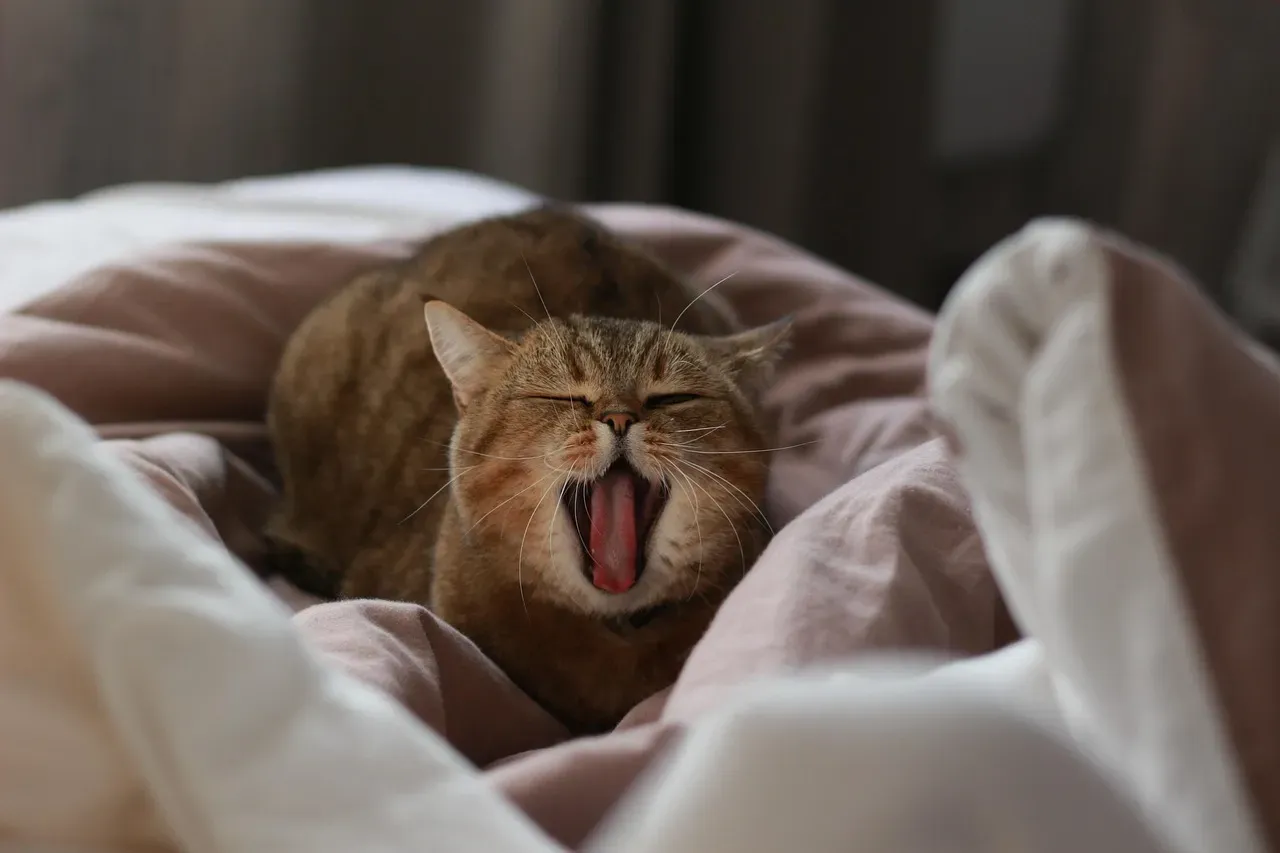
Here’s the thing about your cat’s dramatic morning yawn. It means a lot more than sleepiness. Like you, cats yawn for various reasons. Their yawns are often accompanied by stretching. Mostly, cats yawn as a form of communication and an attempt to send you a message. That wide-open mouth first thing in the morning is actually a complex social and biological signal rolled into one theatrical gesture.
If you see a cat exhibiting tense behavior, you may notice its lack of stretching and yawning. On the other side, if you see a cat that is friendly, relaxed, and content, you may notice it stretching and yawning. So a big, lazy, full-body yawn in the morning is genuinely good news. It means your cat woke up feeling safe. That is a quietly beautiful thing to witness if you think about it.
The Stretch That Is Really a Full-Body Reset
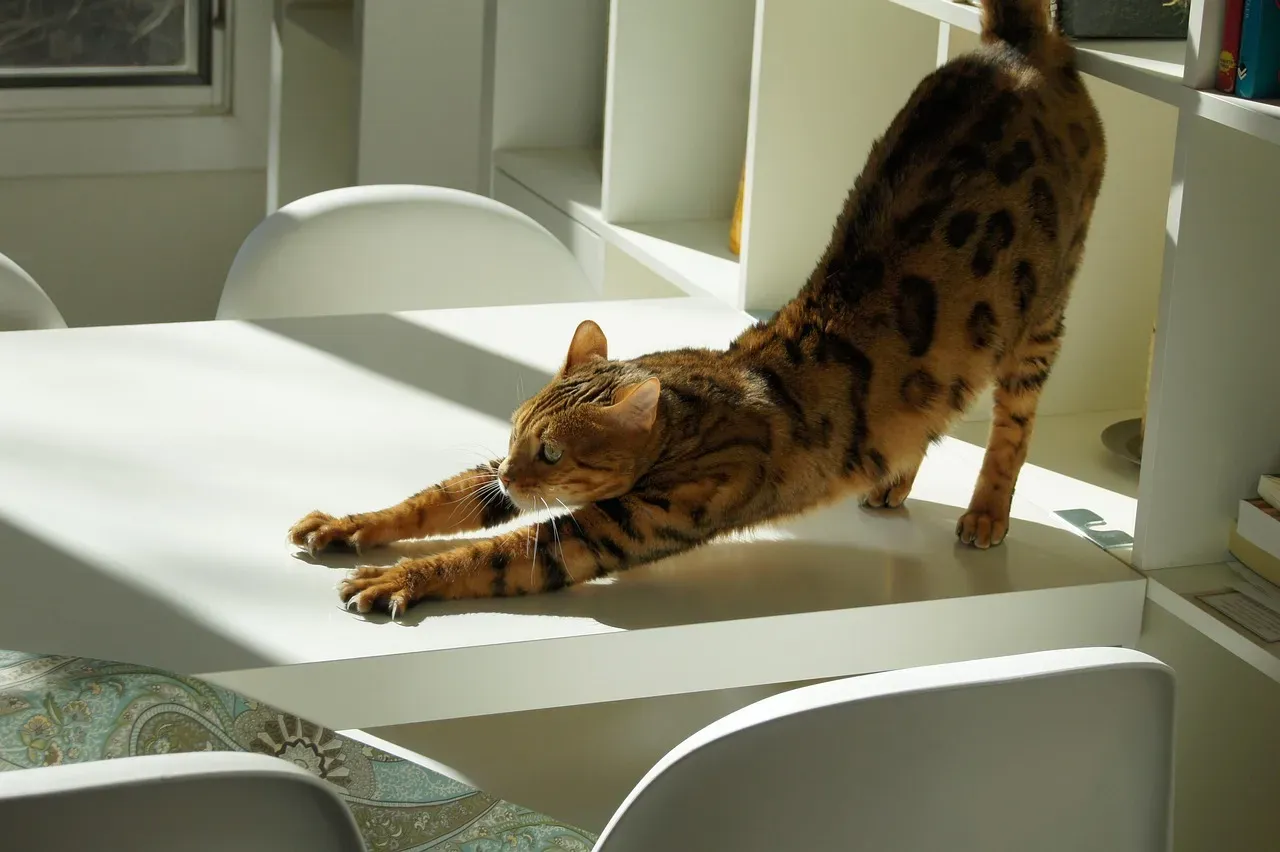
What looks like your cat doing a dramatic yoga pose after waking up is actually something far more fascinating. What your cat does upon waking is not actually stretching in the traditional sense. It’s called pandiculation. Pandiculation is nature’s way of preparing a body to move. The purpose of pandiculation is to reset the central nervous system so that the muscles of the body can function with ease. Imagine a computer rebooting itself. That’s essentially what’s happening.
In pandiculation, a muscle contraction, like a yawn or downward dog, sends information to your cat’s brain about the level of tension in his muscles. It’s part of the alpha-gamma feedback loop, which is a conversation between the brain, nervous system, spinal cord, and muscles. So while you’re stumbling to the kitchen in a half-asleep daze, your cat has already completed a sophisticated neurological self-diagnostic. Honestly, I think they’re doing mornings better than most of us.
Morning Affection: When Your Cat Becomes Suddenly Obsessed With You
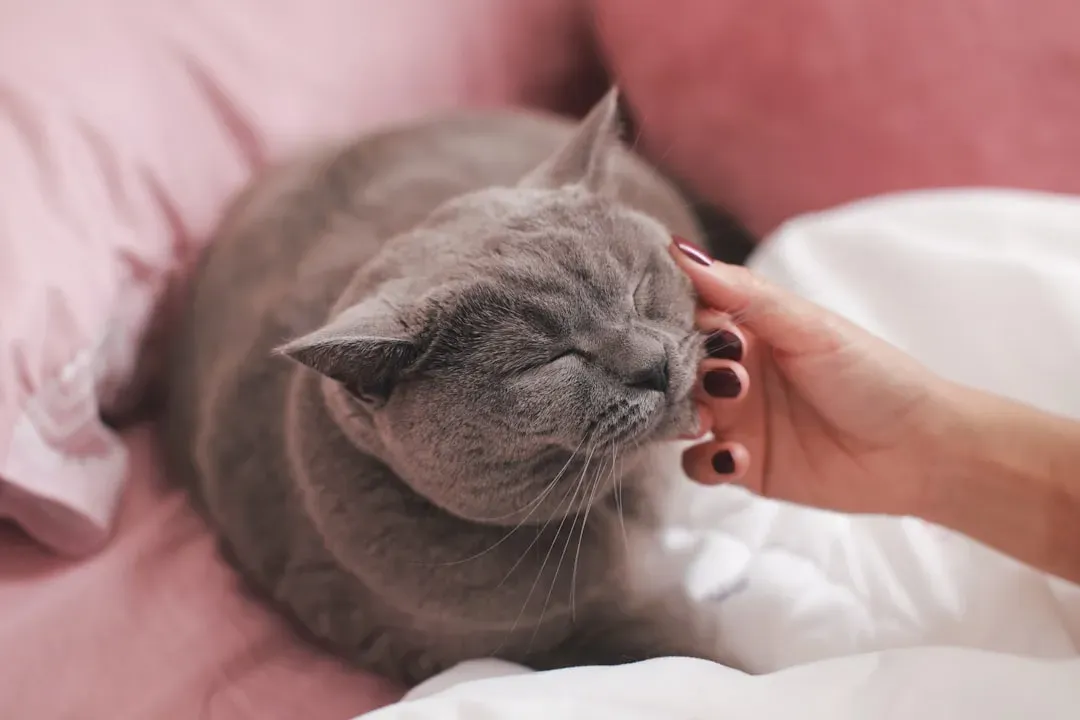
Your cat ignores you most of the day, and then the moment you wake up, they’re head-butting your face and purring like a motorboat. In the wild, cats use early morning hours for hunting and social bonding with their family groups. Your domestic cat maintains these instincts, often seeking connection with you, their adopted family member, after their nighttime activities. This behavior can include bringing gifts, seeking warmth, or simply checking in on their trusted companion.
Morning affection often represents a genuine emotional bond between cats and their owners. After hours of separation during sleep, your cat may simply miss you and want to reinforce your social connection. Let that one sink in for a moment. Your cat, the creature so often labeled as aloof and independent, actually misses you while you sleep. Some cats may have established rituals, such as waking their owners up or following them from room to room, which may be a sign of their trust and affection.
The Morning Grooming Ritual: A Health Report in Plain Sight
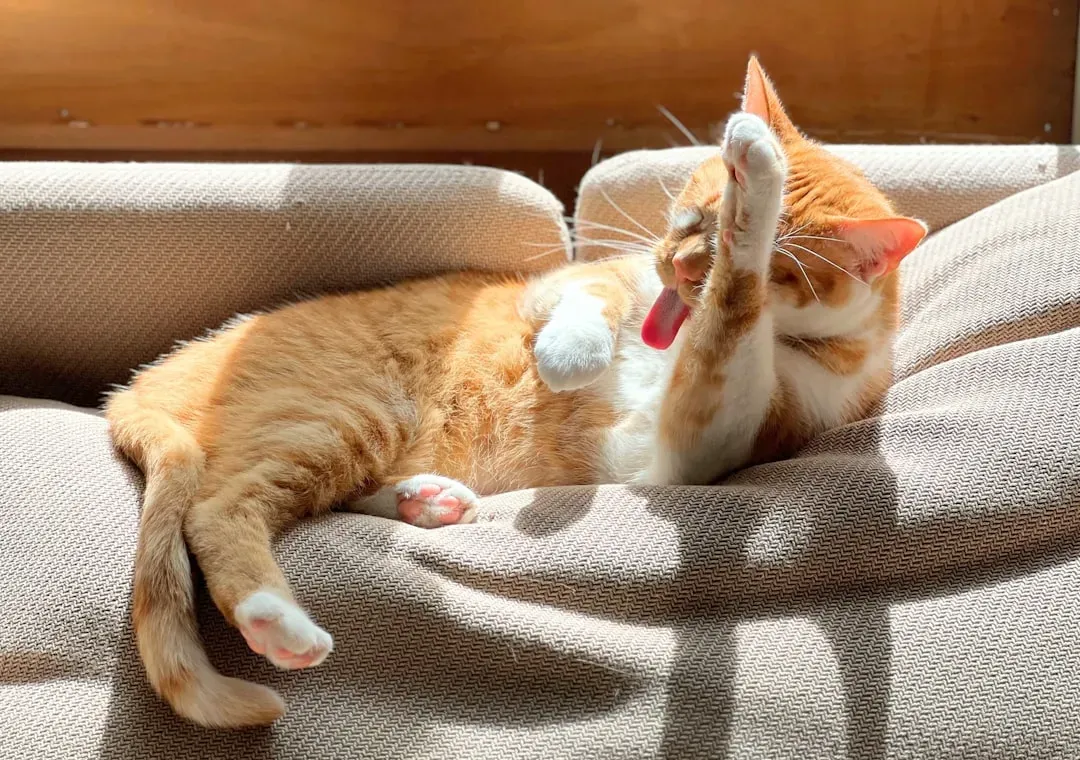
Watching your cat groom themselves in the morning might seem like the most ordinary thing in the world. It’s anything but. A healthy cat will typically groom several times a day, often after meals, naps, or using the litter box. This includes licking the coat, face, and paws in a steady and consistent pattern. It is a part of their natural routine, much like brushing your teeth. Pay close attention to how they go about it every morning.
The various grooming behaviors are important to a normal healthy cat. The lack of these behaviors can indicate depression or ill health. Their absence may also signal the potential for ectoparasite infestation or secondary conditions. Put simply, if your cat skips their morning groom routine, your antenna should go up. A change in grooming behavior should prompt cat owners to consider a visit to the veterinarian. Their morning routine is essentially your first-look health check of the day.
The Hunger Signal: It Goes Way Beyond an Empty Bowl
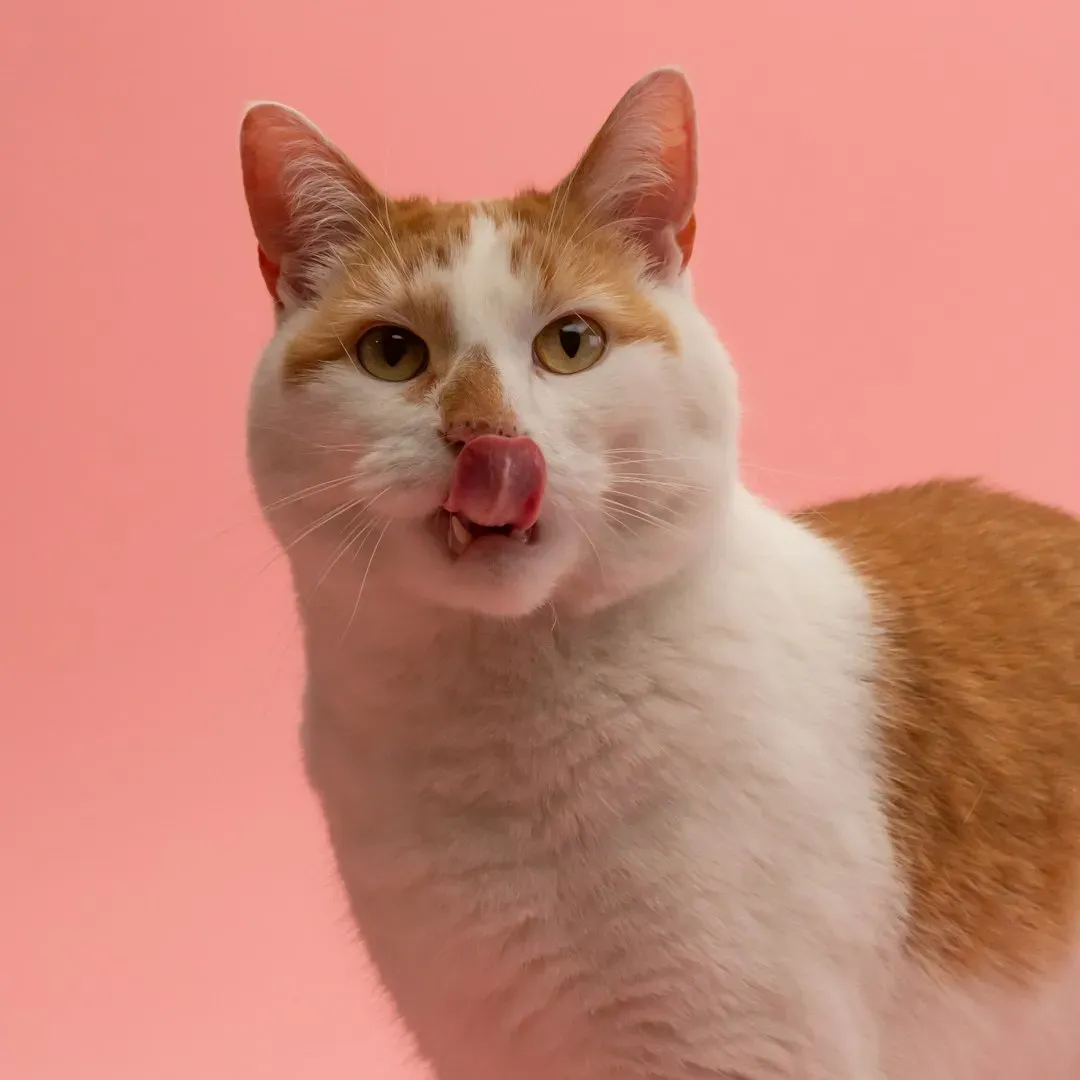
Let’s be real. Most cat owners think the whole morning routine is just a food performance. Your cat paws at your face, meows relentlessly, and marches over your stomach because they’re hungry. A common reason is hunger. Cats may wake their owners to hurry breakfast if bowls are filled or canned food is served in the morning. However, cats are not motivated by food alone. There is genuine social motivation underneath the drama too.
Morning affection often correlates with feeding schedules. Cats learn to associate morning attention-seeking with successful food acquisition, making it a learned behavior reinforced by routine. Think of it like a Pavlovian loop, but the cat is the one who trained you. Going through their instinctual prey sequence before they eat is important: staring, stalking, chasing, pouncing, and finally, the kill bite. Follow this with a meal, and you’ve initiated another important cat sequence: hunt, eat, groom, sleep. That morning bowl of food is so much more than calories to your cat.
Why Routine Changes Affect Your Cat More Than You Realize
You’d think skipping your usual morning routine once or twice would be no big deal. Your cat begs to differ. Cats thrive when their world feels predictable, and a daily routine provides just that. Structure gives them security, reduces anxiety, and prevents destructive behaviors that often stem from boredom or stress. It’s the feline equivalent of suddenly rearranging all the furniture in someone’s home without warning.
Cats are sensitive to routine changes. Alterations in schedule, environment, or household dynamics can lead to increased attention-seeking behavior, particularly during morning hours. And this isn’t just emotional sensitivity. Just like with humans, stress is hard on a cat. It can even make them physically sick. If their daily routine gets interrupted, they can easily get stressed out. A disrupted morning for your cat is a genuine physiological event, not just a bad mood.
What Your Cat’s Morning Behavior Is Quietly Telling You About Your Bond
Step back and look at the full picture of your cat’s morning routine and you start to see something profound. Every behavior, from the first yawn to the post-breakfast grooming session, is a miniature autobiography. It’s also common for cats to seek attention and affection in the morning, reinforcing their bond with human companions. Notably, some cats may have established rituals, such as waking their owners up or following them from room to room, which may be a sign of their trust and affection.
Regular routines are also an excellent way to be aware of your cat’s health needs. If you interact with her on a regular basis, feed her twice a day rather than leave out food all the time, this helps you key in to her health. You will come to expect certain behaviors in your cat because of the routine. In other words, paying attention to your cat’s morning routine is one of the most practical things you can do as a pet owner. What seems like a boring existence to us is a routine that means safety and security for a cat. By setting up regular, unchanging timetables and procedures for daily events, pet owners provide an environment that is dependable, predictable, and organized.
Conclusion: The Morning Speaks, If You Know How to Listen

Your cat’s morning routine is not just a quirky series of habits to scroll past on your phone while they paw at your feet. It’s an entire language. The stretch, the yawn, the grooming, the affection, the precise timing of every behavior. All of it is data, offered up to you every single morning without you ever having to ask.
Once you start reading these morning signals, your entire relationship with your cat shifts. You begin to notice the small deviations that hint at stress or illness. You understand that the head-bump against your chin is more than a food request. You realize that this creature, so often misread as indifferent, has mapped out its emotional world around your presence.
The next time your cat wakes you up before your alarm goes off, instead of groaning into your pillow, try paying attention to everything that follows. You might be surprised by what you have been sleeping through all along. So tell us: what does your cat’s morning look like, and what do you think it says about them? Share your thoughts in the comments below.