There’s a moment most cat owners know well. You look up from whatever you’re doing and find your cat locked onto you with that steady, unblinking gaze. No tail movement, no sound, no obvious reason. Just eyes. It’s easy to read that look as mild disapproval, but the reality is far more interesting than a silent critique of your life choices.
Staring is one of a cat’s primary ways of communicating with humans, observing their surroundings, and expressing themselves. What looks like judgment from across the room is usually something much quieter: your cat paying close attention. Understanding what’s actually behind that gaze can shift the whole way you see your relationship with your cat.
The Observational Nature of a Cat’s Gaze
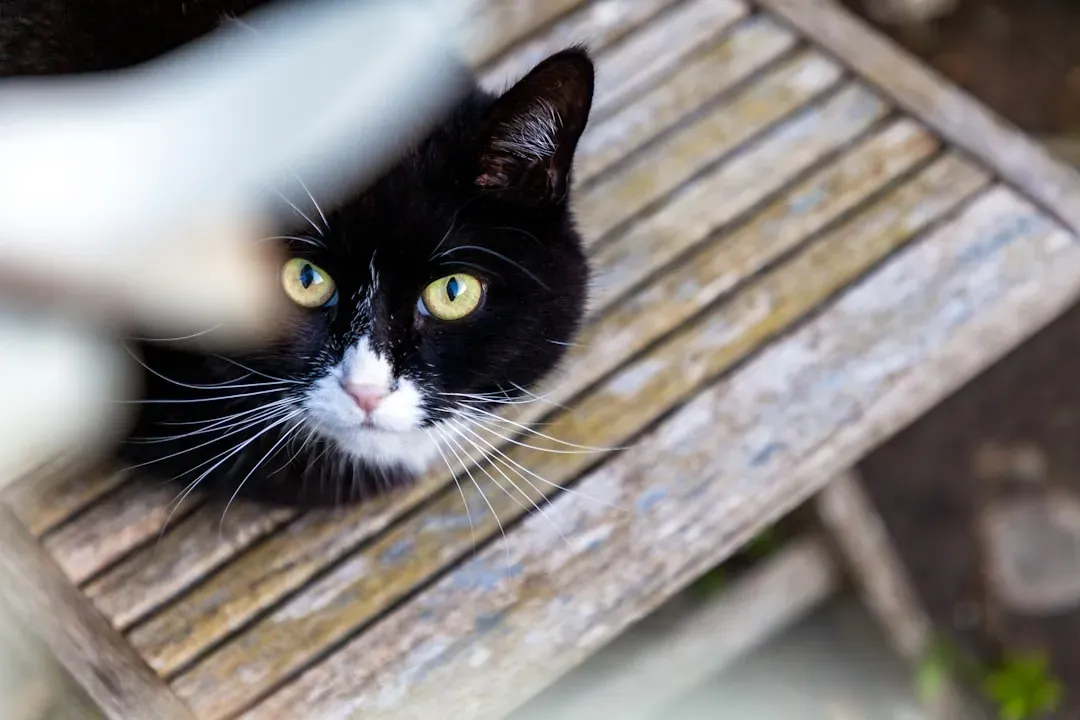
Cats are naturally observant animals. They may stare simply because they’re taking in what you’re doing. It’s less about forming an opinion and more about gathering information, much like how a careful person watches a situation unfold before deciding how to respond.
When a cat stares at a person, they often use that same instinctive focus to gather information. They may be reading your movements, tone, and behavior. Think of it as their version of paying attention, quiet, still, and entirely focused on you.
Staring as a Form of Communication
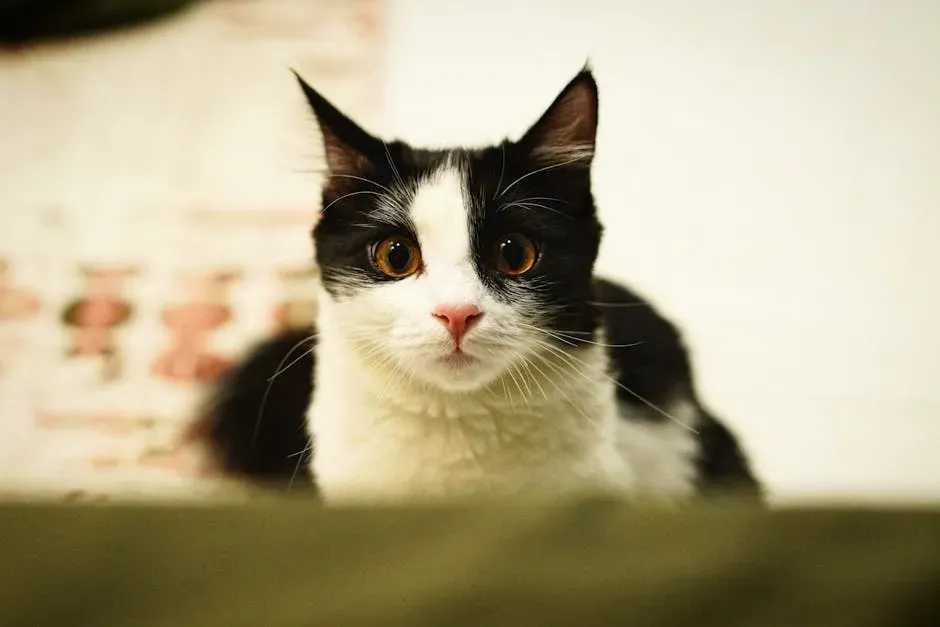
Cats use body language to communicate with humans and other animals. Staring is one of the most common cues they use to convey different messages. When a cat stares at a human, it is usually trying to communicate something important. The hard part is that the message changes depending on context.
Staring is one of a cat’s primary ways of communicating with humans, observing their surroundings, and expressing themselves. Cats make eye contact for many different reasons, and most of the time, it’s simply a natural part of how they interact with us. Learning to read what surrounds the stare, the posture, the ears, the tail, tells you far more than the eyes alone.
The Slow Blink and What It Actually Means
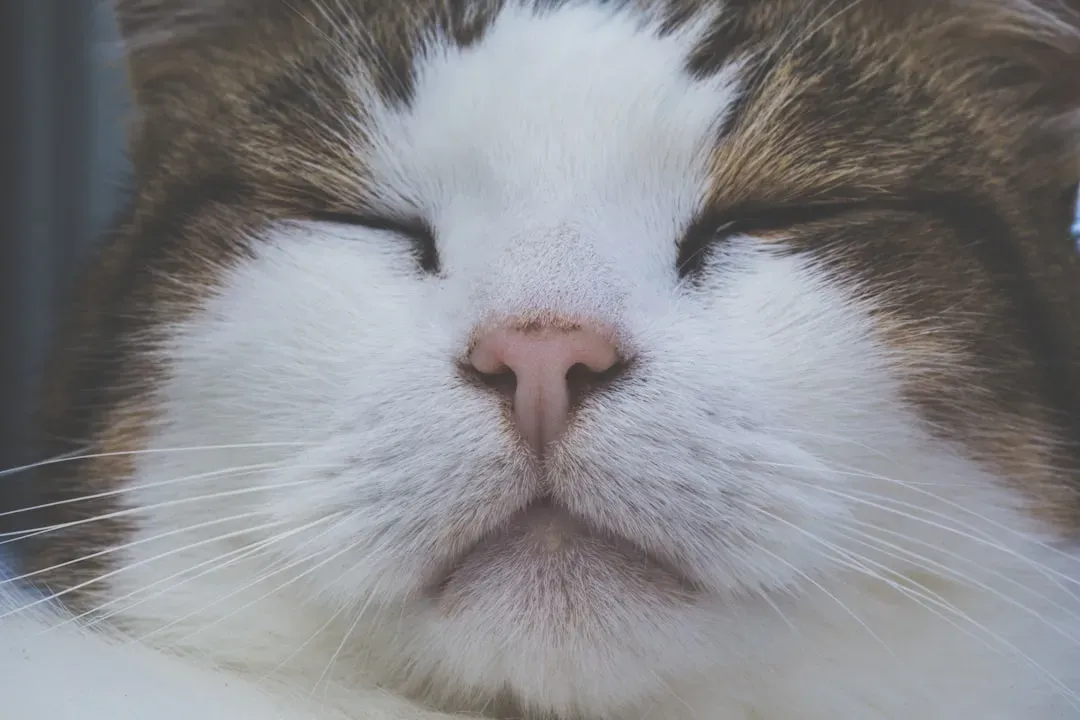
Research from the University of Sussex suggests that slow blink sequences may function as a form of positive emotional communication between cats and humans. When your cat gazes at you and then slowly narrows their eyes, that’s not drowsiness. It’s closer to an expression of trust.
Cat half-blinks and eye narrowing occurred more frequently in response to owners’ slow blink stimuli towards their cats. In a second experiment, cats had a higher propensity to approach the experimenter after a slow blink interaction than when they had adopted a neutral expression. You can actually return this signal yourself by softly closing and reopening your own eyes, and research confirms cats respond to it.
Your Cat Is Reading Your Emotional State
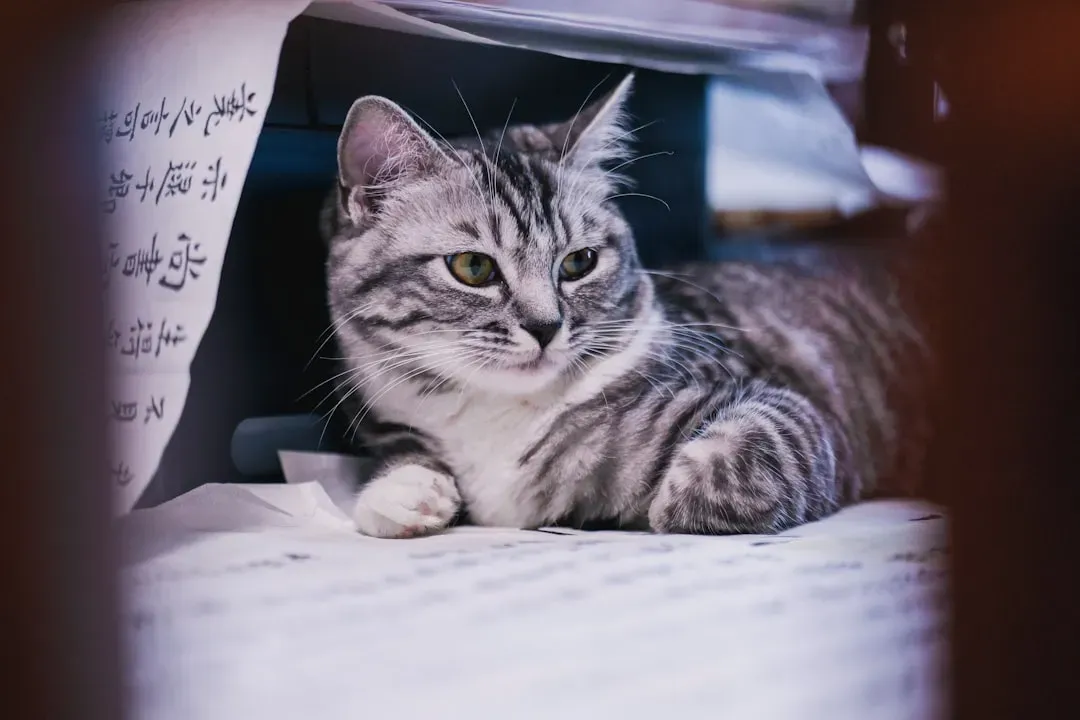
A 2020 study entitled “Emotion Recognition in Cats” published in the journal Animals demonstrated that cats are able to recognize conspecific as well as human emotions through auditory and visual observations. So when your cat stares at you during a stressful day, they’re not indifferent. They’re paying attention to the signals you’re giving off.
Recent research suggests that cats may be more attuned to human emotions than previously thought. Studies show that cats react to their owners’ visual and vocal signals and adjust their behavior based on human emotions. That steady gaze might be your cat’s way of checking in, registering something has shifted and deciding whether to approach.
Anticipating Your Routine Before You Do
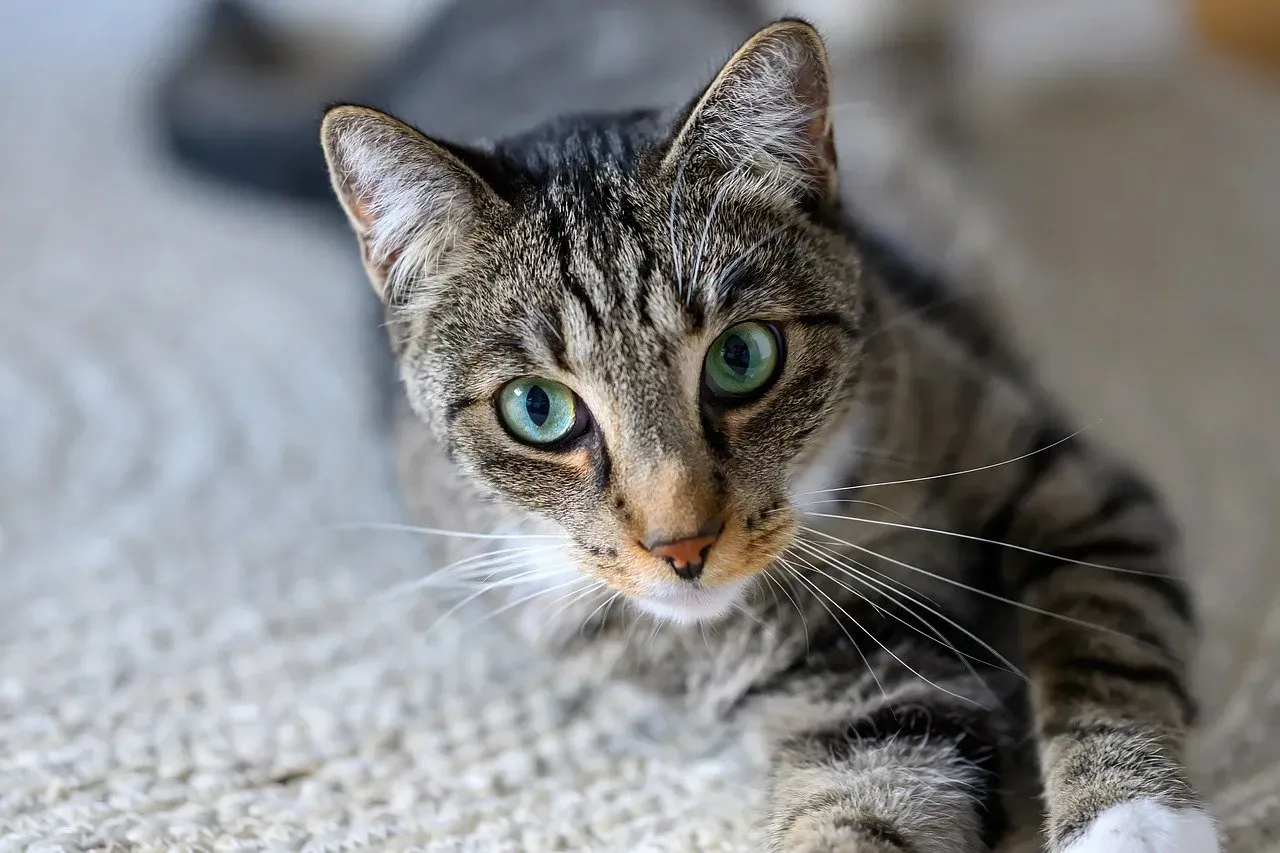
Your cat may even be trying to anticipate if what you’re doing will impact them, for example, walking near the treat drawer or getting ready to leave. Cats are remarkably good at connecting your movements to outcomes. That watchful look from across the kitchen isn’t random. It’s pattern recognition in real time.
In other situations, a cat may watch closely when they sense changes in mood or routine. Cats often notice subtle differences in tone, posture, and movement. That awareness explains why they sometimes seem to know when something feels different in the household. Over time, they build a detailed mental map of your habits, and the stare is part of how they stay updated.
The Predator Instinct Behind That Fixed Gaze
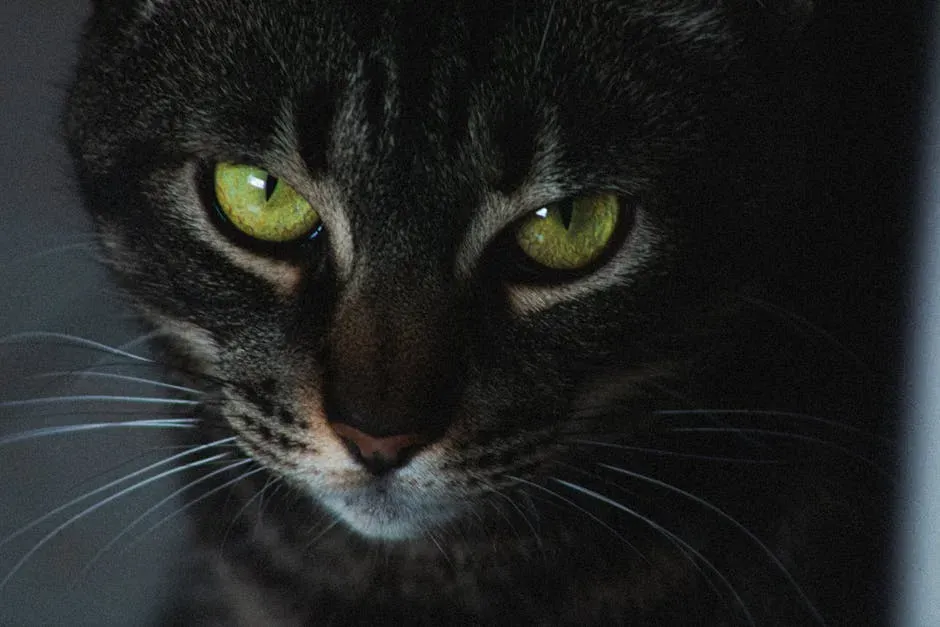
Staring is also part of your cat’s natural hunting behavior. They may fixate on a bug, toy, or even something invisible to you, tracking even the tiniest movement. It’s their way of prepping for a pounce. This isn’t something domestication has softened out of them. The instinct remains fully intact.
In the wild, fixed staring is often part of hunting behavior. A cat will focus intensely on a potential target, conserving energy while calculating the perfect moment to pounce. Even if your cat has never hunted more than a toy mouse, that instinctual pattern remains deeply ingrained. When your cat seems to stare at nothing, they’re often responding to something, a shadow, a faint sound, or movement you simply can’t detect.
When Staring Is About Attention and Needs
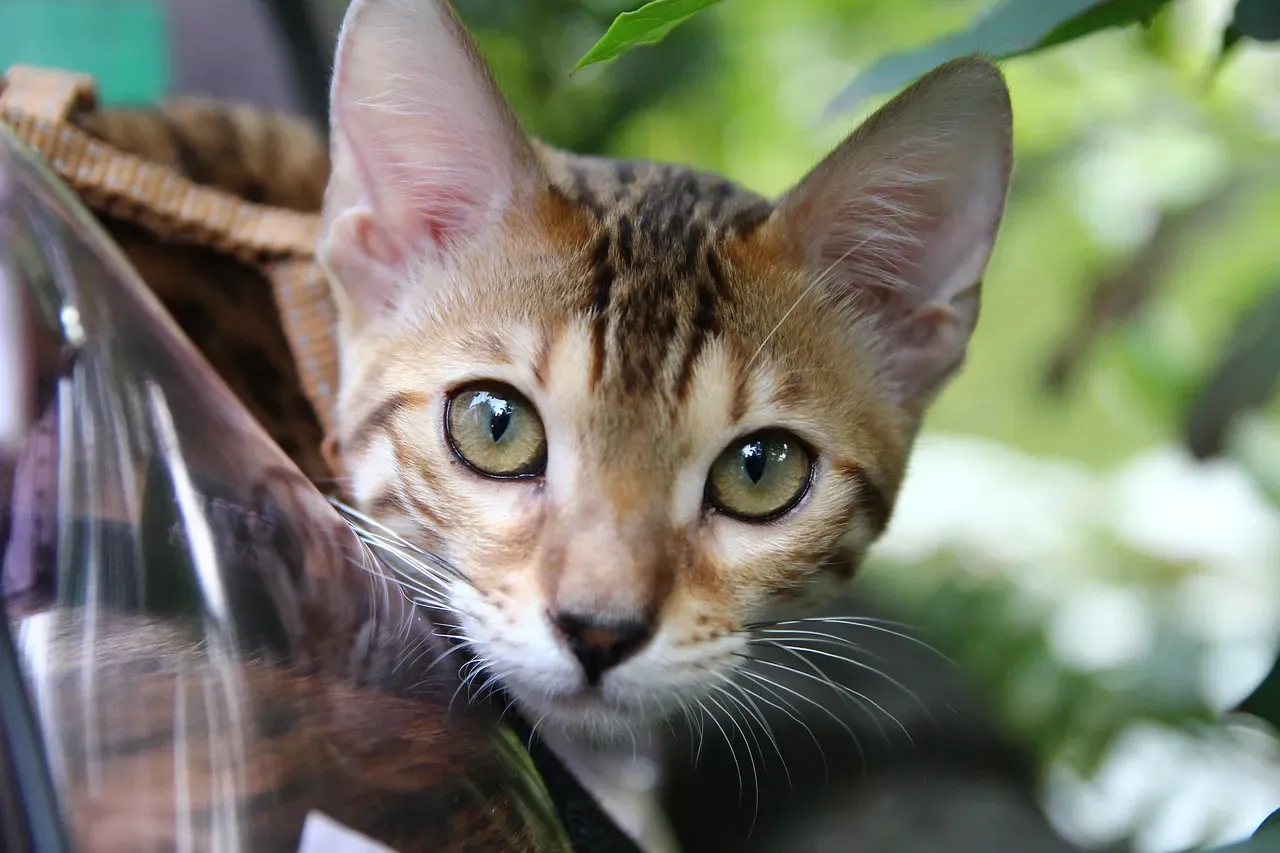
Staring can convey different messages in the cat world. A staring cat can be a sign of asking for attention, seeking food, or a warning that the cat needs their space. Pay attention to what’s happening around the stare. Is it near feeding time? Have you been sitting quietly for a while without engaging with them?
Cats are intelligent and observant animals. Over time, they learn what actions lead to results, and staring at their humans without blinking has proven to be remarkably effective. If you’ve ever responded to that intense gaze by opening the food cabinet, your cat has taken note. You’ve become part of their learned strategy.
When the Stare Signals Something Worth Watching
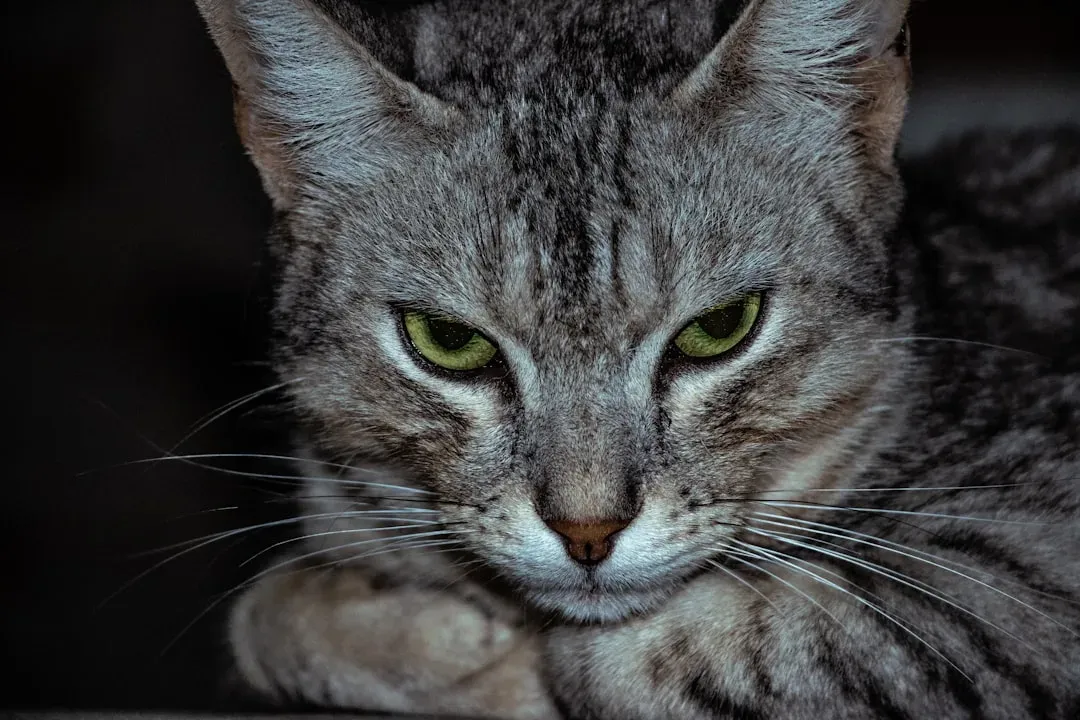
In rare cases, staring can signal pain or fear. If your cat’s eyes are wide, pupils dilated, and body tense, they may be hyper-alert. Watch for other unusual behaviors, such as hiding, limping, aggressive behavior, or avoiding touch, which could mean it’s time to call the vet. A calm stare and a tense stare look entirely different once you know what to look for.
If your cat pairs staring with tense posture, flattened ears, or hiding, the behavior may reflect unease. Cats sometimes observe closely when they feel unsure about a situation or a change in their environment. In these cases, the stare is not meant to communicate affection. Instead, it allows the cat to evaluate potential threats or unfamiliar routines. Context is everything. The same set of eyes can mean something completely different depending on the rest of the body.
How You Should Respond to Your Cat’s Stare
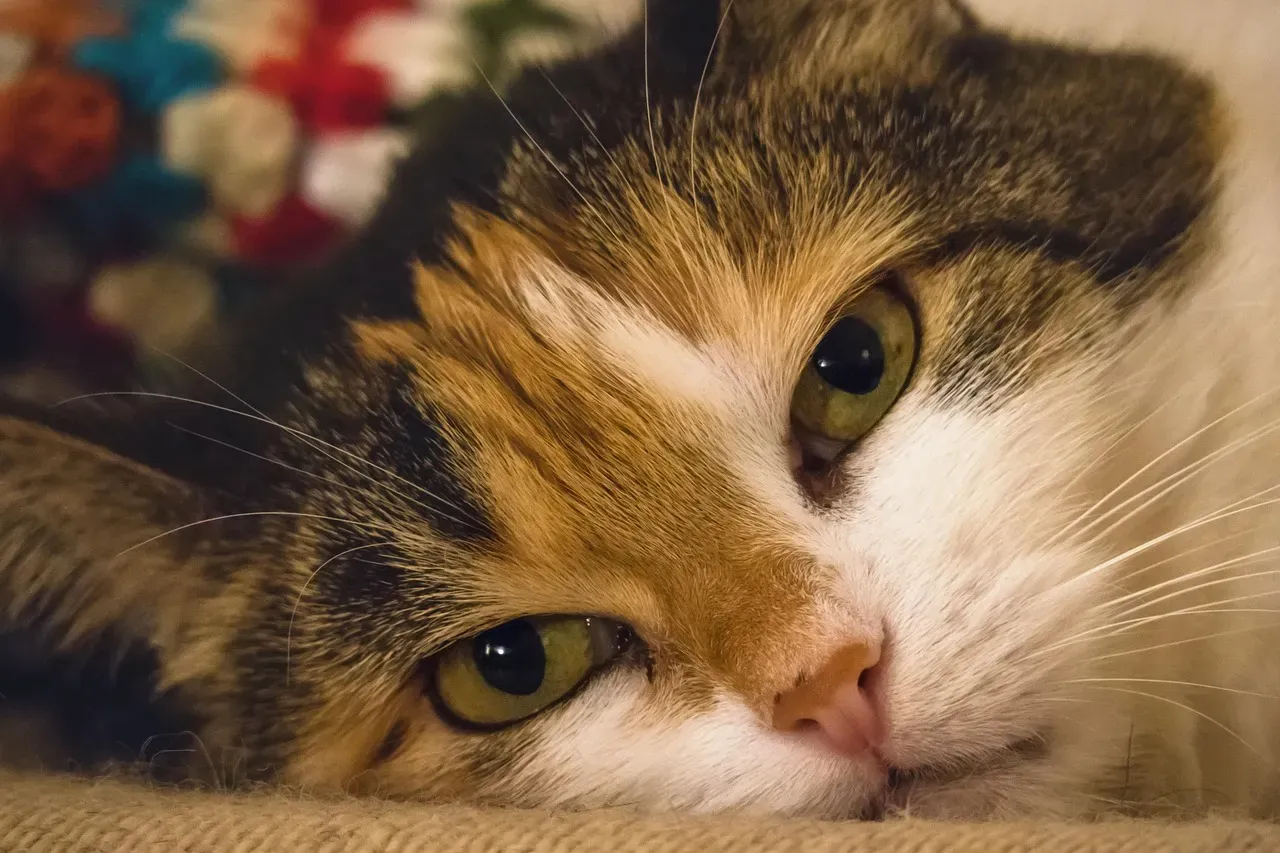
Returning a soft gaze or slow blink is a sweet way to build trust. Skip the unblinking stare, though. Cats may take that as a challenge. Cat behaviorists agree it’s best not to hold prolonged eye contact with a cat, as they may interpret it as a threat or challenge. Your response matters more than you might expect.
Understanding why your cat stares at you is key to improving communication and strengthening your relationship. Most of the time, a cat’s gaze is a sign of curiosity, affection, or attention-seeking behavior. By paying attention to the context and their accompanying body language, you can respond in ways that meet their needs and deepen your bond. The more you practice reading those signals, the more fluent you become in a language that has no words.
Conclusion
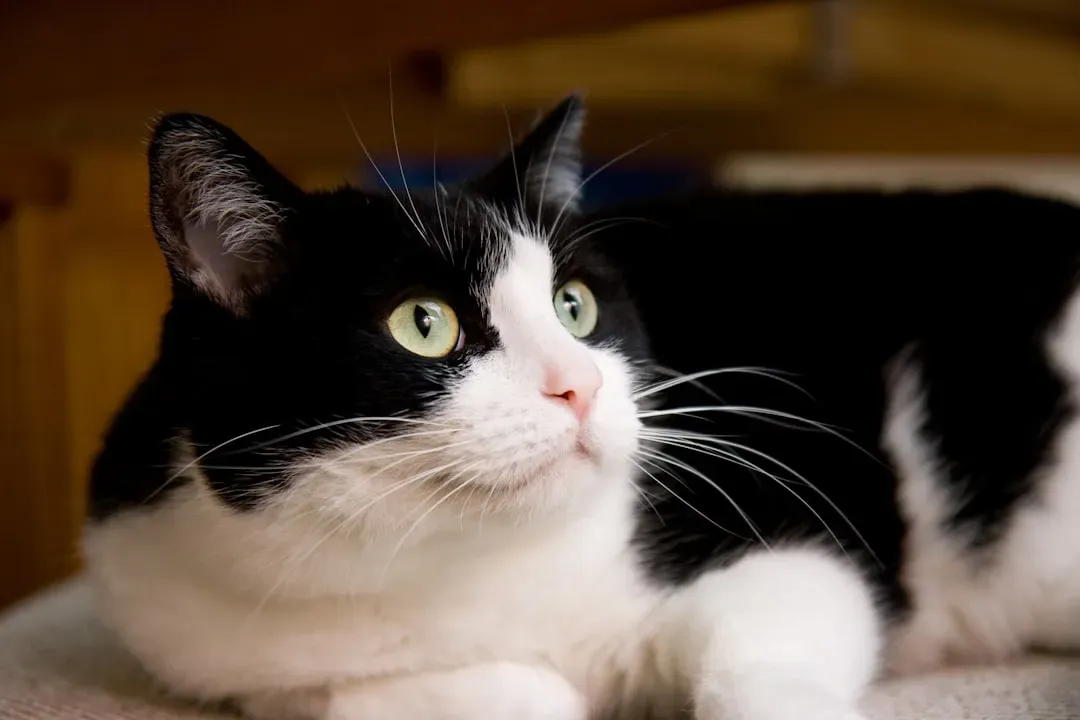
The steady gaze your cat aims at you has never been about judgment. It’s about observation, connection, and a form of intelligence that operates quietly and on its own terms. Understanding why your cat stares at you helps transform a simple moment into meaningful communication. That steady gaze often reflects trust, curiosity, or a desire to stay connected. While every cat expresses this behavior differently, the message usually comes from familiarity rather than concern.
There’s something worth sitting with in all of this. Your cat watches you not to critique, but because you’re the most interesting thing in their world. That’s a quiet kind of compliment, if you’re paying attention.