You share your home with a creature whose eyes are, by any measure, a masterpiece of evolutionary engineering. Every single night, while you stumble around in the dark searching for a light switch, your cat glides through the same space with fluid confidence, seeing things you simply cannot.
Most people assume that cat night vision is just a quirky animal trait, something cool to mention at dinner. Honestly, the reality is far stranger and more impressive than that. What your cat is doing with its eyes every evening is the result of millions of years of biological fine-tuning. Buckle up, because this gets genuinely fascinating. Let’s dive in.
Cats Are Not Actually Nocturnal (And That Changes Everything)
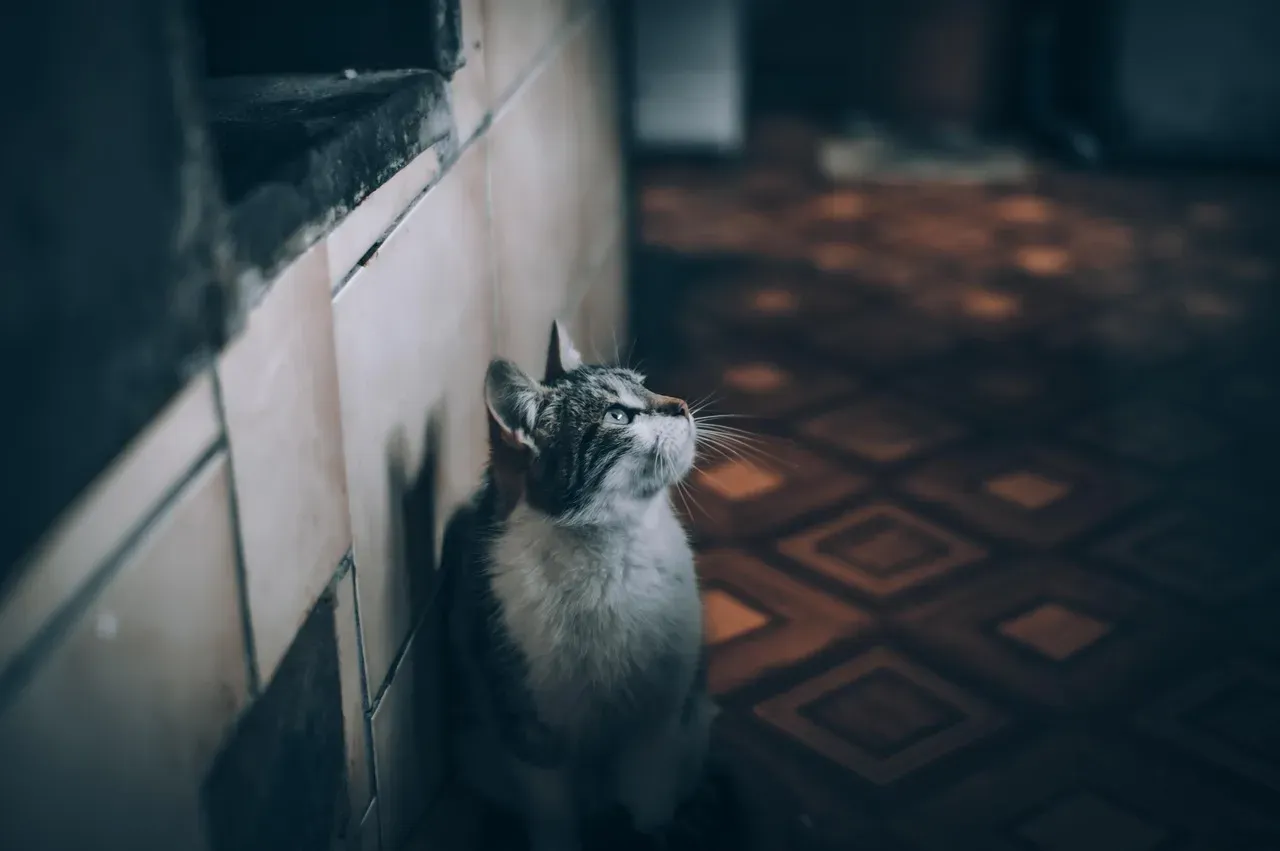
Here’s the thing that trips most people up right from the start. Many people believe that felines are nocturnal and can see in the dark perfectly, but it may actually surprise you to learn that cats are crepuscular, meaning they are generally more active around dawn and dusk. That one word, “crepuscular,” flips the entire story on its head.
Think of it like this: your cat is not a vampire. Your cat is more like a dedicated commuter who thrives in that grey, in-between light that neither you nor your cat’s prey handles well. Domestic cats are crepuscular, meaning they are most active at dawn and dusk, because their ancestors would have hunted prey at that time. Their eyes are perfectly calibrated for exactly those tricky lighting conditions.
The Secret Weapon: The Tapetum Lucidum
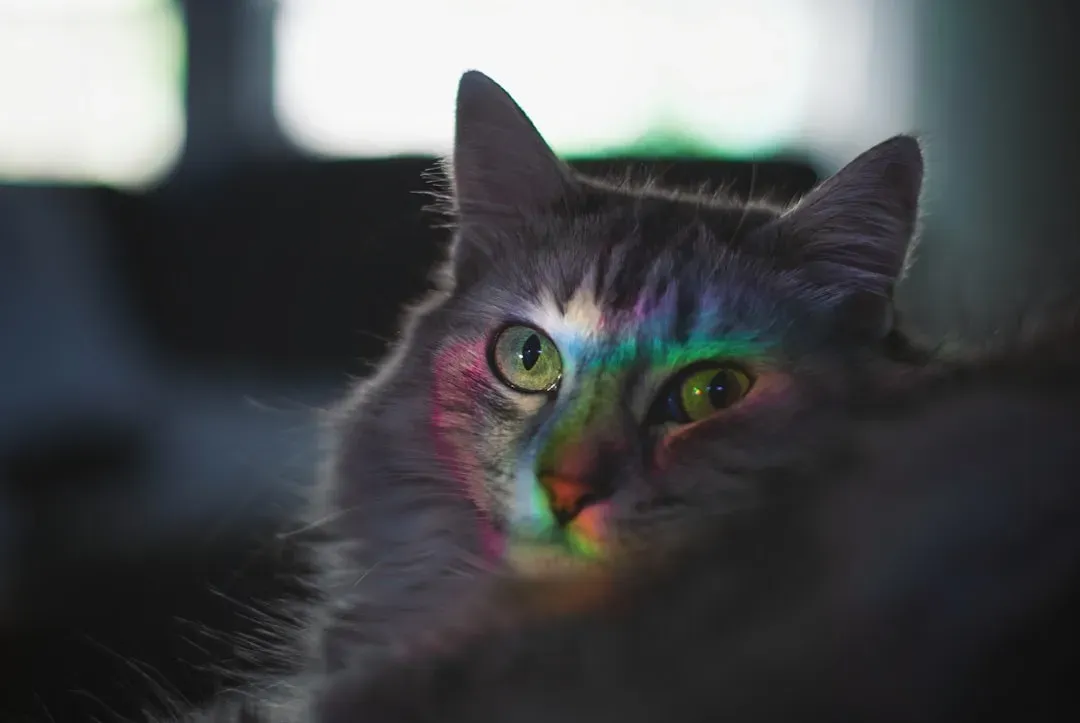
The secret weapon behind your cat’s glowing eyes at night is the tapetum lucidum, a reflective layer behind the retina that acts like a mirror, bouncing any incoming light back through the retina a second time and giving rod cells another chance to absorb it. Imagine reading a book, putting it down, then picking it up again for a second pass just to make sure you caught everything. That is essentially what your cat’s eye does with every photon of light.
The tapetum lucidum in cats is renowned for its brilliance, even inspiring ancient Egyptians to believe it reflected the sun at night. This reflective layer is composed of roughly fifteen to twenty layers of cells arranged in a central pattern, and this structure, denser than that of dogs, results in high reflectance, nearly 130 times that of humans. That number is staggering when you really sit with it.
Those Vertical Slit Pupils Are Pure Genius
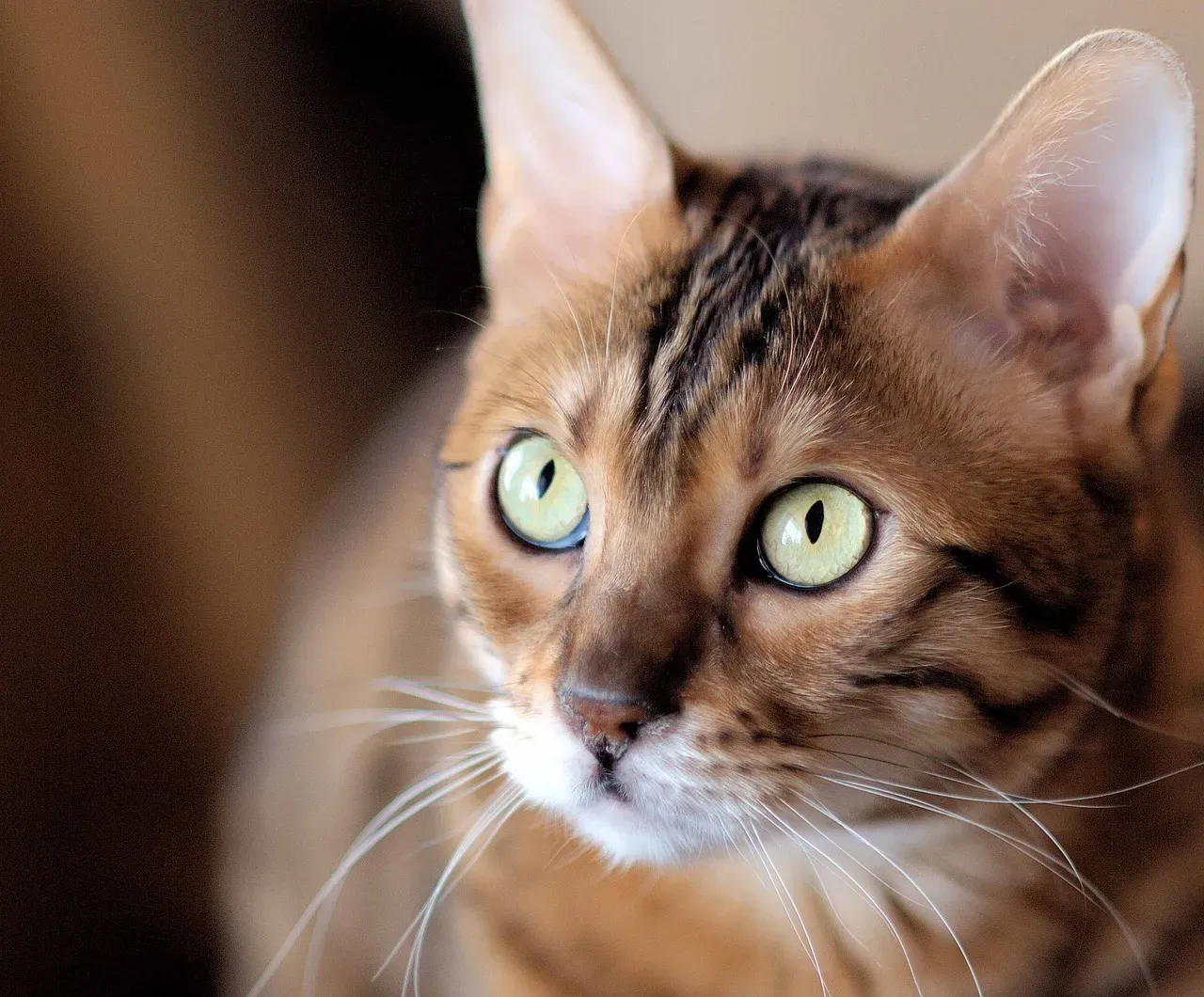
Cats have slit-shaped, vertical pupils that dilate very widely, creating a large opening for light to enter at night. You may have watched your cat’s eyes shift from razor-thin slits in bright sunshine to wide, almost perfectly round pools in a dimly lit room. That is not random. That is precision engineering.
Cats can experience a 135 to 300-fold change in pupil area, whereas humans only experience a 15-fold change. This means cats can adapt their eyes to see in a wider range of light levels than humans. To put that in perspective, it is like having a camera with a lens that adjusts twenty times better than any camera lens you have ever used. Your cat’s eyes are doing that automatically, constantly.
Rods vs. Cones: Why Your Cat Trades Color for Darkness
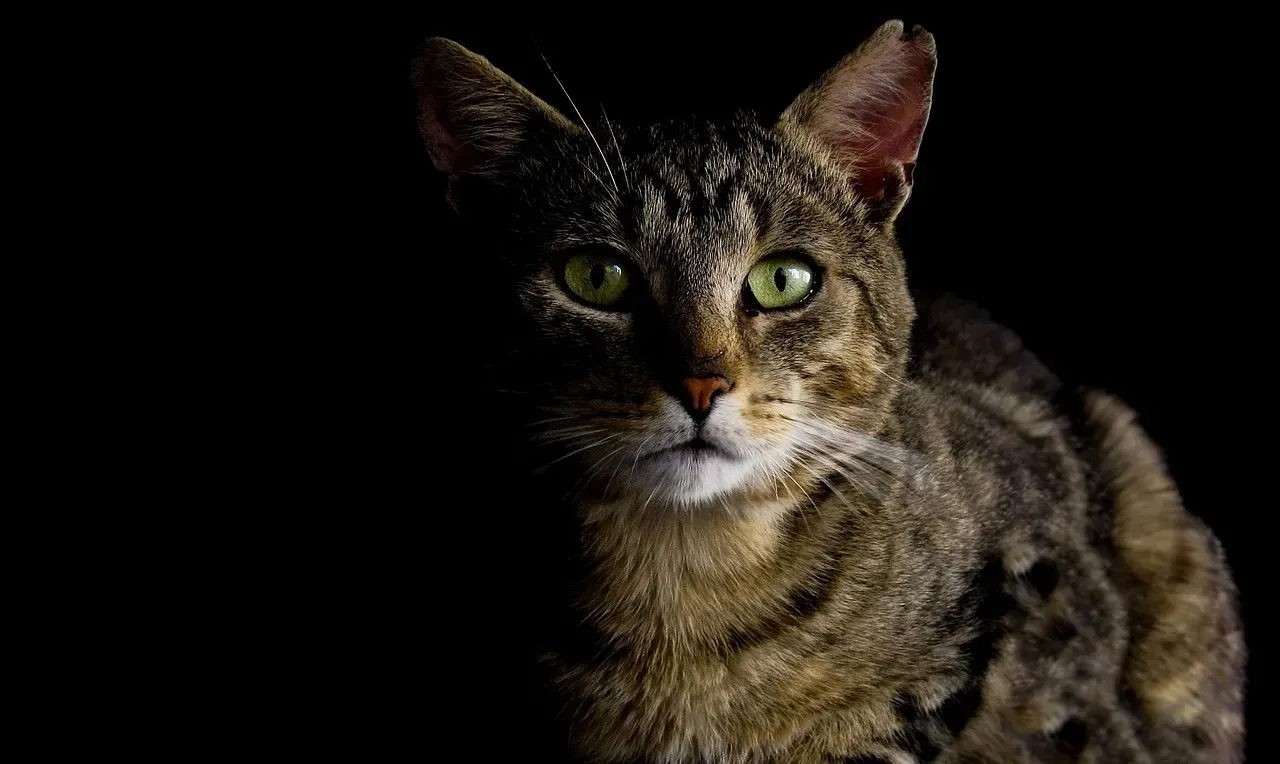
Cats have more rods, which are responsible for night, peripheral vision, and motion sensing, whereas humans possess more cones, which make them better at seeing colors and daylight. It is a deliberate evolutionary trade-off, like choosing a car built for off-road terrain over one built for smooth highways. Your cat chose the night shift.
Rod cells do not detect color. Instead, they are responsible for detecting the contrast between light and shadow, giving cats an edge when it comes to defining the edges of things in low light. For a hunter, knowing where the edges of a mouse are matters far more than knowing whether that mouse is beige or brown. Your cat’s visual priorities are radically different from yours, and brilliantly suited to its lifestyle.
How Much Better Can Your Cat Actually See at Night?
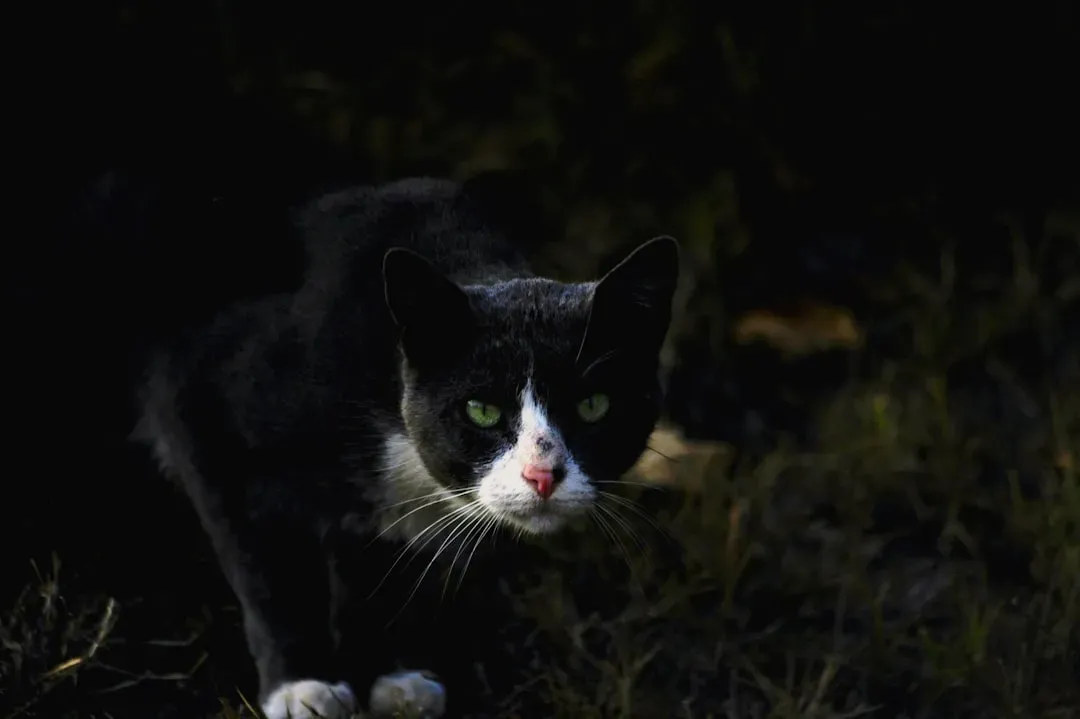
I know it sounds crazy, but the numbers here are genuinely humbling. Estimates suggest that cats can see about 5.5 to 7 times better than humans in dim light, not complete darkness, with dogs trailing slightly behind cats in their night vision capabilities. That gap is enormous when you stop to think about what “5.5 to 7 times better” actually looks and feels like in a real room.
Cats have a major advantage over humans in near-dark conditions, requiring only about one-sixth of the amount of light that humans need to see. This means that in low-light environments, such as during twilight or under the moonlight, cats can navigate with ease. Your living room after midnight, lit only by a distant streetlight glowing through the curtains, is plenty bright enough for your cat to see everything clearly.
The Glowing Eyes Phenomenon Explained
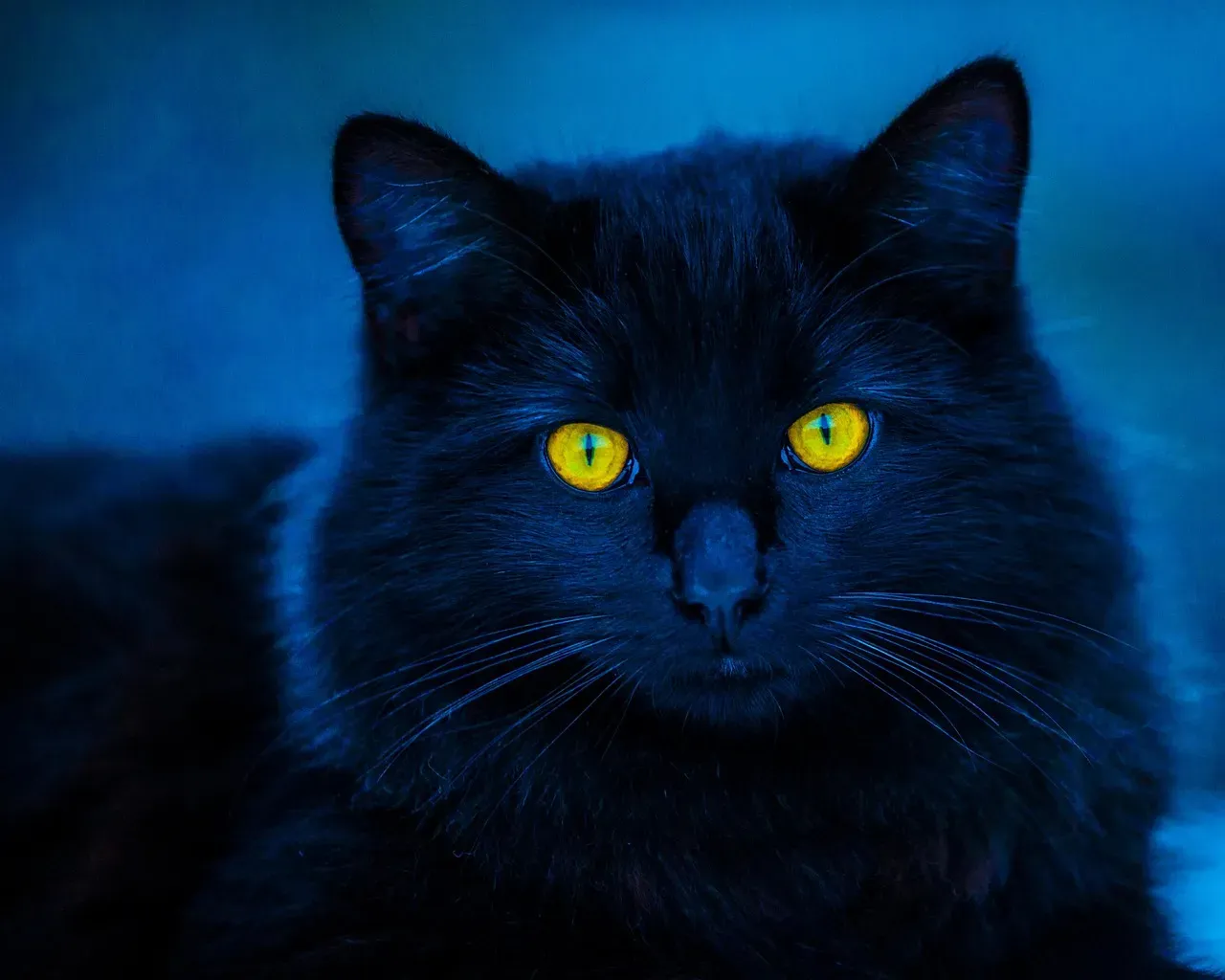
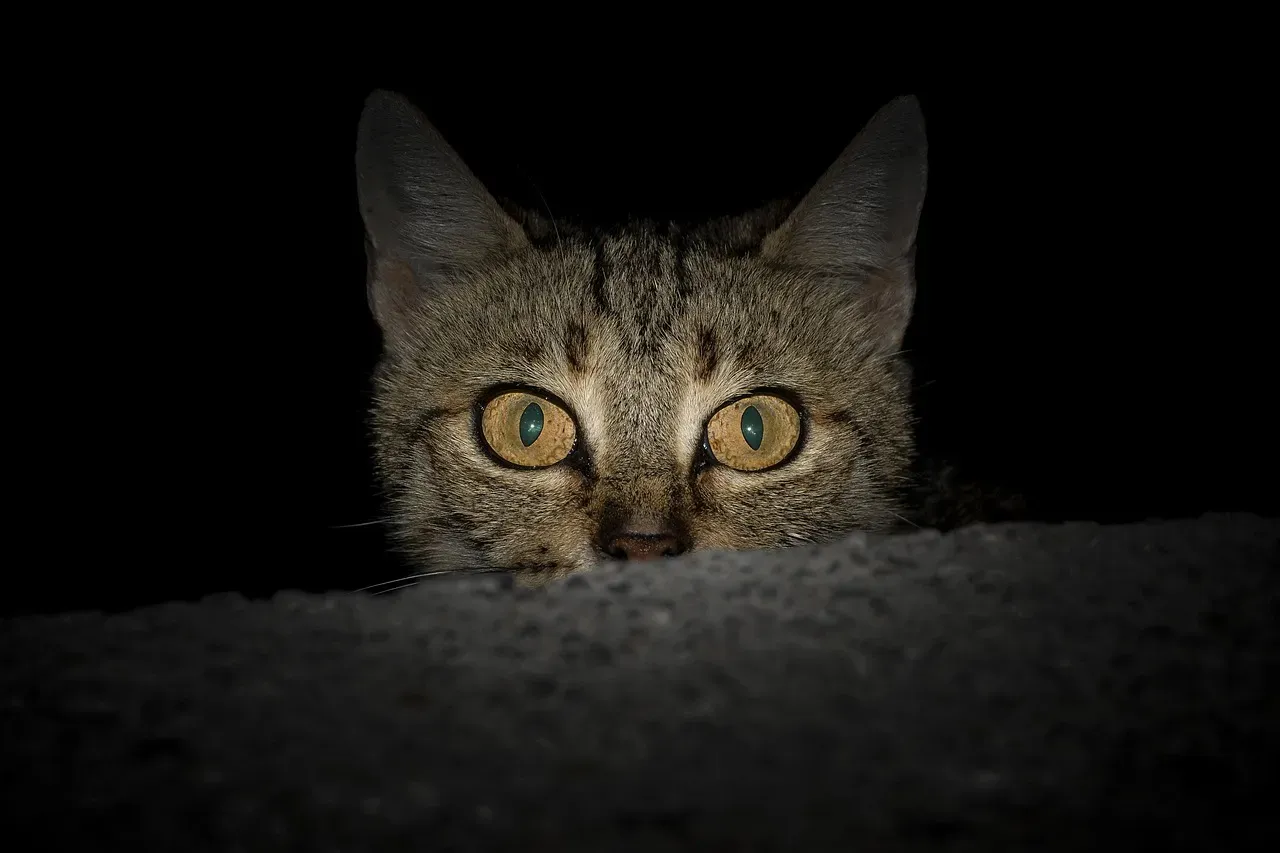
You have almost certainly seen it. You flip on a flashlight, your phone camera catches your cat across the room, and suddenly two eerie, glowing orbs stare back at you from the photo. It looks supernatural. The glow you see in a cat’s eyes in the dark is a result of the tapetum lucidum and how it interacts with incoming light. There is nothing spooky going on, just remarkable biology.
The color of a cat’s eyeshine is not fixed. It varies with age and species due to factors like rodlet spacing, refractive index, and light interactions. Young cats exhibit a blue appearance, which shifts to yellow with age, with adult coloration ranging from light orange to green. So that ghostly gleam you see actually changes over the course of your cat’s life. Honestly, that detail alone feels like something out of a nature documentary.
Your Cat’s Color Vision Makes an Interesting Trade-Off
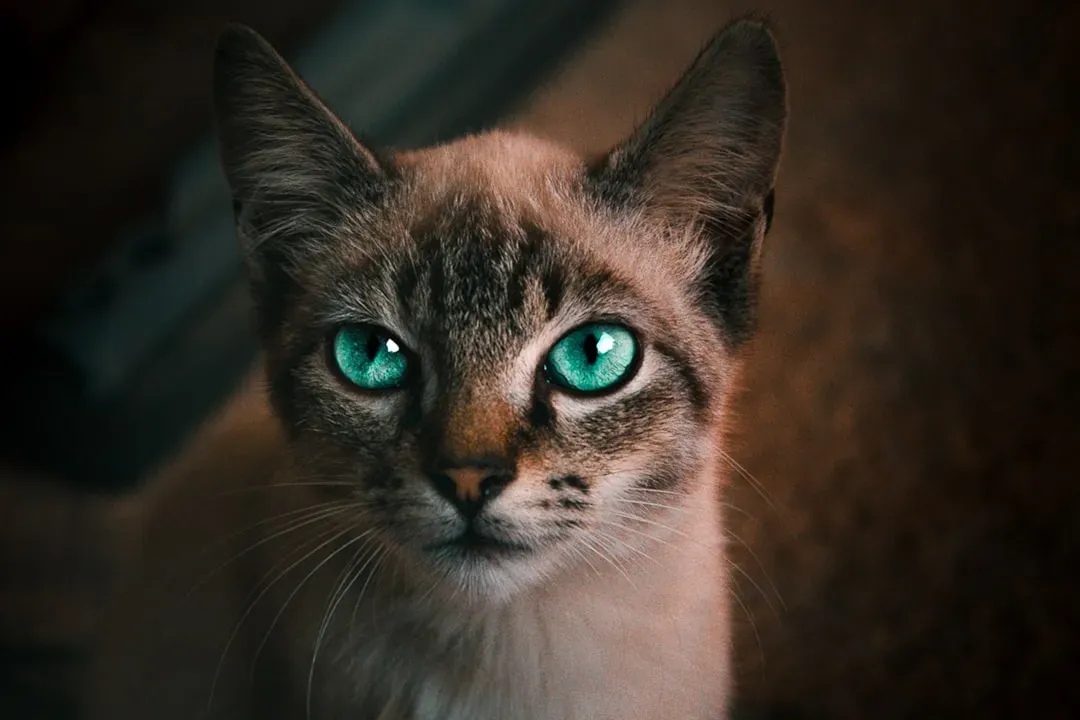
Research suggests that cats primarily see shades of blue and yellow, but they struggle to differentiate between reds and greens. To a cat, these colors likely appear as muted or shades of gray. While their world may not be as colorful as ours, their enhanced night vision more than makes up for this limitation. It is a perfectly sensible trade. The world at dusk does not exactly come in vivid Technicolor anyway.
Cats see mostly in shades of blue and green, but reds and pinks appear to get confused. Additionally, colors are much less saturated and appear less rich than the way humans see the world. Your cat is not missing out, though. Think of it like watching a film in a slightly desaturated palette. The plot, the movement, the action, it is all still completely there.
Whiskers: The Invisible Night Vision Backup System
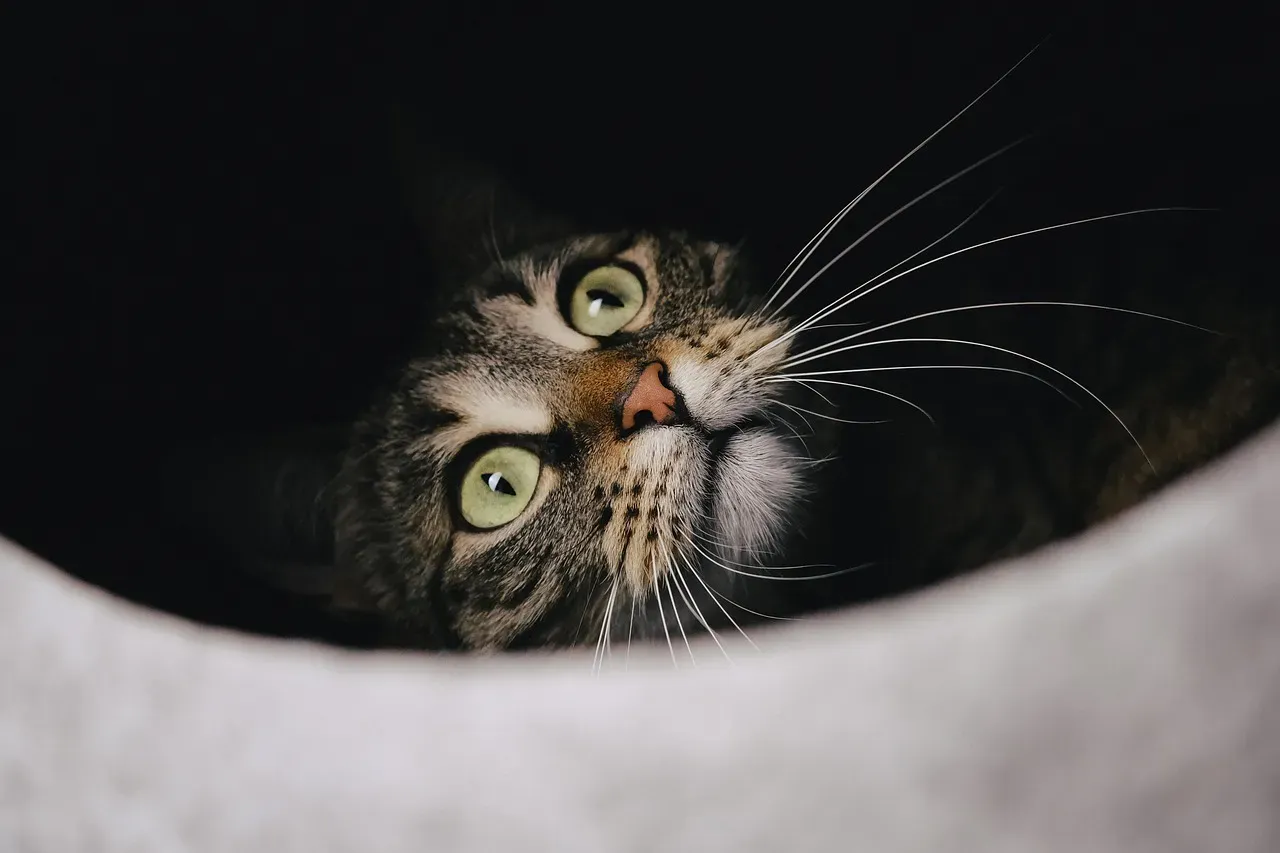
Even the most spectacular eyes in the animal kingdom sometimes need a little help. Cats have excellent night vision, but their whiskers give them an extra edge. In low light, they use their whiskers to sense the shape, size, and movement of objects around them, kind of like a sixth sense. It is a backup system that kicks in exactly when it is needed most.
A cat’s whiskers are more than twice as thick as ordinary cat hairs, and their roots are three times deeper in a cat’s tissue than other hairs. They have numerous nerve endings at their base, which give cats extraordinarily detailed information about nearby air movements and objects. They enable a cat to know it is near obstacles without it needing to see them. Think of them as a biological radar system, quietly humming away alongside your cat’s already remarkable eyes.
How Cats Beat Even Dogs at Night Vision
Let’s be real: the dog vs. cat night vision debate tends to get overlooked, and cats win it decisively. Both cats and dogs have increased vision in low-light situations compared to human vision. However, most veterinary ophthalmologists agree that cats actually fare better at night than dogs. It is not even particularly close.
Cats can see better than dogs at night because their eyes are bigger in proportion to their skull size. Their pupils allow more light through, and the cat’s tapetum lucidum has a superior efficiency to reflect light. Your cat’s eyes, relative to its skull, are proportionally enormous. If your eyes were the same proportion relative to your head, you would look like something out of a science fiction film. That size matters enormously when it comes to gathering every available photon at night.
Conclusion: A Whole New Appreciation for Those Eyes
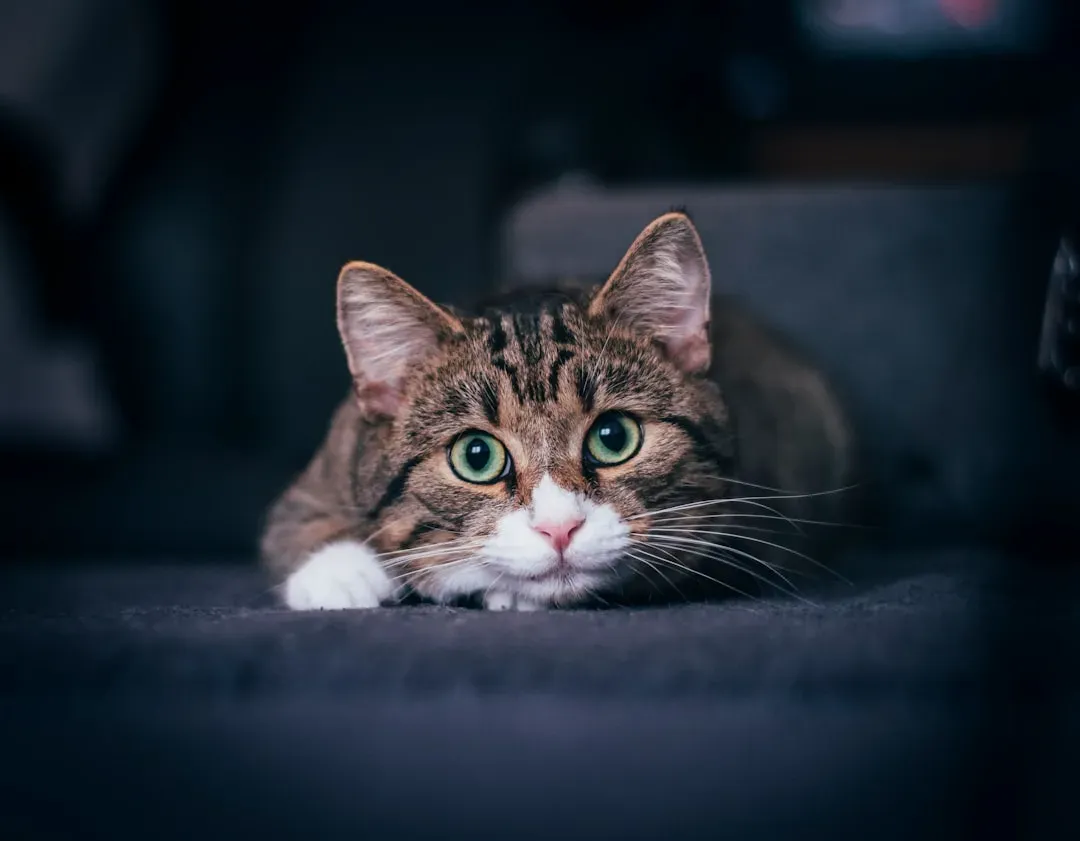
The next time your cat sits perfectly still in a dark corner of the room, staring at something you simply cannot see, take a moment. You are not looking at a weird animal behavior. You are witnessing a biological system that evolution spent millions of years perfecting, from the crystalline architecture of the tapetum lucidum to the whisker-tip nerve endings quietly mapping the air.
Your cat is not just “seeing in the dark.” Your cat is doing something genuinely extraordinary that no human technology has ever fully replicated. Specialized pupils, a living mirror behind the retina, a retina packed with motion-detecting cells, whiskers that feel air currents, and hearing that detects frequencies you will never even know exist, all working together, all happening right there on your couch.
There is something deeply humbling about realizing that the creature you feed twice a day and whose belly you scratch on weekends is, from a purely optical standpoint, operating at a level far beyond what your own eyes will ever achieve. What other secrets do you think your cat is keeping? Tell us in the comments.