You tuck yourself in, close your eyes, and somewhere out there – or quietly somewhere in your house – your cat begins a completely different chapter of their day. Most people assume their cat is just aimlessly wandering or napping in a corner. Honestly, the truth is both stranger and more fascinating than that. Your cat’s nighttime hours are driven by ancient instincts, complex social rules, biological programming, and a world of sensory experience you’ll never fully see.
What unfolds after dark reveals just how little we truly understand about our feline companions. From secret patrol routes to highly strategic hunts, from emotional territorial rituals to surprisingly social rendezvous with neighboring cats, your cat is living a whole second life. So let’s dive in, because what happens in the dark might genuinely surprise you.
Your Cat Is Not Nocturnal – It’s Something Even More Interesting
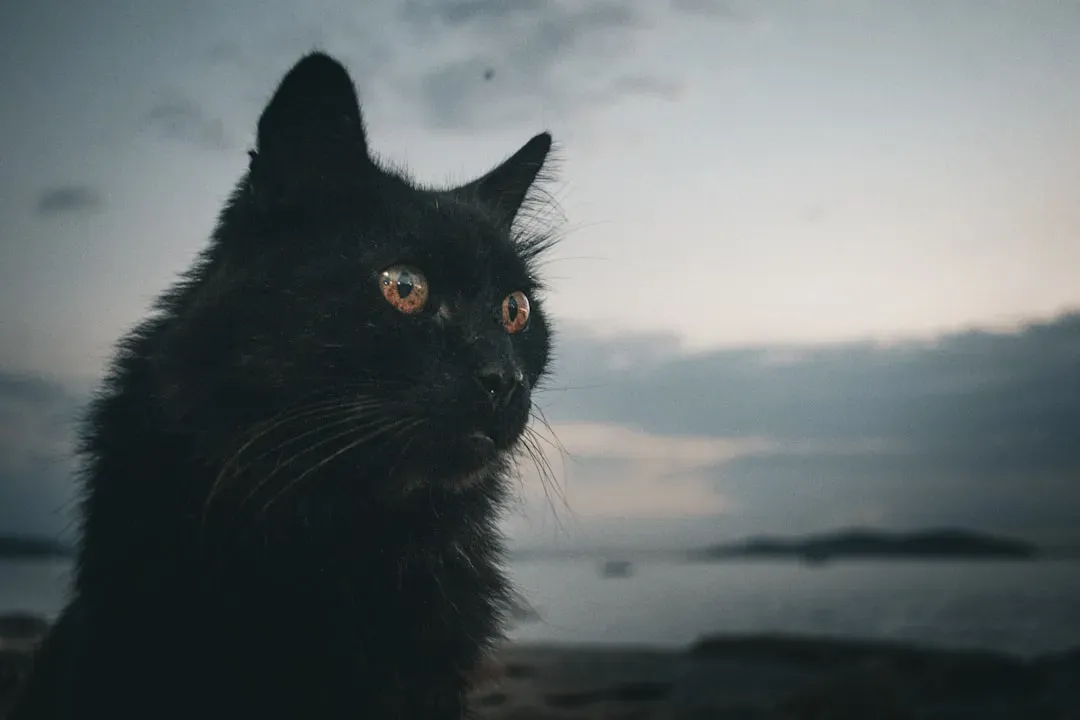
Here’s the thing most people get wrong right from the start: your cat is not actually nocturnal. Cats are not true nocturnal animals but crepuscular, which means they are most active during the early evening and morning, at dawn. That distinction matters more than you might think. Unlike owls or raccoons that thrive specifically in complete darkness, your cat is biologically tuned to those magical windows of dimming and rising light.
Crepuscular animals take advantage of the receding daylight and darkness to capture the best of the daytime and nighttime worlds. The most quoted theory for crepuscular activity is that it offers an optimal balance – “There is just enough light to see, but it is dark enough to lower the odds of being caught and eaten.” In other words, your cat’s ancestors evolved to occupy a strategic sweet spot – sharp enough senses to hunt, dim enough cover to stay safe. Pretty clever engineering, if you ask me.
The Supercharged Senses That Make Night Possible
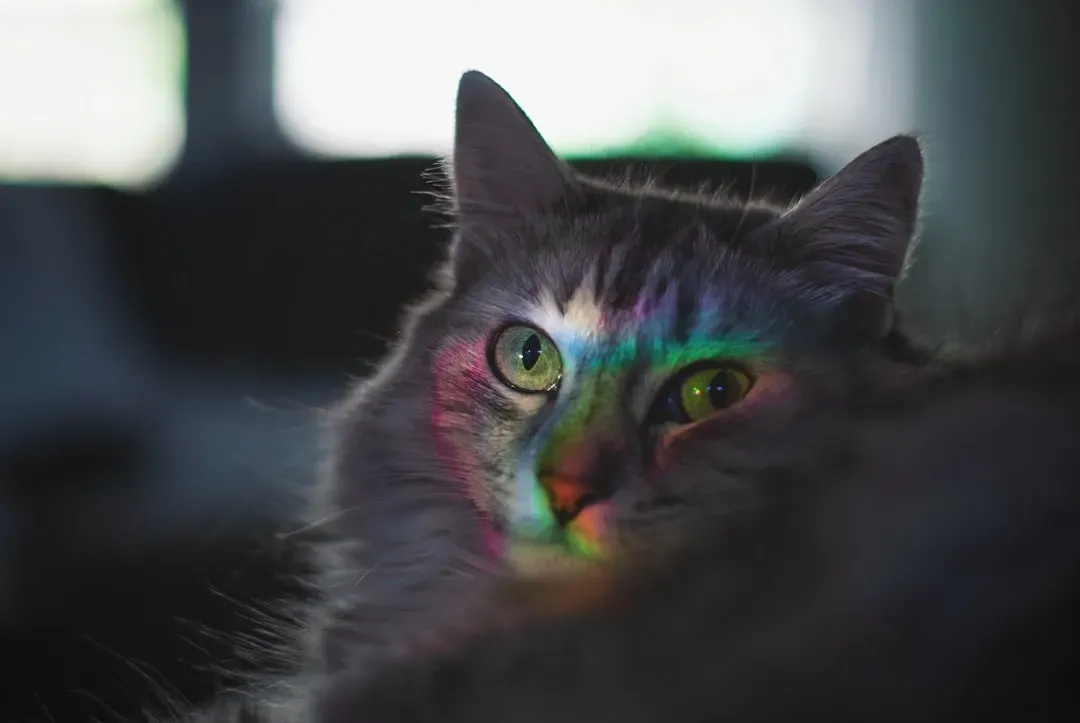
Cats don’t have circular pupils like humans, but because they have large corneas and pupils roughly half again larger than a human’s, more light gets into their eyes, which means they can see much better in low light. However, although some people think they can see in the dark, that’s not quite true. Given that their eyesight allows them to see better at night, it is natural for them to be more active at dusk and dawn, just when their prey is likely to be active.
Cats have a higher concentration of rod cells in their retinas, which are sensitive to low light levels. They also possess a tapetum lucidum, a reflective layer behind the retina that enhances light capture. Think of it like a built-in night-vision booster that literally bounces available light back through the eye a second time. That’s why your cat’s eyes glow eerily in the dark – and why they can track a mouse with precision while you’re fumbling for the light switch.
The Hunting Instinct That Never Truly Sleeps
Even the most pampered indoor cat retains a strong hunting instinct. At night, this drive intensifies. Darkness provides cover, making prey more vulnerable. This is one of those facts that cat owners find both endearing and faintly alarming. Your well-fed house cat, who just ate an entire bowl of premium kibble, is still out there treating the neighborhood like a safari.
Researchers from the University of Georgia were curious about after-hours cat behavior, so they strapped cameras to 55 outdoor cats in Athens and reviewed their nighttime antics. The researchers and the cat parents were surprised to learn that the Athens outdoor cats preferred hunting small reptiles and amphibians, or small local mammals over mice. Even more surprising, the monitored cats left behind about half of the animals they hunted, only ate about 28 percent, and brought home about 23 percent. Hunting, for your cat, is not really about food. It is a deeply embedded behavioral ritual – as natural to them as breathing.
Territory Patrols: Your Cat Owns the Neighborhood (Or Thinks It Does)
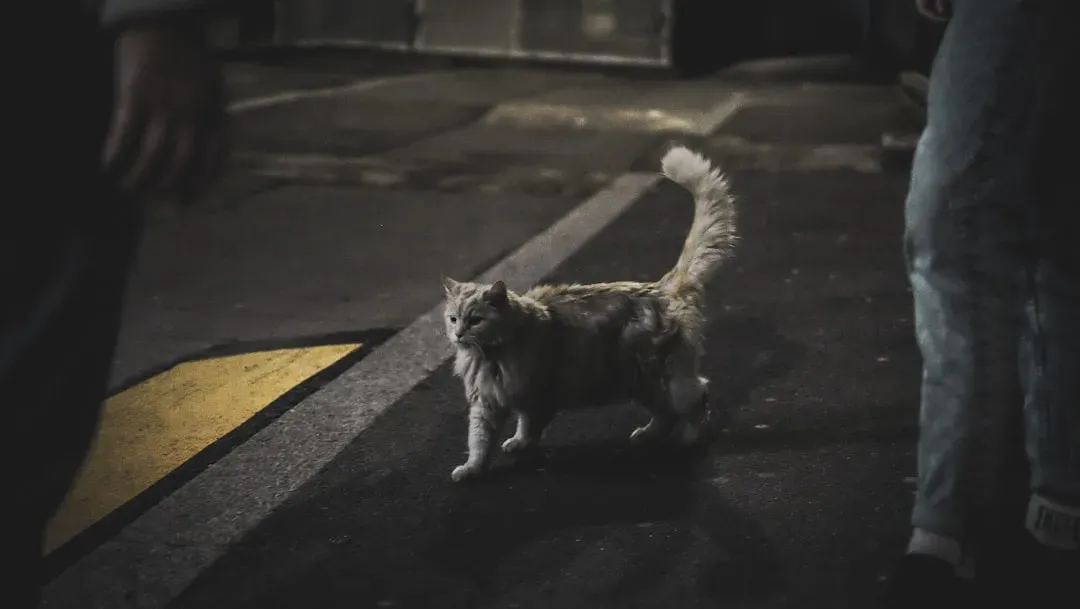
Cats are highly territorial creatures. Their territories are not simply physical spaces but complex webs of scent markings and visual cues. Every night, your outdoor cat performs what is essentially a property inspection. Think of it like a landlord walking through every room of a building to make sure nothing has changed – except the building is your entire street, and the lease is enforced with urine.
To maintain a territory, your cat must patrol it, scent mark the borders, and defend it against trespassers, especially other cats. This is why outdoor domestic cats will have larger ranges than indoor cats. Studies show the average outdoor house cat patrols a nighttime territory of between one and five acres, though this nightly roaming range can vary quite a bit between different cats. Young, energetic cats often venture farther than older or less active ones. That’s a surprisingly large patch of ground for an animal that weighs about as much as a bag of flour.
The Mating Drive That Sends Cats Miles From Home
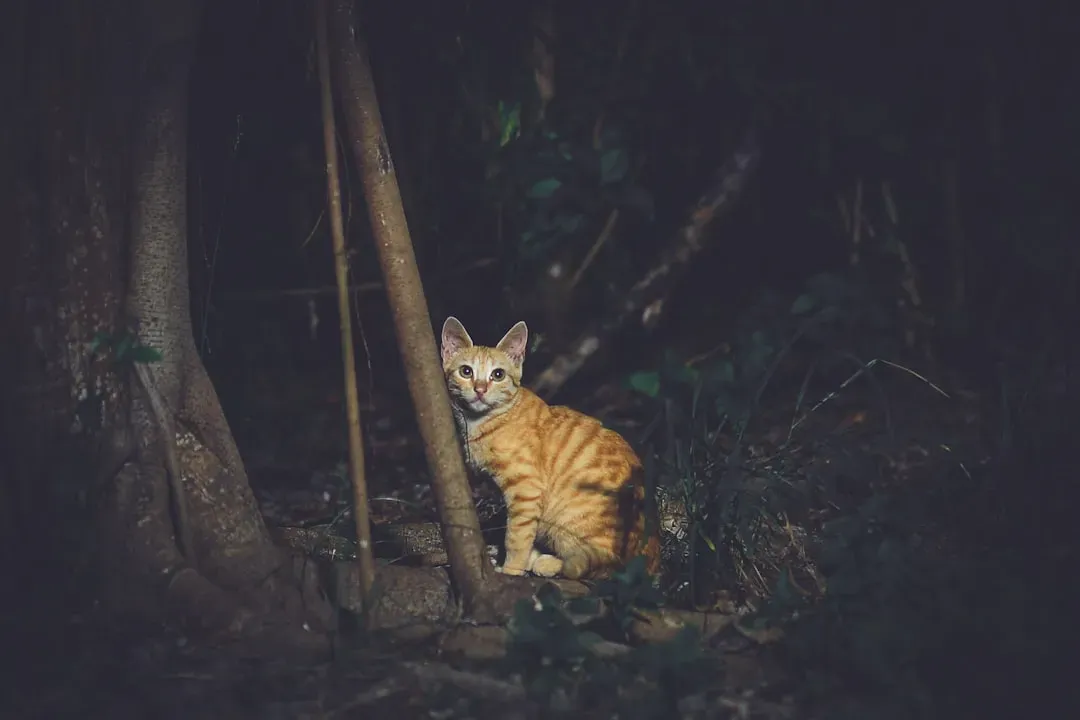
Female cats can come into season regularly, every two to three weeks from spring into autumn, and may roam outside during the night and call for a mate. Male cats become sexually active from around six months old and can be very active looking for a female mate, sometimes travelling long distances from home at night time in that search. This is not casual wandering. This is a full biological compulsion that overrides every other instinct, including the instinct to stay safe.
Unneutered males travel more to find mates, roaming on average three times farther than neutered ones. There are documented cases of cats traveling over 10 miles in search of mates or to return home after being displaced. If you’ve ever wondered why your unneutered tom sometimes disappears for days and comes back looking utterly battle-worn and proud of himself, now you know. The drive is that powerful. Neutering your cat, it’s worth saying, makes a dramatic difference to both their safety and their roaming range.
The Secret Social Life Playing Out in the Dark
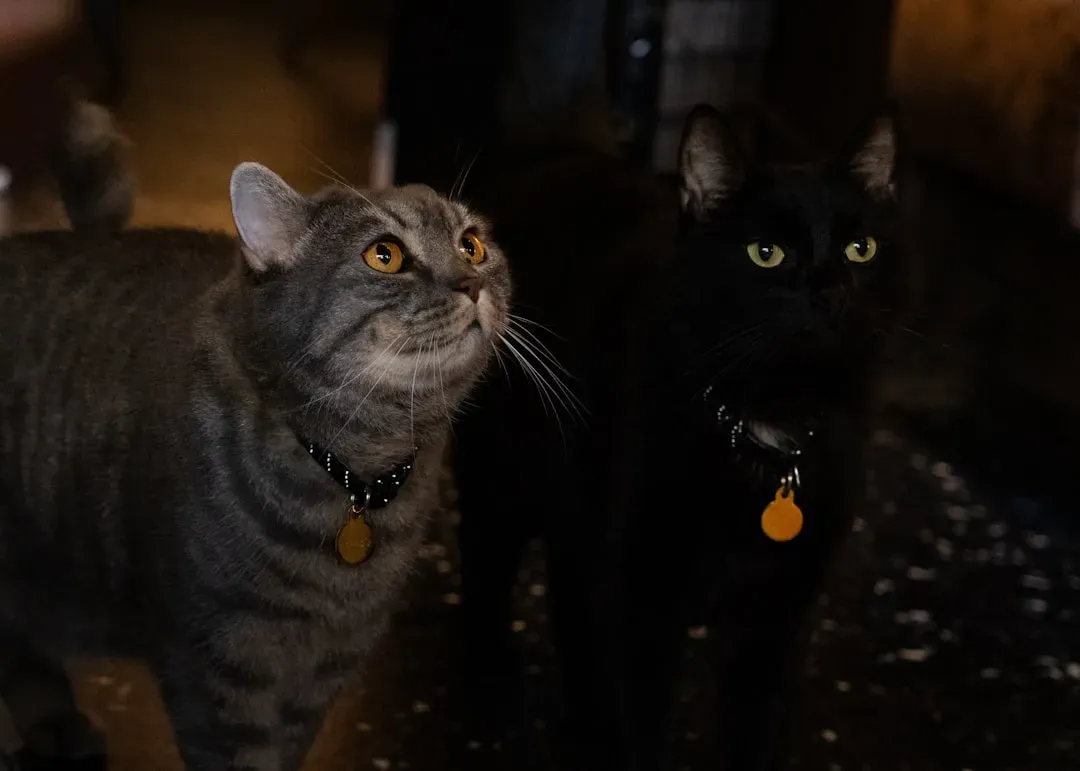
Despite their reputation for independence, cats are social animals, especially in multi-cat households or feral colonies. Nighttime offers opportunities for social interactions. Cats may gather in certain locations at night to socialize, mate, or engage in dominance displays. This is one of those facts that feels genuinely surprising. We think of cats as solitary, but out there in the dark, they have an entire social calendar happening.
In the dark they set out on exciting expeditions, stalk their prey and seek the company of other cats. Their keen senses are perfectly attuned to nocturnal activities, which means they notice every movement and every little noise. Sometimes they spend their time hiding, just to avoid a confrontation. It’s a bit like a complicated office politics situation – some cats are dominance-seeking, some are conflict-avoidant, and they’re all figuring out where they stand in the local hierarchy, completely without your knowledge.
The Real Dangers Lurking in the Dark
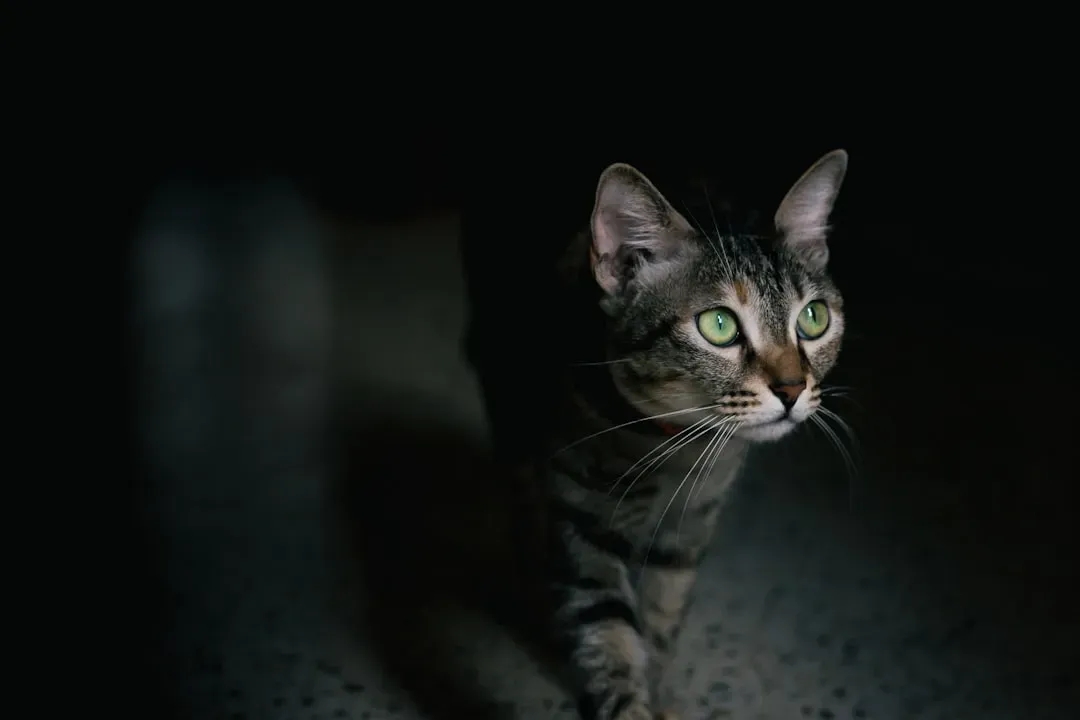
Although your cat’s wild ancestors roamed and hunted for their meals, they still faced considerable risk, including fighting and becoming another animal’s dinner. In addition to the dangers their ancestors faced, domestic cats encounter modern hazards such as vehicles, busy roads, feral cat colonies, toxic substances, unleashed dogs, and animal abusers. The world your cat explores at night is genuinely dangerous, and many owners significantly underestimate just how many threats are out there.
On average, an indoor cat’s lifespan is 15 to 17 years, whereas cats with the freedom to roam outdoors unsupervised live, on average, just two to five years. This stark difference is because there are many threats to a cat’s safety when allowed outdoors on their own, including other animals, vehicles, toxic substances, and other dangers. That is a staggering difference in life expectancy – the equivalent of a human choosing between living to 80 or to 20. It’s hard to overstate how serious those numbers are.
Your Indoor Cat’s Nighttime World Is More Active Than You Think
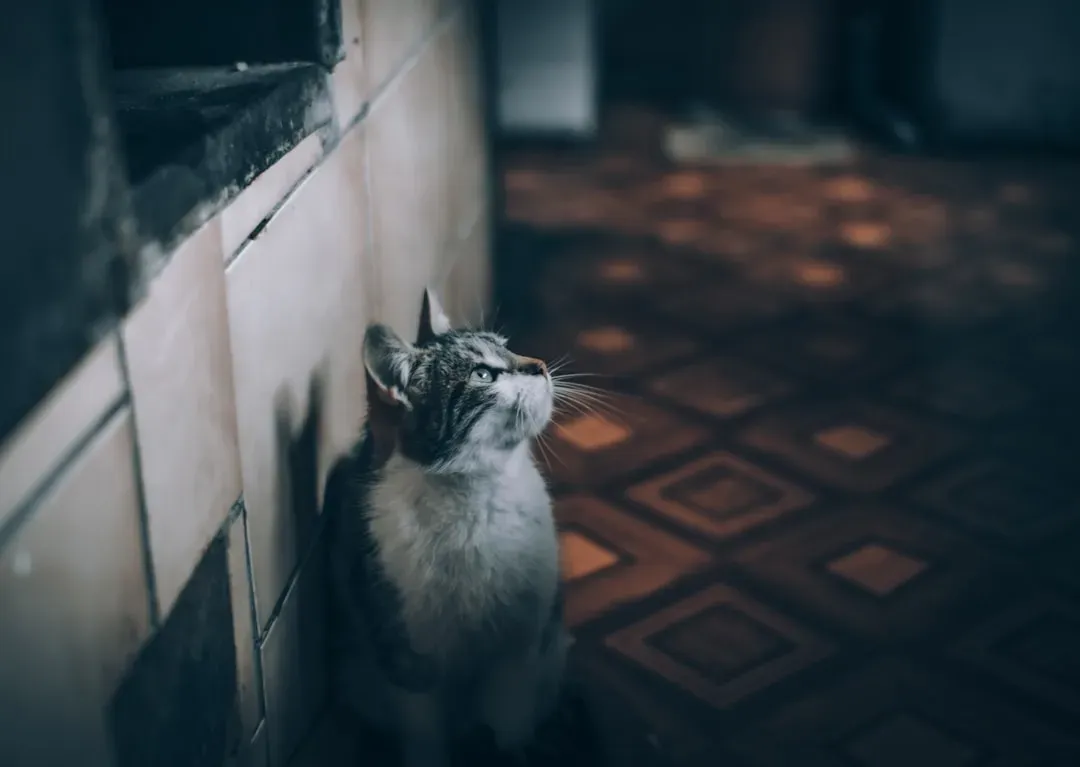
Cats are territorial animals, and an indoor cat at nighttime may be triggered to feel the need to patrol its territory – your home. It might be checking for any changes in its environment, ensuring everything is as it should be. Cats thrive on predictable and routine behavior in their territory, and this behavior is a natural extension of their instinct to protect their zone from threats. Yes, even your sofa-dwelling indoor cat is essentially performing security checks on your home while you sleep.
Cats are crepuscular, which means they’re most active at dawn and dusk, the best times for hunting in the wild. Although today’s cats are domesticated, that instinct remains strong. Young cats often have bursts of playful energy just when you’re ready for bed, and that can make cat sleeping time a challenge. Senior cats, on the other hand, may be restless at night for different reasons. Changes in their sleep cycles, hearing loss, anxiety, or the onset of cognitive dysfunction can lead to vocalizing and increased wakefulness. Their age matters enormously in shaping what their nights actually look like.
How You Can Work With Your Cat’s Night Nature, Not Against It
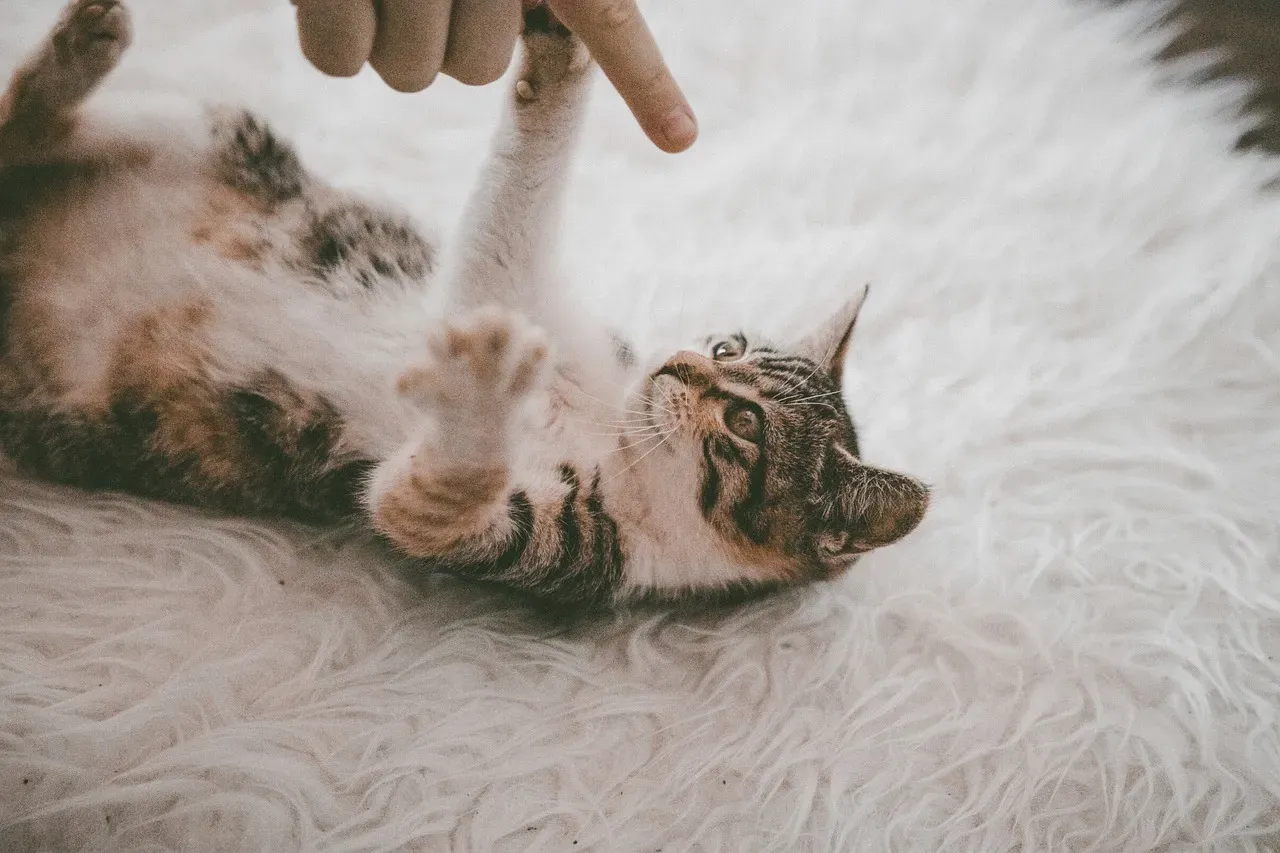
Engaging your cat in interactive play sessions during their peak activity times can help satisfy their natural instincts. Toys that mimic prey, such as feather wands or laser pointers, can encourage them to chase and pounce. Scheduling playtime around dawn and dusk can also help your cat expend their energy during appropriate hours. The key insight here is timing. You are not trying to suppress your cat’s instincts – you’re just redirecting them toward moments that work for everyone.
Cats thrive on consistency. Try to align their routine with yours by scheduling an evening play session before bed and feeding them their largest meal right after that session. Avoid feeding your cat first thing in the morning, or they’ll learn to wake you up earlier every day. It sounds almost too simple to work, but cats are creatures of pattern. Shift the pattern and you shift the behavior. A mentally stimulated cat is far less likely to turn into a restless night owl. That, honestly, is the whole secret in one sentence.
Conclusion
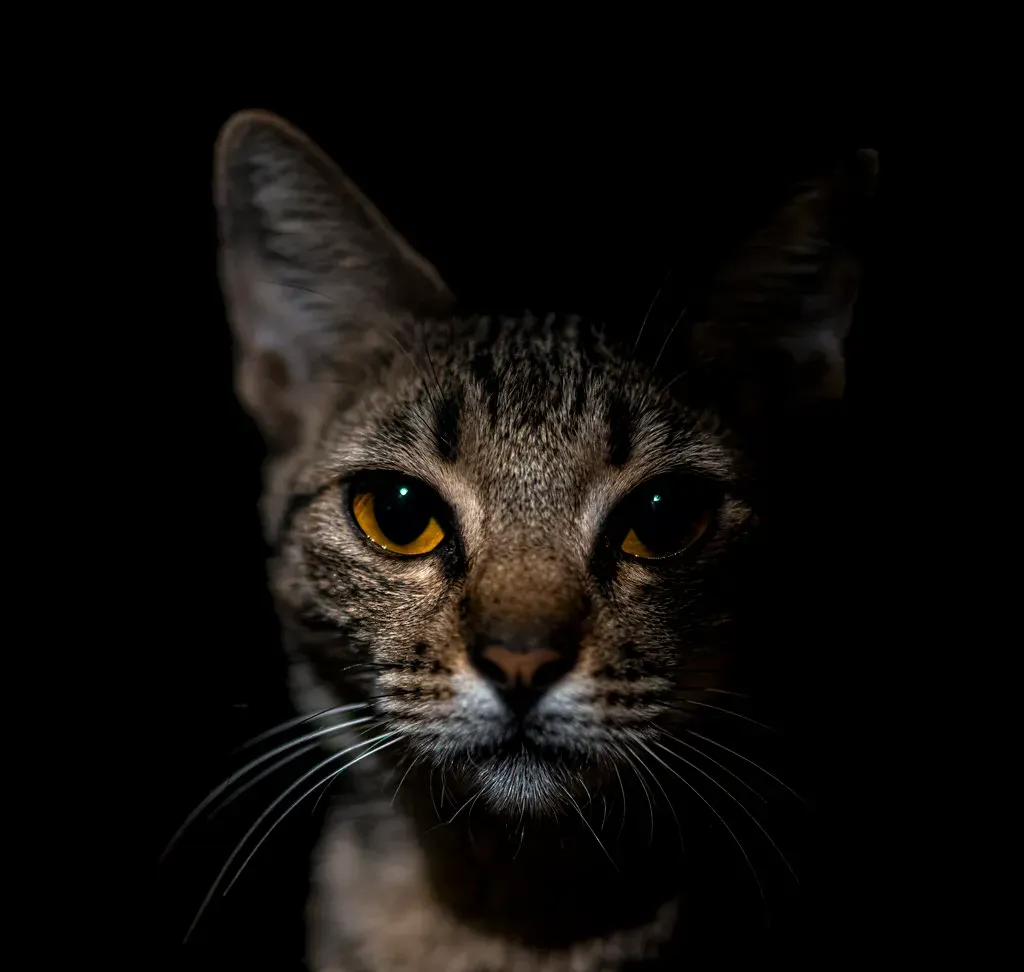
Your cat’s nighttime life is not the quiet, idle wandering most owners imagine. It is a richly layered behavioral world built from millions of years of evolutionary programming – hunts that have nothing to do with hunger, territorial rituals performed like clockwork, social dynamics playing out silently in the dark, and senses operating at a level you will never fully appreciate. Whether your cat goes outside or stays indoors, they are never simply “just sleeping” or “just hanging around.”
Understanding what actually drives your cat after sunset changes the relationship you have with them. It shifts them from mysterious and slightly inconvenient to something genuinely extraordinary. The creature curled on your lap during the day is, when the light fades, a small and perfectly designed predator navigating a world that was built for them long before houses ever existed. So next time your cat stares intensely into the darkness at 3am, know that they’re not seeing nothing. They’re seeing everything. What does your cat get up to after dark? You might want to start paying closer attention.