You switch off the light, pull the covers up, and just as your body starts to sink into the bed, something pounces. Your cat is suddenly wide awake, ready for business, completely unbothered that you are not. Sound familiar? There is a lot happening in that fluffy little head, and it goes much deeper than bad timing or random mischief.
Cats have always carried an air of mystery, and nowhere is that more true than at night. Every sprint through the hallway, every nudge of a paw against your face, every quiet moment of your cat watching you from across the room, all of it is connected to something ancient, primal, and surprisingly tender. Let’s dive in.
The Twilight Code: Why Your Cat Is Wired for Dusk and Dawn
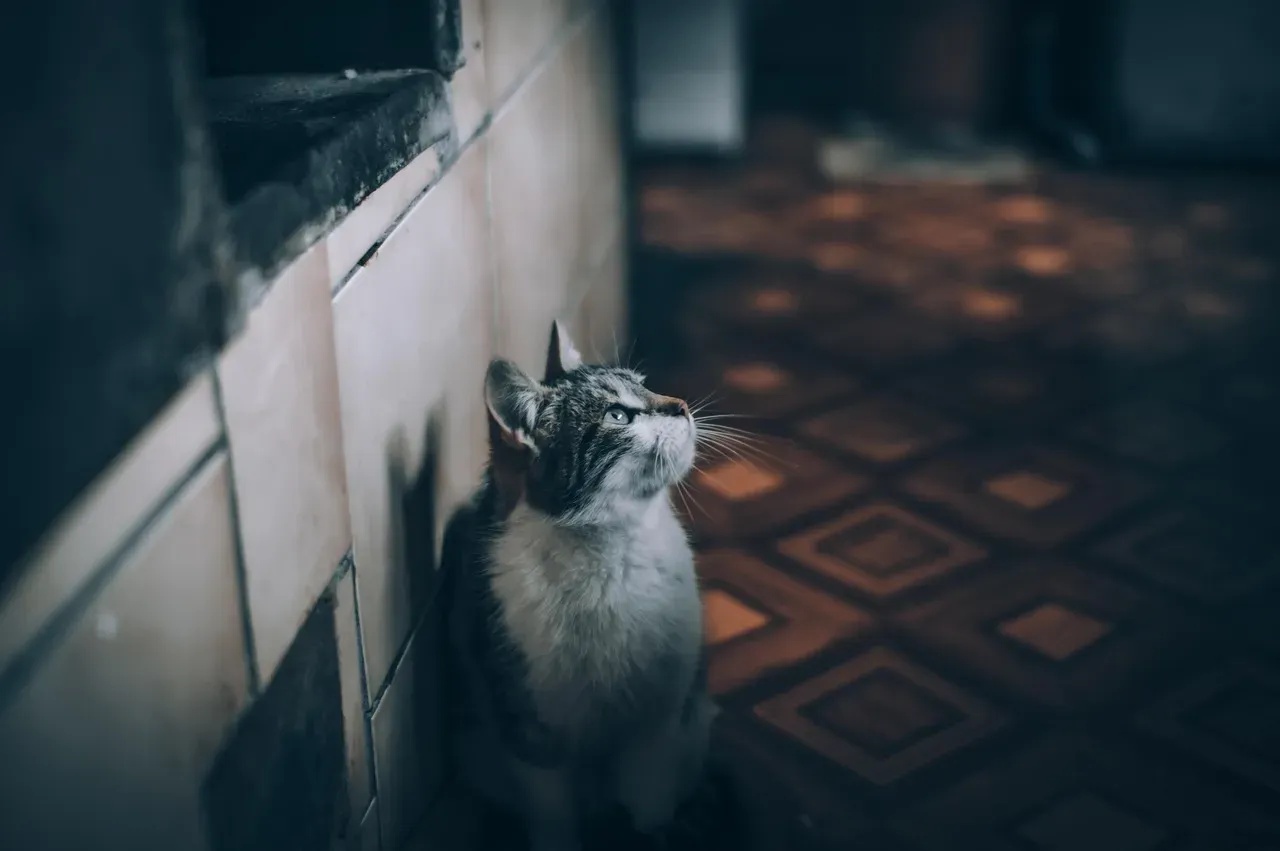
Here’s the thing most people get completely wrong about cats. You might assume your cat is nocturnal, a true creature of the night, but science tells a different story. Cats are crepuscular, which means they are most active at dawn and dusk, the best times for hunting in the wild. Think of it less like an all-night party and more like two very intense happy hours at either end of the day.
Cats are most active during dawn and dusk when their prey is also more active, and this crepuscular lifestyle stems from their evolutionary history as hunters who adapted to capitalize on optimal hunting conditions. So when your cat launches a full-speed sprint at 5 a.m., they are not trying to punish you. They are simply following millions of years of biological programming baked right into their DNA.
The Hunting Brain That Never Really Clocked Out
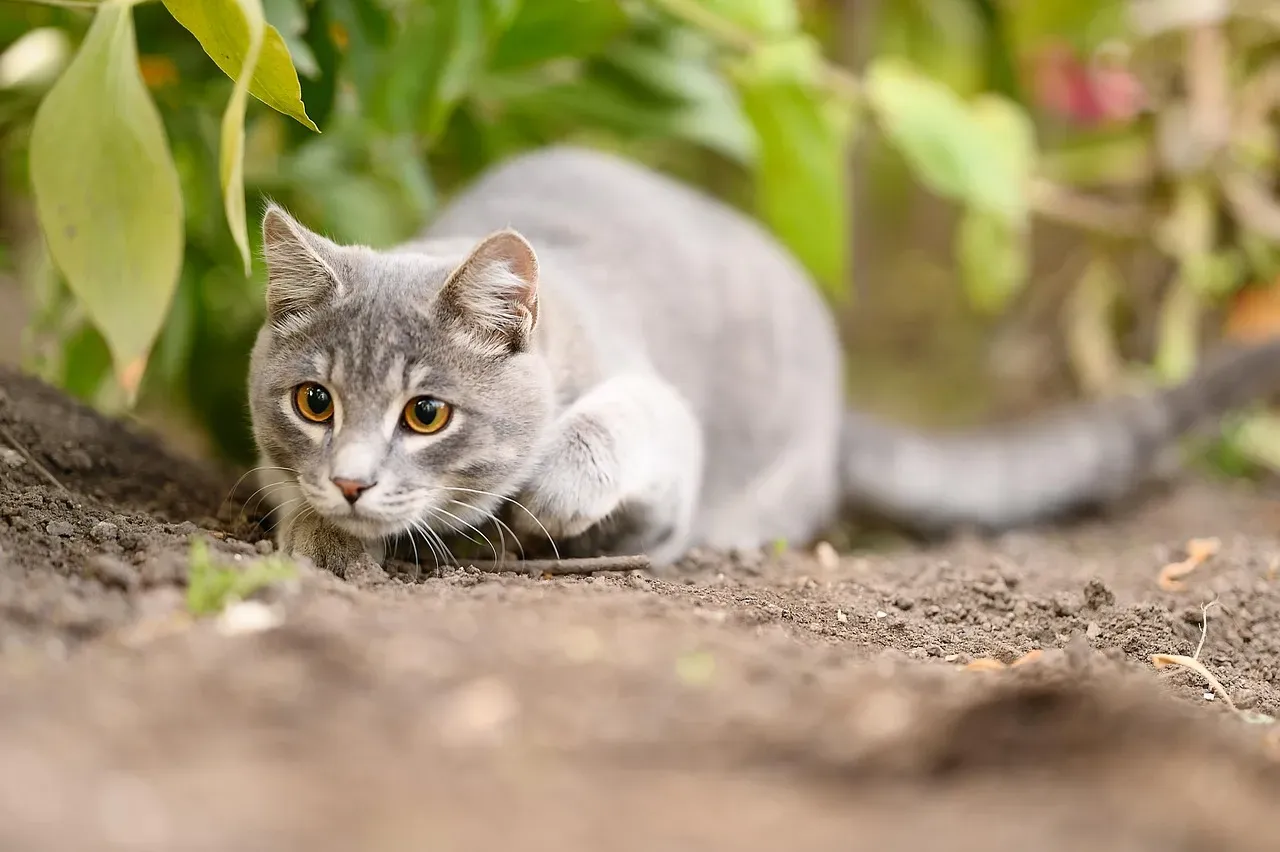
Fundamentally, cats are predators, and sleeping is vital to conserve their energy after hunts. Cats are anatomically and physiologically designed to hunt for their food, even if you now provide it for them in a bowl. Honestly, think about that for a second. Your cat’s whole body, every muscle, every reflex, every sharpened instinct, was built to chase, catch, and kill. The only thing that changed is that you showed up with a tin opener.
Even well-fed indoor cats retain their hunting instincts, and they might stalk toys, chase shadows, or “hunt” imaginary prey, especially if they have not had sufficient playtime during the day. So the late-night shadow-chasing you witness is not silliness. It is your cat’s inner predator doing what it was always meant to do, just without the actual mouse.
The Sleep Architecture of a Natural-Born Hunter
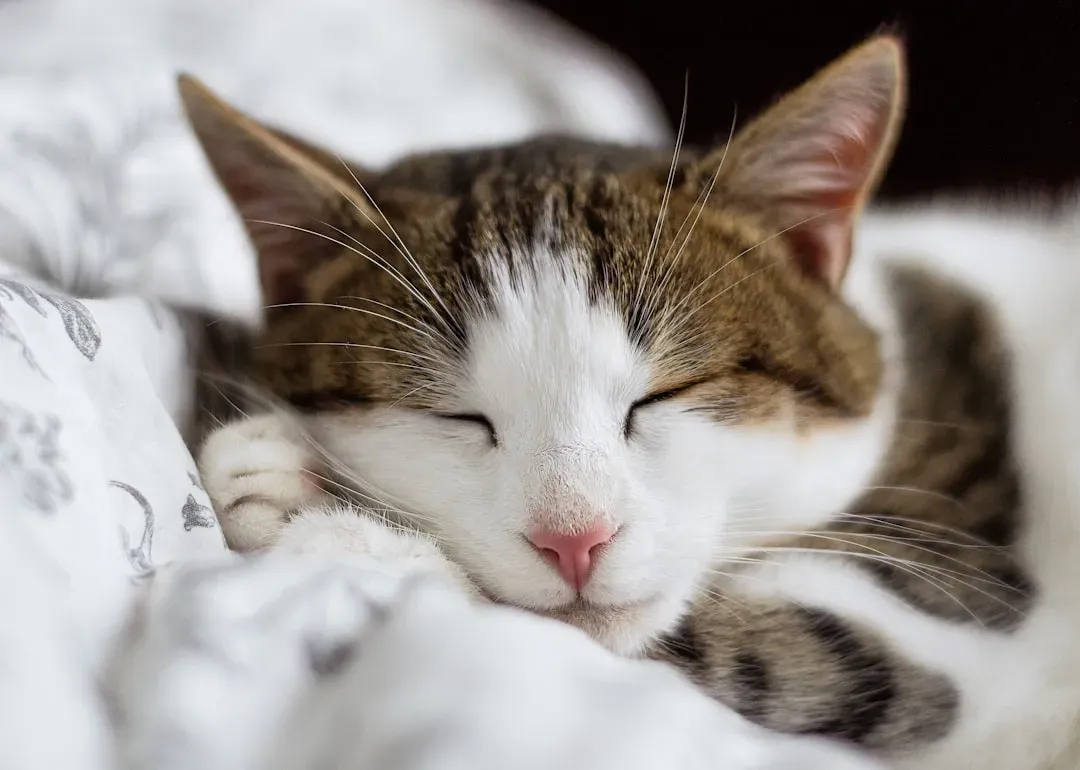
Cats typically sleep from 12 to 18 hours out of every 24, with some especially relaxed specimens sleeping up to 20 hours a day. However, that sleep is punctuated with frequent periods of wakefulness in which the cat goes about its daily activities. It is a completely different architecture from human sleep. Where you sink into a long uninterrupted stretch, your cat operates in a constant rotation of naps and bursts of activity.
Cats do not have the same daily sleep-wake cycle that humans and many other animals do. Rather, they sleep and wake frequently throughout the day and night, because cats in the wild need to hunt as many as 20 small prey each day and must be able to rest between each hunt so they are ready to pounce quickly when prey approaches. It is almost like your cat is running a series of short operational shifts throughout every single 24-hour cycle.
The REM Dreams Behind Those Twitching Paws
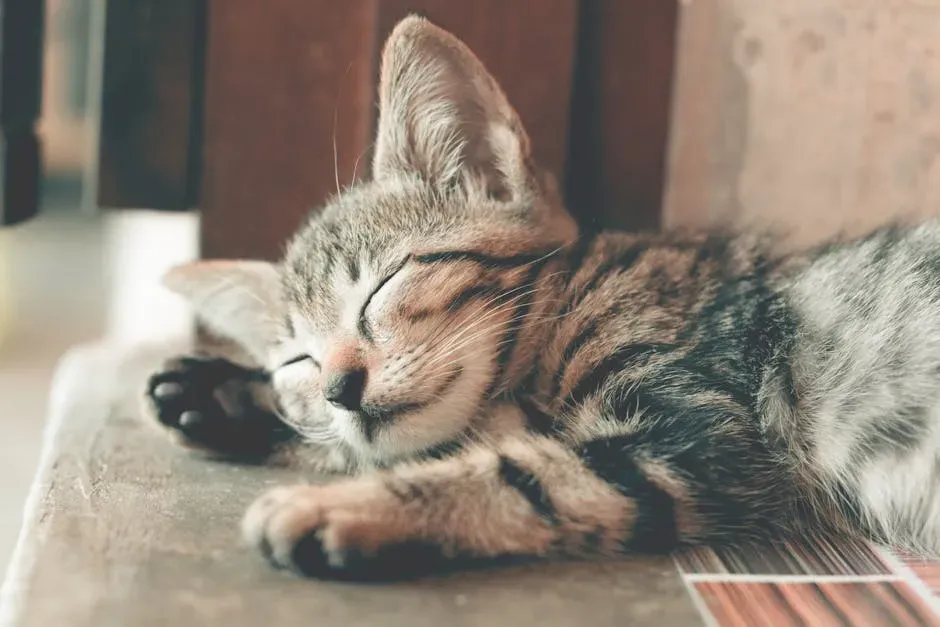
REM sleep, also known as rapid eye movement sleep, is the phase where most dreaming occurs. Just like humans, cats experience rapid eye movements during this stage, and you might even catch them twitching or making small noises as they dream about chasing imaginary prey or engaging in playful activities. I think this is one of the most quietly astonishing things about living with a cat. There is a whole dream world happening right next to you on the couch.
Even domesticated cats retain these instincts, engaging in short, deep sleep punctuated by brief periods of lighter rest, and this enables them to spring into action at a moment’s notice, maintaining vigilance even while dozing. Their body never fully powers down. Even in sleep, there is a part of your cat’s nervous system staying alert, ready to respond to the world.
How Your Home’s Lighting Shapes Your Cat’s Night Life

Research explores how artificial light may affect the circadian rhythms of cats, potentially altering their natural activity patterns. Cats in brightly lit homes may stay active longer in the evening and show less distinction between day and night behavior. Conversely, cats in darker environments or homes that closely follow natural light cycles tend to align their activity more strongly with sunrise and sunset. Your home’s atmosphere, believe it or not, is quietly shaping when your cat feels most alive.
A cat in a home where lights stay on late, people are active until midnight, and food is offered at irregular hours may appear more nocturnal. Another cat in a quieter, dimmer home may sleep soundly through most of the night. It is a good reminder that you have more influence over your cat’s nightly rhythm than you might think, simply through the habits and environment you create around them.
What It Really Means When Your Cat Sleeps Near You
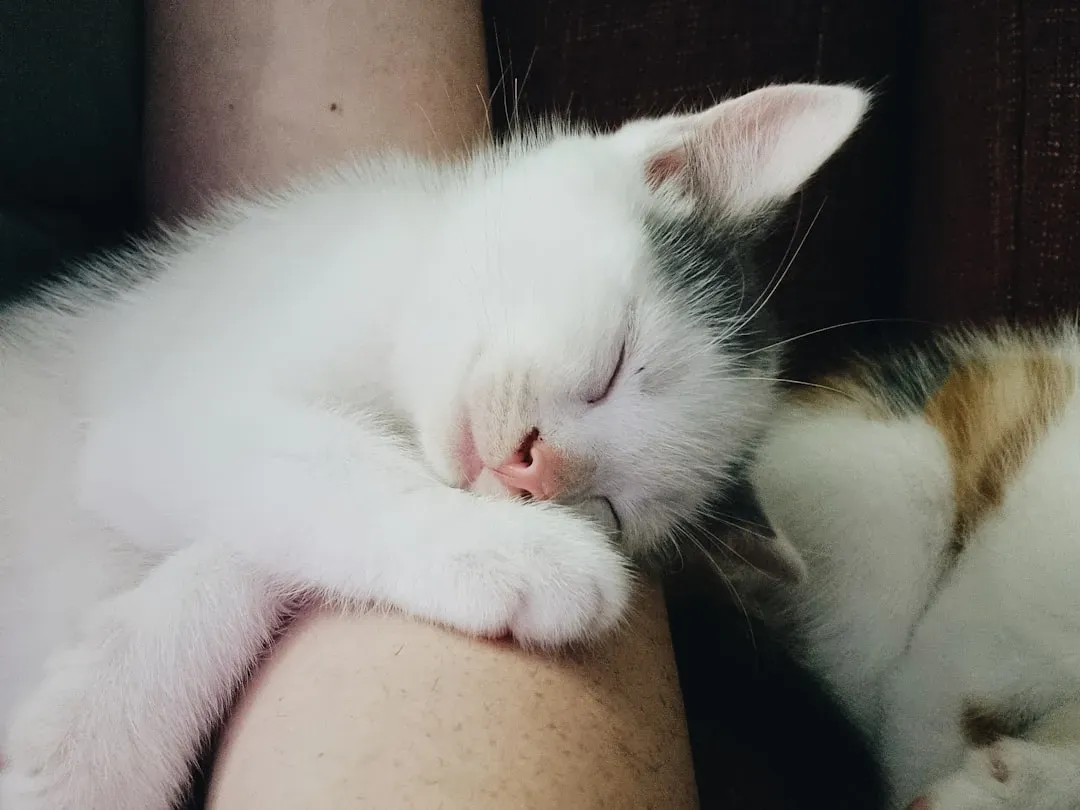
This is the part that gets me every time. Your cat choosing to sleep near you is not random or accidental. Cats feel most vulnerable when sleeping, and so will curl up next to the person they love and trust the most. In the wild, bonded cats sleep next to each other, and this same principle carries over into human-feline companionships. You are, in your cat’s eyes, a trusted pride member.
Cats often choose sleeping spots near their owners, even if they are not fully asleep themselves. This proximity may offer warmth, security, or social comfort, and from an evolutionary standpoint, resting near a trusted group member provides protection against threats. So next time your cat settles in beside you at night, know that it is one of the most meaningful compliments they can pay you. They are choosing you as their safe harbor.
Sleeping Positions That Speak Volumes About Trust and Affection
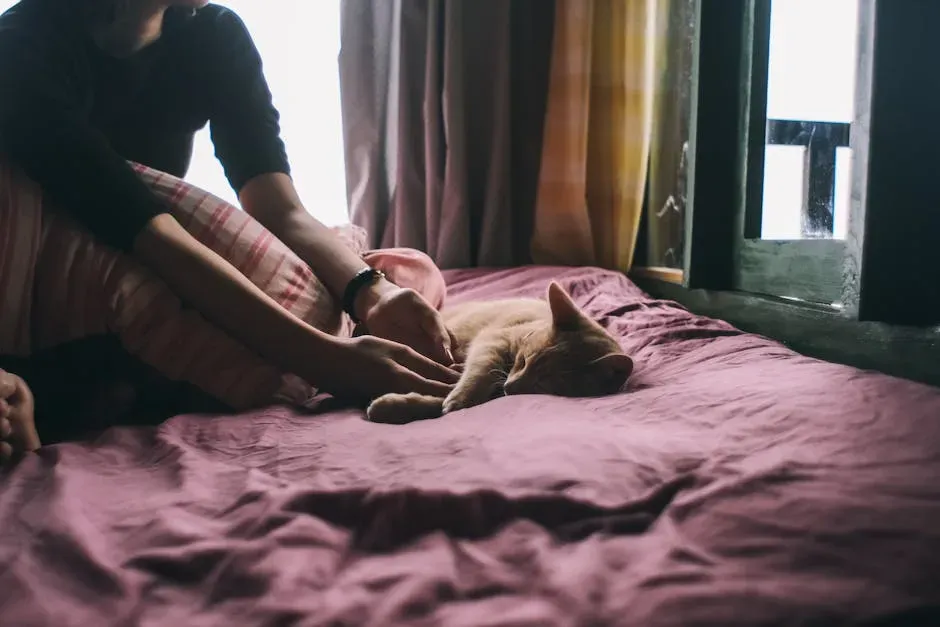
Where your cat lands on the bed tells you everything. Cats may be independent creatures, but they do not sleep just anywhere. If your cat chooses to sleep directly on your chest, it is one of the strongest indicators of trust and affection. Your chest offers warmth, the steady rhythm of a heartbeat, and the comfort of your familiar scent, all things that tap deeply into early feline emotional memory.
Not all cats want to be draped across your body though, and that does not mean they love you less. Sleeping at your feet is a perfect balance of trust, comfort, and independence, as cats are naturally strategic about where they sleep, and their choice is influenced by security, warmth, alertness, social bonding, and scent familiarity. Your feet also give them a clear sightline toward the door, a classic predator move wrapped inside an act of love.
The Midnight Zoomies, Vocalization, and Other Nighttime Theater
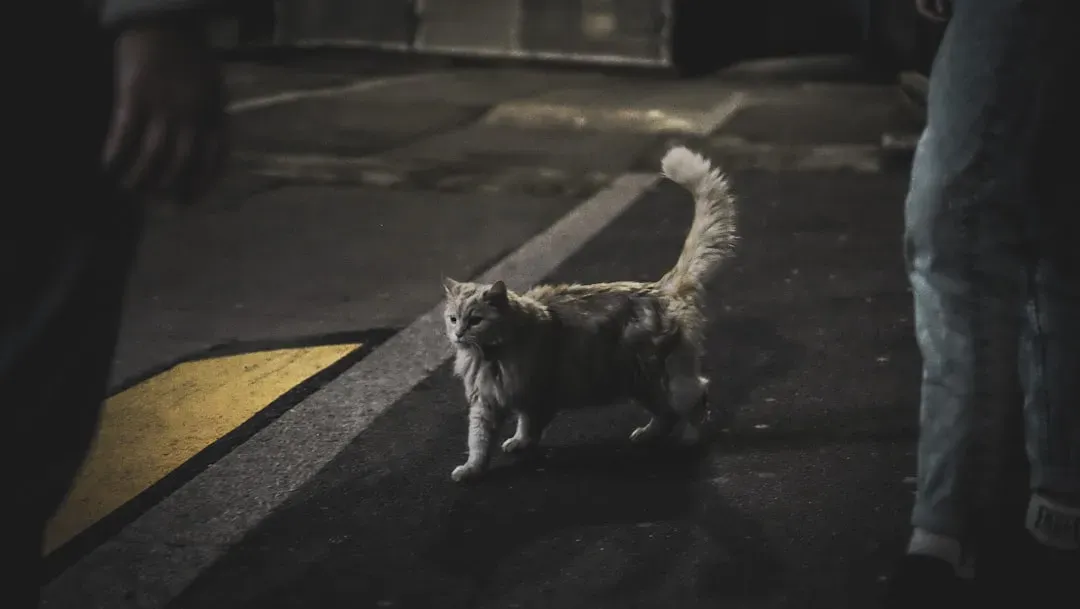
Let’s be real, the midnight zoomies are both hilarious and slightly baffling. Studies observing indoor cats note that these bursts are often brief and followed by rest, and they are not signs that a cat is unhappy, but rather that the cat is expressing normal, instinctual behavior in an environment without actual prey. Your cat is essentially simulating a hunt in a living room. The couch is the jungle. The crinkled paper ball is the prey. You are a very sleepy spectator.
Still, not all night noise is playful. Senior cats may be restless at night for different reasons, and changes in their sleep cycles, hearing loss, anxiety, or the onset of cognitive dysfunction can lead to vocalizing and increased wakefulness. If your older cat’s night behavior changes noticeably, it is worth a trip to the vet. Some health conditions can disrupt a cat’s sleep schedule and keep them up at night, including hyperthyroidism, hypertension, anxiety and pain, and if a senior cat is experiencing cognitive dysfunction, that can also create a disrupted sleep cycle.
Working With Your Cat’s Instincts Instead of Against Them
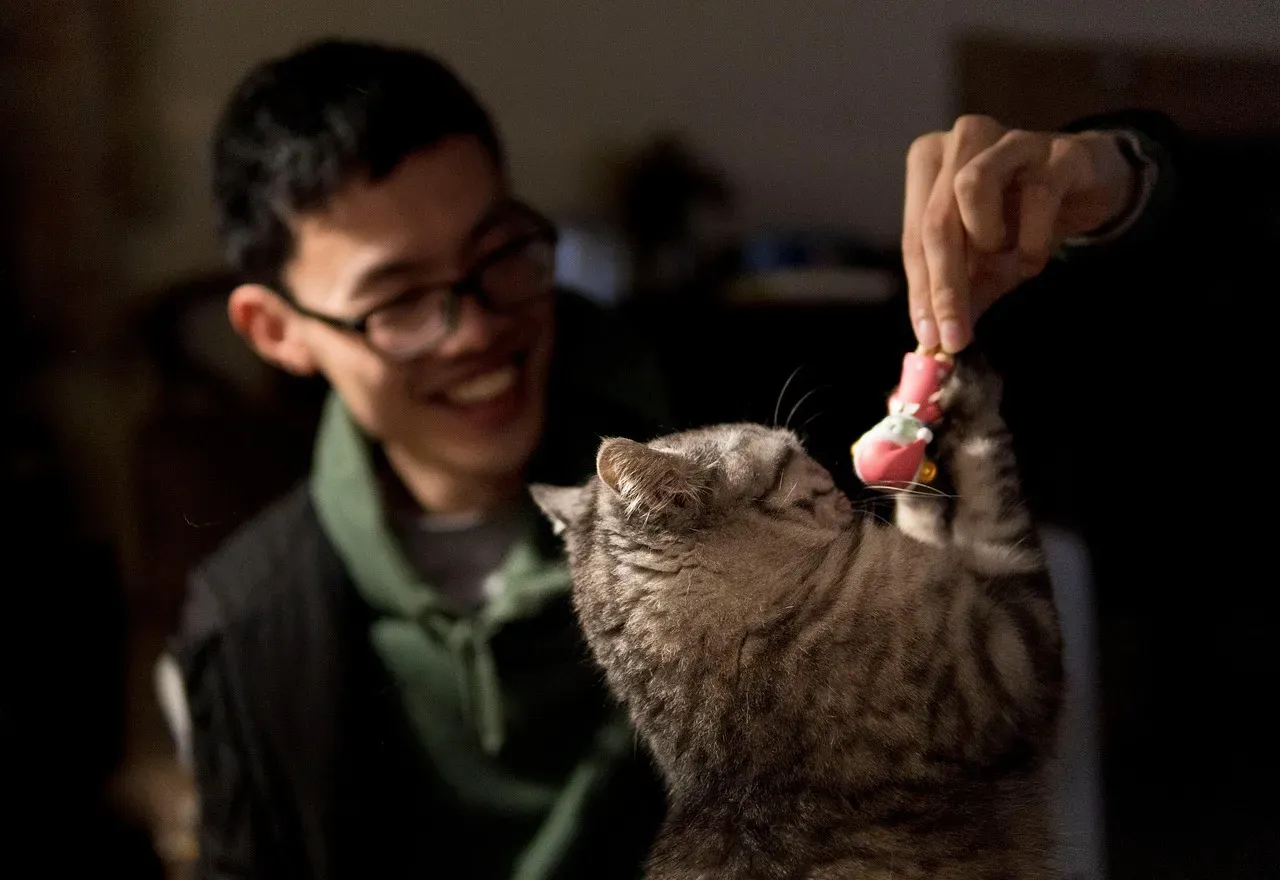
The good news? You do not have to simply surrender to your cat’s whims. Interactive play strengthens your bond and helps your cat burn off excess energy, leading to better sleep at night, and a good play session before bedtime is one of the best ways to encourage a healthy sleeping time for your cat. Think of it like running a child down before bed, same principle, slightly sharper claws.
Before bedtime, spend some time playing with your cat and then feed them a small meal. This may help expend some of your cat’s energy, get their tummy full, and let both of you get a better night’s sleep. A mentally stimulated cat is far less likely to turn into a restless night owl. Puzzle feeders, rotating toys, window perches for bird watching during the day, these small investments pay off enormously when the lights go out.
Conclusion: Every Night Is a Love Letter Written in Instinct
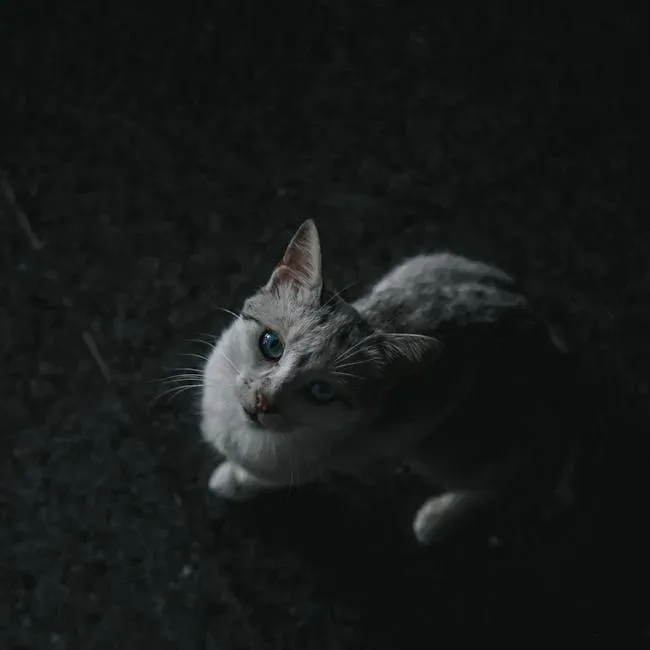
Your cat’s nighttime behavior is not random chaos. It is a living, breathing display of everything they are at their core: a predator built for the twilight hours, carrying ancient instincts forward into your modern home, and choosing to spend those precious active hours in your orbit. That says something profound about the bond you share.
The next time your cat wakes you at 4 a.m. or quietly tucks themselves beside you in the dark, try to see it differently. Not as disruption, but as communication. Their nighttime world is rich, instinct-driven, and quietly full of affection. You just have to know how to read it.
So, the real question is: now that you know what your cat’s nighttime habits truly mean, will you ever look at those 3 a.m. zoomies the same way again? Tell us in the comments what your cat gets up to after dark.