Most people picture their cat curled up and motionless all night, the picture of peaceful domesticity. The reality is quite different. Once the house goes quiet and the lights go down, something ancient kicks in, and your cat’s night shifts from rest to a surprisingly complex sequence of behaviors driven by instinct, biology, and even emotion.
There’s a lot happening in those dark hours that you’re simply not awake to see. Understanding what your cat actually does after bedtime doesn’t just satisfy curiosity. It can genuinely reshape how you interact with them, why they wake you at odd hours, and what they might need from you before you ever turn off that lamp.
Your Cat Is Not Nocturnal. It’s Something More Interesting.
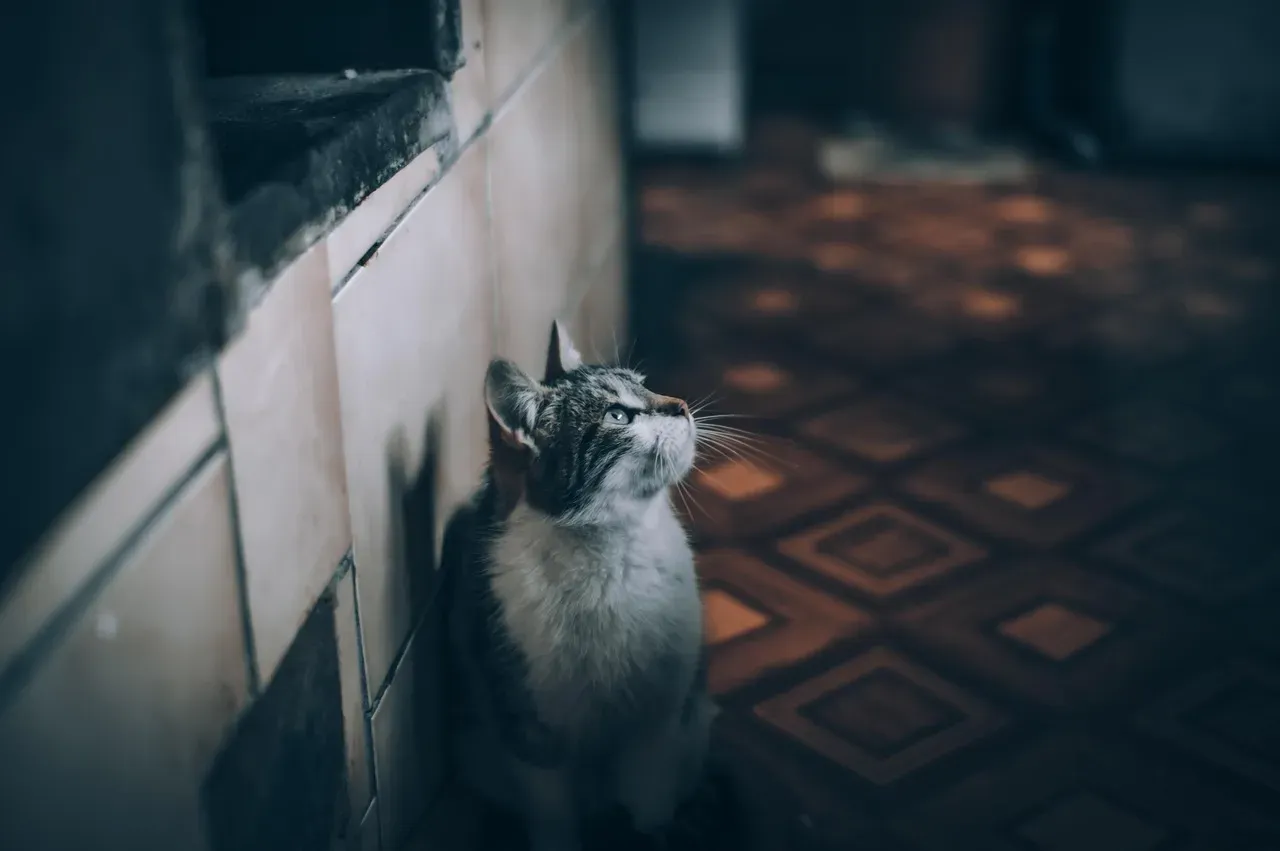
Research on feline circadian rhythms shows that domestic cats are not truly nocturnal, as is often believed. They actually follow a crepuscular pattern, meaning they are most active around dawn and dusk. This is a meaningful distinction, not just a trivia detail.
This behavior traces back to cats’ evolutionary past as desert hunters. Hunting at dusk and dawn provided cats some cover because of the darkness, but gave them just enough light to hunt in, which their eyes are designed for. Your cat isn’t trying to be difficult when it rattles around at six in the morning. It’s simply running an ancient internal program that predates your household schedule by thousands of years.
The Eyes That Were Built for the In-Between Hours
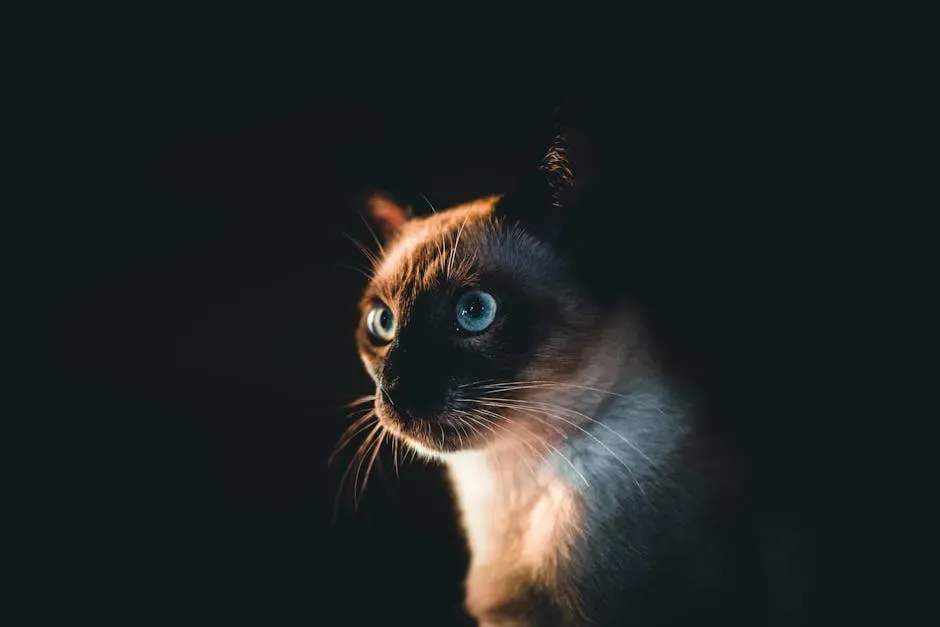
A few unique features allow cats to see fairly well in low light conditions. While they are not able to see in total darkness, they can make out shapes and movement better than humans can when the sun is just starting to come up or go down. This is a biological gift perfectly calibrated for crepuscular life.
A cat’s eyes are particularly adapted for this kind of activity. Cats have a high number of rod cells in their retinas, which are more sensitive to low light than cone cells. This makes cats excellent at navigating and hunting in dim conditions. That eerie glow you see in your cat’s eyes when headlights flash across the room isn’t imagination. It’s the tapetum lucidum, a reflective layer behind the retina that amplifies available light in ways human eyes simply cannot.
The Midnight Zoomies Have a Real Explanation
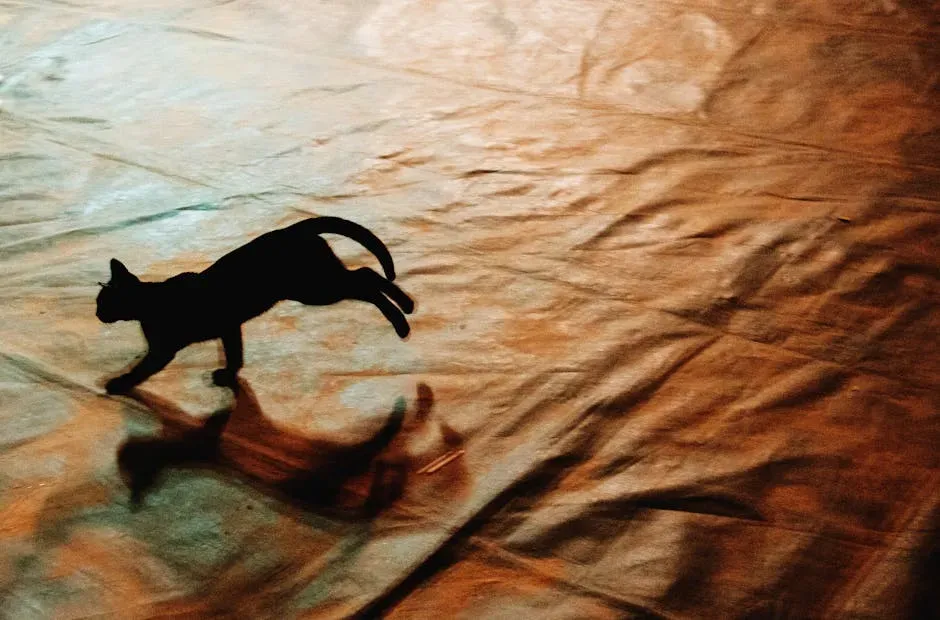
Those sudden bursts of speed, often called zoomies, are one of the most noticeable signs of nighttime cat activity. While it may look like your cat has gone off the deep end, from a scientific perspective these episodes are not a sign of madness or even boredom. They reflect normal patterns of energy release and motor behavior.
Cats are ambush predators built for short, intense bursts of movement rather than sustained endurance. In the wild, a successful hunt might involve long periods of waiting followed by a few seconds of explosive action. Even well-fed indoor cats who’ve never had to rely on predation retain this physical wiring. When your cat sprints from the hallway to the couch at eleven at night, it’s essentially running a simulation of something its DNA still expects it to do.
Your Cat Is Patrolling Its Territory While You Sleep
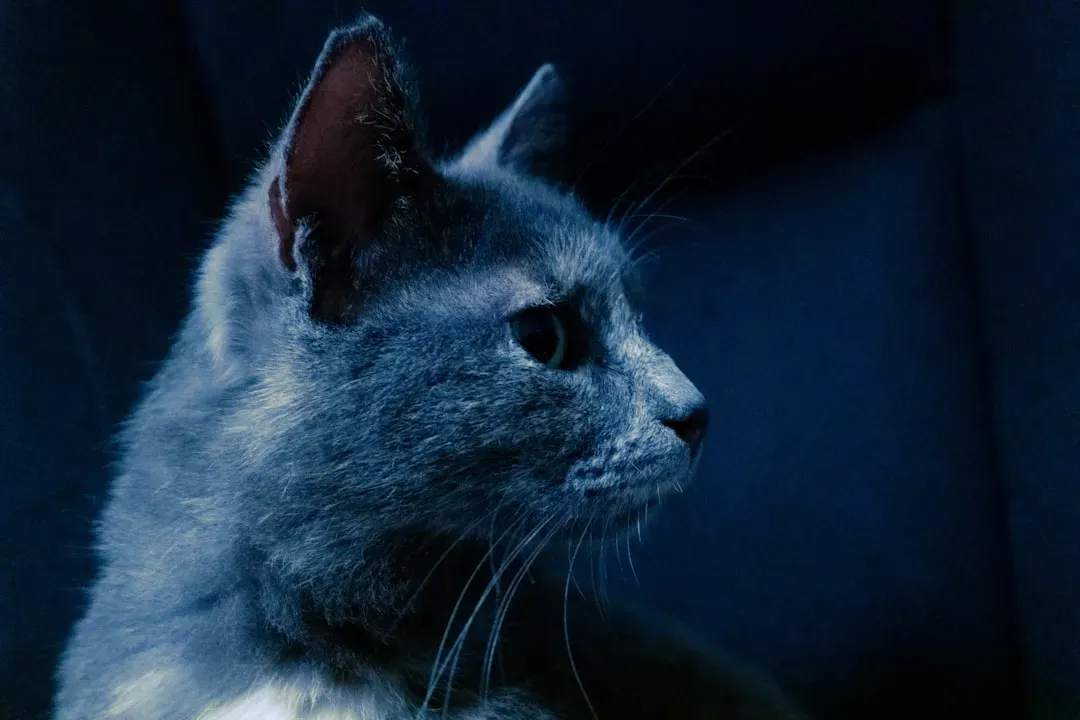
Cats are territorial animals, and an indoor cat at nighttime may be triggered to feel the need to patrol its territory, which is your home. It might be checking for any changes in its environment, ensuring everything is as it should be. This is a genuine nightly ritual, not random wandering.
This behavior ensures that their home feels secure and reinforces their sense of ownership. You might hear soft footsteps, a swish of a tail, or the gentle thud of paws on furniture as they make their rounds. What sounds like restlessness to you is, from your cat’s perspective, responsible home management. Every room gets checked. Every corner gets a careful sniff.
Nighttime Grooming Is About More Than Cleanliness

Cats are meticulous groomers, and nighttime is often prime grooming time. They may spend long stretches licking fur, cleaning paws, or smoothing their coat. Grooming not only keeps them clean but also serves as stress relief and a way to feel secure. It’s a self-soothing behavior as much as a hygiene practice.
A typical feline day includes over fifteen hours of sleeping and dozing, four to six hours of grooming and playing, with hunting, eating and exploring making up the rest of the day. Grooming occupies a surprisingly large portion of a cat’s daily rhythm. When you notice your cat methodically working through its coat in the quiet hours, it’s not just tidying up. It’s actively regulating its own emotional state.
Your Cat Almost Certainly Dreams
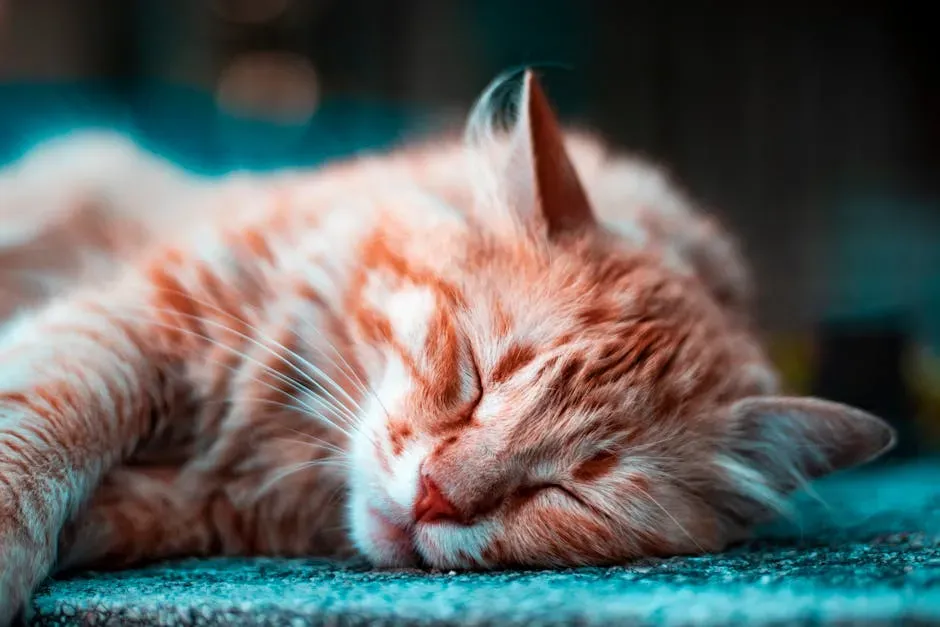
Research confirms that cats almost certainly dream. Studies show that cats experience REM sleep, the same sleep stage where human dreaming occurs. During REM sleep, cats display twitching paws, flickering eyelids, and soft vocalisations that suggest active dream states. The science behind this goes back further than most people realize.
Research studies showed cats acting out recognisable behaviours during REM sleep, including stalking, pouncing, arching defensively, and even grooming. This strongly suggests that cats dream about the activities that fill their waking hours. So when you watch your cat twitch its paws in the middle of the night, there’s a reasonable chance it’s deep in a dream about the toy you rolled across the floor that afternoon. That’s a surprisingly moving thought.
Nighttime Vocalizations Are a Form of Communication
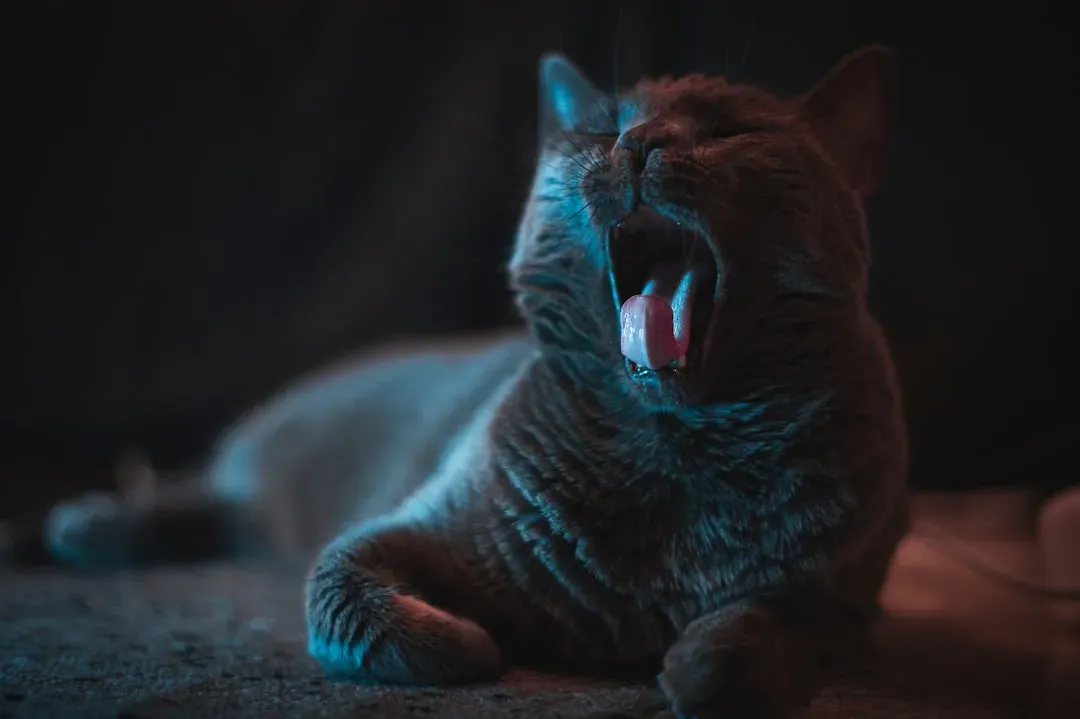
Some cats meow, chirp, or make trilling sounds during the night. This may happen during play, communication with imagined companions, or even while dreaming. Cats also vocalize to express excitement or frustration, which is part of their natural behavior patterns. Not every nighttime sound means something is wrong.
Still, some vocalizations do carry a signal worth paying attention to. Senior cats may be restless at night for different reasons. Changes in their sleep cycles, hearing loss, anxiety, or the onset of cognitive dysfunction can lead to vocalizing and increased wakefulness. Knowing your cat’s typical nighttime sounds helps you tell the difference between a cat narrating a dream and one that genuinely needs help.
The Early Morning Wake-Up Call Is Wired Into Their Biology

Dawn is one of the primary activity peaks for crepuscular animals. As light levels begin to rise, a cat’s internal clock signals that it is time to move, explore, and hunt. If food has historically appeared around this time, anticipation adds to the motivation. You’re not being targeted. Your cat is simply following a biological alarm clock that hasn’t updated to account for your weekend sleep schedule.
Indoor cats may amplify this behavior because there is nothing to hunt. The sleeping human becomes the most reliable source of stimulation and food. You become, in essence, the prey substitute. It’s oddly flattering when you think about it, though considerably less charming at five-thirty on a Sunday morning.
You Can Gently Influence Your Cat’s Nighttime Patterns
Cats thrive on consistency. Aligning their routine with yours helps significantly. Scheduling an evening play session before bed, followed by feeding them their largest meal right after that session, works well for many cats. The logic here mirrors what happens in the wild: hunt, catch, eat, groom, sleep. Recreating that sequence indoors can settle even a reliably restless cat.
Keeping a consistent meal schedule can help reset your cat’s active and sleep cycles. Giving them breakfast and dinner at the same time each day, or an hour after waking up and before going to bed, and not wavering from the schedule, makes a real difference. Environmental adjustments matter too. Artificial lighting can blur natural day-night cues, shifting feline activity later into the evening. Dimming the lights earlier in the evening sends your cat a clearer signal that the active window is closing.
Conclusion
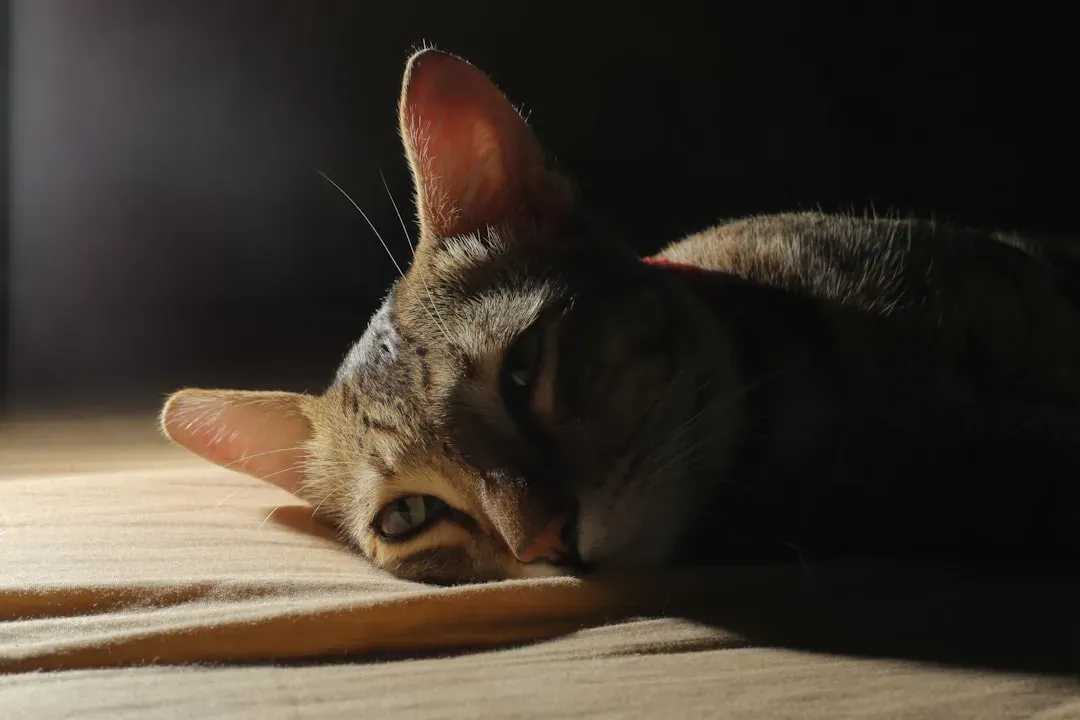
Your cat’s nighttime behavior isn’t random, inconvenient, or mysterious in a frustrating way. It’s the product of millions of years of evolution compressed into an animal that now shares your sofa. The patrol routes, the zoomies, the grooming sessions, the predawn wake-up calls, and even the twitching dreams all make perfect sense once you understand the biology behind them.
Living well with a cat means meeting that biology with some curiosity rather than irritation. When you recognize what your cat is actually doing in the dark hours, the noise and the disruption start to feel less like a problem and more like a glimpse into a genuinely fascinating inner world happening just a few feet away from your pillow.