Picture this: it’s 2 a.m., the house is completely still, and suddenly your cat explodes off the couch like a furry rocket, tears through the hallway, skids across the kitchen floor, and vanishes into the dark. You lie there, staring at the ceiling, wondering what on earth just happened.
Here’s the thing – your cat isn’t losing its mind. Not even close. What you just witnessed is one of the most fascinating, misunderstood, and honestly kind of adorable behaviors in the entire animal kingdom. There is real science behind it, real emotion behind it, and more than a little bit of ancient wildness too. So let’s dive in.
What Exactly Are the Zoomies, Anyway?
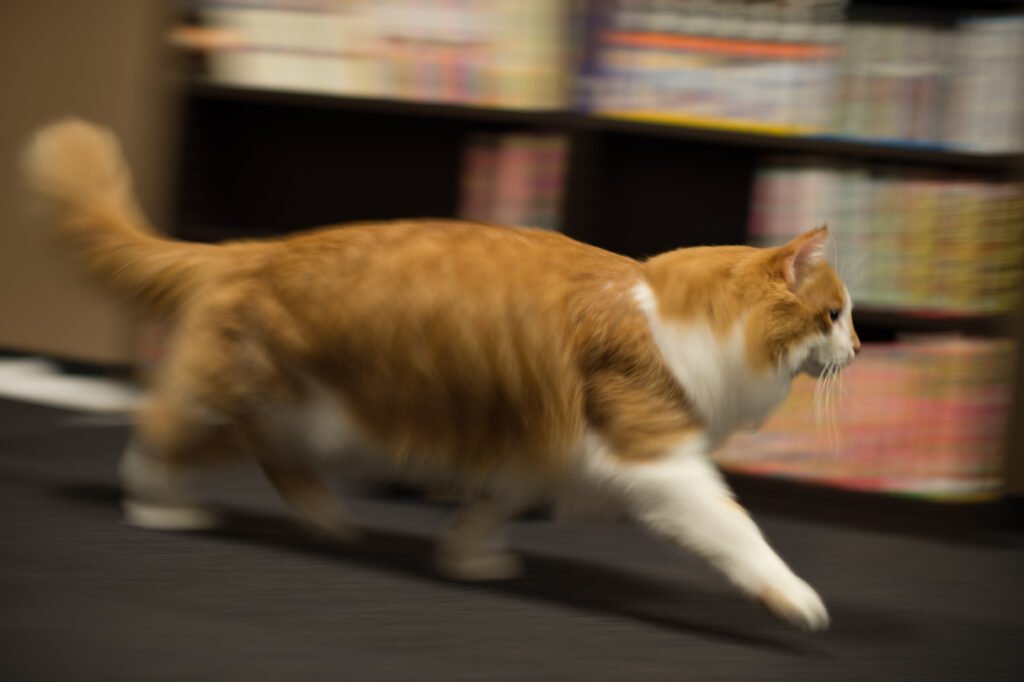
If you’ve never heard the official term, you might be surprised to learn that your cat’s midnight madness actually has a scientific name. Zoomies – when your cat takes off running seemingly out of nowhere – have a scientific name: frenetic random activity periods, or FRAPs. Think of it as your cat’s version of suddenly deciding to sprint a lap around a track for no logical reason.
Cat zoomies is the playful nickname for those sudden, intense bursts of running, jumping, and spinning your kitty does for seemingly no reason. In veterinary terms, this behavior is called Frenetic Random Activity Periods (FRAPs) – and it’s common among cats of all ages. Honestly, the fact that scientists gave this phenomenon a formal name tells you everything about how real and widespread it truly is.
Your Cat Is Basically a Tiny, Polite Predator
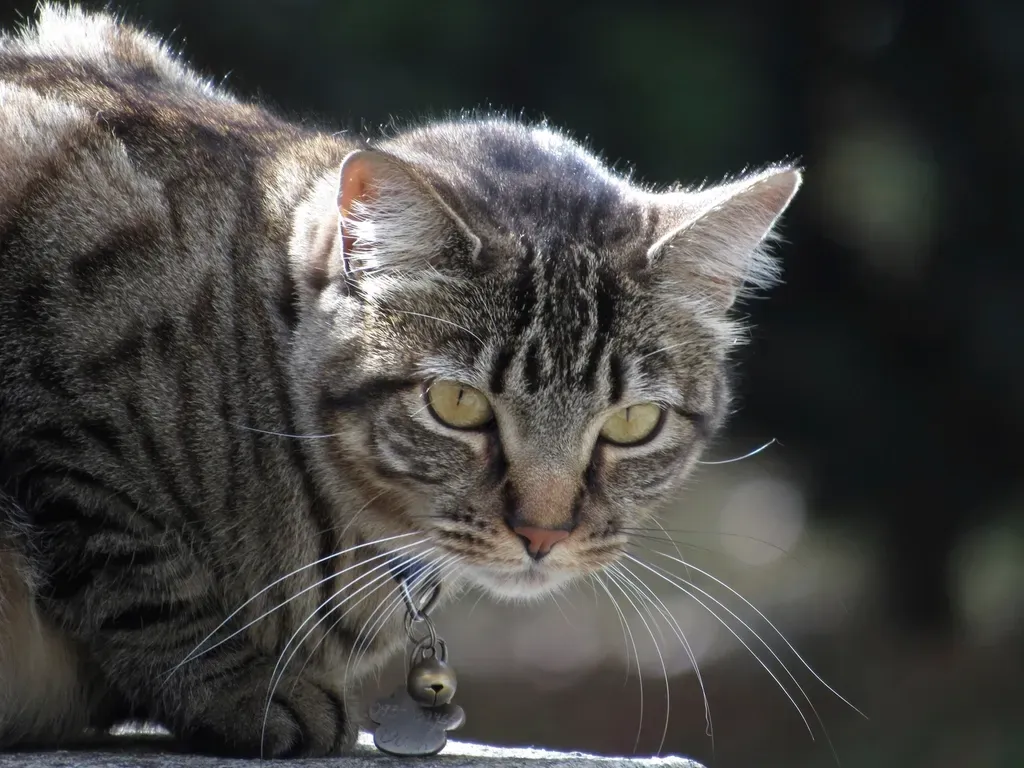
Let’s be real: no matter how much your fluffy companion loves to nap on your lap and beg for treats, deep down there is a hunter living inside that soft little body. Cats have retained their hunting instincts from their wild ancestors. These instincts can trigger bursts of energy, often at night, even in the absence of actual prey. They may play with toys, chase their tail, or pounce on invisible objects.
Zooming behavior is often how cats engage their inner predator. These play periods allow cats to hone their survival instincts – think stalking, pouncing, and pursuing. So when your cat launches off the sofa at full speed, it’s essentially running a solo hunting drill. The prey is imaginary, but the instinct is absolutely real.
The Crepuscular Truth You Probably Didn’t Know
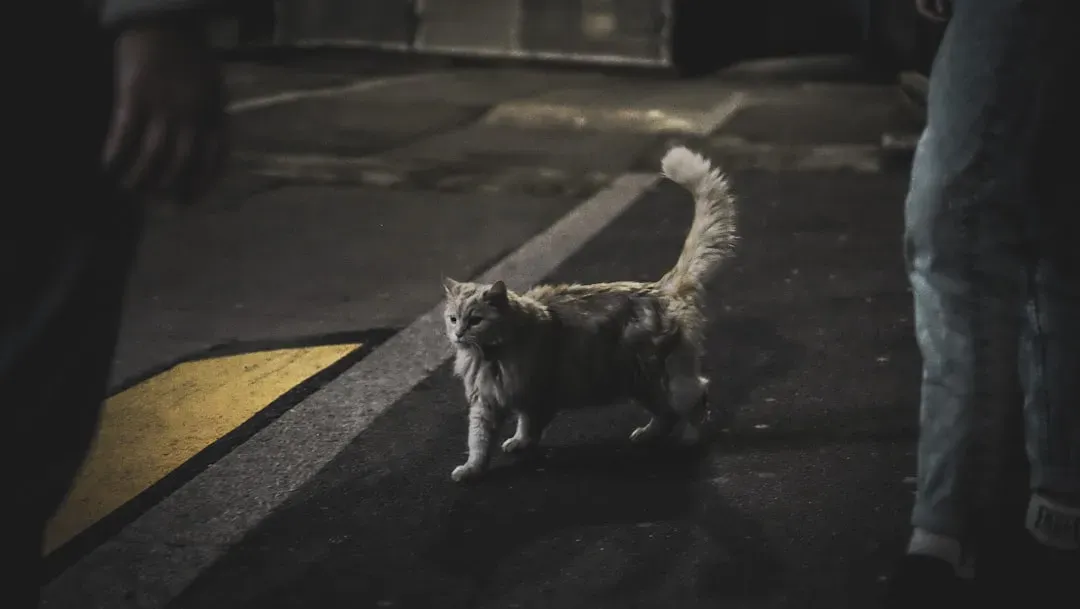
Here’s something that surprises a lot of cat owners: your cat is not actually nocturnal. That’s a widespread misconception. Cats are crepuscular animals, meaning they are most active during dawn and dusk. This behavior can be traced back to their wild ancestors, who hunted during these times to take advantage of cooler temperatures and the movement of prey. While domestic cats no longer need to hunt for their meals, they’ve retained these instinctual patterns of activity.
Dawn and dusk are prime hunting times when prey animals are most active. Even though domesticated felines no longer need to hunt for survival, their instincts to be active during these times remain strong. So when your cat goes full tornado mode around the time you’re trying to wind down for bed, it’s literally just following ancient biological programming. You can’t exactly argue with millions of years of evolution.
All Those Hours of Sleep Have Consequences
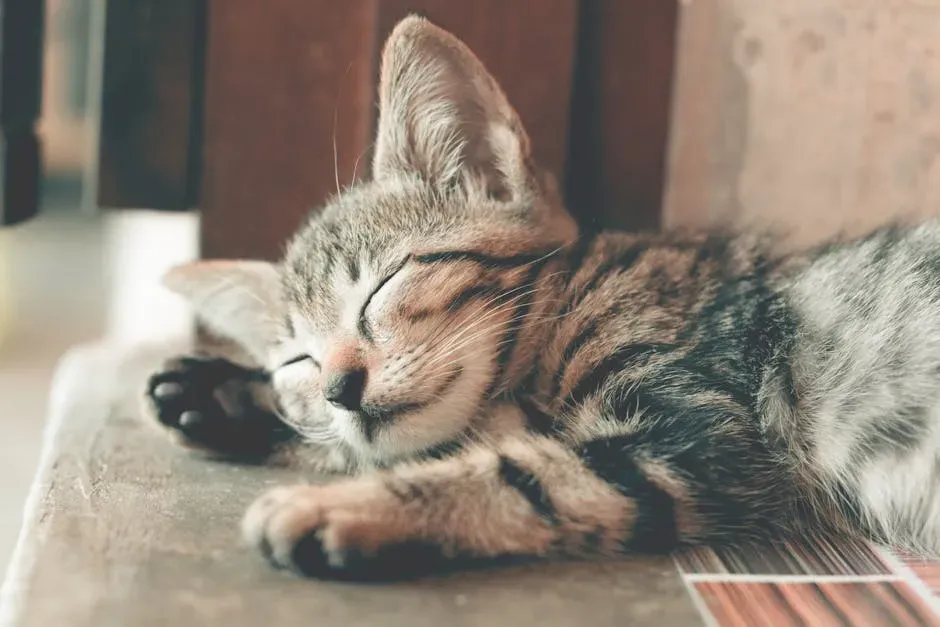
You’ve probably noticed that your cat sleeps an almost absurd amount. And that’s not laziness – it’s strategy. A common characteristic of cats is that they spend a large part of their day sleeping, about 12 to 16 hours. Generally speaking, cats sleep so much to conserve energy because, as predators, hunting and exploring are energy-consuming – sleeping so much is in their nature.
Cats sleep for an average of 13 to 14 hours a day. That leaves plenty of stored energy for when they’re awake. If they haven’t expended enough energy during the day, they may have zoomies at night. Think of it like a phone that’s been charging on the dock all day. At some point, that battery is full and all that energy has to go somewhere. Your hallway, apparently, is where it goes.
Zoomies as a Sign of Joy and Emotional Wellness
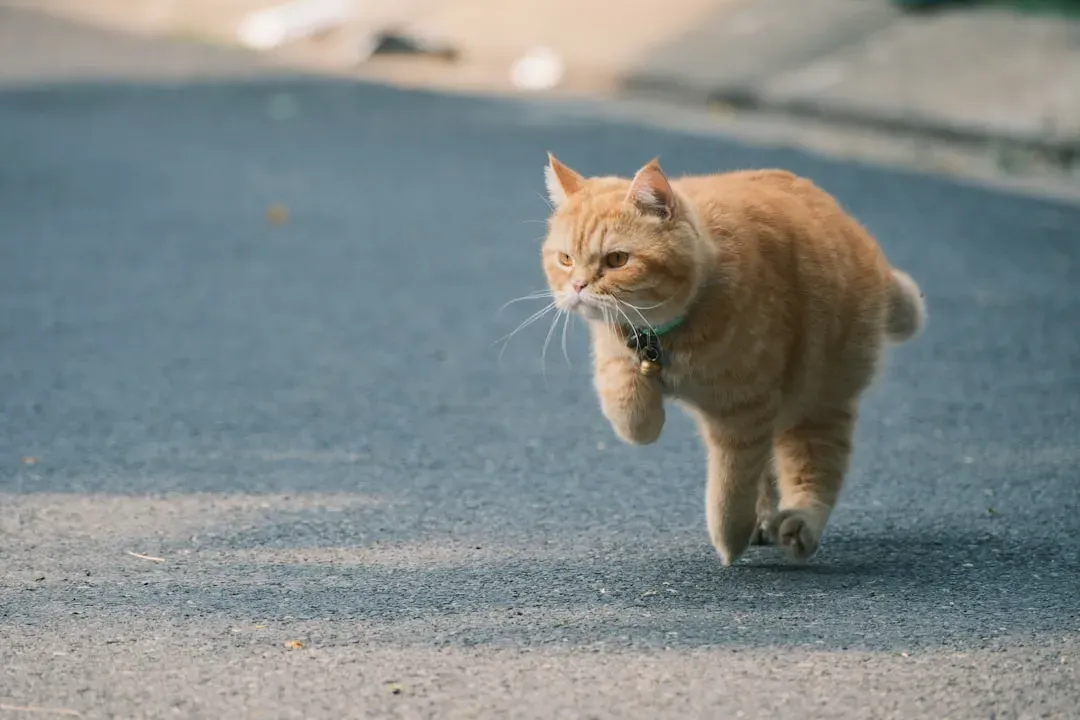
Now here’s the part that honestly warms your heart a little. When your cat erupts into a full sprint through your living room, it is, in many ways, a declaration of happiness. These bursts of energy showcase your cat’s curiosity, agility, and zest for life. By letting loose and embracing their playful side, cats can meet many of their physical and mental needs. Additionally, cat zoomies can serve as an indicator of your cats’ overall health and happiness.
For most cats, zoomies are an expression of excitement and a way to engage their inner predator. It’s the feline equivalent of a happy dance. Most of the time, zoomies are harmless and even entertaining. They’re your cat’s version of a workout – burning calories and boosting mood. So instead of being annoyed the next time your cat wakes you up with its midnight Olympics, maybe take it as a compliment. Your cat is thriving.
When Boredom Is the Real Culprit
Not all zoomies are created equal. Sometimes they are pure joy. Other times, they are a slightly dramatic signal that your cat has been bored out of its mind all day. Indoor cats may experience nighttime hyperactivity due to boredom and a lack of physical exertion during the day. Cats are natural hunters and need opportunities to engage in play and exploration to satisfy these instincts. If they don’t use enough of their energy during the day, they may become restless and more active at night.
Cats need mental stimulation just like humans do. If they don’t get enough stimulation during the day, they might become more active at night. It’s a bit like a child who’s been cooped up indoors all day and finally gets to run around the backyard at dusk. The pent-up energy has to land somewhere. Be sure they get plenty of stimulation during the day, so they have less need to get out extra energy at night. By providing plenty of exercise and mental stimulation throughout the day, you can lower the likelihood or frequency of your pet’s zooms.
Age Changes the Game Completely
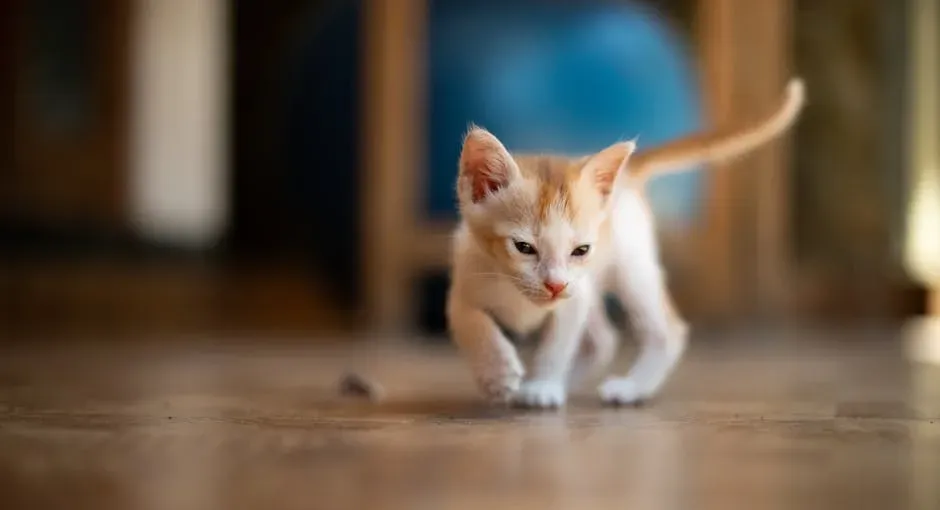
If you have a kitten, you probably already know that “intense” doesn’t even begin to cover it. Young cats, especially kittens, tend to have frequent and intense zoomies due to their high energy levels and rapid growth. These bursts of activity help practice essential skills like agility, coordination, and motor control. Even as cats enter their senior years, they may still experience zoomies, though typically less often due to age-related changes like decreased muscle mass and arthritis.
Young cats have an abundance of energy and may have more frequent and intense zoomies. They are also more likely to be active at night. Older cats typically slow down and may sleep more than younger cats. However, some older cats may become more active or vocal at night due to changes in their cognitive function or because of medical issues. It’s hard to say for sure, but if your senior cat suddenly starts doing wild laps at midnight after years of calm nights, a vet check is a smart move.
How to Manage the Midnight Madness Without Losing Your Sleep
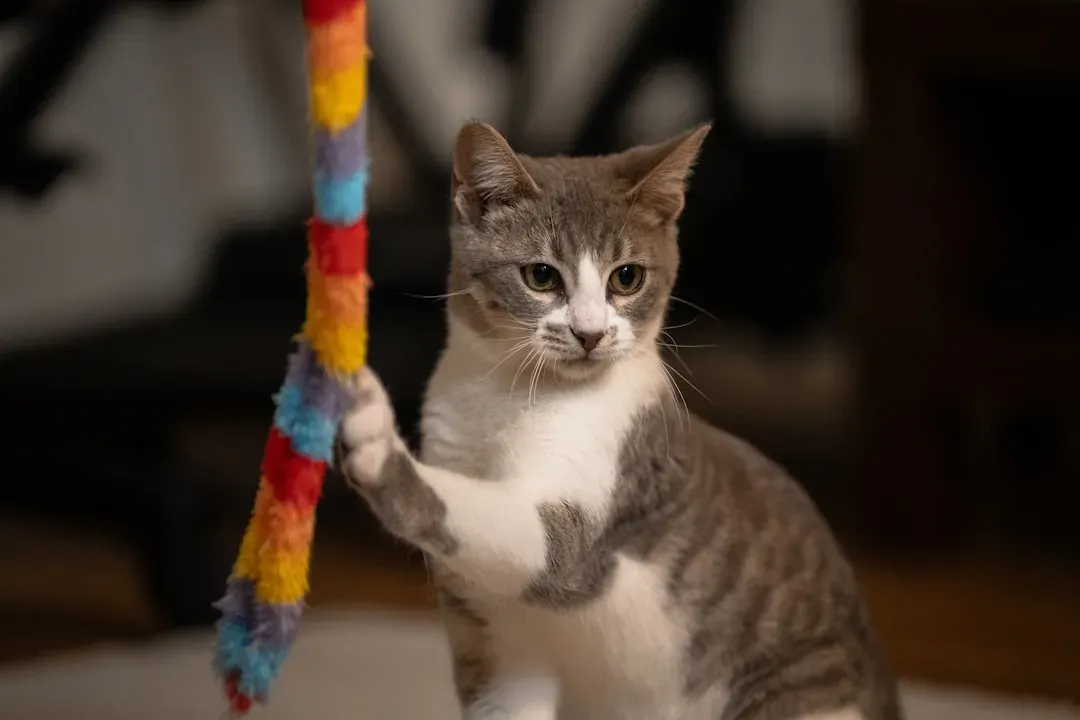
So you love your cat deeply, but you also love uninterrupted sleep. Totally fair. The good news is that you don’t have to choose between the two. You can schedule 15-minute interactive play sessions twice daily. This can tire up your cat and they won’t have the energy to race around the house in the wee hours of the night. Interactive toys, like fishing poles, laser pointers, scratching posts, and toys that mimic hunting are best for this purpose.
Cats tend to sleep after a big meal. Try feeding your cat their main meal just before your bedtime to encourage them to sleep through the night. On top of that, you may need to play with your cat earlier in the day for several days in a row to help reset their internal clocks and teach them that exercise time is not 3 a.m. A little patience and consistency go a surprisingly long way with these little creatures.
Conclusion
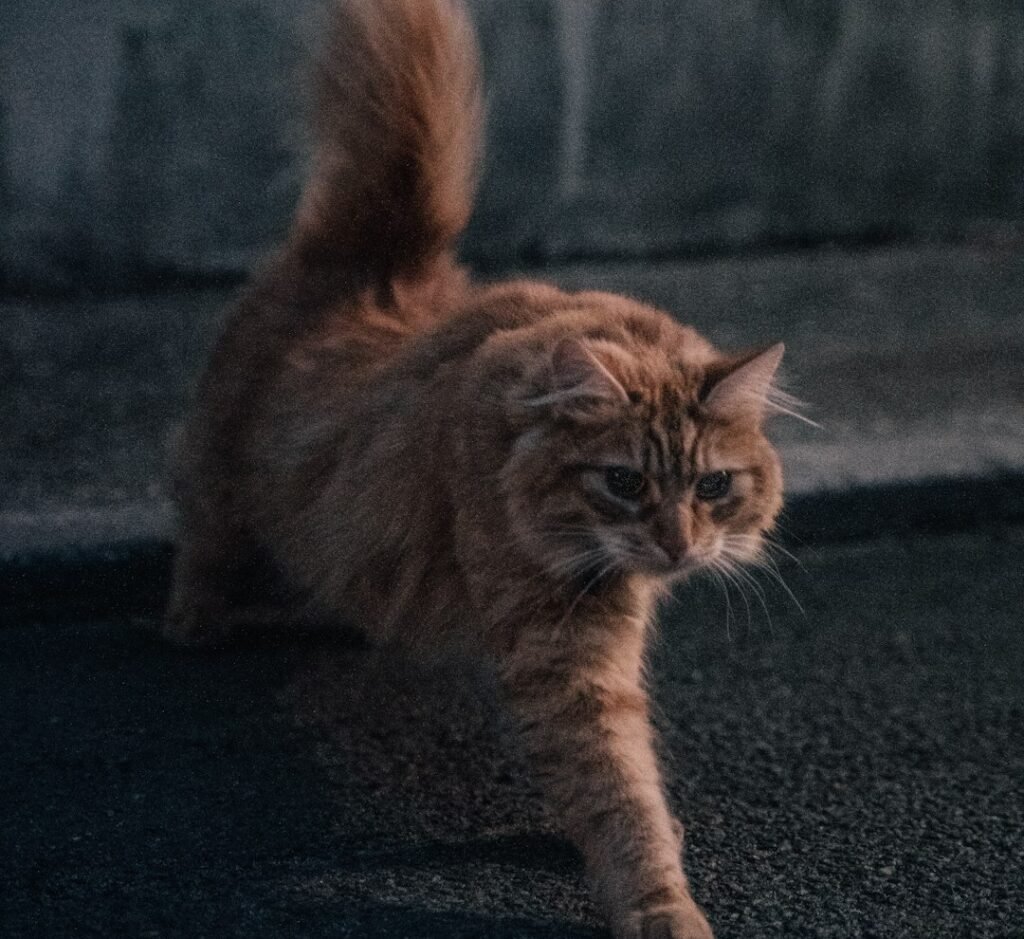
Your cat’s nightly zoomies are not a mystery to be solved – they are a story to be appreciated. They speak of ancient instincts, of pent-up joy, of a creature so comfortable in your home that it feels safe enough to go completely wild at 2 a.m. That takes trust. That takes contentment. Honestly, it’s one of the most genuine things your cat will ever express to you.
The next time those tiny paws thunder down the hallway in the dead of night, remember: you’re not living with a chaotic little gremlin. You’re living with a deeply happy, wildly alive, magnificently instinct-driven animal that has chosen your home as its kingdom. That’s something worth waking up for.
So the real question is – do you still find the midnight zoomies annoying, or does knowing the reason behind them change everything? Tell us what you think in the comments.