It happens right around the time you finally get comfortable. You’ve switched off the lights, pulled the blanket up, and your body says “finally.” Then comes the rumble of tiny paws across the hardwood floor, a crash that somehow didn’t break anything, and the unmistakable blur of fur launching itself over your sleeping legs. Sound familiar?
If you live with a cat, you already know the scene by heart. What you may not fully know yet is just how much meaning is packed into those seemingly chaotic nighttime dashes. There’s biology, instinct, emotion, and even a little neuroscience wrapped up in your cat’s nightly madness. Let’s dive in.
The Science Has a Name for This Chaos
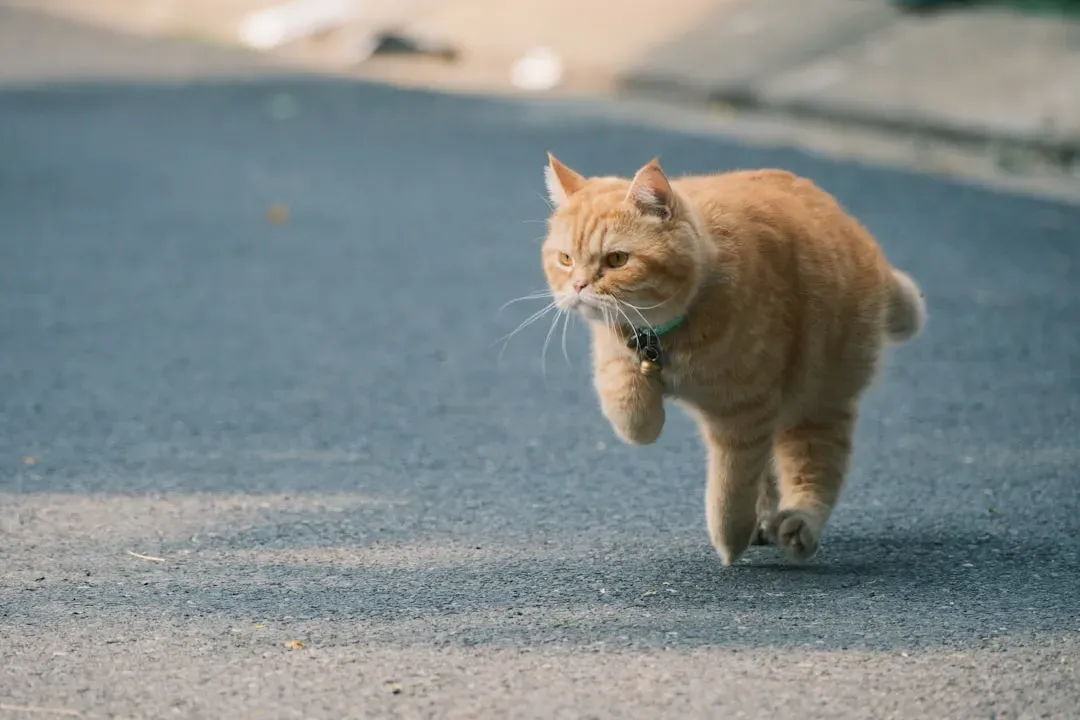
Before you chalk it up to your cat simply “being weird,” science has actually given this behavior a very official title. There’s actually a technical term for those adorable bursts of kitty energy – cat zoomies are more formally called Frenetic Random Activity Periods, or FRAPs. I know that sounds like something invented just to make cat owners feel better about their sleep deprivation, but it’s a real, recognized behavioral phenomenon.
Some call it the “witching hour,” others know it as the nighttime “crazies,” but scientists refer to it as Frenetic Random Activity Periods. It’s most commonly known as “zoomies” – that sudden burst of hyperactivity that includes frenzied running, pouncing, bopping, and even excessive meowing seemingly out of nowhere. The wild part? Your cat isn’t the only animal that does this. Zoomies are actually common among many mammals, including horses, rabbits, ferrets, and even elephants. Your cat is in very dramatic company.
Your Cat Is Not Nocturnal – Here’s What They Actually Are
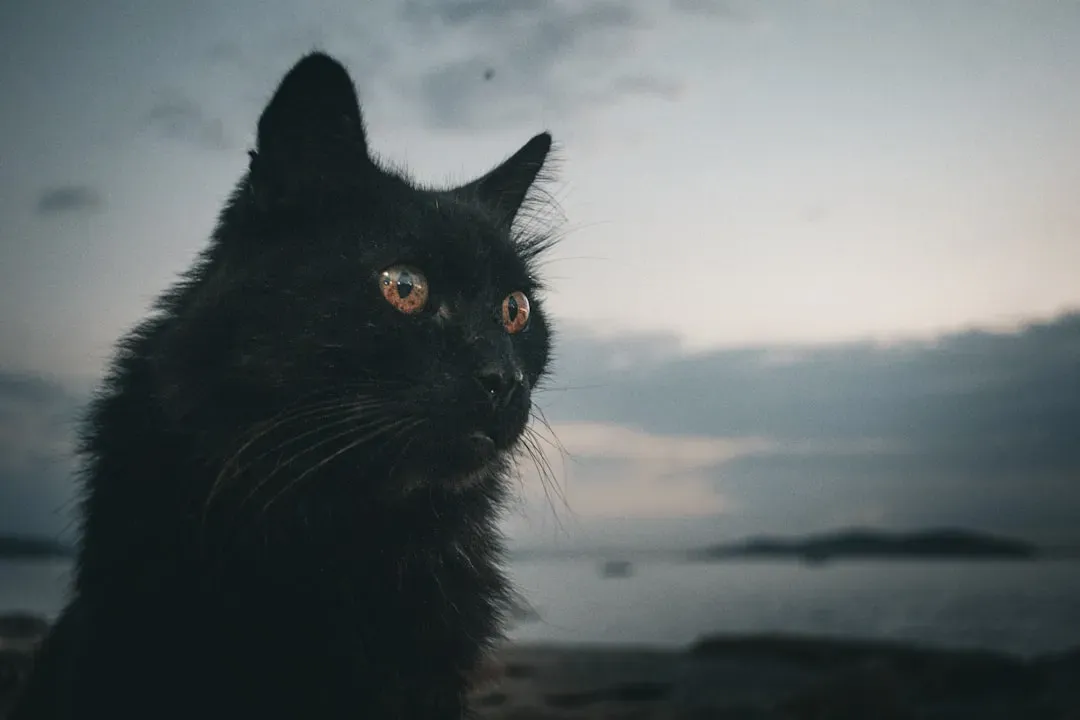
Here’s the thing that surprises almost every cat owner when they first hear it. Despite all that nighttime mayhem, your cat is not technically nocturnal. Cats are crepuscular animals, meaning they are most active during dawn and dusk. This behavior can be traced back to their wild ancestors, who hunted during these times to take advantage of cooler temperatures and the movement of prey. Calling your cat nocturnal is like calling a morning jogger a night owl just because they occasionally stay up late.
The typical behavior pattern of crepuscular animals is marked by “brief periods of energy bursts tempered by extended periods of rest.” This allows for “optimal balance when hunting for prey,” meaning just enough light for the predator to see their prey but not enough light to be seen by the prey. Your cat’s nightly sprints aren’t random at all. They’re perfectly timed by millions of years of evolutionary programming. Honestly, it’s kind of impressive once you stop being annoyed about it.
The Ancestral Blueprint Still Running in Their DNA
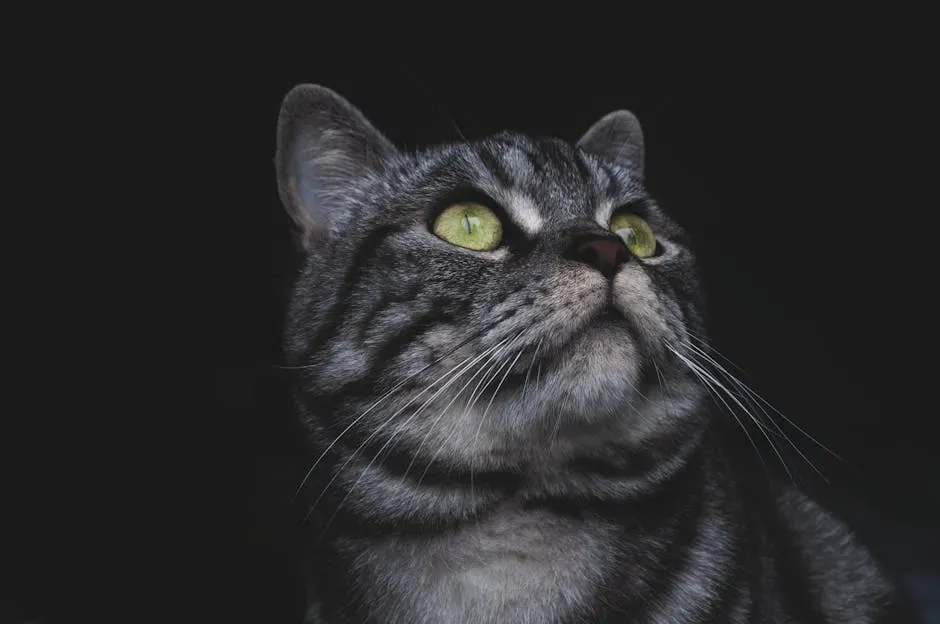
The domestic cat (Felis catus) evolved from the African wildcat (Felis lybica), which primarily hunted during twilight hours to avoid heat and competition from daytime predators. Think about what that actually means for the fluffy creature curled up on your couch. Thousands of generations of survival instinct don’t just vanish because you started providing kibble twice a day.
As genetics professor Dr. Wes Warren noted, “cats have retained their hunting skills, and they’re less dependent on humans for their source of food.” This is why your cat will “hunt” toys, kibble, and treats. Her hunting instincts are intrinsically connected with her crepuscular nature, resulting in a fascinating form of indoor behavior that aligns with the behavior of her ancestors. Essentially, your living room is the African savanna and that toy mouse under the couch is tonight’s prey. It all makes a strange kind of sense.
Their Eyes Were Built for This Exact Moment
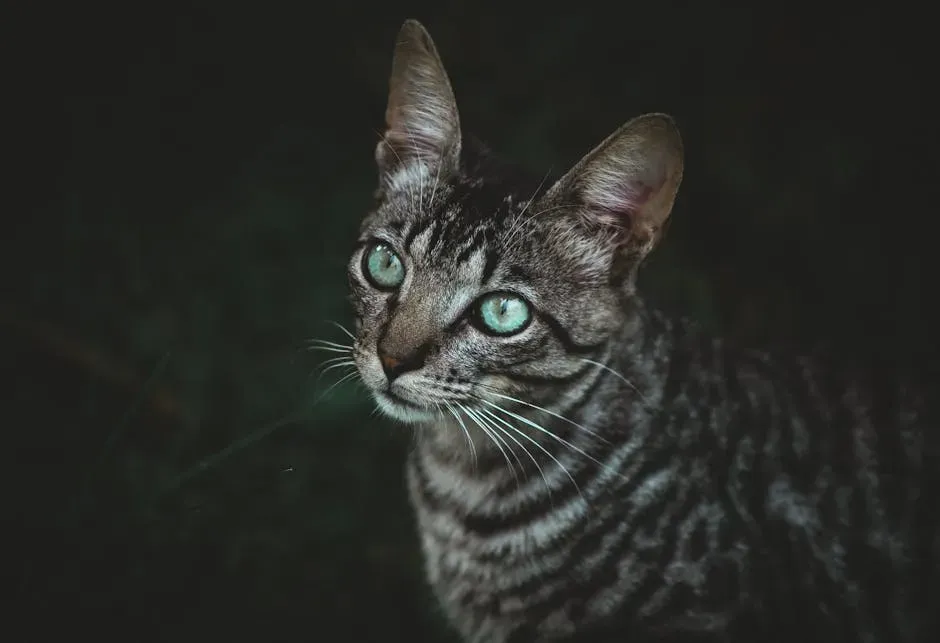
Your cat navigating your pitch-dark hallway at full speed without knocking into a single thing isn’t luck. A cat’s eyes are adapted for low-light activity. Cats have a high number of rod cells in their retinas, which are more sensitive to low light than cone cells. This makes cats excellent at navigating and hunting in dim conditions. You, meanwhile, are tripping over your own slippers trying to find the bathroom.
Cats have slit-shaped retinas, as do nocturnal animals, which explains why they can easily pounce on your toes even in the darkest room. Since cats’ eyes are adapted to work really well in low-light conditions, this allows them to hunt effectively when their prey are most active. So when your cat is zooming through the house at midnight with the lights off, understand that they can see every inch of that route with perfect clarity. You, however, cannot. Factor that in before leaving socks on the stairs.
Pent-Up Energy Is the Real Fuel
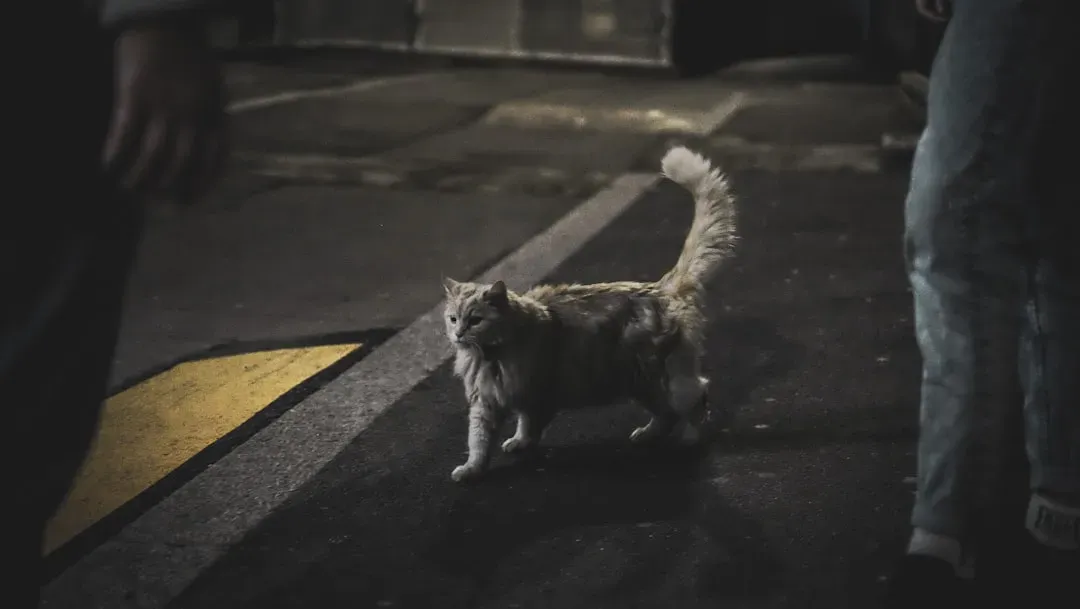
Let’s be real about something. Cats sleep for an average of 13 to 14 hours a day. That leaves plenty of stored energy for when they’re awake. If they haven’t expended enough energy during the day, they may have zoomies at night. Think of it like a phone that has been charging all day. Eventually, it needs to actually do something with all that power. Your cat is that phone, except louder and more unpredictable.
Wildcats spend about 70% of their time resting between hunts – a strategy designed for survival that has been inherited by domestic pets. When indoor cats don’t get enough physical activity throughout the day, their pent-up energy eventually erupts into those frantic zoomie sessions. Cats rest and sleep for the majority of the day to conserve energy for short, very active periods. Without intentional exercise and activity, your kitty will need to find a way to get that extra energy out. The zoomies, in other words, are the natural conclusion of a day spent napping.
The Dopamine, the Drama, and the Brain Chemistry Behind It All
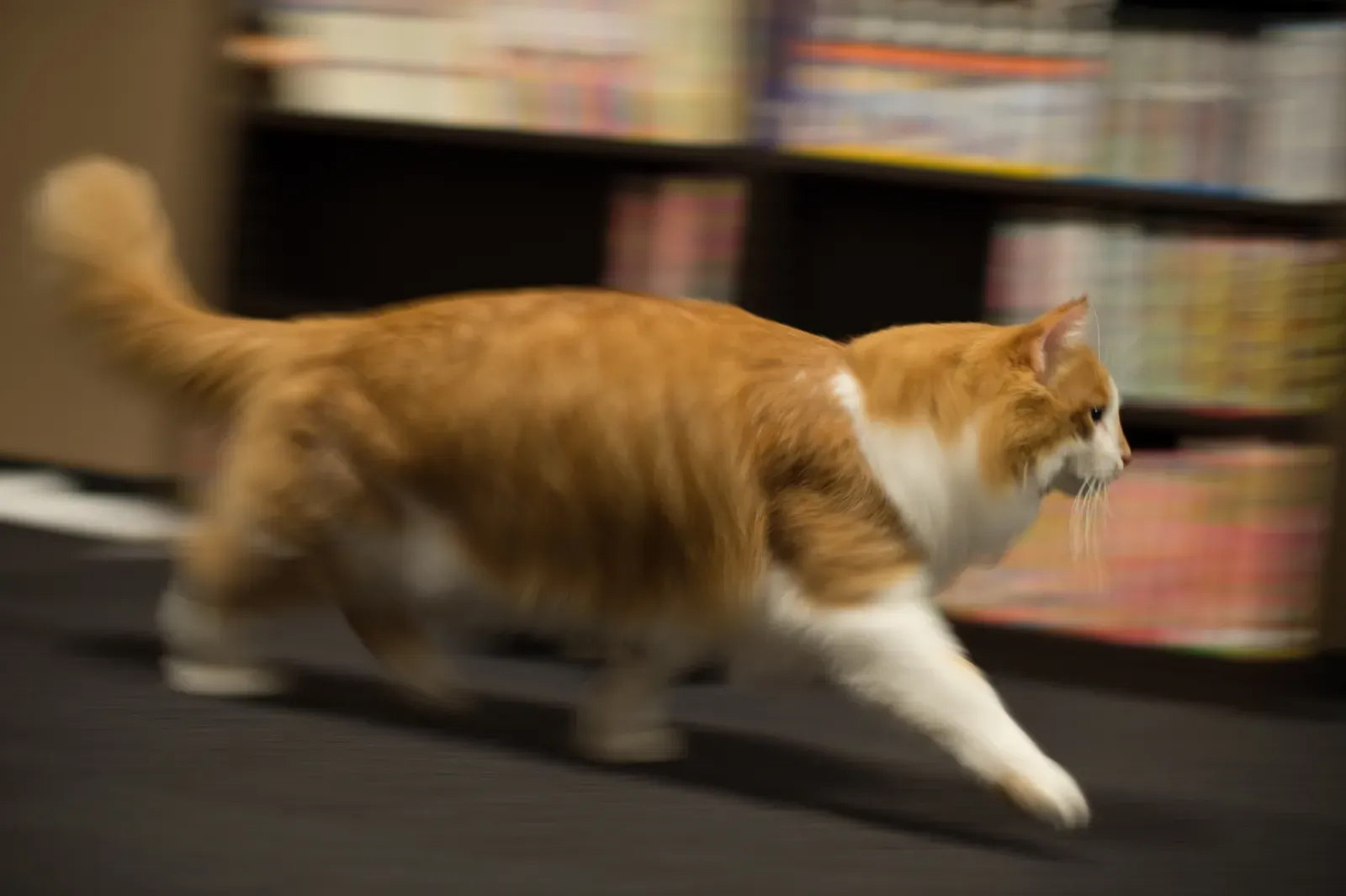
There is genuine neuroscience happening inside your cat during a zoomie session, and it’s more fascinating than you might expect. Hormonal fluctuations contribute significantly to these energetic outbursts at night. During rest periods, neurotransmitters such as dopamine build up within your cat’s system, waiting for stimulation cues – from rustling leaves outside or even changes in household noise levels – to trigger action mode almost instantaneously. One small environmental trigger and the whole system fires.
These high-speed sessions aren’t just fun – they benefit your cat’s health. FRAPs may release endorphins, causing a pleasurable or euphoric response. From a physical standpoint, these bursts of activity can strengthen muscles, boost cardiovascular health, and support overall well-being. Honestly, your cat is basically doing a very enthusiastic HIIT workout at 2 a.m. You have to respect the commitment, even when you’d prefer silence.
Stress, Anxiety, and the Emotional Side of the Zoomies
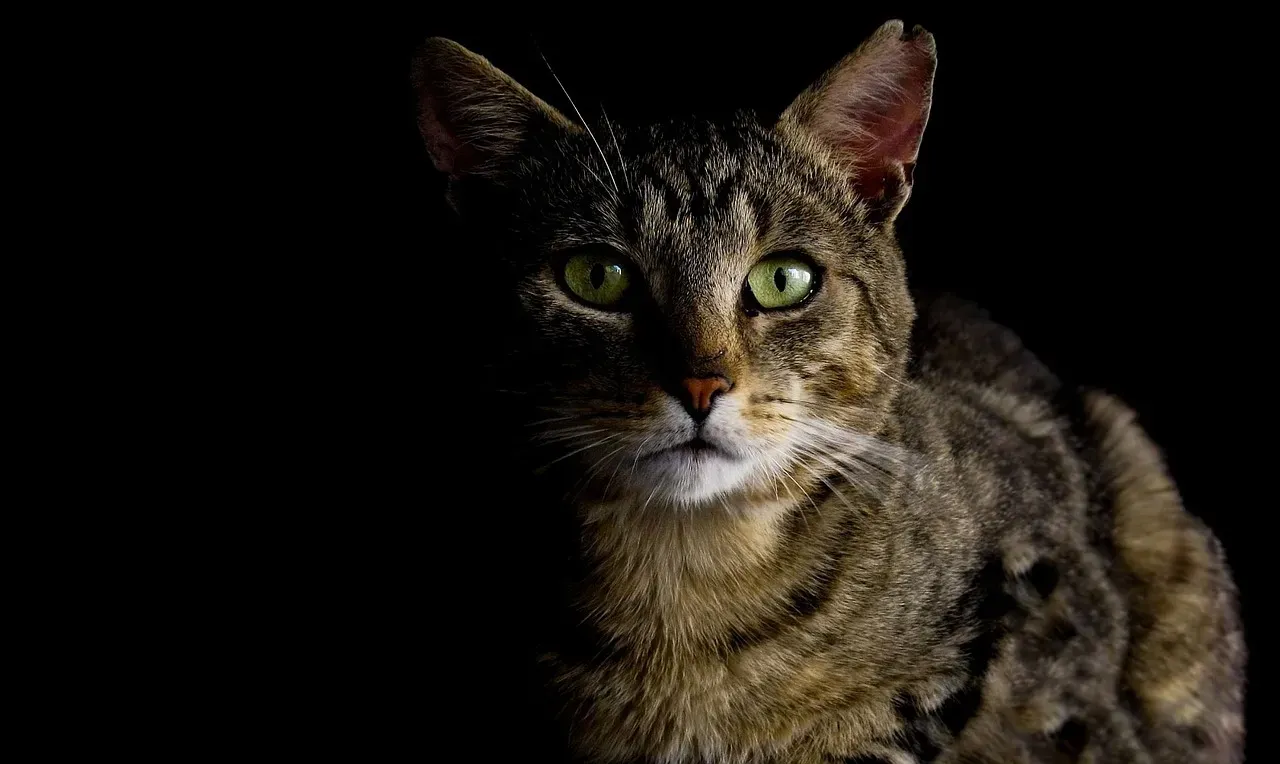
Not every nighttime zoomie session is pure joyful chaos. Sometimes there’s something more going on beneath the surface. Zoomies can also result from stressful triggers or lifestyle changes for your cat – things like bath time, moving, or being scared can cause your kitten to want to release their nerves by frantically running around the living room. It’s like emotional decompression expressed through full-speed hallway laps.
If a cat suddenly begins having the zoomies when they never did it before, it could indicate stress or anxiety. If your cat’s nighttime zoomies are related to stress or anxiety, try to make your home a more soothing and relaxing environment, especially during the evening hours. Dim the lights, minimize noise, and provide cozy hiding spots where your cat can relax and feel safe. It’s hard to say for sure whether your cat is celebrating or processing something difficult – but paying attention to the context around the zoomies can give you real clues.
When Zoomies Might Be Telling You Something Medical
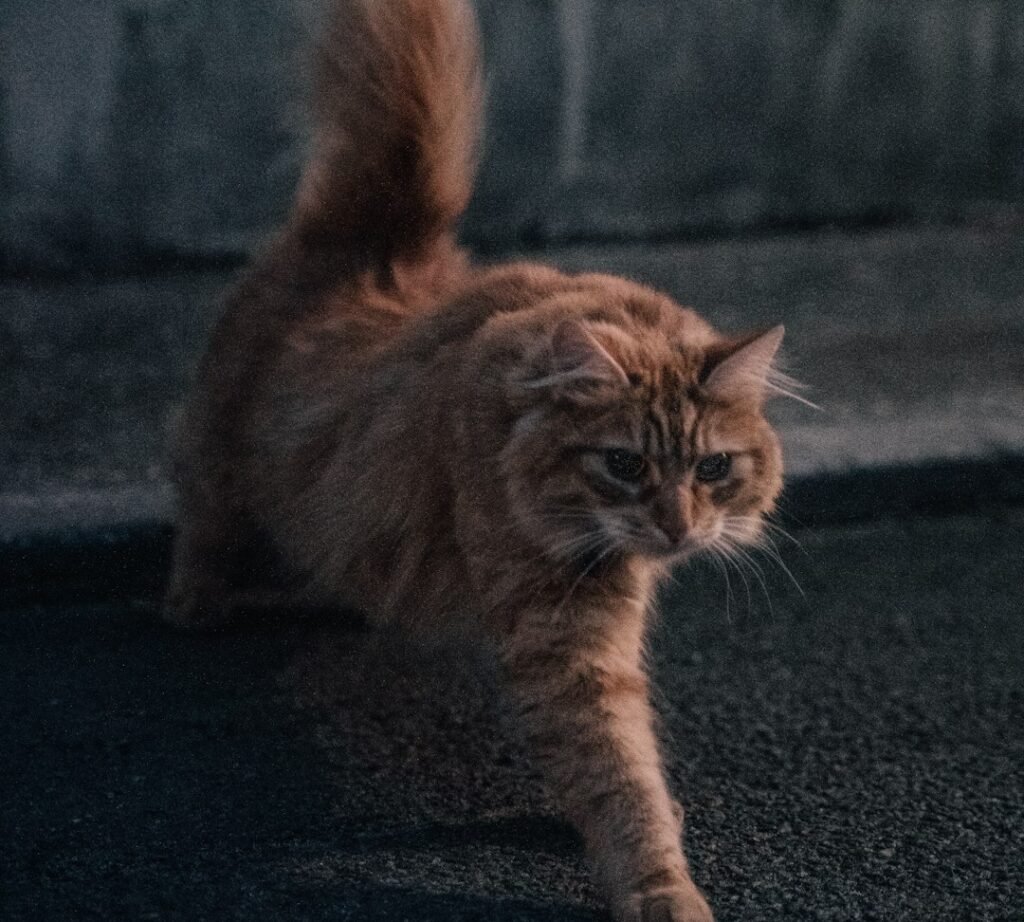
Most of the time, a zooming cat is a healthy cat. But there are moments when the zoomies deserve a second look. Occasionally, zoomies can indicate discomfort, skin irritation, or even hyperthyroidism in older cats. If your cat’s activity level suddenly changes or seems excessive, veterinarians recommend a quick checkup to rule out medical causes. A sudden change in behavior is always worth noting, especially in a cat that previously showed no interest in midnight marathons.
Even as cats enter their senior years, they may still experience zoomies, though typically less often due to age-related changes like decreased muscle mass and arthritis. If your senior cat starts zooming around after receiving pain medication, it could be a positive sign that their treatment is working. However, monitoring sudden changes in zoomie behavior is important, as these shifts might signal underlying health conditions like hyperthyroidism or mobility problems. So yes, sometimes the zoomies are basically your cat’s way of filing a health report. Pay attention.
How You Can Work With the Ritual, Not Against It
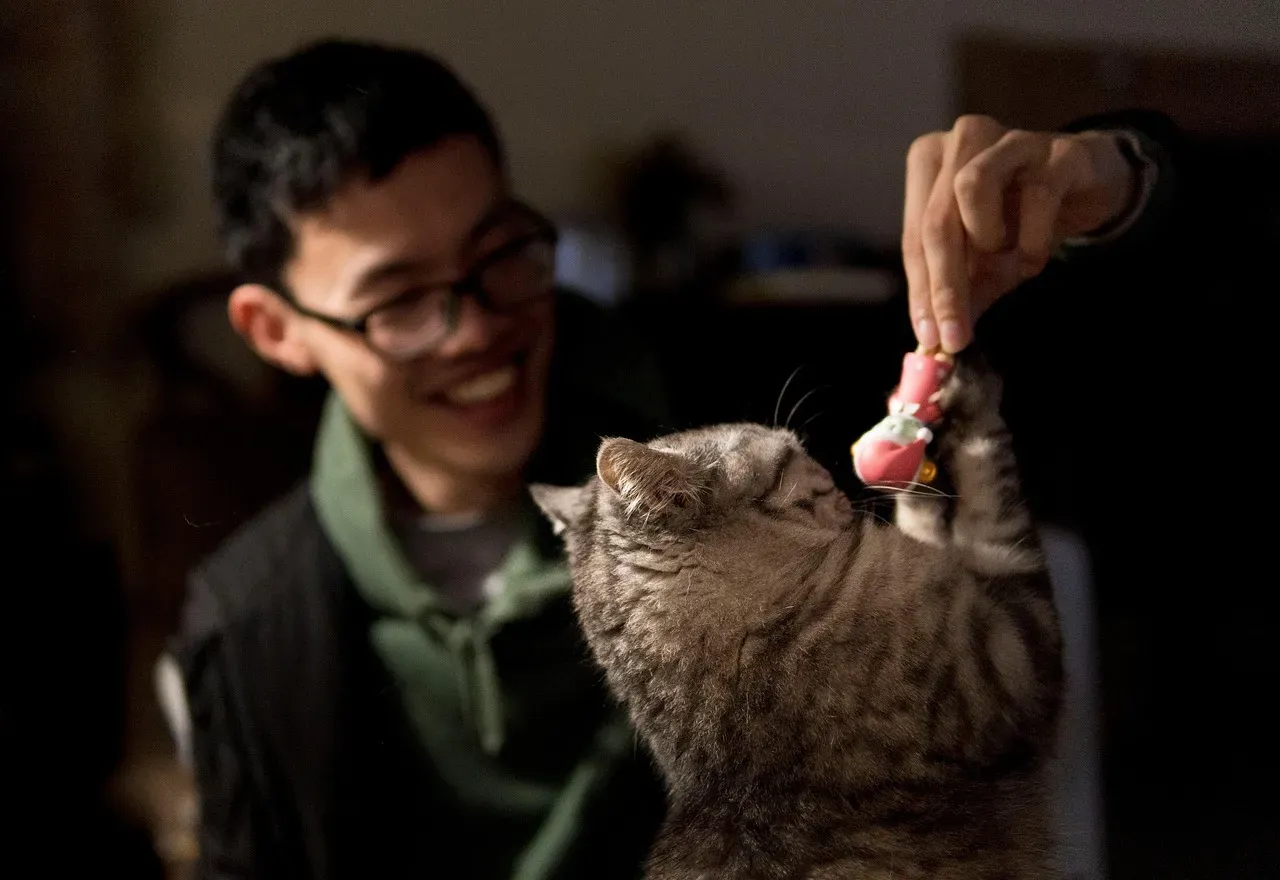
You probably can’t eliminate the zoomies entirely, and honestly, you shouldn’t try. Zoomies are a natural part of feline behavior, and part of the fun of having a cat. You can, however, help manage them through regular play and enrichment. Think of it less like a problem to solve and more like a schedule to negotiate. Interactive playtime is one of the best ways to prevent overly wild zoomies. Use wand toys, feather teasers, or small balls to mimic the chase-and-pounce sequence of hunting. Aim for at least two to three short play sessions each day, especially in the evening, to help your cat settle down at night.
Catching a meal is hard work, requiring small bursts of energy for the hunt, followed by a rewarding meal and well-deserved cat nap that replenishes energy for the next hunt. This is called the predatory cycle, and most indoor cats often only experience a portion of this natural rhythm. Striving to give your cat the full cycle of predation – replacing the “hunt” with vigorous play – makes a real difference. Cats tend to sleep after a big meal, so try feeding your cat their main meal just before bedtime to encourage them to sleep through the night. Feed them, tire them out, and let the natural cycle do the rest.
Conclusion: Embrace the Ritual
The next time your cat launches into a midnight sprint, skidding around corners like a tiny, fur-covered race car, try not to groan. What you’re actually watching is ancient biology playing out in real time, a predatory dance encoded over thousands of generations, wrapped up inside your domestic, treat-loving companion. It’s equal parts exhausting and extraordinary.
Your cat’s nightly zoomies are not random. They’re not “just energy.” They are a deeply wired, hormonally driven, emotionally loaded ritual that your cat genuinely needs. The best thing you can do is understand it, lean into it, and maybe – just maybe – keep the breakables off the coffee table.
Does knowing all this change how you feel when your cat tears through the house at 2 a.m.? Tell us in the comments – we’d genuinely love to know.