You know the drill. The house is quiet, you’re finally settling into bed after a long day, and then it happens. A sudden blur of fur streaks across the hallway, followed by the thunderous sound of paws galloping up and down the stairs. Your peaceful evening just became your cat’s personal racetrack.
If you’ve ever been jolted awake by these midnight marathons, you’re definitely not alone. Every cat owner is familiar with the incredible burst of crazy energy that all cats get occasionally. These sudden explosions of activity aren’t random chaos, though they certainly feel that way at three in the morning. There’s actually some fascinating science and instinct behind why your adorable companion transforms into a furry tornado when you’re trying to sleep. Let’s dive into what’s really happening during those nightly performances.
The Crepuscular Truth Behind the Madness
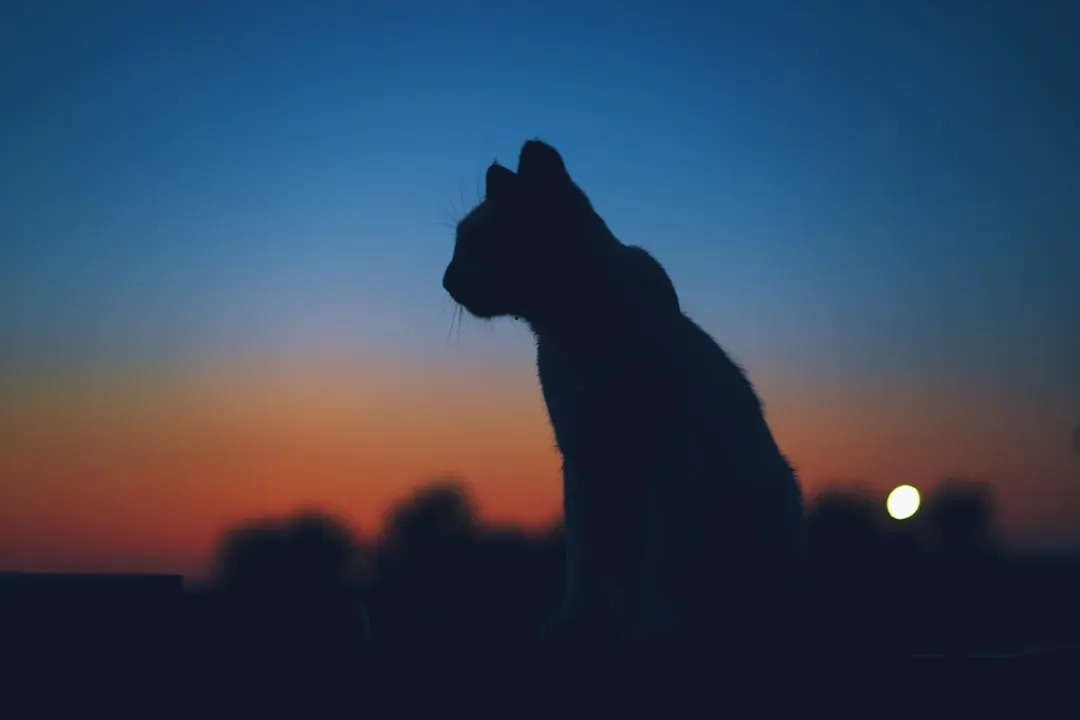
Here’s something that might surprise you. Cats are crepuscular, meaning they’re naturally most active in the twilight times of dusk and dawn, which is when their rodent prey is most active, so they hunt most successfully. So your cat isn’t actually trying to ruin your sleep schedule out of spite.
They’re simply following instincts that have been hardwired into their DNA for thousands of years. Cats are crepuscular animals, meaning they are most active during dawn and dusk. This behavior can be traced back to their wild ancestors, who hunted during these times to take advantage of cooler temperatures and the movement of prey. While domestic cats no longer need to hunt for their meals, they’ve retained these instinctual patterns of activity. It’s honestly pretty remarkable how deeply rooted these behaviors are, even in cats who’ve never seen a mouse in their lives.
The Energy Storage Problem
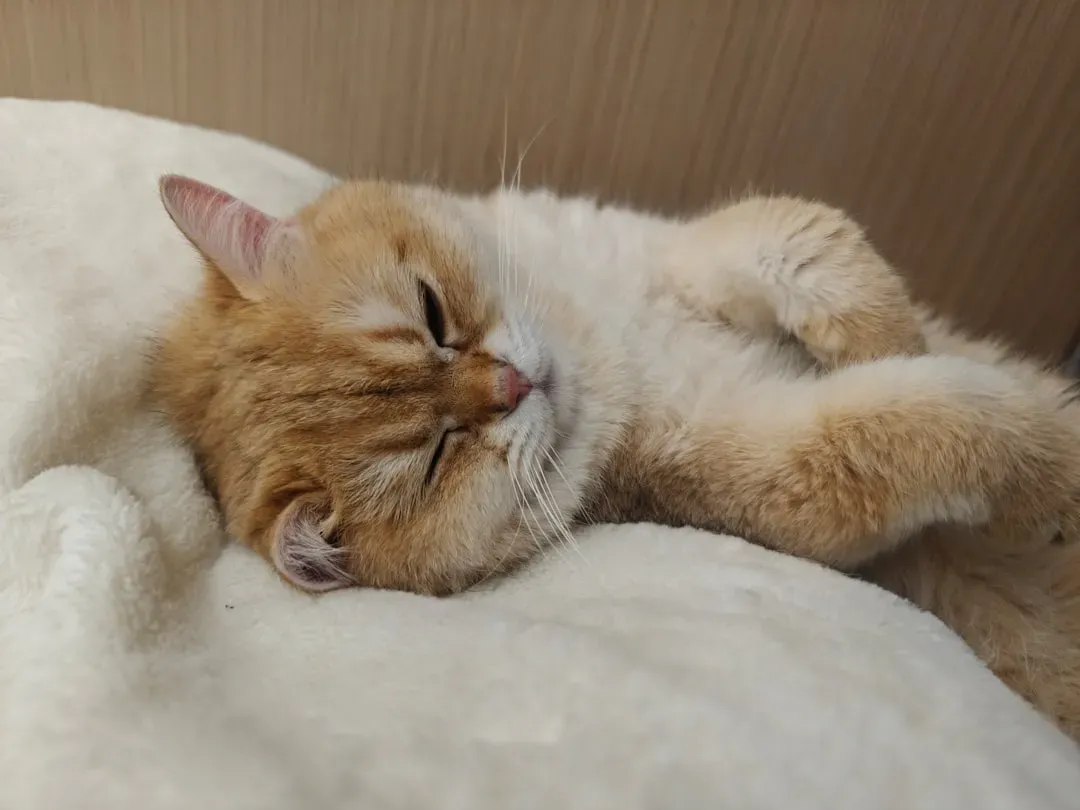
Think about what your cat does all day while you’re at work. Chances are, they’re napping. Cats sleep for an average of 13 to 14 hours a day. That leaves plenty of stored energy for when they’re awake. If they haven’t expended enough energy during the day, they may have zoomies at night.
It’s like they’re charging their batteries all day long, just waiting for the perfect moment to unleash all that pent-up power. Cats spend so much time napping – especially if they have plenty of alone time. This leads to built-up energy, which eventually comes out in a short, quick rush. Your cat essentially becomes a living, breathing energy bomb with a very inconvenient timer.
The Hunter Inside Never Sleeps
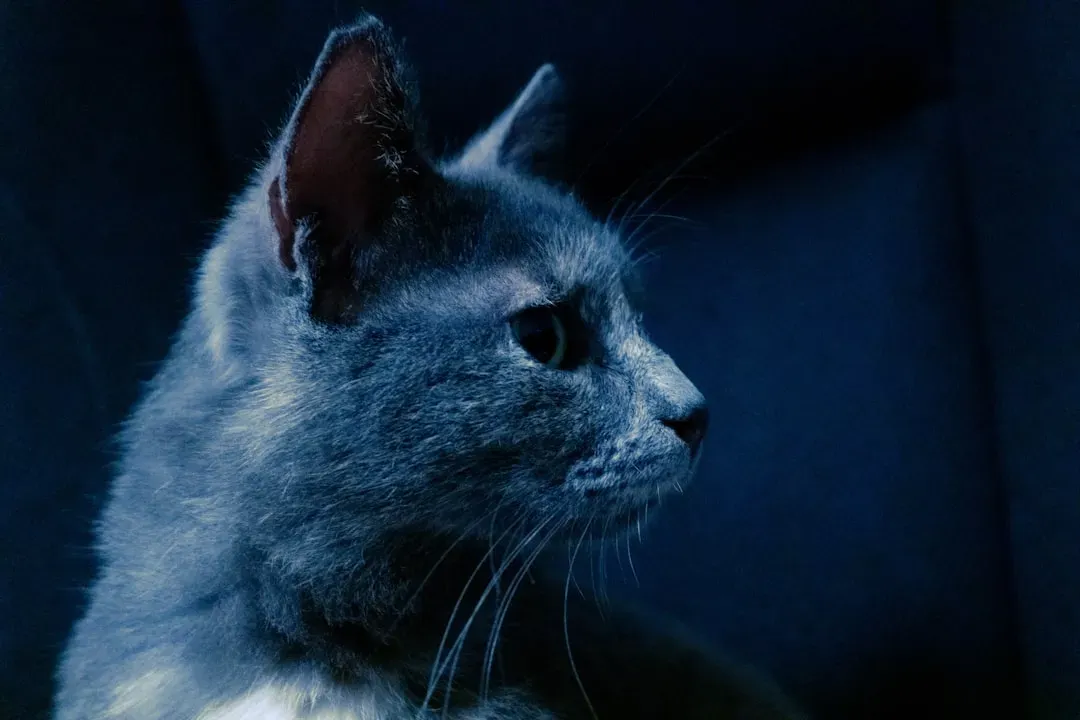
Cats have retained their hunting instincts from their wild ancestors. These instincts can trigger bursts of energy, often at night, even in the absence of actual prey. Even your pampered indoor kitty who’s never caught anything more dangerous than a dust bunny still has the soul of a predator.
Even though our house cats don’t have to survive on hunting, they still have the instinct to be active and “hunt” at those times. Let’s be real, it’s hard to say for sure what’s going through their minds, but that sudden sprint across the living room might actually be your cat practicing their stalk-and-pounce technique. The motivation to hunt prey is only partly related to hunger. Cats have learnt to be opportunistic feeders, meaning they change their activity patterns depending on food availability, and if the opportunity to hunt presents itself, they’ll do so regardless of whether they’re hungry or not at the time.
Boredom Is a Powerful Motivator
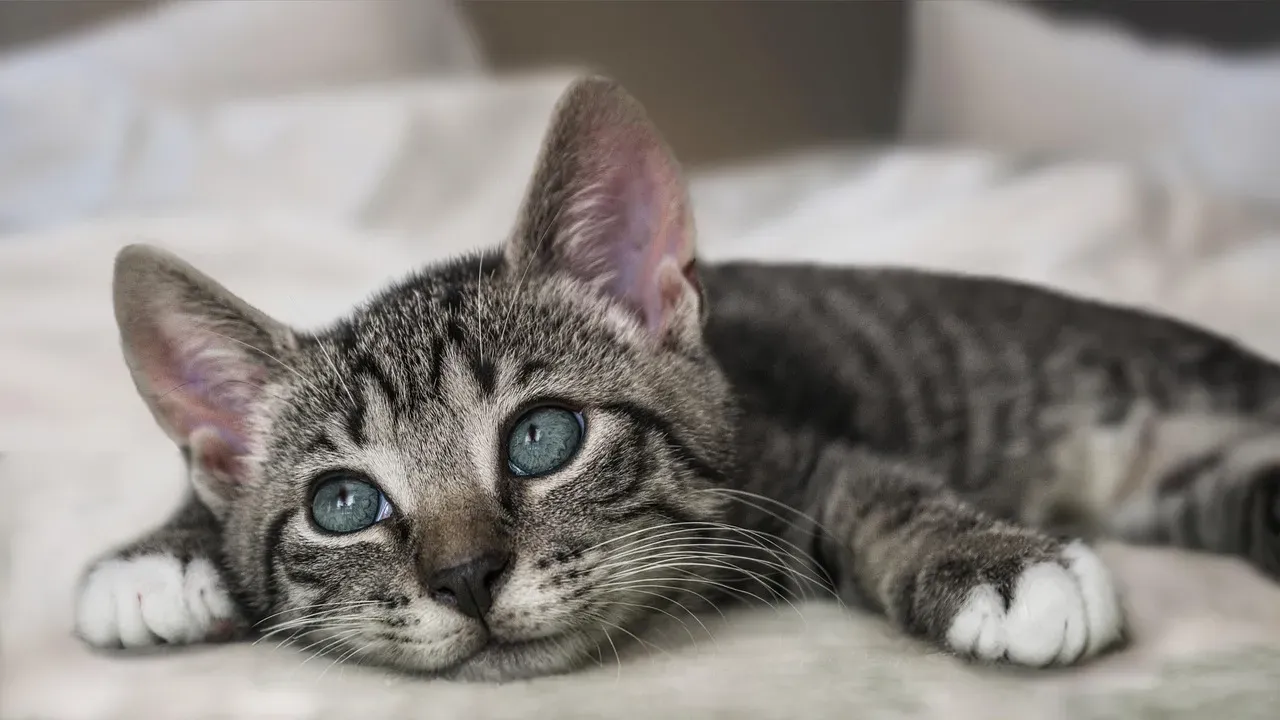
Cats need mental stimulation just like humans do. If they don’t get enough stimulation during the day, they might become more active at night. When you think about it, their world can be pretty repetitive. Same furniture, same toys, same view out the window.
Without adequate entertainment during daylight hours, your cat might save up all their playfulness for when the house gets quiet. Indoor cats may experience nighttime hyperactivity due to boredom and a lack of physical exertion during the day. Cats are natural hunters and need opportunities to engage in play and exploration to satisfy these instincts. If they don’t use enough of their energy during the day, they may become restless and more active at night. Think of it as their version of cabin fever, except instead of complaining about it, they just run laps around your bedroom at full speed.
The Environmental Factor You Might Not Notice
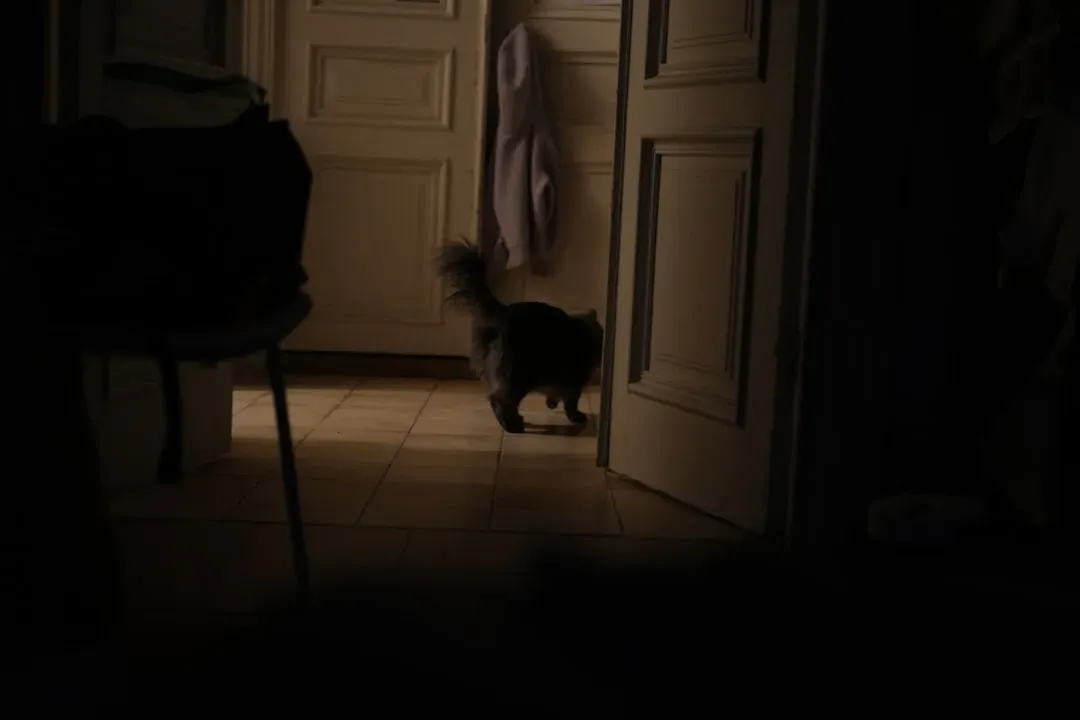
The quiet of the night might make your cat feel more comfortable exploring and playing. During the day, the noise and activity associated with daily life can be intimidating for some cats, causing them to rest and wait for the tranquility of nighttime to get active. It makes sense when you stop and think about it.
During the day, there’s traffic noise, people moving around, maybe kids playing or appliances running. All that commotion can make some cats prefer to stay low-key. If your cat is sensitive to sights and sounds from outside, like the activity of nocturnal wildlife or even a lightning storm, they might be more active at night. Nighttime offers them a chance to own the space without all the daytime distractions competing for their attention.
Age Makes a Difference
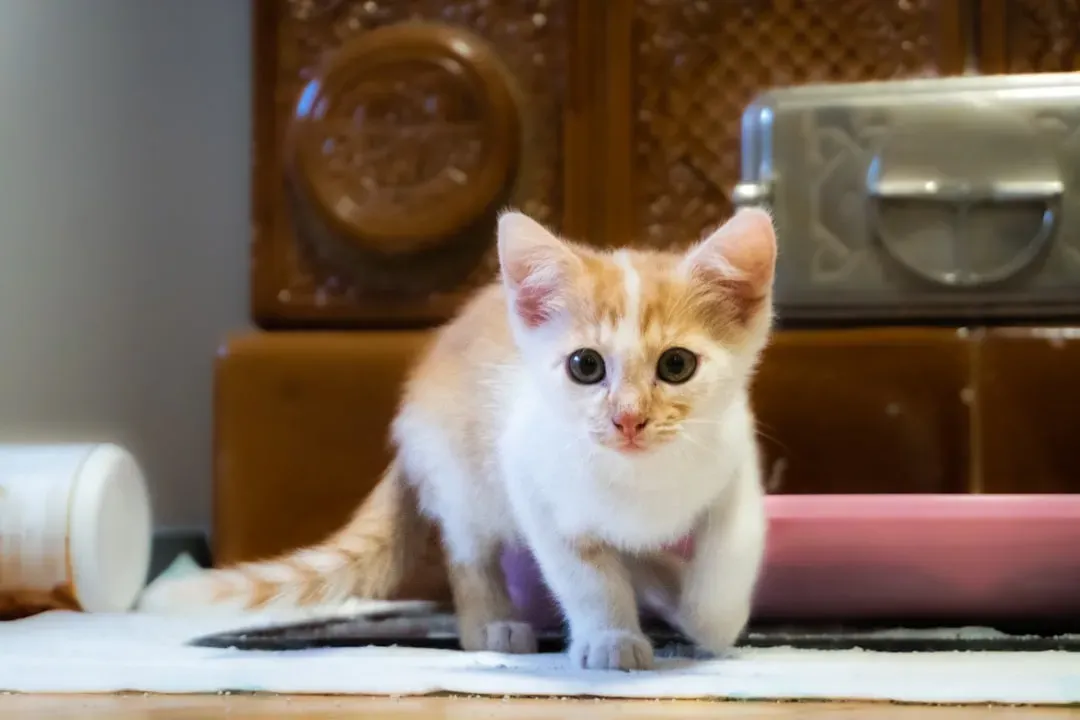
A cat’s age can impact their activity levels and sleep-wake cycle. Young cats have an abundance of energy and may have more frequent and intense zoomies. They are also more likely to be active at night. Kittens are basically tiny tornados on four legs, and honestly, watching them is both exhausting and hilarious.
However, it’s not just youngsters who get the midnight crazies. Older cats typically slow down and may sleep more than younger cats. However, some older cats may become more active or vocal at night due to changes in their cognitive function or because of medical issues. So if your senior cat suddenly starts acting like they’re training for the Olympics at two in the morning, it might be worth a conversation with your vet.
Stress and Anxiety Can Fuel the Fire
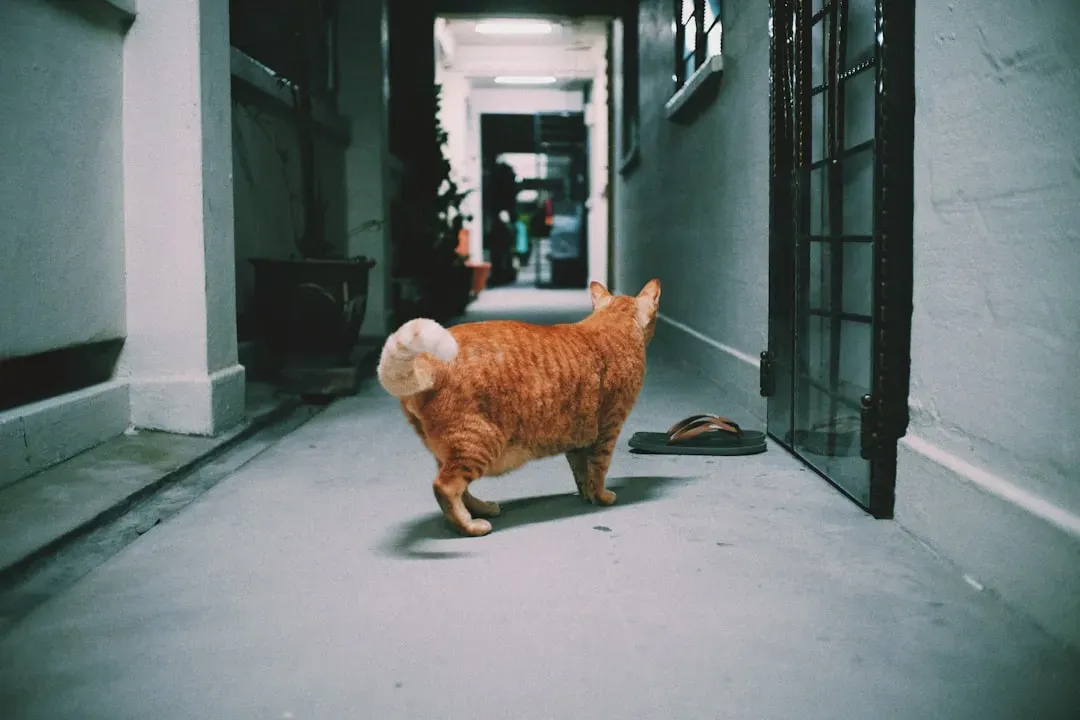
Stress can also be a reason your feline companion is getting nighttime zoomies. Cats often run around the house to get away from the anxiety. Sometimes those frantic sprints aren’t just about excess energy; they’re actually a coping mechanism.
How would you know if your cat gets zoomies due to stress? The cat will also exhibit other symptoms of anxiety alongside zoomies, such as hiding, excessive grooming, increased vocalization, and change in appetite. Cats are sensitive creatures, and changes in their environment or routine can cause stress and anxiety. This can manifest as increased nighttime activity as they try to cope with their emotions or seek comfort and reassurance from their surroundings. It’s worth paying attention to whether something in their environment has changed recently.
The Post-Bathroom Sprint Phenomenon
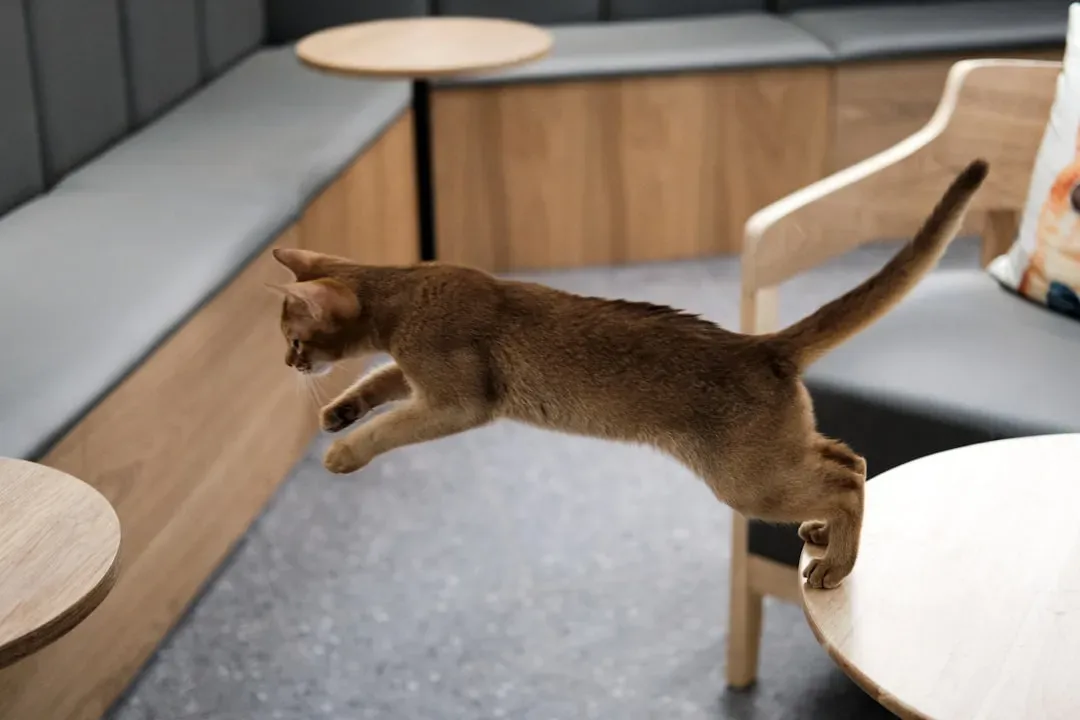
This one’s a bit peculiar, yet incredibly common. Zoomies can occur post-pooping in the litter box. While equally hilarious as the zoomies is the thought of your feline friend taking a victory lap after their trip to the bathroom, it’s important to note whether or not this is a new behavior.
If your kitty tends to get the zoomies after using the litter box, there may be a connection to the vagus nerve that goes from brain to colon. Kitty may be feeling a bit lightheaded or relieved or even euphoric after using the litter box. Other times, though, they might be trying to escape an unpleasant smell or signal discomfort. If your cat gets the zoomies after pooping, pay attention to signs of constipation, such as discomfort, vomiting, defecation outside the litter box, or a change in stool. Even if your cat doesn’t clearly exhibit these signs, it’s never a bad idea to check in with their veterinarian, especially if the post-poop cat zoomies are a new behavior.
When Zoomies Signal Something More Serious
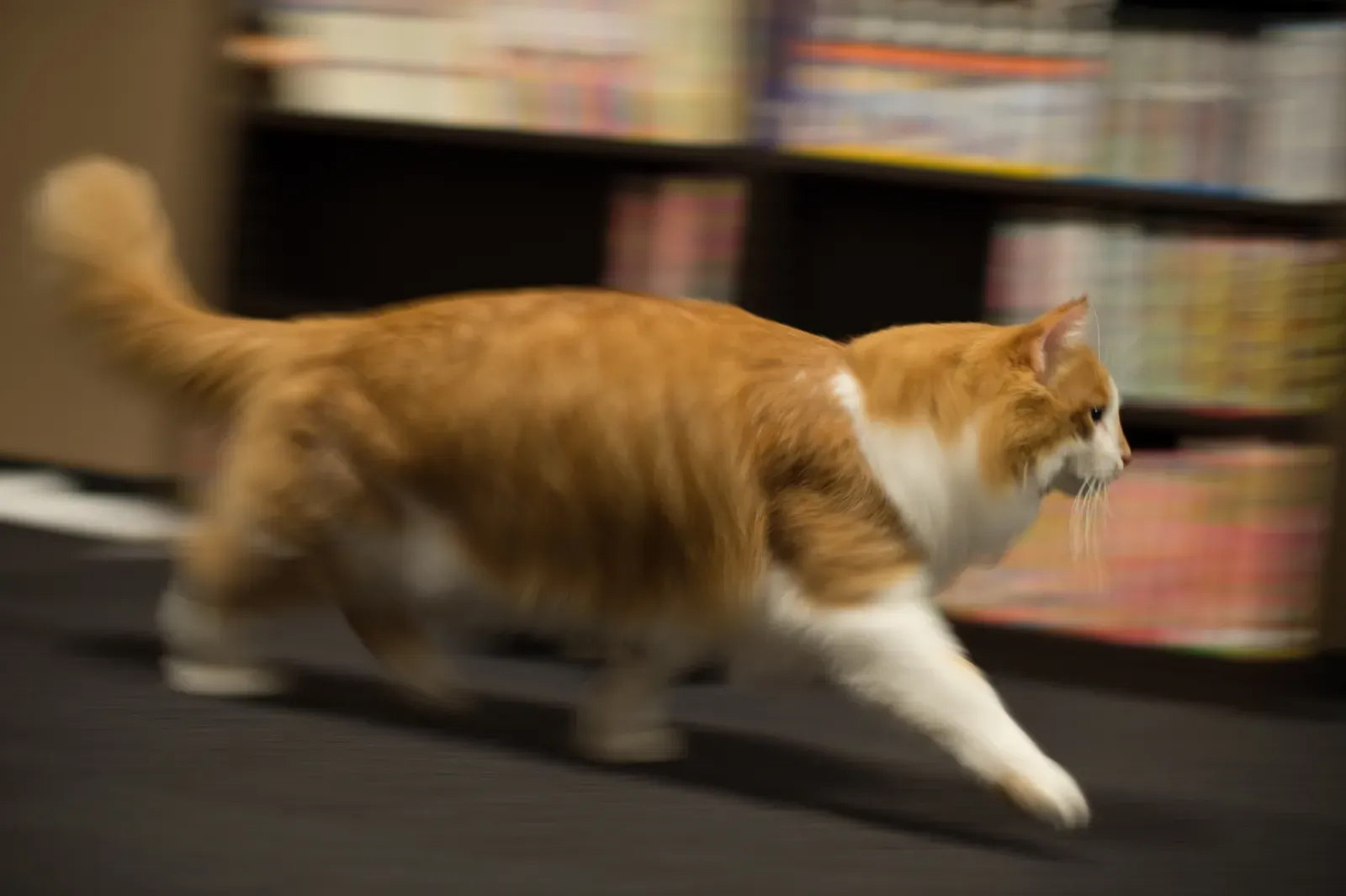
Most of the time, zoomies are totally harmless. Most cat owners do not need to worry about their cat getting the zoomies. This is because most of the time cats just get the zoomies because they are playing or are expelling pent-up energy. However, there are times when excessive nighttime activity could indicate an underlying health problem.
In some cases, excessive nighttime activity may be a sign of an underlying medical issue such as hyperthyroidism. If your cat’s nighttime behavior suddenly changes or becomes more extreme, it’s essential to consult with your veterinarian to rule out any potential health problems. While acute pain is a far less common reason for cat zoomies, it’s important to know when the behavior may indicate your kitty is in pain. If you do suspect pain is the culprit, get them to the vet as soon as possible for relief. Better safe than sorry when it comes to your furry friend’s wellbeing.
Practical Strategies to Manage Midnight Madness
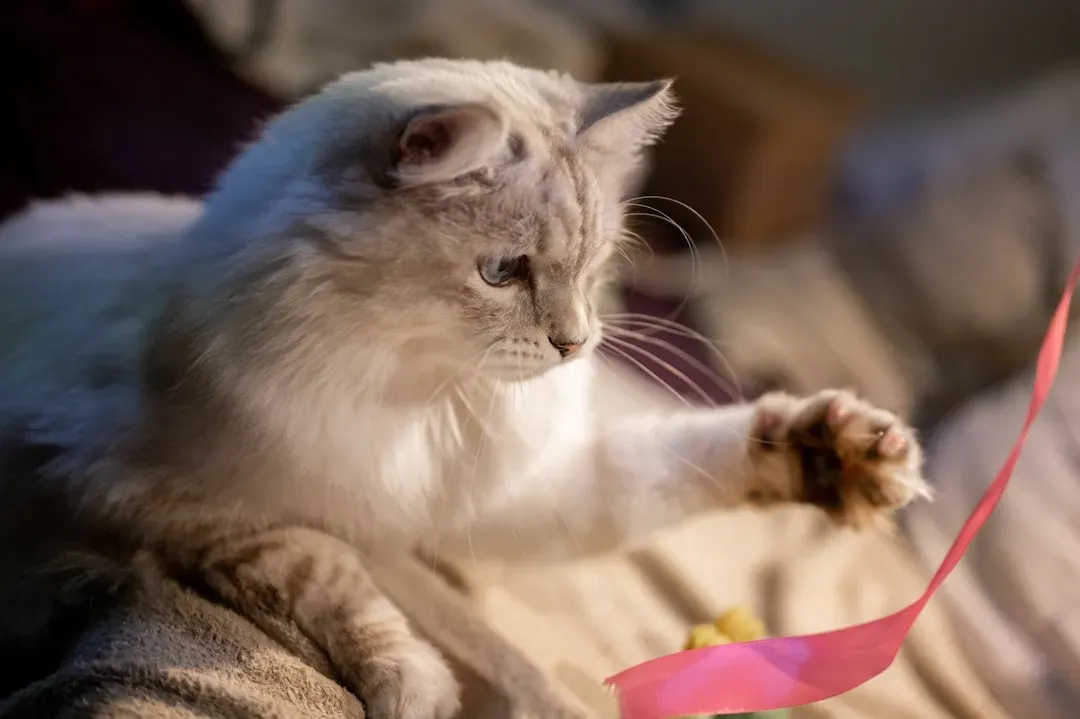
Engage your cat in interactive play sessions, particularly in the evening. Use toys that mimic prey, like feather wands or laser pointers, to satisfy their hunting instincts. The key is to tire them out before you want to sleep. Think of it like exercising a toddler before naptime.
If a cat frequently engages in the zoomies, it’s probably an indication that the cat needs more exercise. Make sure your kitty is getting regular playtime. Break out the feather and string and aim to engage in at least two 15-minute interactive play sessions per day. It’s also important to provide mental exercise and satisfaction so don’t just exhaust the cat, but instead, play in a way that allows kitty to stalk and plan. Feeding your cat right before bed can also help, since they naturally want to sleep after eating. Cats tend to sleep after a big meal. Try feeding your cat their main meal just before your bedtime to encourage them to sleep through the night.
Creating Peace for Everyone
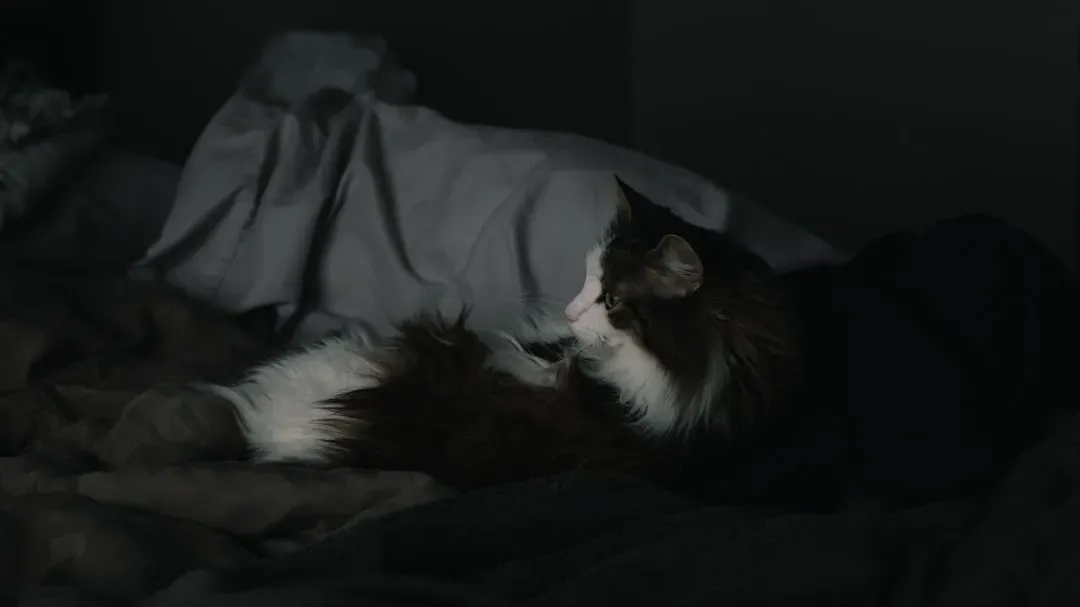
Understanding why your cat goes bonkers at night is the first step toward peaceful coexistence. It calls for establishing calming nightly routines for the cat, which largely aids in preventing nighttime zoomies. Create a quiet and predictable environment, like dimming the lights at night. It helps the cat to calm down and prepare for a good night’s sleep.
Cats are crepuscular, which means they’re most active at dawn and dusk. Although today’s cats are domesticated, that instinct remains strong. Young cats often have bursts of playful energy just when you’re ready for bed, and that can make cat sleeping time a challenge. With patience, consistency, and the right approach, you can help redirect that energy to more appropriate times. Your cat’s zoomies aren’t a problem to solve as much as a behavior to manage and understand. They’re simply being cats, doing what millions of years of evolution programmed them to do. What do you think about it? Have your cat’s midnight performances taught you anything surprising about their wild side?