You know the scene all too well. Your house is quiet, everyone’s settling in for the night, maybe you’re just drifting off. Then you hear it. The thunderous gallop of tiny paws racing through the hallway at speeds that seem impossible for a creature that weighs roughly ten pounds. Your cat has officially entered what I like to call the midnight madness phase. What many people don’t realize is that this behavior isn’t some weird quirk or your cat’s personal vendetta against your sleep schedule. There’s actually an evolutionary blueprint behind it all. Turns out, your feline friend is following ancient instincts that are surprisingly calculated. Let’s get into why these nightly bursts of energy are far more strategic than you might think.
They’re Hardwired for Dawn and Dusk Action
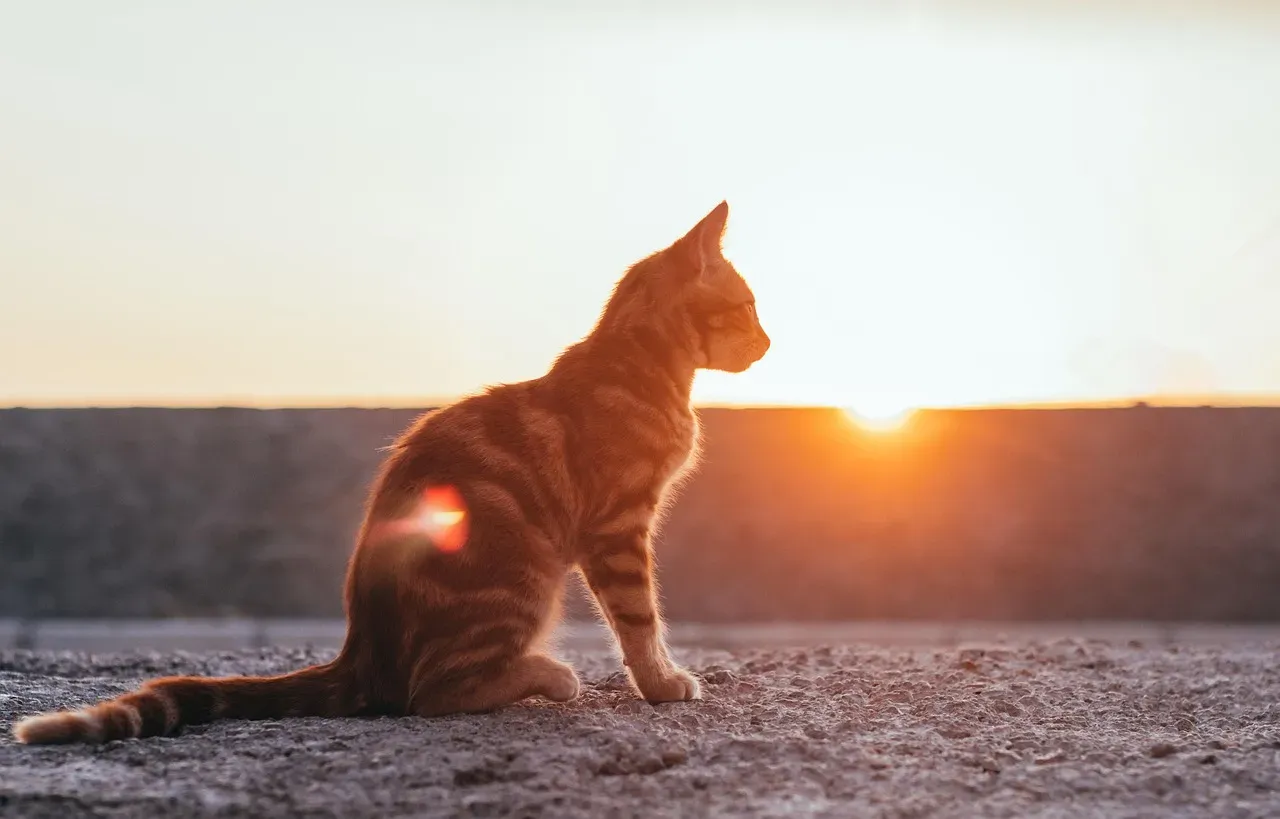
Cats are crepuscular animals, meaning they are most active during dawn and dusk, behavior traced back to their wild ancestors who hunted during these times to take advantage of cooler temperatures and the movement of prey. Even though your fluffy companion no longer needs to stalk mice for survival, their internal clock hasn’t gotten the memo. While domestic cats no longer need to hunt for their meals, they’ve retained these instinctual patterns of activity.
Think about it this way: if you were designed to be most alert when the light is low and potential prey is scurrying about, you’d feel that natural surge of energy too. Your cat’s body is essentially telling them it’s go time. This isn’t randomness at all; it’s millions of years of evolution doing its thing. Cats are crepuscular creatures, most active during the dawn and dusk hours, rooted in their evolutionary history as hunters when dawn and dusk are prime hunting times when prey animals are most active, and even though domesticated felines no longer need to hunt for survival, their instincts to be active during these times remain strong.
All Those Daytime Naps Build Up Serious Energy Reserves
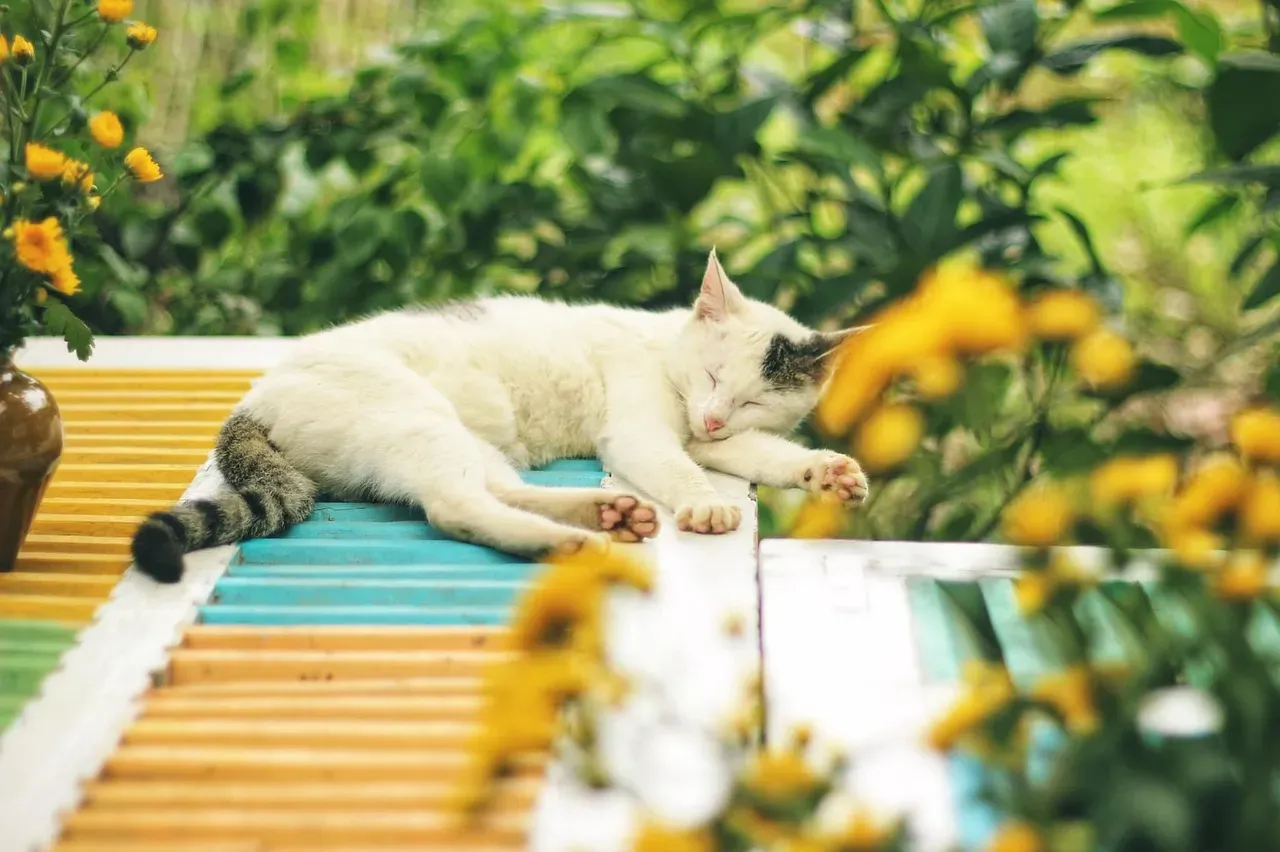
Let’s be real: your cat sleeps a ridiculous amount during the day. Cats sleep for an average of 13 to 14 hours a day, leaving plenty of stored energy for when they’re awake, and if they haven’t expended enough energy during the day, they may have zoomies at night. It’s like they’re charging up a battery all day long, then releasing it all in one wild burst when you’re trying to relax.
The thing is, cats aren’t lazy. They’re energy conservationists. In the wild, hunting requires quick, explosive movements followed by long rest periods. Your indoor cat might not be chasing down dinner anymore, but the pattern remains. Cats spend so much time napping, especially if they have plenty of alone time, which leads to built-up energy that eventually comes out in a short, quick rush. Those dramatic sprints across your living room at eleven o’clock at night? That’s just stored fuel being burned off in the most entertaining way possible.
Nighttime Offers the Perfect Hunting Simulation
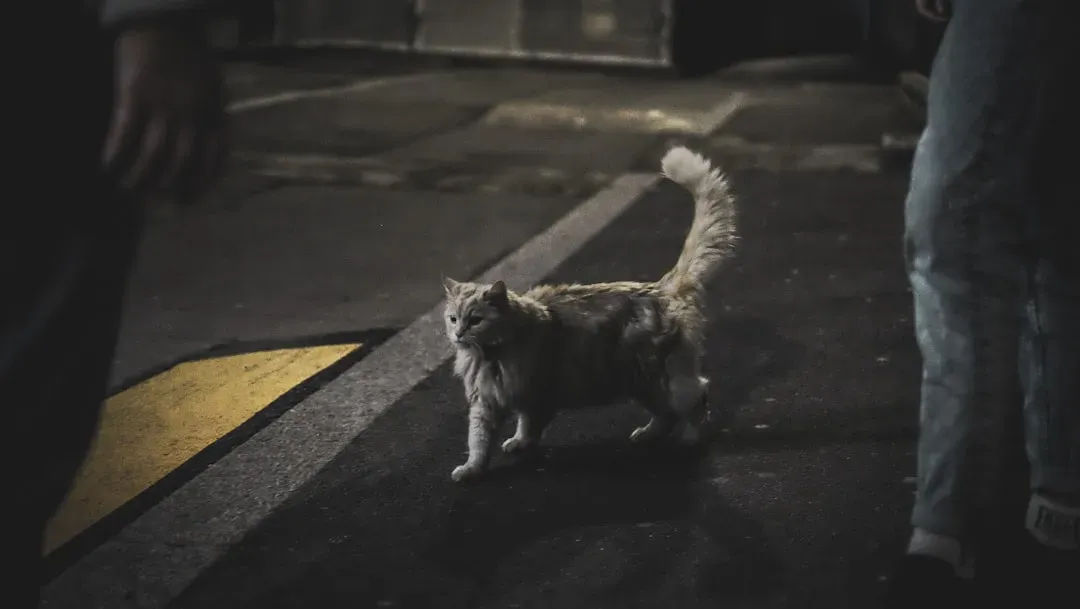
The quiet of the night might make your cat feel more comfortable exploring and playing, as during the day, the noise and activity associated with daily life can be intimidating for some cats, causing them to rest and wait for the tranquility of nighttime to get active. When your household finally quiets down, that’s when your cat’s inner predator wakes up. The lack of distractions means they can focus entirely on what their instincts are telling them to do: hunt.
Even if there’s nothing to actually hunt, your cat’s brain doesn’t care. Cats have retained their hunting instincts from their wild ancestors, which can trigger bursts of energy often at night even in the absence of actual prey, and they may play with toys, chase their tail, or pounce on invisible objects. Your toes under the blanket? Fair game. A shadow on the wall? Basically a gazelle. This isn’t chaos; it’s your cat running through a mental checklist that evolution handed them.
Their Eyes Are Built for Low Light Adventures
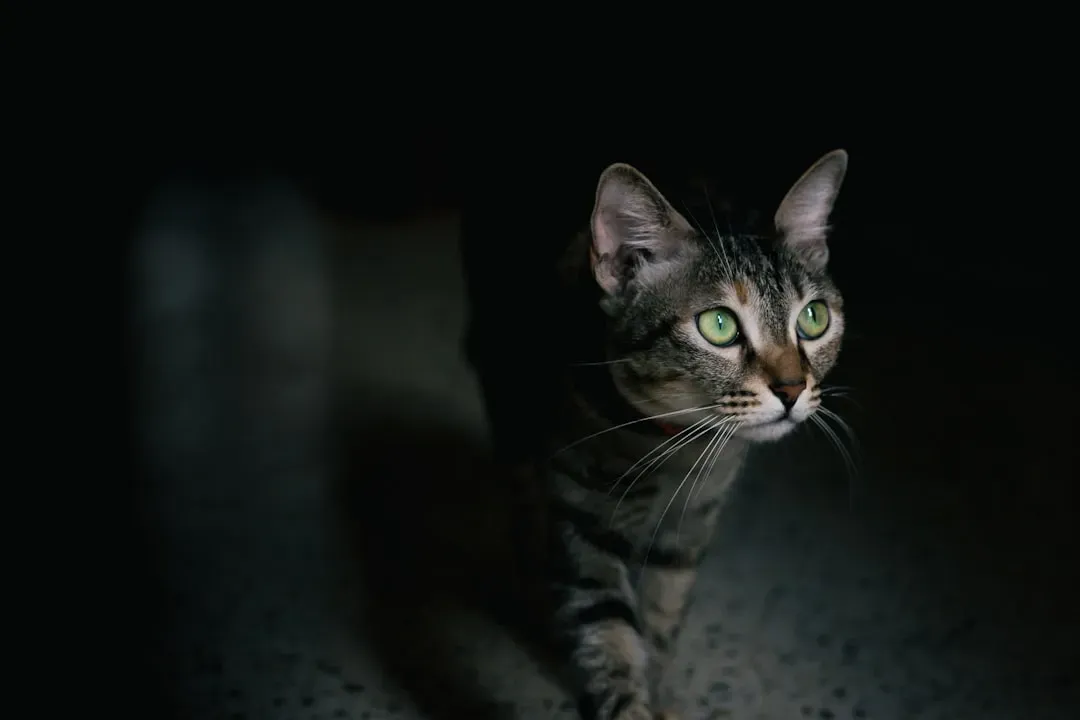
Here’s something fascinating: Cats have a high number of rod cells in their retinas which are more sensitive to low light than cone cells, making cats excellent at navigating and hunting in dim conditions. So while you’re stumbling around in the dark trying to find the bathroom, your cat is basically seeing the world in high definition. No wonder they choose nighttime to get their exercise in.
Cats possess exceptional night vision, allowing them to see well in low light conditions, an adaptation that enhances their hunting efficiency during the nighttime which aligns with their evolutionary history as stealthy nocturnal hunters. Their physical design supports this behavior completely. It’s not that they’re trying to annoy you; they’re simply operating at peak performance during hours when their vision gives them a serious advantage. Your cat is basically showing off skills that would make them a star hunter in the wild.
Lack of Mental Stimulation During the Day Sets the Stage
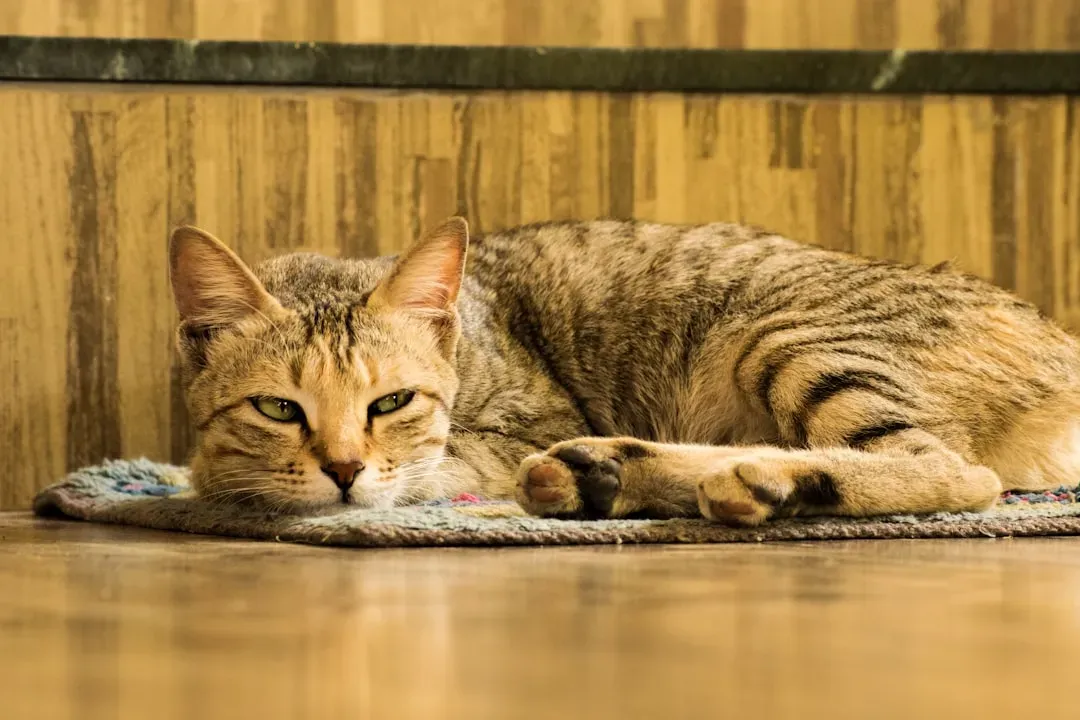
If your cat isn’t getting enough action when the sun’s up, they’re going to make up for it when it goes down. Cats need mental stimulation just like humans do, and if they don’t get enough stimulation during the day, they might become more active at night. Think of it like this: a bored cat is a ticking time bomb of pent up energy just waiting to explode at the most inconvenient moment possible.
I think this is where a lot of cat owners miss the mark. We assume that because cats sleep so much, they don’t need engagement. Wrong. If zoomies occur frequently in the evenings or at night, then that can be a sign that your cat hasn’t gotten enough exercise throughout the day. When cats don’t have outlets for their natural behaviors like stalking, pouncing, and chasing during daylight hours, all that energy has to go somewhere. Usually, it goes straight into a midnight sprint around your house.
Social Interaction Gets Them Revved Up
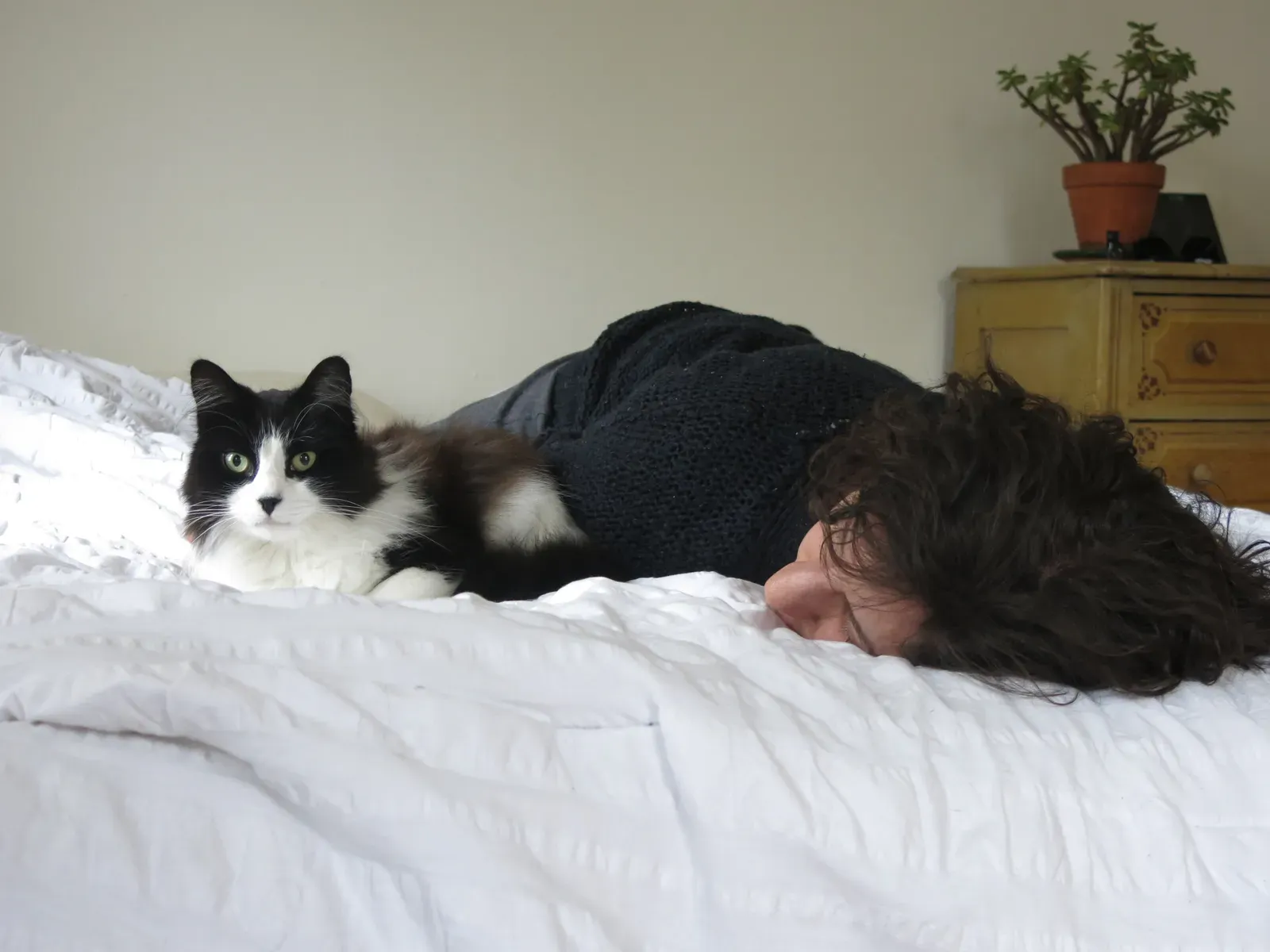
Cats may seek out interaction when they are awake and full of energy, which unfortunately may be during your sleeping hours, manifesting as zooming around the house, pouncing on your feet, or causing other mischief to get your attention. Sometimes, your cat’s nighttime antics are less about hunting instincts and more about wanting your attention. They’ve learned that running around like a maniac tends to get a reaction from you, even if that reaction is you yelling at them to stop.
Cats are smarter than we give them credit for. They figure out pretty quickly what behaviors get responses. In multi-cat households, the dynamic can be even more complex, as cats may engage in play or display territorial behaviors which can also result in nighttime activity. If you have multiple cats, you might notice they egg each other on, turning what could be a solo zoomies session into a full blown chase scene. It’s strategic social bonding mixed with their natural playfulness.
The Post Bathroom Victory Lap Is Real
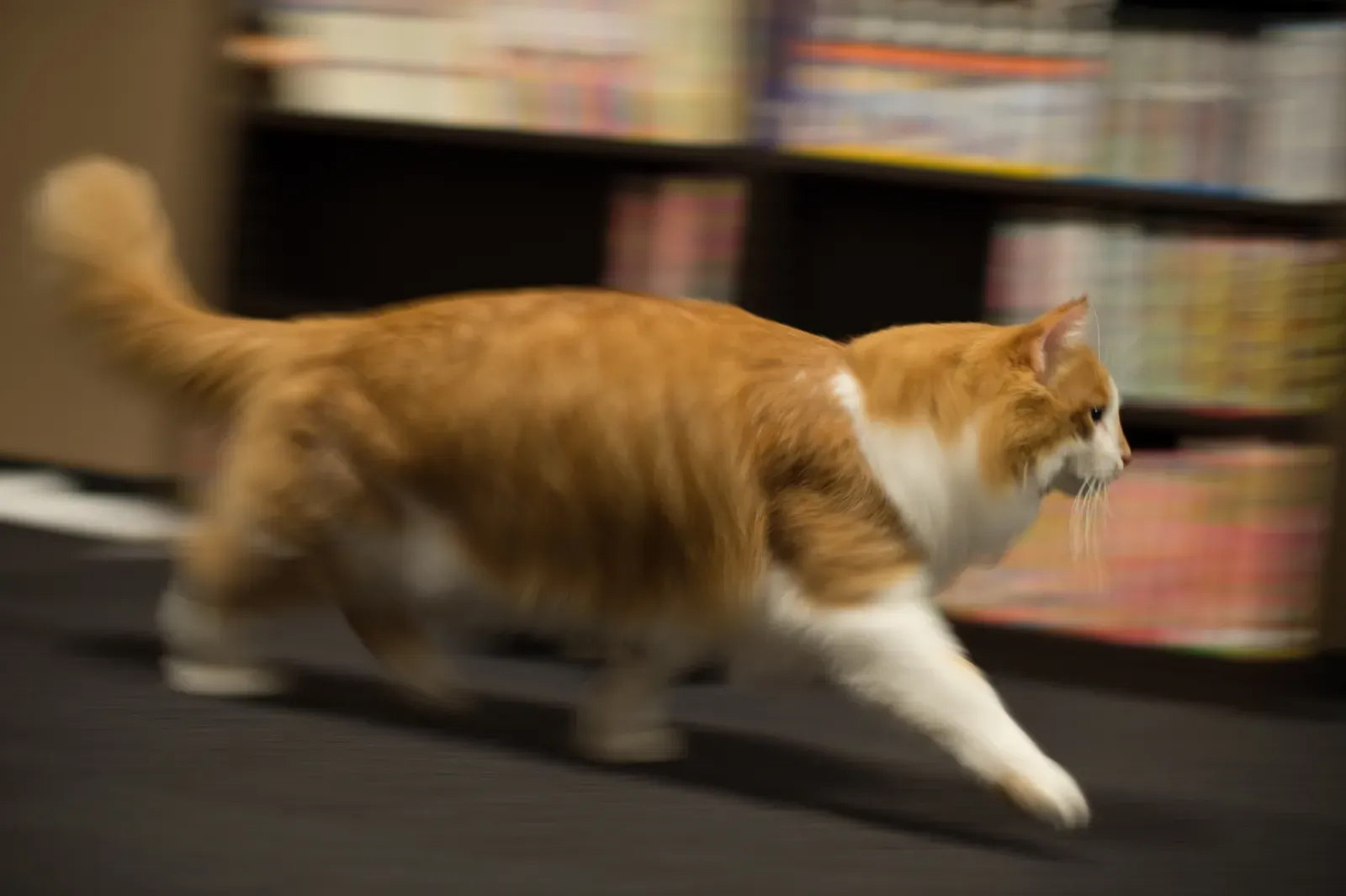
This one might sound bizarre, but hear me out. Many cat owners notice their feline friends get the zoomies right after using the litter box. Your cat might just feel a sense of relief after eliminating waste, and this behavior is simply their way of expressing that freedom. It’s like they’ve completed a mission and need to celebrate with an immediate sprint.
Some experts think it could also be an instinctual behavior to quickly leave the area where they’ve just left their scent, reducing the chance of predators tracking them. In multi-cat households, the zoomies after using the litterbox could be a territorial display. Whether it’s relief, excitement, or territorial communication, the post litter box zoomies are definitely part of a bigger strategic picture. Your cat isn’t being weird; they’re following deeply ingrained behavioral patterns.
Age Plays a Major Role in Intensity
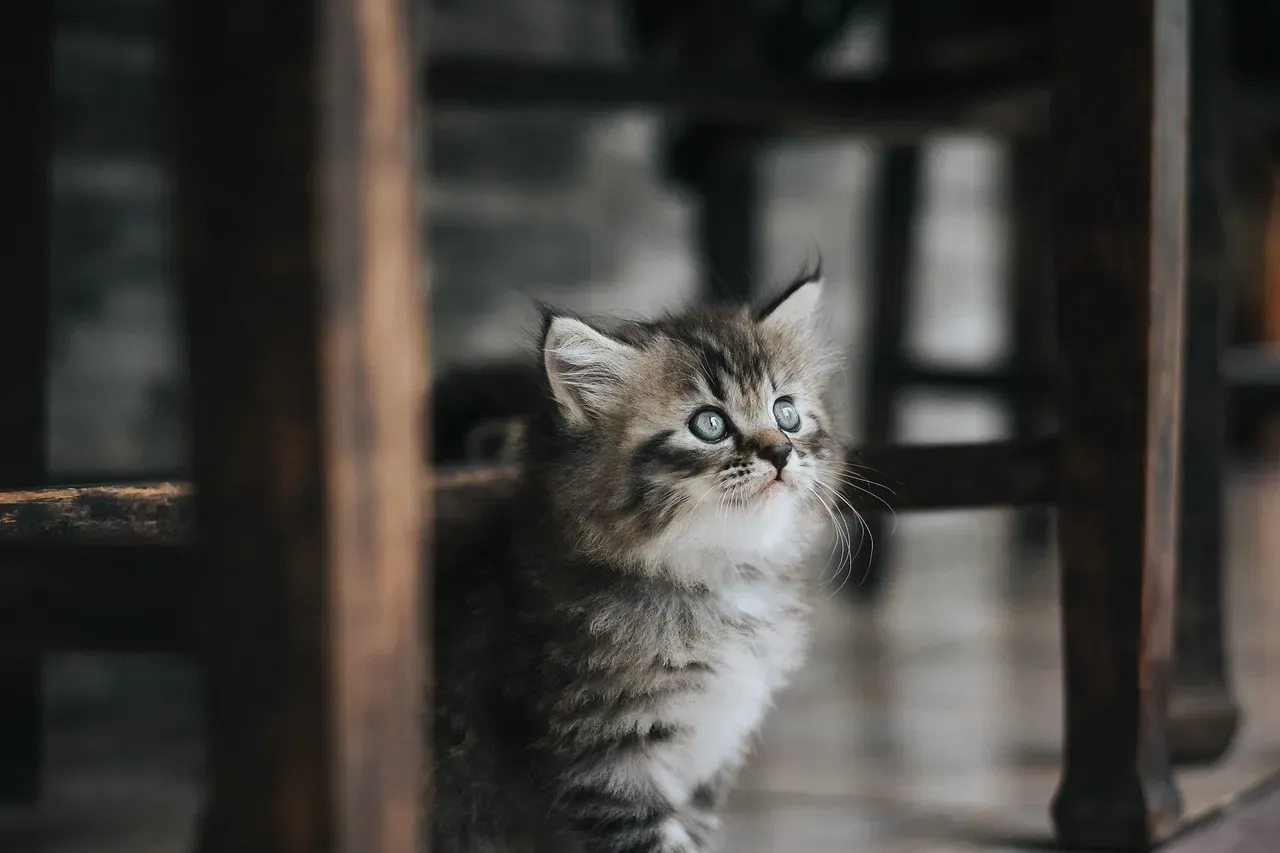
A cat’s age can impact their activity levels and sleep-wake cycle, as young cats have an abundance of energy and may have more frequent and intense zoomies, being more likely to be active at night. If you’ve got a kitten, buckle up. Those little guys have energy for days, and they’re going to use every ounce of it when their internal alarm clock goes off around two in the morning.
Older cats typically slow down and may sleep more than younger cats, however some older cats may become more active or vocal at night due to changes in their cognitive function or because of medical issues. So while kittens are zooming because they’re bursting with youthful energy, senior cats might be experiencing something different entirely. If your older cat suddenly starts having midnight freak outs when they never did before, it might be worth checking with your vet to rule out health issues. Different ages, different strategies, but the nighttime activity persists across the board.
Environmental Factors Trigger Their Inner Hunter
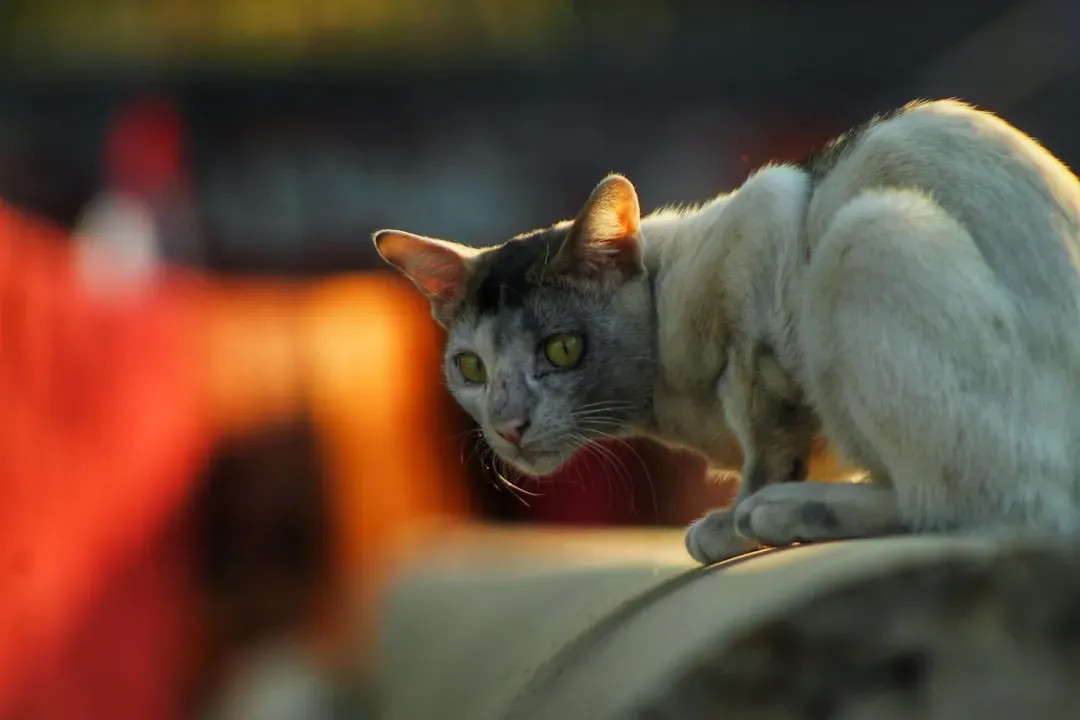
If your cat is sensitive to sights and sounds from outside, like the activity of nocturnal wildlife or even a lightning storm, they might be more active at night. Your cat’s senses are incredibly sharp. They can hear and see things you have absolutely no awareness of. That rustling outside your window? You’re oblivious. Your cat? Fully alert and ready to investigate.
Many small animals that cats consider prey such as rodents, insects, and small mammals are also more active at night, creating instinctual synchronization of activity that enhances the feline’s chances of securing a successful hunt. Even if your cat is strictly indoors, those external cues can flip a switch in their brain. Suddenly they’re on high alert, ready to defend their territory or track down whatever is making noise outside. This isn’t random hyperactivity; it’s your cat responding strategically to environmental stimuli that trigger their predatory instincts.
Conclusion: Understanding the Method Behind the Madness
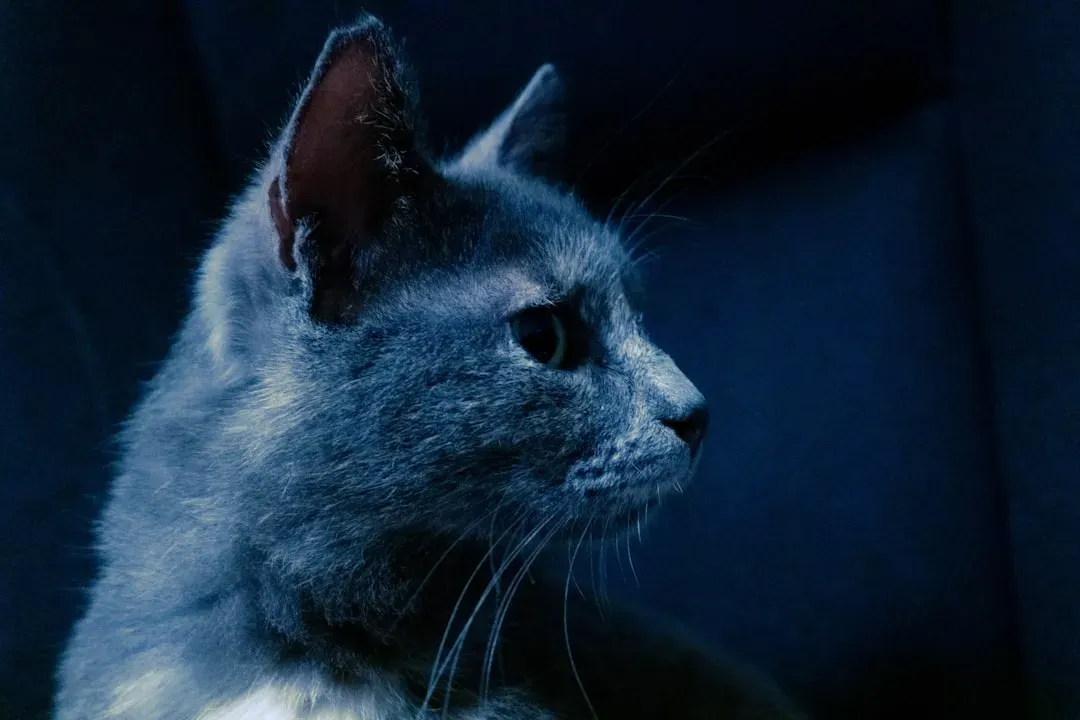
Your cat’s nighttime zoomies might disrupt your sleep, wake up your entire household, or send your decorative items flying off shelves. Yet, understanding that these behaviors are deeply rooted in survival instincts makes them a bit easier to accept. Your cat isn’t trying to drive you crazy on purpose. They’re simply following an ancient playbook written over thousands of years of evolution.
Cat zoomies are a normal part of feline behavior, and by understanding and accommodating their natural instincts, you can help manage their nocturnal activities and ensure they lead a healthy, satisfied life. The key is recognizing that what looks like chaos is actually strategic behavior tied to hunting patterns, energy conservation, and environmental awareness. Give your cat appropriate outlets during the day, engage their predatory instincts with interactive play, and maybe consider feeding them right before bed to encourage a post meal snooze.
So the next time you hear those thunderous paws at midnight, remember: your cat is executing a carefully orchestrated plan that their ancestors perfected long before they ever met you. What’s your experience with midnight zoomies? Do you find them endearing or exhausting? Share your stories in the comments.