Have you ever woken at three in the morning to find your cat curled peacefully beside your pillow, watching over you with half-closed eyes? Or maybe you’ve noticed how your feline companion insists on sleeping at the foot of your bed every single night, no matter how many cozy cat beds you’ve bought.
These aren’t random behaviors. Your cat’s nighttime routines are actually packed with meaning, revealing the depth of their bond with you. While we spend roughly a third of our lives asleep, our cats use these vulnerable hours to express feelings they might not show during the busier daytime. Let’s explore what your cat’s after-dark habits are really telling you about the trust and affection they hold for you.
When Your Cat Chooses to Sleep Right Next to You
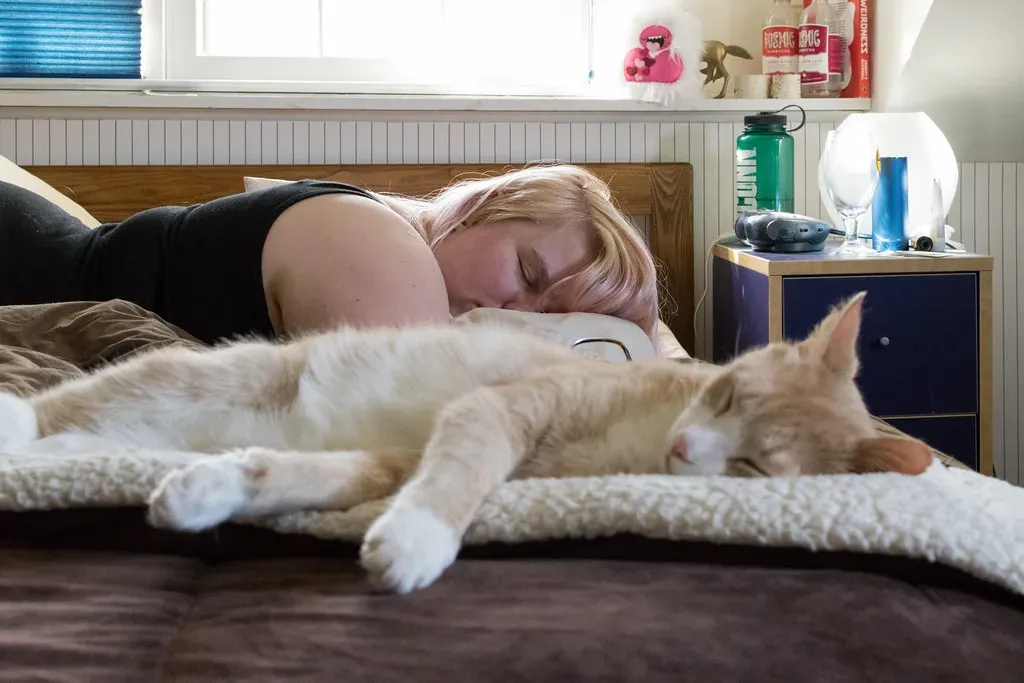
It’s a big sign of trust if your cat wants to sleep with you because this is a time when cats are very vulnerable. Sleep is when predators strike in the wild, so choosing to rest beside you means your cat views you as safe, not threatening.
Cats likely sleep with their favourite person, especially if they take care of their daily needs. Cats feel most vulnerable when sleeping, and so will curl up next to the person they love and trust the most. It’s honestly one of the highest compliments a cat can give. When your feline friend selects your bed over countless other spots in the house, they’re essentially saying you’re their chosen protector and companion.
Watching Over You While You Sleep
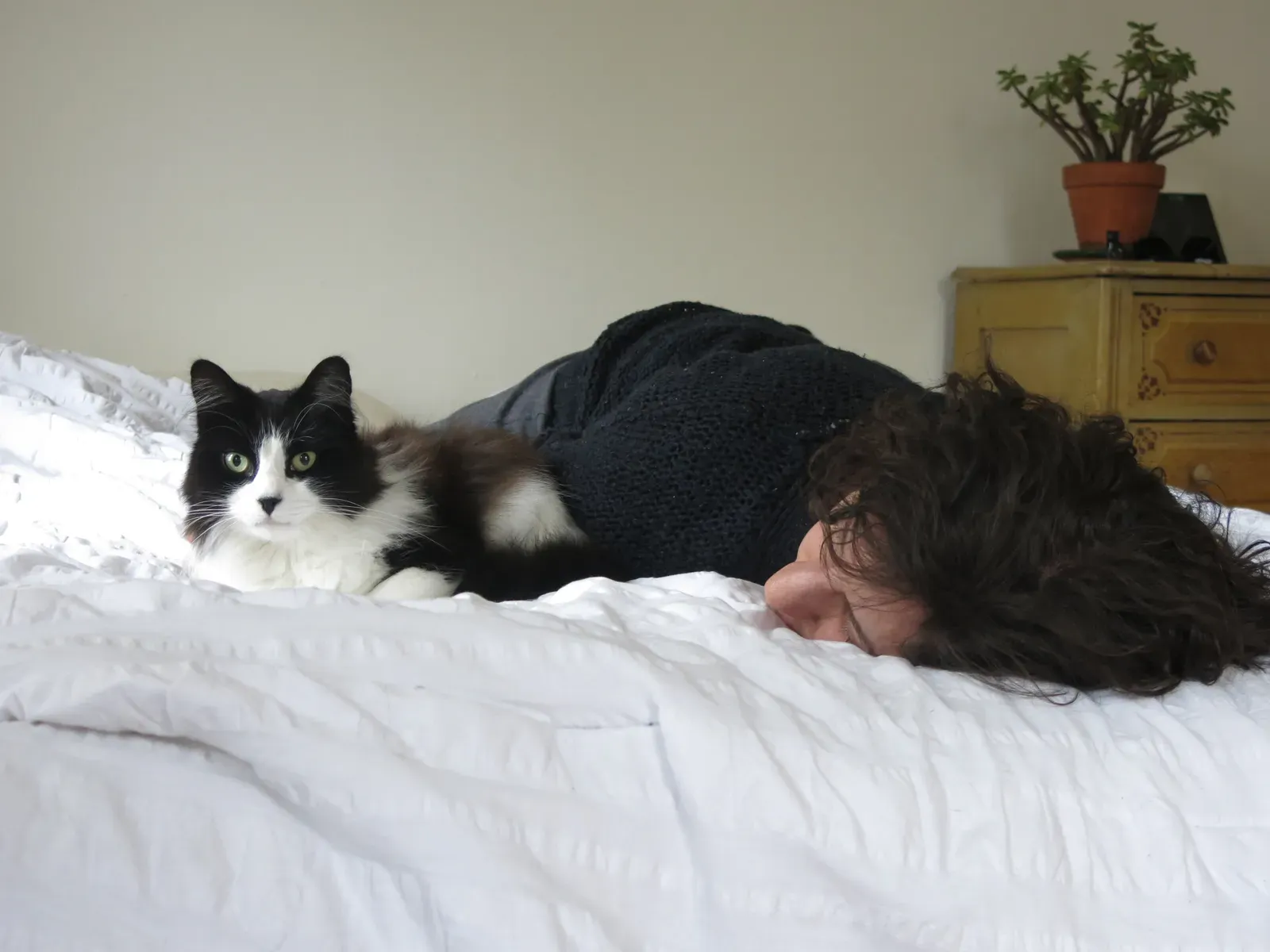
Does your cat sometimes just sit and stare at you while you’re sleeping? Here’s the thing: this behavior might seem creepy, yet it’s deeply rooted in affection. Your cat’s watchful behavior might actually be their natural protective instincts at work. In the wild, cats take turns keeping watch while others rest, ensuring the group’s safety. Your domestic cat may be carrying out this ancestral duty, appointing themselves as your personal security guard.
When your cat watches you sleep, they’re exhibiting similar bonding behaviors, viewing you as a source of security and comfort. They’re essentially standing guard, making sure nothing disturbs your rest. Think of it as your cat’s version of tucking you in safely for the night.
The Significance of Sleeping at the Foot of Your Bed
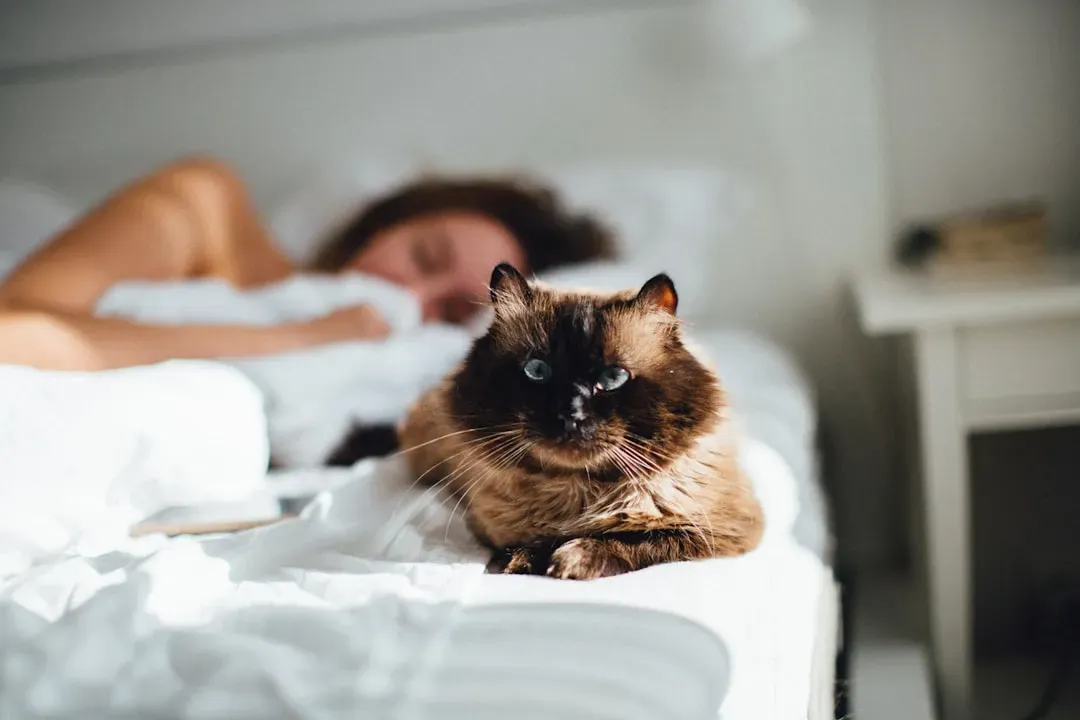
Cats often sleep with their owners because it makes them feel safer, but if your kitty curls up at the foot of your bed at night, she may have another motive as well. Many cats feel protective of their humans, and sleeping at the foot of the bed allows them to alert you of any dangers, as well as guard against approaching predators.
This strategic position isn’t accidental. Your cat has chosen a spot where they can monitor the room’s entrance while staying close enough to you. Cats find comfort and security in being close to their owners; your feet can be an ideal spot for them. It’s a place where they can stay connected with you while also keeping a bit of independence on the ground level, as the feet area offers a balance of warmth, comfort, and the ability to move quickly if needed. They’re basically your personal alarm system with fur.
Nighttime Cuddles and Physical Closeness
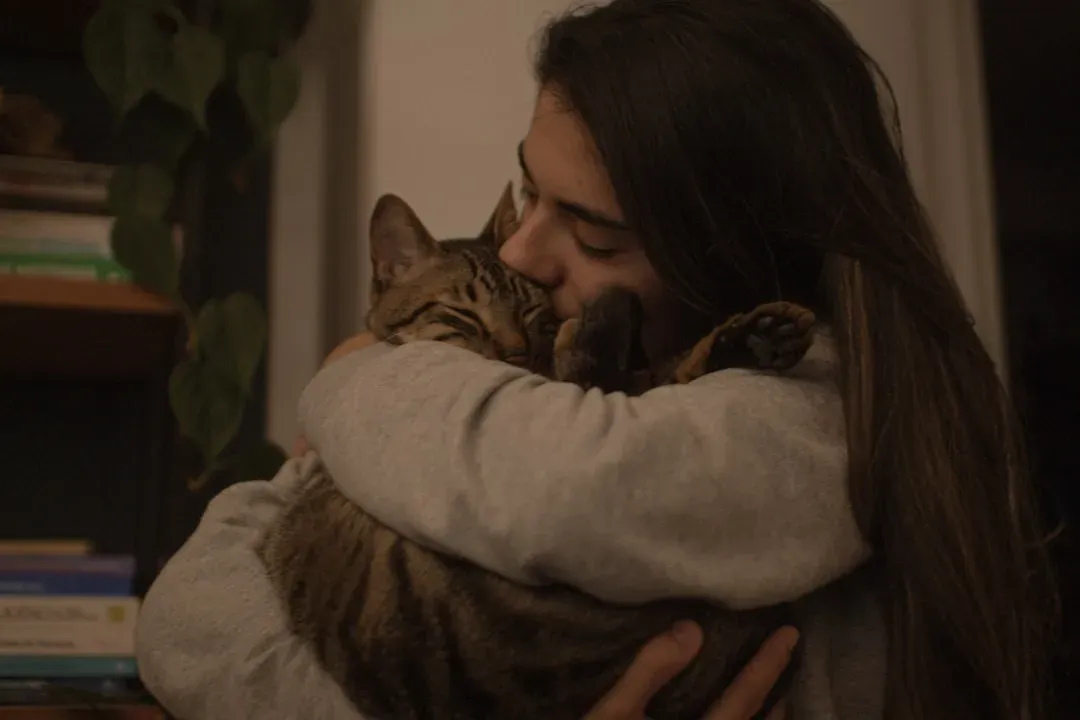
Nighttime cuddles are one way your cat expresses their affection. It’s their way of bonding with you. When your cat is a nighttime cuddler, it’s a sign that they feel close to you. Let’s be real, nothing beats the feeling of a warm, purring cat choosing to snuggle against you in the darkness.
In addition to added warmth, Johnson-Bennett said cats may sleep with their owners for bonding and affection. The author explained that in an outside cat colony, it’s common for bonded cats to sleep curled up next to each other or at least in close proximity. This is considered “friendly social behavior.” So when your cat curls against you at night, they’re treating you like family, like another cat they’ve deeply bonded with. That’s pretty special, honestly.
Following You to Bed Every Night
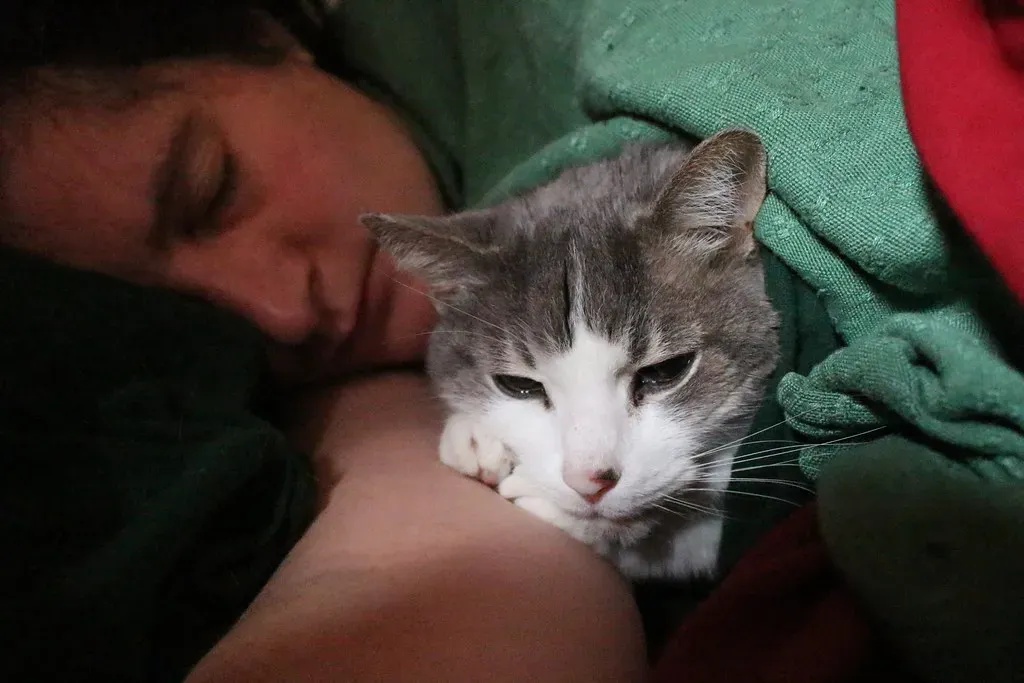
Have you noticed your cat trailing you to the bedroom each evening, like clockwork? This routine behavior demonstrates something powerful. Cats are creatures of habit, relying on predictable patterns to feel secure in their environment. This reliance on routine is deeply ingrained: as both predators and prey in the wild, predictability helps them save energy and stay safe.
More likely than not, you spend most hours of the day at work away from your cat. Sleeping on top of you is your cat’s way of showing that he likes having you around and would like to spend as much time near you as he possibly can. Your cat might act aloof during the day, yet when bedtime rolls around, they make sure they’re right there with you, making up for lost time.
Seeking Warmth and Comfort From Your Body Heat
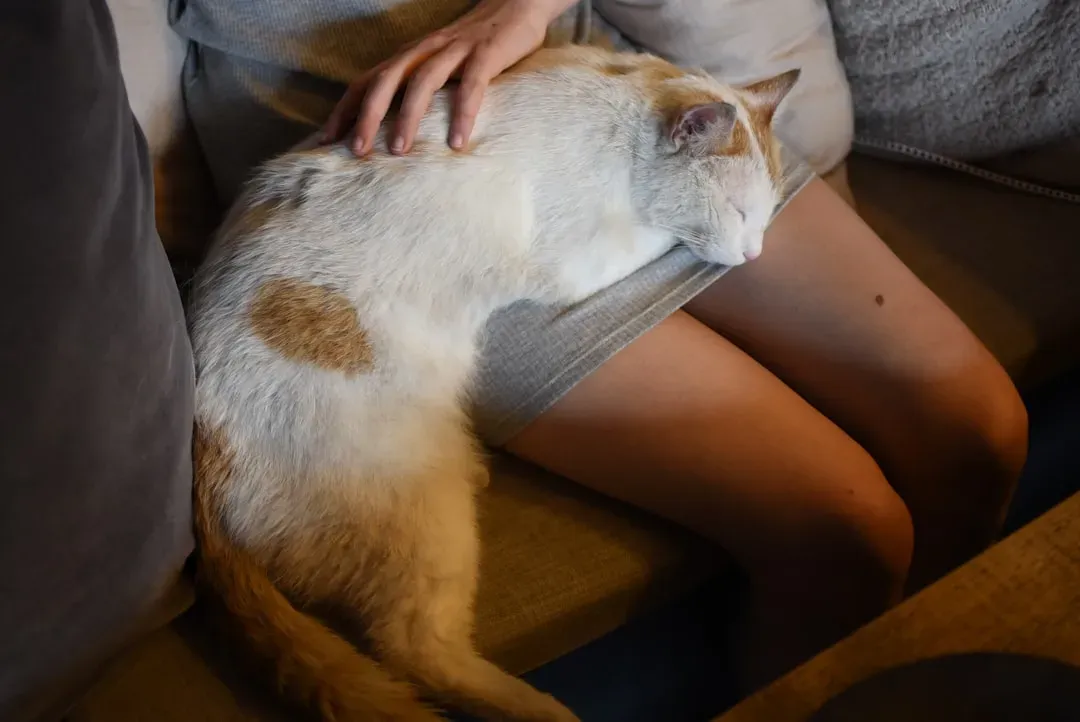
Cats have a higher body temperature than humans – averaging about 102°F – and they adore warmth. Your body acts like a perfect, cozy heat source, especially during cooler months. It sounds practical rather than emotional, right? Yet there’s more to it than that.
They’re enjoying your warmth and steady energy while feeling safe. If your cat’s sudden closeness coincides with seasonal changes or a cooler environment, it’s likely a simple case of warmth-seeking behavior. Still, out of all the warm spots in your home, your cat specifically chooses you. They could curl up near a heater or under a blanket, yet they pick your side instead. That choice matters.
When Your Cat Sleeps on Your Chest or Near Your Head
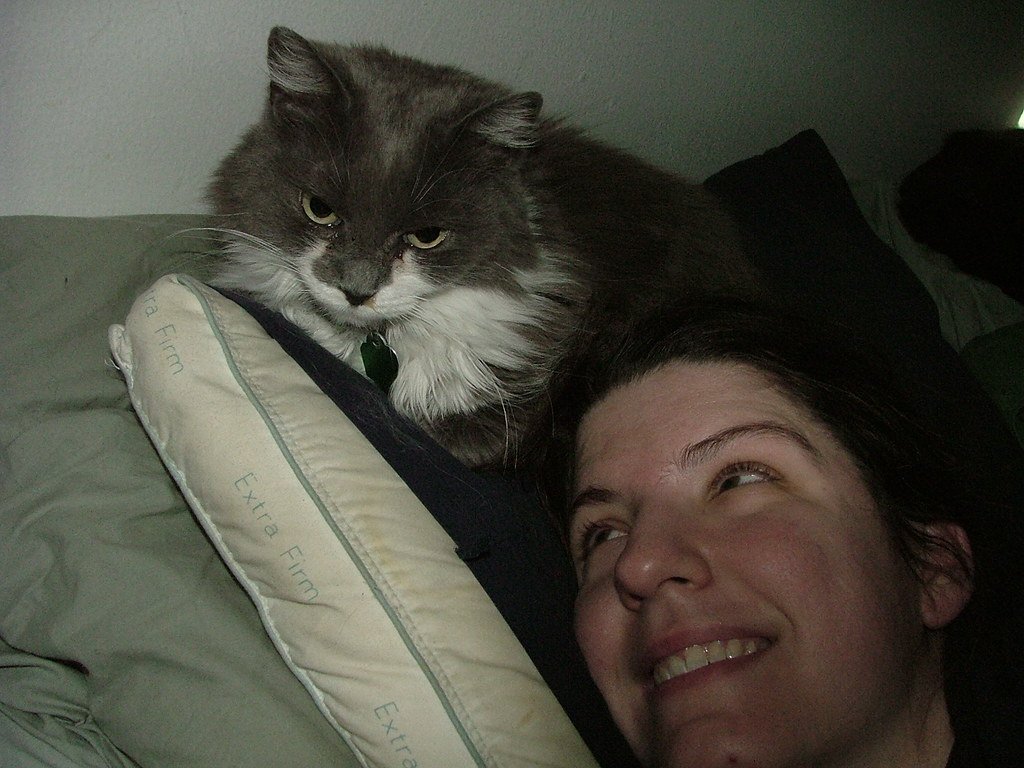
If you’re seeing a cat laying on your chest quite regularly, you should be glad, as this is one of the most affectionate spots a cat can choose. Your chest provides warmth, the comforting sound of your heartbeat, and a sense of security. I think there’s something incredibly moving about a cat choosing to rest where they can hear your heart beating.
She may find you soothing. Just as your fur baby’s purring calms and soothes you at night, your kitty probably enjoys hearing the rhythmic sound of your breathing and heartbeat as she falls asleep. You’re essentially your cat’s white noise machine, their source of comfort in the quiet darkness. It’s a mutual exchange of peace and safety.
Adjusting Their Sleep Schedule to Match Yours
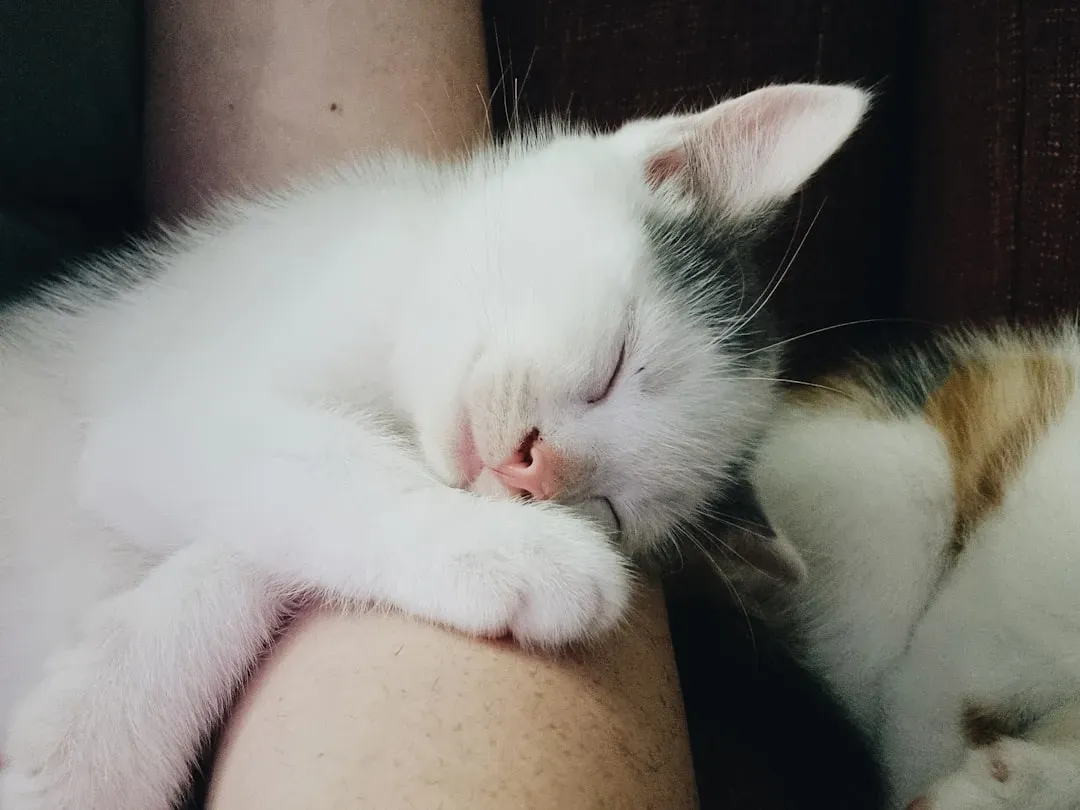
This is also the most natural time for cats to be active since they normally are most active in hunting and exploration at dusk and dawn (this is known as crepuscular behavior). Cats are naturally wired to be active when you’re trying to sleep. Yet many cats actually adjust their natural rhythms to align with yours.
They adjust their sleeping patterns to match yours, seeking the soothing rhythm of your heartbeat and breath. It’s also about marking you with their scent, an intimate gesture in the cat world, signifying that you are a part of their trusted circle. When your cat fights their natural instincts to sleep through the night with you, it’s a conscious choice to prioritize being near you. That requires genuine attachment.
The Emotional Bond Behind Nighttime Behaviors
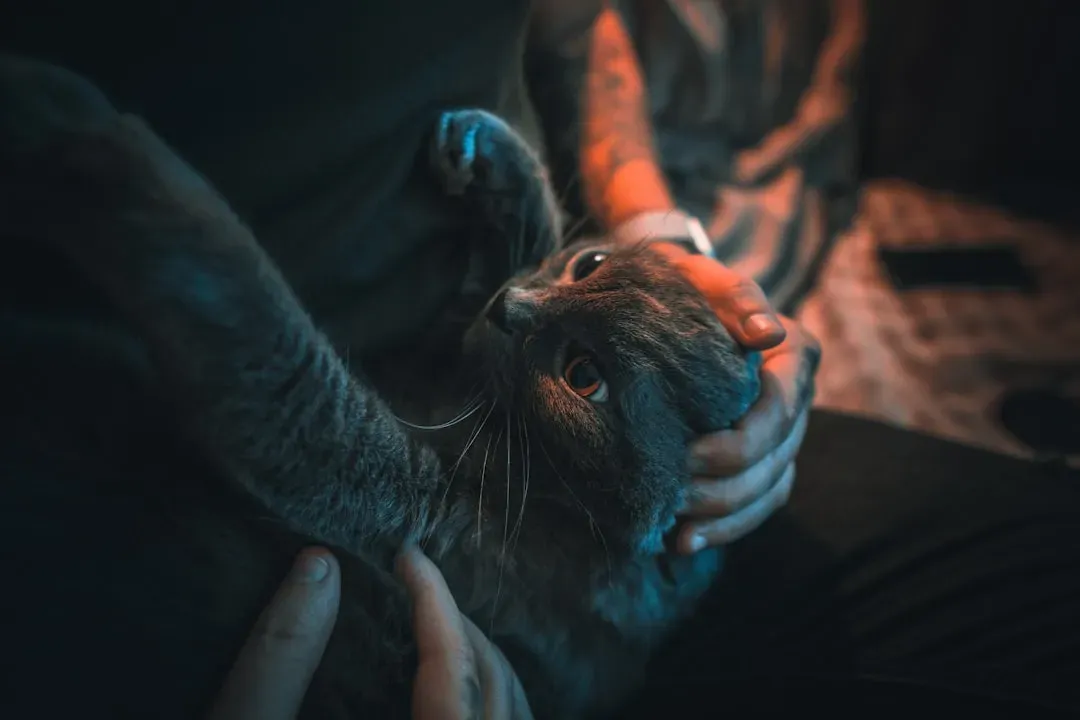
A study conducted in 2020 in Brazil involving more than 16,000 cats and their owners concluded that sleeping in the same bed was one of many activities that pets and their owners do together that contributes to a strong human-cat bond. Science backs up what cat lovers have known all along: these nighttime rituals aren’t just cute, they’re foundational to your relationship.
Cats who sleep with their humans are closer to them. This comfortable snuggle helps them feel more trust and safety with their owners. Every night your cat chooses to be near you, that bond strengthens. When a cat chooses to rest on you, it’s a sign of deep trust. They feel safe enough to let their guard down, strengthening your mutual bond through shared comfort and closeness. It’s a nightly renewal of your connection, a quiet conversation happening without words.
Conclusion
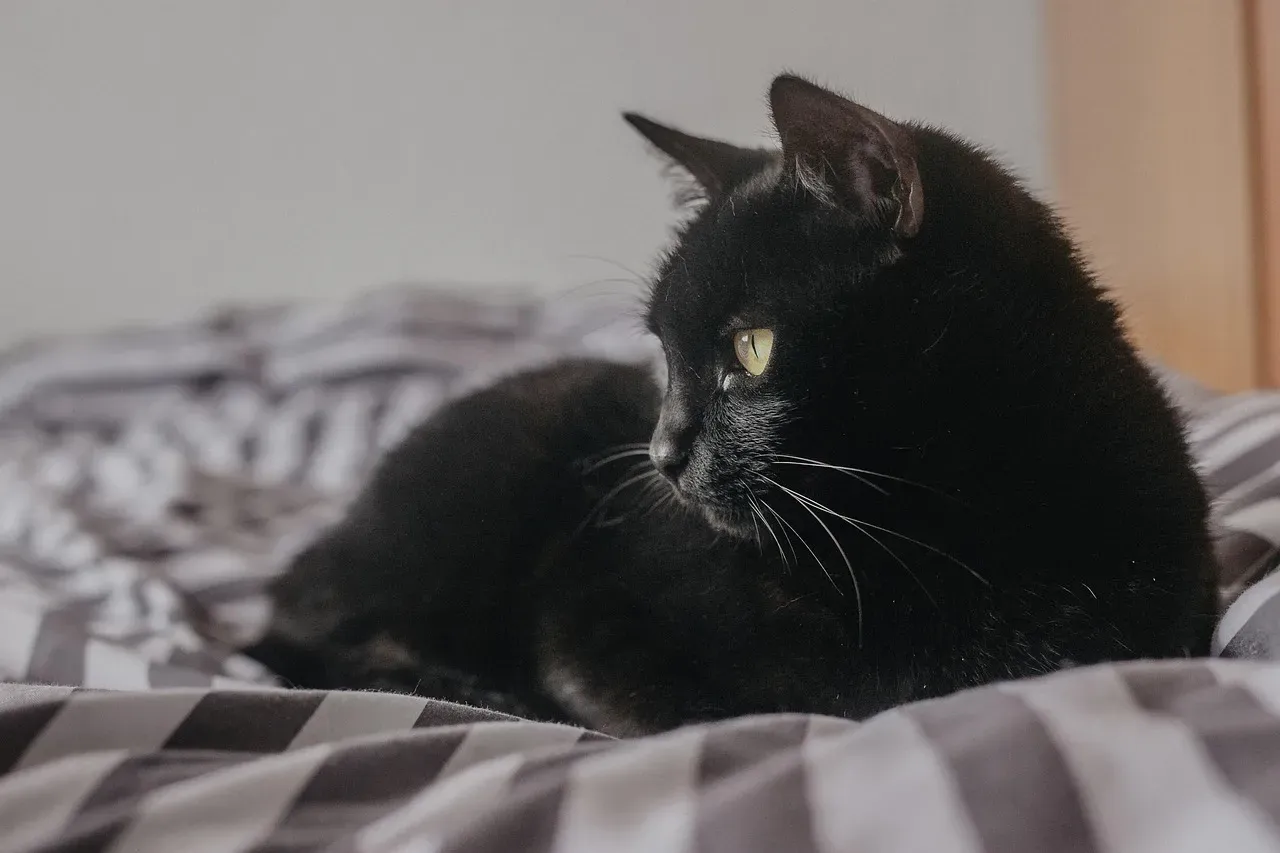
Your cat’s nighttime routines are windows into their heart. From watching over you while you sleep to adjusting their natural schedules just to be near you, these behaviors reveal a depth of trust and affection that many people don’t realize cats are capable of giving. Sleep is when we’re all most vulnerable, and your cat knows this instinctively.
When they choose to spend those hours beside you, protecting you, seeking comfort from you, and simply being present, they’re showing you the deepest form of feline love. Next time your cat settles in for the night near you, remember: you’re not just a warm body to them. You’re safety, comfort, family, and home all rolled into one. What does your cat’s nighttime routine say about your bond? Pay attention tonight and you might discover trust you never knew existed.