You’ve probably seen it happen more times than you can count. You turn on the kitchen tap, and within seconds there’s a small, furry body pushing past your arm, craning its neck toward the stream with focused, almost reverent intensity. Maybe your cat meows, paws at the faucet handle, or simply stares at the running water like it holds the secret to the universe. It’s one of those quirky feline behaviors that’s equal parts adorable and baffling.
Here’s the thing – what you’re watching isn’t just a thirsty cat looking for a drink. There’s something far more layered going on inside that mysterious little brain, a cocktail of ancient instinct, sensory curiosity, playfulness, and even a little social manipulation. And once you understand why your cat behaves this way, you’ll never look at bath time – or the kitchen sink – the same way again. Let’s dive in.
Ancient Instincts Dressed in Modern Fur
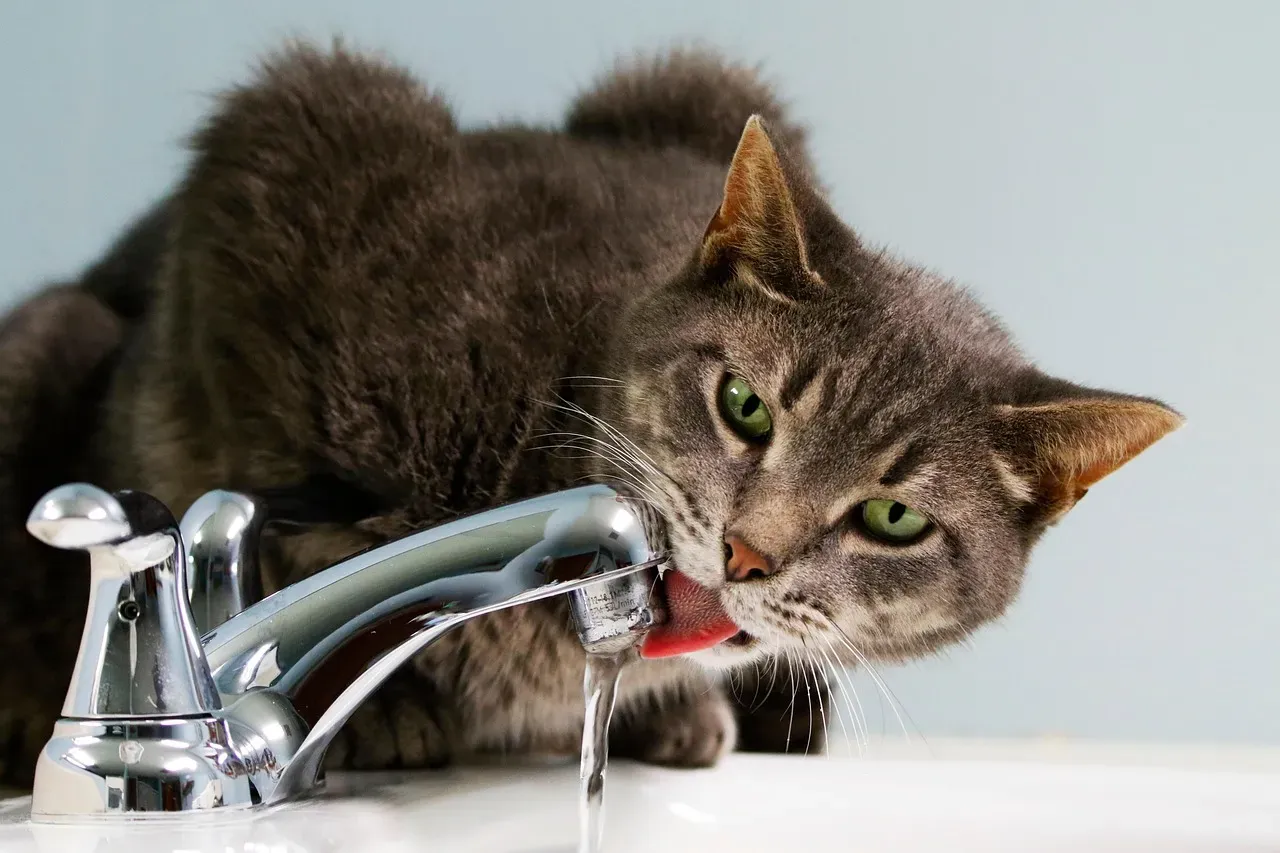
Your cat might look perfectly comfortable lounging on a memory foam cushion, but underneath all that domestic comfort lives a wild animal with surprisingly intact survival wiring. Even though your cat lives a privileged indoor life, their ancestors were wild animals drinking from rivers and streams, and those wild instincts tell them that standing water isn’t always safe. Think of it as an evolutionary software update that never quite got overwritten.
Still water often meant danger in the wild. Puddles and stagnant pools were more likely to harbor bacteria or parasites, while moving water signaled freshness and safety. Even though today’s house cats enjoy filtered food and premium treats, that ancient programming still whispers in their ears every time they approach a bowl. Your faucet, then, isn’t just a convenience – it’s a deeply familiar signal that something safe and good is happening.
The Running Water Safety Signal Your Cat Can’t Ignore
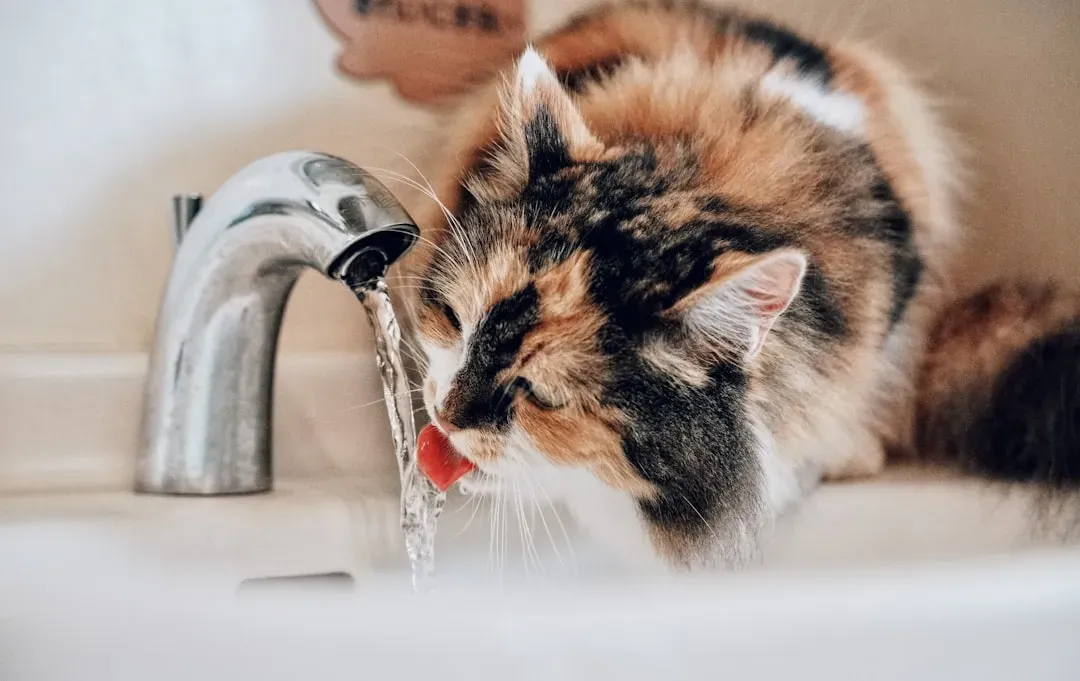
In the wild, stagnant water can be a breeding ground for bacteria and parasites, making it unsafe to drink. Running water, on the other hand, is often fresher and cleaner. This isn’t just a preference your cat invented out of stubbornness. It’s a carefully preserved biological alarm system that has kept cats alive for thousands of years.
This ancient survival instinct remains strong in domestic cats today, making them naturally drawn to the sight and sound of flowing water. From an evolutionary standpoint, running water is less likely to harbor harmful bacteria, parasites, and other contaminants that could make a cat sick. Natural selection has essentially programmed cats to seek out moving water as a safer drinking option. Honestly, it makes you wonder who the smarter species really is.
It’s Not Just Thirst – Your Cat Thinks Water Is a Toy
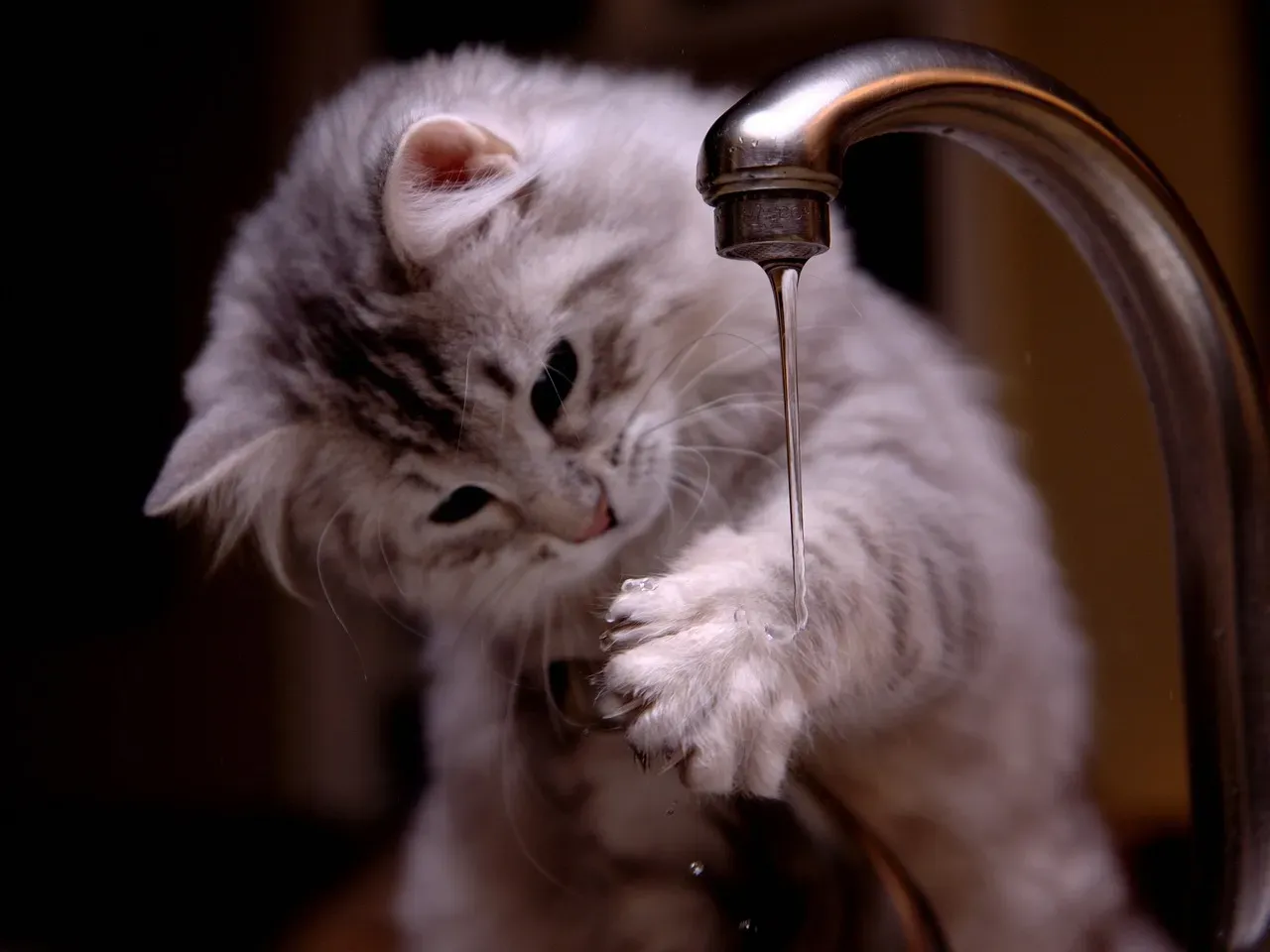
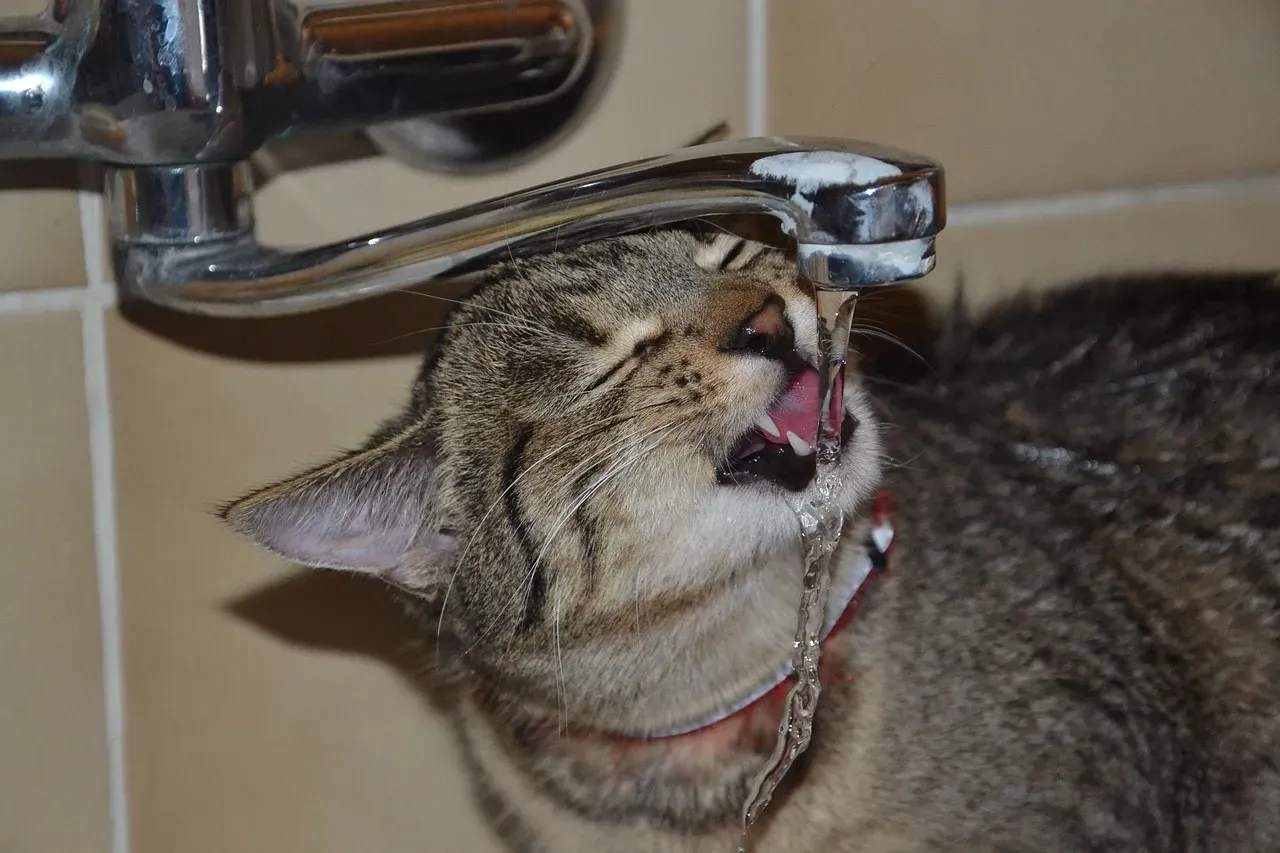
Drinking from the faucet may also be a form of play, as cats enjoy batting at the water stream or watching it flow. This behavior can provide mental stimulation and entertainment, making it a genuinely fun activity for your pet. Think of it the way a toddler can’t walk past a puddle without stepping in it – the impulse isn’t thirst, it’s pure, irresistible playfulness.
The internet is packed with cat videos showing cats sitting on counters and playing with faucet water. Maybe it’s a slow drip and they keep trying to catch the drops when they fall. Maybe it’s a steadier stream and they’re batting at it and watching it fall. Maybe it’s a bit more water, and they’re alternating between trying to attack it and drinking from it. If it moves, a cat is probably going to try to hunt it at some point – and that’s true even of water. Water, to your cat, is basically a living thing worth chasing.
Your Cat’s Vision Is Designed to Chase Movement
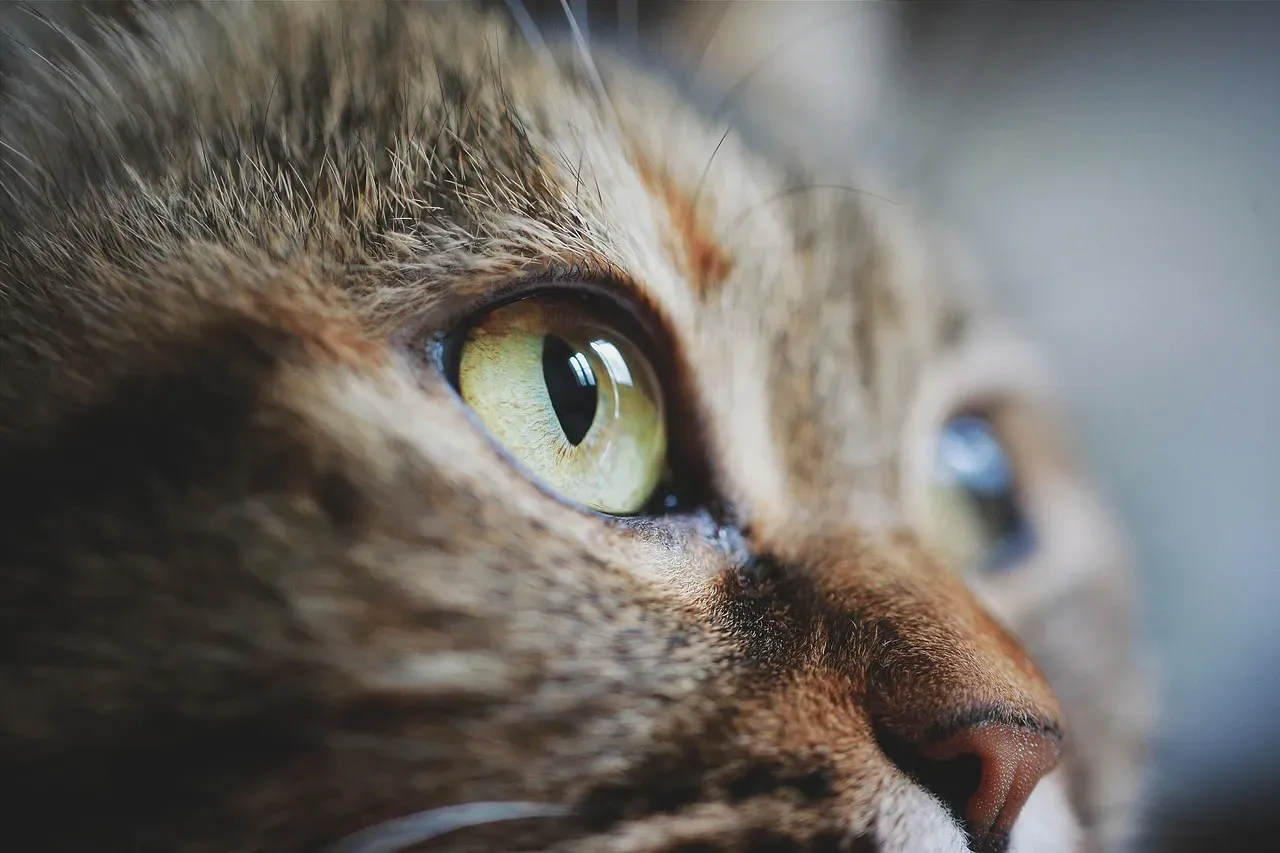
Cats don’t see still water as easily as humans do. Their vision is designed to detect motion, which is excellent for hunting but not ideal for spotting a clear, motionless surface. A still bowl can appear invisible or confusing, especially in certain lighting. Flowing water solves this problem completely. The movement reflects light, creates ripples, and gives cats a clear visual target. A bowl of still water might as well be invisible to your cat from certain angles.
Cats love anything that moves, and water is very good at moving. Your cat might enjoy batting at running water from the faucet because it’s shiny and reflective, and because it moves quickly, much like their favorite toys do. Though they probably don’t enjoy being submerged in water, the feeling of running water against their paw might be surprising and interesting, prompting them to do it again and again. It’s essentially a toy that never runs out of batteries.
The Sound of Running Water Is a Magnetic Call
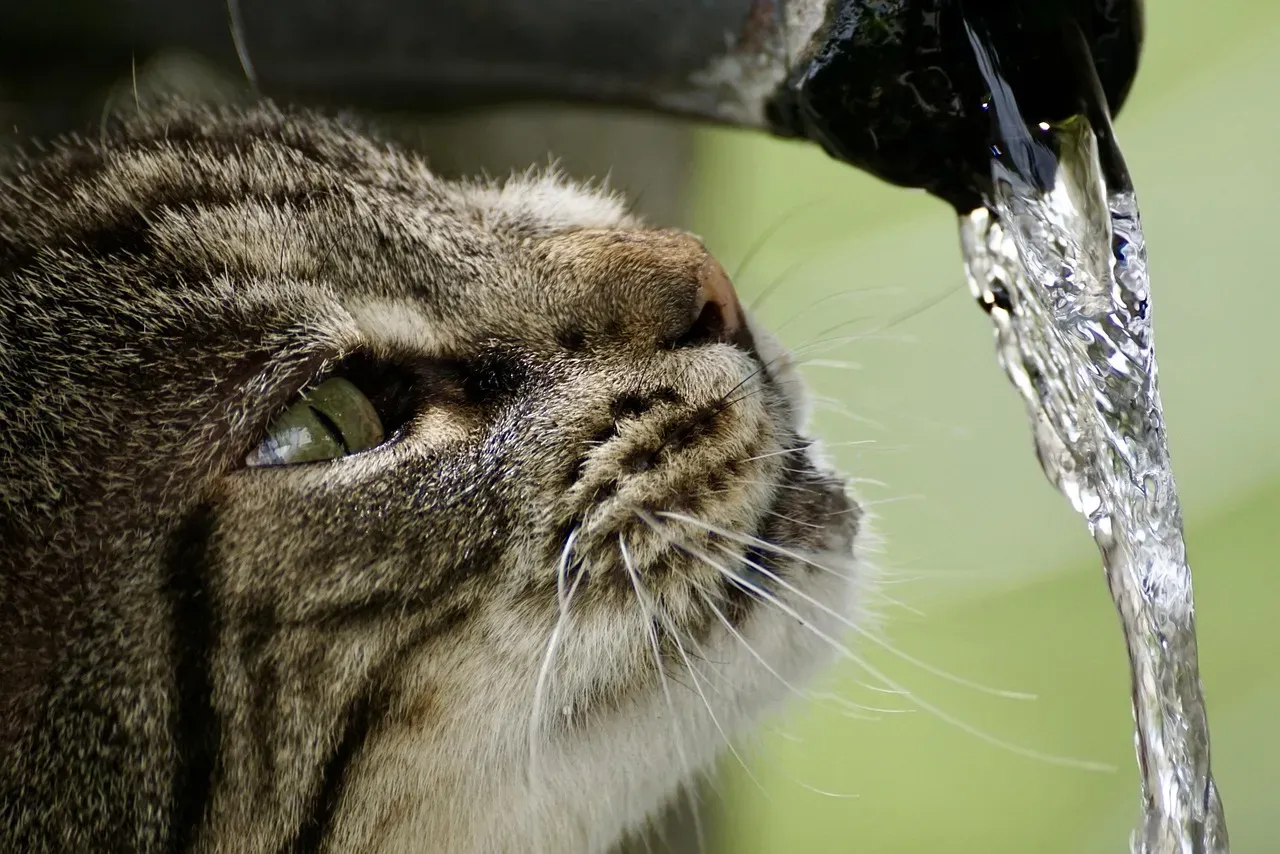
Cats are attracted to the sound of running water because they rely on their hearing to find it in the wild. Cats also don’t like still surfaces – such as unmoving, still water – because they are harder to detect by sight or sound, and that’s simply not a problem with fresh, running water. Your cat’s ears, in a very real sense, are built like tiny water-detectors.
Sinks can provide sensory stimulation for cats in several ways. The sound of running water can be soothing and calming for cats, and the movement of the water can be visually stimulating. The cool surface of the sink can also provide a different sensation for cats to explore. Additionally, the smell of water can be intriguing to cats, especially if there are minerals or other substances in the water. When you put all those senses together, a running faucet becomes something close to a full sensory experience – practically a theme park for your cat.
Your Cat Has Trained You, Not the Other Way Around
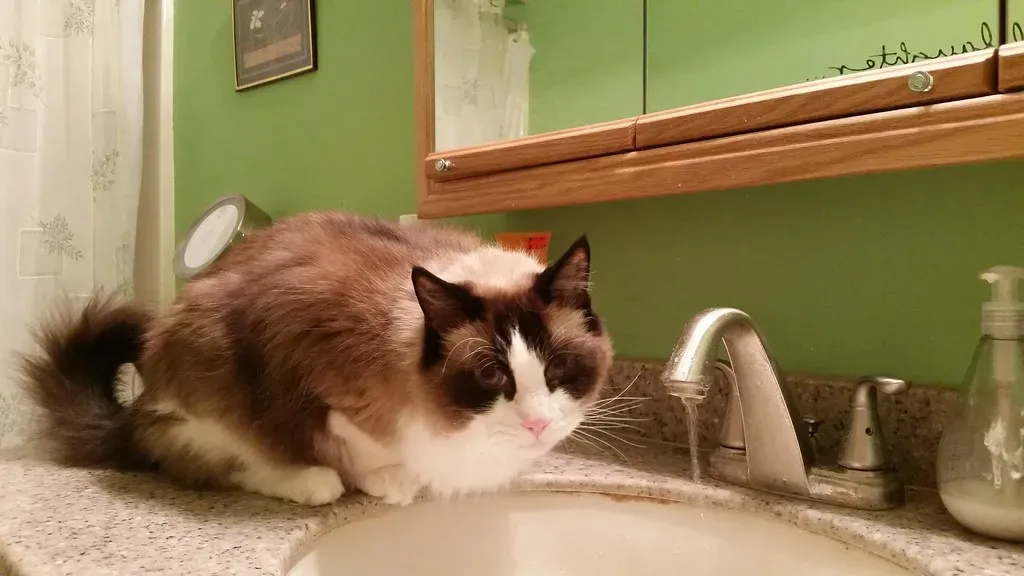
If your cat refuses to drink water from their bowl, ask yourself whether it’s because you’re always quick to oblige their requests when they want water from the sink, bathroom faucet, or bathtub. Cats will condition you to get their way, so if your feline friend is truly obsessed with faucet water, it may partly be because they’ve conditioned you to provide it on command. Let’s be real – your cat figured out that meowing at the tap produces results, and they never forgot it.
If your cat frequently tips over their water bowl or splashes the contents everywhere with their paws, they might be trying to get your attention. A cat that wants attention may resort to destructive or annoying behaviors like knocking things off furniture or pawing at things to make a noise. If your cat learns that the clattering of the water bowl gets your attention, they might try this trick every time they feel bored. It’s clever, it’s calculated, and honestly, it works every time – which is exactly why they keep doing it.
Whisker Fatigue: The Hidden Reason Your Cat Skips the Bowl
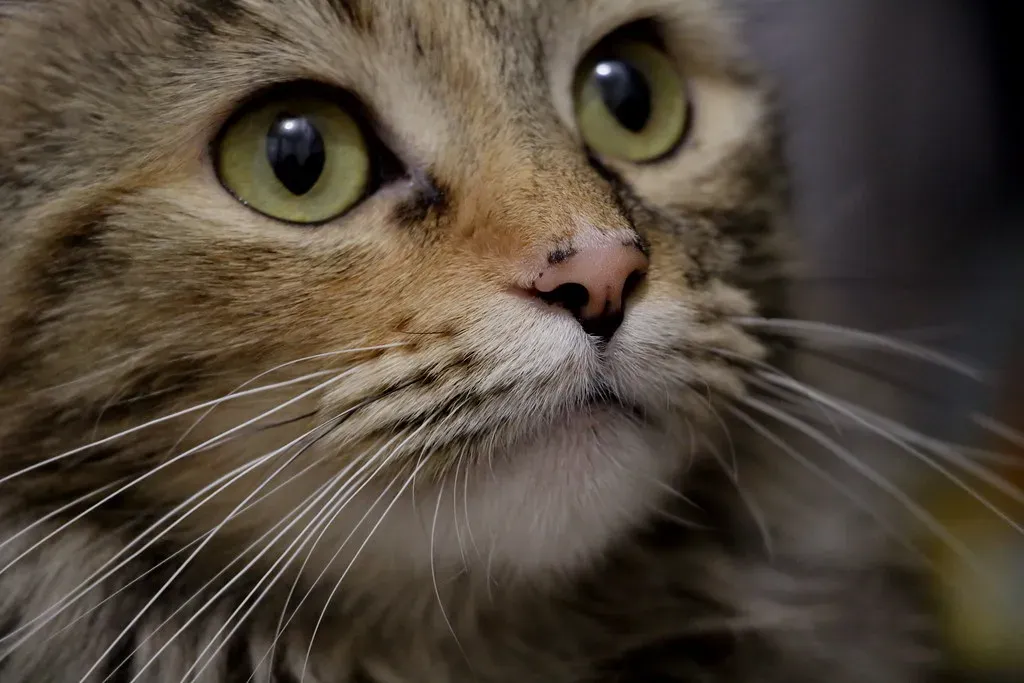
Whiskers are not just ordinary hairs. They are highly specialized sensory organs that help cats interact with their environment. Each whisker is connected to nerve endings and blood vessels, making them incredibly sensitive to touch, air currents, and spatial changes. When these whiskers are repeatedly overstimulated – such as by rubbing against the sides of a narrow food or water bowl – it can lead to a condition where cats experience sensory overload. Imagine being poked in the face every single time you tried to drink a glass of water. You’d find another way too.
Whisker fatigue occurs when a cat’s sensitive whiskers repeatedly touch bowl sides or water surfaces, causing discomfort. Running water allows cats to drink without their whiskers making contact with surfaces, making the entire experience more comfortable. The position required to drink from running water is also more natural for cats. They can keep their heads up and maintain better awareness of their surroundings while drinking, which aligns with their instinctive need to stay alert for potential threats. So the faucet isn’t just tastier – it’s physically kinder to their incredibly sensitive faces.
Faucet Obsession and Your Cat’s Health: When to Pay Attention
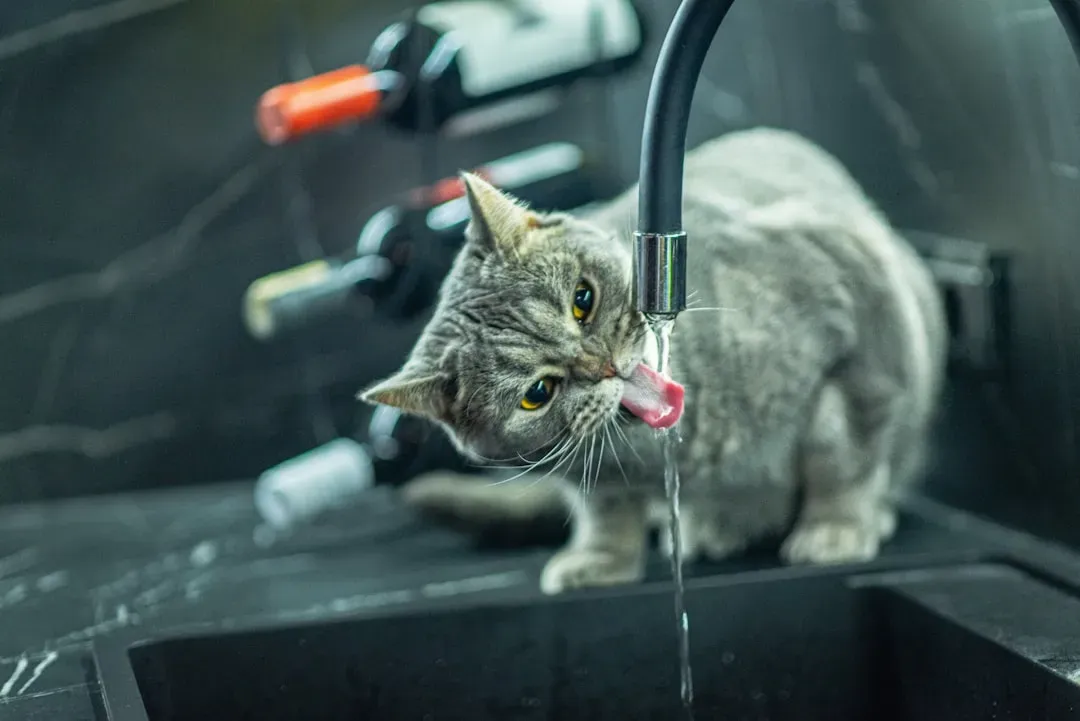
If your cat is suddenly drinking more water than usual or paying excessive attention to water, it’s important not to ignore this behavior and talk to your veterinarian. Excessive thirst, medically called polydipsia, may be the first indicator of a problem with your cat’s health. You may spot your cat’s water bowl emptying faster than usual, your cat drinking from the faucet more frequently, and urinating more often. A sudden spike in faucet obsession deserves a closer look.
Kidneys need ample hydration to function correctly, process waste, and maintain a healthy balance of nutrients and minerals. Insufficient water intake can cause urinary tract infections. The lack of proper hydration means your cat’s urine becomes more concentrated, leading to irritation and infection in the urinary system. Making sure your cat drinks enough to stay adequately hydrated is more than just a good practice; it’s a potential defense against life-threatening conditions. It’s a fine line between a healthy quirk and a health signal worth taking seriously.
What You Can Actually Do About It: Smart, Cat-Approved Solutions
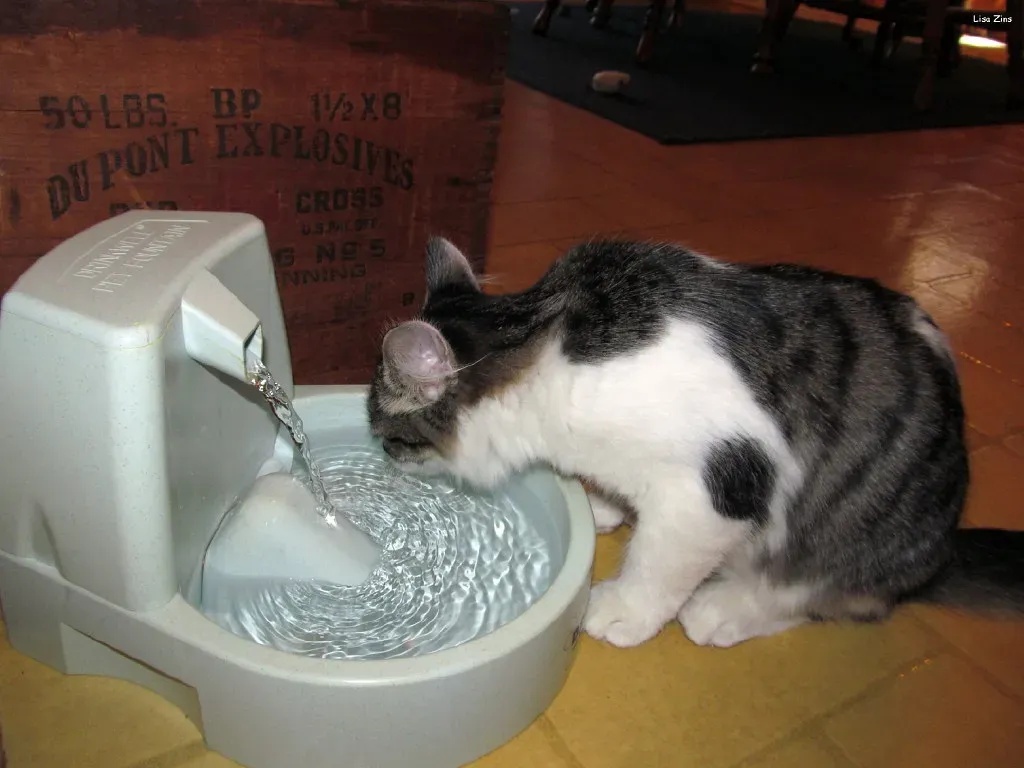
For some cats, running water is not just about drinking; it is entertainment. The movement stimulates curiosity and play, offering mental enrichment. This can be especially helpful for indoor cats who need extra stimulation throughout the day. A fountain can become a mini enrichment station, encouraging interaction, exploration, and even stress reduction through predictable, soothing movement. A quality pet fountain can be one of those rare upgrades that genuinely improves your cat’s daily life.
You can replace the water in the bowl every day, even if the cat did not drink all of it. Providing multiple drinking options by placing at least two water bowls in the areas where your cat spends most of the time, and using different types of bowls, can make a real difference. Consider using wide, shallow bowls made of stainless steel or ceramic materials. These materials don’t retain odors or leach chemicals like plastic can, and the wider design helps prevent whisker fatigue. Small changes, big difference.
Conclusion
Your cat’s fascination with the faucet is one of those behaviors that looks random on the surface but reveals something profound underneath. It’s biology, instinct, play, sensory preference, and a dash of social manipulation all rolled into one small, very fluffy package. Far from being a nuisance, it’s actually a window into what makes your cat uniquely, brilliantly feline.
Rather than fighting the behavior, understanding it gives you the power to work with it. Whether that means investing in a running water fountain, upgrading to a wider bowl, or simply knowing when a vet visit is warranted, you’re better equipped now to read what your cat is telling you. And next time they come sprinting the moment they hear the tap turn on, you can think of it less as an inconvenience and more as one of the most honest things they’ll ever communicate.
Every drip, splash, and wide-eyed stare at the faucet is your cat being exactly what they are. So, does knowing all of this change how you see your cat’s water ritual? Let us know in the comments – we’d love to hear your faucet stories.