You’ve probably watched your cat do something completely bizarre and wondered if they’ve lost their mind. Maybe they sprint across the house at midnight, or they present you with a dead mouse like it’s a Michelin-star meal. Perhaps they knead your lap until your legs go numb, or spend ages carefully covering their litter box business. Here’s the thing: none of this is random. These quirky behaviors aren’t signs of a weird personality or boredom. They’re echoes of a wild past that still pulses through your domestic feline’s DNA.
Your cat’s behavior remains very similar to that of their wildcat ancestors, and understanding this connection can completely change how you see your furry companion. So let’s dive in and explore the fascinating evolutionary reasons behind your cat’s strangest habits.
The Ancient Hunter Still Lives in Your Living Room
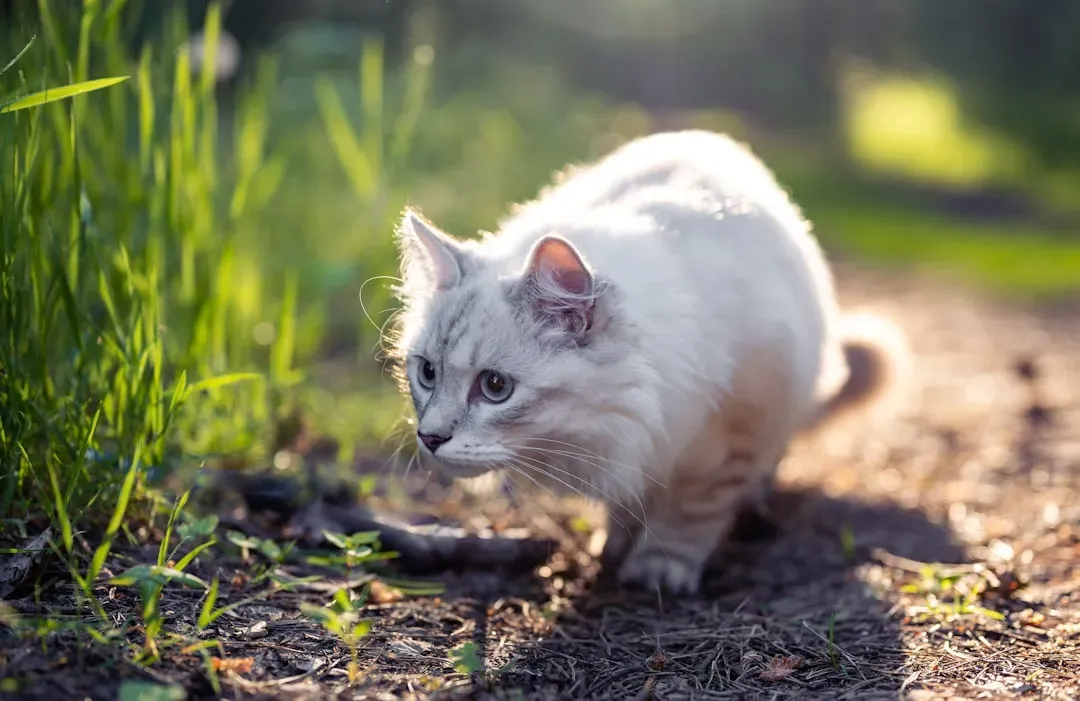
Your couch potato cat is actually a finely tuned predator. Domestic cats arose from wildcats in the Middle East, specifically from Felis silvestris lybica, and that heritage runs deep. Felidae are the most highly developed carnivorous hunters of all mammal species.
Even though your cat gets regular meals from a bowl, their brain hasn’t caught up to this luxury. Domestic cats still retain the strong prey drive their ancestors possessed, which explains why they’ll stalk everything from laser pointers to dust particles. This isn’t learned behavior – it’s hardwired into their system. In fact, roughly ten thousand years of living alongside humans hasn’t dimmed these instincts one bit. Your cat genuinely believes they’re an apex predator, and honestly, in their world, they kind of are.
Why Your Cat Kneads You Like Dough
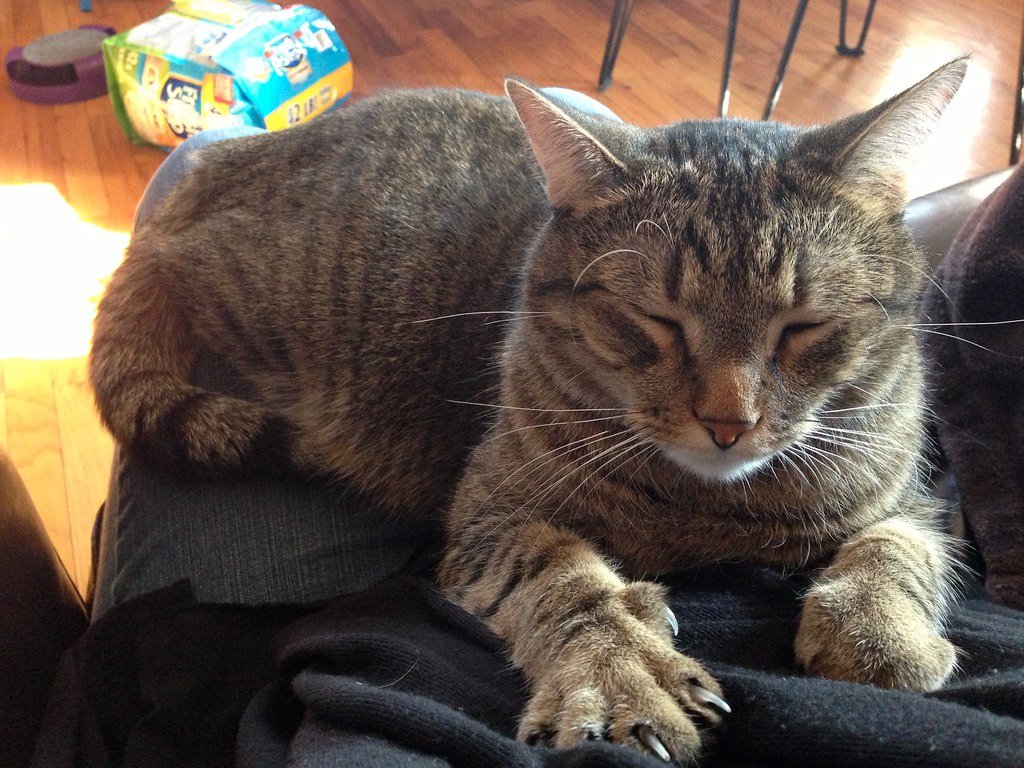
Let’s be real: getting kneaded by a cat is both adorable and painful. Those sharp little claws digging into your thigh while your cat purrs contentedly can leave you torn between affection and discomfort. Kittens knead their mother’s mammary glands to stimulate milk flow, and they associate kneading with deep comfort.
In the wild, cats knead tall grass to tamp it down and create a soft place for a snooze. So when your cat kneads your lap, they’re doing two things at once: reliving the comfort of kittenhood and preparing a cozy spot to rest. Cat paws are packed full of scent glands, and when they knead, they’re introducing their scent to mark what’s theirs. Basically, you’re being claimed as property. It’s a compliment, really. The next time those needle-sharp claws dig in, remember your cat is saying “you’re mine, and I love you” – in the most painful way possible.
The Mystery Behind the Midnight Zoomies
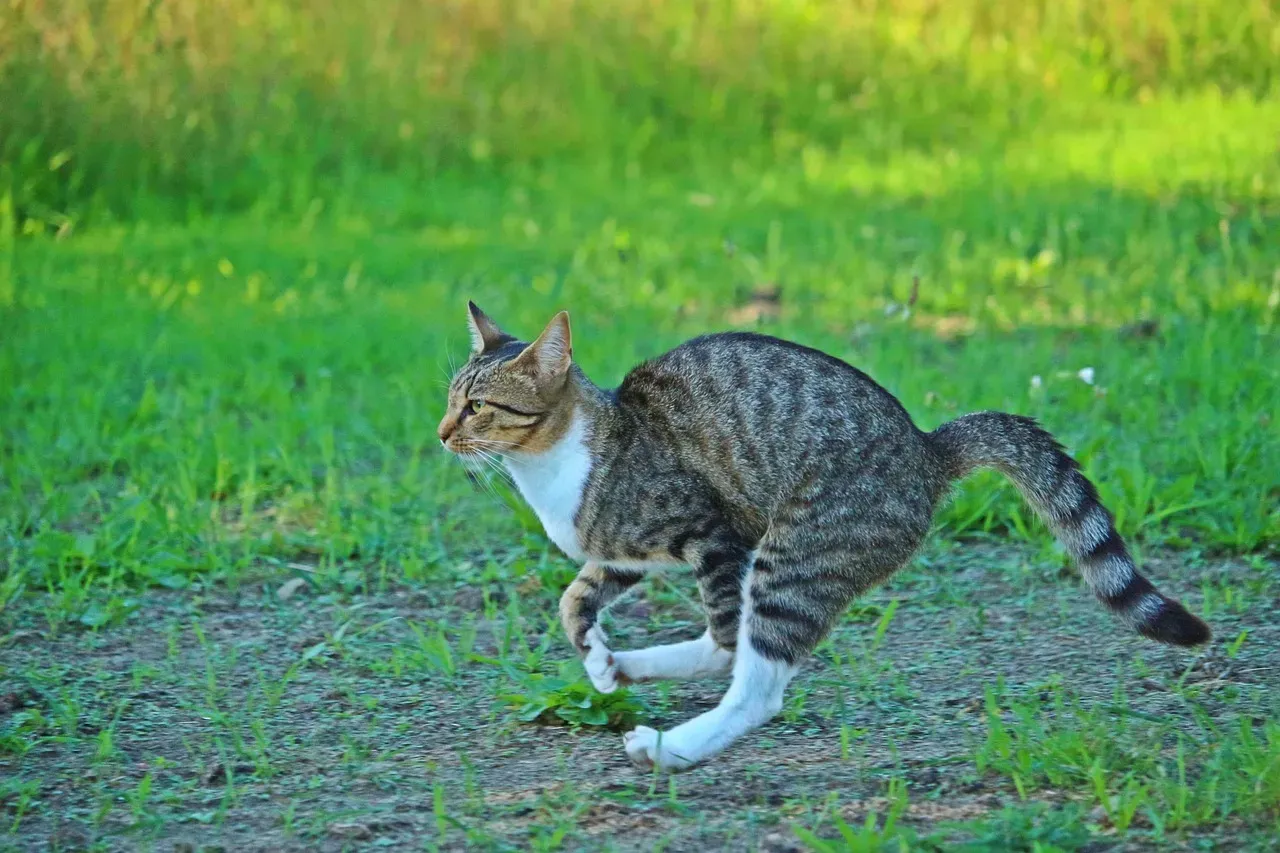
It’s 2 a.m. You’re sound asleep. Suddenly, your cat tears through the house like they’re being chased by invisible demons. This isn’t insanity – it’s biology. Cats are crepuscular, which means they are most active at dawn and dusk. This evolutionary adaptation developed to optimize their hunting success while their prey was most active at twilight.
Cats sleep or rest most of the time to conserve energy for the next hunt. Those bursts of speed you witness? They’re practicing hunting sequences their ancestors would have used to catch prey during the twilight hours. Cats are ambush predators built for short, intense bursts of movement rather than sustained endurance. So yeah, your cat isn’t crazy – they’re just programmed to sprint at inconvenient times. The fact that there’s nothing to hunt doesn’t matter; the instinct remains.
Bringing You Dead Animals Is Actually a Compliment
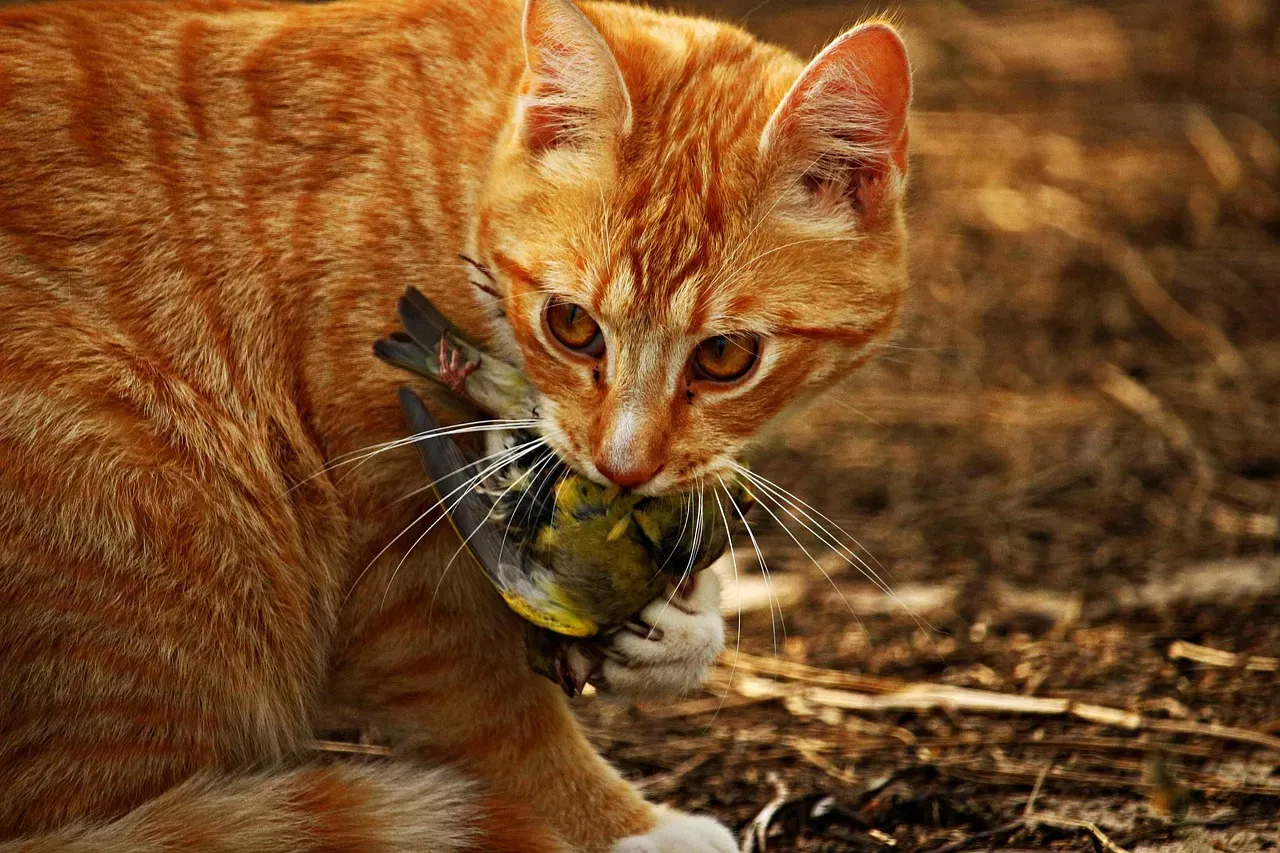
Few things are more horrifying than waking up to find a dead bird on your pillow. Your immediate reaction might be disgust, but try to see it from your cat’s perspective. In the wild, mother cats bring half-dead animals to their kittens for sustenance and to show them how to hunt.
The instinct to stalk and hunt can still be seen in cats today, even though they have no need to hunt for food. When your cat presents you with prey, they’re bringing it back like wild cats would to their kittens, and seeing it as a gift to show off their accomplishment. Some experts also believe cats prefer to bring prey back to their core territory where it’s safer to eat. So your bedroom isn’t just a place they sleep – it’s their safe zone. That dead mouse? It’s a love letter written in the language of predators.
The Secret Language of Purring
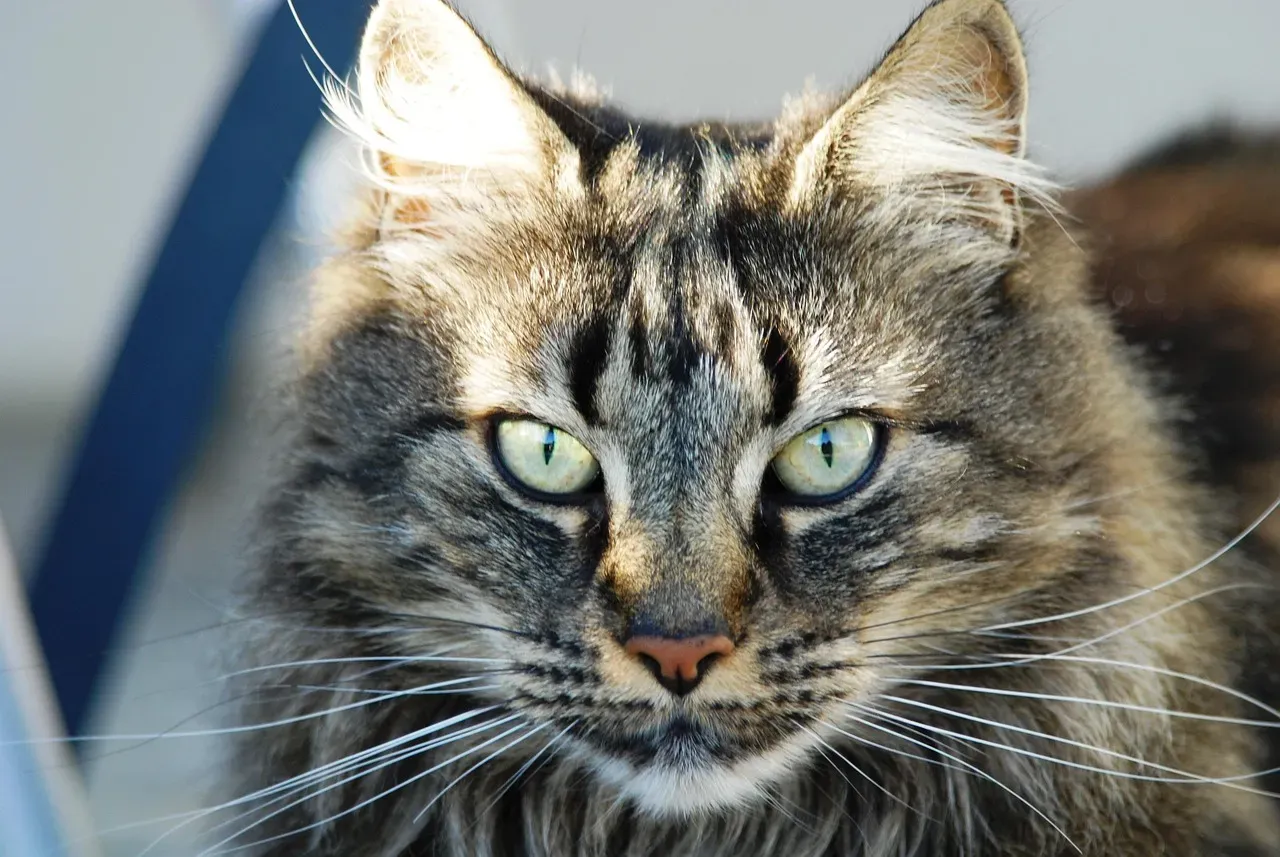
Purring seems simple enough – your cat is happy, right? Well, mostly, but it’s more complex than that. Many cats purr while kneading, and they also purr when newborn, feeding, or trying to feed on their mother’s teat. Vibrations of 24-140 Hertz are sufficient for bone growth and healing, which falls within the range of a cat’s purr.
This means your cat might be purring not just from contentment, but also to heal themselves when injured or stressed. They purr when happy, when scared, when sick, and even when dying. It’s a multi-purpose tool that serves everything from communication to self-soothing. The rumbling sound you hear is your cat accessing an ancient mechanism that’s kept felines alive for millennia. Pretty incredible for something that just sounds like a tiny motor, honestly.
Why They Bury Their Business So Carefully
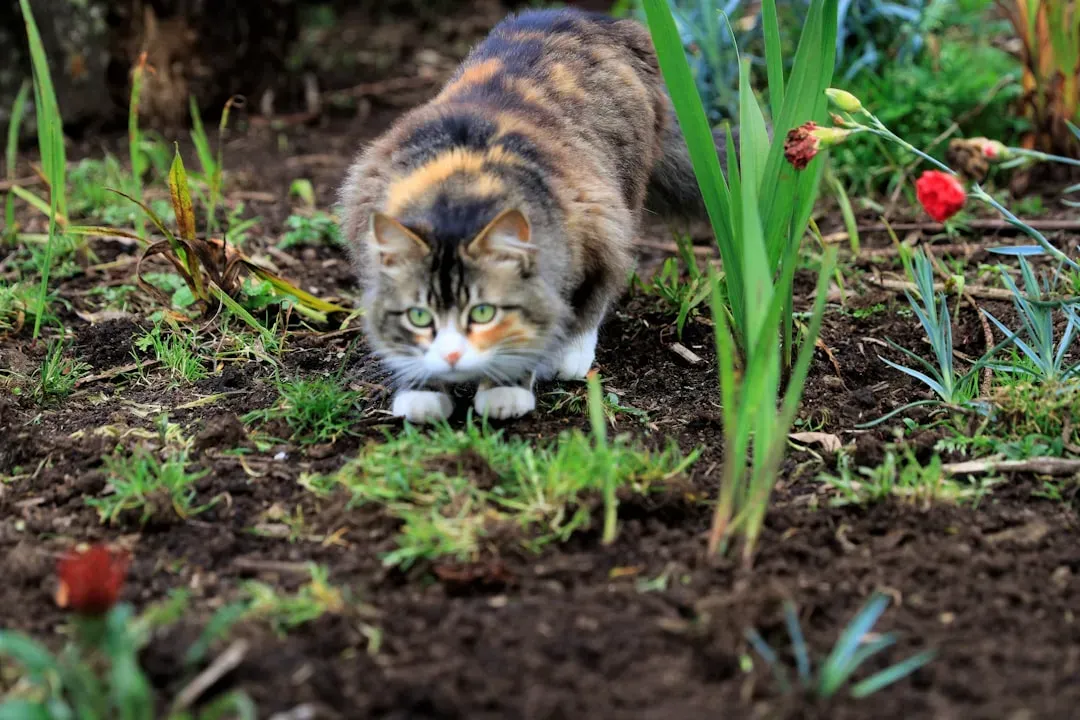
You’ve probably noticed how meticulous your cat is about covering their waste. This isn’t just fastidiousness – it’s survival strategy. Wild cats bury their waste to hide their presence from predators and other animals. Burying their pungent poop was protective behavior to conceal their whereabouts from larger predators like leopards, but also to hide their presence from prey.
Interestingly, not all cats bury their waste. Cats living in social groups with a more dominant member will bury their poop, showing respect to the most dominant member. Large cats like lions and tigers often leave waste uncovered to mark territory, while smaller wildcats bury feces to avoid detection. If your cat suddenly stops covering their litter, they might be asserting dominance – or dealing with a medical issue. Either way, this bathroom behavior is far from random.
Scratching Everything Isn’t Vandalism, It’s Communication
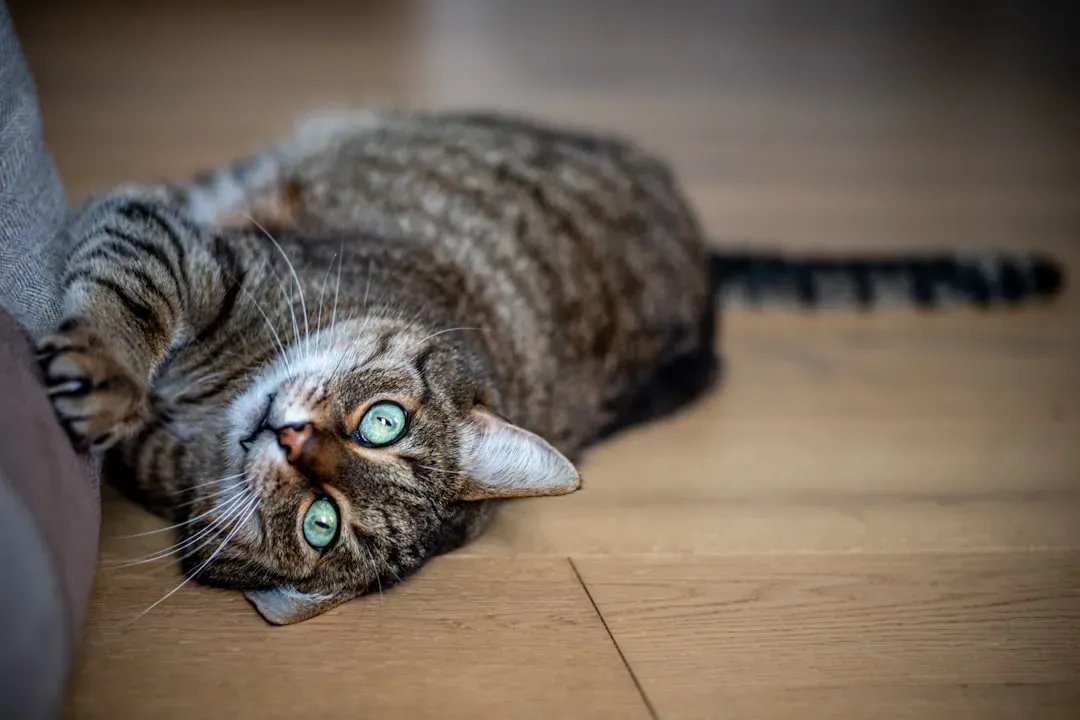
Your shredded furniture might suggest otherwise, but your cat isn’t trying to destroy your home. This behavior has ancestral roots, as many wild cats would scratch at trees to mark their territory. Scratching serves multiple purposes: it sharpens claws, stretches muscles, and leaves both visual and scent markers.
Scent glands in their paws leave a subtle but distinct mark when cats scratch. So when your cat tears up the armchair, they’re essentially writing “THIS IS MINE” in a language only other cats can read. They’re also maintaining their primary hunting tools – those retractable claws that have remained virtually unchanged for millions of years. Cats that resemble today’s felids first appeared in the early Pliocene Epoch, and the original design of fang and claw has stayed remarkably the same. That scratching post? It’s just a domesticated substitute for a tree trunk.
The Box Obsession Makes Perfect Sense
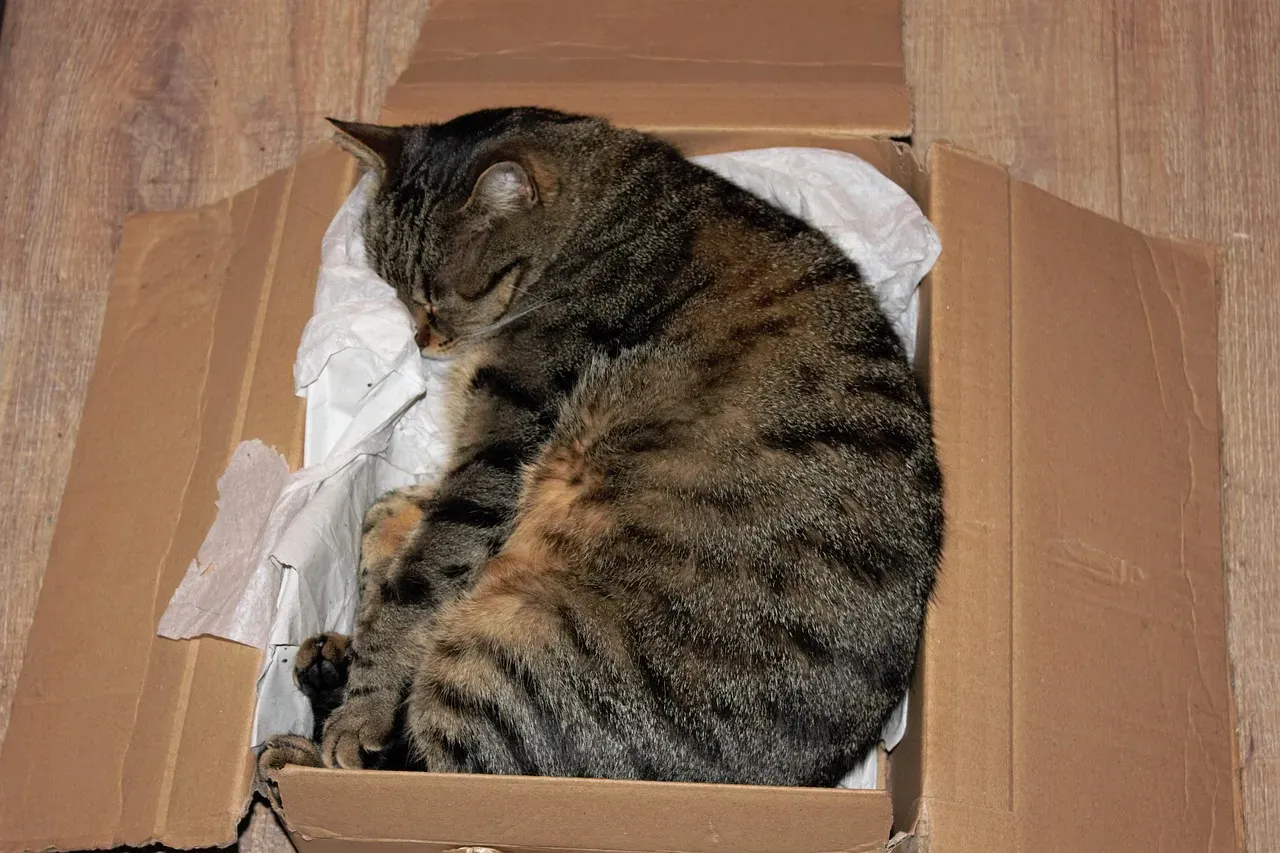
You buy your cat an expensive bed, and they sleep in the Amazon box instead. Frustrating? Sure. Surprising? Not really. Cats in the wild seek shelter where they feel safe and protected from predators, and when a cat squeezes into a small space, it knows all sides are covered and it can remain hidden.
Boxes provide what behaviorists call a “safe zone” – a confined space where threats can only come from one direction. Your cat isn’t being difficult; they’re following an instinct that kept their ancestors alive. Wild cats would hide in caves, hollow logs, or dense vegetation to ambush prey or escape danger. A cardboard box triggers that same sense of security. Plus, honestly, boxes are just fun. Your cat might be a refined predator, but they’re also easily entertained by simple pleasures.
Head Bumps and Cheek Rubs Are More Than Affection
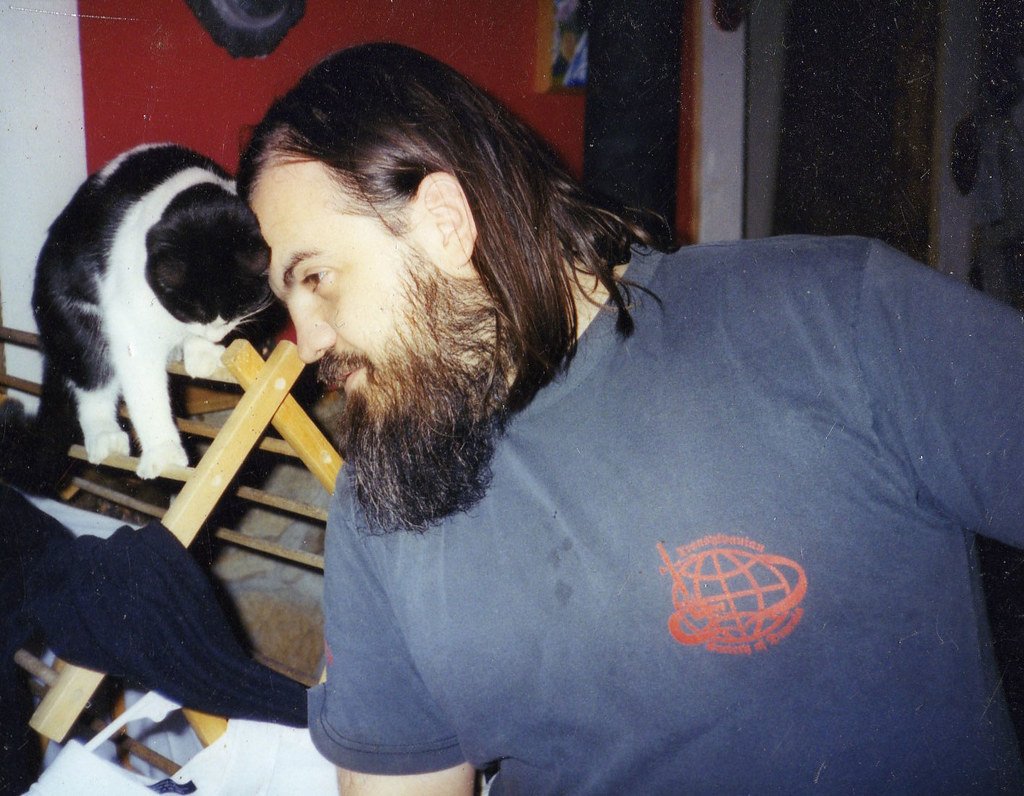
When your cat bonks their head against you or rubs their face on your leg, it’s sweet – but also calculated. Cats rub their scent onto those they love, and in the wild will regularly rub against each other to claim their family and partners.
Your cat has scent glands on their face, particularly around the cheeks and forehead. Every time they rub against you, they’re marking you with pheromones that say “mine” to any other cat who might come along. It’s like a possessive hug, but chemical. This behavior bonds social groups together in the wild and helps cats identify friend from foe. When your cat head-butts you in the morning, they’re checking that you still smell right – and refreshing their claim on you just in case.
Staring Out Windows Like They’re Watching TV
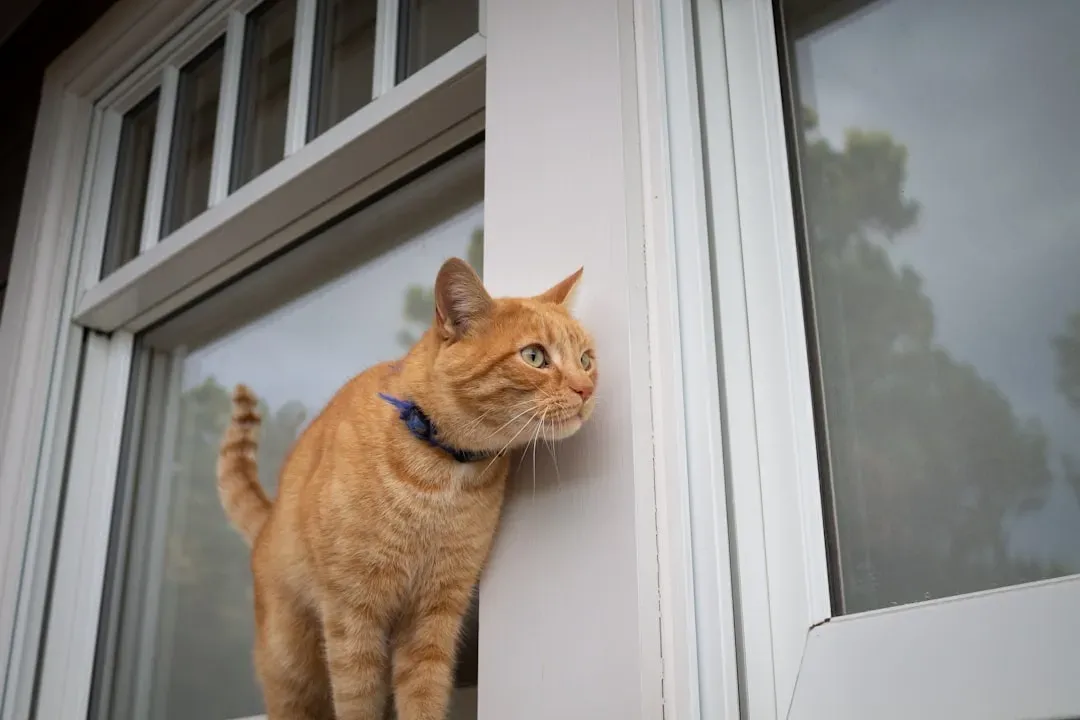
Your cat can spend hours staring out the window, completely transfixed. They’re not spacing out – they’re hunting, or at least thinking about it. When cats play at home, they mimic hunting behaviors, waiting, ambushing toys, rolling around, and biting. That laser focus on birds or squirrels outside? Pure predatory concentration.
Cats are territorial, establishing their own area for hunting and marking out territory mainly via scent and pheromones. When your cat watches through the window, they’re surveying their territory – even if it’s just your backyard. They’re tracking movement patterns, identifying potential prey, and mentally practicing hunt sequences. It’s the cat equivalent of watching wildlife documentaries, except they actually want to eat what they’re watching. That intense, unwavering stare isn’t boredom; it’s the gaze of a predator assessing every tiny movement.
Conclusion: Understanding Your Little Wildcat
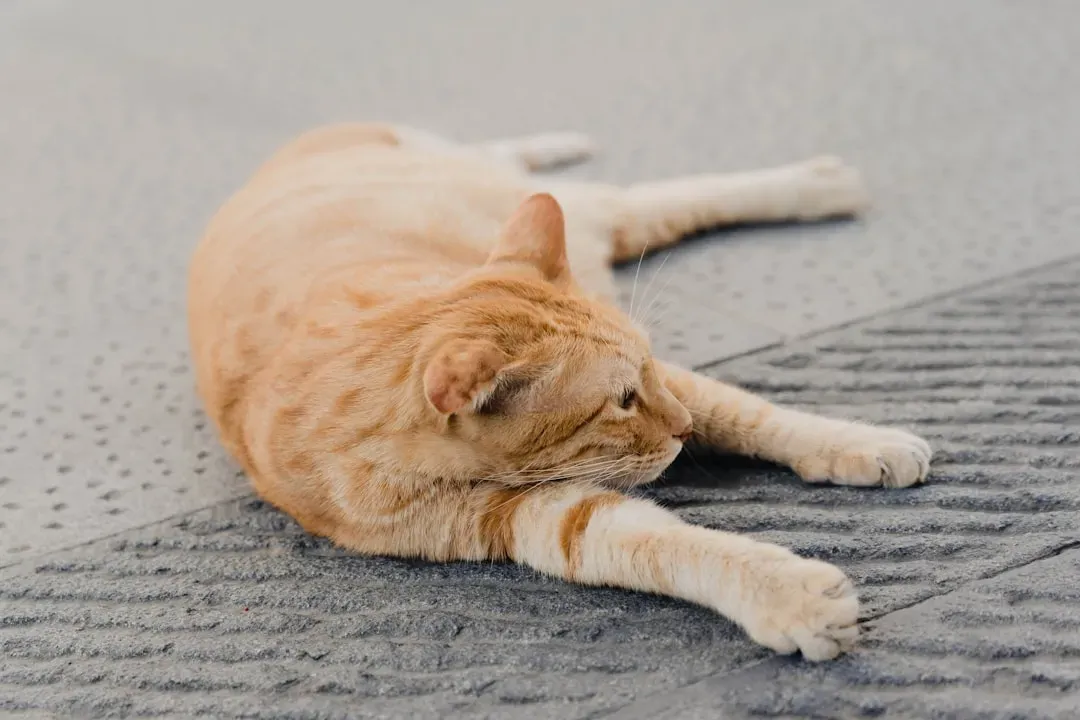
Your cat’s peculiar behaviors aren’t quirks – they’re windows into an ancient world where survival depended on stealth, precision, and instinct. Cats show little infantilization compared to dogs and have retained much of their independent nature, remaining capable of thriving as predators today. Every strange habit, from midnight sprints to bringing you dead mice, connects directly to survival strategies perfected over millions of years.
The remarkable thing is how little has changed. Cats lived for thousands of years alongside humans before domestication, and their genes have changed little from wildcats apart from picking up one recent tweak. Your cat is basically a wild animal who’s agreed to a roommate situation. Understanding these instincts doesn’t just satisfy curiosity – it helps you create a better environment for your feline friend.
Next time your cat does something bizarre at 3 a.m., remember: they’re not trying to annoy you. They’re just being the exquisite little predator evolution designed them to be. What odd behavior does your cat do that makes you laugh? Share your stories in the comments.