You glance across the room and there’s your cat, absolutely riveted by a shadow on the wall, pupils wide as saucers, haunches twitching. Then in one explosive second, the pounce. It’s over. The shadow is “dead.” You laugh, maybe take a video, and go back to your coffee. Honestly, though? You just missed something remarkable. That little performance was your cat handing you a window into their deepest instincts and their truest self.
Your cat’s preferred play style isn’t random – it’s a window into their natural hunting instincts. Every quirky move, every calculated pause, every chaotic sprint across the living room at two in the morning is connected to thousands of years of feline evolution. And once you learn to read those signals, you’ll never watch your cat play the same way again. Let’s dive in.
Every Cat Is a Hunter, Even the Lazy Ones
Here’s the thing that surprises a lot of people: even the most pampered, couch-hogging indoor cat is wired to hunt. Cats are instinctive hunters, and their play behaviors often mimic the actions they would use while hunting in the wild. This isn’t just a charming quirk. It’s biology, and it runs deep.
The feline drive to hunt is highly developed and is separate from the drive to eat. A cat will stop eating a freshly-caught meal to chase after a second object of interest that happens to pass by. That means even a well-fed, perfectly satisfied cat will still drop everything to stalk a bottlecap skidding across the floor. Their inner hunter simply doesn’t take a day off.
The Silent Stalker: Patience as a Personality Trait
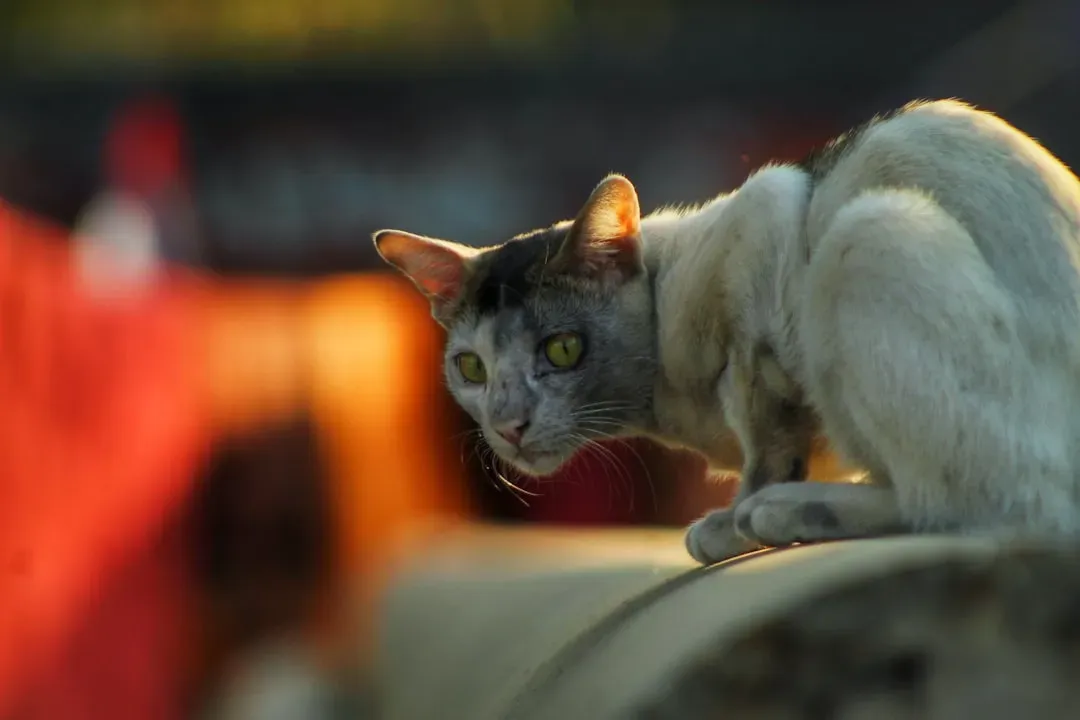
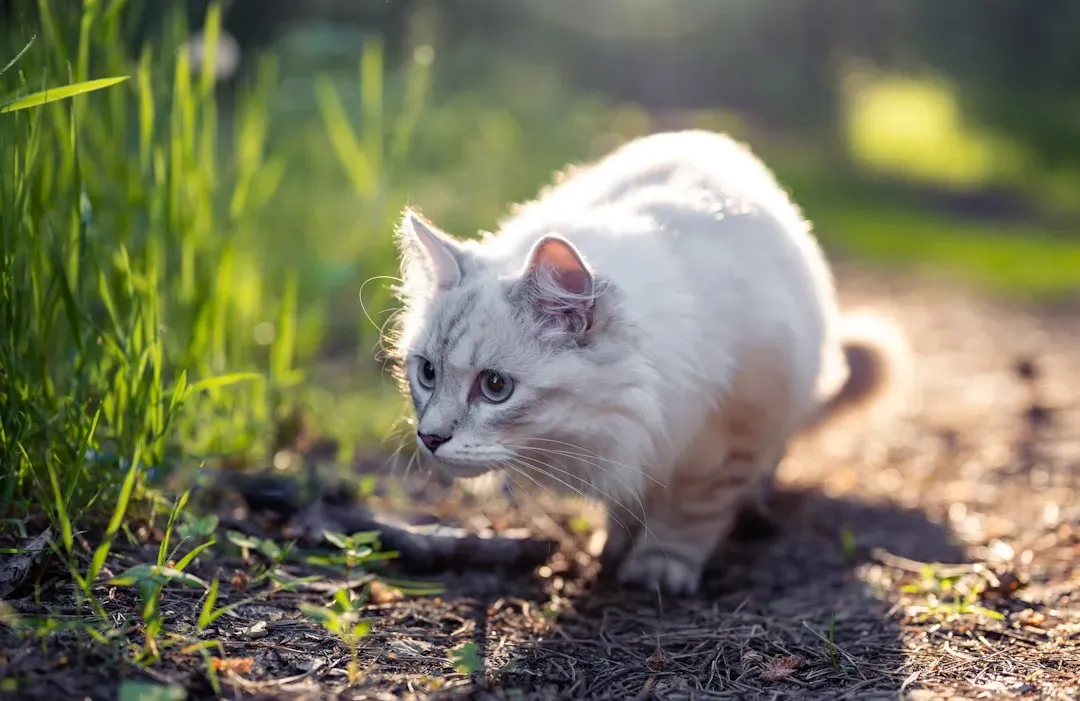
You’ve seen this cat. Maybe you live with one. When your cat crouches low, tail twitching and eyes dilated, they’re channeling behaviors used to hunt ground-dwelling prey. This methodical approach, characterized by slow movements punctuated by sudden bursts of speed, mimics how cats would hunt mice or small birds. If your cat does this frequently, they are communicating something important about who they are.
If your cat excels at this style, they’re displaying exceptional patience and calculated precision. Think of it like a chess player who never makes a move without thinking three steps ahead. Stealth is a cat’s secret weapon in the wild, and they bring this instinct to life even at home. With careful, deliberate steps, they can close in on their prey undetected. The soft padding of their paws ensures a silent approach, avoiding any surprises. These cats tend to be observant, composed, and deeply thoughtful, even when they’re “just playing.”
The Aerial Acrobat: Born for the Sky
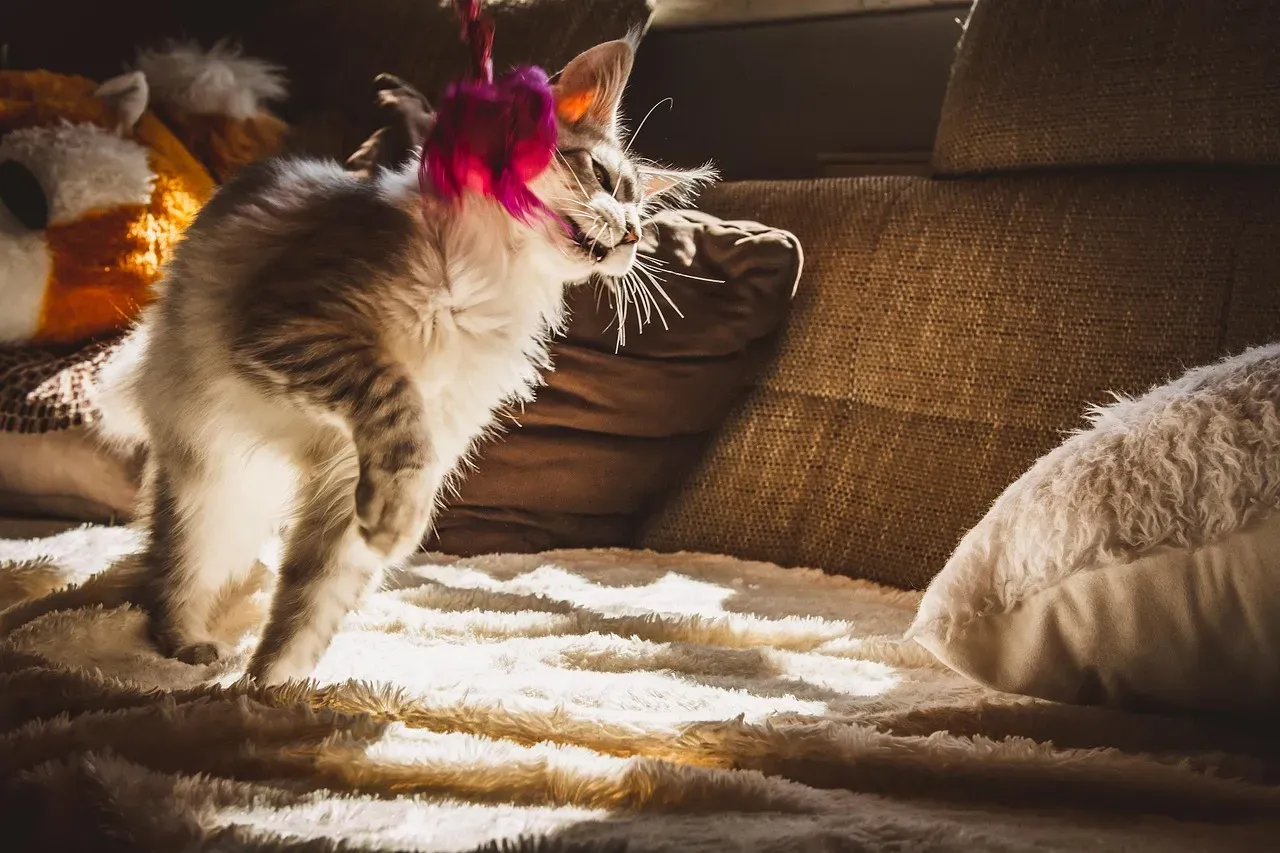
Some cats have absolutely no interest in ground-level prey. Their eyes are always up, tracking anything that moves through the air, a floating dust mote, a moth near the ceiling lamp, or a feather wand dancing overhead. Some cats prefer vertical space, batting at toys above their heads or leaping impressive heights to catch flying objects. This play style correlates with hunting birds or insects, requiring split-second timing and remarkable agility. These cats often excel at catching toys mid-air and may benefit from wand toys that mimic flying prey.
I think this is one of the most visually spectacular play styles to watch. There’s something almost unbelievable about a five-kilogram domestic cat launching itself two feet into the air with pinpoint accuracy. In domestic settings, offering climbing structures or cat trees can satisfy this instinctual behavior, allowing cats to explore vertical spaces. Watching a cat navigate heights reveals their incredible balance and agility, traits that have been honed over generations to enhance their hunting capabilities. These cats are often the bold, outgoing types, the ones who jump onto the highest shelf without hesitation.
The Chaser vs. The Ambusher: Two Very Different Minds
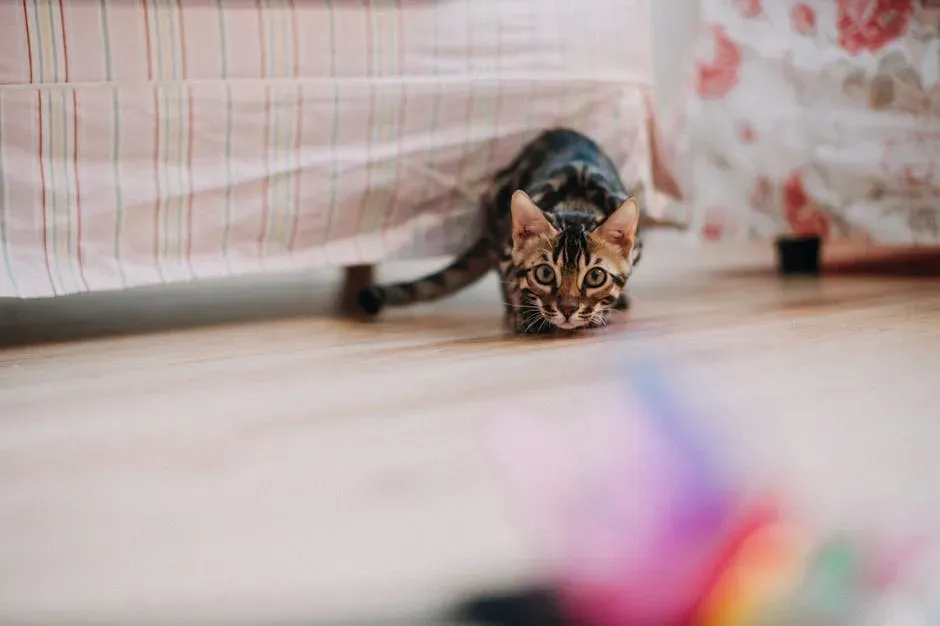
It’s worth understanding that not all cats hunt the same way, even within the same household. Some are “stalkers” who move slowly and silently, while others are “chasers” who sprint after fast-moving objects. These aren’t random preferences. They reflect genuinely different temperamental wiring. When it comes to hunting strategies, domestic cats employ two main approaches: ambush and active hunting styles.
Chasers are your high-energy, extroverted cats. They want speed, unpredictability, and the thrill of the pursuit. Ambushers, meanwhile, are the introverts of the cat world. Ambush hunters are experts at stealth and patience, often using cover like bushes or trees to get close to their prey before pouncing. You can actually tell a lot about a cat’s social confidence and energy level just by watching which strategy they default to during play. It’s a surprisingly reliable personality test.
The Pounce Sequence and What It Tells You
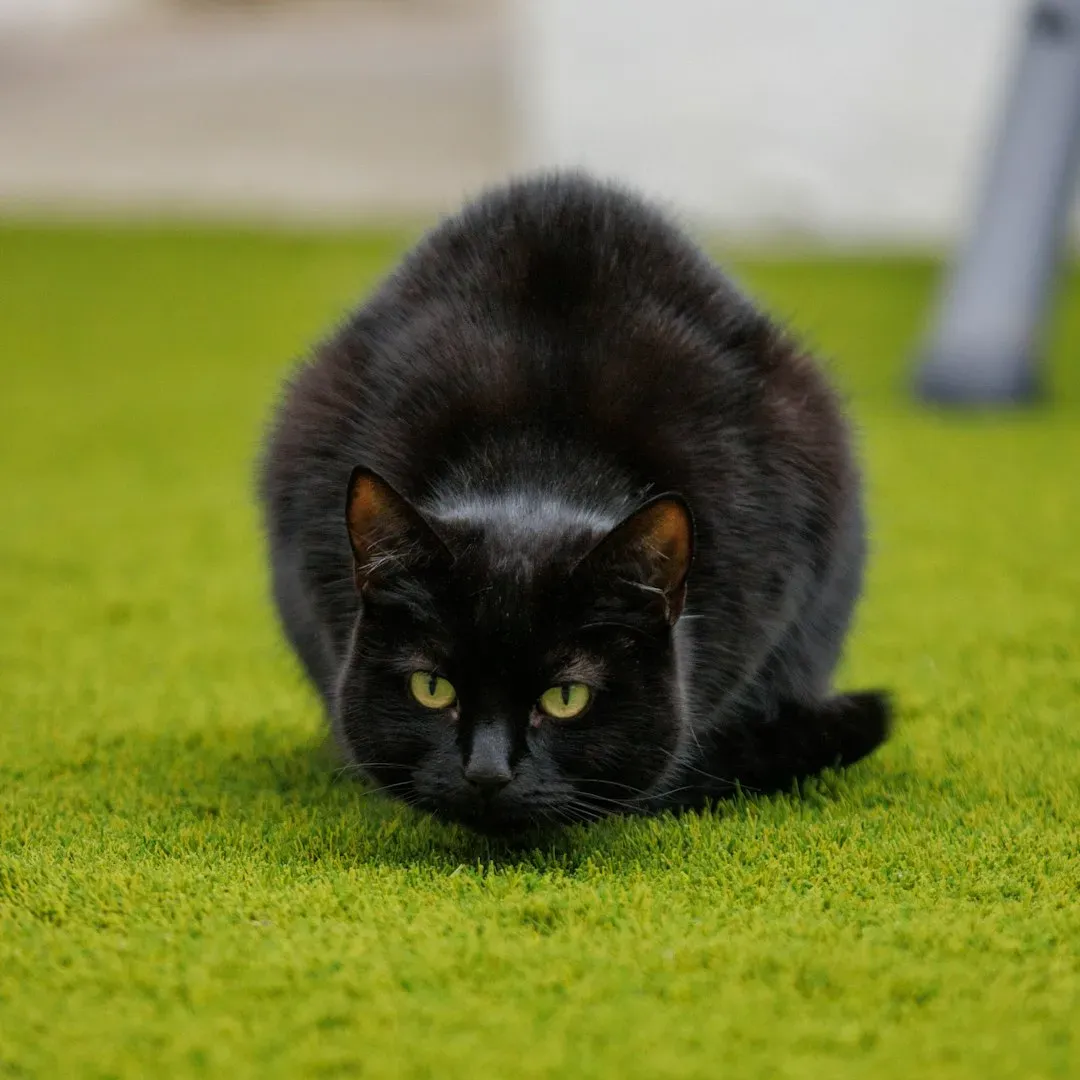
Understanding the play sequence – beginning with eye contact, moving to stalking and chasing, leading to pouncing and biting – further emphasizes the intricacies of their behavior patterns. Most people only notice the final pounce. But if you watch more carefully, you’ll realize your cat is running a whole internal script before that moment. Every step reveals deliberate decision-making.
The pouncing technique is a signature move in a cat’s hunting repertoire. By crouching low to the ground and wiggling their hindquarters, they prepare to launch themselves at unsuspecting prey. This motion is not merely preparation but part of an intricate strategy to catch their target off guard. That iconic butt-wiggle your cat does right before leaping? It’s not silly. It’s a precision muscle-calibration move. Honestly, it’s kind of genius.
Breed, Genetics, and the Play Personality Blueprint
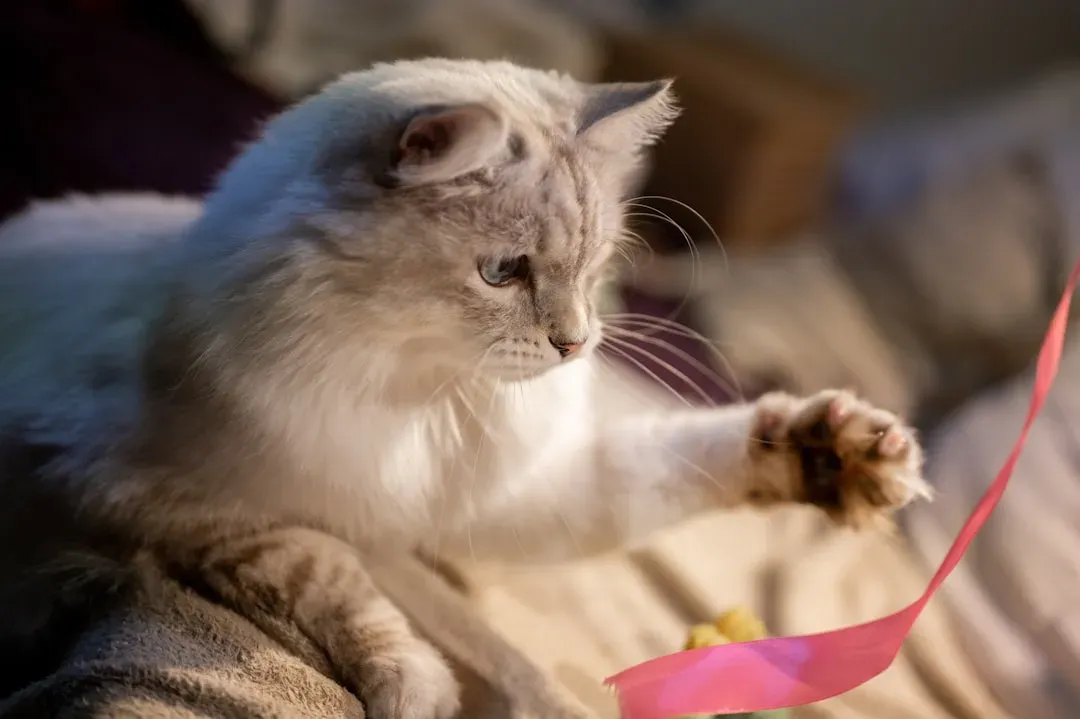
Here’s where things get really interesting. Research into cat play reveals that various factors influence their play behavior. Age, breed, and personal experiences can all impact how a cat chooses to play and interact with their surroundings. Understanding these influences provides deeper insights into your cat’s personality and preferences. So if your Abyssinian never seems to stop moving, or your Ragdoll is content to swat lazily at things, that’s not just coincidence.
Different breeds do in fact behave in different ways; of these behaviors, including activity level, shyness, aggression and sociability with humans, around half are inherited. Cornish Rex, Korat, and Bengal cats were the most active breeds, while British Shorthairs were the least active. So when you watch your cat play, you’re partially watching genetics play out in real time. It’s like having a tiny wild animal in your living room, which, let’s be honest, is exactly what makes cats so fascinating.
How Age Changes the Way Your Cat Plays
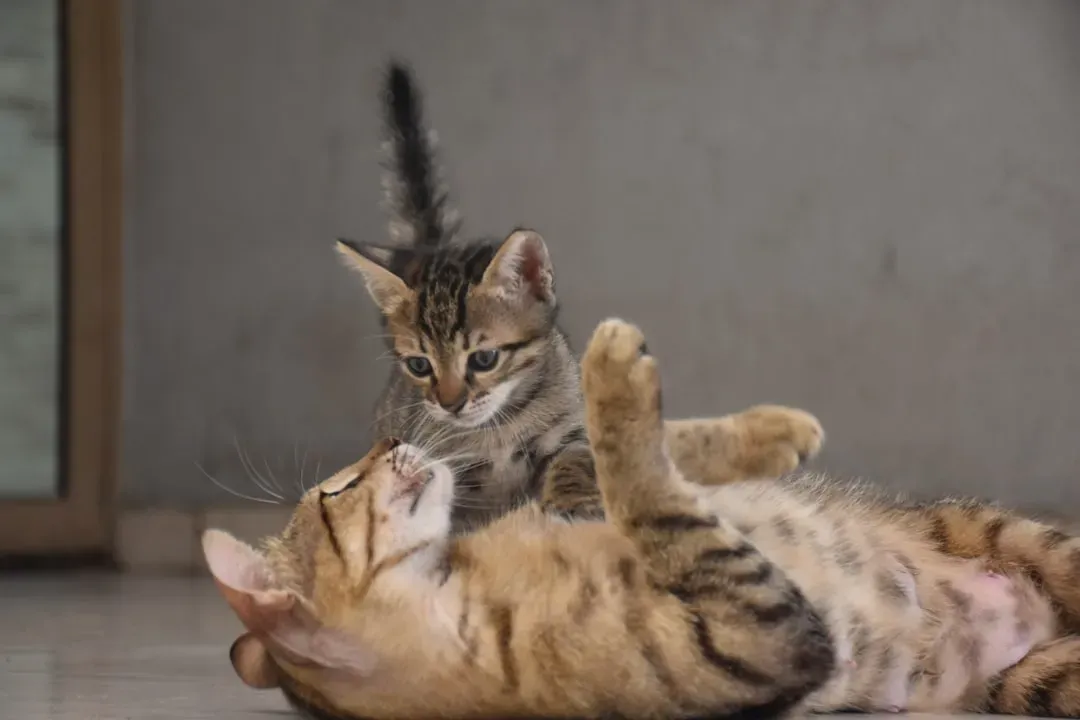
A kitten’s play looks absolutely nothing like a senior cat’s play, and that’s completely normal. Adolescent cats develop preferred styles and show increased strategic thinking in their approach. Adult play sessions become shorter but more intense, with clearer hunting patterns emerging. It’s as though the wild instinct becomes more refined, more focused, less about frantic energy and more about deliberate technique.
For senior cats at ten years and beyond, while energy levels decrease, mental engagement remains important. Play sessions shift toward gentler interactions focused on mental stimulation. This doesn’t mean an older cat has lost their inner hunter. It just means they’ve become wiser about how they deploy it. For senior cats, playtime may look different. They might not be able to leap or sprint as vigorously, but they still benefit from engaging activities. Don’t give up on playtime with older cats. They need it more than most people realize.
What Happens When Your Cat Doesn’t Get to Hunt at All
Let’s be real: ignoring your cat’s hunting drive has real consequences. Today’s cats may be well-fed, but they still require an outlet for their need to hunt. They may develop physical or behavioral problems if they do not have an opportunity to do so. Some cats may suffer from boredom and obesity while others may actually show aggression towards their caregivers. That sounds uncomfortable, and it is, for both of you.
Cats, especially indoor ones, need activities that mimic their natural behaviors: hunting, exploring, scratching, climbing, and napping in weird places. Without these enriching experiences, they can become lethargic, anxious, or destructive. A cat who’s knocking things off your shelves repeatedly or ambushing your ankles without warning isn’t a bad cat. They’re a bored hunter begging you to give them a proper outlet. There’s a meaningful difference.
Matching Toys to Your Cat’s Inner Hunter
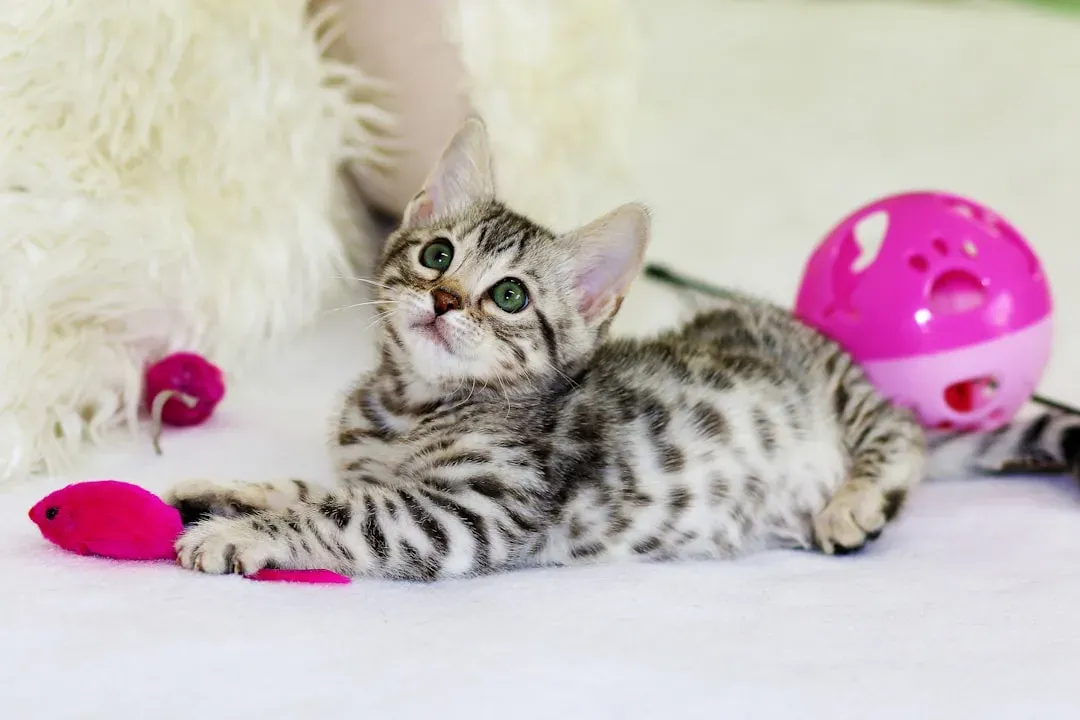
Once you’ve identified your cat’s play style, you can finally stop wasting money on toys they’ll completely ignore. Understanding your cat’s natural play style allows you to create more engaging and fulfilling play experiences. Stalkers might prefer toy mice or small balls, while aerial acrobats may favor wand toys with feathers. It’s almost embarrassingly simple once you know what to look for.
Cats need to finish the act of hunting by catching what they are hunting. When they can’t catch whatever they are hunting, they get frustrated and upset. So always let your cat win. Let them catch the toy, “kill” it, and feel that satisfaction. Letting them win is crucial for satisfaction and confidence building. Rotate toys to keep them fresh and exciting by rotating them every few days. This prevents boredom and maintains the novelty factor that triggers hunting instincts. Think of yourself less as a toy buyer and more as a game designer who’s crafting the perfect hunt for their very particular predator.
Conclusion
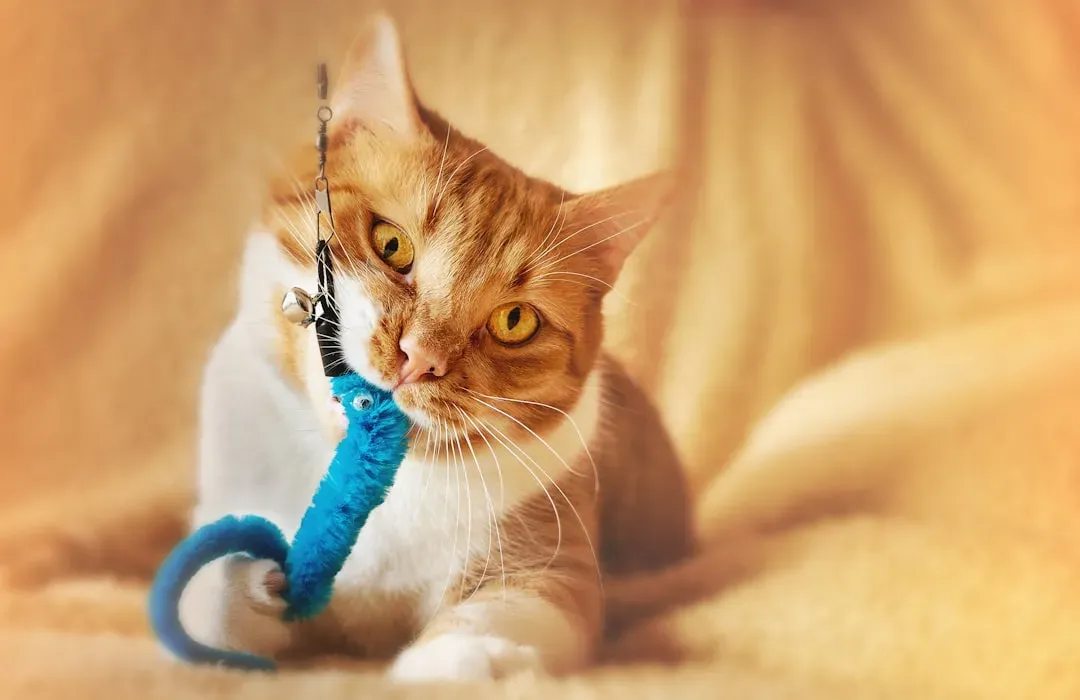
Your cat is not simply playing. They are rehearsing their identity as a hunter every single time they crouch, stalk, leap, or pounce. That behavior is ancient, layered, and deeply personal to them. When you take the time to understand your cat’s play style, you’re not just picking better toys. You’re building a deeper relationship with an animal whose inner world is far richer than most of us give credit for.
The silent stalker, the sky-chasing acrobat, the relentless chaser, each one is a distinct personality expressing itself through the oldest instinct in the feline playbook. Understanding your cat’s play style allows you to foster an environment where they can thrive, both physically and mentally. And honestly, few things in life are quite as rewarding as watching your cat explode with pure, focused joy during a play session that was made just for them. So the next time you watch your cat stalk a dust bunny with deadly seriousness, ask yourself: what does that tell you about who they really are?